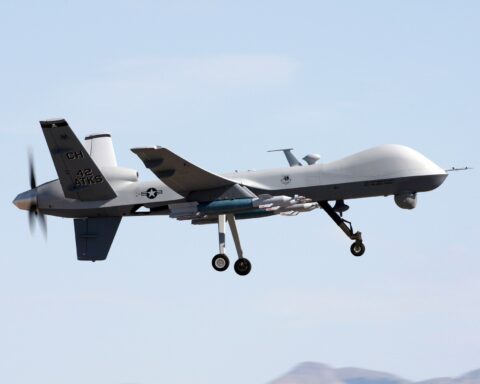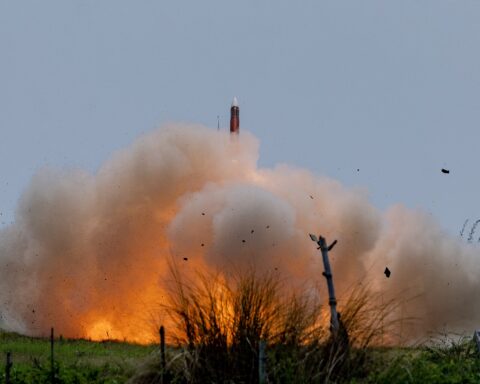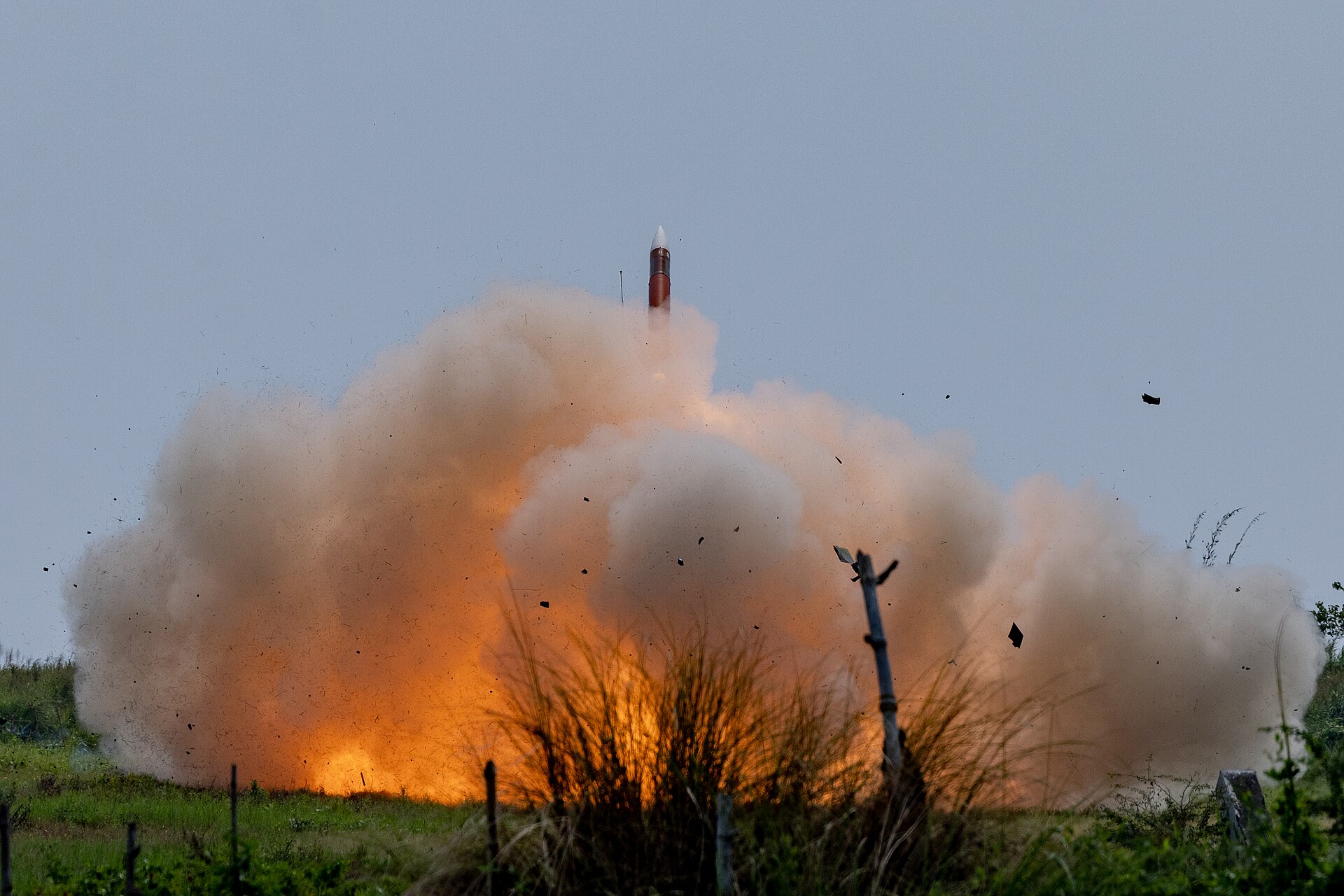

RIYADH — The Saudi-led coalition said on Sunday, November 22, that its air defences intercepted and destroyed a Houthi drone launched toward the Riyadh region. Coalition spokesman Turki al-Maliki announced the interception on X, according to Anadolu Agency, a day after the coalition said it had shot down three Houthi ballistic missiles fired at the capital.
The weapon has changed from one day to the next. Saturday’s attack on Riyadh was carried out with ballistic missiles, AFP reported. Sunday’s was a drone, and it came on the same day al-Maliki reported a separate ballistic missile fired toward the kingdom’s western region. No casualties or damage from either interception were officially reported, Azernews said.
The House of Saud Daily Briefing
Saudi Arabia's news in 3 minutes, every morning. Free. See today's issue
Table of Contents
- What did the coalition say about the Riyadh drone?
- A drone for the capital, a missile for the west
- How have Houthi attacks on Riyadh changed this week?
- What the Houthis have said and threatened
- Can layered air defences stop mixed salvos?
- Background: three months of Houthi fire at Saudi Arabia
- Frequently Asked Questions
What did the coalition say about the Riyadh drone?
The coalition said one Houthi drone was intercepted and destroyed on its way to the Riyadh region on November 22. Al-Maliki gave no launch site, no time and no detail on the type of drone, and named no interceptor system. No Houthi claim for the drone had been found at the time of writing.
The statement on X was brief. Al-Maliki wrote that his forces had intercepted “a drone launched by the terrorist Houthi militia toward the Riyadh region,” according to Anadolu Agency. The agency placed the interception amid escalating hostilities, including Houthi attacks on Saudi airports and energy facilities.
“Air defenses intercepted and destroyed a drone launched by the terrorist Houthi militia toward the Riyadh region.”Turki al-Maliki, coalition spokesman, on X, November 22, 2026 (via Anadolu Agency)
Azernews, carrying the Anadolu report, said there had been “no official statement on casualties or damage.” That matters in a city where a Houthi attack damaged the Public Investment Fund tower three days earlier, as detailed below.
The coalition statement leaves gaps. It does not say whether the drone was a one-way attack drone or a reconnaissance aircraft, how close it came to the city, or whether a civil defence alert was issued. On Saturday, by contrast, the Riyadh alert was public and AFP recorded it.
A drone for the capital, a missile for the west
The Riyadh drone was one of two coalition announcements on Sunday. In a separate post, al-Maliki said: “Air defence intercepted and destroyed a ballistic missile launched by the terrorist Houthi militia toward the western region,” according to AFP, as carried by Free Malaysia Today.
AFP noted that the western region holds the Yanbu terminal, a major crude oil export facility, and the Jazan refinery near the Yemeni border. Houthi fighters have attacked oil installations there in recent weeks, along with airports and military sites, the agency reported.
The two Sunday announcements did not say whether the drone and the missile were launched together or hours apart. They do show the Houthis sending different weapons at different parts of the kingdom on the same day, a pattern that runs through the past week of coalition statements.
Azernews put a running count on it. The outlet called the Riyadh drone “the fourth interception of Houthi attacks in the last 24 hours” and said the coalition had also destroyed “two drones and three other ballistic missiles” aimed at southern Saudi Arabia and the capital. That tally does not line up neatly with AFP’s weekend reports, which list three missiles at Riyadh and two over Jizan on Saturday alone, so both figures should be read as approximate.
How have Houthi attacks on Riyadh changed this week?
Over four days, the Houthis have aimed ballistic missiles and then a drone at Riyadh. Coalition statements report missiles toward the capital on November 19 and November 21, and a drone on November 22. No official has explained the change of weapon.
Thursday, November 19, was the heaviest day. The coalition said it intercepted missiles fired toward Riyadh and the south, then said air defences “intercepted and destroyed four ballistic missiles launched by the Houthis” toward the southern region, Al Jazeera reported. The coalition said it destroyed a ballistic missile launchpad used in the attempts on the capital, and emergency warnings were issued across Saudi Arabia that day.
The PIF tower was damaged in that attack. Saudi Arabia said the attack caused “material damage,” with no injuries reported, according to Al Jazeera, and AFP later reported that several floors of the tower, the sovereign wealth fund’s headquarters, were damaged. Our report on the strike on the PIF tower in Riyadh’s financial district covered the first hours.
Early Saturday, November 21, the target was again the capital. The coalition said air defences “intercepted and destroyed (3) ballistic missiles launched by the terrorist Houthi militia toward Riyadh,” according to AFP via Gulf News. An AFP journalist in the city heard two explosions shortly after a civil defence alert warned that Riyadh was “under a hostile aerial threat.” The alert was later lifted, and civil defence declared “the danger has passed.” Details are in our coverage of the three missiles intercepted over Riyadh.
The same Saturday, the coalition said two more ballistic missiles were intercepted over the Jizan region near the Yemeni border, with debris falling in Al-Shuqaiq, AFP reported via the Times of Israel. That episode is covered in our report on the Jazan interceptions and debris in Al-Shuqaiq.
Sunday brought the drone. Al Jazeera’s October analysis of Houthi tactics described the approach: the group “used its weapons in concert, mixing drones and missiles of varying speeds” to overwhelm air defences. No coalition or Houthi statement has said the November 22 drone was meant to test Riyadh’s defences after Saturday’s missiles. That reading remains an inference.
| Date (2026) | Target region | Weapon reported by coalition | Reported outcome | Source |
|---|---|---|---|---|
| November 19 | Riyadh and south | Ballistic missiles (four toward the south) | PIF tower “material damage,” no injuries reported | Al Jazeera |
| November 21 | Riyadh | 3 ballistic missiles | Intercepted; 2 explosions heard by AFP | AFP/Gulf News |
| November 21 | Jizan | 2 ballistic missiles | Intercepted; debris in Al-Shuqaiq | AFP/Times of Israel |
| November 22 | Western region | 1 ballistic missile | Intercepted | AFP/Free Malaysia Today |
| November 22 | Riyadh region | 1 drone | Intercepted; no casualties or damage reported | Anadolu Agency/Azernews |
What the Houthis have said and threatened
The Houthis have not publicly claimed the November 22 drone, but they announced on Saturday that Riyadh was a target. The group said on X that it was striking targets across Saudi Arabia, including Riyadh, AFP reported. The announcement followed a coalition operation against the port of Hodeidah the day before.
The coalition called the Friday raid a “special operation.” Al-Maliki said its forces “targeted operational capabilities at Hodeida port” that were used in smuggling and the transport of weapons and ballistic missiles, according to AFP. The coalition also hit what it called “military targets” in Sanaa, including missile and drone facilities and a supply depot, with attacks reaching Saada and Taiz governorates. Background is in our report on the Hodeidah strikes and the Houthi threat to Jeddah port.
The Houthi reply went beyond missiles. The group’s Humanitarian Operations Coordination Centre told airlines that Saudi airspace was “unsafe” and would be the “theater of our operations” in the coming hours, except for the airspace over Mecca and Medina, AFP reported. The same centre emailed shipping companies and others using Jeddah port and urged them to evacuate. The Houthis had vowed to hit Jeddah and other Red Sea ports if Hodeidah was attacked.
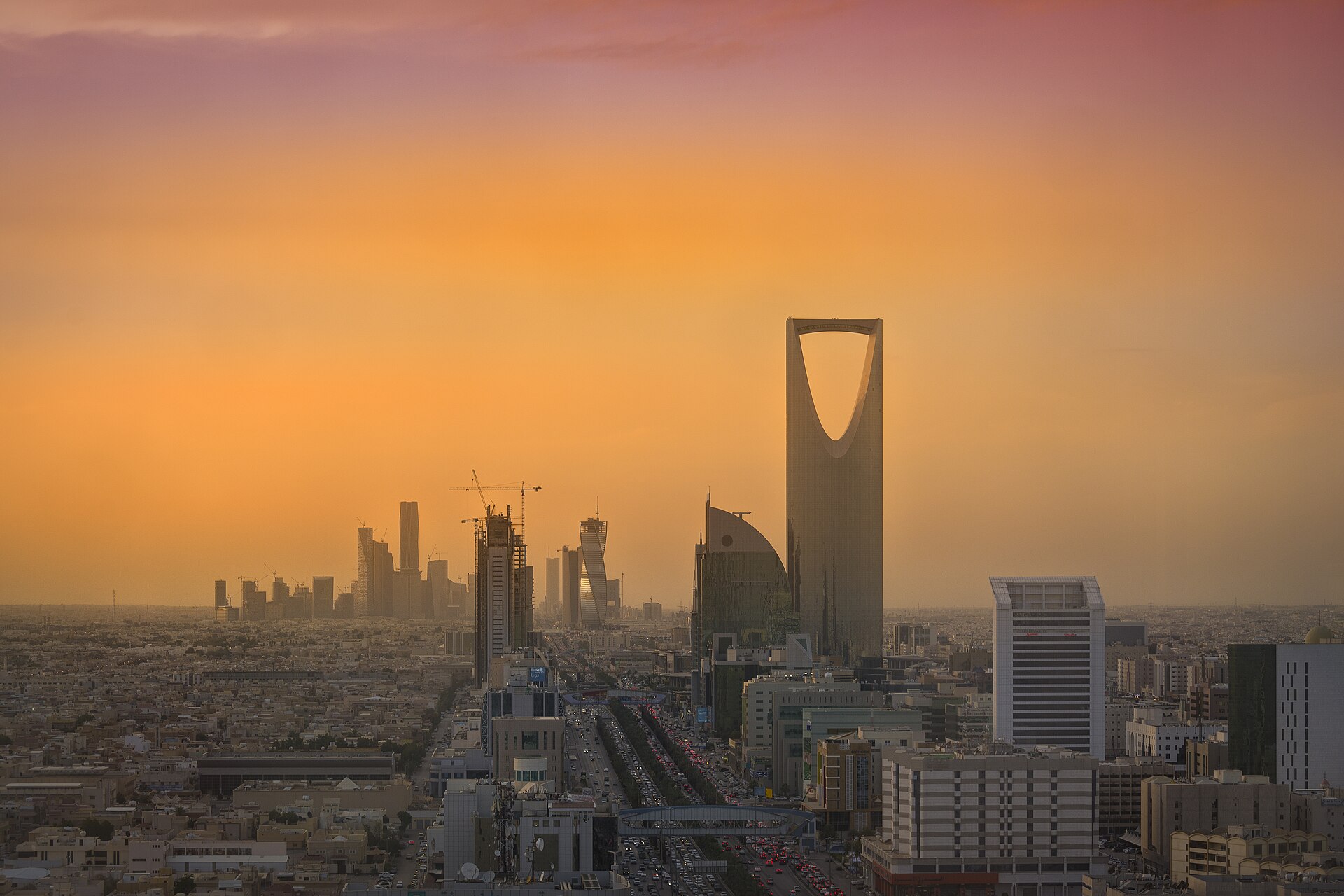
Riyadh’s business district was named directly. The Houthis told people to avoid the King Abdullah Financial District, calling it a “military target,” according to AFP. In the south, the Houthi military spokesman claimed “accurate and direct” strikes on the Al-Shuqaiq power station and Jizan port that caused “extensive damage.” The coalition’s account of the same day mentions only intercepted missiles and falling debris in Al-Shuqaiq. Neither version has been independently confirmed.
The Houthis also put their own losses in the record. They said coalition strikes killed 41 people in the previous 24 hours, and that an earlier Saudi strike on a civilian boat killed 19, according to AFP. Neither figure has been independently verified. Developments on the Yemeni coast since then are tracked in our report on new strikes on Hodeidah.
Can layered air defences stop mixed salvos?
Saudi Arabia operates “advanced, multilayered air defence systems,” Al Jazeera reported in October, but analysts quoted by the network said Houthi stocks of longer-range missiles are probably limited, so individual strikes are chosen to disrupt rather than to saturate defences.
Nawaf Obaid, a senior fellow at the King’s College London War Studies Department, told Al Jazeera that no layered system stops every round. He also said “militarily, the Saudi-led coalition has the upper hand,” and that the Saudi air campaign is “inflicting enormous damage” on Houthi military capabilities.
“As much as you can have a multi-layered air defence system, one will always come through.”Nawaf Obaid, senior fellow, King’s College London War Studies Department, to Al Jazeera, October 11, 2026
Wolfgang Pusztai, a security policy and defence analyst, gave a narrower reading. He told Al Jazeera that the Houthis likely hold only a limited number of short-range ballistic missiles and cannot mount saturation attacks. They aim single missiles at less-defended civilian targets, he said, “to maximise the strategic impact of these attacks, in this case to disrupt civilian air traffic.”
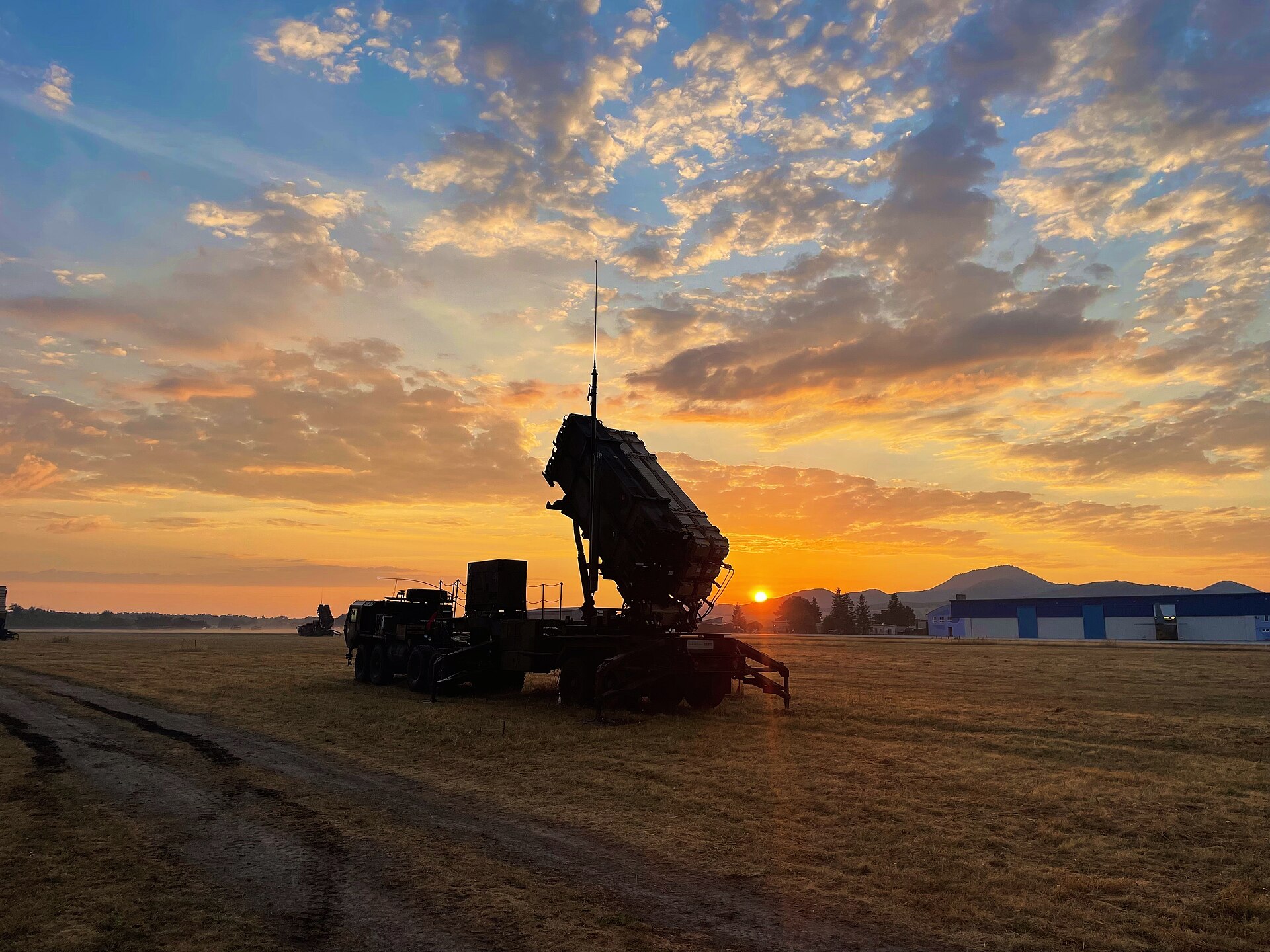
Pusztai also pointed to a structural issue. Saudi ballistic missile defences were built mainly to counter Iran, he said, and the kingdom is likely shifting some of them toward Yemen as Houthi attacks grow. Al Jazeera reported that Saudi Arabia and its US allies have had “limited stockpiles of Patriot and THAAD munitions,” which were used up quickly early in the war with Iran.
That is the backdrop to Sunday’s interception. The coalition did not say which system downed the November 22 drone. Al Jazeera put the range of the Houthi Palestine-2, a two-stage solid-fuel missile, at about 2,000 km, and the Toufan at between 1,350 km and 1,950 km. Earlier Riyadh engagements are covered in our report on the cruise missile destroyed as a blast rattled Riyadh.
Background: three months of Houthi fire at Saudi Arabia
Houthi attacks on Saudi Arabia have killed 26 people in the kingdom since September, 23 of them in strikes on airports, according to Saudi authorities cited by AFP. The current round followed the collapse of a four-year truce in July and a Houthi offensive launched in September, AFP reported.
Riyadh was targeted early. On September 18, the coalition said it intercepted and destroyed a suspected Houthi ballistic missile fired toward King Khalid International Airport, Al Jazeera reported. The next day, smoke and flames rose near the airport, and the Houthis claimed missile and drone attacks on “sensitive” sites in Riyadh and an Aramco facility in Yanbu; the coalition said it destroyed a missile fired at the capital, according to AFP via the Kathmandu Post. The pairing of missiles and drones in that claim predates this week’s sequence by two months.
The worst single attack came on October 10. A strike on King Khalid International Airport killed 12 and wounded 309, according to Al Jazeera, citing Saudi civil aviation authorities. India’s embassy later confirmed that one of its nationals died of injuries, raising the toll to 13, as NBC News reported. By November 4, Arab News confirmed a second Indian national had also succumbed, bringing the confirmed death toll to 14.
Landmark buildings in the capital have since been hit. After the PIF tower attack on November 19, the Saudi Foreign Ministry said the kingdom “affirms its full and legitimate right to take all necessary measures to defend its sovereignty” and called on the international community to “condemn the heinous attacks.” The economic fallout, including the postponement of the 10th FII summit to October 2027, is covered separately.
Frequently Asked Questions
How long has the Saudi-led coalition been fighting the Houthis?
Saudi Arabia has led a coalition supporting Yemen’s internationally recognised government against the Houthis since 2015, Anadolu Agency noted in its November 22 report. The Houthis have controlled Sanaa, the capital, and other parts of Yemen since 2014.
Where do the Houthi missiles fired at Riyadh come from?
Al Jazeera reported that the Toufan appears to be a rebranded Iranian Ghadr missile, and that the shorter-range Burkan and Badr series are believed to be of Iranian origin. Obaid told the network that the Houthis have shown little evidence of their own technological innovation.
Have the King Abdullah Financial District offices been evacuated?
Partly. When the Houthis named the King Abdullah Financial District a “military target” on November 21, AFP reported that companies based there had already asked employees to work from home weeks earlier following earlier Houthi attacks. Saudi authorities have not published figures on how many companies or employees were affected, or for how long.
What has the ground war in Yemen looked like this month?
Saudi-backed forces withdrew from areas near Bab al-Mandab in November, AFP reported.
The House of Saud Daily Briefing
Saudi Arabia's news in 3 minutes, every morning. Free. See today's issue