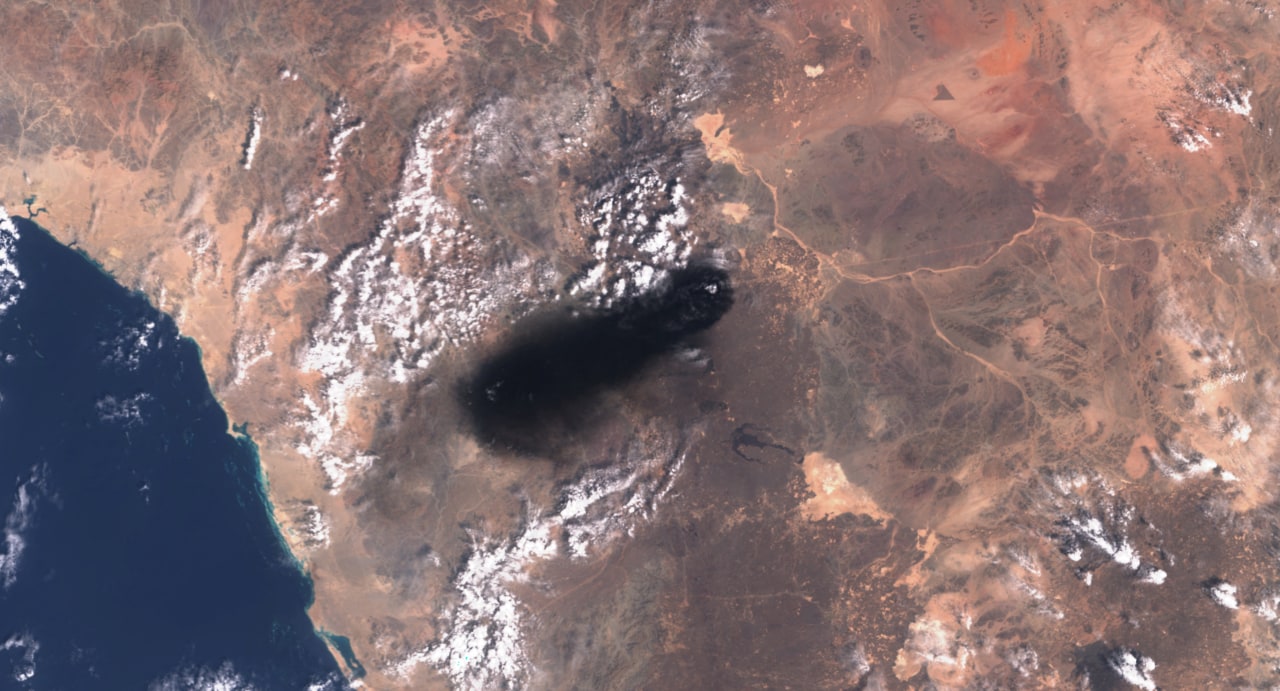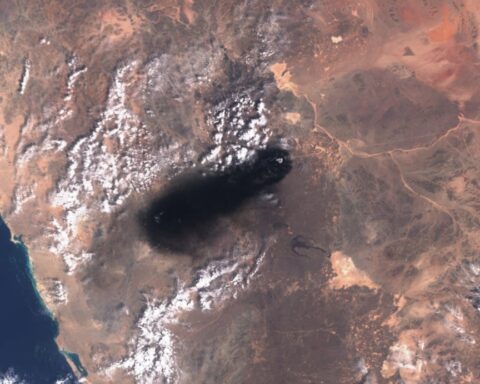

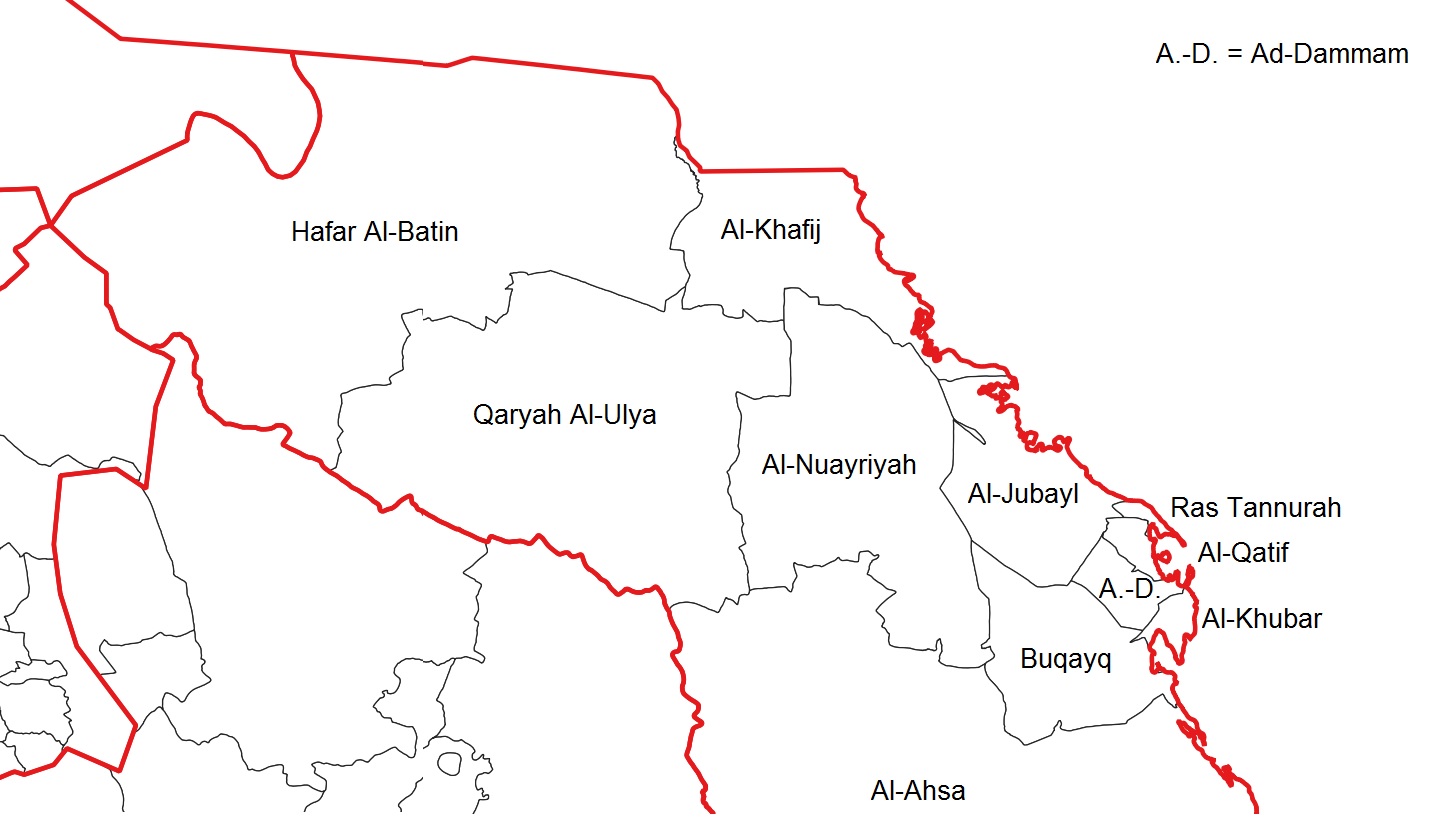
DHAHRAN — NASA satellite imagery reviewed by Reuters showed thick black smoke covering approximately 600 square kilometres around Saudi Aramco’s Ras Tanura refinery on November 25, hours after the Saudi-led coalition said its air defences intercepted and destroyed four drones over the complex. The smoke plume, confirmed independently by NASA FIRMS infrared data, Zoom Earth imagery and offshore vessel footage, drifted across Saudi Arabia’s Eastern Province toward Al Jubayl and Dammam while the coalition maintained that the interceptions caused no damage to the facility.
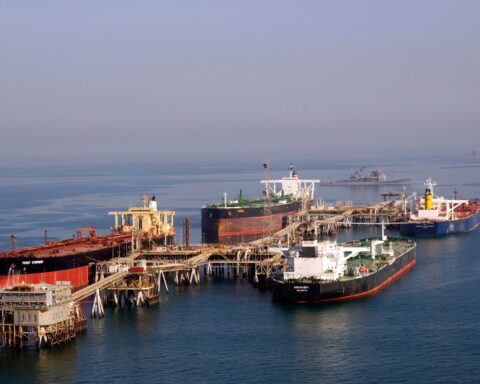
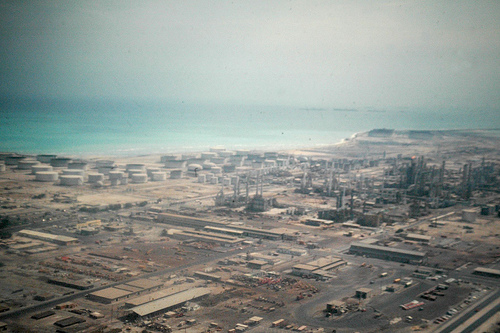
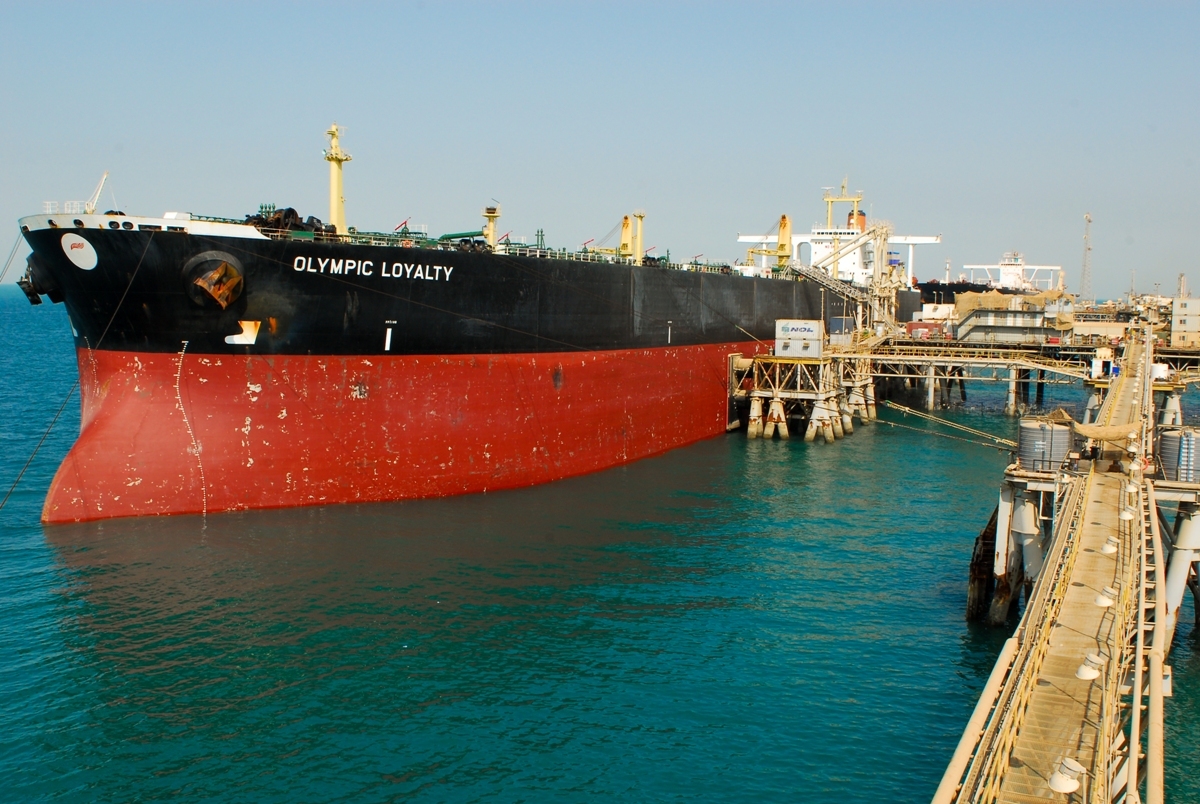
Ras Tanura’s adjoining export terminal can load approximately 6.5 million barrels per day — one of the largest oil-loading complexes on earth — and its 550,000-barrel-per-day refinery accounts for roughly 16 per cent of Saudi Arabia’s domestic refining capacity, according to The National. An attack that did more than the coalition acknowledged could affect crude deliveries to Asia at a moment when OPEC+ members prepare to meet on November 29 to set 2027 production quotas with no agreement in place beyond December.
The House of Saud Daily Briefing
Saudi Arabia's news in 3 minutes, every morning. Free. See today's issue
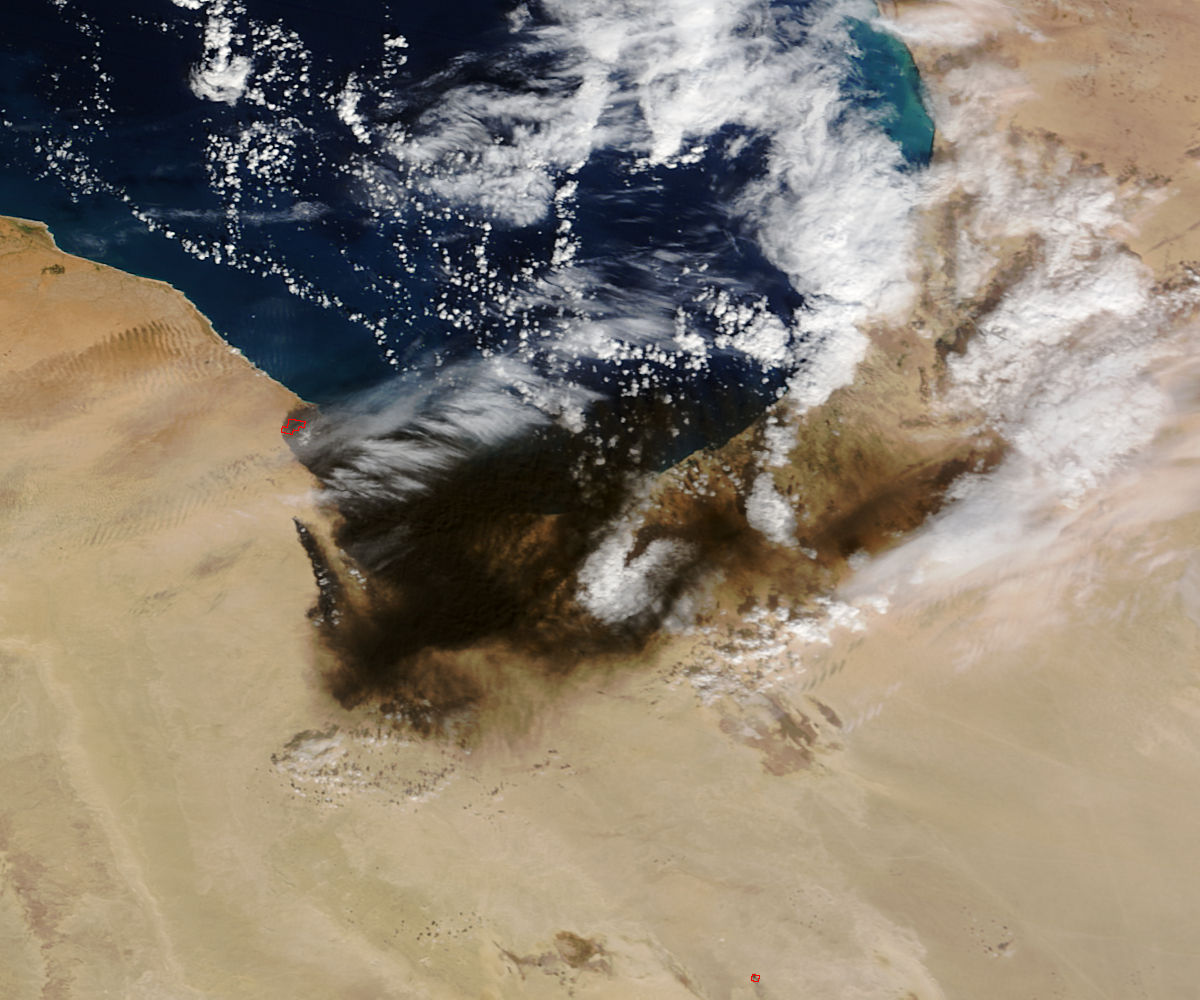
Table of Contents
What Burned Near Ras Tanura on November 25?
The coalition’s Joint Forces Command said air defences intercepted and destroyed four drones over Ras Tanura in Saudi Arabia’s Eastern Province on November 25, according to The National and Siasat. Coalition spokesman Maj Gen Turki Al Malki said fragments fell during the interceptions at several locations and that an initial assessment showed no casualties, as reported by Reuters via tob.news. A Saudi Defence Ministry spokesperson stated separately that “preliminary assessments indicate the attack was carried out by a drone, resulting in no damage,” according to NewsLantern.
The Houthi account differed in every particular. Military spokesman Yahya Saree described the November 25 strikes as “accurate and direct” and said they caused fires at the site, according to Anadolu Agency and The National. Saree cited Saudi coalition airstrikes on civilian vehicles in Lahij Governorate in southern Yemen as the rationale for the attack, Anadolu Agency reported.
Between these two accounts sits a body of physical evidence that is difficult to reconcile with either version taken alone. NASA satellite imagery reviewed by Reuters confirmed thick black smoke around the refinery, as reported by tob.news. NASA FIRMS infrared sensing data showed large, brightly-burning heat sources near the complex, according to the Maritime Executive, while Zoom Earth imagery from November 25 showed a dark plume extending from the site toward Al Jubayl and Dammam, Haverell reported. Bystander footage from an offshore vessel showed a large fire and a single column of smoke rising from shore, the Maritime Executive noted.
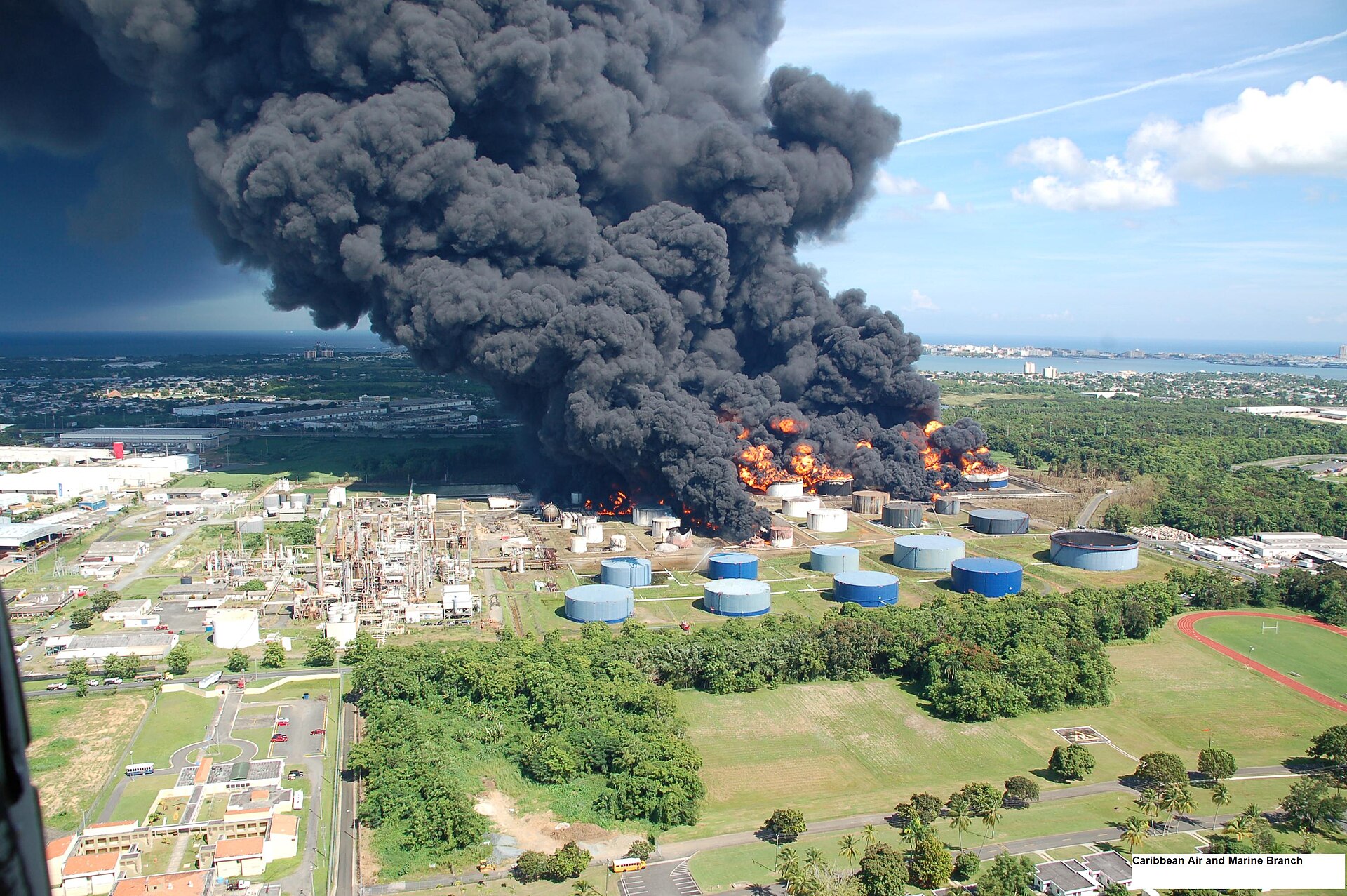
Bloomberg, citing an unnamed source “familiar with the matter,” reported that the site was hit and that Saudi Arabia contained a fire near its biggest oil export terminal, according to OilPrice and EnergyNewsBeat. That is one unnamed source, not an official Saudi confirmation, and it uses the same sourcing formula Bloomberg employed when reporting on the October 27 attack at the same complex. Social media footage also showed thick smoke billowing from an oil facility in Ras Tanura after what multiple outlets described as an overnight attack, according to Siasat.
The convergence of multiple independent evidence streams — NASA satellite, FIRMS infrared, Zoom Earth, offshore vessel footage and social media video — creates a visual record that is difficult to explain by reference to “fragments fell” alone. What none of these sources show is the fire’s exact location within the complex or its cause, the two questions that separate the coalition’s account from the Houthis’ and that the available evidence cannot resolve on its own.
Can Intercepted Debris Produce a 600 sq km Smoke Plume?
Saudi Arabia itself established the relevant precedent on March 2, 2026, when drones targeted the same Ras Tanura complex in what the kingdom called an intercepted attack. Saudi Arabia acknowledged that “fragments fell at 7:04 a.m. local time near the refinery in Ras Tanura, causing minor damage and sparking a small fire,” according to Anadolu Agency’s reporting of the Saudi Ministry of Energy’s statement. That conceded a physical reality — an intercepted drone can produce a fire at its intended target if debris lands on flammable infrastructure — and Aramco shut the refinery as a precaution before restarting it between March 13 and 18, according to Iran International.
“Fragments fell at 7:04 a.m. local time near the refinery in Ras Tanura, causing minor damage and sparking a small fire.” — Saudi Ministry of Energy statement on the March 2, 2026 Ras Tanura attack, as reported by Anadolu Agency
The March fire, however, did not produce a smoke plume visible across hundreds of square kilometres on NASA sensors. The November 25 event involved four intercepted drones rather than two (the count in the March 2 attack), which means more debris falling across a wider area and twice the combustible material from drone fuel and warheads striking the ground at or near a facility that stores and processes millions of barrels of crude and refined products. Whether falling fragments from multiple simultaneous interceptions could ignite a fire large enough to generate the observed satellite signature is a question the coalition’s November 25 statement does not address and that the Defence Ministry’s “no damage” assessment does not resolve.
Maj Gen Al Malki’s phrase “fragments fell during the interceptions at several locations” does not distinguish between debris that landed harmlessly and debris that struck something combustible. The Saudi Defence Ministry’s separate statement — “resulting in no damage” — sits uneasily alongside the Bloomberg source’s account of a fire that required containment, though the ministry may have been speaking about structural damage to processing units rather than any ground-level fire at all. Oil traders, watching the same satellite imagery and reading the same contradictory statements, appear to have reached their own assessment of how much this matters for supply.
Why Did Oil Prices Fall After an Attack on Saudi Arabia’s Largest Terminal?
Brent crude was trading at approximately $88.50 to $88.62 per barrel on November 25, its lowest level since August 27, according to Newsquawk reporting at 09:21 UTC. WTI was at approximately $81, according to FXStreet. After the Houthi attack claim, crude initially gained about 2 per cent before giving back all gains; Brent fell 1.5 per cent within hours, Haverell reported. That a confirmed fire at the world’s largest crude export terminal failed to push oil sustainably higher tells its own story about where supply expectations sit in late November 2026.
UBS said markets were “pricing out near-term geopolitical risk” while reserve releases kept supply comfortable, according to Haverell. Deutsche Bank estimated that October inventories represented approximately 1.7 million barrels per day of oversupply, Haverell reported. The combination of well-supplied global markets and repeated attacks that have not yet produced a sustained export disruption appears to have conditioned traders to sell the rally rather than chase it — the same pattern that played out on October 27, when Brent fell 1.67 per cent on the day of the Houthi attack claim and rebounded only 0.7 per cent the following session, as EnergyNewsBeat reported.
The absence of concrete evidence that the terminal’s loading operations were disrupted reinforced the sell-the-rally instinct. No Aramco force majeure notice had been issued as of reporting on November 25, and no tanker loading suspension had been announced publicly, according to Haverell and multiple other sources. Saudi output was already running 13.7 per cent below year-earlier levels owing to pipeline attacks and broader conflict disruption, leaving the market less sensitive to marginal supply losses from Ras Tanura than it would have been before the war began.
Ras Tanura’s Place in the Saudi Oil Network
As the primary loading point for Asian-bound Saudi crude — serving China, Japan, South Korea and India, according to The National — Ras Tanura occupies a position in the global oil supply chain that few other single facilities match. Any sustained disruption to the terminal’s export operations would ripple across the world’s fastest-growing demand centres at a time when the broader Saudi network is already operating under accumulated wartime strain.
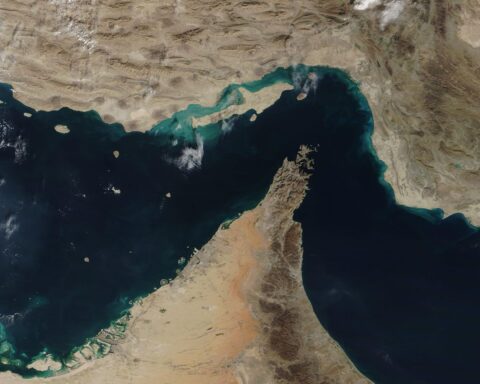
Kpler data cited by GulfNews showed that Ras Tanura loadings stood at 2.95 million barrels per day for October 1 to 25, approximately 29 per cent below September’s 4.16 million barrels per day — a decline that predated the November 25 attack and reflected the cumulative toll of repeated targeting since the conflict began. For comparison, the September 2019 attack on Abqaiq and Khurais suspended 5.7 million barrels per day of Aramco production, according to Aramco’s September 2019 press release. The November 25 event has not produced a confirmed disruption on that scale, but the complex sits on a peninsula extending into the Persian Gulf, its tank farms and loading jetties offering a prominent target from both air and sea.
From March to November: 3 Attacks, 1 Pattern
The March 2 attack was the first of the conflict to hit Ras Tanura. Saudi Arabia acknowledged a limited fire from falling fragments — the same concession detailed in the interception analysis above — and Aramco shut the refinery for approximately 11 days, with IIR reporting the restart on March 13. More consequentially, crude loadings at the terminal halted for approximately four months, resuming only in late June, as The National reported on June 26.
| Date | Coalition position | Physical evidence | Bloomberg source |
|---|---|---|---|
| March 2 | Intercepted; “fragments fell…causing minor damage and sparking a small fire” (Anadolu Agency/Ministry of Energy) | Fire confirmed; refinery shut (Iran International) | Not reported |
| October 27 | Missiles intercepted | FIRMS heat signatures; Sentinel-2 fire aftermath (EnergyNewsBeat) | “Contained a fire near terminal” (EnergyNewsBeat/Bloomberg) |
| November 25 | 4 drones intercepted; “no damage” (The National; NewsLantern) | ~600 sq km smoke; FIRMS heat sources (Reuters via tob.news; Maritime Executive) | “Contained a fire near terminal” (OilPrice/EnergyNewsBeat/Bloomberg) |
The October 27 attack followed the same script. Houthi military spokesman Yahya Saree claimed a ballistic missile struck Ras Tanura and caused “massive fires,” according to EnergyNewsBeat and MarineInsight, while the coalition said missiles were intercepted. Bloomberg, using the same unnamed-source formula it employed in November, reported that Saudi Arabia contained a fire near the terminal, and NASA FIRMS showed heat signatures at the export terminal with Sentinel-2 imagery on October 28 showing a fire aftermath, per EnergyNewsBeat.
November 25 adds a third data point to a sequence now difficult to dismiss as coincidence. The November 22 Houthi claim against Rabigh refinery, the confirmed port strike at Jazan the same morning, and the November 25 strike on the PIF Tower in Riyadh form part of what geopolitical analyst Mohammad Al Basha described as a “port war,” telling tob.news that “both sides are doubling down.” April 2026 attacks on other Saudi facilities cut production capacity by approximately 600,000 barrels per day and East-West pipeline throughput by approximately 700,000 barrels per day, according to the Saudi Energy Ministry via The National.
As of publication, the Bloomberg source’s fire had been contained, the coalition’s debris had been cleared from several locations, and Brent crude was still falling. OPEC+ ministers meet in four days to decide what Saudi Arabia will be allowed to produce in 2027, and no Aramco statement had addressed whether the terminal’s loading berths were operating normally.
Frequently Asked Questions
Has Saudi Aramco issued a force majeure for Ras Tanura loadings?
Not as of November 25 reporting. After the March 2 attack, Aramco also did not issue a formal force majeure, but loadings halted for approximately four months regardless — the terminal only resumed operations in late June, according to The National’s June 26 report. The absence of a force majeure notice does not necessarily indicate that loading operations continued normally, since Saudi Arabia’s standard approach to these incidents has been to withhold operational details until well after the event.
Did the Saudi Defence Ministry and the coalition give the same account?
Not exactly. The Joint Forces Command — the coalition’s operational arm — cited four drones intercepted and confirmed fragment dispersal at several locations, according to Reuters via tob.news. The Saudi Defence Ministry, which speaks to the political and strategic record rather than battlefield detail, used the singular “a drone” and reported no damage, per NewsLantern. The two bodies serve different institutional purposes and do not always synchronise on the initial statement. Neither account has been revised as of publication.
What is the Houthis’ stated motive for attacking Ras Tanura?
Houthi military spokesman Yahya Saree cited Saudi coalition airstrikes on civilian vehicles in Lahij Governorate as the specific rationale for the November 25 attack, according to Anadolu Agency. The strike came on the same day the coalition hit Hodeidah port in what the Maritime Executive described as a broader exchange of fire between Saudi Arabia and the Houthis, reinforcing a pattern of port-for-port retaliation. The Houthis’ sustained ability to target Eastern Province oil infrastructure months into the conflict, despite coalition interceptions, suggests a drone supply that air defences alone have not exhausted.
Where within the complex did the fire occur?
No official Saudi statement has specified a location. Bloomberg’s unnamed source said the fire was “near” the terminal, not inside processing units, according to OilPrice and EnergyNewsBeat. The complex includes a refinery with crude distillation units, a tank farm storing crude and refined products, product loading berths, and a separate export terminal with its own storage and jetties — and the distinction matters because a tank-farm fire and a processing-unit fire carry very different implications for throughput and restart timelines.
When does OPEC+ next meet?
OPEC+ meets November 29 to set 2027 production quotas, four days after the Ras Tanura attack. How or whether the latest attack on Saudi infrastructure factors into those discussions has not been reported. The broader question for OPEC+ is whether Saudi Arabia’s wartime production capacity — already reduced by accumulated conflict damage — should inform the quotas the group sets for 2027, given that the kingdom’s ability to increase output even if quotas allowed it appears constrained by the ongoing targeting of its facilities.
The House of Saud Daily Briefing
Saudi Arabia's news in 3 minutes, every morning. Free. See today's issue