
KUWAIT CITY — Iranian drones killed two Italian defence technicians at a Kuwaiti air-defence surveillance station on Tuesday afternoon, the first confirmed deaths on Kuwaiti soil since Tehran began striking Gulf states nine months ago, in an attack that drew condemnation from Saudi Arabia, the GCC, and the European Union within hours. The dead were employees of Rheinmetall Italia — the Italian arm of the German defence conglomerate — and their nationality, their employer, and the nature of the facility they were working at when the drones arrived turned what might have been another regional security incident into a European one, with EU Commission President Ursula von der Leyen posting on X that the bloc must “step up pressure on Iran.”
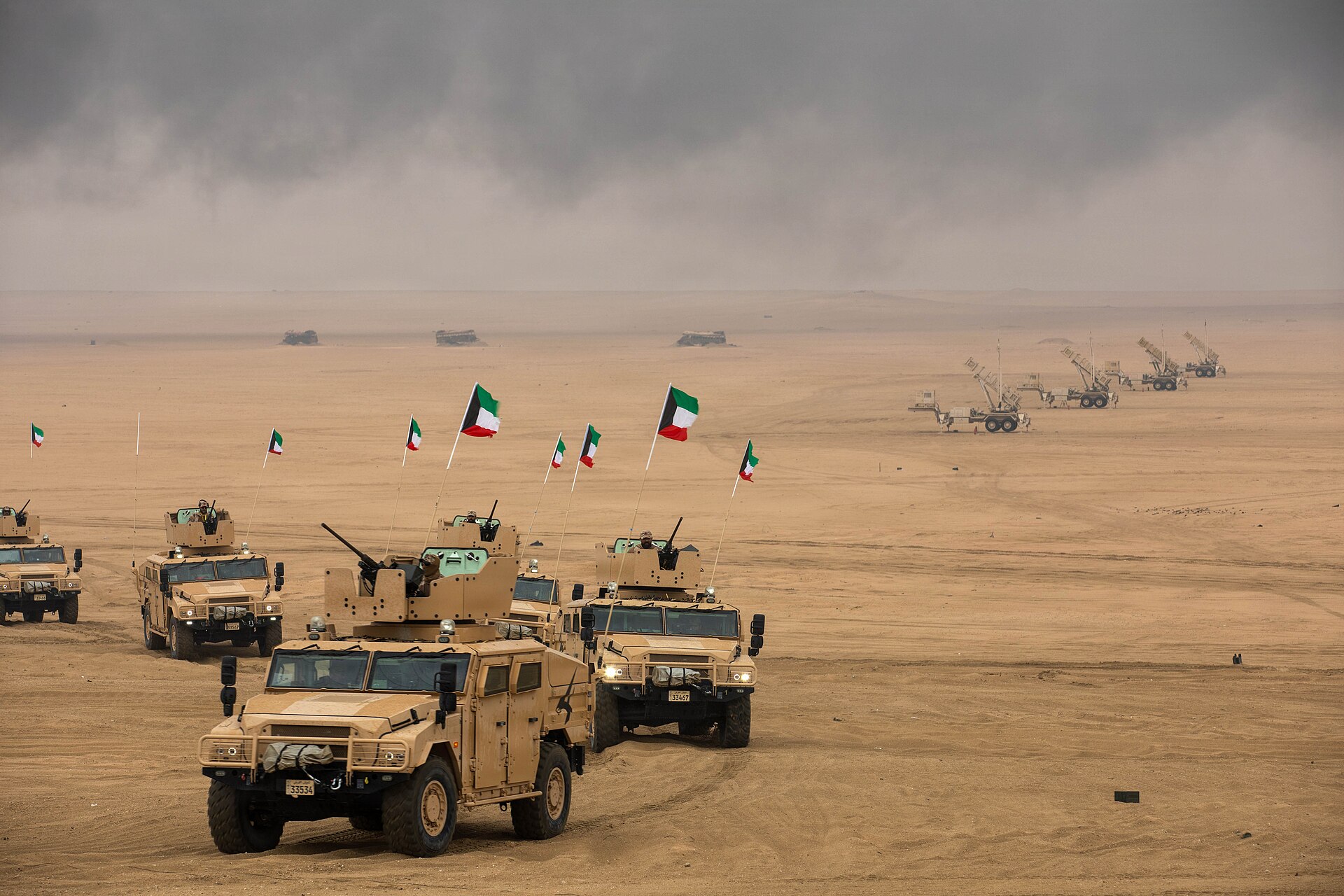
Kuwait’s Ministry of Defence said its forces detected and engaged hostile Iranian drones that violated the country’s airspace, with four people initially injured by falling debris from the engagement — one Kuwaiti national, two Italian nationals, and one Pakistani national, according to Kuwait’s MoD spokesman Staff Colonel Saud Abdulaziz Al-Atwan, as reported by CBS News and Asharq Al-Awsat. The two Italians were later pronounced dead. Iran denied involvement three times over — through its foreign minister, its military spokesman, and its embassy in Rome — but neither Kuwait, nor Saudi Arabia, nor the GCC secretary-general used hedging language in their responses, all of them attributing the attack directly to Tehran.
The House of Saud Daily Briefing
Saudi Arabia's news in 3 minutes, every morning. Free. See today's issue
Table of Contents
What Happened at the Air-Defence Station?
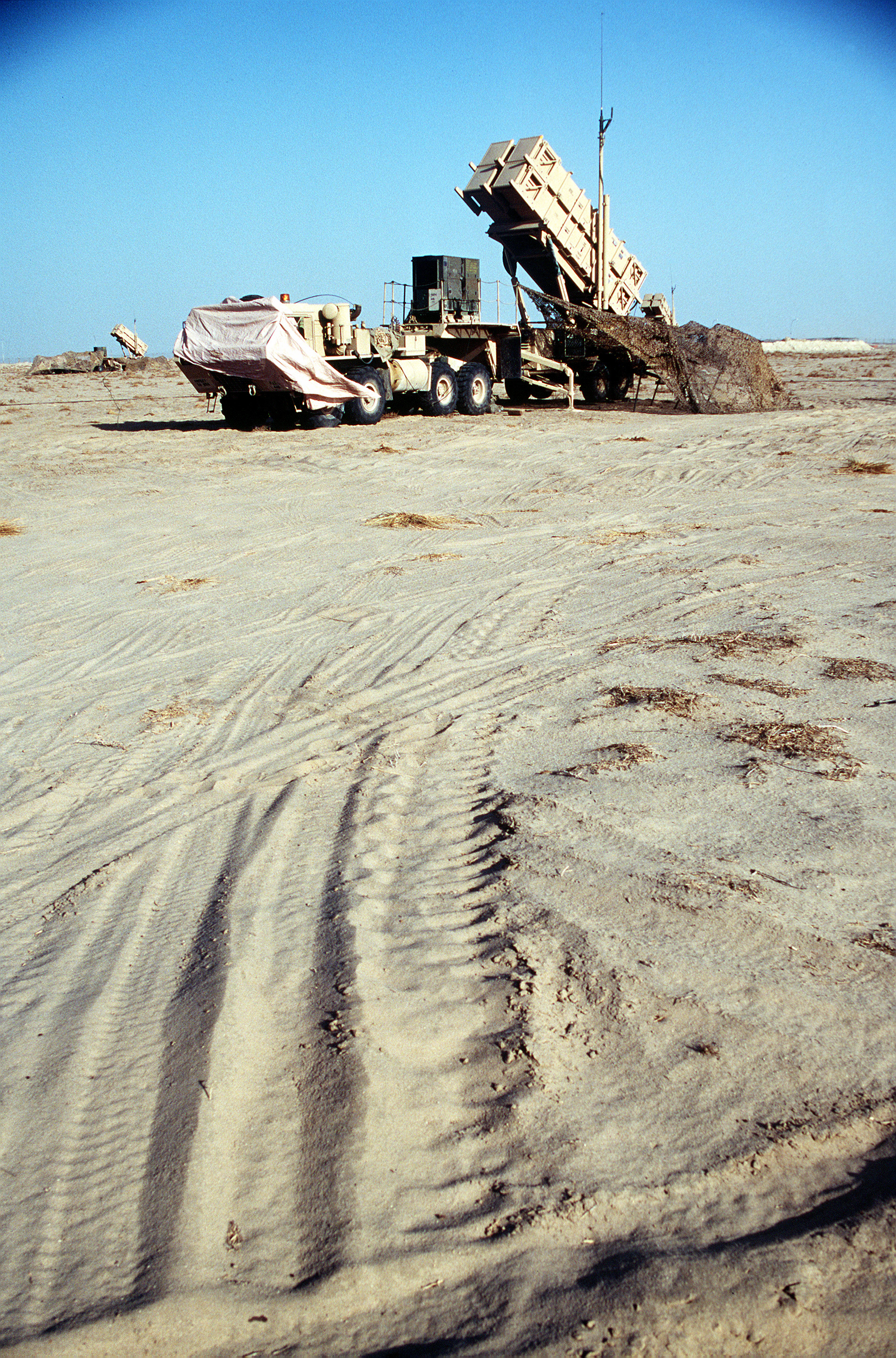
The drones struck around 2 p.m. local time, according to Italian Foreign Minister Antonio Tajani, who told Italian media the weapons targeted Kuwaiti military installations and that the victims had been technicians working at an air-defence surveillance station, CBS News reported. Kuwait’s MoD described the target as “a vital site” — language that left the nature of the facility unstated until Tajani’s disclosure confirmed it was a node in Kuwait’s air-defence network, the system built to defend against precisely the kind of attacks Iran has been conducting since February 2026.
Kuwait’s armed forces “detected and engaged hostile Iranian drones that violated the country’s airspace,” the MoD said, per Asharq Al-Awsat. The engagement’s falling debris injured four people, two of whom — both Italian nationals employed by Rheinmetall Italia — later died from their injuries. “Regarding the targeting of a vital site in the country as a result of the heinous Iranian aggression, the two injured Italian nationals have died as a result of their injuries,” the defence ministry said in a statement carried by Al Jazeera.
Civilian flights were diverted from Kuwaiti airspace during the engagement, Euronews reported, reprising the kind of airspace disruption that forced Kuwait to ground commercial traffic entirely in July after Iranian strikes on four of eight days. The drone type used in the attack has not been identified by any official source, and Kuwait’s MoD offered no detail on how many drones were launched or whether all of them were intercepted.
Iran Denies Involvement, Blames Israel and the US
Tehran issued three layers of denial within hours of the attack. Iranian Foreign Minister Abbas Araghchi called his Kuwaiti counterpart, Sheikh Jarrah Jaber Al-Ahmad Al-Sabah — Kuwait’s foreign minister since February 2026 — and “firmly rejected allegations regarding an Iranian drone attack on Kuwait, stating that the Islamic Republic of Iran had no involvement whatsoever,” according to Al Jazeera, citing Iranian state television. Araghchi offered a joint investigation, a gesture that Kuwait’s public language, calling the event “the heinous Iranian aggression,” suggests it has no interest in accepting.
Sardar Shekarchi, spokesman for Iran’s Armed Forces, went further, claiming there had been “no offensive or military operations in the region” and blaming “the Zionist regime and American forces” for what he called “false flags” and “regional adventures,” Al Jazeera reported. Iran’s embassy in Rome, responding to the European dimension of the casualties, issued its own statement “categorically rejecting” the allegation that Iran was behind “today’s purported drone attack on a military facility in Kuwait,” per Euronews and CBS News.
The triple denial — diplomatic, military, and consular — follows a pattern Tehran has maintained throughout this conflict, in which Iranian officials deny operations that Gulf states, Western governments, and in some cases Iranian state media’s own earlier reporting attribute to Iran. Kuwait’s defence ministry made no effort to hedge its attribution, and neither did any of the governments that responded in the hours that followed.
How Has the Gulf Responded?
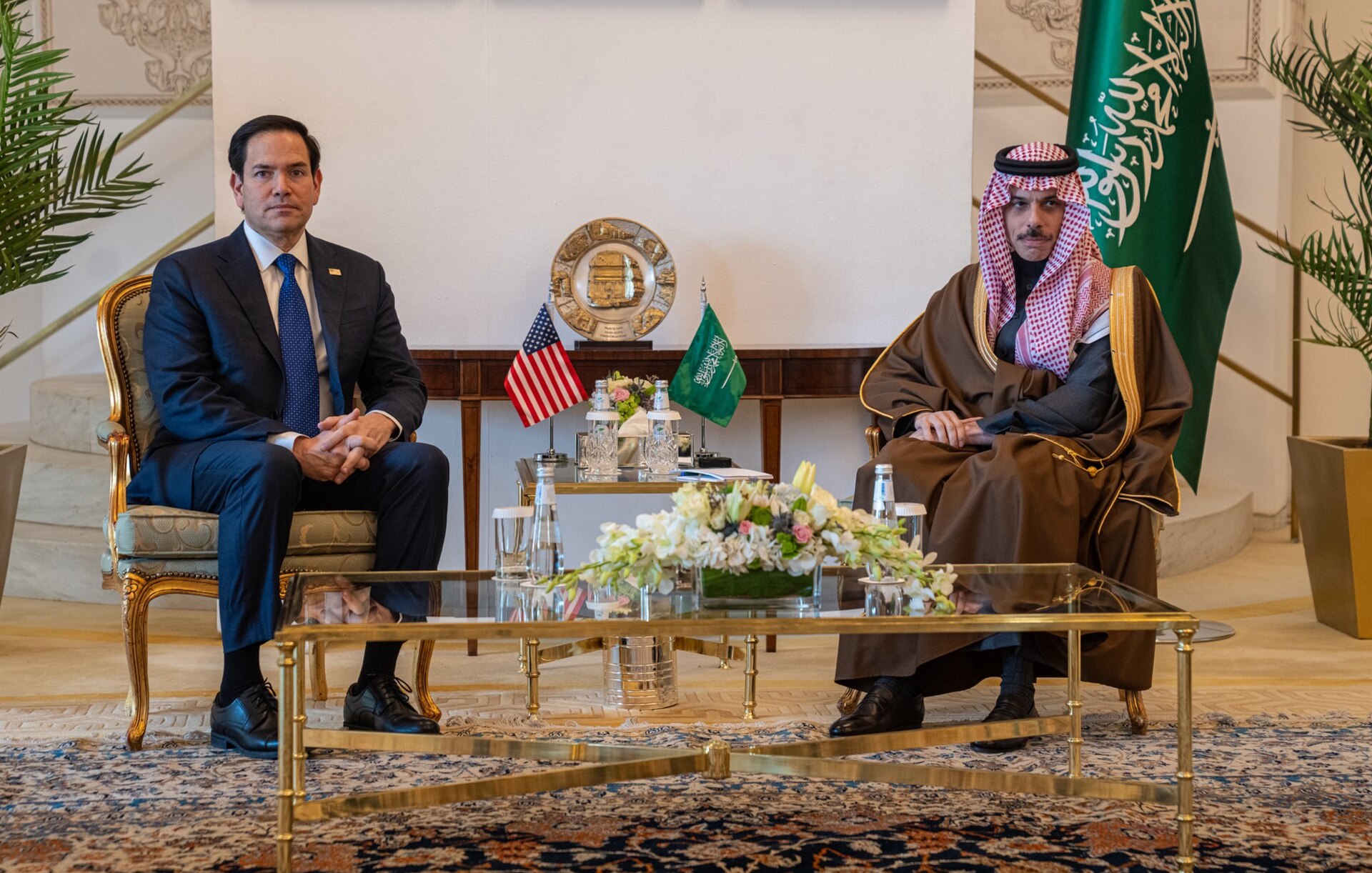
Saudi Arabia’s Ministry of Foreign Affairs issued one of its most direct statements of the war, condemning “in the strongest terms Iran’s heinous aggression against Kuwait, which targeted a vital site, resulting in several deaths and injuries,” per Asharq Al-Awsat. The kingdom went beyond condemnation: “The continued Iranian attacks lead to further tensions and instability,” the statement read, before declaring that Saudi Arabia “holds Iran responsible for the consequences of its continued brutal attacks, demands an immediate cessation of these violations, and reaffirms its full solidarity with the brotherly State of Kuwait in all measures it takes to safeguard its sovereignty.”
“The Kingdom holds Iran responsible for the consequences of its continued brutal attacks, demands an immediate cessation of these violations, and reaffirms its full solidarity with the brotherly State of Kuwait in all measures it takes to safeguard its sovereignty.”
Saudi Ministry of Foreign Affairs, November 26, 2026 — Asharq Al-Awsat
GCC Secretary-General Jasem Mohamed Albudaiwi “strongly condemned” the attack, called it “an extremely dangerous and unacceptable escalation,” pledged solidarity with Kuwait’s “legitimate right to defend itself,” and held Tehran “fully responsible,” Asharq Al-Awsat reported. The condemnation arrived on a day when Saudi Arabia was defending its own cities — the coalition struck Sanaa after Houthi drones hit Riyadh and a separate strike targeted a refinery in Jazan. That Riyadh still issued a detailed condemnation of the Kuwait attack, with language as strong as anything it has used about its own attackers, tells you where the kingdom sees the strategic stakes in Iran’s widening direct-attack campaign.
Why Is the EU Stepping In?
Von der Leyen’s response was the fastest European institutional reaction, and the most explicit. “We must step up pressure on Iran to put an end to these unacceptable attacks against its neighbours and our partners in the Gulf,” the EU Commission president wrote on X, adding: “Today’s events are yet another reminder that security in the Gulf is a matter of security for us all,” as reported by CBS News.
The statement matters because the dead were European citizens — Italian technicians from a German defence company, killed while maintaining the military infrastructure of a GCC partner state — and because it arrives five weeks after the EU-GCC summit in Riyadh on October 24, where Gulf security dominated the agenda and European leaders acknowledged what GCC states have argued for months: that Gulf energy supply and European energy security are inseparable, given that GCC imports supply more than 75% of EU fuel, according to European Commission data cited by The National. Von der Leyen specified no mechanism for the “stepped-up pressure” she called for — no sanctions package, no arms embargo, no diplomatic framework. Two dead European defence workers on allied soil gives Brussels a domestic argument for action that abstract appeals to stability never could, and the Rheinmetall connection puts the incident inside the European defence-industrial supply chain rather than at a comfortable geopolitical distance.
Italian Prime Minister Giorgia Meloni responded on X: “On behalf of myself and the Government, I express my deepest sorrow and extend my heartfelt condolences to the victims’ families,” Al Jazeera reported. Tajani, in publicly identifying the employer and workplace, made sure the European public understood the nature of the incident — not a stray missile hitting a construction site, but Iranian drones striking the air-defence station where European technicians were keeping Kuwait’s radar systems running, as Gulf and US officials were separately discussing the broader threat to regional navigation and airspace.
Kuwait Under Fire Since February
Tuesday’s attack was the deadliest, but far from the first, Iranian strike on Kuwaiti territory since the war began. Kuwait was first attacked on February 28, 2026 — the same day Iran first closed the Strait of Hormuz — and Ali Al Salem Air Base, which hosts US military facilities, has been repeatedly targeted in the months since.
The escalation has followed a worsening arc. In July, Iran struck Kuwaiti power and desalination plants on four consecutive days starting July 17, injuring firefighters and workers but killing no one, according to Khaleej Times and Business Today. Kuwait closed its entire airspace on July 18 after the second straight day of attacks, per Khaleej Times. On November 17 and 18, Kuwait’s military said it was repelling drone attacks — the first activation of its air defences since early September, Al Jazeera reported — in what the BBC described as Tehran’s first attack on Kuwait in roughly two months.
What changed on Tuesday was the body count. Nine months of Iranian strikes on Kuwait had produced injuries, infrastructure damage, airspace closures, and diplomatic crises, but no confirmed fatalities until the two Rheinmetall technicians died at the surveillance station. The fact that the first people killed on Kuwaiti soil in this conflict were European nationals working on the country’s air-defence architecture gives the story a reach — into European parliaments, European defence procurement meetings, European newsrooms — that previous strikes on power plants and military bases did not.

The Makkah Alliance’s Unplanned Test
The Makkah Joint Defense Agreement formally entered force on November 14, twelve days before Tuesday’s attack, when Turkey’s ratification law was published in the Official Gazette completing all three signatories’ domestic approvals. The alliance’s third strategic committee meeting was convening in Islamabad on November 26 to negotiate rapid-deployment mechanisms and joint command arrangements, though those operational structures are still being finalised. The agreement, signed on August 7 by Saudi Arabia, Turkey, and Pakistan, treats an attack on any signatory as an attack on all, per Kuwait Times and AFP — but Kuwait is not confirmed as a signatory to the core pact, meaning its strongest collective-defence mechanism does not automatically apply here. The alliance’s secretary-general met Saudi FM Prince Faisal bin Farhan in Riyadh days earlier to discuss the defence secretariat’s operational readiness, and Tuesday’s attack now gives that meeting a sharper urgency than either side likely anticipated.
What Kuwait does have is GCC political solidarity — real, unanimous, and demonstrated within hours of the attack — along with a bilateral relationship with Saudi Arabia that Crown Prince Mohammed bin Salman reinforced on November 23, when he called Kuwait’s Emir to inquire about his health after US medical checks. The conversation Araghchi had with Kuwait’s foreign minister on Tuesday, in which he denied everything and offered a joint investigation Kuwait has shown no interest in accepting, is the kind of diplomatic exchange that hardens positions rather than softens them, and it landed while the US funding debate over the Iran war and the broader question of Gulf airspace security were already dominating the region’s agenda.
The Rheinmetall detail may matter more than the body count in determining what happens next — not because two Italian technicians’ lives are worth more than the Kuwaiti and Pakistani workers injured alongside them, but because their deaths placed the Kuwait attacks inside the European defence-industrial supply chain, where Brussels, Berlin, and Rome cannot treat it as somebody else’s war.
Frequently Asked Questions
When did the Makkah Joint Defense Agreement enter force?
The full treaty provisions entered force on November 14, 2026, twelve days before the Kuwait attack, when Turkey’s ratification law was published in Türkiye’s Official Gazette — the final domestic step needed after Turkey’s parliament approved the pact on November 5 by a vote of 279 to 119, and Pakistan ratified the agreement on October 23. The mutual-defence clause — an attack on one is an attack on all — is now legally binding among the three signatories, though its application to non-signatory GCC states like Kuwait remains a political rather than legal matter.
What is Rheinmetall Italia?
Rheinmetall Italia is the Italian subsidiary of Rheinmetall AG, a German defence conglomerate headquartered in Düsseldorf that manufactures air-defence systems, armoured vehicles, ammunition, and military electronics. The company provides technical support and maintenance for military radar and surveillance systems across NATO and allied nations. The two Italians killed in Kuwait on November 26 were Rheinmetall Italia technicians maintaining equipment at the air-defence surveillance station, per Italian FM Tajani and Italy’s foreign ministry, as reported by CBS News and Al Jazeera.
Has Kuwait closed its airspace before during the Iran conflict?
Kuwait closed its entire airspace on July 18, 2026, after the second consecutive day of Iranian strikes on its power and desalination infrastructure, with Kuwait Airways rescheduling most flights, according to Khaleej Times. Civilian flights were diverted again during the November 26 engagement, per Euronews. The November 17 and 18 drone interceptions also caused flight disruption across Kuwait, Bahrain, and Saudi Arabia, as Condé Nast Traveller Middle East reported at the time.
The House of Saud Daily Briefing
Saudi Arabia's news in 3 minutes, every morning. Free. See today's issue