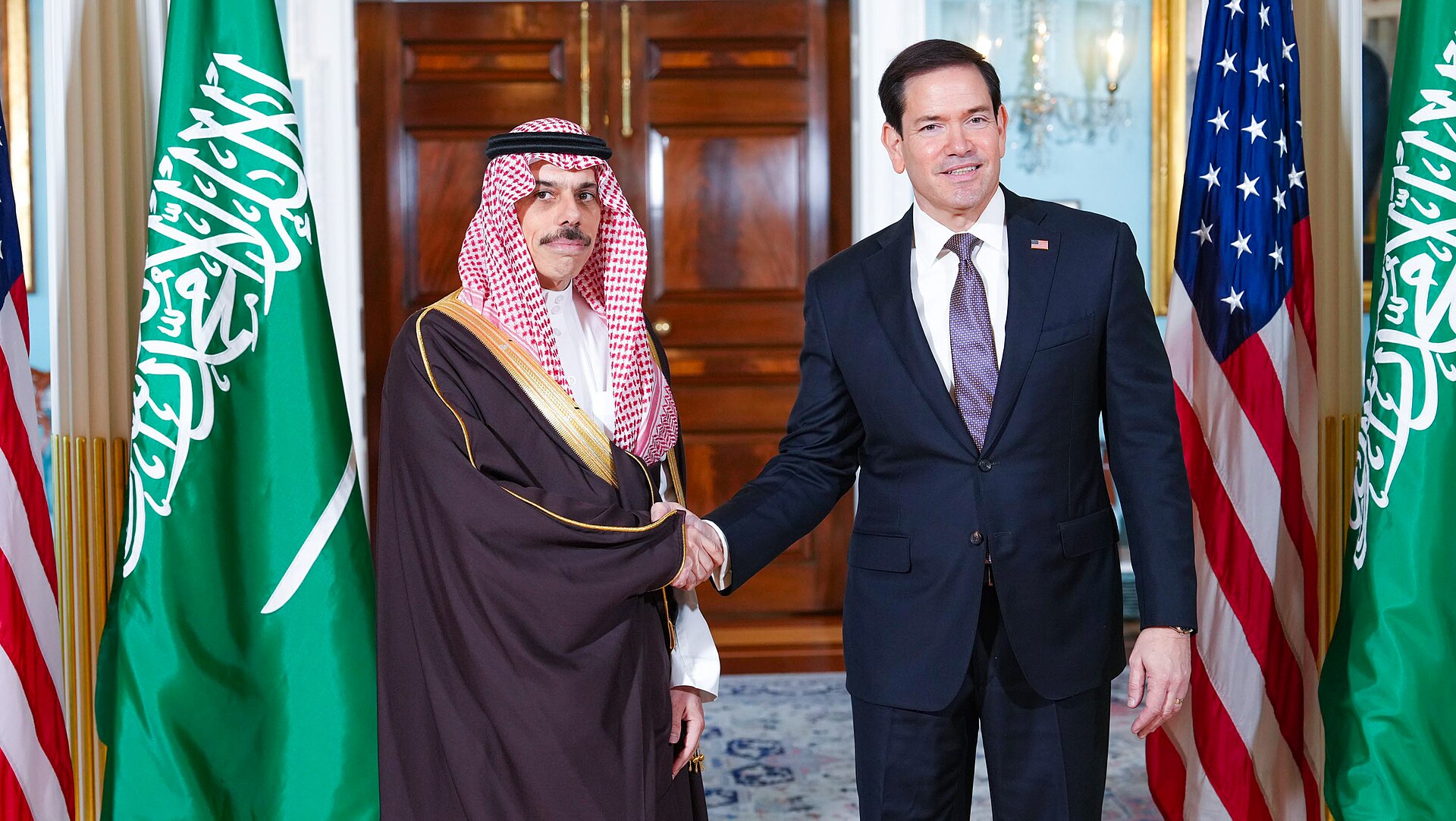

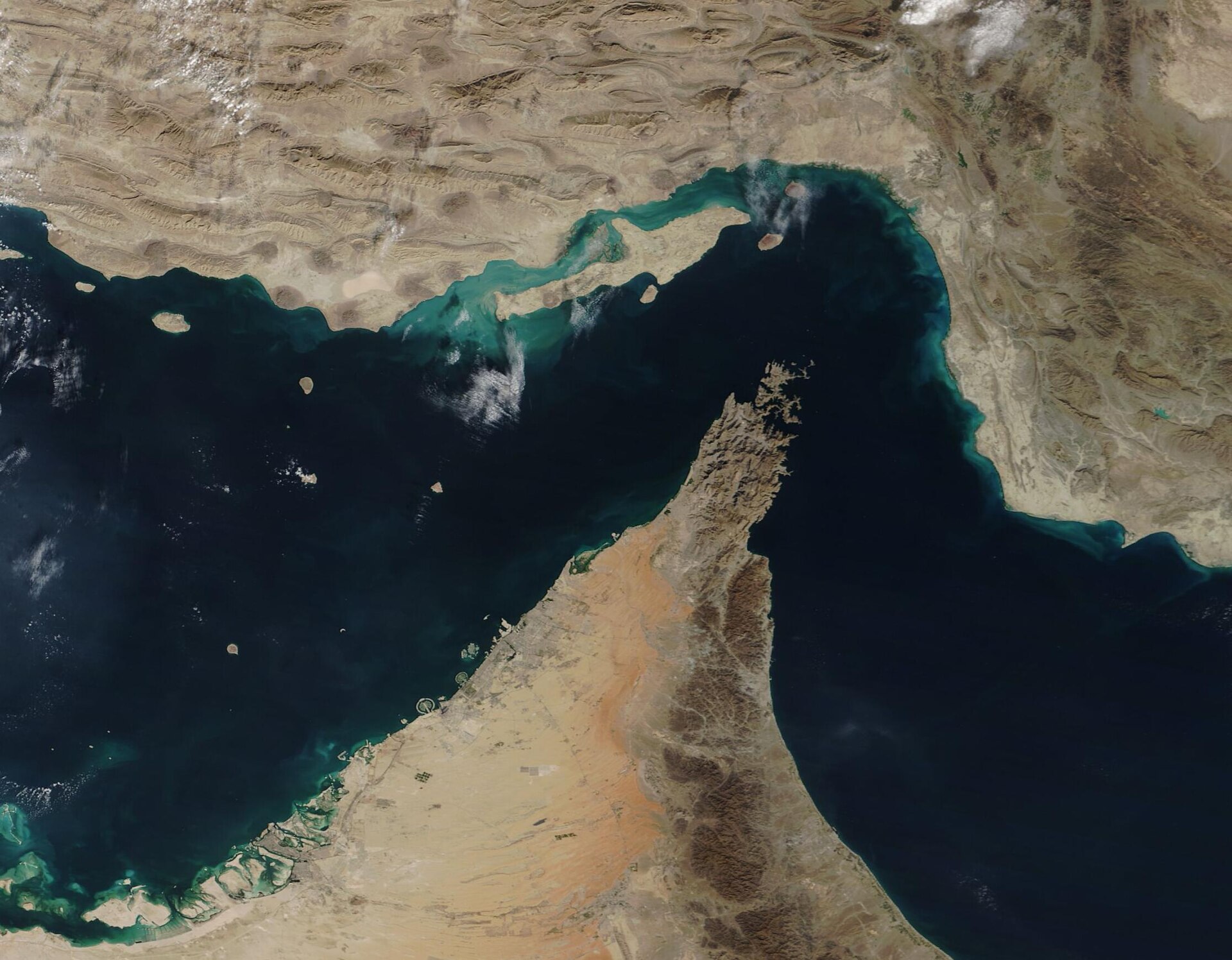
WASHINGTON — US Secretary of State Marco Rubio and Saudi Foreign Minister Prince Faisal bin Farhan condemned Houthi attacks on Saudi civilians, civilian infrastructure and energy facilities during a phone call on November 24, 2026, and stressed the importance of ensuring freedom of navigation in the Strait of Hormuz and Bab al-Mandab Strait, Asharq Al-Awsat reported.
The call came amid an intense week of Houthi attacks on Saudi territory, including a projectile strike on the PIF Tower in Riyadh on November 24 and a drone assault on the Ras Tanura oil terminal on November 25. The diplomatic language was firm. What the account left unsaid was just as notable: the same week, President Donald Trump told the New York Post that the US military campaign against Iran was funded “up until really the end of January, pretty much.”
Table of Contents
- What Did Rubio and Prince Faisal Discuss on November 24?
- What Has Rubio Said About Saudi Arabia Before?
- How Does Trump’s Funding Cap Change the Picture?
- MBS Pledges to Defend Kingdom After PIF Tower Strike
- Gulf and Arab States Rally Behind Saudi Arabia
- Houthis Threaten Saudi Ports, Regional Officials Warn of Wider War
- Background: US-Saudi Defense Ties Since November 2025
- Frequently Asked Questions
What Did Rubio and Prince Faisal Discuss on November 24?
The two diplomats condemned “the terrorist Houthi militia’s attacks on civilians, civilian infrastructure, and energy facilities in the Kingdom,” according to Asharq Al-Awsat’s account of the call, published on November 25.
The House of Saud Daily Briefing
Saudi Arabia's news in 3 minutes, every morning. Free. See today's issue
They stressed “the importance of ensuring freedom of navigation in the Strait of Hormuz and Bab al-Mandab Strait,” the two maritime chokepoints where Houthi and Iranian operations have disrupted commercial shipping since the war began.
The conversation extended beyond Yemen. Rubio and Prince Faisal “discussed efforts to establish security and peace in Sudan, Lebanon, and the wider region, and affirmed their commitment to continued joint action to support stability,” the newspaper reported.
The Asharq Al-Awsat account included no direct quotes from either official. The US State Department also issued a readout of the call, dated November 24.
The account did not reference expanded US military involvement, interceptor resupply, weapons delivery timelines or the January funding deadline that Trump disclosed the same week. The phrase “continued joint action to support stability” was broad enough to encompass anything from intelligence sharing to diplomatic coordination, without committing Washington to a specific new step.
What Has Rubio Said About Saudi Arabia Before?
Rubio’s public statements on Saudi Arabia over the past five months have followed a consistent line: strong condemnation of Houthi attacks, affirmation of the bilateral defense relationship and no operational specifics. Each time, the question of what Washington would do next was left to the Pentagon or not addressed at all.
On October 5, before departing for Europe, Rubio told reporters: “Obviously the Saudis have come under Houthi attack and see the threat that that poses, and they have a right to defend themselves,” according to The National. He added: “The United States has a defence and security agreement with Saudi Arabia and we intend to live by it.”
Six days later, after the October 10 strike on King Khalid International Airport in Riyadh that killed at least 12 people, Rubio posted on X: “We stand with the Kingdom of Saudi Arabia and its people and extend our condolences to the victims and their families.” He added: “These reprehensible attacks demonstrate a blatant disregard for innocent civilian life. They must stop now.” Asharq Al-Awsat reported the post on October 11.
None of the statements specified new US military commitments.
How Does Trump’s Funding Cap Change the Picture?
In an interview with the New York Post, reported by The National on November 25, Trump said the American military campaign against Iran was funded “up until really the end of January, pretty much.”
Democrats in Congress have already begun positioning around the deadline. The National reported on November 25 that Democrats “have already discussed using congressional spending legislation to restrict funding for offensive operations against Iran.”
Trump also signaled limited objectives for the broader conflict. “I just don’t want them to have a nuclear weapon,” he told the New York Post. “I was never for or against regime change, that was never a criteria for me.”
US Treasury Secretary Scott Bessent, in remarks on November 23 reported by The National, described the economic pressure on Tehran: “Iran’s economy is under water, and its leaders are panicking.” Iran’s inflation rate reached 88.7% in October, according to The National.
Rubio’s call offered condemnation and affirmed “continued joint action.” Trump’s interview capped the military campaign at January. Crown Prince Mohammed bin Salman had made two appeals to Trump in September for direct US military involvement in Yemen, according to Axios on September 11 and September 21. Both were declined. After the October 10 KKIA strike, Trump told CNBC: “We may. We’re going to look at it.” No expanded strikes followed.
MBS Pledges to Defend Kingdom After PIF Tower Strike
One day before the Rubio call, Crown Prince Mohammed bin Salman used a cabinet meeting on November 24 to deliver his most direct recent statement on the kingdom’s intent to sustain its military effort.
“The kingdom will continue, under the leadership and guidance of the Custodian of the Two Holy Mosques, to expand opportunities for our sons and daughters, preserve the stability, security and sovereignty of the homeland, which we will not accept being compromised, and defend its capabilities with strength and resolve,” MBS said, according to The National.
The same meeting approved the 2027 budget, according to The National.
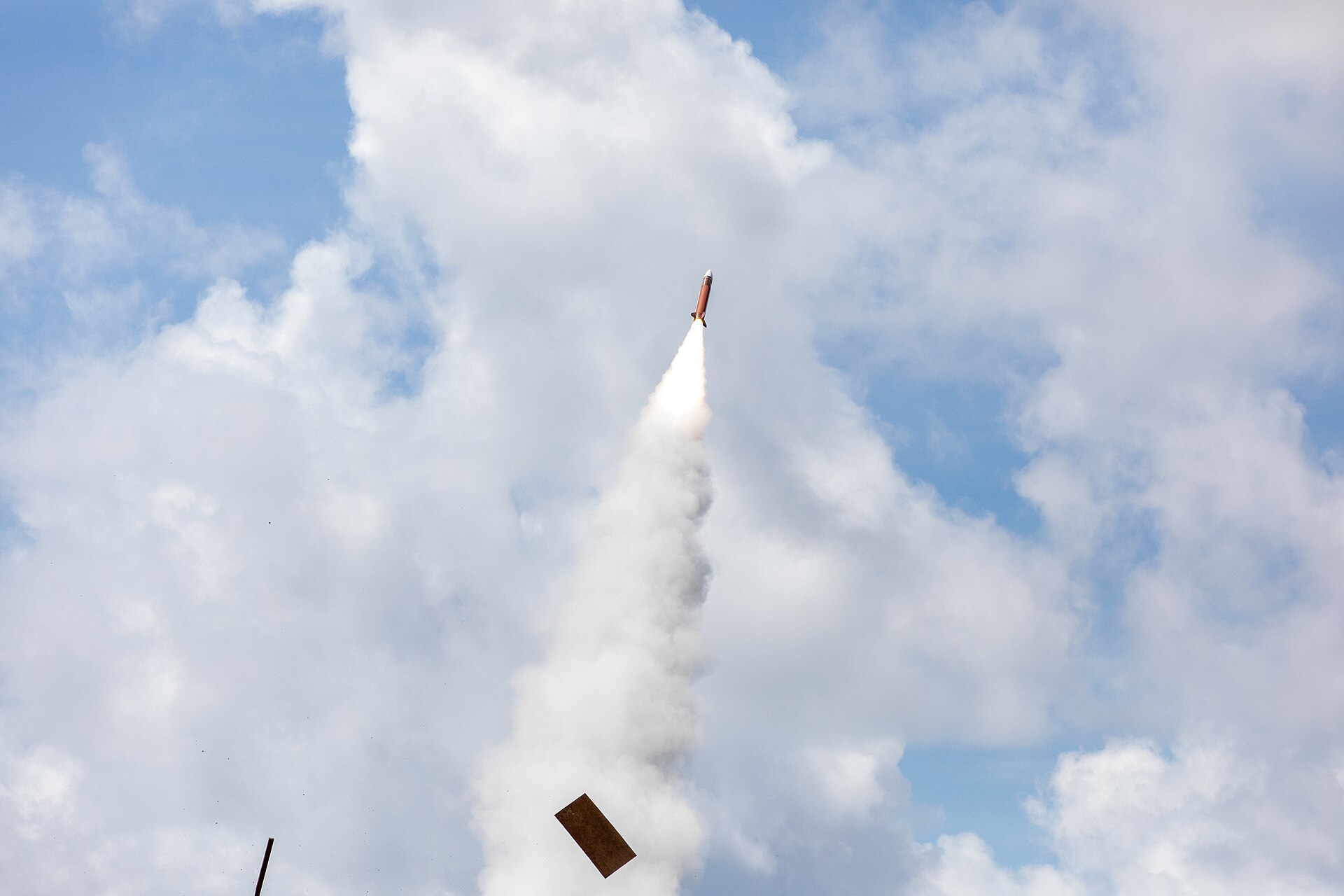
MBS’s words came hours after a projectile struck the PIF Tower in Riyadh’s KAFD complex on November 24, wounding 11 people, according to The National.
The November 25 attacks continued the tempo. The coalition intercepted four drones over Ras Tanura; footage showed smoke from the refinery, which has a capacity of 550,000 barrels per day, though the coalition did not confirm the facility was struck, according to The National.
Gulf and Arab States Rally Behind Saudi Arabia
Prince Faisal’s schedule on November 25 extended well beyond the Rubio call. The Saudi foreign minister received separate calls from Bahraini Foreign Minister Abdullatif bin Rashid Al Zayani and Egyptian Foreign Minister Badr Abdelatty, Asharq Al-Awsat reported. Both condemned the Houthi attacks and “reviewed efforts to de-escalate tensions.”
Saudi Defense Minister Prince Khalid bin Salman also held calls on November 25 with Dutch Defense Minister Dilan Yesilgöz-Zegerius and Bahraini National Security Adviser Lt. Gen. Sheikh Nasser bin Hamad Al Khalifa, Asharq Al-Awsat reported. The call with the Netherlands, a NATO member with maritime interests in the Gulf, discussed regional security developments. The Saudi-Bahrain defense call specifically discussed “the heinous Iranian attacks against Bahrain” alongside the Houthi attacks on Saudi Arabia.
A wider wave of condemnation followed. Pakistan, India, the GCC, the Arab League, the Arab Parliament and Britain all issued statements on November 25, according to Asharq Al-Awsat.
The GCC stated that “Saudi Arabia’s security is an indivisible part of the collective security system of the Gulf Cooperation Council.” Britain said it “stands with Saudi Arabia and the Yemeni government and people in confronting Houthi escalation.”
Riyadh’s diplomatic effort on November 25 extended a week of bilateral phone diplomacy and multilateral coordination. The Makkah Alliance convened in Islamabad the same week as its full treaty entered force.
Houthis Threaten Saudi Ports, Regional Officials Warn of Wider War
The Houthis showed no sign of de-escalation. A Houthi military spokesman warned on November 25, via Mehr News, that “the port of Jeddah and all ports will be targeted if the port of Hodeidah is bombed.”
The threat to Saudi ports was not new, but it took on sharper meaning the same week. Mehr News reported on November 26 that Houthi forces struck two Saudi ports in what the group described as retaliation for coalition strikes on Hodeidah.
Iranian Vice President Mohammadreza Aref, in remarks reported by The National on November 25, addressed the domestic impact of the conflict: “Our stocks of essential goods are in good shape, and a plan must be drawn up to prevent their prices from rising for at least three months.”
Regional officials were watching the trajectory with alarm. A senior Arab official told The National on November 26: “I hope I’m wrong, but I believe a full-scale military confrontation between Iran and the US will break out again. The signs are pointing in that direction, and the impact would be deeply damaging for all of us.”
An Arab diplomat offered a different reading of US intentions. “The Americans issued a verdict in the vote,” the diplomat told The National on November 26. “They clearly said no to war.” The two assessments — one expecting escalation, the other reading disengagement — captured the uncertainty facing Gulf capitals as the January funding deadline approached.
Background: US-Saudi Defense Ties Since November 2025
The US-Saudi Strategic Defense Agreement was signed during MBS’s White House visit in November 2025. Trump designated Saudi Arabia a major non-NATO ally, a status that makes it “easier for the US to share military technology with Saudi Arabia and increase security co-operation,” The National reported on October 5.
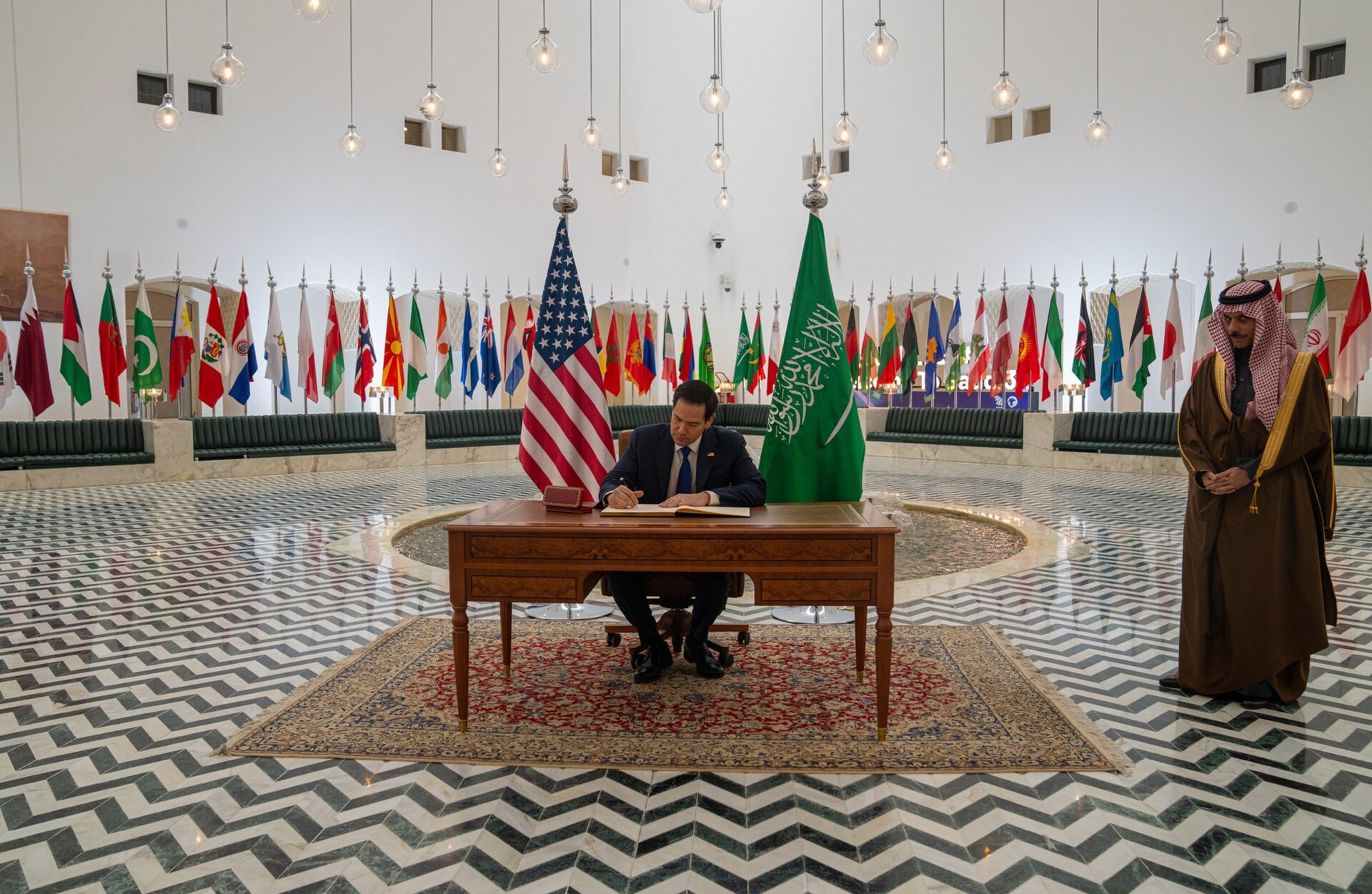
Prince Faisal met Rubio in Washington on September 28, during a visit that coincided with his address to the UN General Assembly. At the UNGA, Prince Faisal told delegates: “The international community has been absent from assuming its responsibilities in confronting all that threatens international peace and security,” The National reported on September 28.
Elizabeth Dent, a senior fellow at the Washington Institute for Near East Policy and former Pentagon director for Gulf and Arabian Peninsula affairs, assessed on October 5 that the US was “likely already providing intelligence, surveillance and reconnaissance support on missile and drone launch sites, Houthi leadership movements, maritime activity, command and control nodes and active threats,” The National reported. Dent added that the US was “also likely co-ordinating with the Saudi-led maritime coalition and may be providing targeting information for Saudi strikes.” Her assessment was not a confirmed US government disclosure.
CNN reported in September that the US sent military advisers under a new joint command for intelligence support. The CENTCOM commander visited MBS in Riyadh in November. What Riyadh has sought and not received is direct US combat involvement in Yemen — a gap that the November 24 call’s carefully worded language did nothing to close.
Frequently Asked Questions
What F-35 deal is pending between the US and Saudi Arabia?
The US approved a potential $24.3 billion sale of 48 F-35A fighter jets for congressional notification, The Aviationist reported on September 17. The sale was facilitated by Saudi Arabia’s major non-NATO ally designation, granted by Trump during MBS’s November 2025 White House visit. No delivery timeline has been publicly announced.
Was any other diplomatic mediation happening on November 25?
Qatar’s prime minister was completing a Washington visit on November 25, The National reported. Qatar has served as a mediator between the US and Iran. Separately, Iran’s foreign minister declared an earlier Islamabad memorandum of understanding dead on November 22 and signaled that a new US deal might be possible, according to Asharq Al-Awsat.
How large is Saudi Arabia’s projected 2027 budget deficit?
The Saudi government projected a 2027 budget deficit of SAR 190 billion ($50.64 billion), The National reported on November 24. The budget was approved at the same cabinet meeting where MBS pledged to defend the kingdom “with strength and resolve.” Saudi Arabia projected 10.9% GDP growth for 2027, with the World Bank forecasting 7.9%.
How many times has Iran closed the Strait of Hormuz since the war began?
Iran first closed Hormuz in late February and early March 2026. A June agreement reopened the strait, but Iran declared it closed again in July. On November 24, Iran’s Army ordered Hormuz closed further each day until its conditions were met, Asharq Al-Awsat reported. Pre-war, the strait handled an estimated 130 to 140 ships a day, according to Reuters.
The House of Saud Daily Briefing
Saudi Arabia's news in 3 minutes, every morning. Free. See today's issue