
WASHINGTON — Crown Prince Mohammed bin Salman plans to travel to the United States in December for the G20 summit, his first visit since the Iran war began, a US official told Semafor on November 24. He would come looking for three things the war has made urgent: renewed American air-defense cover under the defense agreement signed last year, US engagement against Houthi attacks on Saudi territory, and backing for reopening the Strait of Hormuz. On the record of the past eighteen months, he is likely to get assurances on all three and a binding commitment on none.
The summit is scheduled for December 14–15 at Trump National Doral, the president’s resort outside Miami. The Saudi government did not respond to Semafor’s request for comment, and as of November 25 the kingdom had not confirmed the trip.
The crown prince would bring more to Miami than he brought to the White House a year ago: an independent military coalition now in full legal force, and a decisive vote in an OPEC+ group that meets on November 29 with Saudi cuts due to expire. He would also bring more exposure. The 2026 deficit has widened, oil output fell sharply at the worst points of the war, and on the same day his travel plans surfaced, Iran’s army commander ordered Hormuz closed “further day by day.”
The House of Saud Daily Briefing
Saudi Arabia's news in 3 minutes, every morning. Free. See today's issue
Table of Contents
- What Does Saudi Arabia Want From the US at the Miami G20?
- How Does MBS’s Position Compare to His November 2025 Visit?
- Why US-Saudi Meetings Produce Assurances Instead of Guarantees
- Oil, OPEC+ and the Makkah Alliance Give Saudi Arabia Bargaining Power
- The War Has Widened the Saudi Deficit and Cut Aramco Output
- What Does Washington Want in Return?
- Iran Tightened Its Hormuz Position the Day the Visit Was Reported
- Will the December Meeting Produce a Binding Defense Commitment?
- Frequently Asked Questions
What Does Saudi Arabia Want From the US at the Miami G20?
Saudi Arabia wants three things from Washington: faster delivery of air-defense interceptors under the Strategic Defense Agreement signed in November 2025, direct American engagement against Houthi missile and drone attacks on Saudi territory, and US backing for reopening the Strait of Hormuz. None of the three has been resolved by the meetings held since the war began.
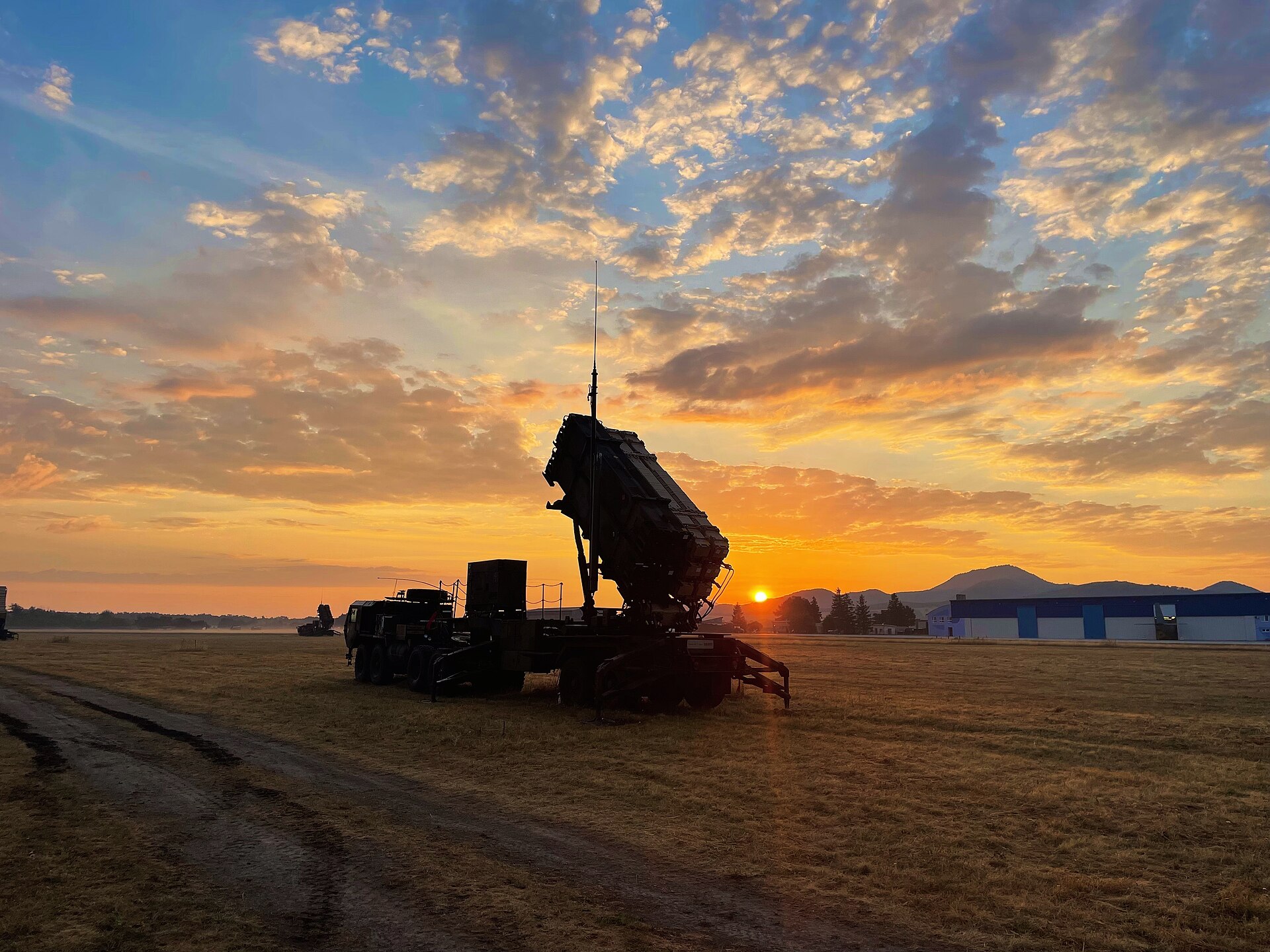
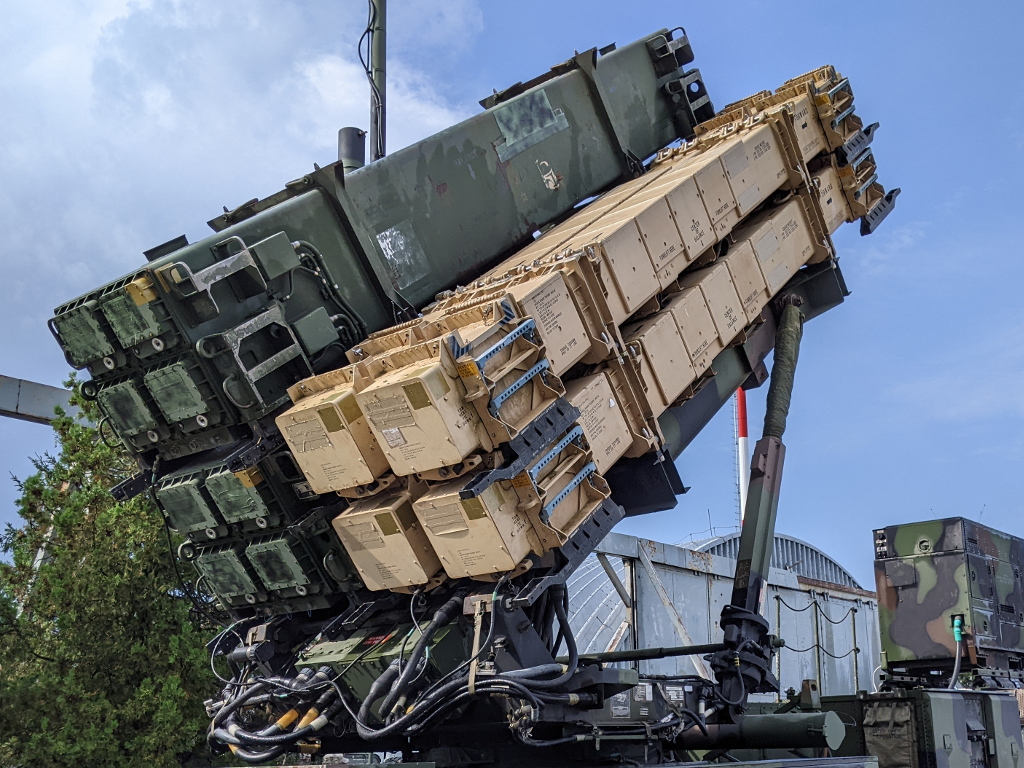
Air defense is the most concrete of the three. On January 30, 2026, the State Department notified Congress of a potential $9 billion sale of 730 PAC-3 MSE interceptors to the kingdom, Aviation Week reported. There is still no confirmed delivery schedule. By October, the Wall Street Journal estimated, Saudi Patriot interceptor stocks had fallen below 1,000, a figure the Atlantic Council cited in its assessment of the kingdom’s security partnerships.
The gap between what has been approved and what has arrived is the part of the defense relationship a summit can change most quickly. A congressional notification costs Washington nothing. A delivery schedule that moves Saudi orders ahead of other customers is a real decision, and the kind of thing that gets settled when leaders meet.
The Houthi question is harder. Axios reported that the crown prince made two separate appeals to President Donald Trump in September for American strikes on Houthi positions, and both were declined. Asked in October whether the United States would join strikes on the Houthis, Trump told CNBC: “We may. We’re going to look at it.” Since then the kingdom has planned for a six-month campaign against the Houthis running into 2027, and Trump has put off his own Iran decision until the new year, so the Saudi campaign has no American military backstop.
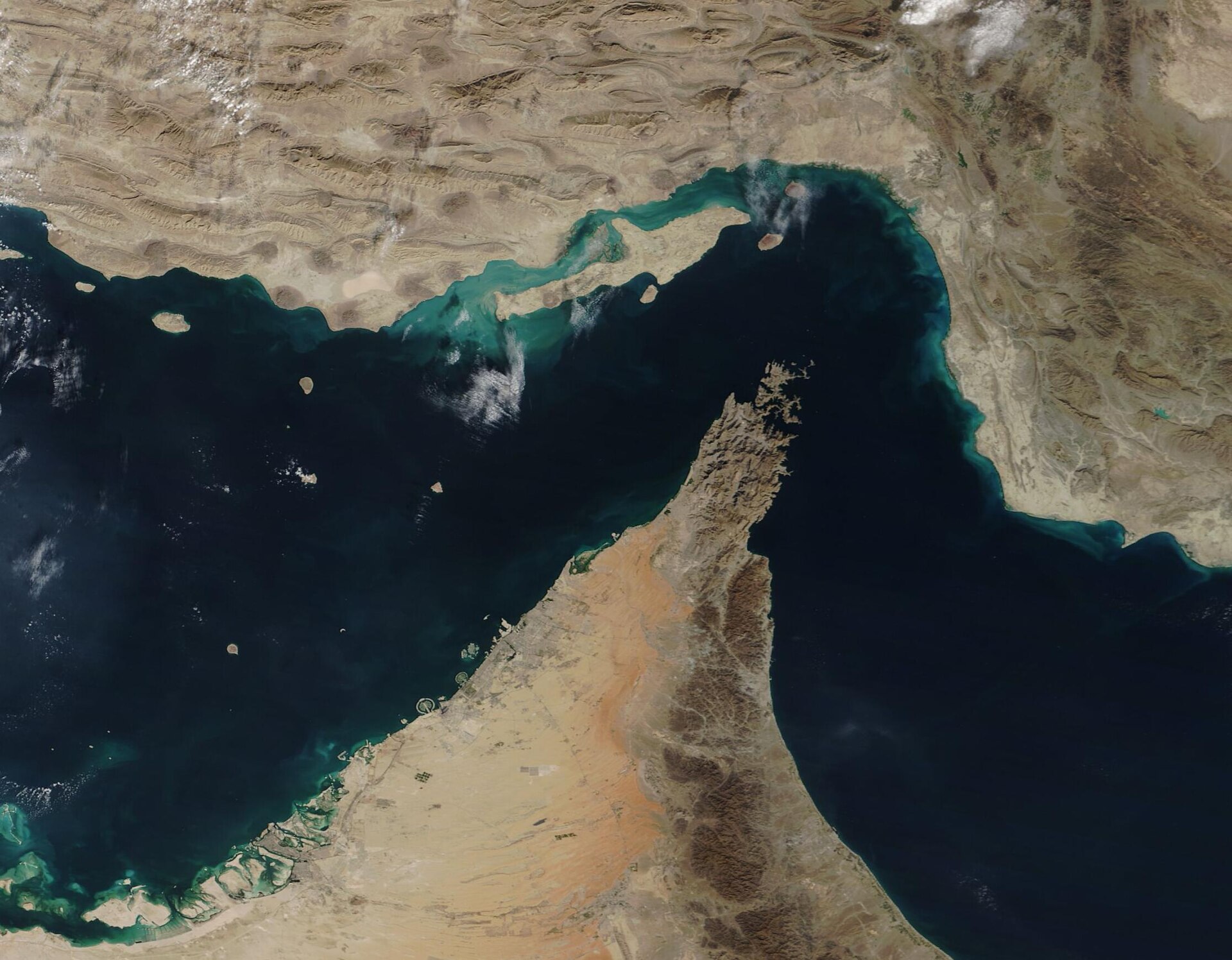
Hormuz is where Saudi and American interests most obviously overlap and where the Saudi ask is least defined. When Rubio spoke with Prince Faisal bin Farhan on November 24, the State Department readout listed freedom of navigation in both Hormuz and Bab el-Mandeb, alongside Houthi attacks on Saudi civilian and energy infrastructure. The readout did not mention any new American measure on either.
The danger to shipping keeps growing. The IRGC said on November 24 that three oil tankers had hit mines in Hormuz while under US escort, a claim that, whatever its accuracy, was aimed at the credibility of the American escort.
How Does MBS’s Position Compare to His November 2025 Visit?
In November 2025 Mohammed bin Salman came to Washington as an investor and left with a Strategic Defense Agreement, a pledge to raise Saudi investment commitments in the United States to $1 trillion, and designation as a major non-NATO ally. In December 2026 he would arrive as a wartime partner whose air defenses are depleted and whose revenues are shrinking, asking for help that last year’s documents promised only in general terms.
The 2025 visit closed a long arc. His previous trip to the United States was in 2018, before the murder of Jamal Khashoggi froze the relationship. Joe Biden’s fist-bump with the crown prince in Jeddah in July 2022 brought him back into contact with Washington but produced no defense commitment. The November 2025 visit converted the restored relationship into paper: a named agreement, an alliance designation, and an investment figure large enough to headline.
What those documents did not contain is the question the war has forced. The Atlantic Council’s October analysis was titled with the question directly: Saudi Arabia has more security partners than ever, so why isn’t it safer? Each upgrade since 2018 has changed the form of the relationship without producing a binding American commitment to fight on Saudi Arabia’s behalf.
Oil prices have also moved against him. Brent was trading above $100 in early October when Hormuz disruptions were feeding a war premium. It has since retreated sharply from that level. A crown prince selling oil into a falling market has less money to spare and less room to threaten American gasoline prices than he had in October.
Why US-Saudi Meetings Produce Assurances Instead of Guarantees
The pattern began before the war. During Trump’s May 2025 visit to Riyadh, the White House announced a $142 billion arms package and called it the largest defense sales agreement in history, Al Jazeera reported. The Stimson Center then examined the record and found that completed Saudi Foreign Military Sales transactions since 2017 totaled roughly $30 billion, a fraction of the headline figures announced over the same period.
The distance between announcement and delivery is not unique to Saudi Arabia, but the kingdom has been on the receiving end of it repeatedly. The interceptor sale notified in January follows the same course: approved in principle, priced, and still without a delivery date ten months later.
Since the Houthi campaign intensified, Rubio has repeated the American position several times in almost the same words. In September he said, as reported by Arab News: “We have a very strong defense agreement with Saudi Arabia, and we will live up to our commitments in that agreement.” In October, speaking to The National, he said Washington “intend[s] to live by” the agreement.
“We have a very strong defense agreement with Saudi Arabia, and we will live up to our commitments in that agreement.”
Secretary of State Marco Rubio, September 2026, as reported by Arab News
Saudi and Western analysts read those statements more narrowly than the officials who made them. Abdulaziz Sager, founder of the Gulf Research Center, said the remarks committed the United States to defense support “rather than a promise that American forces would fight on its behalf.” Neil Quilliam, an associate fellow at Chatham House, called them “essentially a sop to Riyadh,” offering reassurance without removing the ambiguity about what American support would mean.
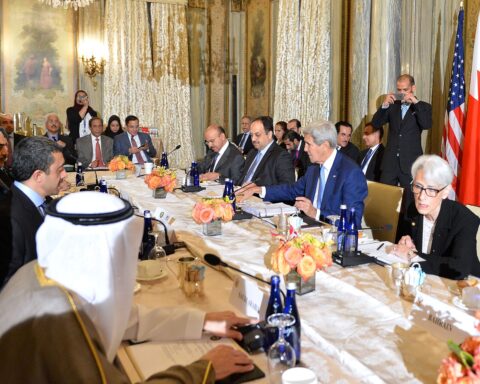
The September 28 meeting between Prince Faisal and Rubio at the State Department followed the same pattern. The National reported that it produced a reaffirmation of the defense agreement and nothing new.
| Date | Encounter | What was announced | What it did not include |
|---|---|---|---|
| 2018 | Crown prince’s US visit | Restoration of high-level contact | Survived only until the Khashoggi murder froze ties |
| July 2022 | Biden in Jeddah | Public re-engagement (the fist-bump) | Any defense commitment |
| May 2025 | Trump in Riyadh | Arms package billed as the largest in history | Delivery anywhere near the headline value, per Stimson |
| November 2025 | Crown prince at the White House | Strategic Defense Agreement; major non-NATO ally status; investment pledge | A commitment that US forces would fight for Saudi Arabia |
| September 28, 2026 | Faisal–Rubio at State Department | Reaffirmation of the defense agreement | New measures, per The National |
| December 14–15, 2026 | G20, Trump National Doral, Miami | Planned; not confirmed by the Saudi government | Not yet known |
Trump’s own statements have kept the same distance. His noncommittal October answer on joining strikes against the Houthis came in the same interview in which he said the Saudis could defend themselves, a month after the crown prince’s two requests for American strikes had been turned down.
Oil, OPEC+ and the Makkah Alliance Give Saudi Arabia Bargaining Power
The crown prince would not arrive in Miami empty-handed. The most visible change since his last visit is the Makkah Alliance, the defense pact with Pakistan and Turkey, which entered full legal force on November 14 when Turkey’s ratification law took effect, binding all three members. Turkey’s parliament had voted 279–119 on November 5.
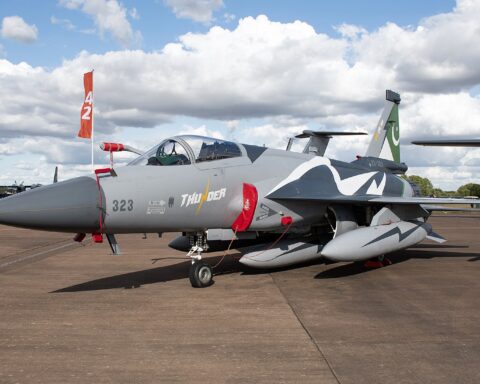
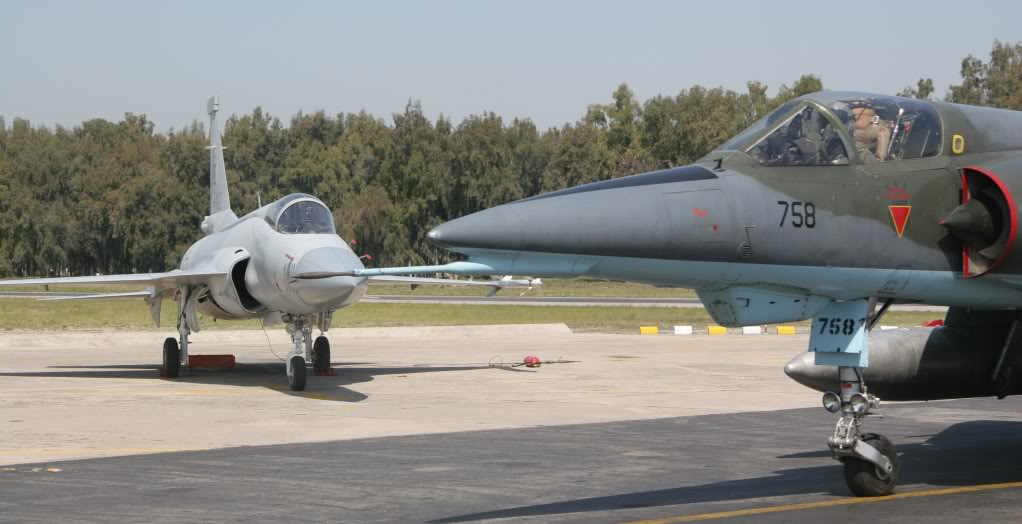
The alliance already has forces in place. Pakistan has deployed roughly 8,000 troops, 16 fighters (mostly JF-17s), two drone squadrons and an HQ-9 air-defense system paid for by the kingdom, Reuters reported in May. Turkey provides air defense, intelligence, drones and technical assistance, according to the Atlantic Council. A Chinese-designed air-defense system defending Saudi territory, financed by Saudi Arabia and operated alongside a NATO member’s drones, was not part of the security arrangements American planners assumed when the 2025 agreement was signed.
The coalition is only part of the regional effort. Gulf defense ministers have approved a forward command headquarters in Kuwait, adding another regional structure alongside the American one. Carmiel Mahony of the Atlantic Council’s Scowcroft Middle East Security Initiative has warned that these partnerships “must be integrated, not just collected.” Read from Washington, the alliance is evidence that Saudi Arabia has alternatives. Read from Riyadh, it is also evidence of how much of the kingdom’s defense now depends on partners who cannot supply what the United States can.
Oil is the older card. OPEC+ ministers meet on November 29, about two weeks before the summit. Saudi Arabia’s December quota stands at 10.478 million barrels per day, and roughly 2 million barrels per day of voluntary cuts expire at the end of 2026 with no extension announced, according to Enerdata and World Oil Monitor. Whatever the group decides will set the terms of the conversation in Miami: an extension supports prices and Saudi revenue; letting the cuts lapse puts more oil into a market the White House would like cheaper.
The third card has already been played once. Before May 2026, NBC reported, Saudi Arabia warned it could deny American aircraft use of its airspace and of Prince Sultan Air Base, and Trump then paused Project Freedom, the Hormuz escort operation. It showed that Saudi basing matters to American operations in the Gulf. It is also not a card that can be played repeatedly without changing how Washington regards the partnership.
The War Has Widened the Saudi Deficit and Cut Aramco Output
On November 25, a day after the visit was reported, Finance Minister Mohammed Al Jadaan told Semafor the kingdom is “resilient enough to stand a prolonged conflict,” and said there would be no cap on military spending if one were needed. The numbers he gave alongside that statement show the price.
The 2026 deficit has widened to 4.9% of GDP, against a pre-war forecast of 3.3%. Reuters, via Zawya, had put it at 245 billion riyals at the end of September. The economy is projected to contract 3.3% this year before growing 7.9% in 2027, and debt is expected to reach 39% of GDP by 2029, one percentage point below the government’s self-imposed 40% ceiling. The 2027 budget and its growth assumptions rest on a rebound that depends on export routes reopening.
Saudi Arabia is “resilient enough to stand a prolonged conflict.”
Mohammed Al Jadaan, Saudi Finance Minister, to Semafor, November 25, 2026
The production figures are harsher. The International Energy Agency reported that Saudi output fell by 2.6 million barrels per day in August, as crude shipments dropped to 6 million barrels per day. Attacks on the East-West Pipeline have since limited loadings at Yanbu, the Red Sea outlet meant to bypass Hormuz.
Taken together, the figures show a kingdom that can pay for a long war but has little room for a long war with low revenue. The one-point gap between projected debt and the ceiling is the narrowest margin in Al Jadaan’s own numbers, and it assumes the 2027 rebound arrives on schedule.
That rebound is tied to Hormuz. A forecast of 7.9% growth next year assumes Saudi crude can reach buyers, and Iran’s army ordered the strait closed further on the same day the visit was reported. Al Jadaan gave no estimate of what a closure lasting into 2027 would do to the forecast, and none has been published.
What Does Washington Want in Return?
The public record points to three American interests: Saudi movement toward the Abraham Accords, delivery on the $1 trillion investment pledge, and Saudi oil policy that keeps prices down. Of the three, only normalization with Israel has been tied explicitly, by Trump himself, to a concrete Saudi request.
That link is the civil nuclear agreement. When the two governments signed a 123 agreement on July 22, 2026, Trump said it was “totally subject to Saudi Arabia joining the Abraham Accords,” Al Jazeera reported. That condition gives Washington a standing reason to hold back on Saudi requests, and it could resurface in any December conversation about air defense or Houthi strikes.
The investment pledge works in a similar way. A $1 trillion commitment made in peacetime is harder to honor from a treasury running a 4.9% deficit, and any slowdown in Saudi investment flows gives the White House a grievance to set against Saudi requests. Whether the pledge’s terms have been revised since the war began is not in the public record.
Price is the third interest, and the one where the two governments’ needs diverge most plainly. Brent’s fall since October suits a White House concerned about American fuel costs. It does not suit a finance ministry whose 2027 plans assume recovering revenue. The OPEC+ decision on the expiring voluntary cuts will show which of those pressures the kingdom has chosen to accommodate, and it will be known before the crown prince arrives in Miami.
The administration’s own Iran policy limits what it can offer. Trump told Axios on November 19 that he would not decide his next step on Iran until the new year and was still considering a joint attack with Israel. On November 8 he told CNN that renewed attacks on Iran were “highly unlikely” if talks showed progress, adding that it “depends on whether or not they sign a very strong agreement.” A president still weighing whether to resume a war with Iran is unlikely to commit American forces to the Houthi front first.
Washington also wants reliable use of Saudi territory. Prince Sultan Air Base and Saudi airspace are part of any American operation in the Gulf, and the May episode over Project Freedom showed both sides that this access can be put in doubt. The data here are thin: no American official has publicly linked basing access to the December agenda.
Iran Tightened Its Hormuz Position the Day the Visit Was Reported
Iran’s position hardened on the same day the visit was reported. Major General Amir Hatami, the army commander, ordered the navy to close Hormuz “further day by day” until Washington met Tehran’s conditions, citing orders from Supreme Leader Mojtaba Khamenei, Tasnim News Agency reported on November 24.
Majlis Speaker Qalibaf, who was part of Iran’s delegation in Islamabad, set out seven conditions, among them lifting the US blockade and sanctions waivers. “There would be no action or negotiation until those conditions are implemented,” he said. Qatar’s Prime Minister, Mohammed bin Abdulrahman Al Thani, who was trying to revive the talks that same day, said the region “cannot bear a renewed escalation.”
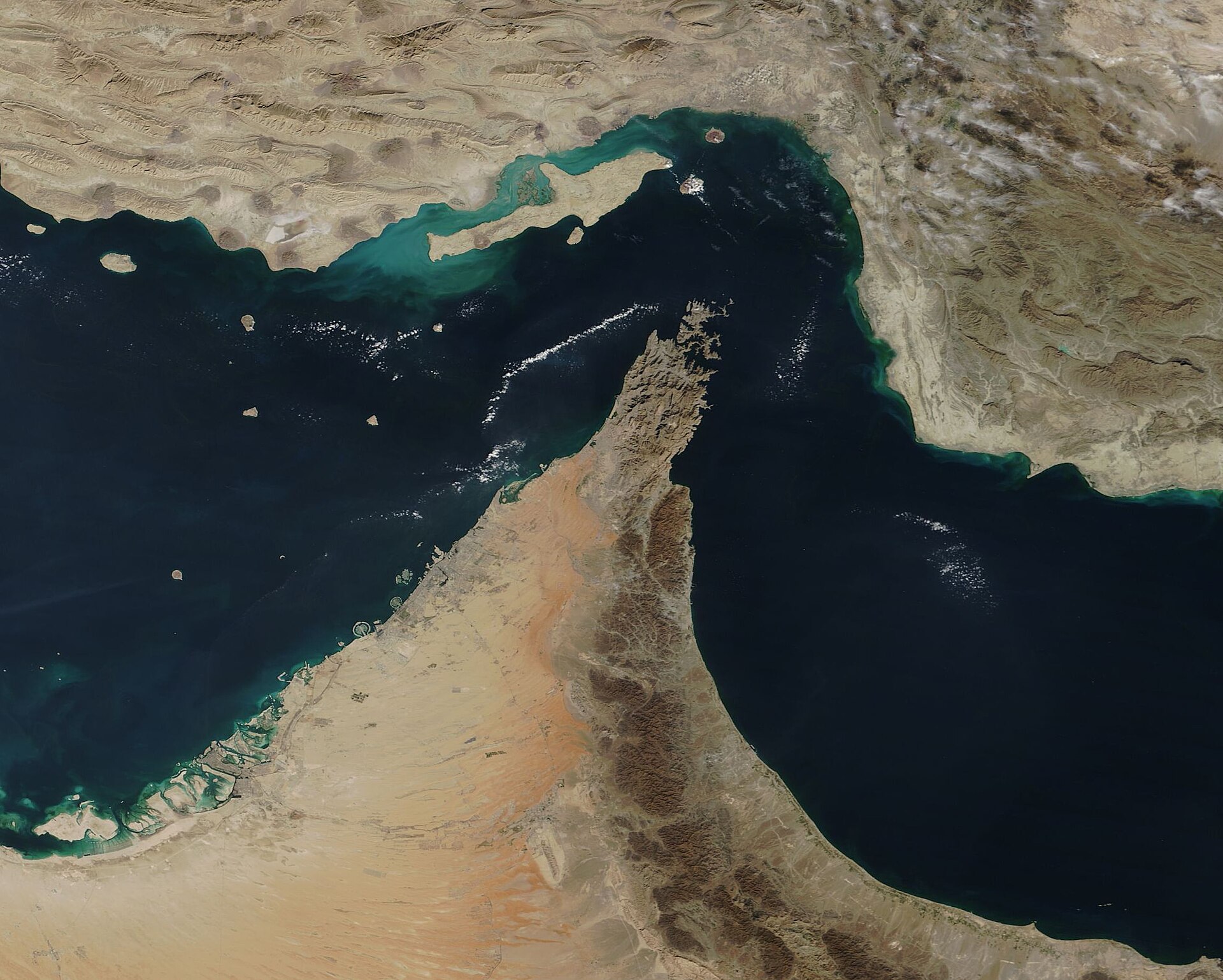
Tehran’s press has already framed US-Saudi cooperation in the strait. The hardline daily Kayhan has described US-Saudi coordination in Hormuz as “smuggling attempts.” In October, Supreme National Security Council Secretary Rezaei called the latest American response “insufficient,” CBS News reported.
Iran has not, so far as the public record shows, responded directly to the news of the crown prince’s visit. What can be said is that the conditions Qalibaf named are aimed at Washington, not Riyadh, and that a Saudi request for American backing on Hormuz runs directly into them. Any American commitment to force the strait open would, in Tehran’s terms, be the escalation Qatar has warned against.
Will the December Meeting Produce a Binding Defense Commitment?
On the available evidence, no. The 2025 agreement has been reaffirmed at least three times since the Houthi campaign intensified without being converted into a commitment to fight. Trump has deferred his Iran decision to 2027, and a G20 summit is a multilateral event, not a treaty negotiation. The likelier outputs are delivery timelines and restated assurances.
Nothing in the public record yet describes a scheduled bilateral meeting at Doral, and the Saudi government has not confirmed the trip itself. If the two leaders meet, the narrowest and most achievable Saudi request is a delivery date for the 730 interceptors notified in January. That would be a real change, and it would require no new treaty language and no American combat role.
A broader outcome would need something from the kingdom that it has so far withheld. The nuclear agreement’s link to the Abraham Accords is the one explicit American condition on the table, and there is no public sign that Saudi Arabia is prepared to meet it during a war in which Israel is weighing joint strikes on Iran with the United States.
Mahony’s prescription for Washington, to “restore its own and Saudi defensive capabilities and help coordinate partners,” describes what a useful outcome would look like. It is a supply-and-coordination agenda, not an alliance. Rubio’s November 24 call with Prince Faisal, held on the day the visit was reported, covered Houthi attacks and freedom of navigation, and the readout described no new commitment on either.
The test of whether Miami produces anything durable is therefore modest and checkable. A published delivery schedule for the PAC-3 order, a stated American role against Houthi launch sites, or a joint position on Hormuz that names terms would each outlast the summit. A joint statement reaffirming the 2025 agreement would not; the agreement was reaffirmed by Rubio in late September, again at the September 28 meeting with Prince Faisal, and again in October. All three reaffirmations came before the interceptor shortfall the Wall Street Journal described in October.
For the crown prince, attending in person carries its own message. He is choosing Washington, during a war, over sending a delegation. The meeting he gets is likely to be the one that history suggests: warm, public, and documented in a joint statement that repeats the commitments already made. The last time he asked for American strikes, the answer came from Trump in two sentences, as CNN reported on October 10: “They’re able to defend. The Saudis are good fighters.”
Frequently Asked Questions
Why is MBS attending this G20 after skipping recent summits?
The crown prince did not attend the 2024 or 2025 G20 summits, Semafor reported, which makes a December 2026 appearance the first G20 he would attend in three years. Neither the US official who spoke to Semafor nor the Saudi government has given a reason, but the summit’s location on American soil gives him direct access to Trump during the war.
What else did Rubio and Prince Faisal discuss on November 24?
Beyond Houthi attacks and freedom of navigation, the State Department readout said the two discussed Hezbollah disarmament under a trilateral framework and peace in Sudan. Both files involve Saudi diplomacy outside the Gulf and could appear on a December agenda alongside the security requests.
What has Iran offered in exchange for reopening Hormuz?
Iranian Foreign Minister Abbas Araghchi set out a roadmap through Qatari mediators at the UN in New York on September 25 that would reopen Hormuz in exchange for lifting the US blockade and releasing roughly $12 billion in frozen Iranian assets, Al Jazeera reported. Qalibaf’s November conditions have since gone further than that offer.
What US military support is Saudi Arabia already receiving?
The United States approved a $24.3 billion sale of 48 F-35A fighters to Saudi Arabia in September 2026, The Aviationist reported. The crown prince also met Admiral Brad Cooper, commander of US Central Command, in Jeddah on September 14, 2026, according to the official Saudi Press Agency.
Has King Salman’s health affected the planning of the visit?
No report has linked the king’s health to the trip. Iraq News Network and Arab News reported on November 14 that King Salman had not publicly chaired a cabinet session since late September and that the crown prince had chaired every session since. No further detail on the king’s condition has been reported.
The House of Saud Daily Briefing
Saudi Arabia's news in 3 minutes, every morning. Free. See today's issue