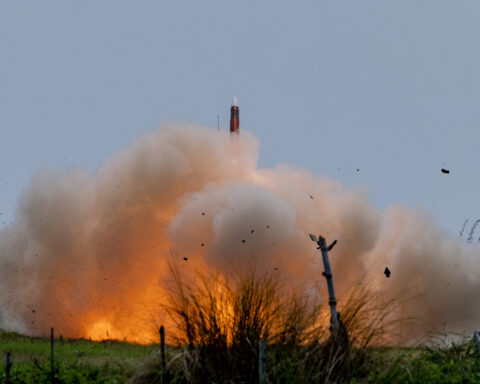

RIYADH — Saudi air defences intercepted and destroyed a Houthi cruise missile over the capital on November 28, coalition spokesperson Turki al-Maliki announced on X — the third weapon type fired at the kingdom in 72 hours, after two ballistic missiles were shot down over Riyadh on November 26 and two drones were intercepted on November 27. Al-Maliki gave no detail on the missile’s origin, its flight path, or whether debris reached the ground, and the Houthis had not claimed the attack as of publication.
The register of that 72-hour window — ballistic missiles, drones, then a cruise missile aimed directly at the capital — reads less like attrition than probing, each weapon type demanding a different intercept layer, a different radar band, a different engagement altitude, and firing them in rapid succession forces Saudi operators to hold every tier of a defence network stretching from the Red Sea coast to the Persian Gulf at maximum readiness simultaneously. Saudi defences have stopped more than 90 percent of hostile munitions fired since late June, according to an assessment by Project Aurorah published by The National on November 27, but the fraction that gets through has killed at least 26 people on Saudi soil between late September and November 27, Al Jazeera reported.
The House of Saud Daily Briefing
Saudi Arabia's news in 3 minutes, every morning. Free. See today's issue
Table of Contents
- Three Weapon Types in 72 Hours
- Why Are Cruise Missiles the Hardest Threat to Intercept?
- What Does a 90 Percent Intercept Rate Actually Mean?
- The One-a-Night Grind
- What Does Targeting the Capital Accomplish?
- How Is Saudi Arabia Closing the Gap?
- Iran’s War Without Fingerprints
- Frequently Asked Questions
Three Weapon Types in 72 Hours
The first wave came on November 26: two ballistic missiles fired toward Riyadh, intercepted over the capital, plus a cruise missile and a drone intercepted over western Saudi Arabia near Jeddah port, according to The National and Anadolu Agency. The second came on November 27: two drones targeting Saudi territory, both destroyed before reaching their targets. The third came November 28: a single cruise missile, this time aimed at Riyadh rather than the western coast, intercepted and destroyed per al-Maliki’s statement on X.
| Date | Weapon type | Target area | Reported outcome | Source |
|---|---|---|---|---|
| Nov 26 | 2 ballistic missiles | Riyadh | Intercepted | The National, Nov 26 |
| Nov 26 | 1 cruise missile | Western Saudi Arabia | Intercepted | The National, Nov 26; Anadolu |
| Nov 26 | 1 drone | Jeddah port area | Intercepted | The National, Nov 26; Anadolu |
| Nov 27 | 2 drones | Saudi Arabia | Intercepted | Coalition statement |
| Nov 28 | 1 cruise missile | Riyadh | Intercepted | Anadolu, Nov 28 |
Houthi military spokesman Yahya Saree offered a sharply different account of the same period, telling media the November 26 and 27 operations were “carried out in three phases” that struck their intended targets accurately and dismissing the coalition’s interception claims for western Saudi Arabia as “false,” according to Manila Times and Al Jazeera on November 27. The gap between the two versions is routine in this conflict — both sides claim success for the same engagements — but the weapon mix is not, and the deployment of three distinct systems in a single 72-hour window, each requiring fundamentally different defensive responses, marks a step beyond the grinding attrition pattern that had characterised the preceding weeks.
Why Are Cruise Missiles the Hardest Threat to Intercept?
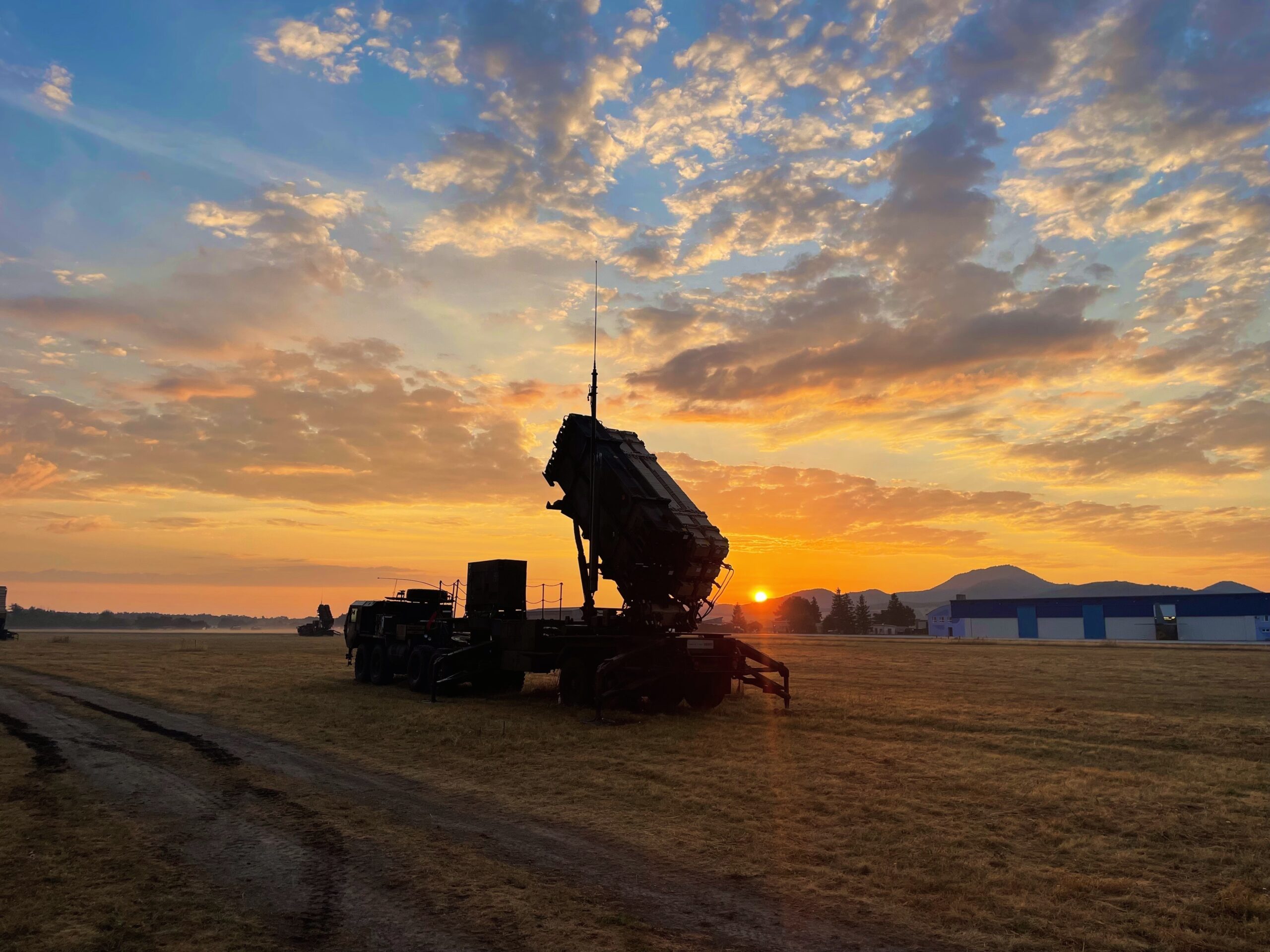
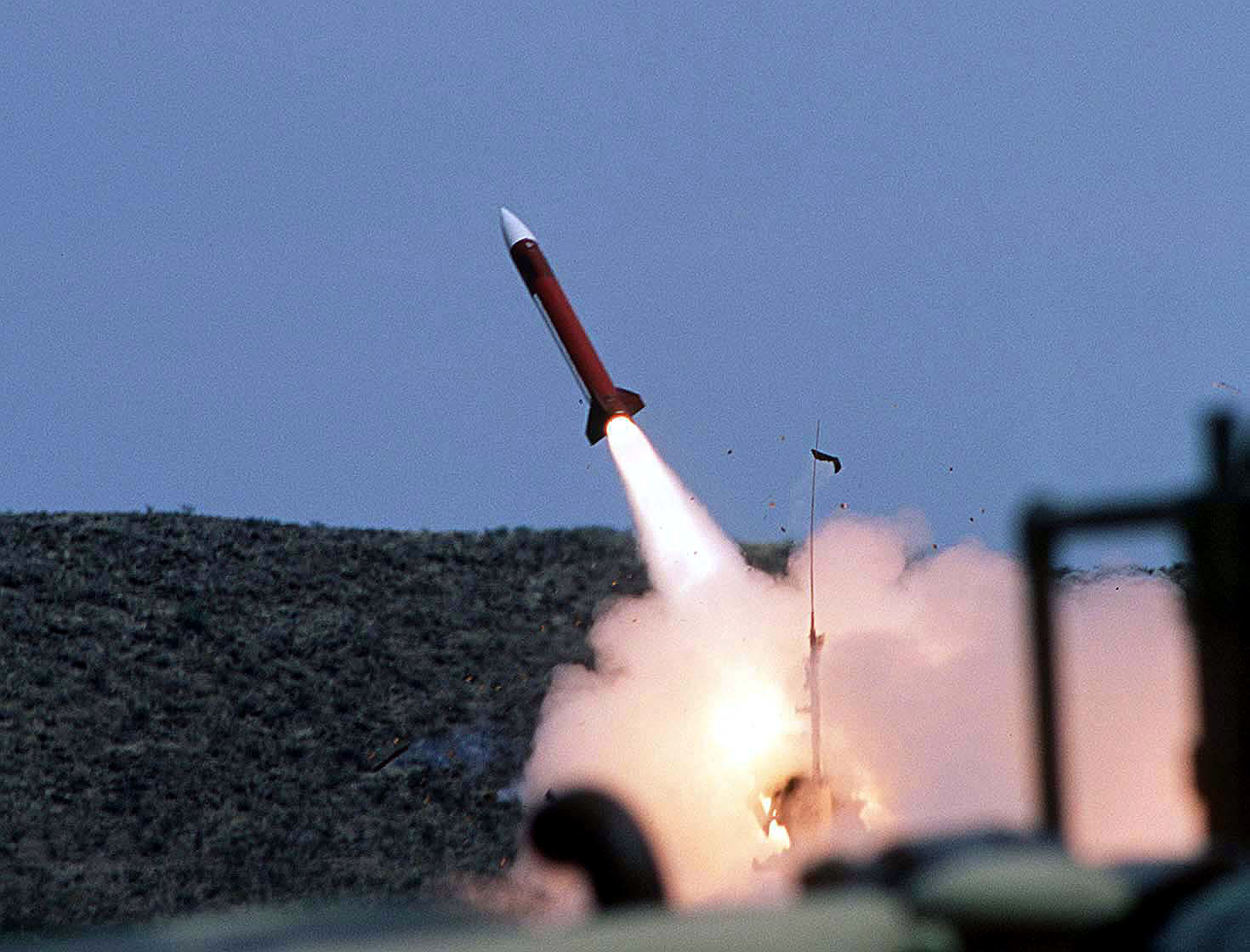
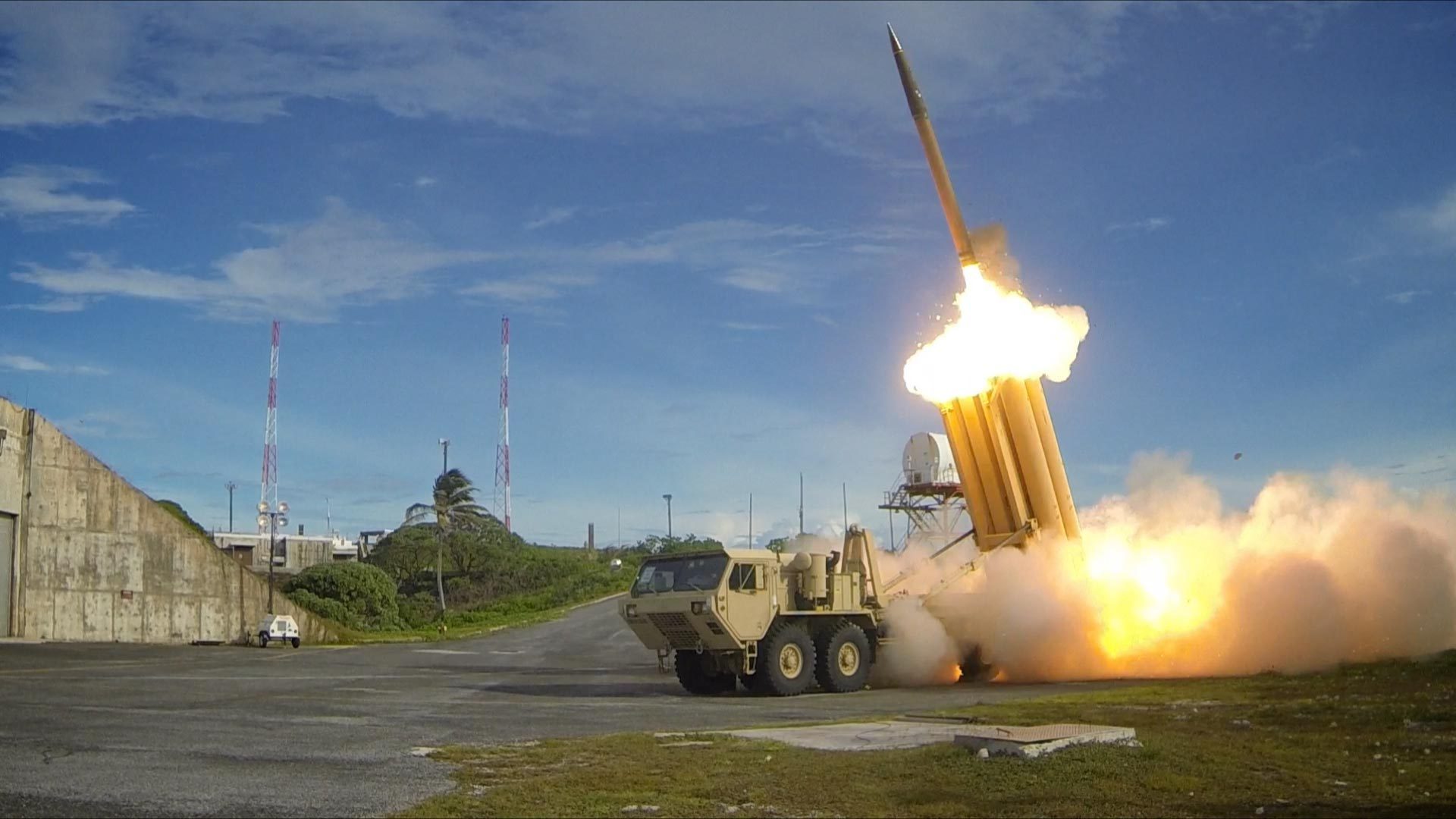
Saudi Arabia’s layered air defence architecture was designed, in its upper tiers, to stop ballistic missiles — the fast, high-flying projectiles that follow predictable parabolic arcs and can be tracked by radar from the moment they leave the launcher. Patriot batteries, the backbone of the Saudi intercept network, engage these threats at medium to high altitude, while the Terminal High Altitude Area Defence system handles the upper tier where shorter-range ballistic missiles peak before diving toward their targets. Both systems were originally acquired with Iran’s ballistic missile arsenal in mind, and over five months of sustained fire from Yemen and Iraq they have done that job well: the 90 percent intercept rate calculated by Project Aurorah covers the full spectrum of incoming threats, but ballistic missiles are the ones the architecture was engineered to destroy.
Cruise missiles occupy a different and harder part of the problem. They fly at lower altitudes, often just tens of metres above the terrain, which makes them harder to detect against the radar clutter of buildings, topography, and atmospheric noise — a problem CNN’s October 13 analysis described as a function of altitudes that make cruise missiles “harder to identify and track” than the high-arc threats the defence was built to stop. A ballistic missile arcing over Riyadh at thousands of miles per hour gives a Patriot battery a narrow but well-understood engagement window; a cruise missile navigating at low altitude toward the same city arrives with less warning time, a weaker radar return, and a flight profile that can mask itself against the horizon until the final approach.
Wolfgang Pusztai, a security and defence analyst, told Al Jazeera in October that Saudi ballistic missile defences “were built mainly against Iran” and are only partially redirected toward the southern front, warning that the Houthis may “target less-defended civilian sites to maximise the strategic impact of these attacks.” CNN’s analysis the same month described the Houthi approach as combining “ballistic and cruise missiles with long-range drones to overwhelm Saudi defenses,” drawing a comparison with Russia’s multi-vector air campaign against Ukraine — a playbook that uses cheap, expendable drones alongside more sophisticated cruise missiles to saturate an adversary’s intercept capacity, forcing the defender to expend expensive interceptors on every incoming threat regardless of its cost or strategic value.
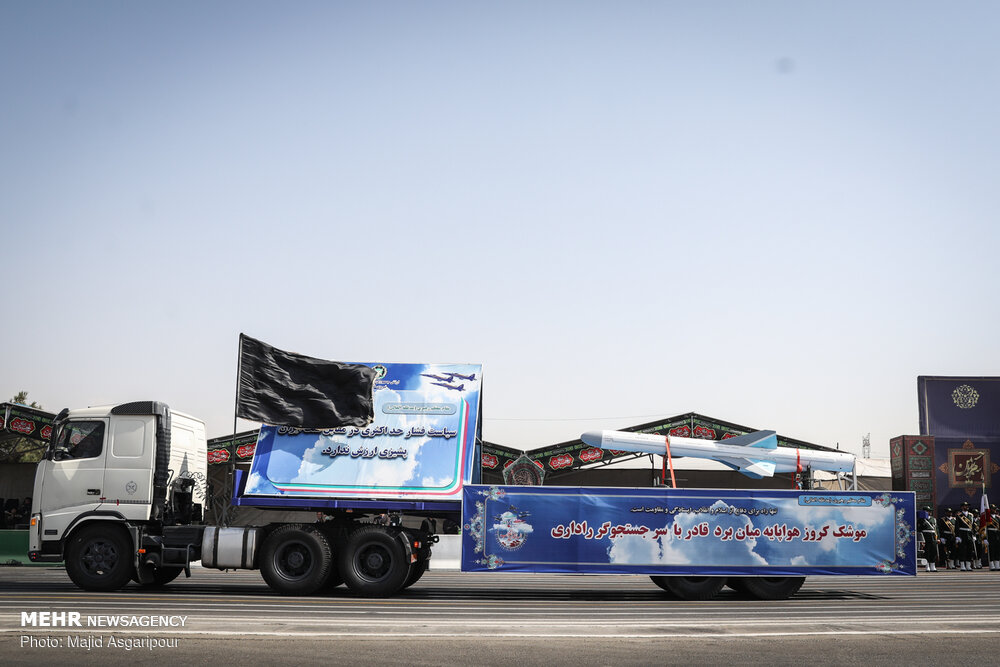
The Yemen government, internationally recognised but controlling only a fraction of the country, alleges that the Houthis have been modifying Iranian air-defence components into loitering cruise missiles with direct technical assistance from the Islamic Revolutionary Guard Corps, Al Jazeera reported in September. Iran has not publicly addressed the allegation, and no independent confirmation has emerged, but the cruise missile intercepted over Riyadh on November 28 is precisely the kind of weapon that allegation describes — a low-flying, terrain-hugging projectile aimed at the most defended city in the kingdom, requiring guidance technology and manufacturing precision that go beyond what Yemen’s domestic capability can produce independently.
What Does a 90 Percent Intercept Rate Actually Mean?
Project Aurorah, an initiative led by Nawaf Obaid, a Visiting Senior Research Fellow at King’s College London’s War Studies department, assessed that Saudi air defences destroyed 252 out of at least 278 hostile munitions fired from Yemen and Iraq between late June and November 27, 2026 — an intercept rate exceeding 90 percent across five months of sustained hostilities. The assessment, published by The National on November 27, broke down what happened to the other fraction: of 43 munitions that reached Saudi soil, 17 were debris fragments from successful interceptions — a function of physics rather than failure — and 26 were direct hits from weapons that defeated the system entirely.
“No air defence architecture, however sophisticated, can guarantee absolute protection over a territory of this magnitude.”
Dr. Nawaf Obaid, Project Aurorah / King’s College London, via The National (Nov 27, 2026)
Those 26 direct hits carry a geography that tells its own story. They include the weapons that struck King Khalid International Airport between October 6 and 11, killing at least 14 people — with the October 10 attack alone wounding more than 300, according to The National — and projectiles that struck financial-district towers in the capital across November, including an attack on a KAFD tower on November 24 that wounded 11 people. The majority of weapons that penetrated Saudi defences “were uncrewed aerial vehicles,” the Project Aurorah assessment noted — the same low-altitude, small-radar-signature platforms that share their intercept challenges with cruise missiles.
Saudi analyst Ali Shihabi framed it plainly when speaking to Time in October: “Expecting a country the size of Saudi Arabia to intercept every missile is simply unrealistic. No defense can guarantee complete protection.” Obaid’s own formulation, offered to Al Jazeera in October, carried the same analysis to its operational conclusion: “As much as you can have a multi-layered air defence system, one will always come through.”
The One-a-Night Grind
Before the multi-vector burst of November 26 through 28, the Houthis had settled into a different rhythm — one that Obaid described to The National on November 20 as a deliberate strategy of firing a single missile per night, a tactic he said the movement copied from Iran and designed to stretch Saudi air defences over time rather than overwhelm them in any single salvo. “‘One a night’ would be an accurate description of their strategy,” Obaid told The National. “The Houthis, with their severely degraded missile launch capacity because of precise Saudi air strikes, are trying as much as they can to stretch Saudi air defences over time.”
The economics of that approach favour the attacker even when every missile is intercepted. Each interceptor engagement burns through materiel faster than it can be replenished, and a single engagement may require more than one round; the Houthi projectile it destroys is assembled in Yemen with Iranian components at a fraction of the cost of stopping it. One launch per night, every night for months, forces Saudi Arabia to burn through interceptor stocks at a steady rate that cannot be replaced by domestic production — the kingdom depends on Lockheed Martin and Raytheon for resupply, and both companies face competing demand from Israel and other customers in the queue. Defence analyst Francis Tusa warned in The National on November 20 that operating a national air defence system in isolation compounds the drain: “If you do everything nationally only, then you are missing 20 per cent of the picture.”
Analyst estimates cited by The National placed the remaining Houthi ballistic missile stockpile at between 100 and 200, a figure that — if accurate and unreplenished — would sustain the one-a-night tempo for months yet, though the estimate has not been independently confirmed and does not account for cruise missiles or drones, which are cheaper and simpler to replenish. The 72-hour barrage that began November 26, with its three weapon types and multiple daily launches, may represent either a departure from the one-a-night pattern or a temporary surge above it, but either reading leads to the same destination: the Houthis retain the capacity to escalate their tempo when they choose, and they chose to do it against the capital.
What Does Targeting the Capital Accomplish?
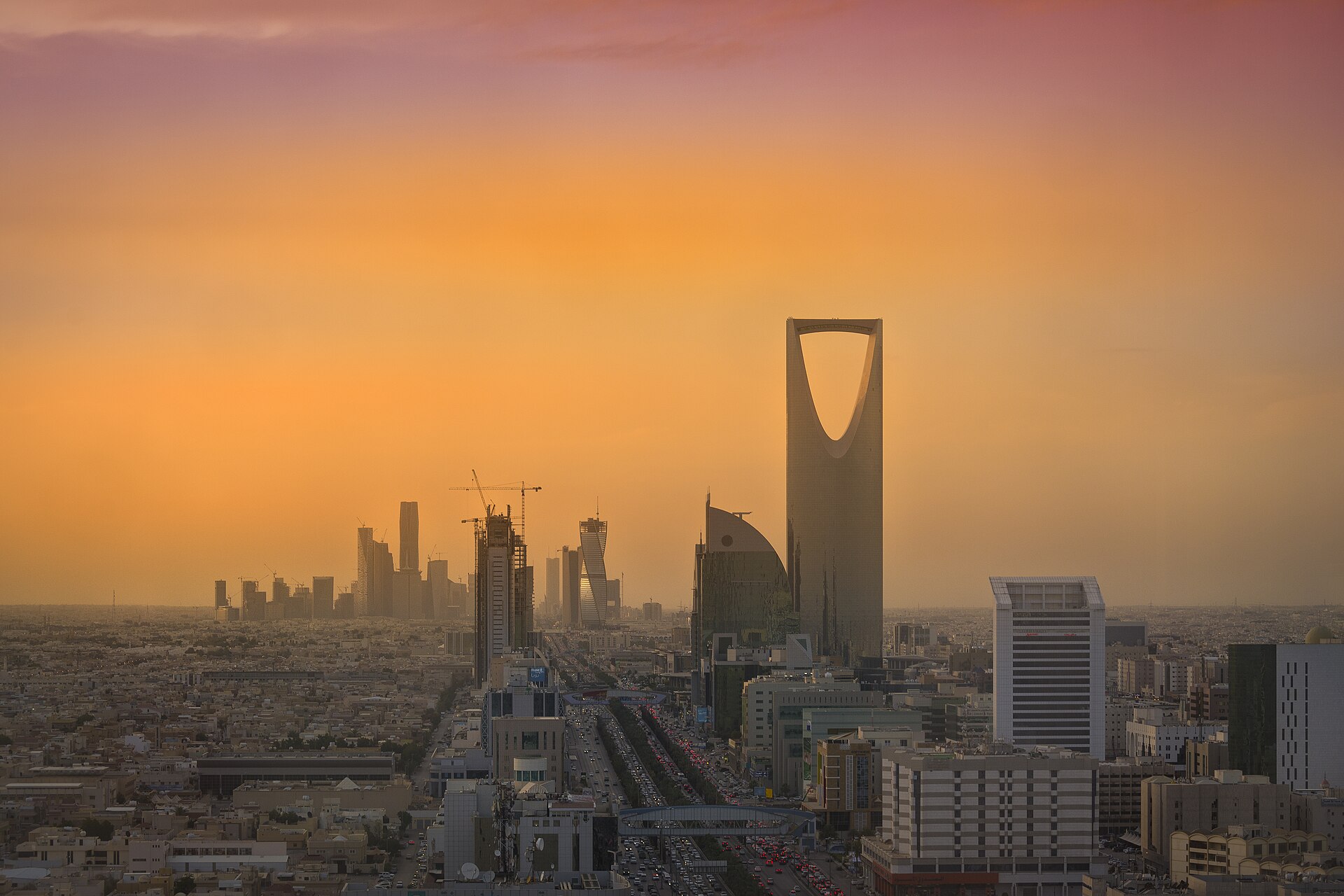
The Houthis are not choosing Riyadh because it is easy to hit — the capital is the most heavily defended city in Saudi Arabia, ringed with Patriot batteries and monitored by overlapping radar coverage — but because a missile that reaches Riyadh, even if intercepted, proves that the country’s political and economic centre is within range, and the psychological yield of that proof extends far beyond any physical damage. The first confirmed Houthi strike on the capital came on September 19, Al Jazeera reported, and in the ten weeks since then the Houthis have demonstrated an ability to reach Riyadh with increasing frequency and with increasingly varied weaponry — from the ballistic missiles that follow high, trackable arcs to the cruise missile intercepted on November 28, which approached low and slow. The PIF Tower was struck on November 19 and again on November 24, confirmed attacks on a building that houses the offices of Saudi Arabia’s sovereign wealth fund, and the King Khalid International Airport attacks between October 6 and 11 killed at least 14 people in the most visible piece of civilian infrastructure in the kingdom.
| Date | Target | Outcome | Source |
|---|---|---|---|
| Sept 19 | Riyadh | First confirmed Houthi strike on capital | Al Jazeera |
| Oct 6–11 | King Khalid International Airport | At least 14 killed; 300+ wounded Oct 10 | The National, Nov 27 |
| Nov 19 | PIF Tower, KAFD | Direct hit confirmed | Bloomberg / The National |
| Nov 24 | PIF Tower + KAFD tower | Projectile hit; 11 wounded at KAFD | The National, Nov 26 |
| Nov 28 | Riyadh | Cruise missile intercepted | Anadolu, Nov 28 |
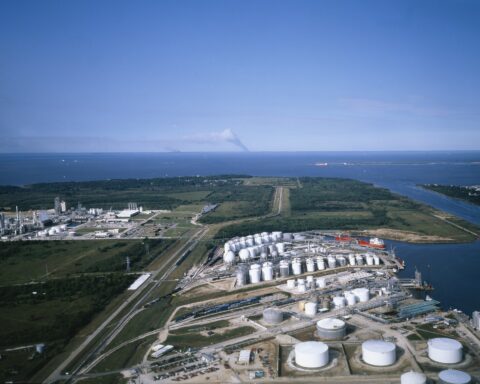
The capital targeting coexists with a parallel campaign against Saudi economic infrastructure along the western and southern coasts. A Houthi strike on the Jazan refinery on November 26 killed one person, the Saudi Energy Ministry confirmed, and the broader five-month war has repeatedly targeted oil facilities, pipelines, and ports that underpin the kingdom’s hydrocarbon economy. Where the Riyadh campaign is designed to demonstrate reach and generate political pressure — proving that the capital is not safe, that the government cannot guarantee the security of its own financial district — the economic targeting imposes measurable costs in lost output, disrupted shipping, and insurance premiums that climb with every confirmed hit on energy infrastructure.
The two campaigns reinforce each other in a way that compounds the defensive problem. A government that must protect both its capital skyline and its refinery complexes simultaneously cannot concentrate defensive assets in either location without leaving the other exposed, and the Houthi shift to cruise missiles — which arrived over both western Saudi Arabia and Riyadh within the same 72-hour window — means every region now faces the full weapon mix. The Pusztai warning from October — that civilian sites chosen for minimal defence yield maximum strategic impact — describes not a hypothetical scenario but an operational pattern already visible in the data from November 26 through 28.
How Is Saudi Arabia Closing the Gap?
The Saudi government’s answer, at least in financial terms, arrived four days before the November 28 cruise missile. On November 24, the Saudi cabinet approved a 2027 budget allocating SAR 263 billion — roughly $70.1 billion — to defence, a figure that Finance Minister Mohammed Aljadaan framed in terms that left no room for ambiguity about the kingdom’s planning horizon. There was “no price tag or cap” on military spending, Aljadaan told reporters, and Saudi Arabia was “resilient enough to withstand a prolonged conflict,” according to Kuwait Times and IBTimes. The budget treats the war not as a temporary disruption to be endured but as a condition to be funded into the indefinite future, which is itself a signal to both allies and adversaries about how long Riyadh expects this to last.
The diplomatic response has matched the financial commitment in both pace and breadth. Saudi Foreign Minister Prince Faisal bin Farhan met four counterparts — from France, the UK, Germany, and South Korea — at the G7 summit in Paris on November 25, pressing each on Strait of Hormuz navigation and the broader Gulf security picture, while an E4+Qatar session at the same summit discussed “ongoing Houthi attacks against civilians and civilian infrastructure in Yemen and Saudi Arabia,” according to Asharq Al-Awsat. On November 27, the second meeting of the Makkah Alliance’s Strategic Political and Defence Committee opened in Islamabad, where Saudi Arabia, Pakistan, and Turkey “strongly condemned repeated attacks by Yemen’s Houthi movement on civilians and civilian infrastructure in Saudi Arabia” and committed to “accelerate efforts to support the Kingdom’s security,” Arab News Japan reported on November 27.
The coalition has also struck back at the source. Saudi airstrikes hit Al-Turba in Taiz governorate on November 27, killing 11 people according to Houthi sources, part of a sustained air campaign that Obaid credited with “severely” reducing Houthi missile launch capacity — though the 72-hour barrage suggests the degradation has limits. The broader strategic framework extends beyond individual retaliatory strikes: Reuters reported on November 19, citing officials familiar with the planning, that Saudi Arabia has drawn up a campaign designed to last up to six months into 2027, encompassing sustained air operations against Houthi launch infrastructure, ground-force coordination with Yemeni government troops along the southern front, and the defensive build-up required to absorb months of continuing incoming fire while maintaining interceptor stocks and crew readiness. But the American dimension looms over all of it: President Trump told reporters that the US Iran war is “funded through end of January,” a timeline that leaves Saudi Arabia facing the possibility that the financial basis of American military involvement could expire within weeks, regardless of what SAR 263 billion can buy domestically or what a six-month campaign plan assumes about sustained coalition operations.
Iran’s War Without Fingerprints
Iran Foreign Minister Abbas Araghchi declared the Islamabad memorandum of understanding dead on November 22 and signalled that a new deal with the United States might be possible — a diplomatic pivot that coincided precisely with the week in which Houthi attacks on Saudi Arabia intensified to their most varied combination since the war began. The timing captures the structure of Iran’s proxy approach: Tehran manages its own direct exposure, entertaining diplomatic channels and testing the possibility of an American arrangement, while the Houthis — armed and trained by the IRGC and, in the case of cruise missiles, allegedly equipped with modified Iranian components — maintain pressure on Saudi Arabia without implicating Tehran’s diplomatic positioning directly. The Makkah Alliance session in Islamabad on November 27, at which all three member states pledged accelerated security cooperation, opened five days after Araghchi’s declaration — Saudi Arabia assembling its defensive coalition at the same moment Tehran was rearranging its diplomatic exposure.
Obaid’s assessment that the Houthis show “little evidence of significant indigenous technological innovation,” published by Al Jazeera in October, points toward the supply chain that makes the proxy arrangement work. The Yemen government’s allegation, reported by Al Jazeera in September, that the Houthis are converting Iranian air-defence components into cruise missiles with IRGC technical help remains unconfirmed by independent sources, and Iran has not publicly responded to the claim, but the weapon that flew toward Riyadh on November 28 was not a crude ballistic projectile on a predictable arc — it was a cruise missile, low-flying and radar-evasive, requiring guidance technology and manufacturing precision beyond what Yemen’s war-ravaged industrial base can produce on its own.
The Houthi silence on that intercept may be the most telling detail of the week. Saree has been vocal about operations the movement considers successful, contesting the coalition’s account of every engagement from November 26 and 27, and the absence of any claim for the Riyadh cruise missile suggests it was stopped cleanly enough that there was nothing worth publicising. Al-Maliki’s sparse announcement on X, with no detail on origin, timing, or ground impact, reads like a system that processed the threat, logged it, and returned to scanning the horizon.
Frequently Asked Questions
Which defence system likely intercepted the November 28 cruise missile?
The coalition did not disclose which interceptor engaged the missile, and no independent information has emerged about the engagement layer. Saudi Arabia operates Patriot batteries for medium-to-high altitude ballistic missile threats, THAAD for upper-tier intercepts, and shorter-range point-defence systems for drones and low-flying cruise missiles. THAAD would not typically engage a low-altitude cruise missile, making either a Patriot PAC-3 battery — which can engage lower-altitude air-breathing targets — or a point-defence system the more likely candidate, but without coalition disclosure the specific system that stopped the November 28 missile cannot be confirmed.
Has France deployed air defences to protect Saudi infrastructure?
France deployed troops, radar systems, and air-defence units to the Yanbu area on Saudi Arabia’s Red Sea coast in September 2026, Al Jazeera reported on September 25. Yanbu is home to major oil refining and petrochemical facilities and has been a target in the broader campaign against Saudi energy infrastructure. The French deployment represents one of the few confirmed instances of a non-US Western military presence specifically tasked with defending Saudi industrial sites during the current conflict, and its scope — whether it covers only Yanbu or extends to other western-coast installations — has not been publicly detailed.
Is there a pending F-35 sale to Saudi Arabia?
A proposed sale of 48 F-35A Lightning II fighters to Saudi Arabia worth an estimated $24.3 billion was reported by The Aviationist in September 2026. The deal, if completed, would give the kingdom fifth-generation stealth fighters for the first time and represent the largest single arms package offered to Saudi Arabia since the war began. The F-35 would not directly address the air defence gap exploited by cruise missiles and drones — that problem requires interceptor resupply and point-defence systems rather than manned fighter aircraft — but it would expand the coalition’s capacity for precision strikes against Houthi launch infrastructure in Yemen.
When did the Makkah Alliance treaty enter force?
The Makkah Joint Defence Agreement entered into force on November 14, 2026, when Turkey’s ratification law was published in the Turkish Official Gazette, making it binding on all three signatories: Saudi Arabia, Pakistan, and Turkey. Pakistan ratified the pact on October 23, and Turkey’s parliament approved it by a vote of 279 to 119 on November 5. The pact’s operational scope and mutual-defence obligations have not been fully disclosed publicly, but the Islamabad committee session on November 27 — the day before the Riyadh cruise missile intercept — produced a joint statement committing all three members to concrete, accelerated security cooperation against the Houthi threat.
The House of Saud Daily Briefing
Saudi Arabia's news in 3 minutes, every morning. Free. See today's issue