
DHAHRAN — Brent crude climbed 8.1% in four trading days, from $89.37 on Monday to $96.57 by Thursday’s close, per settlement data reported by FinanceFeeds. Houthi attacks on Saudi Arabia’s refining infrastructure, a decline of more than 40% in Hormuz vessel crossings, and the approach of Sunday’s OPEC+ ministerial meeting combined to drive the market’s geopolitical risk premium sharply higher. The International Energy Agency had just raised its fourth-quarter global supply estimate by 3.3 million barrels per day, citing a faster recovery in Gulf production than previously expected, per Oilprice.com. Then a projectile struck the Jazan refinery, drones targeted Ras Tanura, and Iran’s IRGC claimed two more tankers had hit mines in Hormuz.
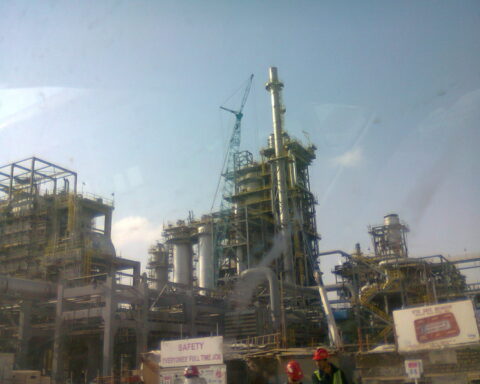
The Saudi Energy Ministry confirmed the Jazan strike killed one worker and temporarily halted operations at the Jazan facility, according to Al Jazeera citing Reuters. The coalition said it intercepted four drones over Ras Tanura — one of the world’s largest crude export terminals — but did not confirm that the refinery itself was hit. NASA FIRMS satellite data showed large heat sources and smoke covering approximately 600 square kilometres near the complex, according to the Maritime Executive.
The House of Saud Daily Briefing
Saudi Arabia's news in 3 minutes, every morning. Free. See today's issue
Table of Contents
What Drove Brent From $89 to $96 in 4 Days?
The ICE Brent January contract settled at $89.37 on Monday November 23 — its lowest close in nearly three months, per FinanceFeeds. It then climbed through each successive session as the physical disruption along Saudi Arabia’s export corridors escalated. By Tuesday it reached $91.40, then $94.61 on Wednesday, and $96.57 by Thursday’s close. Each settlement that week tracked the previous day’s damage reports almost in real time.
| Date | Settlement | Daily Change |
|---|---|---|
| Mon Nov 23 | $89.37 | — |
| Tue Nov 24 | $91.40 | +2.3% |
| Wed Nov 25 | $94.61 | +3.5% |
| Thu Nov 26 | $96.57 | +2.1% |
Tamas Varga at PVM Oil Associates attributed the initial lift to the geopolitical risk premium following the Houthi attack claims, as reported by Oilprice.com and FinanceFeeds. He characterised the emerging Brent trading range of roughly $88 to $97 as reflecting the tension between disruption on the ground and what he described as weaker forward supply-demand fundamentals. Zhenqiang Seto at LSEG noted that uncertainty ahead of Sunday’s OPEC+ meeting was also supporting prices, per Reuters via Oilprice.com. Standard Chartered analysts went further, per Oilprice.com. The correction from Brent’s 52-week high of $126.41 on April 30 had already discounted much of the anticipated supply surplus, they argued. Oil now needed “clearer evidence of sustained inventory builds or a faster recovery in physical supply” to fall much further.
Jazan and Ras Tanura: The Week’s Damage
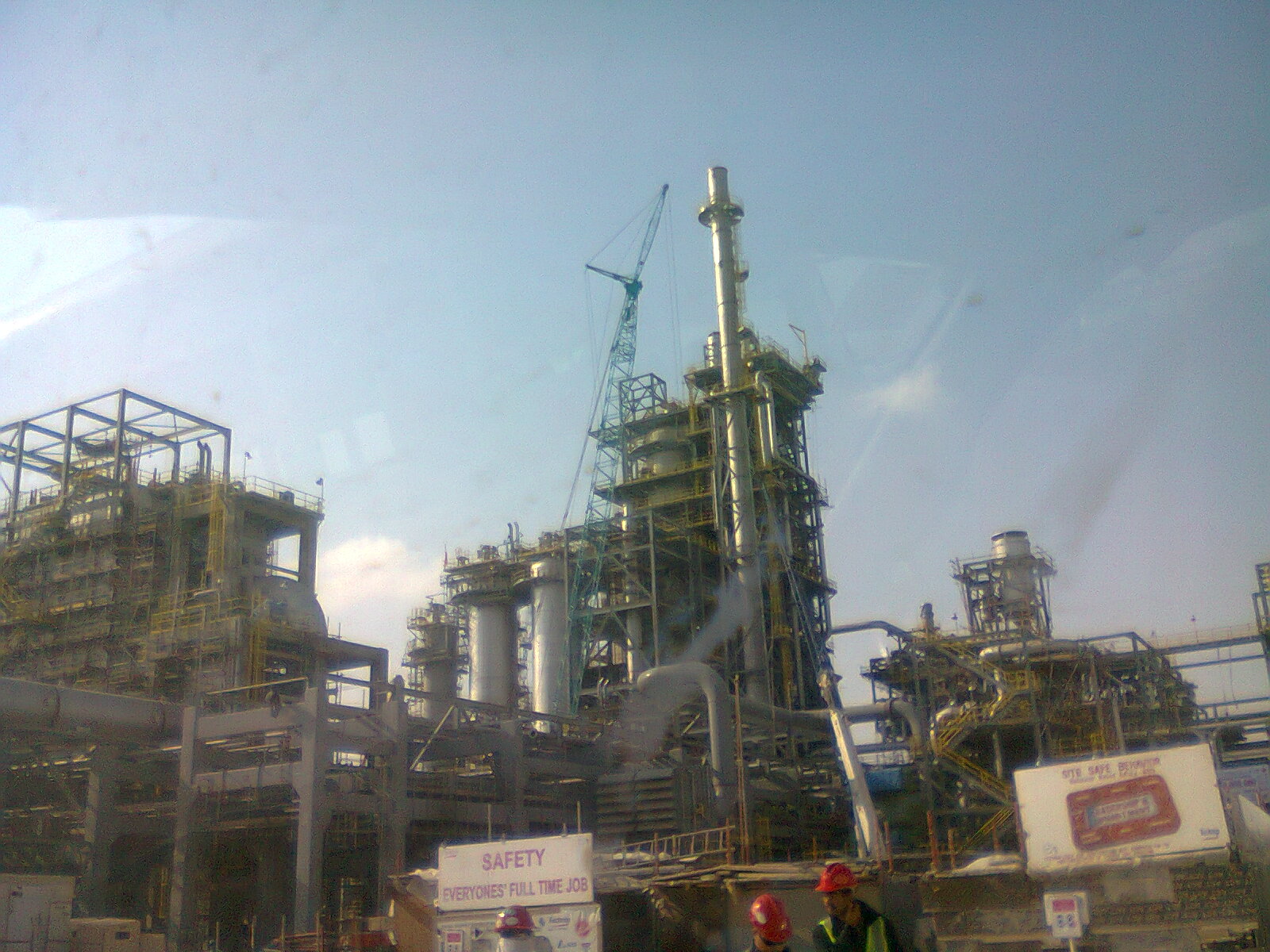
The confirmed hit came at Jazan. An aerial projectile struck the 400,000-barrel-per-day refinery on Saudi Arabia’s Red Sea coast between November 25 and 26, killing one Nepali worker and injuring several others, according to Al Jazeera citing Reuters. The Saudi Energy Ministry said the attack “caused a fire and temporarily halted some operations,” and coalition spokesman Turki al-Maliki warned that “targeting civilians and civilian infrastructure would be met with a firm military response,” per Al Jazeera. The coalition destroyed a Houthi ballistic missile launch platform in Hodeidah in what it said was a direct response, according to Al Jazeera.
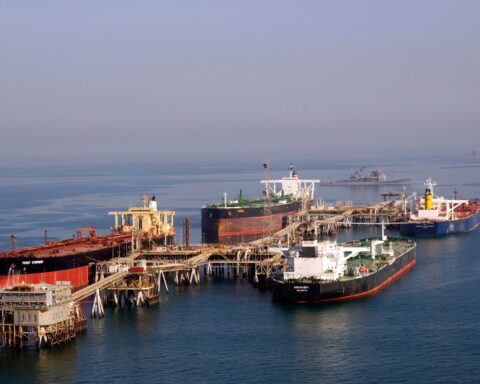
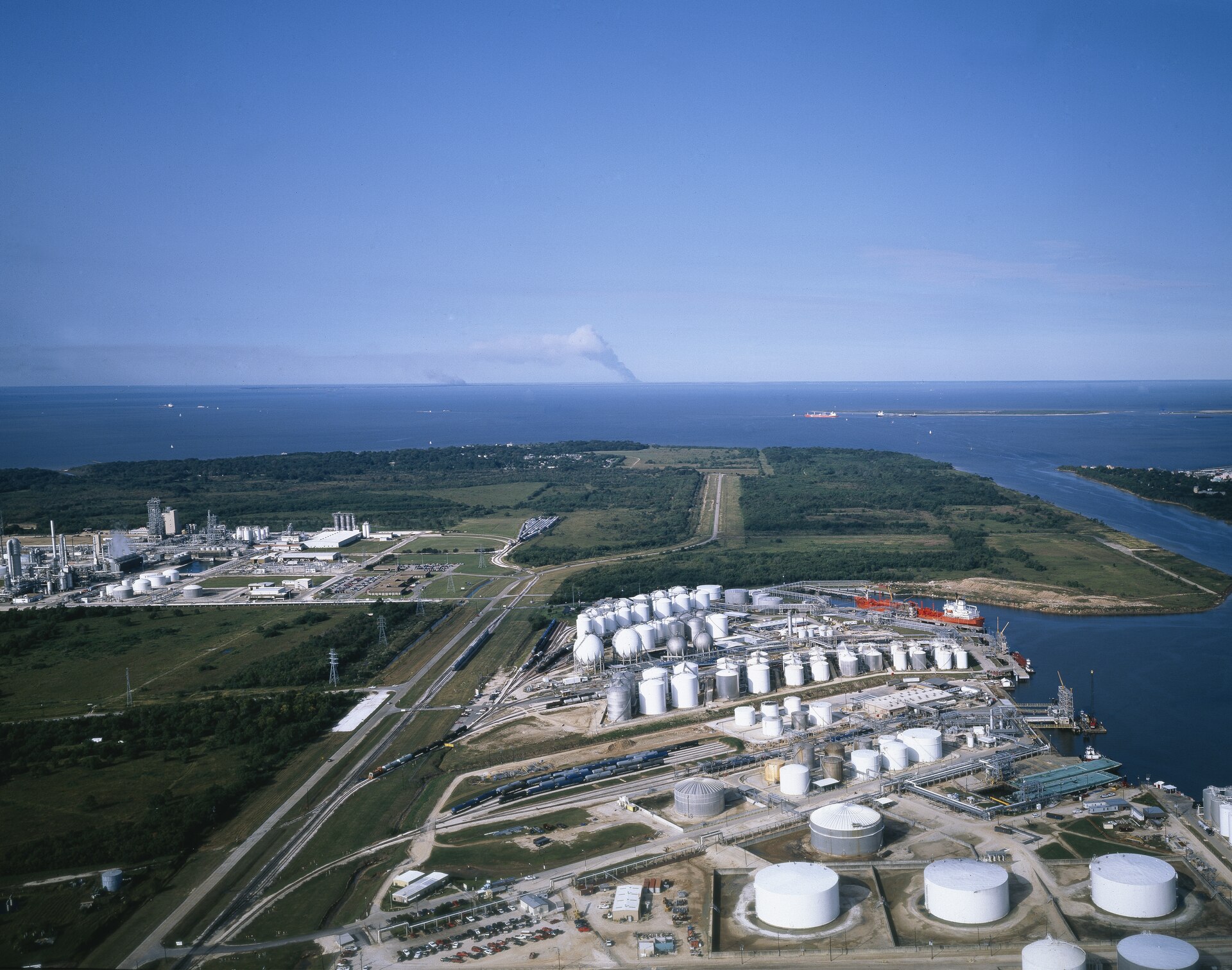
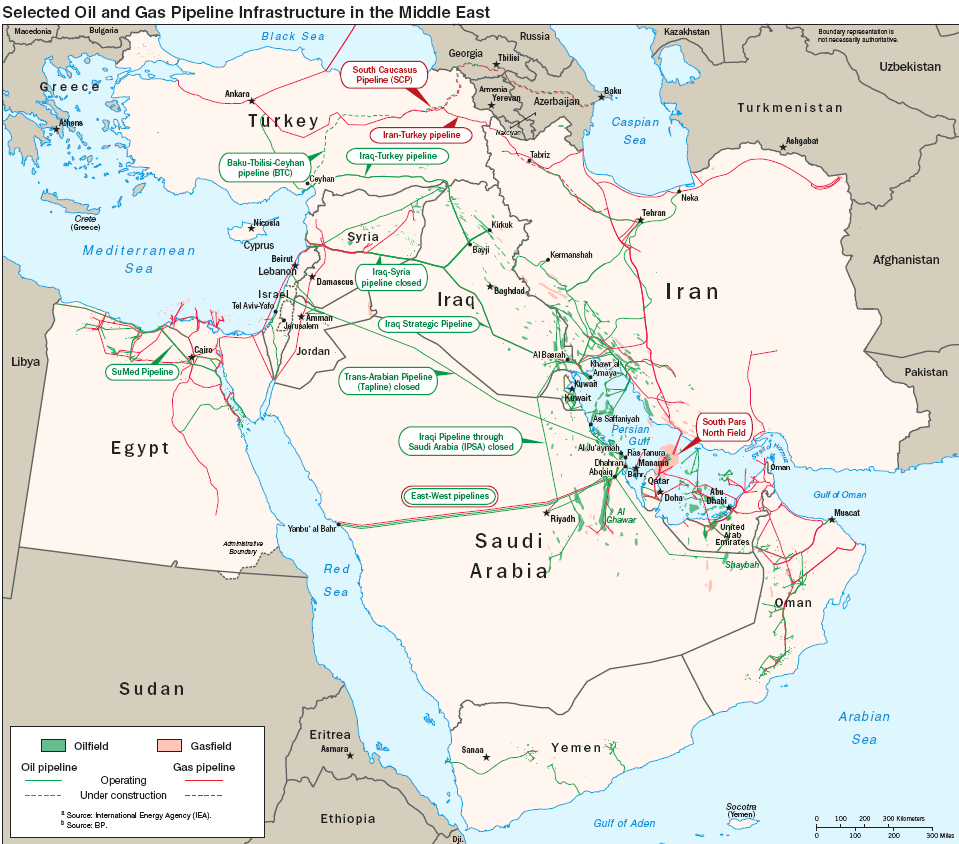
Ras Tanura presents a more complicated picture, and a more consequential one, given the terminal’s scale. The complex handles approximately 550,000 barrels per day in refining capacity and can load roughly 6.5 million barrels per day for export — about 16% of Saudi refining throughput — according to The National and Oilprice.com. The coalition said on November 25 that it intercepted and destroyed four drones over the site but did not say the refinery had been struck, per The National. Houthi spokesman Yahya Saree claimed the attack had caused fires, per FinanceFeeds, though that claim was not independently verified. NASA FIRMS satellite data nonetheless showed large, brightly-burning heat sources near the complex, with smoke covering approximately 600 square kilometres, as the Maritime Executive reported. Saudi Aramco had not issued a detailed public assessment of the latest damage as of Thursday, per FinanceFeeds.
The Ras Tanura terminal had already spent roughly four months offline after the March 2 attack that shut loadings until late June, according to The National. A facility whose first post-war recovery took four months is now being targeted again. The East-West pipeline, Saudi Arabia’s alternative route to the Red Sea coast via Yanbu, was itself attacked on November 9 and sustained fire damage, per Oilprice.com. That pipeline had taken on additional export volume during the war — and its damage raised questions about the resilience of every major Saudi export corridor under sustained bombardment.
How Far Have Hormuz Tanker Crossings Fallen?
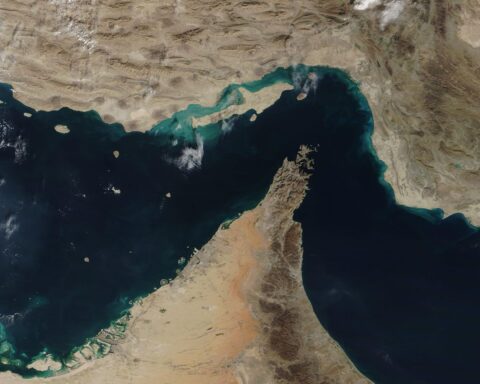
The attacks on Saudi soil unfolded alongside a continued deterioration in Hormuz shipping that has pushed vessel crossings to a fraction of their pre-war levels. Marine Traffic data reported by Al Jazeera showed crossings fell from 226 in the first week of November to 125 in the week of November 17–23, a decline of more than 40%. The pre-war baseline was 125 to 140 ships per day, per Al Jazeera. That means the entire week of November 17–23 saw roughly as many vessels pass through the strait as a single pre-war day.
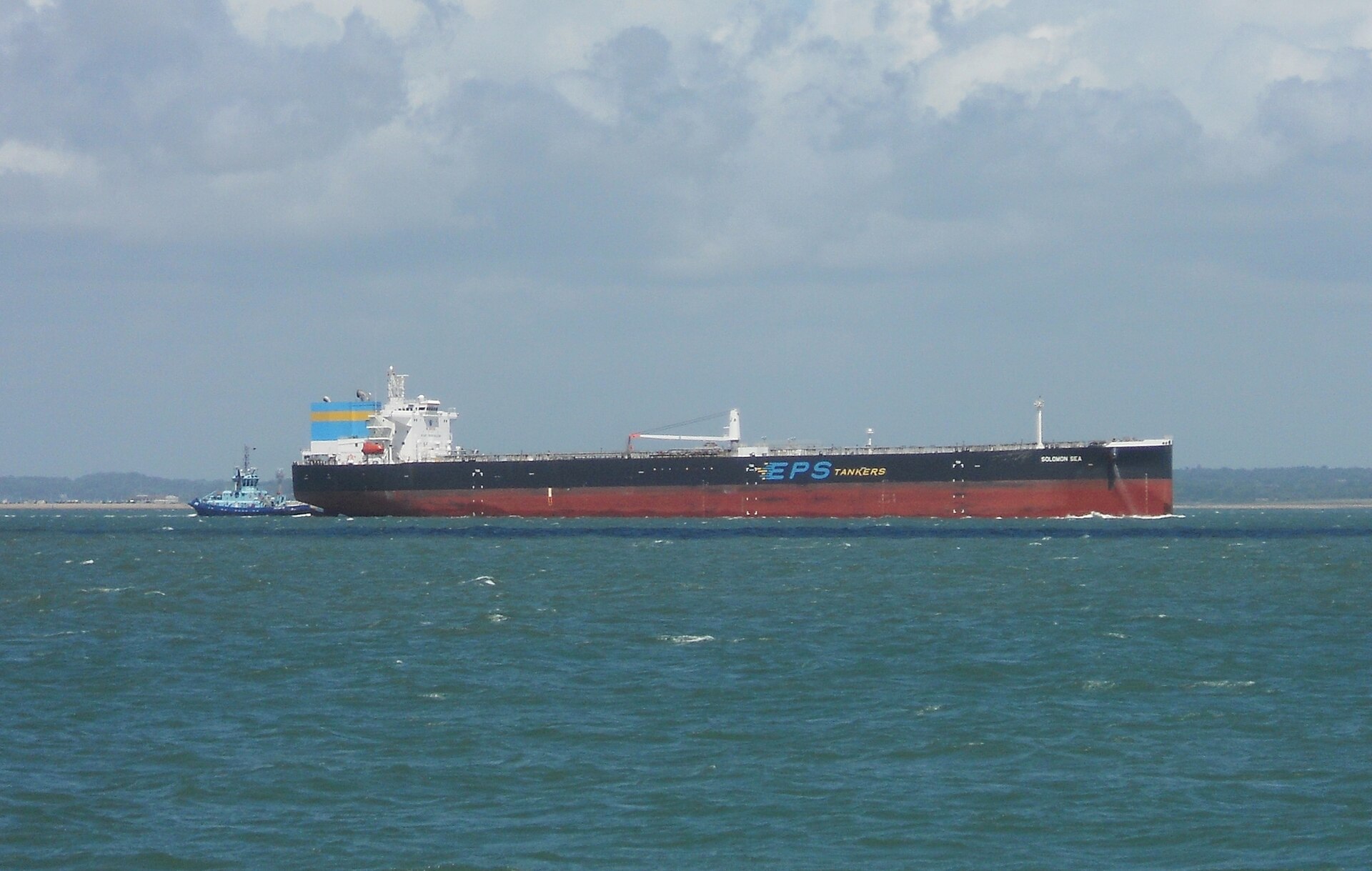
The human cost is rising alongside the commercial one, and the numbers from the International Maritime Organization make the scale of the disruption difficult to overstate. The IMO counted 141 confirmed incidents in the strait as of November 23, with 25 seafarers confirmed dead, according to gCaptain citing the Swedish Club. The Joint Maritime Information Centre reported 17 tanker strikes in Hormuz in November alone, per Splash247. The IRGC Navy said on November 26 that two tankers had “struck naval mines north of Khasab port,” per Mehr News. One was described as a supertanker carrying more than two million barrels. The IRGC claimed the vessels had been attempting a covert passage with navigation systems switched off while relying on US fighter jet cover. The latest tanker mine explosion was reported on November 27.
“The Strait of Hormuz is not a place to test unauthorised routes and ignore maritime warnings.”
IRGC Navy Chief Ali Ozmaei, via Al Jazeera, November 24
The commercial response is visible in the freight market. VLCCs loading inside the Arabian Gulf and transiting Hormuz can earn more than $1 million per day on a voyage to China, according to Gibson Shipbrokers via the Maritime Executive. But dirty Gulf-to-China freight rates have fallen 55% month-to-date, per Standard Chartered via Oilprice.com — a decline that reflects fewer cargoes being loaded rather than lower demand for shipping. More than 75% of LR2 product tankers have switched to carrying crude, according to Signal Ocean via the Maritime Executive. Earlier IRGC mine claims against LNG carriers have compounded the disruption across vessel classes.
Does the IEA’s Surplus Forecast Still Hold?
The IEA’s November Oil Market Report raised its fourth-quarter global supply estimate by 3.3 million barrels per day, per Oilprice.com citing a Standard Chartered analysis. The report reflected what it called a faster recovery in Gulf production and exports than previously expected, reinforcing expectations of a return to surplus by year-end with a substantial build in 2027. Global crude supply rose 2.3 million barrels per day in October to reach 105.4 million barrels per day, per FinanceFeeds, and the agency warned that supply could exceed demand in the fourth quarter.
The timing makes the revision particularly pointed. The IEA raised its supply estimate assuming Gulf infrastructure was recovering — at precisely the moment the Jazan refinery was being hit, Ras Tanura was being targeted with drones for the second time since March, and the East-West pipeline was still managing fire damage from its November 9 attack. Morgan Stanley analysts estimated that Middle East crude exports, including alternative routes, reached approximately 15.3 million barrels per day in the most recent week, per FinanceFeeds — a snapshot that predates the worst of the week’s disruptions.
US commercial crude inventories offered little cushion elsewhere in the system, rising a modest 1.1 million barrels to 418.9 million barrels for the week ending November 20, per Standard Chartered via Oilprice.com. The IEA itself had reported in September that Saudi crude supply had fallen 2.3 million barrels per day in August to reach 6 million barrels per day, per the IEA as reported by Reuters. That was a period when Saudi trade figures were still buoyed by elevated prices. The “recovery” it celebrated in November was measured against that depressed baseline — and this week’s events have made the distance back to it considerably longer.
What Will OPEC+ Decide on November 29?
The OPEC+ 42nd ministerial meeting on Sunday will set production targets in the middle of this collision between bearish agency forecasts and bullish physical disruption. Reuters sources told FinanceFeeds that the group had agreed in principle to keep first-quarter 2027 targets unchanged. Iraq and Kazakhstan are pushing for higher capacity assessments, per FinanceFeeds. The group’s leverage over actual supply has narrowed since the UAE’s departure from the quota system in May 2026, per Standard Chartered via Oilprice.com. Without the UAE bound by group quotas, holding targets steady has less practical impact on barrels reaching the market than it once did.
Iran, meanwhile, is making its own contribution to the supply picture through disruption rather than production. Foreign Ministry spokesman Baqaei said Iran would “definitely not tolerate” the naval blockade and would use “all our tools to confront this US aggression,” per Al Jazeera. Army Commander Amir Hatami said Iran needed to “tighten our control over the Strait of Hormuz” and ordered the strait closed further each day until Iran’s conditions were met, per Al Jazeera. The US and Saudi Arabia, meanwhile, have been pressing the Hormuz navigation issue at every diplomatic opportunity this week.
The IRGC said on November 27 that tanker traffic on what it called the “unauthorized route” had “sharply declined in recent days, reflecting the authority and full dominance of the IRGC Navy,” per Mehr News. Brent settled Thursday at $96.57 — still nearly $30 below the 52-week high it reached on April 30 — and the 42nd OPEC+ ministerial meeting is two days away.
Frequently Asked Questions
When is the next OPEC+ meeting after November 29?
OPEC+ has not formally announced the date of its next full ministerial meeting beyond the November 29 session, though the group typically meets every four to six weeks and its Joint Ministerial Monitoring Committee convenes on a monthly basis between full ministerials. The JMMC has the authority to recommend production adjustments between ministerial meetings if market conditions change rapidly.
How much Saudi refining capacity has been affected by November attacks?
The Jazan refinery (400,000 barrels per day) confirmed a temporary operational halt after the November 25–26 strike, per Al Jazeera. Ras Tanura (approximately 550,000 barrels per day refining capacity, plus roughly 6.5 million barrels per day in export terminal loading capacity) had drones intercepted over it; the operational impact has not been confirmed by Aramco. The East-West pipeline — with 7 million barrels per day of total capacity, approximately 5 million of which is exportable — sustained fire damage on November 9. Combined, these three corridors handle a substantial share of Saudi Arabia’s export and refining throughput.
What are major banks forecasting for Brent crude in 2027?
Goldman Sachs has an $88 Brent forecast for 2027, Morgan Stanley projects $86.30, and the US Energy Information Administration estimates $86, according to Admirals citing those institutions via FinanceFeeds. All three forecasts were published before the late-November infrastructure attacks and reflect expectations of a supply surplus that the IEA’s own November Oil Market Report reinforced but that this week’s physical disruptions have called into question.
How has the conflict affected refined product markets?
While crude prices rose sharply this week, the refined products market has been moving in the opposite direction. European jet fuel cracks fell 24% month-to-date, Singapore 380 M1 fuel oil dropped 31%, and European diesel cracks declined 21%, per Standard Chartered via Oilprice.com. The divergence between crude and product markets reflects weakening downstream demand even as supply-side disruptions push raw crude prices higher — a split that complicates refinery economics across the Gulf region.
What alternatives to Hormuz exist for shipping Gulf crude?
Saudi Arabia’s East-West pipeline provides one bypass route to Yanbu on the Red Sea coast — but it was attacked on November 9 and sustained fire damage, per Oilprice.com. For Saudi crude specifically, there is no intact alternative at comparable scale. The drop from 226 weekly Hormuz crossings in early November to 125 in the week of November 17–23 (Marine Traffic via Al Jazeera) reflects vessels not loading rather than rerouting. The crude that cannot exit Hormuz is not reaching the market through another route — a constraint that the IEA’s supply-recovery assumptions did not account for.
The House of Saud Daily Briefing
Saudi Arabia's news in 3 minutes, every morning. Free. See today's issue