
Table of Contents
DHAHRAN — Aramco cut its Arab Light Official Selling Price to Asia for July by $6 per barrel — the largest single-month reduction since 2022 — setting the premium at $9.50 over the Dubai/Oman benchmark. The pricing was published on June 8, seven days before the Iran MOU was signed and eleven days before the Geneva ceremony scheduled for June 19. As of June 17, zero commercial vessels have transited the Strait of Hormuz. The strait remains physically closed.
The OSP is not a forecast. It is a commercial commitment applied to every term contract cargo loading in July. Aramco has no mechanism to revise it retroactively. The company priced July cargoes as if Hormuz reopens on schedule — but the mine clearance timeline runs 40 to 50 days at the low end, placing the earliest plausible physical normalization in late July. At the Pentagon’s upper estimate of six months, it extends to December. Aramco has locked in a $10-per-barrel premium collapse over two months — from $19.50 in May to $9.50 in July — for cargoes that may have nowhere to load.
The $6 Cut
Aramco publishes Official Selling Prices around the fifth of each month for the following month’s loading program. The July 2026 OSP to Asia, released June 8, set the Arab Light premium at $9.50 per barrel over the Dubai/Oman benchmark — down $6 from June’s $15.50 and down $10 from May’s $19.50. That $6 reduction has not been exceeded since 2022, when Aramco slashed prices during a demand contraction in China.
Bloomberg’s survey of refiners and traders had expected a $5 cut. Aramco exceeded the consensus by a dollar, a margin that in ordinary pricing cycles would register as aggressive but unremarkable. In the current environment — with the Strait of Hormuz closed, Saudi crude lifted via Yanbu at roughly 70 percent of pre-war export capacity, and China’s largest buyers either reducing or eliminating Saudi offtake — the additional dollar carries different weight. It suggests Aramco is pricing not merely to reflect current weakness but to anticipate a recovery in physical access that has not begun.
The cash Dubai premium to swaps averaged $9.59 per barrel in May, down from $13.92 in April. The spot market was already telling Aramco the premium had collapsed. The OSP acknowledged that reality. What the OSP also did — and what no competing coverage has examined — is commit Aramco to a specific price for cargoes whose loading windows open in late June and early July, a period during which Hormuz may remain impassable.
The Middle East briefing 3,000+ readers start their day with.
One email. Every weekday morning. Free.
What Did Aramco Price Into July?
The July OSP at $9.50 over Dubai/Oman implies Aramco expects Hormuz to reopen in time for July cargo loading. The pricing assumes Eastern Province terminals will be accessible by early to mid-July — an assumption the mine clearance timeline does not support. In practice, the OSP locks in a premium-level discount for volumes that may route via Yanbu regardless.
The specific assumption behind $9.50 is that Arab Light’s quality premium survives a rerouted supply chain. Arab Light is a lighter, sweeter grade that Asian refiners historically prefer for gasoline and middle distillate yields. Before the Hormuz crisis, that premium reflected both quality and convenience: Saudi crude loaded at Ras Tanura and Ju’aymah in the Eastern Province, transited Hormuz, and reached refineries in Jamnagar, Mailiao, or Yokohama within two to three weeks.
That logistics chain no longer functions. Since April 2026, Aramco’s eastbound cargoes have rerouted through the East-West Pipeline to Yanbu on the Red Sea coast, adding approximately 12 to 15 days of sailing time to Northeast Asian destinations via the Suez Canal or the Cape of Good Hope. The Yanbu route caps throughput at roughly 7 million barrels per day — well below Saudi Arabia’s pre-war combined export capacity from both coasts. The OPEC+ production hike of 188,000 barrels per day approved for July at the June 7 meeting is largely symbolic: the volumes cannot reach the market through a closed strait, and the pipeline is already near capacity.
What Aramco priced into the July OSP, then, is an assumption that at least some portion of these cargoes will load from Eastern Province terminals by early to mid-July, requiring Hormuz transit. If that assumption fails, Aramco will have discounted its flagship grade by $10 in two months and received no volume recovery in return.
The Loading Window That Does Not Exist
July term contract cargoes begin loading in the final days of June. A VLCC loading at Ras Tanura on June 28 for delivery to a South Korean refinery transits Hormuz within hours of departure. The question is whether that transit will be physically possible.
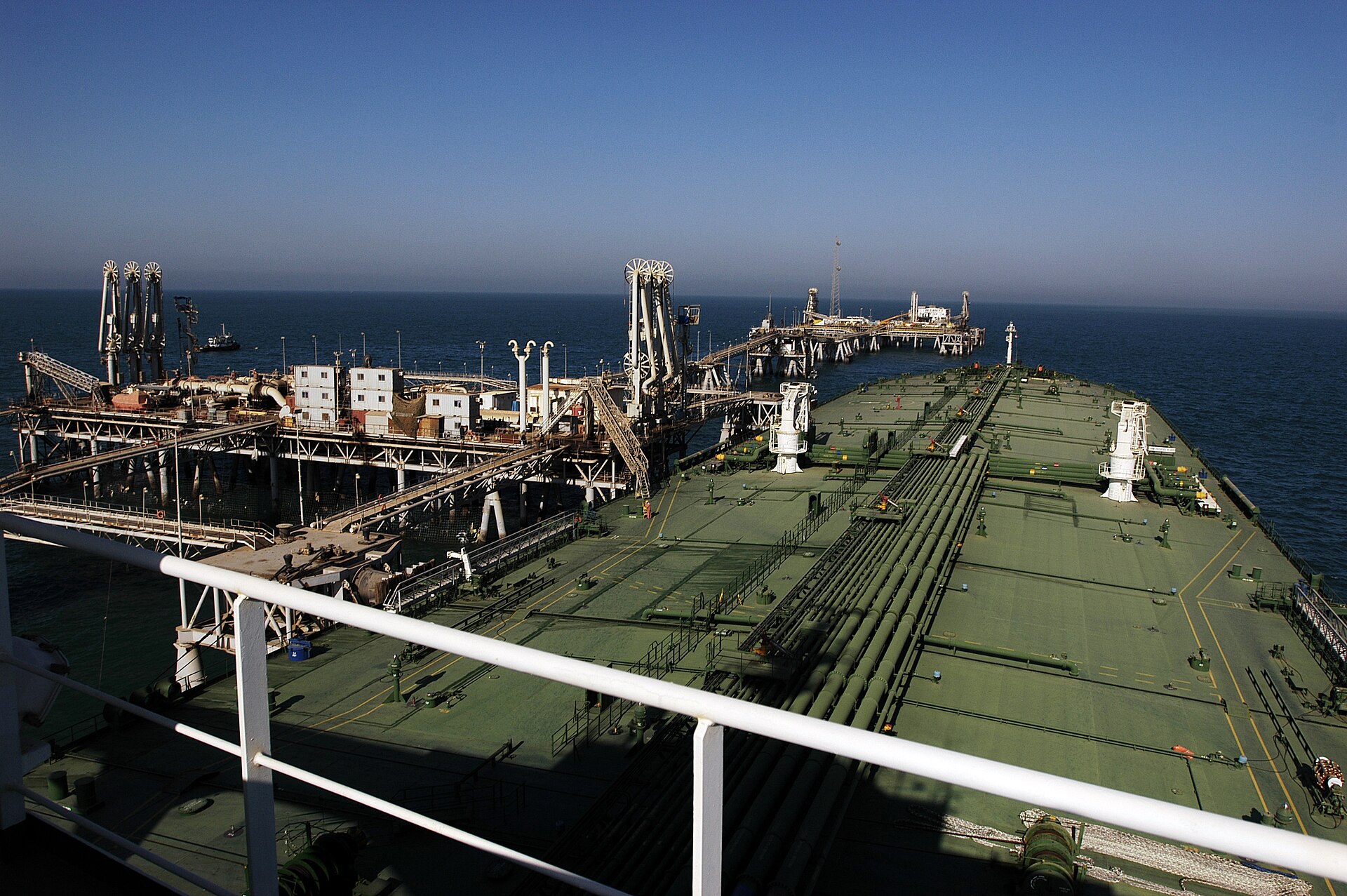
As of June 17, the answer is no. AIS tracking shows zero commercial vessels transiting the Strait of Hormuz — unchanged since the MOU was signed on June 15. The pre-crisis baseline was approximately 94 commercial transits per day, carrying roughly 21 million barrels of crude and petroleum products plus 14 percent of global LNG trade. The number today is zero. India’s Petronet LNG tanker Disha is the sole commercial vessel to have made a visible transit since June 15, and that crossing was an Indian-flagged vessel operating under conditions unavailable to the broader market.
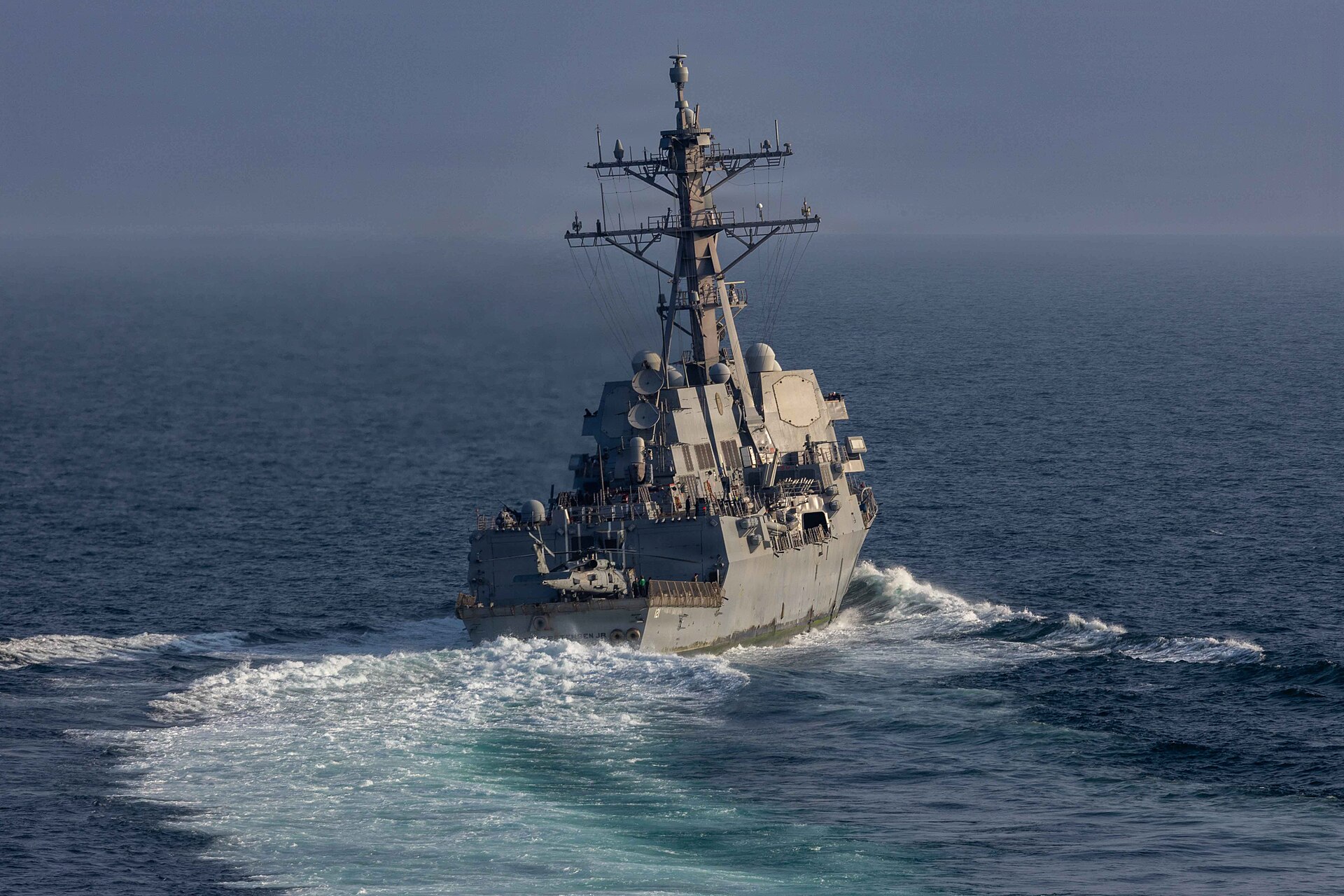
The mine clearance timeline is the binding constraint. Western maritime security sources estimate 40 to 50 days from the start of active clearance operations; the Pentagon’s internal assessment extends to six months. The Geneva ceremony is scheduled for June 19. Even if clearance operations begin the following day — an optimistic assumption given that the IRGC issued a “last warning” to USS Frank E. Petersen Jr. during minesweeping on the day the MOU was signed — the 40-day low end places the earliest physical reopening at approximately July 29. That is the outer edge of July’s loading program.
The six-month Pentagon estimate would place normalization in December. Under either scenario, the bulk of July cargoes that Aramco priced on June 8 cannot load from the Eastern Province.
Why Is Zero Commercial Traffic Moving Through Hormuz?
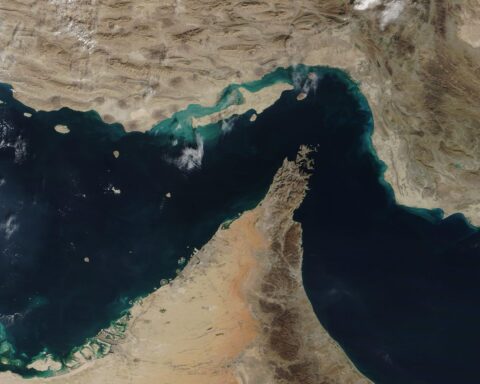
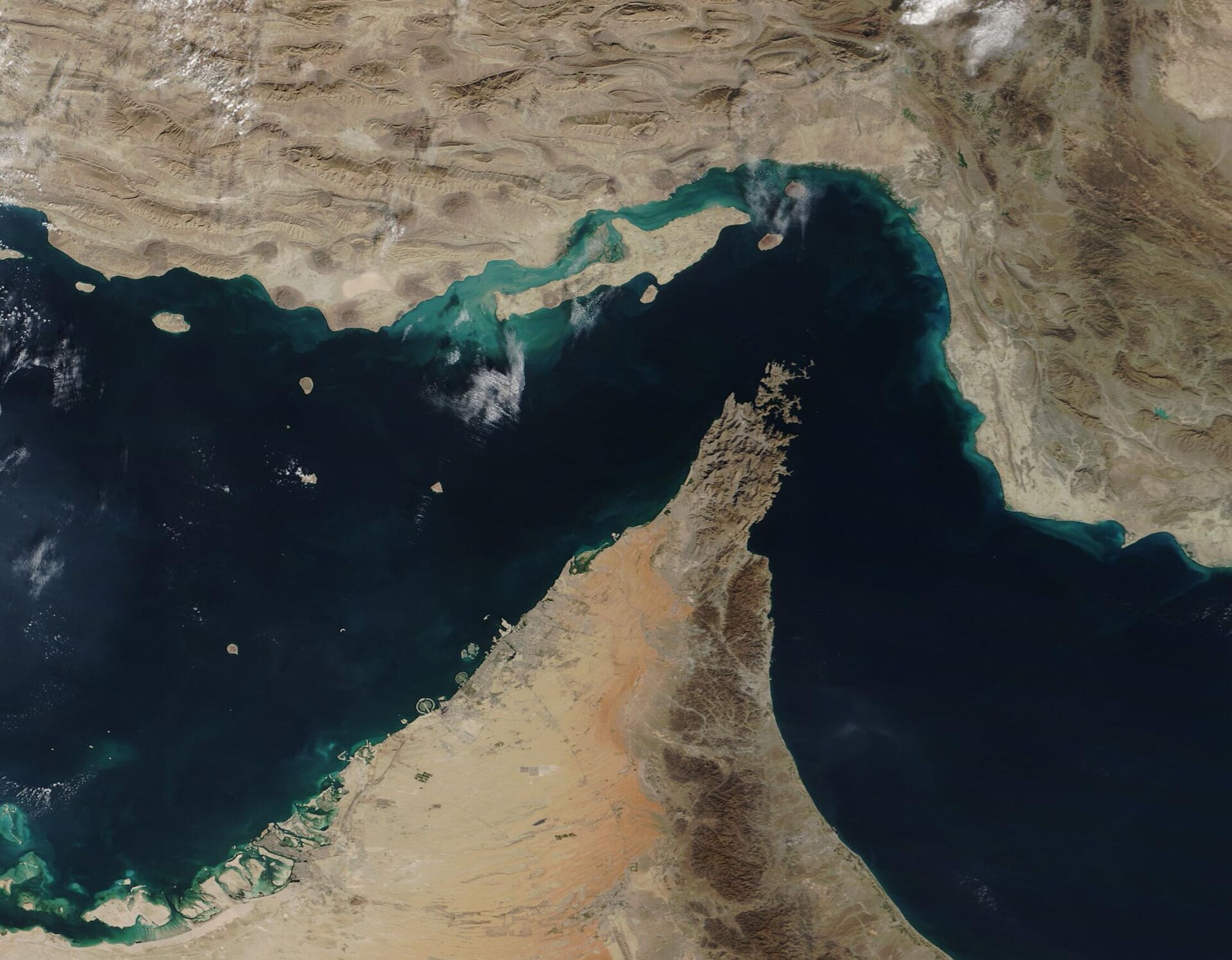
Three obstacles block commercial transit simultaneously: uncleared mines on the seabed, Iran’s June 15 UN notification requiring “Iranian coordination” for any passage, and war risk insurance premiums that have risen from 0.1 percent to 2.5 percent of hull and machinery value per seven-day period. The MOU addresses none of them. The strait is politically open and physically closed.
The MOU signed June 15 is a political instrument. It addresses diplomatic sequencing, nuclear timelines, and the framework for a broader normalization process. It does not address mines. Iran’s Maham-7 ground-reactive pressure mines — designed to defeat sonar detection — remain in the waterway. The IRGC’s formal closure order of June 11, issued through Khatam al-Anbiya headquarters and stating that approaching the strait constitutes “cooperation with the enemy,” has not been rescinded.
On the insurance obstacle: the Lloyd’s Market Association has clarified that marine war cover remains technically available. What has changed is the premium — some stranded tankers are paying up to 10 percent of hull value for a single transit. The LMA emphasized that “safety concerns, not insurance availability” are driving reduced vessel traffic. Insurers will write the policy, but the premium reflects a physical threat assessment that the MOU has not changed. On the procedural obstacle: “Iranian coordination” has no agreed operational definition and no implementing mechanism. Iran has not clarified which authority issues clearances, at what cost, or with what lead time.
BIMCO, the International Chamber of Shipping, INTERCARGO, INTERTANKO, IMCA, and OCIMF jointly issued guidance in May 2026 warning that the backlog of hundreds of stacked vessels itself represents “a considerable navigational hazard” even after the waterway reopens. The approximately 600 vessels currently stranded in the Gulf and Gulf of Oman cannot simply begin moving simultaneously. Reopening, when it comes, will be gradual.
The Buyers Who Already Left
The OSP cut is intended to recapture buyers. The question is whether the buyers Aramco most needs to recapture are still reachable by price alone.
Sinopec, China’s largest refiner, reduced Saudi crude offtake by 80 percent from pre-crisis levels and did not purchase any Saudi crude for July — the second consecutive month of zero purchases. Rongsheng Petrochemical, operator of one of China’s largest independent refining complexes, cut monthly Saudi crude liftings from 7 million barrels in February to 1 million in June. These are not marginal adjustments. They reflect a structural reconfiguration of feedstock procurement that a $6 OSP cut cannot reverse in a single month.
The competitive dynamics explain why. S&P Global has identified a $5 to $7 per barrel spread threshold at which Asian refiners begin semi-permanent switching away from Arab Light toward Russian ESPO Blend, a comparable medium sour grade delivered directly to Chinese ports without Hormuz exposure. In April 2026, the Arab Light-to-ESPO spread reached $5.50 in ESPO’s favor — inside the switching threshold. By July, with Arab Light at $9.50 over Dubai/Oman, the spread narrows. But the refiners that switched during April through June reconfigured their processing units, renegotiated term supply agreements, and adjusted their crude slates. A refinery that retooled its desulfurization and distillation units for ESPO Blend does not switch back because one month’s OSP moved.
Japan’s position illustrates a different dimension of the problem. Japanese refiners hold a pre-positioned claim on 8.2 million barrels of Aramco crude stored in Okinawa under a 2010 storage-for-priority agreement. That diplomatic architecture operates independently of the OSP. Japan’s refiners have access to Saudi crude regardless of the published price, and the Okinawa stockpile gives them a physical buffer against loading disruptions. For Japanese buyers, the July OSP cut is a windfall on barrels they were going to take anyway — not an incentive to increase volumes.
Can Aramco Reverse a Published OSP?
No. Aramco’s OSP is a one-way commercial commitment with no modern precedent for reversal or restatement. Once the differential is published — around the fifth of each month — it applies to all term contract liftings for the following month. The July $9.50 discount is committed regardless of what happens to Hormuz between now and July 31.
Aramco’s OSP mechanism is embedded in term contracts governing commercial relationships with approximately 60 to 70 major refiners globally, many of whom have held their allocations for decades. Those contracts require both parties’ consent to amend — and Aramco does not offer amendments. The formula-based pricing system, introduced in 1988, was designed for one-way publication, not negotiation.
Aramco can adjust future months. If Hormuz remains closed through July and physical demand does not recover, the August OSP — to be published around July 5 — could cut further. But the July discount stands. Every barrel that loads in July under term contract pricing loads at $9.50 over Dubai/Oman, regardless of whether the strait has reopened, whether mine clearance has begun, or whether the Geneva ceremony produces any operational change.
The irreversibility is the point. In a normal pricing cycle, Aramco adjusts OSPs to balance market share against revenue optimization. A large cut signals that Aramco is prioritizing volume — accepting lower margins to prevent further customer defection. That logic makes sense when the supplier can actually deliver the volume. When the logistics chain is physically broken, a large cut delivers the revenue loss without the volume gain.
The Abqaiq Inversion
The closest precedent is September 2019, when drone and cruise missile strikes on Abqaiq and Khurais knocked out roughly 5.7 million barrels per day of Saudi processing capacity. Aramco had already published the September 2019 Arab Light OSP at $9.80 over Dubai/Oman for Asia — a record premium at the time. The attacks came on September 14. Production was restored within approximately 10 days. Aramco then cut the October 2019 OSP to roughly $5.85 — a reduction of nearly $4 in one month.
The 2019 sequence was: price high, disruption hits, physical restoration precedes the next pricing cycle, cut to reflect restored supply. The 2026 sequence is structurally inverted. Aramco is cutting the premium before physical access has been restored — and before it is clear when or whether physical access will return at pre-crisis levels. In 2019, the cut followed the fix. In 2026, the cut precedes a fix that has not started. The October 2019 reduction was $4 on a one-month disruption with a known end date. The May-to-July 2026 reduction is $10 across a two-month window with no confirmed end date at all.
The difference matters commercially. Post-Abqaiq, refiners knew Saudi supply would return because the damage was to processing infrastructure within Saudi territory, under Saudi control, with replacement parts sourced and contractors mobilized within days. Hormuz is not Saudi territory. The mines are Iranian. The clearance timeline depends on military operations that Saudi Arabia does not command, diplomatic agreements it did not negotiate, and a physical environment — the seabed of a contested strait — that no single actor controls. Aramco’s October 2019 cut was a response to a solved problem. The July 2026 cut is a bet on a problem that remains unsolved.
How Wide Is the Fiscal Gap Now?
Saudi Arabia recorded a Q1 2026 fiscal deficit of SAR 125.7 billion ($33.5 billion) — the largest in its history. Aramco’s free cash flow covered only 0.85x its quarterly dividend for the first time since 2020. With Brent at roughly $83 against an IMF-estimated fiscal breakeven of $108 to $111, the OSP cut is widening a gap the kingdom has no near-term mechanism to close.
As that gap widened, Brent continued its descent — falling to $75.49 by June 18, a 40% collapse from the 2026 conflict peak — driven by markets pricing Iranian supply that Saudi Arabia had no physical means to match. The full mechanics of how Brent priced the deal before Saudi barrels could move are documented in a separate analysis.
The dividend shortfall is structural, not incidental. Q1 2026 free cash flow of $18.6 billion fell $3.3 billion short of Aramco’s quarterly base dividend obligation of $21.89 billion. That dividend flows directly to the Saudi government, which holds 98.5 percent of Aramco’s shares; it is the single largest line item in Saudi Arabia’s fiscal architecture.
The Q1 deficit of $33.5 billion represents approximately 76 percent of Goldman Sachs’s full-year forecast of SAR 300 to 330 billion — meaning the kingdom consumed three-quarters of its projected annual deficit in a single quarter. Subsidies rose 170 percent year-over-year. Military spending rose 26 percent. Non-oil exports fell 27 percent. The kingdom is spending more, earning less, and the primary revenue instrument — Aramco’s crude exports — is constrained by a strait the kingdom cannot reopen.
Brent crude closed at approximately $82.94 on June 17 — a partial recovery from $80.47 on June 16, but still roughly $25 to $28 below that breakeven floor. Each dollar of OSP discount on every barrel Aramco ships to Asia widens that gap. At Saudi pre-war production of roughly 9 million barrels per day and Asian exports constituting approximately 65 percent of total shipments, the arithmetic is direct: the $10 premium collapse from May to July applies to approximately 5.8 million barrels per day of Asian-destined crude. That is $58 million per day in foregone revenue relative to May’s pricing, or roughly $1.8 billion over a 31-day month.
The Sadara Chemical Company situation layers additional pressure. Sadara’s $3.7 billion in guaranteed senior debt — backed by Aramco ($2.405 billion, 65 percent) and Dow ($1.295 billion, 35 percent) — entered its grace period expiration on June 15, the same day the MOU was signed. All 26 Jubail units have been offline since late March. Revenue has been zero for 11 weeks. The fiscal architecture is compounding, not sequential: OSP discount, dividend shortfall, record deficit, and petrochemical liabilities are all hitting simultaneously.
Three days after the grace period passed without a filing from either guarantor, Dow’s $292 million fair-value charge on Sadara remains the only public accounting mark on the guarantee — Aramco’s $2.405 billion exposure has no equivalent entry in any Tadawul or regulatory filing.
What the OSP Cannot Buy Back
Even if Hormuz reopens within the 40-day optimistic window — placing physical normalization around July 29 — the July OSP’s commercial damage is already embedded. The discount applies to cargoes loading throughout the month, including those loading before any reopening occurs. Those cargoes route via Yanbu at the discounted price, meaning Aramco absorbs the premium cut on volumes that were never going to transit Hormuz anyway.
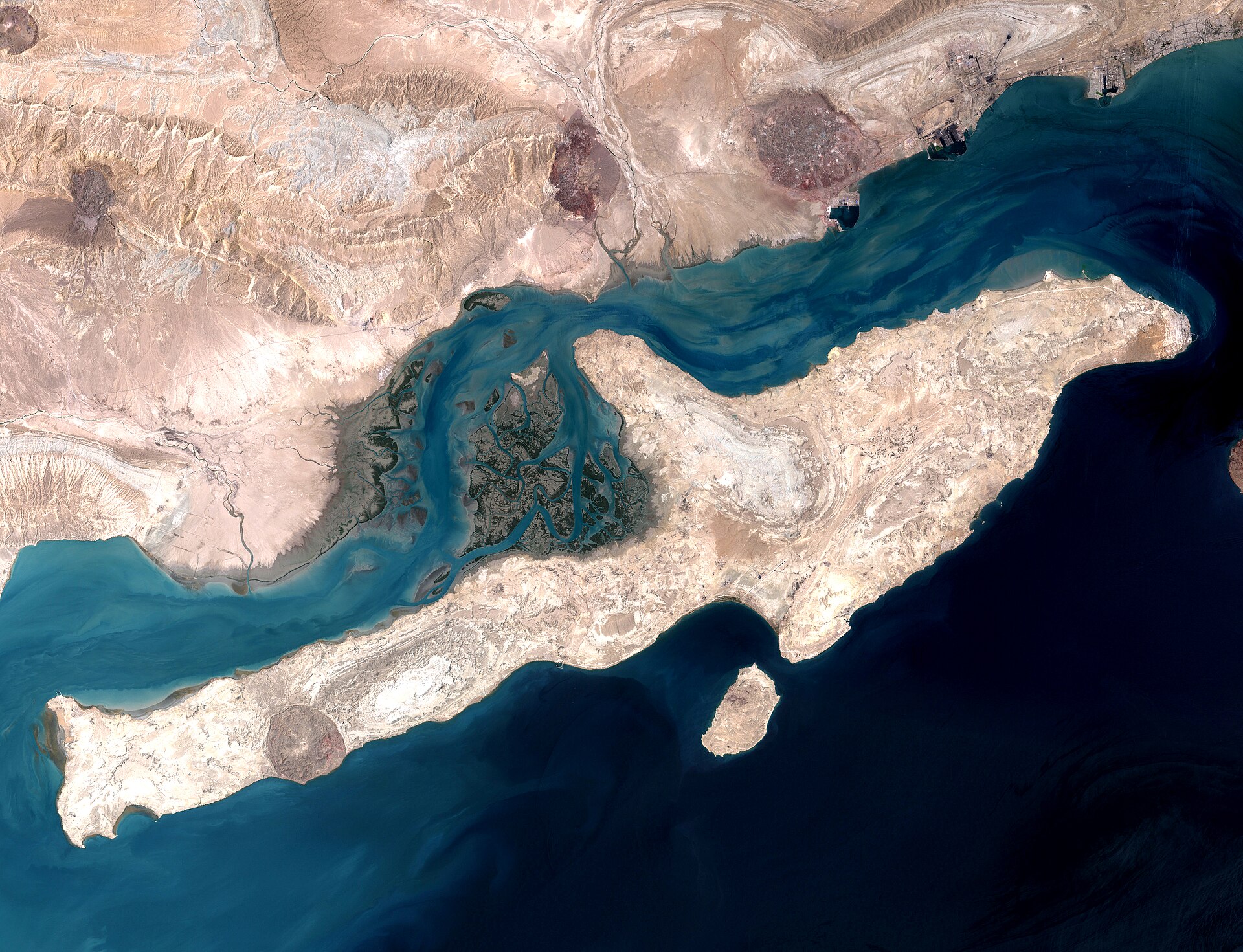
The Iran fee structure adds a layer the OSP does not address. Iran’s Persian Gulf Security Authority, constituted May 5, charges approximately $1 per barrel in a 5-nautical-mile corridor between Qeshm and Larak islands. Iran’s foreign ministry spokesman Esmaeil Baghaei stated that the fees cover “navigational services in addition to measures necessary to protect the environment of the Strait of Hormuz, the Persian Gulf and the Sea of Oman.” The MOU prohibits “tolls.” Iran calls them “service fees,” citing UNCLOS Article 26(2) on charges for “specific services rendered.”
Iran’s parliament codified fee collection into domestic law on March 30-31 — before any MOU draft existed — establishing a domestic legal basis that survives the MOU’s language. Saudi Arabia is not among the exempted states; Russia, China, India, Iraq, and Pakistan are. At 5.5 million barrels per day of pre-war throughput, Saudi Arabia’s PGSA exposure runs to approximately $5.5 million per day, or $2 billion per year.
The OSP cut does not account for PGSA fees. If a refiner lifts July cargo at $9.50 over Dubai/Oman and then pays $1 per barrel to transit Hormuz, the effective premium drops to $8.50 — below the pre-crisis discount range and approaching the level at which ESPO Blend becomes permanently cheaper on a delivered basis. Aramco is discounting to compete with Russian crude, but the discount does not include the cost that Iran has imposed on the transit route Aramco needs to use.
The structural question is not whether Aramco can price its way back into Asian markets. The OSP mechanism is powerful — decades of term contract relationships give Aramco pricing authority that no other national oil company matches. The question is whether the physical and commercial infrastructure that supported those relationships still exists. A price without a functioning delivery route is an offer without fulfillment.
The OPEC+ dimension compounds the difficulty. The cartel approved a fourth consecutive 188,000 bpd production hike for July at its June 7 meeting — one day before Aramco published the OSP. The hike was intended to signal supply confidence. But Saudi Arabia, Iraq, and Kuwait all depend on Hormuz as their primary export corridor. With the strait closed and the East-West Pipeline already near its 7-million-bpd Yanbu capacity, the additional barrels have no route to market. The production hike and the OSP cut are pointing in the same direction: more volume at lower prices. The physical infrastructure is pointing the other way. Aramco’s response to that structural bind extends beyond pricing: under Project Yellowstone, the company is seeking to monetise up to $7 billion in sulfur storage and export terminal infrastructure — a separate asset class whose value the Hormuz disruption has, counterintuitively, concentrated. That pressure reached a new phase when Iraq’s OPEC exit threat on June 25 exposed how little enforcement leverage Saudi Arabia retains when it cannot deliver barrels through a closed strait.
Aramco published the July OSP on June 8. As of June 17, the strait it needs to deliver on that price is closed, the buyers it needs to recapture have restructured their supply chains, the fiscal gap it needs to close is widening, and the mine clearance operation that would change the calculation has not begun.
FAQ
What is the Arab Light OSP and who sets it?
The Official Selling Price is a monthly differential set by Saudi Aramco against regional benchmarks — Dubai/Oman for Asia, ICE Brent for Europe, and ASCI for the United States. It applies to all term contract liftings and functions as a commercial commitment rather than a market price. Aramco sets the differential unilaterally after consulting internal market assessments and refiner feedback, but the published number is final. Approximately 60 to 70 major refiners worldwide hold term allocations governed by the OSP, and those contracts typically run on annual or multi-year renewal cycles, giving the OSP an outsized role in global crude pricing.
Has Aramco ever reversed or restated a published OSP?
No. In the modern era of Aramco’s formula-based pricing — introduced in 1988 and refined through successive methodology updates, most recently the 2023 shift from the Platts Oman/Dubai average to the Dubai Mercantile Exchange settlement price — there is no public instance of Aramco recalling, restating, or retroactively adjusting a published OSP. The pricing is embedded in contractual frameworks that require both parties’ consent to amend. Aramco can and does make large adjustments in subsequent months, but the published differential for a given month stands.
How does the PGSA fee interact with the OSP for Asian refiners?
The PGSA fee of approximately $1 per barrel is levied on transit through the strait, not on the crude purchase itself. For an Asian refiner calculating the total delivered cost of Arab Light, the relevant metric is the OSP premium plus freight plus insurance plus any transit fee. Pre-crisis, the transit fee was zero. The PGSA adds a permanent per-barrel cost that Aramco’s OSP cut does not offset, because the fee accrues to Iran, not to Aramco. A refiner comparing Arab Light at $9.50 plus $1 PGSA against ESPO Blend delivered to Qingdao at no transit fee is comparing $10.50 effective against ESPO’s delivered cost — a spread that, depending on freight differentials, may still exceed the S&P Global switching threshold.
What happens to July cargoes if Hormuz is still closed at the end of June?
Term contract buyers retain their allocated volumes but cannot nominate Eastern Province loading dates if the strait is impassable. Aramco’s standard term contract provisions allow for force majeure declarations, but Aramco has not declared force majeure on Hormuz-related disruptions and doing so would carry substantial reputational and legal consequences. In practice, buyers have been accepting rerouted cargoes via Yanbu at the same OSP, absorbing the additional freight cost themselves or negotiating ad hoc freight adjustments. Some buyers, including Sinopec, have instead declined to lift at all — choosing zero purchases over a rerouted cargo at a premium they consider misaligned with the delivered cost of alternatives.
Could the August OSP reverse the July discount?
Arithmetically, yes — Aramco could raise the August OSP. Commercially, it would be counterproductive. Raising the premium while Hormuz remains closed would accelerate exactly the buyer defection Aramco is trying to prevent. The more likely trajectory, if Hormuz is still closed when the August OSP is published around July 5, is a further cut or a hold at $9.50. A raise is only plausible if physical transit has visibly resumed and AIS data shows commercial traffic returning to pre-crisis densities — a condition that, given the mine clearance timeline, is unlikely before late July at the earliest. Even when transit resumes, Saudi barrels will enter a market the IEA projects will carry a 5 mb/d structural surplus by 2027 — a demand-side ceiling the OSP cannot price around, as documented in Saudi Arabia’s post-Hormuz oil market trap.