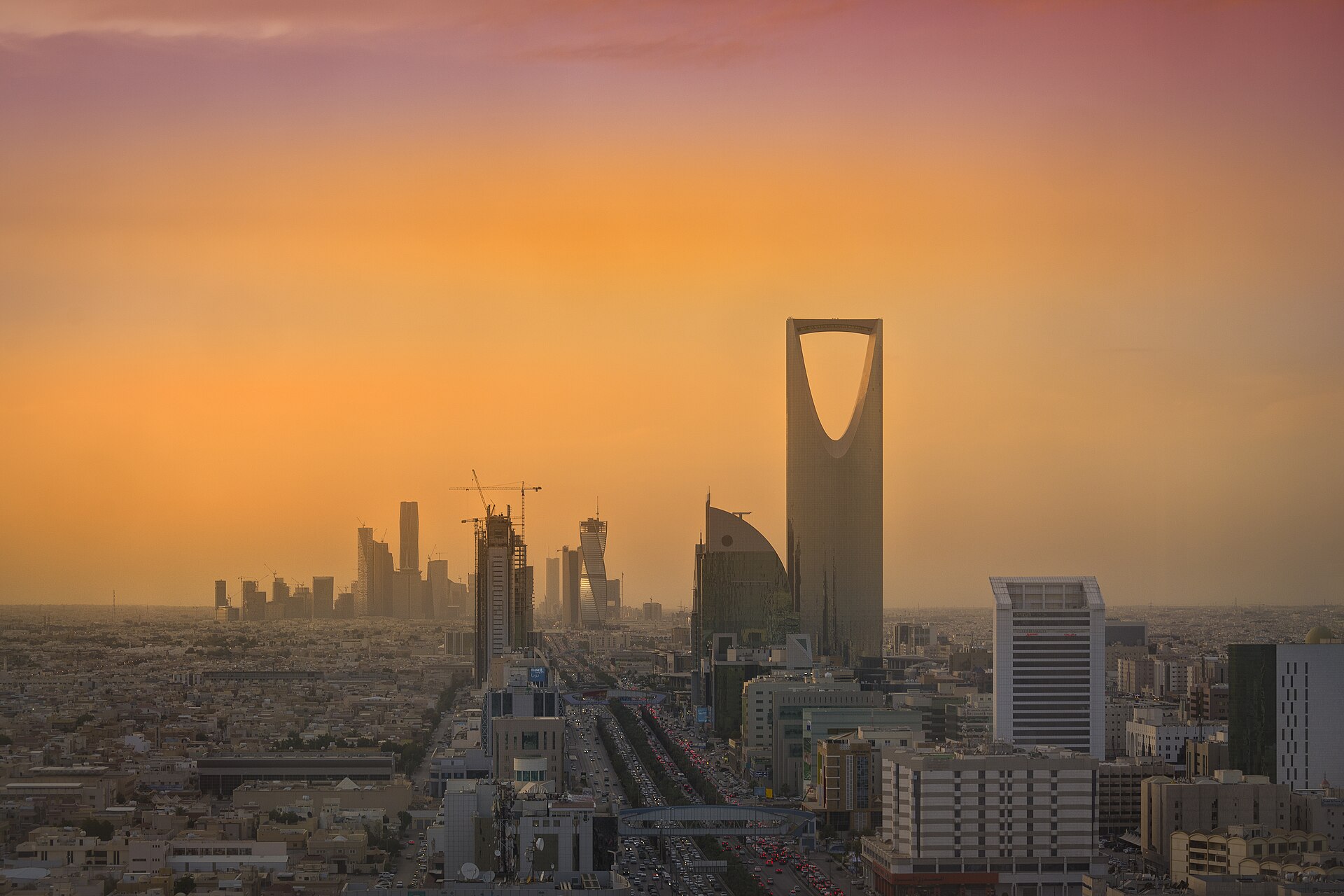

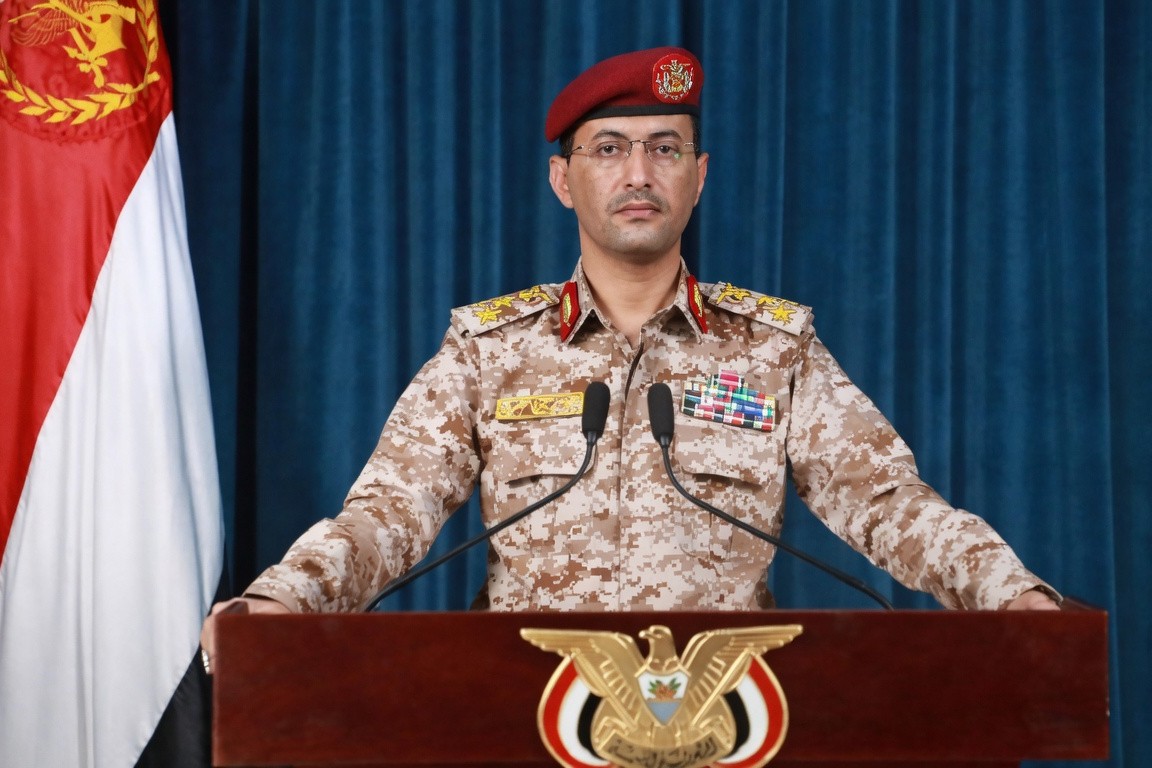
RIYADH — Yemen’s Houthi forces claimed six operations against Saudi Arabia on November 7, 2026. The targets named by military spokesman Yahya Saree included King Khalid International Airport, three Saudi Aramco facilities and a National Guard camp in Najran. The claims, announced through a series of statements posted to Telegram and X in the afternoon UTC, described the use of “a large number of ballistic and cruise missiles, as well as unmanned aerial vehicles,” per TASS and WION reporting.
The six operations described targets across five areas: Riyadh, the Eastern Province, central Saudi Arabia, the southern border region and two fronts inside Yemen. As of publication, neither the Saudi-led coalition, Saudi Aramco nor the General Authority of Civil Aviation had issued any statement addressing this second wave. The coalition’s only public comment on November 7 concerned an earlier, separate cruise missile intercept over Riyadh that morning, reported by coalition spokesman Turki al-Maliki.
The House of Saud Daily Briefing
Saudi Arabia's news in 3 minutes, every morning. Free. See today's issue
Table of Contents
The Six Operations Saree Claimed
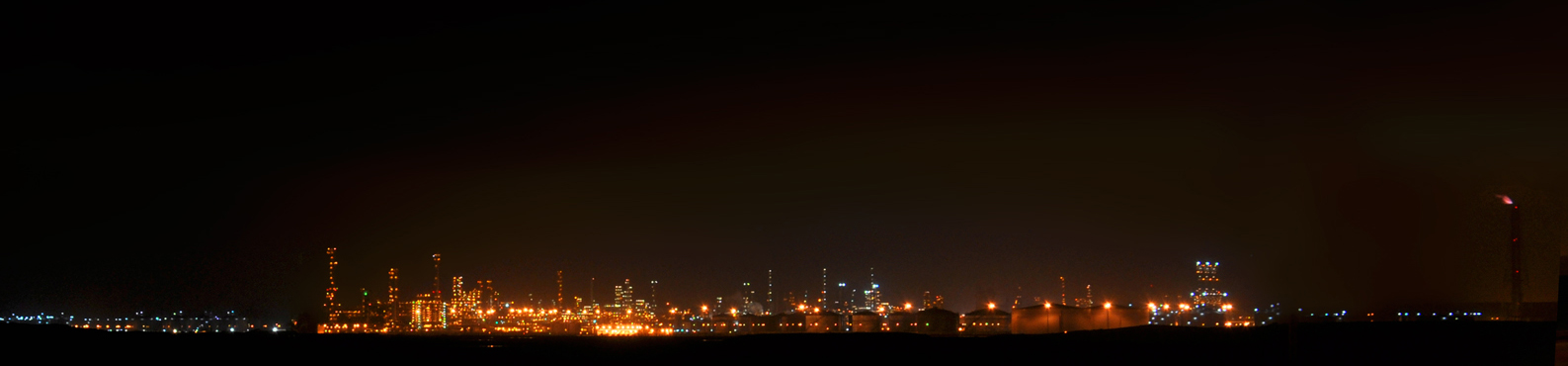
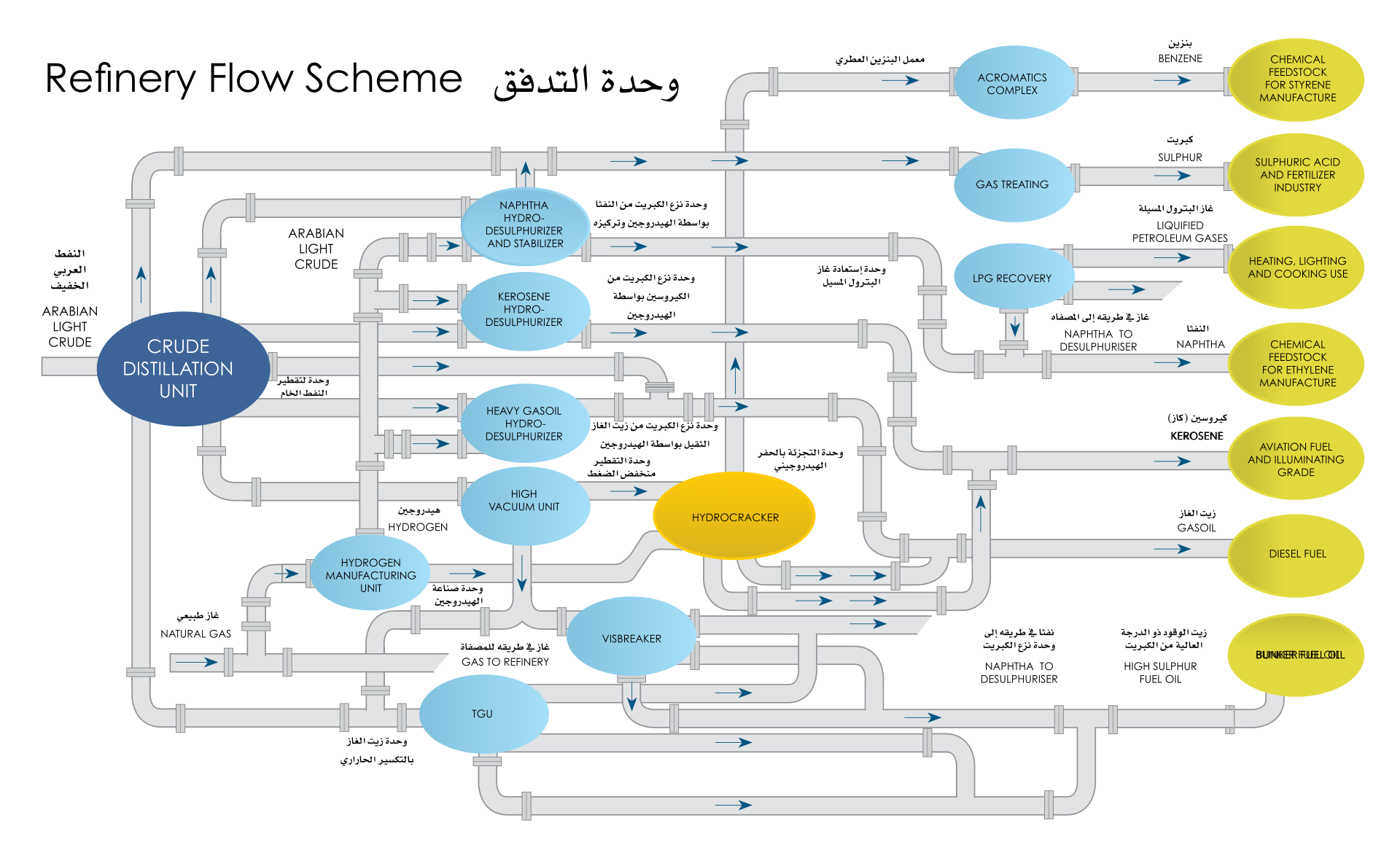
Saree’s statements, relayed by TASS and the Yahoo News/DPA wire service, described six distinct operations conducted on the same day. The first targeted King Khalid International Airport, oil storage tanks and what Saree called “a distillation tower” belonging to Saudi Aramco in Riyadh, according to WION. The second targeted Aramco facilities near the Khurais oil field in the Eastern Province. The third targeted Pumping Station No. 8 on the East-West pipeline in the Dawadmi area of central Saudi Arabia, according to WION.
The fourth operation claimed a strike on a Saudi National Guard camp in Najran. The fifth and sixth targeted Saudi-backed forces inside Yemen — in Al-Jawf governorate “in three stages,” and east of Raghwan and Madghal districts in Marib governorate, according to TASS. Saree claimed all six operations “successfully achieved” their objectives and that there were “dead and wounded among Saudi forces,” but provided no casualty figures.
KKIA has operated under a GACA-imposed suspension since November 4, with NOTAMs requiring individual GACA approval for each aircraft movement, a measure following the Houthi ballistic missile claim that day. No new GACA statement was issued after this latest wave of claims.
What Are the Three Aramco Targets?
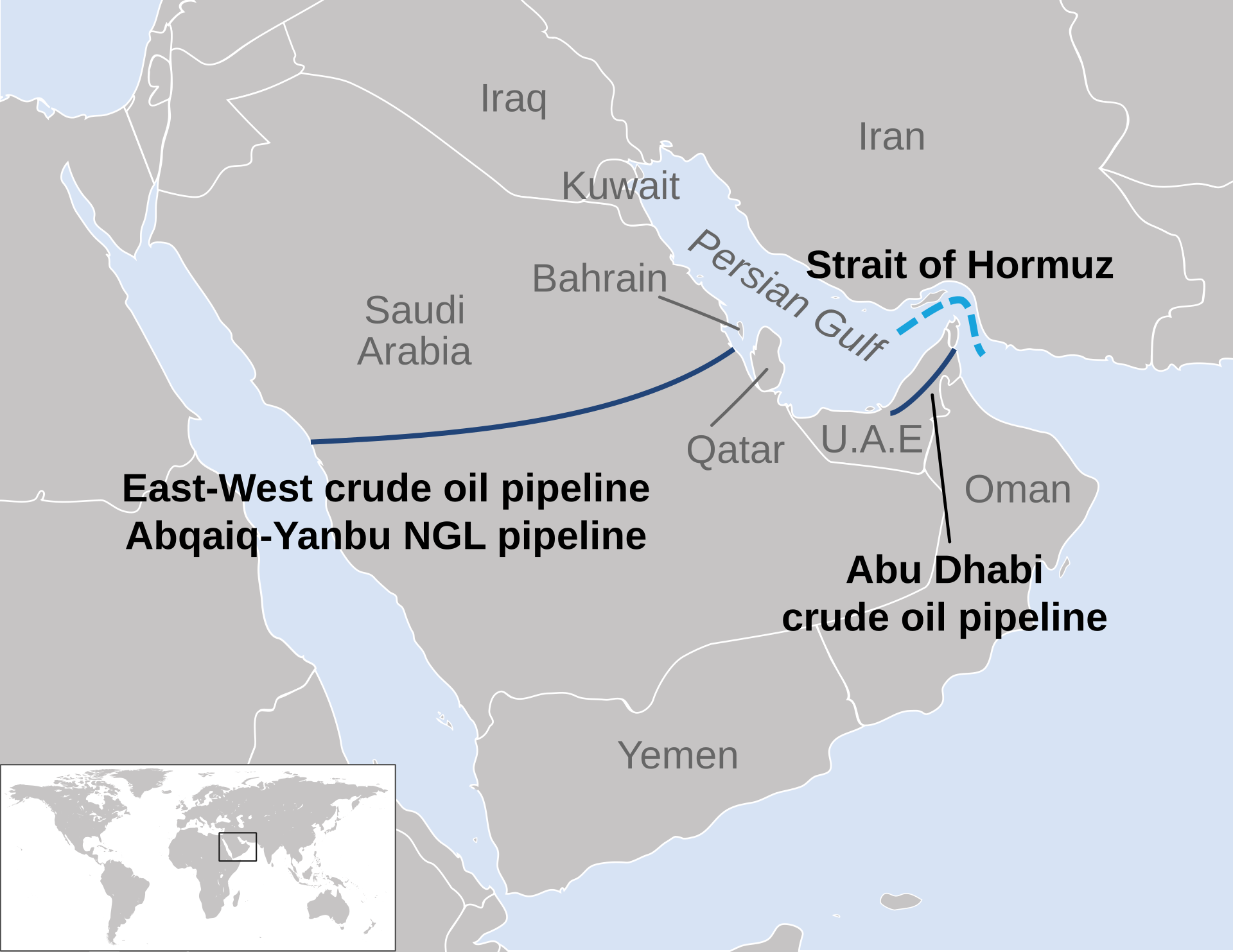
The three Aramco-related claims covered different segments of Saudi Arabia’s oil infrastructure. In Riyadh, Saree specified oil storage tanks and a distillation tower. At Khurais, the target was the oil field’s production facilities — Khurais is one of Aramco’s major upstream producing areas. At Dawadmi, the target was Pumping Station No. 8 on the East-West pipeline, which carries crude from Abqaiq to Yanbu on the Red Sea coast. The Ajel.sa news site has reported the East-West pipeline’s capacity at up to 4.5 million barrels per day to Yanbu.
Aramco issued no statement addressing any of the three claims. The company’s last public position on infrastructure integrity came from CEO Amin Nasser in October 2026, when he said “Our system is intact,” and stated that Aramco could make its full 12 million barrel-per-day capacity available within days, as reported by The National News. No satellite imagery, independent damage assessments or energy-market confirmation for November 7 was available at the time of writing.
The breadth of the claimed targeting was itself the notable element: a refinery-adjacent tank farm and distillation column in the capital, an upstream producing field 250 kilometres to the east, and a pipeline pumping station deep in the central desert. If confirmed, the combination would represent simultaneous pressure on three distinct links in the Saudi oil chain — processing, extraction and transmission. None of these claims had been confirmed by any party other than the Houthis at the time of writing.
The East-West pipeline has been a recurring target. Saudi Arabia suspended its flows as a precaution on September 12 and restarted the line on September 22, according to Saudi Gazette via Zawya. Saudi oil exports had fallen sharply by early November as both the Hormuz and pipeline routes came under pressure. An attack on an East-West pipeline pumping station on April 9 cut flows by 700,000 barrels per day, according to Saudi state news agency SPA.
Najran and the National Guard
The Najran claim specifically named a Saudi National Guard camp, distinguishing it from previous Houthi claims in the area. On August 20, 2026, the Houthis claimed a drone attack on “a sensitive enemy site at Najran Airport” and an “Aramco facility in Najran” — a two-operation claim targeting aviation and energy infrastructure, not a ground military camp, according to the Times of Israel. The November 7 claim targeted the National Guard directly.
Saudi Civil Defence responded to the Najran claim by issuing a “potential danger” alert, then announced “the danger has passed” shortly after, according to Anadolu Agency. The brief cycle — warning to all-clear in quick succession — was consistent with an interception or a threat that did not materialise on the ground, though no official explanation was given.
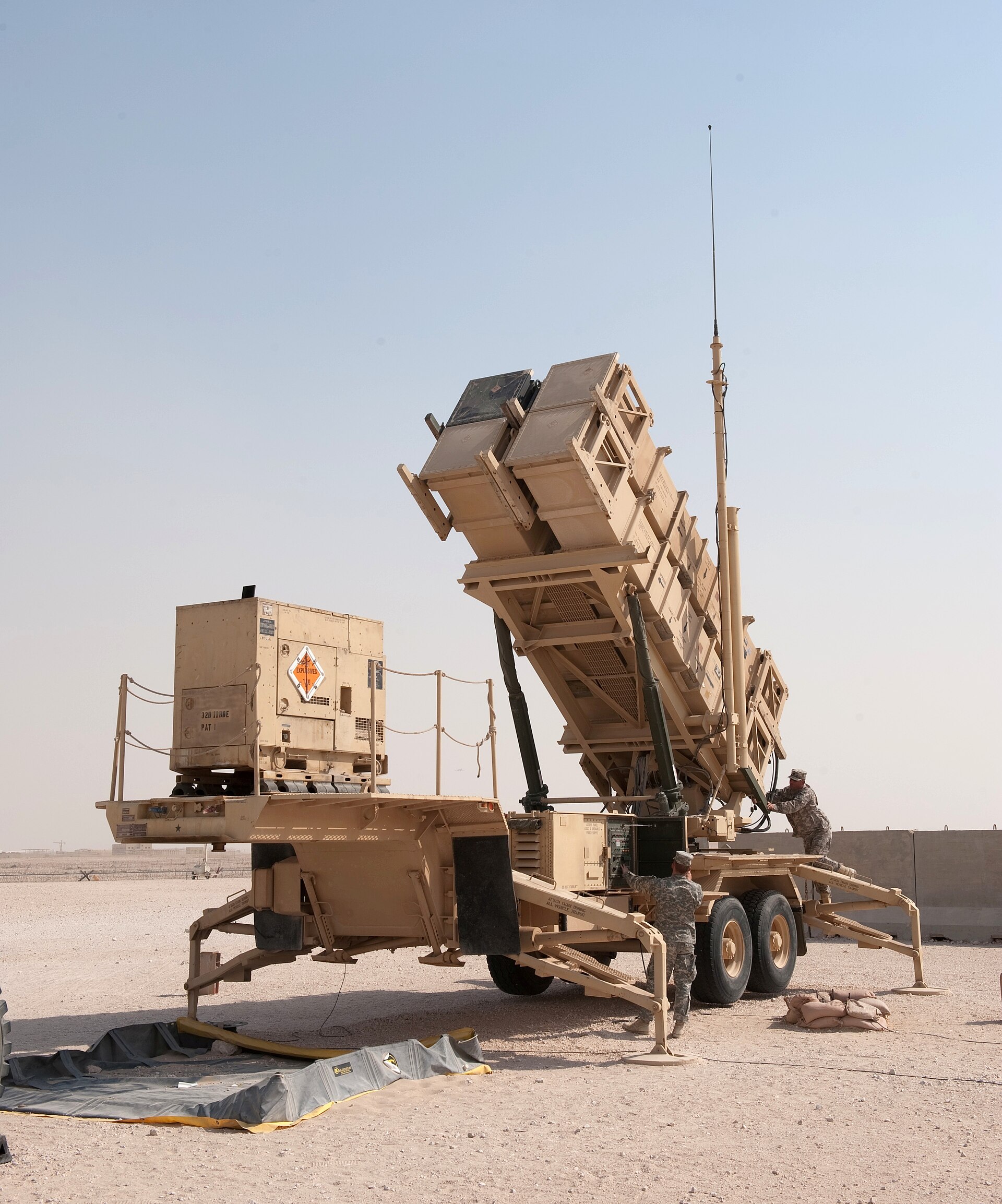
The day before, the coalition had intercepted two Houthi ballistic missiles over Najran, as reported by Asharq Al-Awsat, making November 6-7 the most concentrated period of Houthi activity directed at the border city in the current escalation. The coalition’s November 6 intercepts over Najran used the same air-defence systems that have been under strain across multiple fronts. An AH-6i helicopter belonging to the National Guard crashed in the Najran region on October 17-18; the Houthis claimed a shoot-down, while the coalition attributed it to a technical malfunction, according to MigFlug.com.
Why Has There Been No Coalition Response?
The coalition’s silence on the second wave was the most conspicuous absence in the day’s reporting. Coalition spokesman Turki al-Maliki confirmed the earlier cruise missile intercept over Riyadh that morning but issued no further statement addressing the afternoon Houthi claims. Yahoo News, citing DPA, noted that the coalition “had not commented on the wider attacks.”
That gap could mean several things: that the claims were exaggerated and nothing reached their stated targets; that damage assessments were still underway; or that Saudi authorities were consolidating their response across what had been a day of multiple Houthi salvos. On October 4, when the Houthis claimed an Aramco strike in Riyadh, the coalition called the claim “misleading,” according to Al Jazeera — a pattern of delayed rebuttal rather than real-time engagement. Whether a similar response follows remains open.
November 7 had already been an unusually active day for Saudi air defences before the second wave. The morning cruise missile intercept over Riyadh was followed by the six-target afternoon claim. Earlier in the week, the coalition intercepted a drone over the Eastern Province on November 5, and on November 6 it downed two ballistic missiles over Najran and a drone over Riyadh without naming the launcher. The cumulative tempo suggested either a coordinated Houthi escalation or an attempt to saturate Saudi air defences across multiple axes.
The broader pattern has been one of selective disclosure: confirming interceptions when they succeed, and saying nothing when claims cannot be easily dismissed.
Khurais and Pumping Station No. 8: The 2019 Echoes
Two of the three Aramco targets carry specific historical weight. On September 14, 2019, drones and low-flying cruise missiles struck Saudi Aramco’s processing facility at Abqaiq and the Khurais oil field, temporarily shutting down approximately 5.7 million barrels per day — more than 5 percent of global supply at the time. Western governments attributed the attack to Iran; the Houthis also claimed responsibility. The International Energy Agency described it at the time as the largest oil supply disruption on record.
Pumping Station No. 8 at Dawadmi was attacked by Houthi drones in May 2019, causing what Ajel.sa described as “limited damage” and a brief shutdown of the pipeline. That station sits on the East-West pipeline roughly midway between the oil-producing Eastern Province and the Red Sea export terminal at Yanbu — a chokepoint in the alternative export route that Saudi Arabia has relied on as Hormuz shipping has come under Iranian pressure.
The Houthi decision to name both targets in a single wave of claims echoed the 2019 strikes in geography if not in confirmed impact. In 2019, the Abqaiq-Khurais attack sent Brent crude surging sharply in a single session. No confirmed Brent crude price for November 7, 2026, was available at the time of writing; the most recent reported figure was approximately $115.49 on October 28, per MarineLink citing Bloomberg data.
The Aramco headquarters compound in Dhahran was struck on October 13-14, causing what The National News described as “limited fire, no casualties.” That attack, attributed to the Houthis, was the first confirmed hit on Aramco’s corporate nerve centre. The Houthis had warned in October that Aramco infrastructure was a legitimate target and urged workers to evacuate, according to PressTV citing the Yemeni Army. Whether the November 7 claims represent successful strikes, intercepted projectiles, or inflated rhetoric will depend on evidence that neither side had provided.
How Did the Houthis Frame the Attacks?
Saree framed all six operations as a unified retaliatory campaign. The stated trigger was Saudi airstrikes on Al-Wazi’iyah District in Taiz and al-Shariya village near Sanaa, according to WION. Houthi health officials claimed 27 people were killed and 30 wounded in what they attributed to Saudi-led coalition strikes near Sanaa on the same day — figures that came solely from the Houthi-run Health Ministry and could not be independently verified. The Houthis had said a day earlier that Saudi strikes killed 30 at a Taiz market, a claim the Saudi-backed Yemeni government denied.
Saree stated that the operations would continue deep inside Saudi territory, with Houthi statements describing the campaign as “enforcing the equation of blockade for blockade and escalation for escalation,” per WION’s report of the Houthi armed forces statement.
That formula — “blockade for blockade” — referred to the broader Houthi maritime blockade of Saudi Arabia declared on July 20 and the US-led counter-blockade of Iranian shipping through Hormuz. The Houthis have previously linked their attacks on Saudi soil to the broader Iran-US confrontation, positioning their campaign as coordinated with Tehran’s objectives even as Iran denies direct operational control. A Houthi rally banner from July 17, 2026, read: “All Saudi oil facilities are targets to our missiles and drones,” as reported by the Times of Israel in August.
The Al-Jawf and Marib operations — the fifth and sixth of the day — were military rather than infrastructure targets, directed at Saudi-backed Yemeni government forces. Saree claimed the Al-Jawf operation was conducted “in three stages” but gave no further detail on timing or weapons used. The Houthis had claimed seizure of the Kahboub mountain range near Bab al-Mandeb the previous day, suggesting ground operations across multiple Yemeni fronts concurrent with the cross-border strikes.
Frequently Asked Questions
Did any of the six claimed attacks hit their targets?
No independent confirmation existed at the time of writing. Saudi Arabia, Aramco and the coalition had not confirmed or denied damage from the second wave. The Saudi Civil Defence alert for Najran was lifted shortly after it was issued, which may indicate an interception or a threat that did not materialise, but no official explanation was provided. Previous Houthi claims — including an October 4 Aramco claim in Riyadh — were later called “misleading” by the coalition, according to Al Jazeera.
Is the East-West pipeline currently operational?
Saudi Arabia restarted the East-West pipeline on September 22 after a precautionary shutdown on September 12, according to Saudi Gazette via Zawya. The pipeline has been targeted repeatedly since April, when an attack on a pumping station cut flows by 700,000 barrels per day, according to Saudi state news agency SPA. Its current operational status after the November 7 claims was not publicly confirmed.
How does this compare to the September 2019 Abqaiq-Khurais attack?
The September 14, 2019, strike on Abqaiq and Khurais temporarily knocked out approximately 5.7 million barrels per day and was confirmed by Aramco and multiple governments. The November 7, 2026, claims remain unverified by any party other than the Houthis. Saree did not specify weapon counts for the November 7 operations beyond describing “a large number” of ballistic missiles, cruise missiles and drones.
What is the Saudi National Guard’s role in Najran?
The Saudi Arabian National Guard maintains a presence along the Saudi-Yemen border region, including Najran. An AH-6i helicopter belonging to the Guard crashed in the Najran area on October 17-18, 2026 — the Houthis claimed they shot it down, while the coalition attributed it to a technical malfunction, per MigFlug.com. The Guard operates independently of the regular Saudi military and reports directly to the king through its own command structure, giving it a distinct force posture in the southern border zone.
Have the Houthis targeted Najran before?
The Houthis have repeatedly targeted the Najran area. On August 20, 2026, they claimed drone attacks on Najran Airport and an “Aramco facility in Najran,” per the Times of Israel. On November 6, 2026, the coalition intercepted two Houthi ballistic missiles targeting Najran, according to Asharq Al-Awsat. Earlier in the conflict cycle, Houthi missiles and drones targeted Khamis Mushait, Abha and Jazan — all cities in Saudi Arabia’s southern border zone — injuring at least 73 civilians across four cities on September 8, according to The National.
The House of Saud Daily Briefing
Saudi Arabia's news in 3 minutes, every morning. Free. See today's issue