
SEOUL — Yasir Al-Rumayyan, Aramco’s chairman and governor of the Public Investment Fund, did not attend the November 25 inauguration ceremony of S-Oil’s $6.9 billion Shaheen petrochemical complex at The Shilla Hotel in Seoul, according to the Korean financial outlet 아시아경제 (Asia Economy). Aramco President and CEO Amin Nasser led the Saudi delegation in his place, alongside Aramco Downstream President Mohammed Y. Al-Qahtani, according to 뉴스핌 (Newspim) and Korea JoongAng Daily.
아시아경제, citing unnamed industry sources, reported that Al-Rumayyan’s attendance “became difficult due to the airport closure in Saudi Arabia,” a reference to the disruption at Riyadh’s King Khalid International Airport (KKIA) during the Houthi campaign against the kingdom. Neither Aramco nor the Saudi government has confirmed that explanation. The absence matters because Korean media describe the Shaheen Project as the largest petrochemical investment in South Korea’s history, and Al-Rumayyan chairs the company that owns 63.43% of S-Oil.
The House of Saud Daily Briefing
Saudi Arabia's news in 3 minutes, every morning. Free. See today's issue
Table of Contents
- Al-Rumayyan Absent From the Seoul Ceremony
- Why Did Al-Rumayyan Miss the Shaheen Ceremony?
- King Khalid International Airport Under Restricted Operations
- Foreign Airlines Keep Riyadh Flights Suspended
- What the $6.9 Billion Shaheen Project Builds
- Saudi Arabia Pledges Stable Crude Supply to South Korea
- Aramco and S-Oil: A 35-Year Shareholding
- Houthi Campaign Against Saudi Economic Targets
- Frequently Asked Questions
Al-Rumayyan Absent From the Seoul Ceremony
The Seoul event drew about 500 guests to The Shilla Hotel on November 25, according to 뉴스핌. It followed a separate plant-site ceremony on November 24 at the Onsan National Industrial Complex in Ulsan, where the complex is built, according to Korea JoongAng Daily.
Al-Rumayyan had been scheduled to attend in his capacity as Aramco chairman. 아시아경제 reported that the trip would have been at least his third planned visit to South Korea, after he attended President Yoon Suk-yeol’s inauguration in May 2022 and met the chairman of HD Hyundai in 2023.
The Saudi delegation that did travel included Nasser, Al-Qahtani, Mohammed bin Abdulrahman Al-Ibrahim, Saudi assistant minister of energy for oil and gas, and the Saudi chargé d’affaires in Seoul, according to 뉴스핌 and Korea JoongAng Daily.
Al-Rumayyan was not the only senior absentee. South Korean Prime Minister Han Seong-sook had also been scheduled to attend but sent Industry Minister Kim Jung-kwan instead, 아시아경제 reported. The outlet did not give a reason for the prime minister’s change of plans.
Why Did Al-Rumayyan Miss the Shaheen Ceremony?
Two Korean outlets reported the cancellation, and they gave different accounts. 아시아경제 wrote that “사우디아라비아 공항 폐쇄로 참석이 어려워진 것으로 파악됐다,” which translates as “his attendance is understood to have become difficult due to the airport closure in Saudi Arabia.” The construction “것으로 파악됐다” is hedged reporting language, indicating the outlet’s understanding from sources rather than an on-record statement.
뉴스핌 did not mention an airport. It reported only that Al-Rumayyan could not attend because of “긴급한 사정,” or “urgent circumstances,” without elaborating. Neither outlet named its source.
The gap between the two accounts is significant. If 아시아경제 is right, the disruption to Saudi air travel during the Houthi campaign would have reached the schedule of one of the kingdom’s most senior economic officials. If 뉴스핌’s vaguer wording is closer to the full picture, the cause may be unrelated to the airport. On the public record as of November 25, neither version can be confirmed.
Aramco and the Saudi government have not publicly explained the absence. English-language Korean outlets that covered the ceremony, including Korea JoongAng Daily, The Korea Herald, The Korea Times, BusinessKorea and Seoul Economic Daily, did not mention the cancellation in their reports. A search of Reuters, Bloomberg and the Financial Times found no coverage of the absence.
No confirmed new Houthi strike on KKIA on November 25 has been reported. The 아시아경제 reference to an “airport closure” most likely describes the airport’s long-running restricted status rather than a fresh attack, though the outlet did not specify which airport or which disruption it meant.
King Khalid International Airport Under Restricted Operations
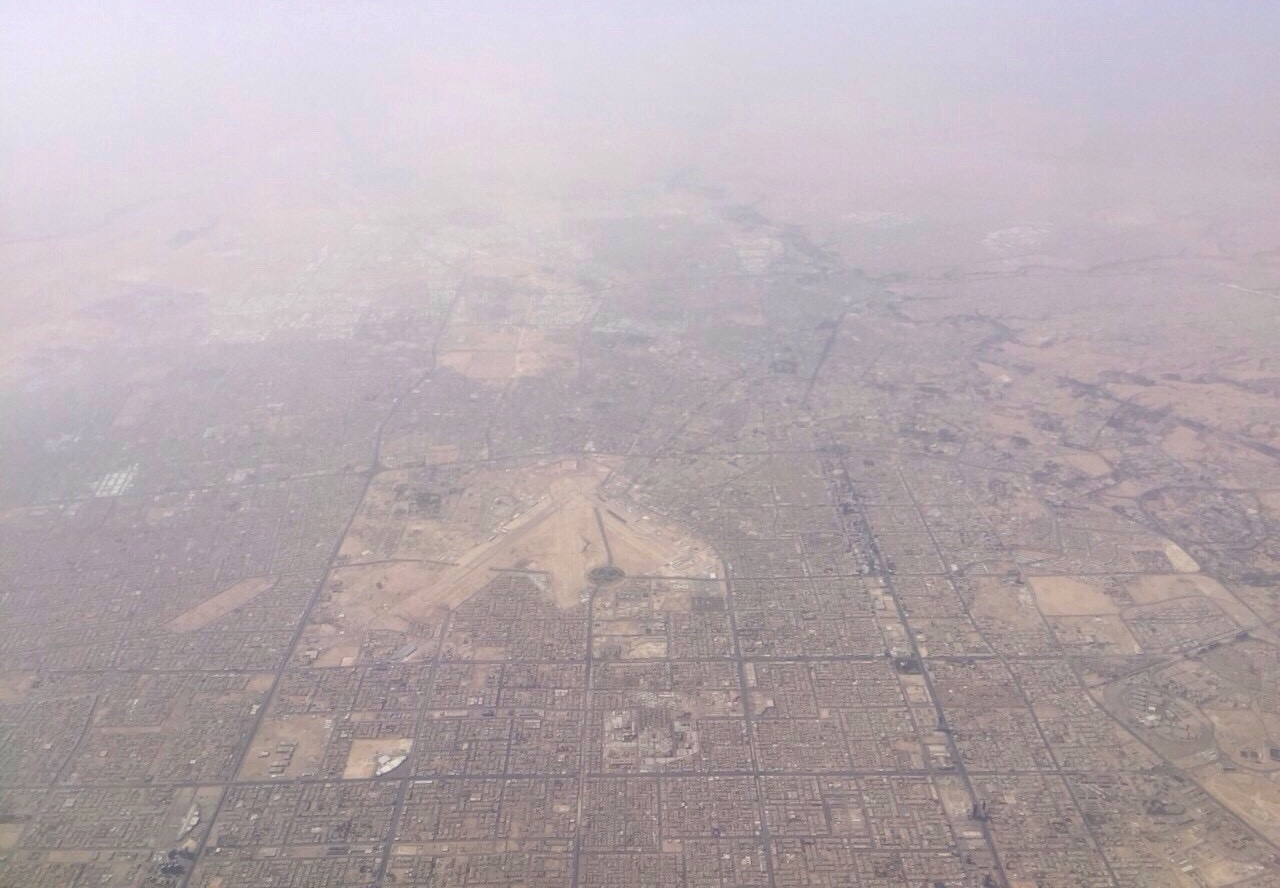
KKIA, Riyadh’s main international gateway, has been operating under restricted conditions since October. After a series of attacks between October 6 and 11 that killed at least 14 people, according to Saudi Gazette and Al Jazeera, the airport reopened on October 25 to prior-permission flights.
As of November 25, Terminal 1 was handling domestic flights, Terminal 2 was serving international flights by Saudi carriers, and Terminal 3 remained closed, according to Travelextra, The National and Wego.
The Houthis have repeatedly claimed to target the airport. On November 10, Houthi military spokesman Yahya Saree claimed strikes on KKIA and on pipeline pumping stations, Middle East Eye reported. On November 18, Saree claimed the group had “targeted King Khalid International Airport and the financial centre in Riyadh” with “a large number of cruise missiles,” according to Middle East Eye’s live blog. Saudi Arabia has not confirmed either claim.
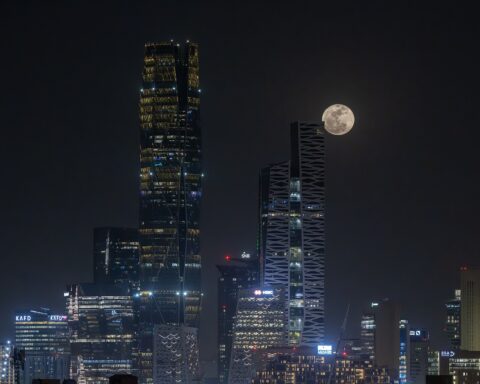
The financial district referenced in the November 18 claim, King Abdullah Financial District (KAFD), is home to the PIF Tower, headquarters of the fund Al-Rumayyan runs. The tower has been hit twice, on November 19 and November 24, as detailed in reports on the second PIF Tower strike and the Houthi advance on Aden and the coalition’s response to the November 24 KAFD tower strike.
Foreign Airlines Keep Riyadh Flights Suspended
Major foreign carriers have not returned to Riyadh. British Airways, Lufthansa, Air France, KLM and Cathay Pacific have suspended services through late 2026 or early 2027, according to Travelextra and The National.
The suspensions leave Saudi carriers operating from Terminal 2 as the main international option out of the capital. For a senior executive with a fixed ceremony date, that narrows routing options, although no outlet has reported which travel arrangements Al-Rumayyan had planned.
Insurers and airlines have also adjusted to Houthi threats that did not result in strikes, a pattern documented in earlier reporting on how Houthi warnings moved markets. The Houthis have since extended those threats to Jeddah and other Saudi Red Sea ports.
The campaign has already moved Saudi Arabia’s own investment calendar. The kingdom postponed the 10th Future Investment Initiative summit, the kingdom’s flagship investment conference, to October 2027, as covered in an earlier report on the FII Summit postponement.
What the $6.9 Billion Shaheen Project Builds
The Shaheen Project cost 9.258 trillion won, or about $6.9 billion, according to Korea JoongAng Daily, The Korea Herald and The Korea Times. Nasser called it Aramco’s largest investment in South Korea in his remarks at the ceremony, according to 뉴스핌 and The Korea Herald.
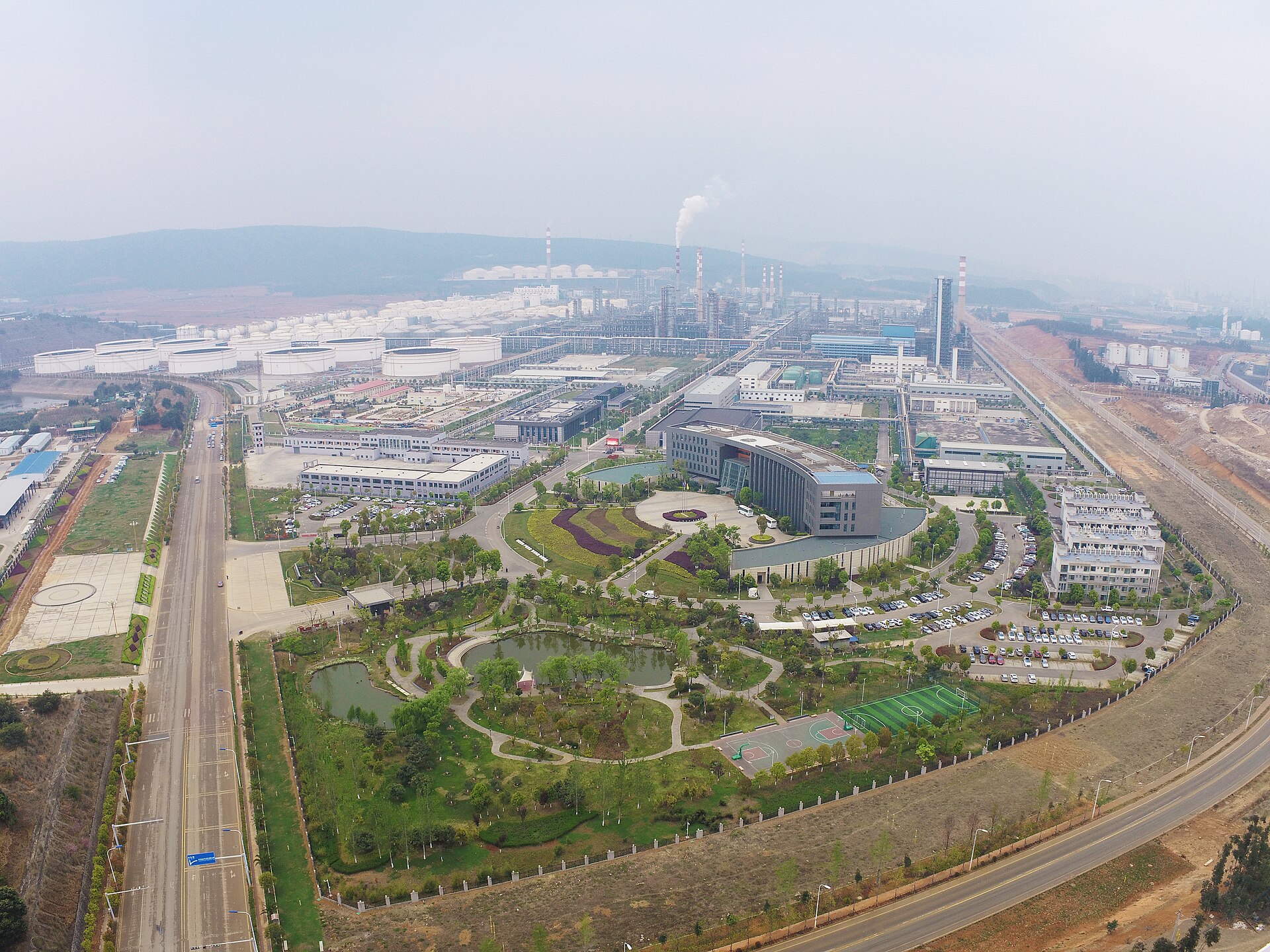
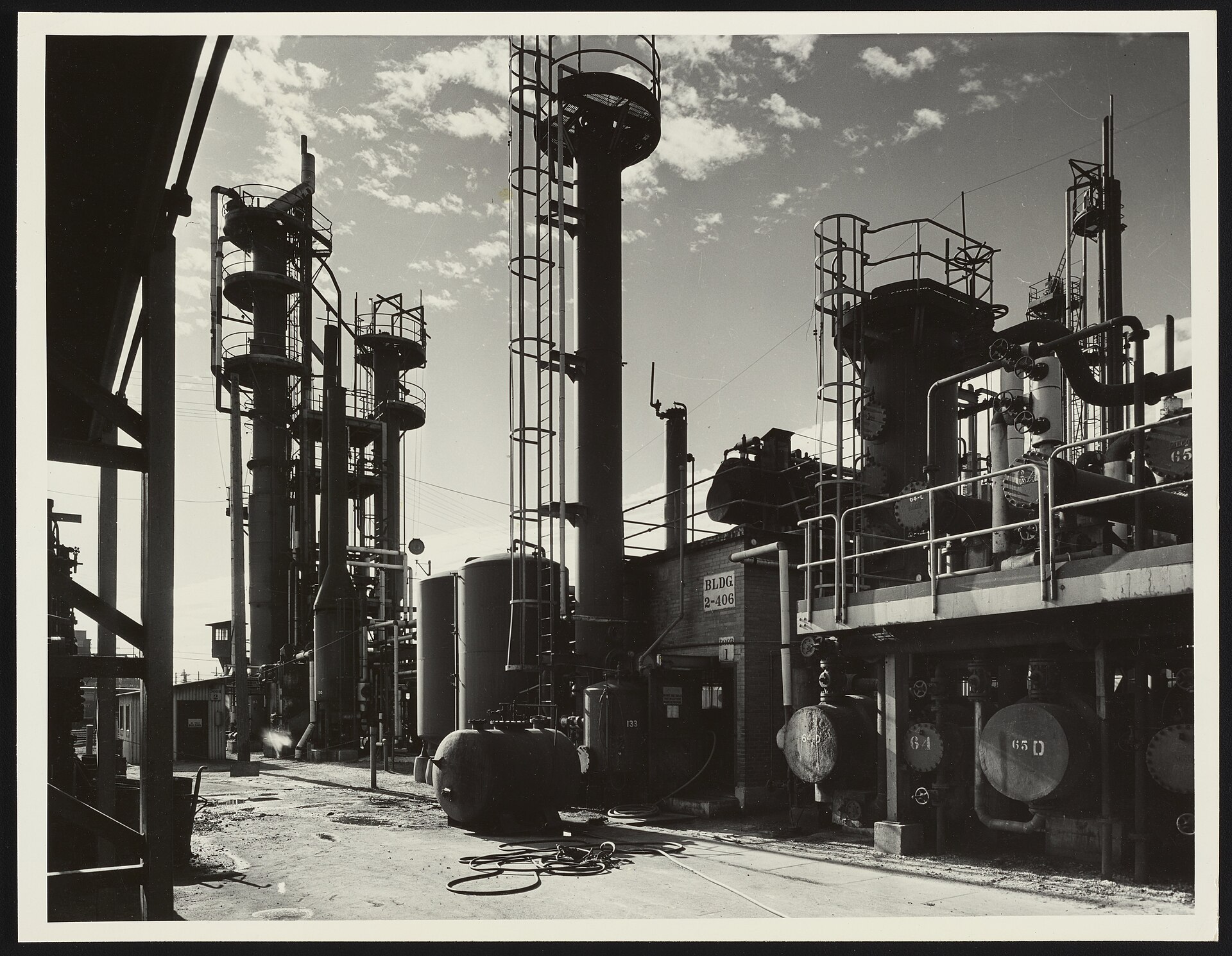
The complex is the world’s first commercial-scale deployment of Thermal Crude-to-Chemicals (TC2C), Aramco’s proprietary technology co-developed with US-based Lummus Technology, according to Korea JoongAng Daily and The Korea Herald.
Its centerpiece is a steam cracker that Korea JoongAng Daily describes as the world’s largest single-train unit, producing 1.8 million metric tons of ethylene a year, along with propylene and butadiene. Nasser said the complex can produce “up to 3.2 million tons of petrochemicals per year.”
| Item | Figure | Source |
|---|---|---|
| Project cost | 9.258 trillion won (~$6.9 billion) | Korea JoongAng Daily; Korea Herald |
| Aramco stake in S-Oil | 63.43% | Korea JoongAng Daily |
| Ethylene capacity | 1.8 million metric tons/year | Korea JoongAng Daily |
| Total petrochemical capacity | Up to 3.2 million tons/year | 뉴스핌; Korea JoongAng Daily |
| Site area | 880,000 square meters | Seoul Economic Daily |
| Petrochemical share of S-Oil output | 12% now, 25% at full operation | Korea JoongAng Daily; Korea Herald |
| Commercial operations target | First half of 2027 | Korea JoongAng Daily; Seoul Economic Daily |
Nasser called Ulsan “an ideal location for expanding in Asia” and tied the project to demand from electric vehicles, semiconductors and digital infrastructure, according to The Korea Herald. The project will double the weight of petrochemicals in S-Oil’s business.
S-Oil Board Chairman Kwon O-kyu called the project “the starting point of a new leap forward,” adding that “S-Oil has firmly established itself as a fully integrated refining and petrochemical company,” according to Seoul Economic Daily and Korea JoongAng Daily. S-Oil CEO Anwar Al-Hejazi also addressed guests at the ceremony.
Saudi Arabia Pledges Stable Crude Supply to South Korea
The ceremony’s political message came from the energy ministry. Al-Ibrahim told guests that Saudi crude made up about 35% of South Korea’s crude imports in 2025, at roughly 950,000 barrels per day, and that the share rose to about 40% between January and October 2026, according to 뉴스핌.
“We will honor our commitment to ensuring a stable and reliable supply of crude oil to South Korea.”
Mohammed bin Abdulrahman Al-Ibrahim, Saudi assistant minister of energy for oil and gas, at the Shaheen ceremony in Seoul (뉴스핌; Korea Herald)
The rising Saudi share comes as flows through the Strait of Hormuz have fallen sharply, as covered in an earlier report on the drop in Hormuz oil flows.
Kim, standing in for the prime minister, thanked Saudi Arabia for “prioritizing crude and naphtha supplies to Korea during the Middle East conflict,” according to Korea JoongAng Daily and 뉴스핌. He called Shaheen “an important model” of Saudi-Korean energy cooperation.
Al-Ibrahim’s figures put Saudi Arabia’s share of South Korean crude imports up by about 5 percentage points in 2026 compared with 2025. Kim’s reference to naphtha, the light feedstock used in steam crackers, signals that Seoul values Saudi supply for its petrochemical sector as well as its refineries.
The two governments’ remarks presented the war as a reason to deepen the relationship rather than a threat to it. That message came at the same ceremony that, according to 아시아경제, the war’s disruption kept Aramco’s chairman from attending.
Aramco and S-Oil: A 35-Year Shareholding
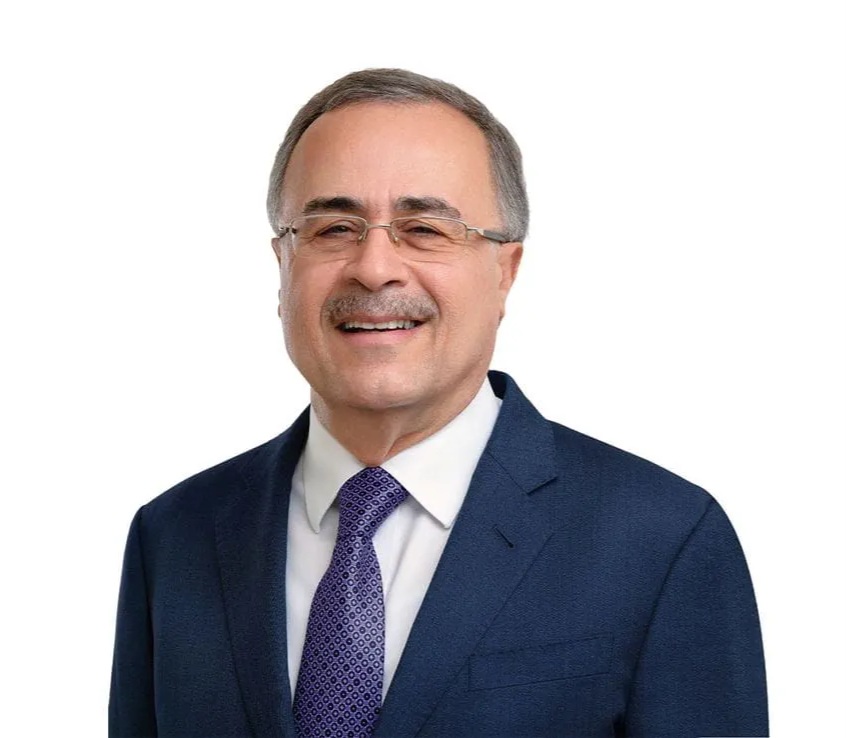
Aramco first bought about 35% of the company in 1991, when it was still called SsangYong Oil Refining Co., according to Korea JoongAng Daily. It became the majority shareholder in 2015 by buying Hanjin Energy’s stake, bringing its holding to the current 63.43%.
Shaheen itself grew out of a state visit. The final investment decision was signed on November 16, 2022, the day Crown Prince Mohammed bin Salman visited Seoul, according to Korea JoongAng Daily. Groundbreaking followed in March 2023, attended by then-President Yoon and Nasser, according to Seoul Economic Daily.
Al-Rumayyan’s ties to South Korea extend beyond S-Oil. His 2023 meeting with HD Hyundai’s chairman, cited by 아시아경제, came in his capacity as PIF governor. The Shaheen inauguration would have put him in Seoul as head of both Aramco’s board and the kingdom’s sovereign fund.
Houthi Campaign Against Saudi Economic Targets
The Houthi campaign has increasingly targeted symbols of the Saudi economy. Saree’s November 18 claim named both KKIA and the Riyadh financial center, and the PIF Tower in KAFD has since been struck twice. The November 24 strike involved an unspecified projectile, and no Houthi claim had been issued for it at the time of publication.
Saudi officials have not linked any change in executive travel to the attacks. Aramco continued to send senior leadership abroad, with Nasser and Al-Qahtani in Seoul and Al-Ibrahim representing the ministry.
Whether Al-Rumayyan’s absence was caused by the airport situation, as 아시아경제 reported, or by other “urgent circumstances,” as 뉴스핌 put it, remains unconfirmed. Aramco has not publicly explained the absence.
Frequently Asked Questions
What does “Shaheen” mean?
“Shaheen” is the Arabic word for “falcon,” according to Korea JoongAng Daily.
Who will sell Shaheen’s polyethylene abroad?
SABIC, an Aramco affiliate, will handle overseas marketing of polyethylene produced by the complex, according to Korea JoongAng Daily and The Korea Herald.
How much labor went into building the complex?
Construction required 6.5 million cumulative person-days of labor at the Ulsan site, according to Seoul Economic Daily and Korea JoongAng Daily, between the March 2023 groundbreaking and the November 2026 completion ceremonies.
Why does the timing matter for S-Oil?
S-Oil was founded in 1976, so the Shaheen completion falls in the company’s 50th anniversary year. Over the past decade S-Oil has invested more than 14 trillion won in Korean infrastructure, with Shaheen the largest single project.
What is Thermal Crude-to-Chemicals technology?
Thermal Crude-to-Chemicals (TC2C) is a proprietary process developed by Aramco in partnership with US-based Lummus Technology. The Shaheen complex in Ulsan is the world’s first commercial-scale deployment of the process, according to Korea JoongAng Daily and The Korea Herald.
The House of Saud Daily Briefing
Saudi Arabia's news in 3 minutes, every morning. Free. See today's issue