
RIYADH — Trump told Fox News on June 11 that the United States would strike Iran again “on Thursday” unless Tehran accepts what he described as a largely negotiated accord to extend the ceasefire by two months and reopen the Strait of Hormuz. The 14-point draft memorandum of understanding, portions of which Axios and CNBC have reported since late May, covers cessation of hostilities, mine clearance, sanctions waivers, and a deferred nuclear framework. Saudi Arabia is not a party to the draft. It is not a party to any of the three channels through which the draft has been discussed. Riyadh’s last bilateral with the US Secretary of State was January 19 — a 143-day gap that preceded the announcement of a framework that would restructure the waterway through which the kingdom once shipped the majority of its crude.
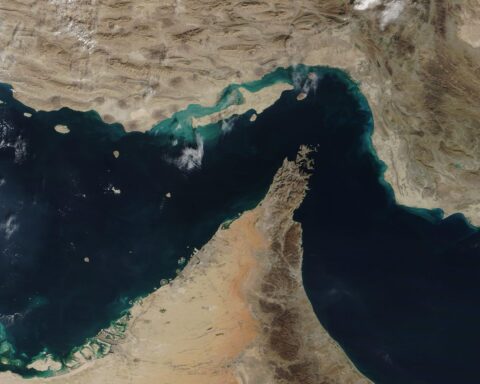
Hours after Trump’s deadline, Iran’s Khatam al-Anbiya Central Headquarters — the country’s top joint military command — declared Hormuz closed to all vessels, all flags, all cargoes. The UAE held its first direct bilateral security talks with Iran since the war began, according to Bloomberg. Saudi Arabia’s last confirmed foreign minister-level call with Tehran was May 6 — thirty-five days earlier. Abu Dhabi’s Tehran back-channel ran through Sheikh Tahnoun’s office and came packaged with $10–$20 billion in released funds — a level of engagement Riyadh has no instrument to replicate.
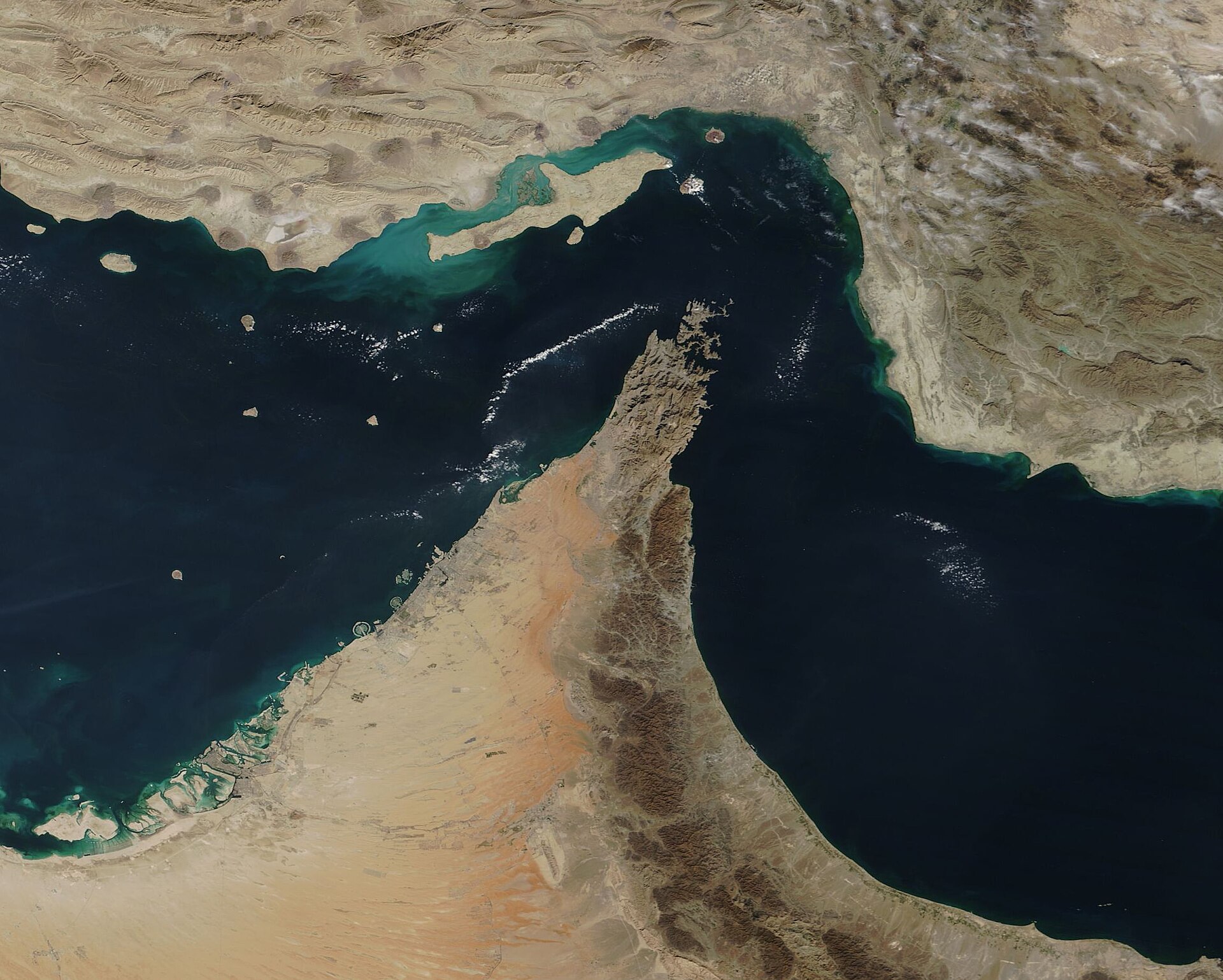
Table of Contents
The Fourteen Points
The draft MOU, reported by Axios on May 24 and supplemented by CNBC and Time through late May, calls for a 60-day cessation of hostilities, the reopening of Hormuz with no tolls, Iranian mine clearance, the lifting of the US port blockade, sanctions waivers for Iranian oil exports, and an Iranian commitment to “never pursue nuclear weapons.” The enriched uranium stockpile — 440.9 kilograms at 60 percent enrichment, unverified by the IAEA since February 27 — is explicitly deferred to a “permanent accord” to be negotiated during the 60-day window. That deferral covers enrichment itself, dismantlement of any facility, and the existing stockpile’s disposition. The nuclear question in the draft MOU is not resolved; it is scheduled.
The sequencing dispute is over $24 billion in frozen Iranian assets. Iran demands $12 billion released at signing, with the remainder within 60 days. Trump’s position, stated June 7: assets only “after a verifiable final deal.” This is the same pool that Treasury Secretary Bessent directed all available authorities to seize on June 6 for redistribution to Gulf states as war damage compensation — a directive that claims the identical funds Iran insists it receive before taking any action on Hormuz. The two positions are structurally irreconcilable: Washington cannot simultaneously freeze the assets for GCC compensation and release them to Iran at signing.
Saudi Arabia’s position on that sequencing dispute is not recorded in the diplomatic log. The kingdom was not consulted on the MOU’s asset framework. The $24 billion fund that Bessent proposed redistributing to Gulf war-damage claimants would partly benefit Saudi Arabia — including compensation for the March 27 PSAB strike. But the mechanism by which those claims would be processed, validated, or paid was not specified in any publicly documented US communication to Riyadh.
Who Is Negotiating?
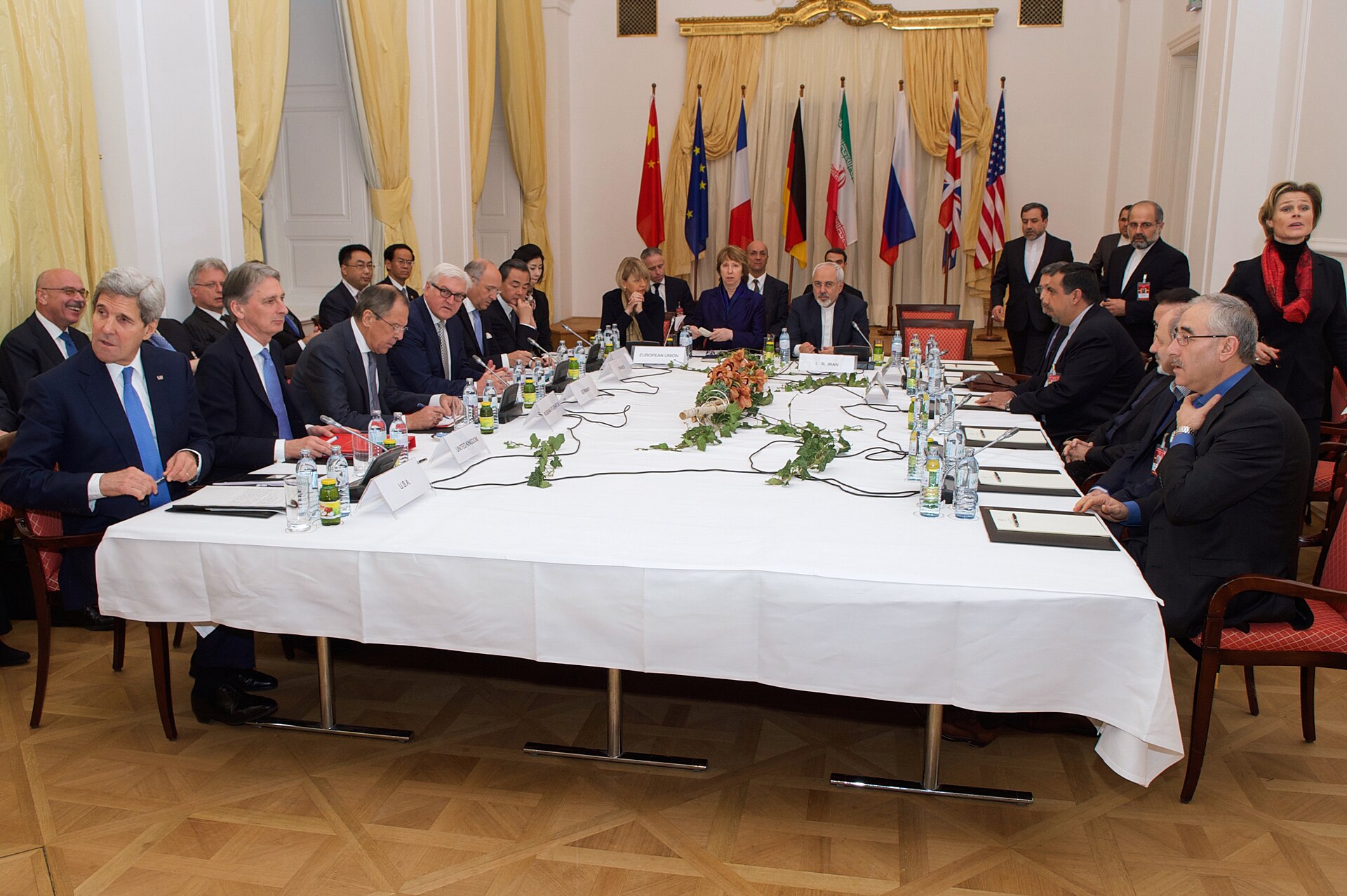
The United States and Iran, through three intermediary channels — Oman, Pakistan, and Qatar — none of which includes Saudi Arabia. Oman runs the longest-standing proximity framework. Pakistan operates a dual-letter military and state channel. Qatar provides financial and diplomatic access to Tehran. Riyadh participates in zero of these tracks.
The Middle East briefing 3,000+ readers start their day with.
One email. Every weekday morning. Free.
The Oman track — dating to 2012 — was threatened directly by Trump in late May, when he told his Cabinet he would “blow them up” if Muscat continued facilitating an Iran-Oman joint management protocol for Hormuz. The Omani Ambassador conceded to US demands the same day, per Axios. Pakistan’s track operates through Interior Minister Naqvi and Army Chief Munir, who sent two separate letters to Tehran — one state-to-state, one directly to the IRGC command structure — through a channel Saudi Arabia cannot use because 13,000 Pakistani troops defend Saudi Arabia’s Eastern Province under the Saudi Military Defence Agreement. Islamabad cannot simultaneously act as Riyadh’s advocate in Tehran and maintain its 13,000-troop presence on Saudi soil; the structural conflict is total.
The Qatar track runs through Doha, where Iran received a $6 billion credit line on May 25. Qatar’s foreign minister arrived in Tehran on June 10 after consulting Washington, not Riyadh. Al-Arabiya reported the visit; the Saudi Ministry of Foreign Affairs issued no statement on it. Qatar’s credit line to Iran, its position as host of the most significant US air base in the region at Al Udeid, and its direct FM-level access to Araghchi make Doha the most operationally connected GCC capital to both sides of the negotiation — a position Riyadh does not share.
The Atlantic Council’s 2026 analysis noted that states “whose airports, energy infrastructure, and civilian neighbourhoods had been struck by Iranian missiles and drones over the preceding forty days were not mentioned during the negotiations.” Saudi Arabia lost an E-3G AWACS to a March 27 strike at PSAB — the only US base in the GCC to be struck — and was absent from every channel before and after that strike.
Can Saudi Arabia Verify Whether the Deal Exists?
No. Riyadh has no independent channel to either party conducting the negotiation and therefore cannot determine whether Trump’s characterization — “largely negotiated” — reflects a framework Iran has provisionally accepted, a document Iran has seen and rejected, or a draft Iran disputes exists in the form described.
Iran’s answer came through state media. Fars News called Trump’s claim “incomplete and inconsistent with reality.” Foreign Minister Baghaei, on June 9, called the US proposal “unacceptable and not aligned with the ongoing negotiations.” But the epistemic problem runs deeper than competing characterizations. Iran suspended US message exchanges entirely on June 1 — ten days before Trump’s announcement. The channel through which any finalized deal would be communicated to Washington was itself severed before the deal was declared close to completion. Trump told Fox News the following week that Iranian officials had called him to stop US strikes. Iran denied it. Saudi Arabia learned about that claim from the same broadcast.
The verification gap extends to the nuclear component. ISIS-Online reported on June 9 that Iran holds 440.9 kilograms of uranium enriched to 60 percent — with 97 consecutive days of no IAEA inspection, running from February 27. The Center for Arms Control notes that 40 kilograms of 60 percent-enriched uranium is weapons-sufficient under compression. Iran’s stockpile is eleven times that threshold. The draft MOU commits Iran to “never pursue nuclear weapons” but defers enrichment-level, facility, and stockpile questions to the permanent accord. Saudi Arabia cannot assess whether the deferred nuclear framework represents a genuine constraint or a placeholder because it has no access to the negotiating text, no seat in the channel, and no standing to request either.
Fox News aired a montage on June 11 of Trump declaring the deal “close” across nine consecutive weeks — from “largely negotiated” on May 23 to “final throes” on June 9 to the Thursday strike threat on June 11. The Soufan Center noted in late May that Saudi Arabia “was among the leaders on a conference call with Trump who were backing the tentative deal.” Passive endorsement of a framework it had no hand in constructing and no means to independently verify.
On June 11, Trump went further: his Truth Social post listed Saudi Arabia by name, alongside eleven other nations, as having “approved” the deal. Saudi Arabia issued no statement in response — not a confirmation, not a denial, and not a clarification.
“Silence on the Line”
In late May, Trump held a group call with the leaders of Saudi Arabia, the UAE, Qatar, Pakistan, Turkey, Egypt, Jordan, and Bahrain to outline the deal framework. One US official told Axios: “There was silence on the line, and Trump joked and asked if they are still there.” Trump’s outline included an Abraham Accords condition that caught Riyadh off guard — normalization as a component of a bilateral US-Iran instrument, attached without Saudi consultation. Saudi Arabia’s position on normalization is formally conditioned on an independent Palestinian state with East Jerusalem as its capital, a precondition the current US administration has not endorsed and the draft MOU does not address.
The last confirmed Rubio-Faisal bilateral was January 19. The IISS assessed in May 2026 that Saudi Arabia’s Egypt-Pakistan-Turkey quadrilateral gives Riyadh only “indirect reach” into the Hormuz dispute. Turkish Foreign Minister Fidan met Araghchi directly in Istanbul. Saudi Arabia has not met Araghchi since May 6. On June 10, Qatar’s foreign minister flew to Tehran and consulted Washington before departure. Saudi Arabia was not informed in advance, based on the absence of any Saudi MOFA statement coordinating with or responding to the Qatar trip. The three-track structure — Oman, Pakistan, Qatar — converges on Tehran. None of the three ran through Riyadh at any stage.
On June 11, while Trump issued his Thursday deadline and Iran declared Hormuz universally closed, the UAE opened its first direct bilateral security talks with Iran since the war began. Abu Dhabi’s ability to open that channel — on the same day as an escalation that closed the strait entirely — reflects a decision to maintain direct contact independent of the US-Iran track. The kingdom’s only bilateral instrument with the United States remains a 1977 training advisory memorandum — not a status of forces agreement, not a security treaty, and not a document that entitles Riyadh to a seat in the room where the Hormuz framework is being drafted. Abu Dhabi and Riyadh sit in the same alliance structure. On June 11, they were not in the same position.
Does Iran Accept the Framework?
Iran’s stated position is that the US draft is neither accepted nor final. Baghaei told CBS News on June 9 that Iran would present its own terms through Omani mediators. Iran’s counteroffer maintains three conditions: domestic enrichment rights, no facility dismantlement, and $12 billion at signing. All three are incompatible with the draft MOU as reported by Axios and CNBC.
Iran offered a “Hormuz deal without nuclear talks” in late April — a bilateral with Washington that did not include Saudi Arabia as a party, Al Jazeera reported April 27 — demanding domestic enrichment rights and no facility dismantlement. The nuclear and the maritime questions, in Iran’s framing, are separable. The US draft treats the nuclear commitment as a necessary element of the maritime deal. Iran’s April 27 offer treats them as independent. That structural disagreement predates Trump’s June 11 deadline by six weeks, which is one reason Iran’s suspension of US message exchanges on June 1 did not surprise analysts tracking the channel.
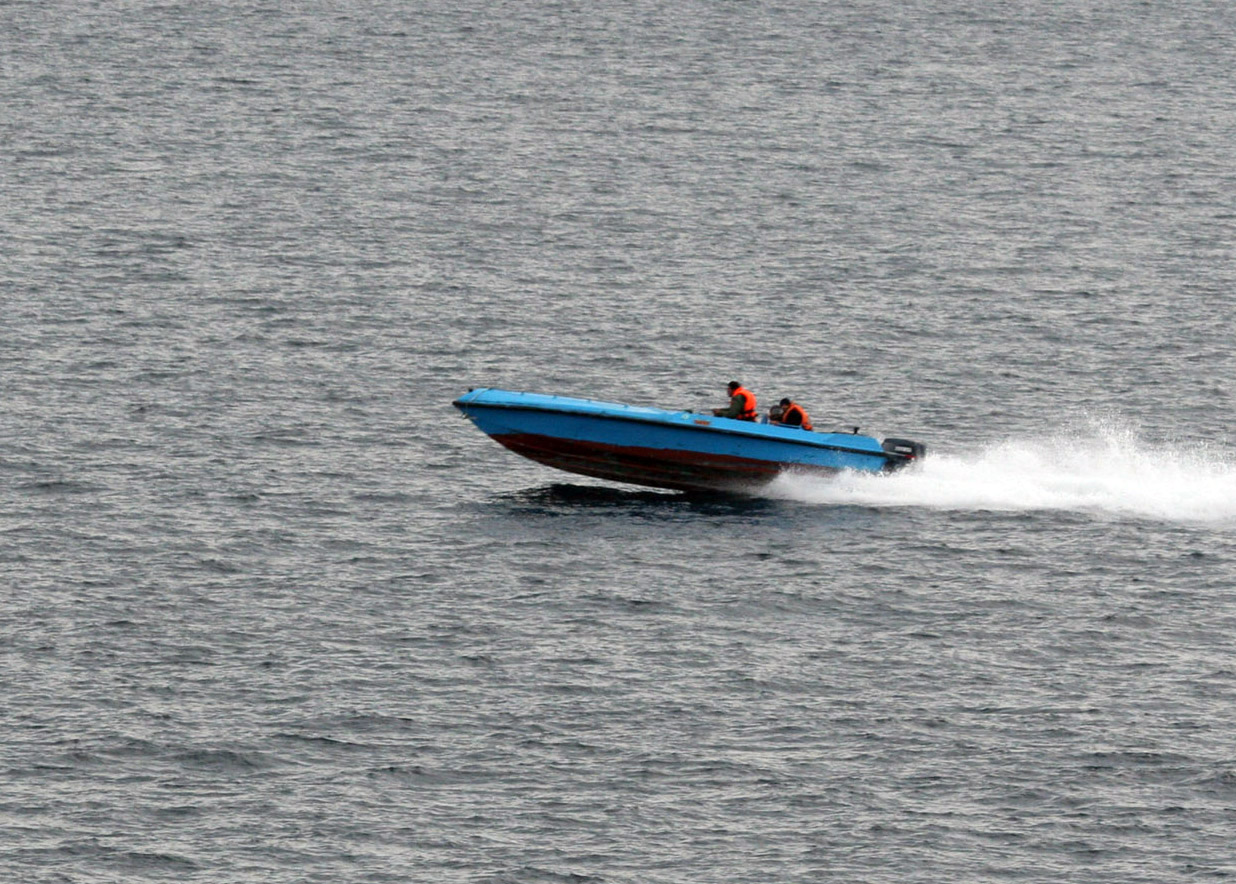
Iran’s operational answer arrived before its diplomatic one. On June 10-11, Khatam al-Anbiya announced: “From this moment, due to insecurity in the region, the Strait of Hormuz is declared closed to the passage of all vessels, including oil tankers and commercial ships, and any traffic will be targeted.” This was an upgrade from the March 27 selective order, which restricted only US, Israeli, and allied-port vessels. The June 11 order covers every flag and every cargo. It was issued on the same day Trump described the deal as nearly complete.
What Does the Deal Omit?
Gulf security, compensation, and verification. The Center for Strategic and International Studies assessed in 2026 that the emerging framework “does not appear to include provisions for Gulf security, reparations, or any compliance verification mechanism.” Of the 14 reported points, none address compensation for GCC states struck by Iranian missiles, none establish Gulf participation in Hormuz governance, and none create a verification architecture through which Saudi Arabia could confirm that reopening is genuine and sustained.
The nuclear omission is more structurally significant than the compensation gap. The draft MOU commits Iran to “never pursue nuclear weapons” — language that covers weaponization intent but explicitly defers enrichment levels, HEU stockpile disposition, and facility dismantlement to the permanent accord to be negotiated within 60 days. Iran holds 440.9 kilograms at 60 percent enrichment, per ISIS-Online June 9. The Center for Arms Control’s threshold for weapons-sufficiency at 60 percent enrichment is 40 kilograms. Iran’s stockpile exceeds that threshold by a factor of eleven, and it has gone unverified for 97 days. The NPT withdrawal bill introduced by MP Shariati is advancing in the Majlis — FM Araghchi has publicly maintained Iran’s NPT commitments, but the legislative track provides an institutional exit ramp from verification obligations that the draft MOU does not address. Saudi Arabia’s March 2026 vote at the IAEA for the censure motion that passed 19-3 did not produce a seat in the negotiation over the stockpile that censure concerned.
The CSIS finding on verification absence goes to the deal’s durability. The 2015 JCPOA, whatever its defects, included IAEA verification protocols with managed access provisions, a Joint Commission dispute resolution mechanism with defined timelines, and a UN Security Council snapback provision that could restore sanctions within 30 days of a breach notification. The 2026 draft MOU contains none of these. If Iran clears Hormuz mines and then re-mines the strait within the 60-day window, no institutional mechanism exists to document, certify, or respond to the violation. The deal’s enforcement is Trump’s willingness to strike again — the same willingness he already used to negotiate the deal, and the same willingness whose credibility Iran has been testing since March 27.
The Carnegie Endowment for International Peace observed in March 2026 that Saudi Arabia “decided that if Washington was not going to come to its rescue, its best option was to try to reach accommodation with Tehran.” As Carnegie wrote that, Riyadh had no open channel to Tehran — FM Faisal’s last documented contact with Araghchi was May 6, thirty-five days before the June 11 deadline. The Atlantic Council’s 2026 analysis was more direct: “Riyadh wants a seat at the table, not just a cease-fire.” The framework offers neither.
The Algiers Precedent
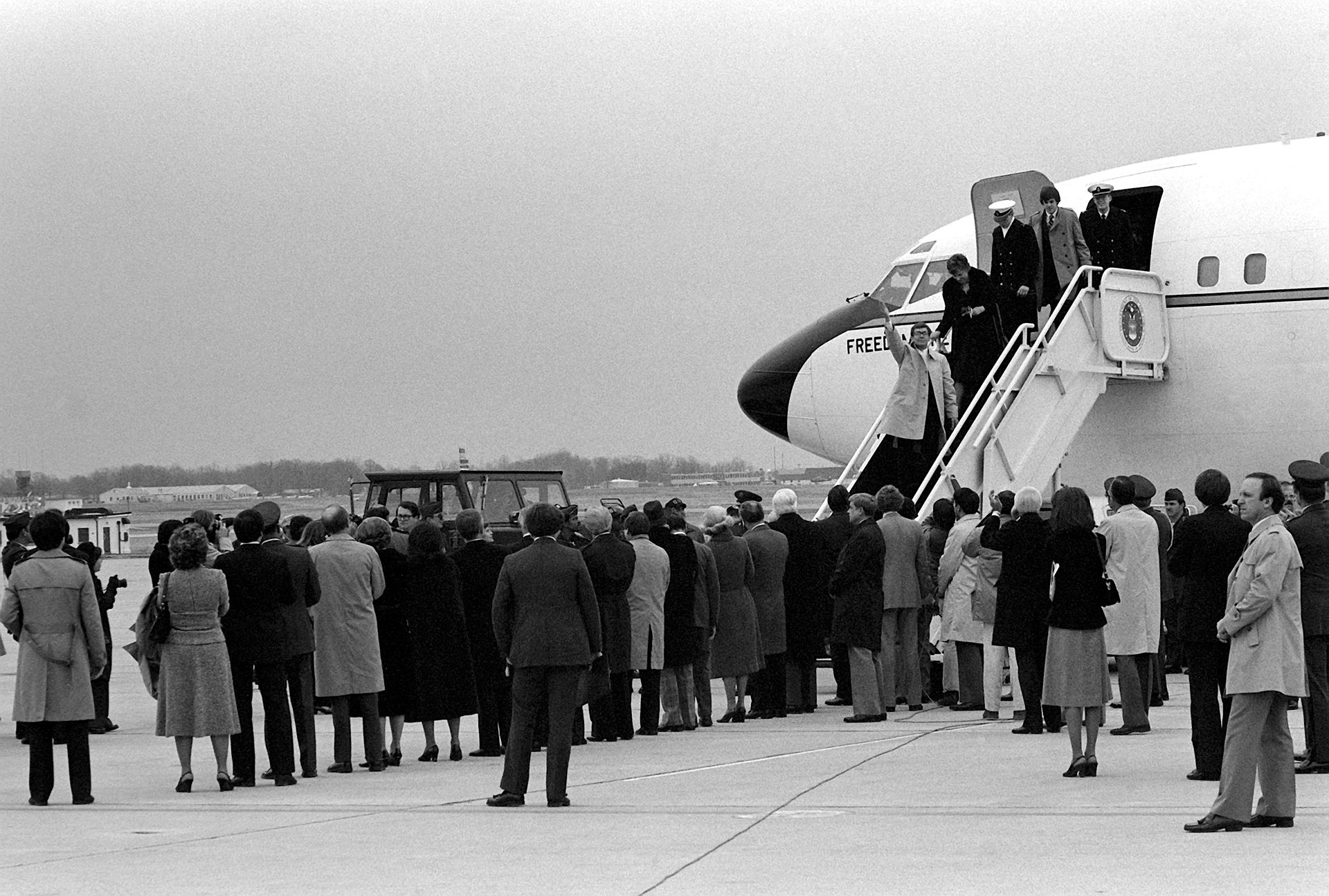
The structural pattern is not new. The 1981 Algiers Accords — which resolved the Iran hostage crisis — were negotiated entirely between the United States and Iran, brokered by Algeria. Saudi Arabia, Kuwait, and Bahrain were not parties. The accords covered asset freezes and non-interference commitments with direct implications for Gulf security — and no Gulf state was consulted. The Foreign Policy Journal’s 2018 review of the accords noted that the Algiers framework’s non-interference clauses were applied selectively and contested within years, in part because the Gulf states whose security was implicated had no standing to enforce them.
The 2026 variant is structurally narrower than the 1988 alternative. UN Security Council Resolution 598, the instrument that ended the Iran-Iraq War, was multilateral — Saudi Arabia financed the war, was not party to the ceasefire, but the UN framework created institutional transparency: terms were public, the Secretary-General reported on compliance, and member states had defined channels to raise violations. The 2026 draft MOU has no UN role, no multilateral observer, no compliance reporting, and no mechanism through which non-parties can access the terms. The GCC’s first collective defense invocation — issued one day earlier for Kuwait and Bahrain — has no bearing on a bilateral US-Iran instrument that does not reference the bloc and was drafted without input from the invocation’s signatories.
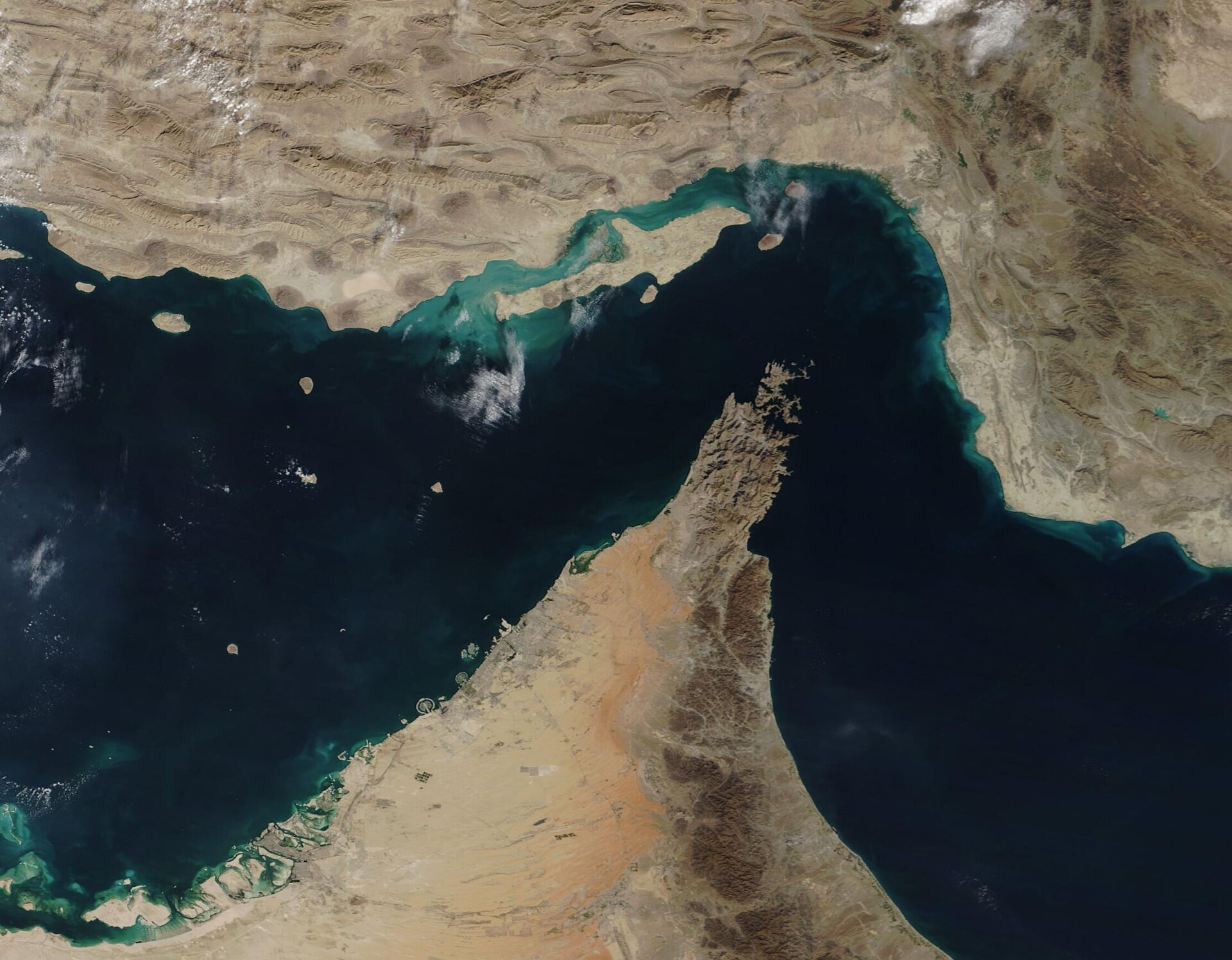
What the 1981 accords and the 2026 MOU share is bilateral architecture in a multilateral theater. Hormuz is not a US-Iran lake. Normal throughput before the closure was approximately 20 million barrels per day — one-fifth of global petroleum consumption, per IEA figures. The countries that depend on that throughput — Saudi Arabia, Kuwait, Iraq, the UAE, Qatar — were not present in any of the three intermediary channels through which the June 2026 framework was assembled. Saudi Arabia’s East-West Pipeline runs to Yanbu with 7 million barrels per day capacity, but the Red Sea terminal can load only 4.3 to 4.5 million. Even if Hormuz reopened tomorrow under the MOU’s terms, Saudi Arabia would still face a structural loading bottleneck of approximately 2.5 million barrels per day — a constraint that exists regardless of what the bilateral accord resolves.
The Arab Center for Washington DC stated what these precedents produce in aggregate: the Hormuz crisis “delivered a major blow to the longstanding US-Saudi ‘oil for security’ bargain that has endured in various forms since 1945.” The bargain assumed the US would secure Gulf chokepoints through unilateral military guarantee. The June 2026 framework inverts this. Washington can reopen Hormuz only through a bilateral deal with Iran, not through a security commitment to Saudi Arabia. The kingdom is paying the same price it paid in 1981 and 1988: financed the stability, received no seat in the settlement.
What Does Exclusion Cost?
Saudi Arabia faces fiscal and strategic consequences it cannot price because the deal’s contents are inaccessible. A successful deal returning Iranian crude to markets could push Brent to $65-80 per barrel — below Saudi Arabia’s $108-111 breakeven, per Goldman Sachs and IMF estimates. A failed deal leaves Hormuz closed. Either outcome reshapes the kingdom’s fiscal position without its participation in the terms that produce it.
Brent traded near $92 on June 11, with Singapore fuel inventories at their lowest since 2013. War-risk insurance premiums, which have climbed to 0.8-5 percent of hull value per voyage, will not reset on a ceasefire announcement; the earliest reclassification by the Joint War Committee is mid-2027. A ceasefire paradox applies directly to Saudi Arabia’s fiscal mathematics: the war-disrupted Brent price of $92 is already below the $108-111 breakeven. A genuine Hormuz reopening that restores Iranian crude to markets pushes the price lower still. There is no Hormuz outcome — open or closed — that currently satisfies Saudi Arabia’s fiscal requirements.
The military cost of exclusion compounds the fiscal one. Saudi Arabia was the only GCC state to have a US base struck during the war — PSAB on March 27, destroying an E-3G AWACS aircraft and causing an estimated $4 billion or more in damage, with KC-135 tankers evacuated to Qatar. Despite that strike, Riyadh was excluded from all subsequent negotiating tracks. PAC-3 MSE reserves stand at approximately 400 rounds — 14 percent of the pre-war inventory of 2,800. A $9 billion sale was approved in January 2026, but Camden Arsenal produces 620 missiles per year and will not reach 2,000 per year until 2030. The gap between depletion rate and replacement rate is not a rounding error; it is years. Saudi Arabia’s air defense posture entering the 60-day MOU window — assuming the window opens — will be materially worse than it was when the war began, regardless of whether Hormuz reopens.
Saudi Arabia cannot press for the deal’s failure without undermining the ceasefire that protects its own infrastructure from further Iranian strikes. It cannot press for the deal’s success without accepting $65-80 Brent and a Hormuz governance framework in which it has no seat. The Sadara Chemical debt — $3.7 billion across 25-plus creditor banks, with all 26 Jubail units offline — enters its grace-period expiry on June 15, four days from the June 11 deadline. Aramco holds a $2.405 billion share of that obligation; Dow Chemical holds $1.295 billion. Zero public creditor communication has been documented. No Reuters, Bloomberg, or Financial Times report on the June 15 expiry has appeared. The 14-point MOU may be largely negotiated, as Trump claims. It may be unacceptable, as Baghaei insists. The last Rubio-Faisal bilateral was January 19. The Sadara grace period expires in four days regardless. What neither the MOU draft nor the diplomatic silence addresses is the structural per-barrel levy Iran has already institutionalized: the PGSA toll on Saudi oil exports — approximately $1 per barrel on every cargo transiting the Qeshm-Larak corridor — costs Riyadh an estimated $2 billion annually at pre-war volumes, and the agreement contains no clause requiring its dissolution.
Frequently Asked Questions
Has Hormuz ever been formally closed before?
No. During the 1987-88 Tanker War, Iran threatened closure but never executed a formal order covering all flags and cargoes. The June 10-11, 2026 declaration by Khatam al-Anbiya is the first time Hormuz has been formally declared closed to all traffic in its history as an international shipping lane. Normal throughput before the closure was approximately 20 million barrels per day, according to the IEA, representing roughly one-fifth of global petroleum consumption.
Is Iran’s closure legal under international law?
UNCLOS Article 38 guarantees transit passage through international straits, and Iran is a signatory. UNSC Resolution 2817, adopted March 11, 2026 with 136 co-sponsors including Saudi Arabia, reaffirmed these transit passage rights. Iran’s position is that wartime conditions supersede peacetime navigation conventions — a claim with no established legal basis in UNCLOS or customary international law. No naval force has tested the closure through contested transit as of June 11.
Could Saudi Arabia join the Oman track directly?
The structural barrier is that Iran chose Oman as a bilateral US-Iran channel, not a multilateral Gulf framework. Adding Saudi Arabia would transform the format from proximity talks into a trilateral negotiation — a change neither Washington nor Tehran has requested. Saudi Arabia’s last publicly documented FM-level engagement with Oman on the Hormuz mediation question is not in the diplomatic record. Oman’s own position was further complicated by Trump’s May 28 threat to “blow them up,” after which the Omani Ambassador conceded to US demands the same day, per Axios reporting. The same preference for bilateral contact over multilateral accountability was on display on June 12, when Saudi Arabia declined France’s G7 Evian invitation while simultaneously hosting France’s Middle East adviser in Riyadh for a private bilateral.
What is the difference between the March 27 and June 11 closure orders?
The March 27 declaration restricted Hormuz to US, Israeli, and allied-port vessels — a selective order that left commercial tankers operating under neutral flags largely unaffected. The June 11 order is universal: all vessels, all flags, all cargoes. Saudi-flagged tankers, which were not explicitly targeted under the March order, are now formally included. The upgrade followed CENTCOM’s second-night strikes on June 11, which targeted sites within 40 miles of Tehran, and the IRGC’s simultaneous 18-target retaliation across Kuwait and Bahrain.
Does the draft MOU include any enforcement mechanism?
No. The 14-point framework contains no third-party monitoring body, no penalty for breach by either party, and no UN role. The 60-day ceasefire window has no compliance architecture — meaning that if Iran clears mines from Hormuz shipping lanes under the agreement and subsequently re-mines them, no institutional mechanism exists to document or respond to the violation. The 2015 JCPOA, by comparison, included IAEA verification protocols, a Joint Commission dispute resolution mechanism, and a UN Security Council snapback provision. The 2026 MOU contains none of these.
On June 12, the White House announced Vance would sign the MOU in Geneva on June 14 with four C-17s en route for the delegation — while Iran’s negotiating team denied any approved text existed, making the three-track framework that excluded Saudi Arabia suddenly more visible to observers who had assumed a deal was imminent.
What is Saudi Arabia’s fiscal exposure to a Hormuz deal?
Saudi Arabia’s oil breakeven is approximately $108-111 per barrel, per Goldman Sachs and IMF estimates. Brent was trading near $92 on June 11 — already below breakeven. A successful Hormuz deal that restores Iranian crude exports to global markets is expected to push Brent to $65-80 per barrel, widening the fiscal deficit. Goldman Sachs projects Saudi Arabia’s 2026 full-year deficit at SAR 300-330 billion; Q1 2026 alone was 76 percent of that projection. Aramco paid its $21.89 billion dividend on June 9 — reducing post-dividend cash to approximately $53.3 billion from $75.2 billion — against free cash flow of $18.6 billion, a 0.85x coverage ratio. A deal that lowers Brent by $27-30 per barrel compresses that coverage ratio further. Saudi Arabia’s fiscal position worsens whether Hormuz stays closed or reopens under terms that return Iranian supply to the market.