
KUWAIT CITY — The IRGC’s Aerospace Force and Navy struck 18 US military targets across three bases in Kuwait and Bahrain in a two-wave operation on June 11, 2026, Tasnim News Agency reported. A simultaneous barrage of 12 ballistic missiles hit Al-Azraq Air Base in Jordan, according to Al Mayadeen, extending the attack across three countries for the second consecutive day.
Saudi Arabia was excluded from every wave. Prince Sultan Air Base — struck on March 27 in the war’s costliest single US asset destruction event — has received no follow-up attack across four subsequent IRGC multi-base operations. Ali Al-Salem Air Base in Kuwait absorbed its fifth strike since March 2. The IRGC’s target selection is a pattern, not an anomaly: repeated, escalating strikes against US facilities in Kuwait, Bahrain, and Jordan while the largest US installation in the Gulf remains untouched.
Hours earlier, the GCC’s 167th Ministerial Council issued the first collective defense invocation in the organization’s 45-year history, naming Bahrain, Kuwait, and Jordan as the attacked states. Saudi Arabia was not listed among them. Saudi FM Prince Faisal bin Farhan signed the declaration — for states that are not his own. The June 11 operation, the PSAB exemption pattern, the collective defense gap, and the Hormuz closure are covered below.
Table of Contents
What Did the IRGC Strike on June 11?
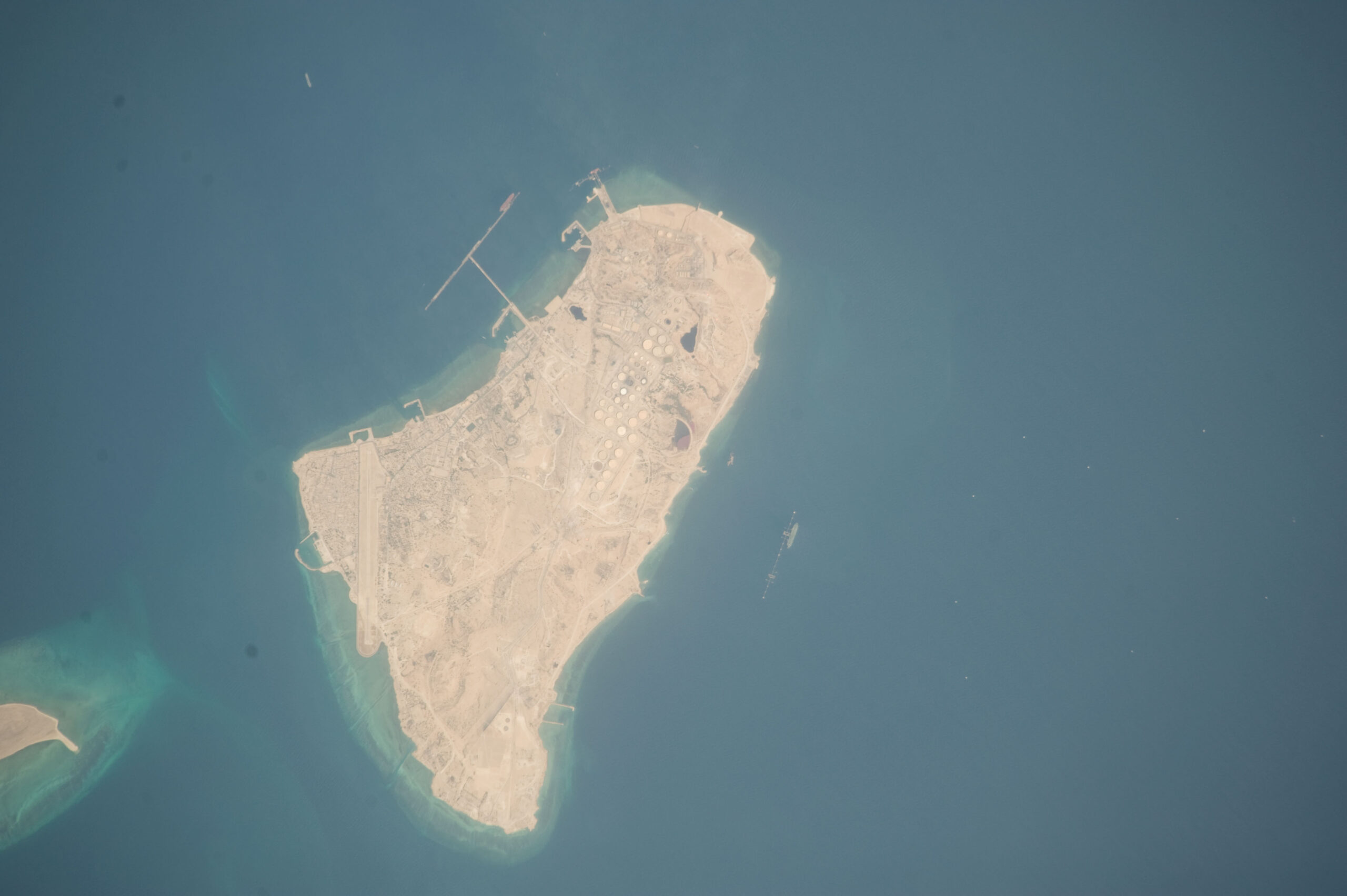
The IRGC struck Ali Al-Salem Air Base and Ahmad Al-Jaber Air Base in Kuwait, along with Sheikh Isa Air Base in Bahrain, in two sequential waves targeting 18 positions across the three installations. The Iranian Army’s drone units simultaneously attacked the US Fifth Fleet headquarters at Naval Support Activity Bahrain, targeting Patriot radar installations and communication antennas.
The IRGC described the operation as retaliation “in punishment of the aggressor and in response to attacks on IRGC service units, coastal outposts, and the Bandar Abbas airport area,” according to the statement carried by Tasnim. The two-wave structure marked the first time the IRGC publicly claimed sequential strikes within a single operation rather than presenting a single salvo.
“During two waves of operations, the brave warriors of the Aerospace Force and the heroes of the IRGC Navy, in the early hours of this morning, struck and destroyed eighteen important targets belonging to the evil US army in the Ali Salem and Ahmad al-Jaber air bases, as well as the Sheikh Issa air bases,” the IRGC statement read. PressTV distinguished between the IRGC Aerospace Force and Navy role in the 18-target assault and the Iranian Army’s drone role against the Fifth Fleet — a rare public acknowledgment of interservice coordination.
The Middle East briefing 3,000+ readers start their day with.
One email. Every weekday morning. Free.
The Iranian Army’s public relations office separately announced that its drones had struck “communication antennas and radar installations of the Patriot air defense system of the Fifth Fleet,” according to GlobalSecurity. Targeting Patriot radar arrays — the sensors that guide PAC-3 interceptors — represents a shift from striking the facilities themselves to degrading the air defense architecture that protects them.
A parallel strike package of 12 ballistic missiles targeted Al-Azraq Air Base in Jordan, according to Al Mayadeen. The June 10 three-capital operation that preceded it had hit the same geographic spread — Bahrain, Kuwait, and Jordan — with 15 Americans wounded at Ali Al-Salem in that round, according to Middle East Eye. CENTCOM and the Pentagon did not provide immediate battle damage assessments or casualty figures for June 11 as of publication.
Ali Al-Salem: Five Strikes in 101 Days
Ali Al-Salem Air Base in Kuwait has absorbed five IRGC strikes in 101 days, making it the most-struck US military facility of the Gulf war by incident count. The base hosts elements of the 386th Air Expeditionary Wing and serves as a primary logistics hub for CENTCOM operations in the northern Gulf.
The accumulation began on March 2, when an IRGC strike killed six US service members and wounded dozens, according to CNN — the single deadliest attack on US forces in the Gulf since the war started. On April 6, an IRGC drone strike wounded 15 Americans, Middle East Eye reported. On May 30, five more Americans were wounded not by the strike itself but by interceptor debris, per APA.az. June 10 and June 11 added two more attacks within 24 hours.
| Date | Facility | Confirmed Casualties | Source |
|---|---|---|---|
| March 2 | Ali Al-Salem | 6 killed, dozens wounded | CNN |
| April 6 | Ali Al-Salem | 15 Americans wounded | Middle East Eye |
| May 30 | Ali Al-Salem | 5 wounded (interceptor debris) | APA.az |
| June 10 | Ali Al-Salem | 15 Americans wounded | Middle East Eye |
| June 11 | Ali Al-Salem | Pending | — |
No other US facility in the region has been struck more than twice. Ahmad Al-Jaber, 80 kilometers south of Ali Al-Salem, was hit on June 11 for the first time. Sheikh Isa Air Base in Bahrain has absorbed strikes in both the June 10 and June 11 operations. The concentration on Ali Al-Salem suggests the IRGC treats it as a primary target node rather than one installation among many.
The repeated strikes have direct consequences for PAC-3 interceptor stocks. Kuwait’s Patriot batteries are the most active in the Gulf war. Each interception draws from a finite magazine that Camden, Arkansas — the sole PAC-3 MSE production site — refills at approximately 620 rounds per year, against a Pentagon order backlog consuming five years of output.
Why Has PSAB Not Been Struck Since March 27?
Prince Sultan Air Base was struck once — on March 27, 2026 — in an attack that destroyed an E-3G AWACS Sentry aircraft and caused over $4 billion in damage, according to US defense estimates. It has not been struck again despite four subsequent IRGC multi-base operations that have hit every other major US facility in the Gulf.
The March 27 strike remains the costliest single US asset loss of the war. KC-135 Stratotankers were evacuated from PSAB in its aftermath. The IRGC demonstrated it could reach PSAB, destroy irreplaceable surveillance aircraft, and inflict catastrophic damage — then stopped striking it.
Parliament Speaker Ghalibaf designated PSAB and “all US regional bases” as legitimate targets on June 7, according to Tasnim. Khatam al-Anbiya Central Headquarters has not retracted or modified that designation. The doctrinal posture treats PSAB as targetable. The operational record treats it as exempt. The IRGC has conducted at least six multi-base operations since March 27, hitting facilities in Kuwait, Bahrain, and Jordan repeatedly. PSAB appears on no confirmed target list for any of them.
Saudi Arabia lacks a Status of Forces Agreement governing the US presence at PSAB. The sole formal instrument is the 1977 USMTM Memorandum of Understanding — a document that predates the base’s current role by decades. Kuwait, Bahrain, and Jordan all have formal SOFAs with the United States. The IRGC’s target selection mirrors that legal architecture: countries with SOFAs absorb strikes; the country without one does not.
The exemption is not a function of restraint during calm. It persists at the highest operational tempo the IRGC has sustained in the war. Saudi Arabia retains approximately 400 PAC-3 MSE rounds — roughly 14% of its estimated pre-war stock of 2,800 — but has not been required to expend them since March. Kuwait’s interceptor magazines, by contrast, deplete with each successive strike. That freed bandwidth went somewhere: on June 11, while Kuwait absorbed its fifth strike and Bahrain assessed damage, MBS used Riyadh’s operational margin to lift the Saudi ban on Lebanese exports — the one sovereign diplomatic act available to a state not on the IRGC’s active target list.
The Collective Defense Invocation That Named Three Countries
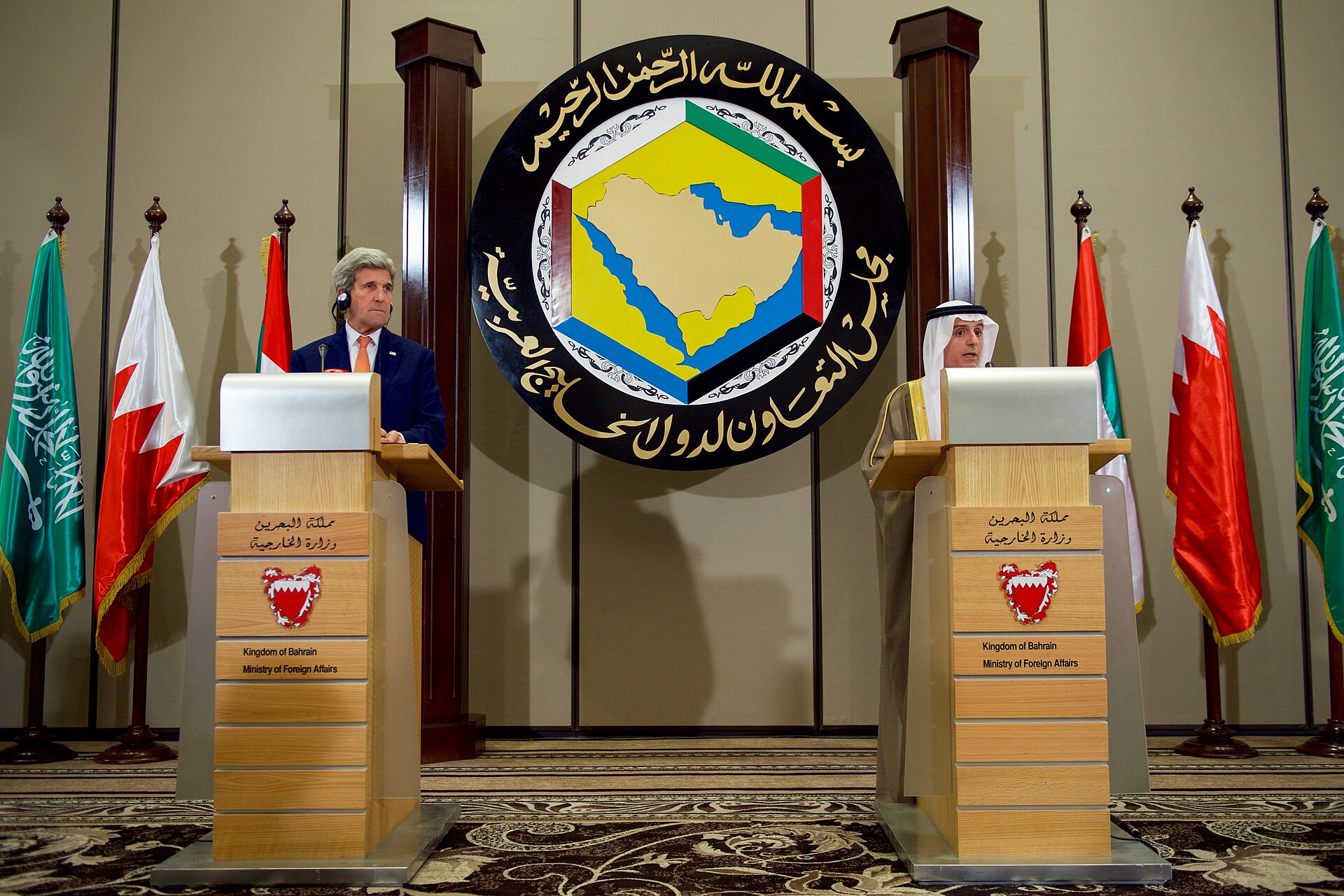
The GCC’s 167th Ministerial Council, meeting in Manama on June 10, produced the first explicit collective defense invocation in the organization’s 45-year history. “The security of the GCC states is indivisible, and that any attack against one of them is an attack against them all,” the GCC Secretariat statement declared.
The invocation was triggered by the June 10 strikes against Bahrain, Kuwait, and Jordan. These three countries were the named attacked states. Saudi Arabia — struck at PSAB on March 27 in an attack that destroyed irreplaceable US military assets — received no equivalent collective defense invocation at the time or retroactively.
The Council held “Iran fully responsible for these acts and their grave repercussions on the security of the region, international navigation and energy supplies,” and demanded their “immediate cessation.” The Arab League issued a parallel condemnation. Saudi Arabia, Jordan, and Egypt released a joint statement calling the strikes “clear violations of international law,” according to reporting cited by CryptoBriefing.
Saudi FM Prince Faisal bin Farhan signed the Manama declaration as a participating GCC member. The declaration defends other states. It does not name Saudi Arabia among those it defends. The GCC Joint Defense Agreement, signed in 2000, contains no automatic trigger. The Peninsula Shield Force has recorded zero external-attack deployments in 45 years. The gap between the invocation’s language — “attack on one is attack on all” — and the reality of which states were named reveals the limits of a framework that depends on consensus rather than obligation.
What Does the Hormuz Closure Declaration Change?
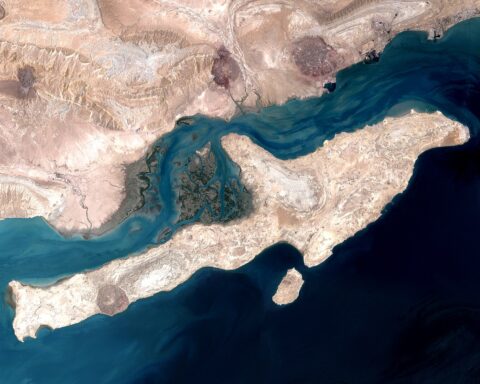
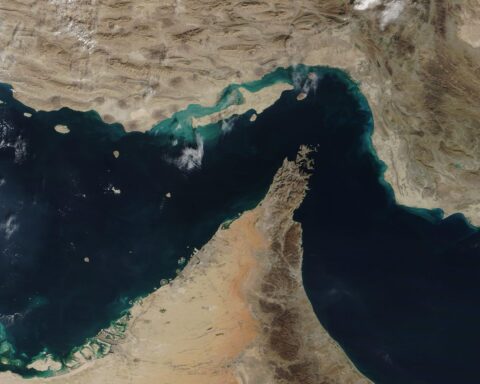
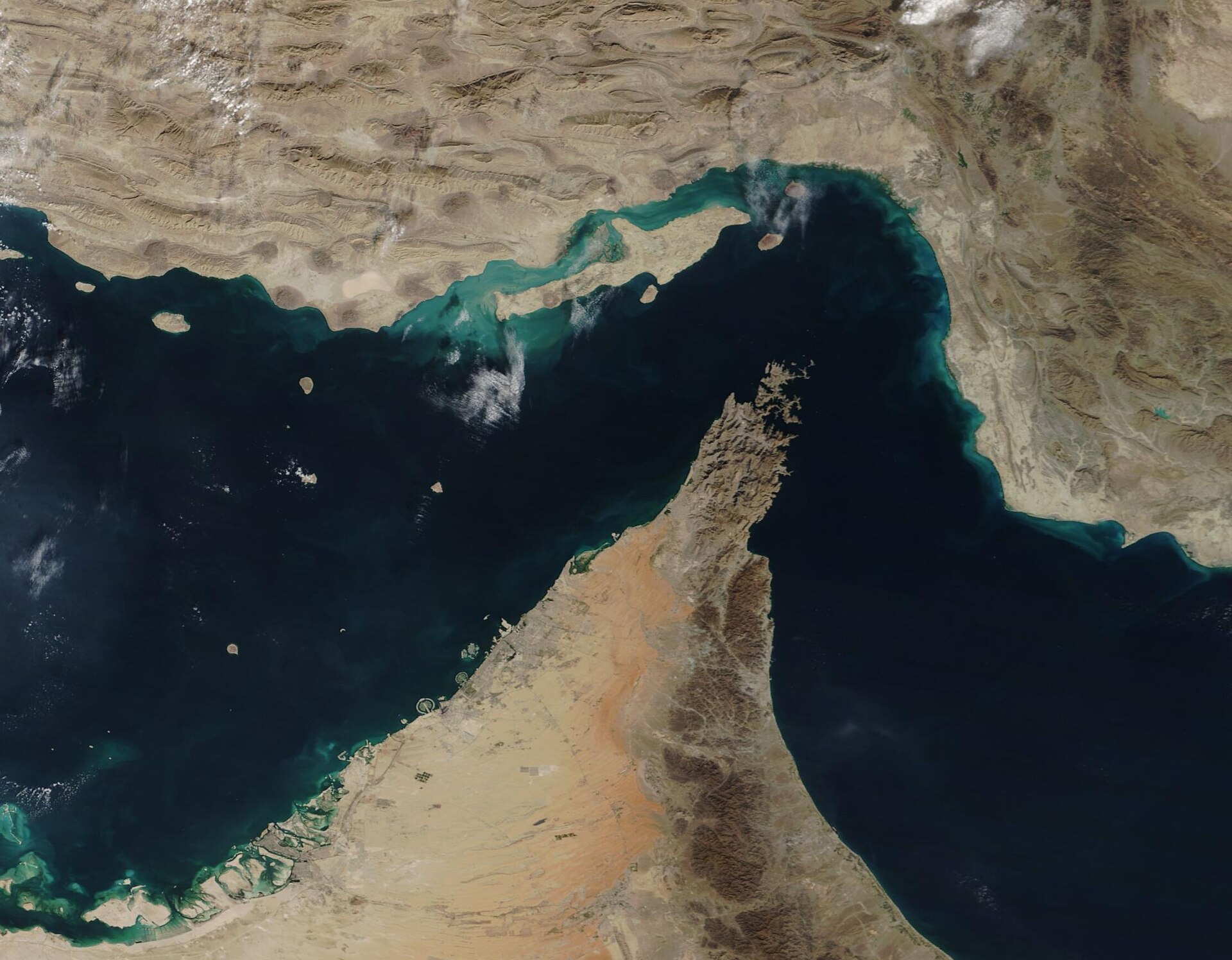
Khatam al-Anbiya Central Headquarters declared the Strait of Hormuz closed to all vessel traffic on June 11, stating that “any traffic will be targeted.” The declaration, carried by The National News and GlobalSecurity, upgrades the selective March 27 closure order into a universal blockade covering oil tankers and commercial ships without exception.
“Due to insecurity in the region, the Strait of Hormuz is declared closed to the passage of all vessels, including oil tankers and commercial ships,” Khatam al-Anbiya stated. The framing is defensive — insecurity caused by US strikes, not first-use aggression. Iran maintains every Hormuz action is reactive.
The March 27 order restricted specific vessel categories. June 11 eliminates distinctions. A universal closure disrupts all tanker traffic transiting the strait — a chokepoint carrying roughly one-fifth of global oil supply. Saudi Arabia’s Eastern Province export infrastructure depends on Hormuz transit for the majority of its crude shipments to Asian buyers.
The timing suggests coordination. The Hormuz declaration and the 18-target kinetic operation arrived the same morning. The IRGC has consistently paired base strikes with Hormuz restrictions, treating the strait as a parallel front that does not require missiles to impose costs. For Saudi Arabia, the closure compounds the structural exclusion: Riyadh is neither on the IRGC’s active target list nor covered by the GCC collective defense invocation, yet faces the same Hormuz disruption as the states that are both struck and defended.
The framework governing Hormuz reopening — a 14-point US-Iran draft MOU covering cessation of hostilities, mine clearance, sanctions waivers, and a deferred nuclear framework — was assembled through three intermediary channels, none of which included Saudi Arabia. The deal that governs Saudi waters was negotiated without Saudi Arabia: Riyadh has no independent channel to either party and cannot verify whether the framework Iran has disputed even exists in the form Trump described.
On June 12, IRGC drones attacked commercial vessels over Hormuz as Trump promised oil prices would drop “like a rock” once a deal was signed. The drone enforcement and the deal promise occupied the same morning news cycle — with Saudi Arabia holding no instrument to affect either outcome.
The 48-Hour Escalation Sequence
June 11’s 18-target operation was the third large-scale IRGC multi-base strike in five days and the second in 24 hours. The escalation trajectory has been consistent: each operation expanded the target set, increased the weapon count, and maintained the same geographic exclusion of Saudi Arabia.
On June 6, the IRGC fired seven ballistic missiles at targets in Kuwait and Bahrain — the first all-ballistic dual-capital salvo of the war. On June 10, the IRGC expanded to three countries, striking NSA Bahrain, Ali Al-Salem in Kuwait, and Al-Azraq in Jordan. June 11 escalated further: 18 targets across three bases in Kuwait and Bahrain, a separate drone campaign against the Fifth Fleet’s Patriot radar and communication systems, and 12 ballistic missiles at Jordan’s Al-Azraq. The target count more than doubled from June 10.
| Date | Targets | Countries Hit | Saudi Arabia Included |
|---|---|---|---|
| June 6 | 7 ballistic missiles — Kuwait, Bahrain | 2 | No |
| June 10 | NSA Bahrain, Ali Al-Salem, Al-Azraq | 3 | No |
| June 11 | 18 targets (3 bases) + Fifth Fleet drones + 12 missiles at Al-Azraq | 3 | No |
Three operations in five days. Each larger than the last. Each hitting the same countries. Each excluding PSAB. The IRGC’s operational doctrine has produced a stable geographic boundary that persists through escalation. Saudi Arabia sits on the other side of that line — not attacked, not defended by the GCC’s new collective pledge, and not required to expend its diminishing interceptor reserves. Whether that exclusion is a form of protection or a different kind of vulnerability depends on what happens when the pattern breaks.
Frequently Asked Questions
Were there US casualties in the June 11 strikes?
Neither CENTCOM nor the Pentagon had confirmed casualty figures for the June 11 operation as of publication. US military protocol requires next-of-kin notification before public disclosure, a process that typically takes 24 to 72 hours. The 18-target, two-wave scope of the operation marks the broadest single-day IRGC attack on US facilities since the war began, surpassing the June 10 three-capital strike in target count and geographic concentration.
Has the IRGC struck US bases in the UAE or Qatar?
Neither Al Dhafra Air Base in the UAE nor Al Udeid Air Base in Qatar has been struck in any IRGC operation to date. The UAE’s status as an Abraham Accords signatory complicates any Iranian strike with diplomatic consequences extending to the normalization framework. Qatar maintains an active channel with Tehran, including a $6 billion credit line extended in May 2025 and a diplomatic delegation that visited Tehran on June 10, 2026 — the same day as the three-capital strike.
Can Saudi Arabia invoke GCC collective defense on its own behalf?
The GCC Joint Defense Agreement requires council consensus and contains no unilateral invocation mechanism. Saudi Arabia’s March 27 PSAB strike did not produce an “attack on one” declaration because the agreement demands a collective decision, not an individual claim. Without a SOFA, the legal basis for classifying PSAB as a GCC collective defense asset is structurally weaker than for facilities in Kuwait or Bahrain, both covered by formal basing agreements with Washington.
What is the Peninsula Shield Force and why hasn’t it deployed?
Established in 1982 and headquartered at King Khalid Military City in Hafr al-Batin, the Peninsula Shield Force is the GCC’s standing joint military formation with approximately 40,000 personnel. It deployed domestically to Bahrain during the 2011 Arab Spring protests but has never conducted an external-attack defensive operation in 45 years. No mechanism exists to convert the June 10 collective defense declaration into a Shield Force deployment order — its mandate was designed for internal security coordination, not theater-level defense against a state adversary.