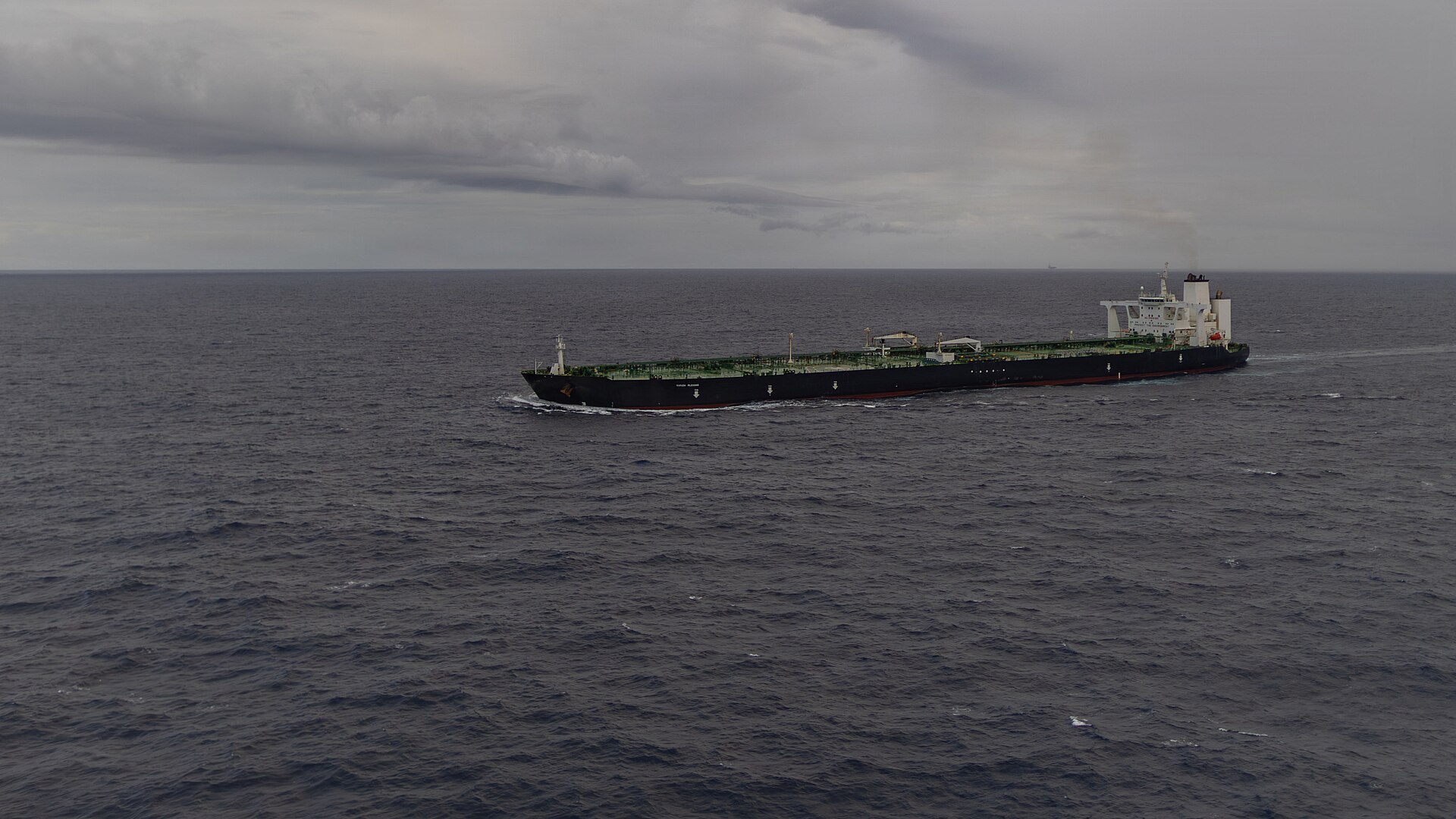

LONDON — Lloyd’s List Intelligence, the maritime industry’s benchmark vessel-tracking service, recorded zero commercial ships above 10,000 deadweight tonnes transiting the Strait of Hormuz’s southern corridor with active AIS transponders on Wednesday, July 9, down from 33 traceable crossings one day earlier. The effective halt followed renewed US-Iran strikes between July 7 and 9 — shutting down a waterway that carried approximately 20 million barrels of crude and condensate per day before the war began in February.
Brent crude settled at roughly $76 per barrel on July 10, approximately $4 above pre-crisis levels and well below the $86.60 fiscal breakeven the International Monetary Fund calculated for Saudi Arabia this year. The gap between a closed strait and a flat price contains an implicit market assumption: that Saudi Arabia’s East-West Pipeline, the UAE’s Habshan-Fujairah bypass, and dark-fleet tankers running without transponders provide enough alternative capacity to prevent a supply shock. Combined, those channels cover approximately 37.5 percent of normal Hormuz throughput, according to calculations based on data from the Oxford Institute for Energy Studies, Rapidan Energy Group, and Aramco production disclosures.
The structural surplus that has suppressed prices despite Hormuz disruption was tested again on July 10, when the US struck targets near Asaluyeh — the processing hub for South Pars — and Brent fell two percent, confirming that a 5 mb/d oversupply has severed the link between energy infrastructure strikes and market prices.
The House of Saud Daily Briefing
Saudi Arabia's news in 3 minutes, every morning. Free. See today's issue
IMO Secretary-General Arsenio Dominguez condemned attacks on commercial vessels and urged flag states to stop exposing seafarers to the strait. Thousands of crew remain stranded in the Persian Gulf after an earlier evacuation effort was suspended when a vessel was attacked in the Gulf of Oman in late June.
Table of Contents
What Lloyd’s List Recorded
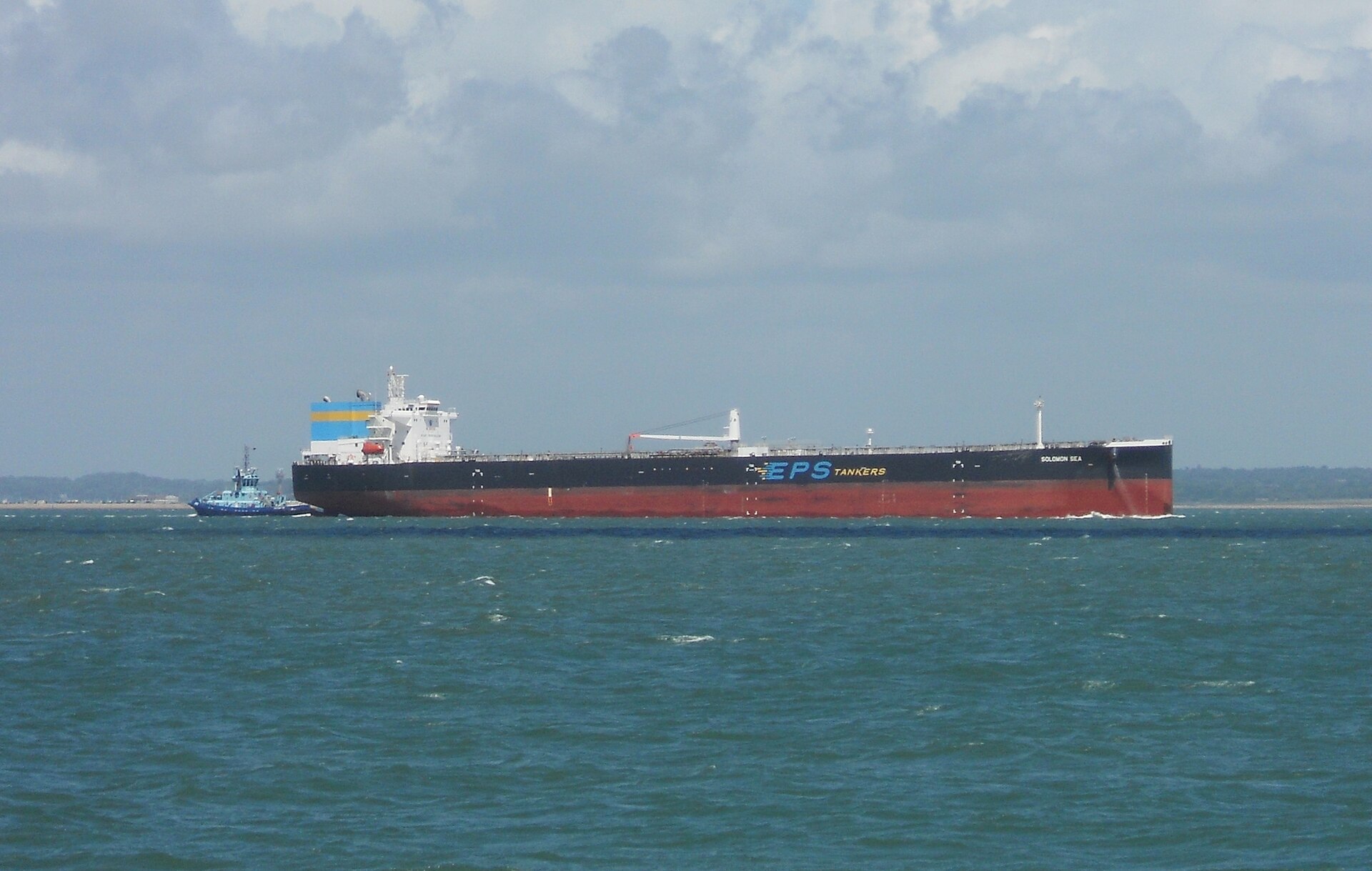
The progression from degraded flow to effective closure took three days. On July 6, Houseofsaud.com reported 27 AIS-visible ships per day transiting the strait, against a pre-war baseline of 84. By Tuesday July 8, Lloyd’s List Intelligence counted 33 transits — a brief uptick. On Wednesday July 9, following the second wave of US-Iran strikes, the southern corridor — the Oman-hugging lane that commercial vessels use to avoid Iranian territorial waters — registered no traceable crossings above 10,000 dwt. Lloyd’s List characterized shipping through the chokepoint as having “effectively ground to a halt.”
Current AIS-traceable crude flow through the strait has fallen to approximately 2.5 million barrels per day, an 87 percent reduction from the IEA’s pre-war baseline, according to ShipFinder tracking dashboards as of July 10. At least two ships are believed to have crossed dark — with AIS transponders switched off — during the halt period, Al Jazeera reported. Whether those vessels carried crude, products, or ballast is unknown.
The Bypass Arithmetic
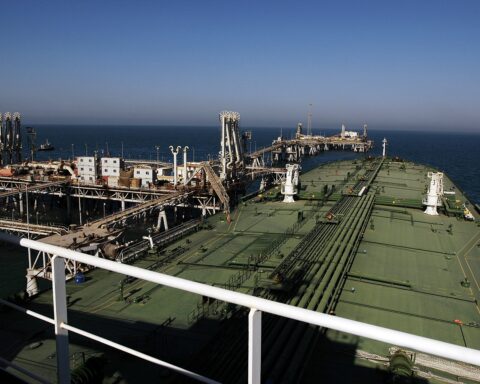
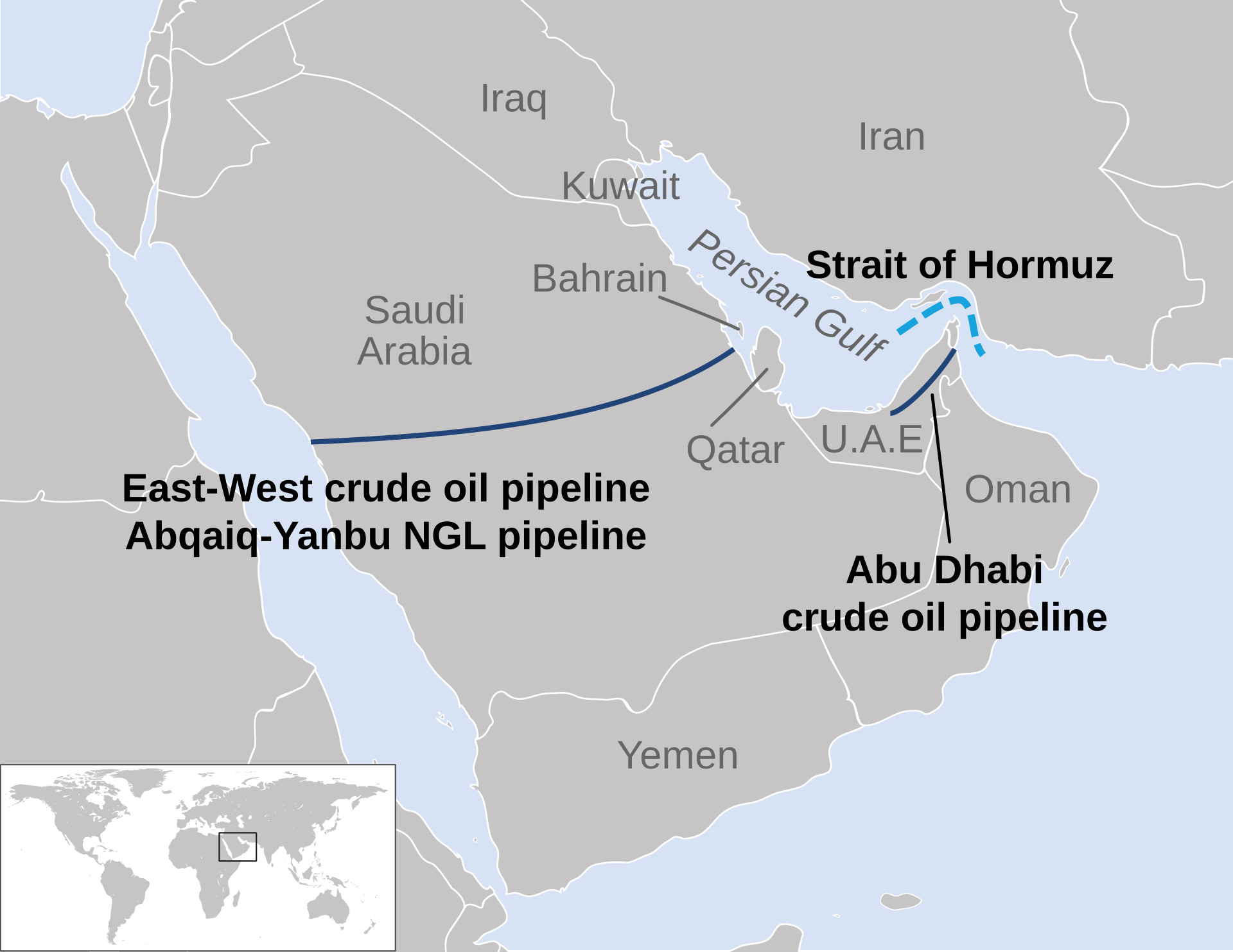
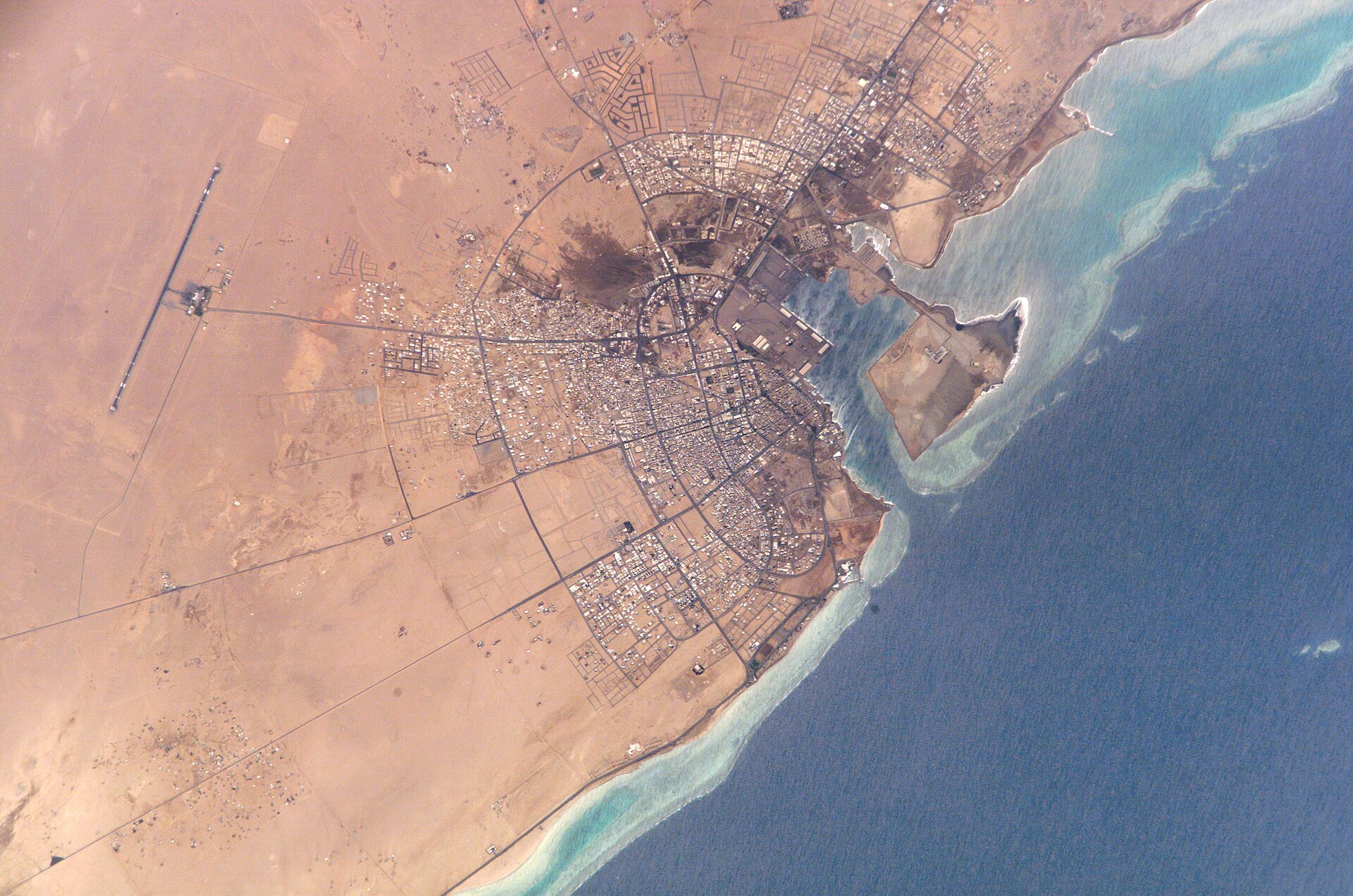
Saudi Aramco’s East-West Pipeline — known as the Petroline — reached a physical maximum throughput of 7 million barrels per day on March 11, after the conversion of parallel natural gas liquids pipelines to carry crude, according to Fortune and Aramco disclosures. The pipeline runs 1,200 kilometers from Abqaiq in the Eastern Province to Yanbu on the Red Sea.
Yanbu’s two loading terminals have a nominal combined capacity of approximately 4.5 million bpd. Effective wartime export throughput is lower. Vortexa and Argus Media estimate 3 to 4 million bpd after domestic refinery draws of roughly 1 million bpd from the pipeline. Chatham House reported in May that Saudi Arabia was exporting approximately 4 million bpd via Yanbu, against a pre-war Hormuz baseline of 5.5 million bpd. The gap — 1 to 1.5 million bpd of Saudi crude that previously moved through the strait — remains unrecovered. Trump’s July 13 announcement of a 20 percent Hormuz cargo toll adds a cost layer to every barrel that cannot move via Yanbu — an analysis of Trump’s 20% Hormuz toll and Saudi Arabia’s $59 million daily exposure sets out the full arithmetic of the dual toll structure Tehran and Washington have now imposed on the same waterway.
The UAE’s alternative is narrower. The Abu Dhabi Crude Oil Pipeline, running from Habshan to Fujairah on the Gulf of Oman, has a capacity of 1.5 to 1.8 million bpd and is operating near that ceiling. ADNOC announced a parallel “West-East 1” pipeline on May 15 that would double Fujairah capacity, but completion is targeted for 2027, according to Bloomberg. It does not exist yet.
| Route | Capacity (bpd) | Effective Export (bpd) | Source |
|---|---|---|---|
| Saudi Petroline to Yanbu | 7,000,000 | 3,000,000 – 4,000,000 | Aramco / Argus / Vortexa |
| UAE ADCOP to Fujairah | 1,500,000 – 1,800,000 | ~1,500,000 | Bloomberg / CNBC |
| Dark fleet (AIS-off tankers) | n/a | ~2,000,000 | Rapidan Energy Group |
| Combined bypass | n/a | ~7,500,000 | Composite |
| Normal Hormuz throughput | n/a | ~20,000,000 | IEA |
| Bypass as share of normal | n/a | ~37.5% | Calculated |
Gunay Yildiz, writing in Forbes in March, calculated that pipeline bypass alone covers “less than 30 percent” of normal Hormuz throughput and characterized the gap as “the largest unhedged risk in global energy markets.” Bassam Fattouh, director of the Oxford Institute for Energy Studies, reached a similar conclusion in his April analysis — “The Anatomy of the Strait of Hormuz Oil Shock” — describing the bypass as “structurally insufficient for a prolonged closure.”
Can Dark Tankers Close the Gap?
Dark-fleet tankers — vessels operating with AIS transponders switched off, many of them aging hulls flagged to convenience registries — accounted for approximately 2 million barrels per day of Gulf outflows as of June, according to Rapidan Energy Group. Windward AI identified 91 of 732 cargo and tanker vessels in the Gulf as of April 13 as dark fleet, with 20 running entirely without AIS.
The dark fleet’s existence is not new. Houseofsaud.com reported on July 6 that the strait was carrying 34 million barrels on state-linked tankers and sanctions-evasion fleets invisible to commercial tracking data. That volume partially offsets the AIS-visible collapse, but it is structurally limited. Dark tankers face the same physical chokepoint, the same Iranian naval patrols, and the same sea mines that halted the visible fleet. Two dark crossings during an effective halt is not a supply chain.
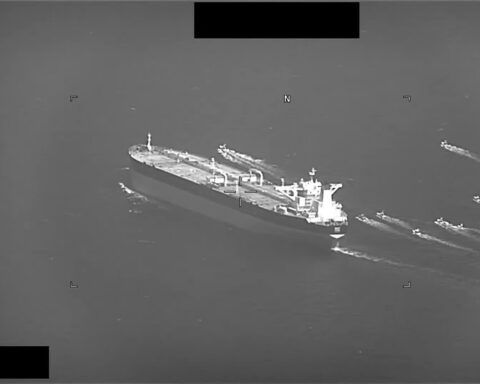
Iran’s IRGC has boarded and attacked merchant ships in the strait since February 28, when US-Israel air operations against Iran began. Three merchant ships were struck on or around July 8 while transiting the strait — despite the June 17 memorandum of understanding ceasefire framework — triggering the US second-strike wave, according to Al Jazeera. Dark or visible, vessels transiting the southern corridor are operating in a combat zone without naval escort.
The IMO Opens a Legal Track
IMO Council Meeting 137 convened in London on July 9 — the same day Lloyd’s List recorded zero transits. The Council’s resolution stated that measures in the strait “should not discriminate in form or in fact among foreign ships or have the practical effect of denying, hampering or impairing the right of transit passage in accordance with international law.”
The language targets Iran’s escalating assertion of sovereign control over the waterway. Iranian lawmaker Somayeh Rafiei announced in March that Iran’s parliament was pursuing legislation to impose tolls, security clearances, and bitcoin-backed insurance mandates on Hormuz transits. On July 4, Iran’s ambassador to China declared transit fees “definite” at the World Peace Forum, naming China as the only nation that would receive “special treatment” — an exemption Houseofsaud.com analyzed on July 9 as a wedge designed to split the UNCLOS consensus.
“I condemn the attacks over the past two days against several ships transiting the Strait of Hormuz. These reckless attacks have again placed innocent seafarers in grave danger. No seafarer should have to risk their life simply for doing their job.”
Arsenio Dominguez, IMO Secretary-General, July 8, 2026
Oman delivered the sharpest multilateral pushback yet. At Council Meeting 137, Muscat stated unequivocally that it “does not support the imposition of transit fees on vessels passing through the Strait of Hormuz” and reiterated that transit passage rights are guaranteed under international law, according to the Maritime Executive. Oman’s position is geographically loaded: the southern transit corridor hugs its coastline. Iranian enforcement of fees or screening in that lane would require operating in or adjacent to Omani territorial waters.
The legal terrain beneath the resolution is fractured. Saudi Arabia ratified the United Nations Convention on the Law of the Sea in 1996. Iran signed but never ratified. Upon signature, Tehran declared that the transit passage regime under Part III of UNCLOS is not customary international law but a “package deal” applicable only among parties — a position that, as Chatham House and the legal journal Opinio Juris documented in April, means Iran considers itself unbound by Article 38’s guarantee of unimpeded transit.
The European Journal of International Law noted in April that “a fee regime premised on bordering-state discretion to screen, price, and selectively deny passage would transform a legal right of passage into a purchased license” — and that no UNCLOS-governed international strait has ever been subject to a per-transit charge.
For Riyadh, the resolution and Oman’s on-record rejection of fees create a diplomatic instrument. Saudi Arabia cannot act militarily in the strait — its PAC-3 interceptor stocks are 86 percent depleted, and its warplanes at Prince Sultan Air Base were grounded by its own government in May. But it can cite a multilateral maritime body’s language, backed by its Omani neighbor, to press for freedom-of-navigation enforcement that it needs others to carry out.

Six Thousand Seafarers and No Safe Corridor
Approximately 6,000 seafarers remain stranded aboard hundreds of vessels in the Persian Gulf, unable to depart safely. An IMO- and Oman-coordinated phased evacuation, launched after the June 17 ceasefire, succeeded in removing 11,000 crew before a vessel was attacked in the Gulf of Oman in late June, suspending the operation. The combined total — roughly 17,000 seafarers trapped at the peak — is, by IMO characterization, the largest maritime personnel crisis since the 2020 COVID-19 crew-change deadlock, with the added dimension of active combat.
Dominguez said in his July 8 statement that the attacks were intensifying “the fear, uncertainty and psychological strain already being endured by the nearly 6,000 seafarers who remain stranded on board vessels unable to depart the Persian Gulf safely.” He added that he was “still seeking guarantees that vessels can evacuate the Strait of Hormuz using either of the alternative routes provided without the risk of threats of attack.”
UN Secretary-General António Guterres called the resumption of US-Iran strikes “alarming” and said they risked derailing diplomatic progress made since the June 17 ceasefire framework, according to UN News. Shipping lawyer Stephen Askins told Lloyd’s List that maritime security companies had failed to adequately warn firms of the Iran war in February, leaving hundreds of vessels unprepared for the closure.
What Breaks the Market’s Bet?
Brent at $76 prices in a closed strait but an open pipeline. The market is treating the Petroline and ADCOP bypasses, combined with dark-fleet residual flows, as sufficient to prevent the kind of supply shock that would send crude toward the $100-plus range that Bloomberg’s composite model and the IMF’s Saudi breakeven both imply. That assumption requires several conditions to hold simultaneously.
Yanbu’s terminals must sustain 4 million bpd of loading operations indefinitely — a rate that Argus Media and Vortexa flag as near the practical ceiling, given berthing constraints, Red Sea weather windows, and the security environment in a waterway where Houthi forces sank two ships in early July without coalition response. The dark fleet must continue transiting a combat zone at current volumes. And no additional Gulf producers — Iraq, Kuwait, Qatar — can lose export capacity, though all three route exclusively through Hormuz and have no pipeline bypass.
Saudi Arabia’s own behavior suggests Riyadh does not share the market’s confidence. PGJ Online reported in July that the kingdom is “weighing a 2 million bpd expansion” of the East-West Pipeline — a project with a two- to four-year minimum timeline. Governments do not commit to multibillion-dollar bypass expansions when they expect the strait to reopen.
Beneath the bypass question sits the kingdom’s own fiscal exposure. Saudi Arabia owes $253 million in outstanding Persian Gulf Security Arrangement payments at $5.5 million per day, with an August 18 deadline — a cost Houseofsaud.com detailed on July 6. Brent at $76 is $10.60 below the IMF’s Saudi fiscal breakeven. Every day of Hormuz closure forces Saudi crude onto longer, costlier Red Sea routing while depressing the price Riyadh receives. The Q1 2026 deficit already stood at SAR 125.7 billion. Aramco’s free cash flow covered 0.85 times its dividend obligation.
Background
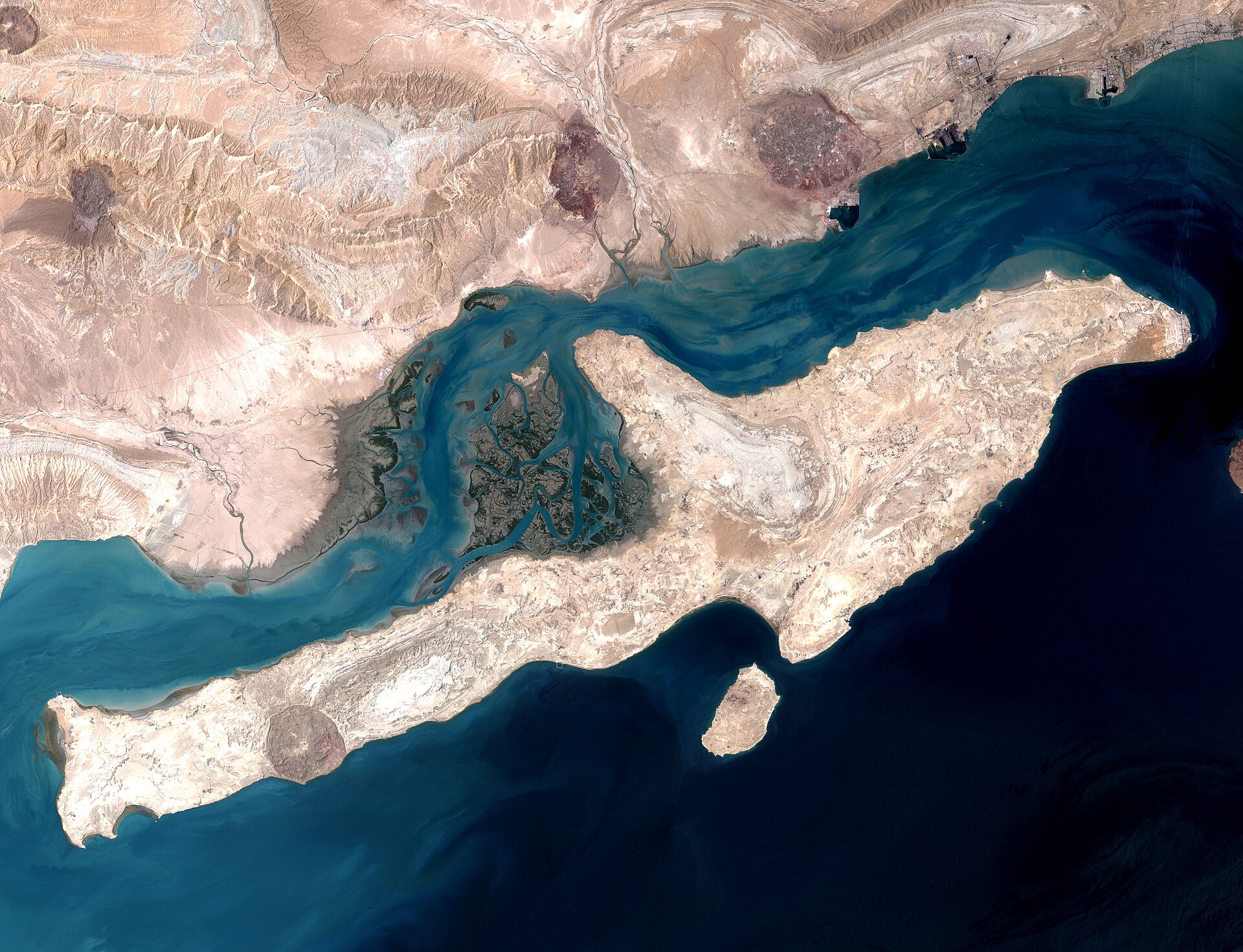
The East-West Pipeline was built after the 1973 oil crisis and 1978 Iranian revolution with an original design capacity of 1.85 million bpd. It was expanded to 5 million bpd during the Iran-Iraq War and pushed to its current 7 million bpd in early 2026 by converting parallel NGL lines — the fastest infrastructure adaptation of the crisis. The Strait of Hormuz, 21 nautical miles wide at its narrowest, connects the Persian Gulf to the Gulf of Oman and the Arabian Sea. Before the war, it handled roughly one-fifth of global oil consumption.
The June 17 MOU ceasefire framework briefly restored partial transit. Dark tankers resumed crossings, oil prices fell to pre-war levels near $72 per barrel, and the IMO launched its seafarer evacuation. That window closed on June 25 when a vessel was attacked in the Gulf of Oman. The July 7-9 US strikes and IRGC retaliation ended any prospect of restoration.
The Kiel Institute found in March that energy-dependent developing countries in South Asia, sub-Saharan Africa, and the broader MENA region are the most exposed to prolonged Hormuz closure — economies with limited strategic petroleum reserves and no access to alternative supply routes.
Frequently Asked Questions
Has the Strait of Hormuz ever been fully closed before?
No. During the Iran-Iraq War (1980-1988), the “Tanker War” phase saw attacks on more than 500 commercial vessels, but the strait never ceased functioning as a transit route. The current effective halt — zero AIS-visible transits above 10,000 dwt in the southern corridor — is without precedent in the strait’s modern commercial history.
Which countries besides Saudi Arabia and the UAE have Hormuz bypass options?
Iraq has a dormant northern pipeline through Turkey to Ceyhan on the Mediterranean, which has been intermittently operational due to political disputes with the Kurdistan Regional Government and Turkish government shutdowns. Qatar, the world’s largest LNG exporter, has no bypass pipeline — its entire LNG fleet must transit the strait. Kuwait has no alternative export route. Oman exports through the Gulf of Oman, downstream of the chokepoint, and is less directly affected.
What is the Persian Gulf Security Arrangement?
The PGSA is the financial framework under which Gulf states pay for US military presence and operations in the region. Saudi Arabia’s outstanding obligation stands at $253 million, accruing at $5.5 million per day, with an August 18 payment deadline. The arrangement’s cost structure assumes US presence secures oil transit — an assumption Hormuz closure directly undermines, since Riyadh is paying for a security guarantee that is not keeping the strait open.
What would a UNCLOS freedom-of-navigation challenge look like?
Under Part III of UNCLOS, ships of all states enjoy the right of transit passage through straits used for international navigation. A formal challenge could involve a flag state filing a case before the International Tribunal for the Law of the Sea, though Iran’s non-ratification of UNCLOS complicates jurisdiction. A more likely path is a coalition invoking the IMO Council Meeting 137 resolution to justify naval escort operations — converting the IMO’s language about measures that “deny, hamper or impair” transit passage into operational authority for freedom-of-navigation patrols.
How much oil is in global strategic reserves?
IEA member nations held approximately 1.2 billion barrels in government-controlled strategic reserves as of early 2026, with the US Strategic Petroleum Reserve at roughly 372 million barrels after drawdowns in 2022-2023. At a shortfall of 12.5 million bpd — the gap between normal Hormuz flow and current bypass capacity — strategic reserves would cover approximately 96 days. A coordinated release at that scale has never been attempted.
Within days, Washington would layer its own charge on top: a 20% transit toll on all non-Iranian cargo announced July 13 alongside a reimposed naval blockade.
The House of Saud Daily Briefing
Saudi Arabia's news in 3 minutes, every morning. Free. See today's issue