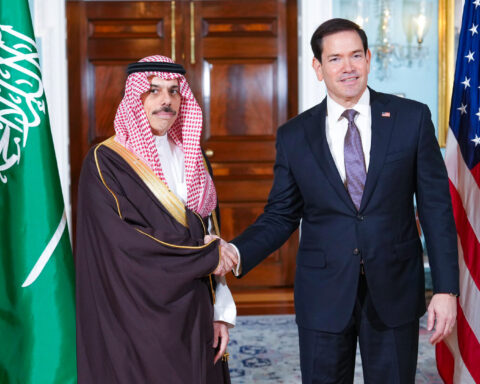
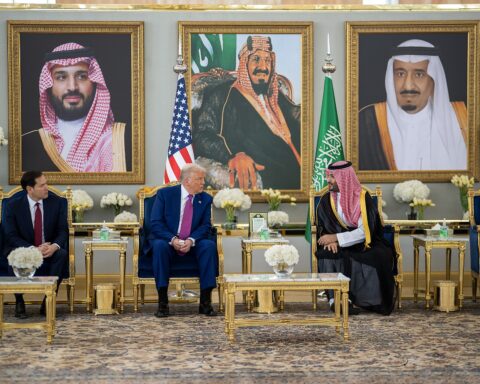
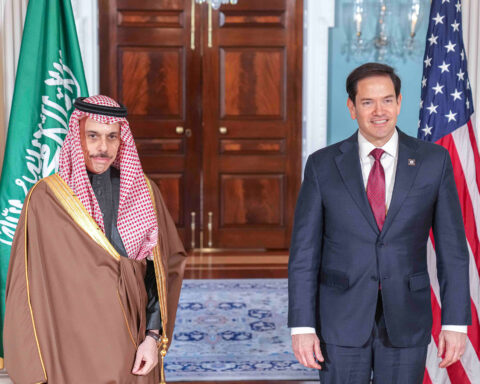
WASHINGTON — Princess Reema bint Bandar met Secretary Rubio on July 10, 2026, and the readout said everything diplomats say when the substance is thin: they “reaffirmed the strength of the US-Saudi relationship and the importance of continued close coordination to promote regional security.” One day before Islamabad hosts the talks that will determine whether the US-Iran MOU survives, Saudi Arabia’s highest-level engagement with Washington was conducted not by its foreign minister but by its ambassador — the diplomatic equivalent of sending a deputy to your own wedding.
The meeting matters less for what it produced than for what it revealed. In January 2026, Rubio sat across from Foreign Minister Prince Faisal bin Farhan. In June, Rubio toured the Gulf — UAE, Kuwait, Bahrain — and Riyadh did not rate a standalone stop; Faisal managed only a sideline bilateral in Bahrain. Now the channel has narrowed further, to ambassador level, and the readout’s insistence on “strength” reads less like a statement of fact than a request for one. Pakistan and Qatar made fresh contacts with both Washington and Tehran on July 10 to halt further military strikes and revive the MOU framework, according to Pakistan Today. Saudi Arabia was not cited as part of those efforts.
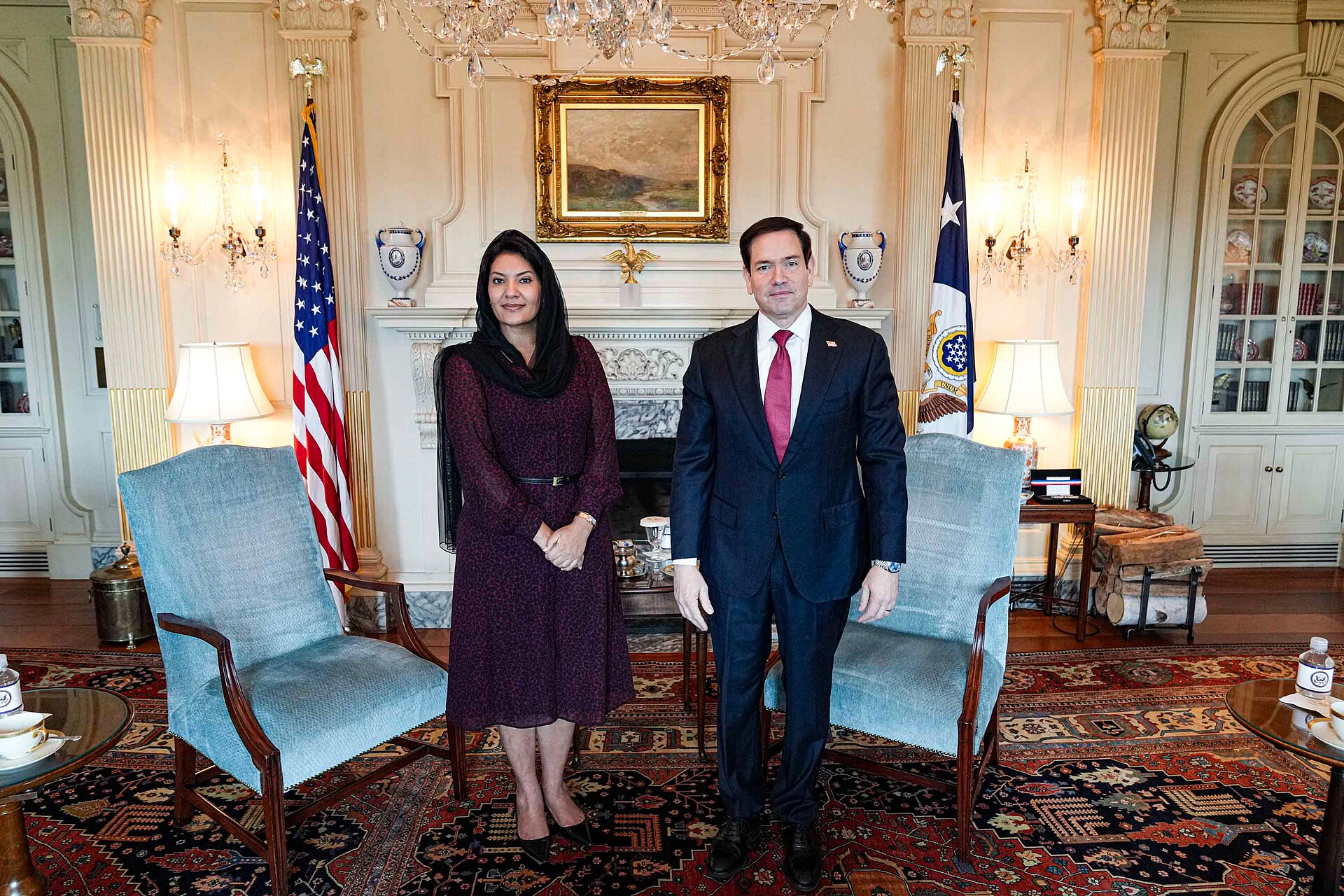
Table of Contents
- What Does Ambassador-Level Contact Signal About the US-Saudi Relationship?
- The Readout and the Reality
- Why Did Rubio Skip Riyadh on His Gulf Tour?
- Who Sits at the Islamabad Table — and Who Does Not?
- How Does Tehran Frame Its Diplomatic Relationship with Riyadh?
- The Canada Comparison
- Can Washington Pull the PAC-3 Lever Again?
- What the Carney Visit Bought — and What It Did Not
- Is the Ambassador Channel a Ceiling or a Floor?
- Frequently Asked Questions
What Does Ambassador-Level Contact Signal About the US-Saudi Relationship?
Ambassador-to-Secretary meetings are standard diplomatic business — a foreign minister-to-Secretary meeting signals strategic alignment, shared decision-making, and mutual priority. The downgrade from FM-level to ambassador-level contact between January and July 2026 reflects a structural narrowing of the channel through which Saudi Arabia can influence American policy on the Iran war, Hormuz, and the broader regional order.
Princess Reema bint Bandar is not a minor figure. Appointed in February 2019, she was the first woman in Saudi history to serve as ambassador to the United States, and her portfolio has included the Abraham Accords normalization track, defense procurement coordination, and the cultivation of congressional relationships that Saudi Arabia spent decades building. Arab News and the Times of Israel described the meeting as “the most senior-level US-Saudi engagement since reports of a major rupture emerged.” That framing is revealing — it positions the meeting as recovery, not routine, and it concedes that there was something to recover from.
The something is well documented. On May 3, 2026, Trump announced Operation Project Freedom on social media without notifying MBS. Saudi Arabia responded by closing Prince Sultan Air Base to US aircraft for four days, grounding 43 American warplanes. Washington retaliated by threatening to withhold PAC-3 and THAAD interceptor deliveries — the munitions Saudi Arabia depends on against Iranian ballistic missiles — until Riyadh reopened access. Riyadh backed down, the base reopened, and the alliance entered a phase best described as transactional cohabitation: too entangled to divorce, too damaged to coordinate.
Princess Reema’s meeting on July 10 is the first visible attempt to repair that damage at a level above routine embassy contact. But the level itself — ambassador, not foreign minister — tells you how far the repair has progressed.
The Middle East briefing 3,000+ readers start their day with.
One email. Every weekday morning. Free.
The Readout and the Reality
Diplomatic readouts are written to communicate not to the public but to the counterpart’s capital, and sometimes the most important audience is the one that issued the readout in the first place. The State Department’s language — “reaffirmed the strength” and “continued close coordination” — is the standard vocabulary of relationships that are neither strong nor closely coordinated. When those qualities actually exist, readouts cite specifics: joint operations, procurement agreements, intelligence-sharing protocols, named bilateral initiatives.
Princess Reema’s own X post after the meeting was equally formulaic: “productive discussions with Secretary Rubio on regional developments and the strong, enduring partnership between the Kingdom of Saudi Arabia and the United States. We look forward to continuing our close cooperation across shared priorities.” The phrase “shared priorities” does real work in that sentence — it implies alignment without naming a single priority on which the two countries currently agree. Saudi Arabia opposed the Iran war, opposed Project Freedom, opposed the unilateral escalation at Hormuz, and has received no guaranteed seat at the negotiating table that will determine whether the war ends or deepens. The “shared priorities” are a diplomatic hypothesis, not an inventory.
Compare this to the Rubio-Faisal meeting in January 2026, which produced specific deliverables on defense timelines and regional sequencing. Compare it to the June 25 GCC meeting in Bahrain, where — even in the degraded post-rupture environment — Faisal pressed Rubio directly on gaps in the MOU framework, including the $300 billion Iran reconstruction fund. At that meeting, Faisal told the Washington Times that “Riyadh had no information about the $300 billion reconstruction fund and refused to say if his country would commit to contributing.” That is the language of a foreign minister with enough standing to register dissent on the record. The July 10 ambassador-level readout contains no comparable assertion — no demand, no dissent, no specificity.
Why Did Rubio Skip Riyadh on His Gulf Tour?
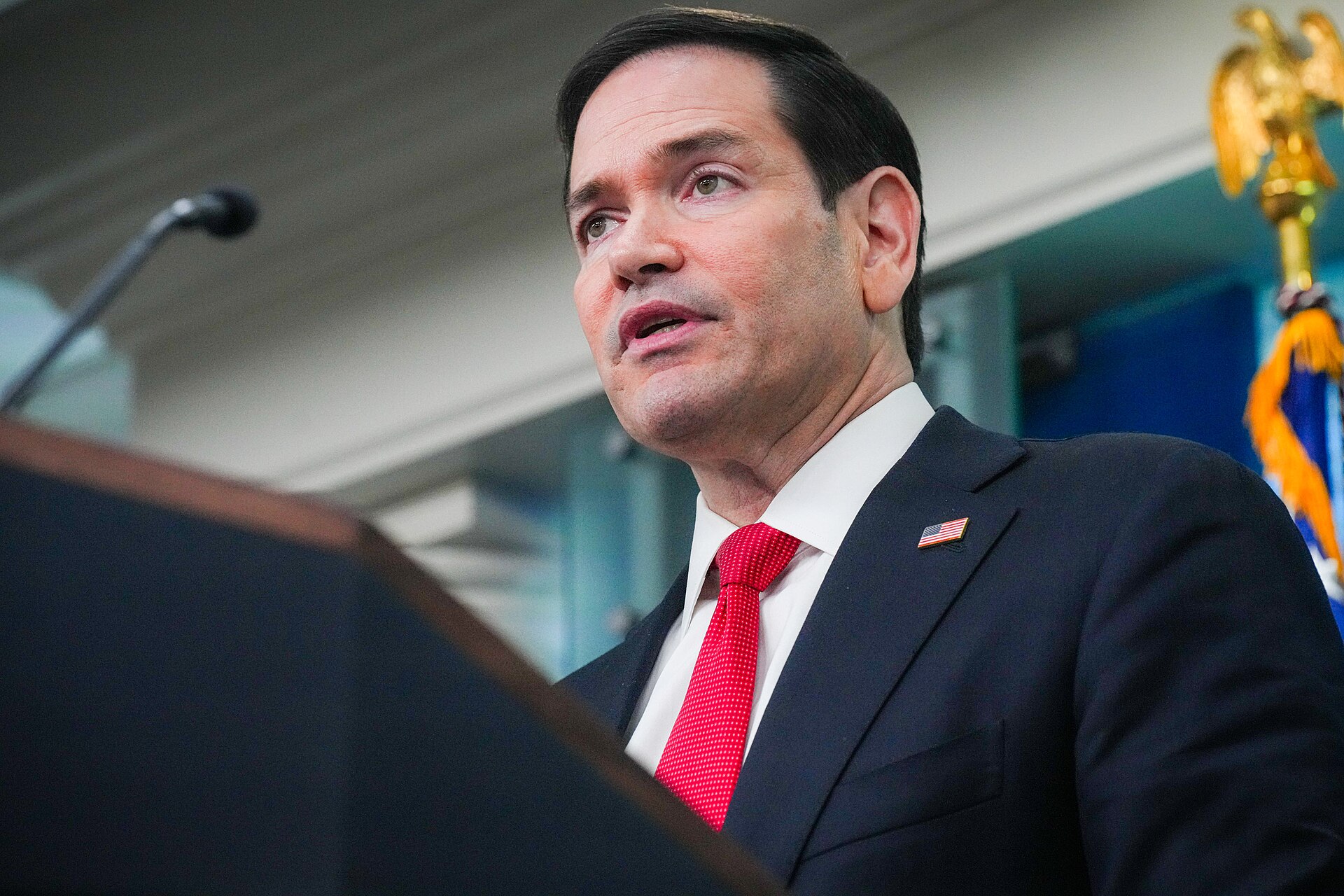
Secretary Rubio’s June 23-25 Gulf tour included standalone bilateral visits to the UAE, Kuwait, and Bahrain. Saudi Arabia — the largest US military partner in the Gulf, host to approximately 2,300 American troops at Prince Sultan Air Base, and the region’s largest oil exporter — was not a standalone stop. Rubio held a brief bilateral with FM Faisal on the sidelines of a GCC meeting in Bahrain, according to State Department travel records and the Eastern Herald. The sideline format meant Faisal was one of several Gulf foreign ministers Rubio met that day, not the principal interlocutor.
The omission was not logistical. Riyadh is closer to Bahrain than Abu Dhabi is, and the Secretary’s schedule included enough flexibility for a Kuwait stop that produced no publicly announced deliverables. The decision to skip Riyadh was a signal — one that post-rupture reporting from the Times of Israel and Israel Hayom confirmed when they reported that US officials had begun “examining options to reduce American military presence in Saudi Arabia and redistribute forces to countries viewed as more supportive,” naming Israel and Jordan as the primary beneficiaries of any redistribution.
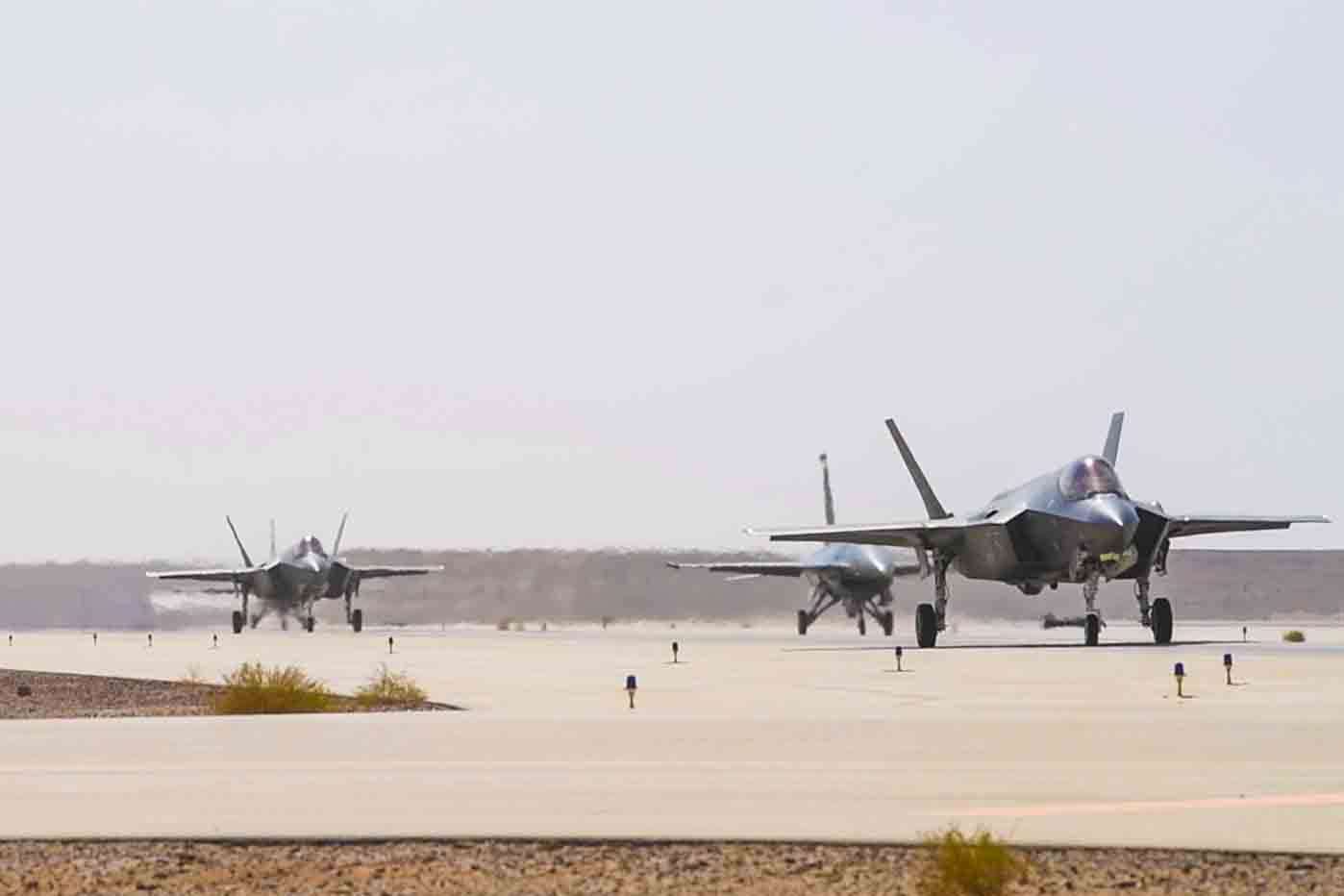
The punitive drawdown discussion is not hypothetical. Prince Sultan Air Base hosts the Combined Air Operations Center backup capabilities, approximately 2,300 US troops, and the maintenance infrastructure for Saudi Arabia’s PAC-3 Patriot systems. The base also housed an E-3G Sentry AWACS aircraft until it was destroyed on March 27. Saudi Arabia’s May decision to ground the 43 American warplanes — detailed above — demonstrated that Riyadh views the base as a leverage point, a hosting privilege that can be revoked. Washington’s response demonstrated that it views Saudi Arabia’s air defense dependency as the counter-lever.
Princess Reema’s July 10 meeting exists within this framework: a structured attempt to re-establish diplomatic contact at a level that does not require either side to concede the leverage argument that Project Freedom opened. The ambassador channel lets both governments point to engagement without addressing the underlying fracture — Washington does not have to explain why it skipped Riyadh, and Riyadh does not have to explain why it grounded American jets.
Who Sits at the Islamabad Table — and Who Does Not?
The Islamabad talks scheduled for July 11 will determine whether the US-Iran MOU signed June 17, 2026 survives its first structural crisis. Trump declared the MOU “over” on July 8 — Day 22 of a 60-day framework — after Iran struck US bases in four countries within twenty-four hours. Pakistan and Qatar, the designated co-mediators, made fresh contacts with both Washington and Tehran on July 10 to halt further strikes and return to the MOU framework, according to Pakistan Today and Axar.az. Saudi Arabia was not cited as part of those contacts.
The exclusion is structural, not episodic. Saudi Arabia is not a signatory to the MOU, not a designated mediator, and not an observer. Its only access to the Islamabad process is informational: Foreign Minister Faisal receives post-round phone briefings from Pakistani FM Ishaq Dar. This is not coordination — it is notification after the fact, delivered through a Pakistani channel that Pakistan controls. The distinction matters because Iran’s deliberate decision to split the negotiating tracks between Doha (commercial and sanctions) and Islamabad (nuclear and security) guaranteed that Saudi Arabia would have access to neither.
Princess Reema’s meeting with Rubio occurred less than twenty-four hours before the Islamabad round. The timing suggests that part of the meeting’s purpose was to extract whatever advance briefing the ambassador could secure on American intentions for the talks — intentions that Riyadh cannot influence from inside the room because it has no seat in the room. Pakistan’s Army Chief Asim Munir, who co-signed the MOU and attended Khamenei’s funeral in Tehran, carries dual-credentialed access that no Saudi official possesses: IRGC-adjacent relationships from his 2016-17 intelligence tenure and signatory authority from the June 17 framework.
| Country | Role | Access Level | Representative |
|---|---|---|---|
| United States | Signatory | Full — principal negotiator | TBD (State/NSC level) |
| Iran | Signatory | Full — principal negotiator | Expected: Jalili |
| Pakistan | Co-mediator | Full — table access, drafting | PM Sharif / FM Dar / Army Chief Munir |
| Qatar | Co-mediator | Full — table access, drafting | PM / FM level |
| Saudi Arabia | None | Post-round phone briefings from Pakistani FM | FM Faisal (recipient, not participant) |
The table is uncomfortable because it is simple. Saudi Arabia — the country most exposed to whatever Islamabad produces on Hormuz fees, nuclear thresholds, and the Persian Gulf Security Arrangement — has less structural access to the talks than Qatar, a country with roughly one-twelfth its population and no direct military exposure to Iranian missiles.
How Does Tehran Frame Its Diplomatic Relationship with Riyadh?
The Iranian Ministry of Foreign Affairs publishes readouts of every call between FM Abbas Araghchi and Saudi FM Faisal, and the framing is consistent: Iran positions itself as the diplomatic initiator, reaching out to “review the latest developments in negotiations between Tehran and Washington,” with Saudi Arabia cast as the reactive recipient of information rather than a shaper of outcomes. The language is deliberate — Tehran wants the record to show that it briefs Riyadh on diplomacy rather than consulting Riyadh about it.
This framing serves Iranian interests regardless of whether it reflects the private reality of the calls. If Faisal is genuinely being briefed rather than consulted, the readouts document Saudi Arabia’s informational dependency on a country it severed ties with for seven years. If the calls are more reciprocal than the readouts suggest, Iran’s one-sided publication still shapes the perception of other regional actors — particularly Oman, which is actively positioning itself as a Hormuz co-architect alongside Tehran, and Pakistan, which is calibrating how much access to extend to Riyadh in the Islamabad format.
PressTV, Iran’s English-language state broadcaster, went further on July 2, framing the US-Saudi rupture as the result of “US failure in war on Iran” and reporting that MBS had “lost confidence” in Trump. The framing cast Project Freedom’s failure not as Saudi weakness but as alliance collapse — a narrative that serves Iranian interests by widening the perceived gap between Washington and Riyadh. When Iran’s state media works to convince its audience that Saudi Arabia and America are estranged, it is telling Saudi Arabia’s adversaries that Riyadh is diplomatically isolated — and the structural facts of July 10 (ambassador-level contact, Islamabad exclusion, post-round phone briefings) do not contradict that framing as forcefully as Riyadh needs them to.
“Productive discussions with Secretary Rubio on regional developments and the strong, enduring partnership between the Kingdom of Saudi Arabia and the United States. We look forward to continuing our close cooperation across shared priorities.”
— Princess Reema bint Bandar, Saudi Ambassador to the US, X post, July 10, 2026
The ambassador’s post reads differently when you know that Iran’s MFA published three readouts of Araghchi-Faisal calls in May and June 2026 — each one framing Tehran as the party with information to share and Riyadh as the party waiting to receive it. “Strong, enduring partnership” is an assertion about the past. “Shared priorities” is a hope about the future. Neither addresses the present, where Saudi Arabia’s diplomatic access to the war that threatens its economy, its energy infrastructure, and its air defense is narrowing at every level.
The Canada Comparison
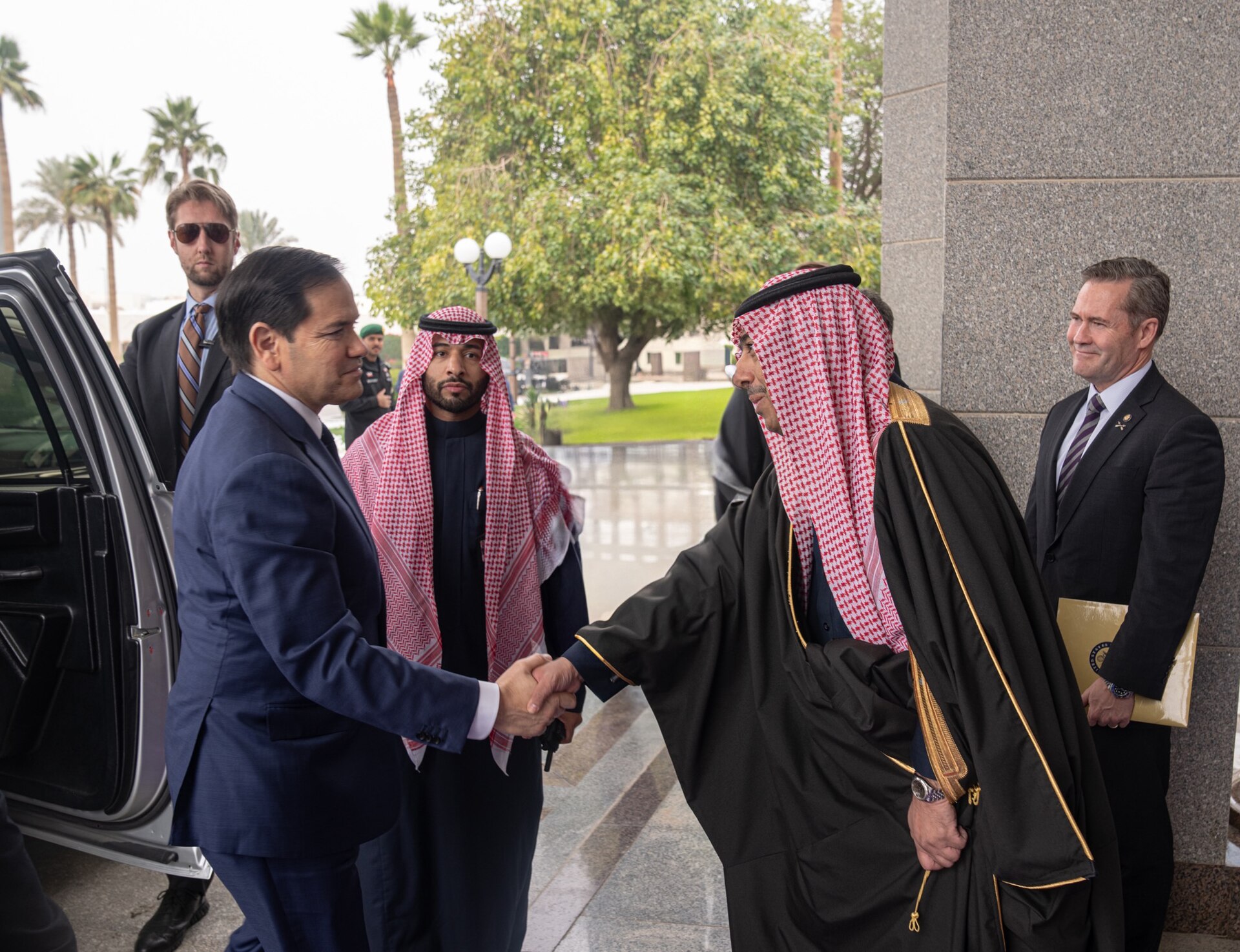
On July 9 — one day before Princess Reema met Rubio in Washington — MBS hosted Canadian Prime Minister Mark Carney in Jeddah for the first Canadian PM visit to Saudi Arabia in twenty-six years. The visit produced thirteen MOUs worth over $1 billion, and one of those agreements established a foreign-minister-level Canada-Saudi Arabia Coordination Council, according to the Canadian PM’s Office. The structural contrast is pointed: Canada just elevated its Saudi diplomatic channel to ministerial level, while the United States engaged Saudi Arabia at ambassador level.
The Carney visit signals where MBS sees diplomatic space opening even as it closes with Washington. The joint statement “strongly condemned Iranian attacks on commercial vessels in the Strait of Hormuz on July 7, 2026” and described them as “a serious violation of international law and norms” and “an attack on the security and safety of international navigation and on the security of global energy supplies.” This is the strongest condemnation of Iranian Hormuz activity that Saudi Arabia has secured from any G7 leader since the strait crisis began — and it came from Ottawa, not Washington.
The Canada channel also offers something the US channel currently does not: a relationship where Saudi Arabia is the more powerful partner. Canada needs Saudi energy diversification, defense export markets, and sovereign wealth investment. Saudi Arabia needs Canadian mining technology, agricultural partnerships, and a G7 voice willing to condemn Iran at Hormuz without attaching conditions about MOU participation or base access. The thirteen MOUs are commercial, but the Coordination Council is diplomatic architecture — a permanent ministerial-level channel that gives Saudi Arabia a G7 interlocutor whose engagement is not contingent on the kind of leverage dynamics that have poisoned the Washington relationship since May.
None of this compensates for exclusion from Islamabad. Canada has no seat at the Iran talks, no role in the MOU framework, and no military presence in the Gulf. A foreign-minister-level Canada-Saudi council does not replace a foreign-minister-level US-Saudi channel on the questions that will determine whether the PGSA’s $253 million outstanding charge becomes a permanent extraction mechanism or a negotiating artifact. But the Carney visit demonstrates that MBS is building parallel diplomatic infrastructure precisely because the primary channel — Washington — has narrowed to the ambassador level.
Can Washington Pull the PAC-3 Lever Again?
Saudi Arabia’s air defense stockpile stands at approximately 400 PAC-3 interceptors from a pre-war inventory of roughly 2,800 — an 86% depletion rate that makes resupply the single most consequential variable in the US-Saudi relationship. The $9.4 billion PAC-3 MSE sale approved by the Defense Security Cooperation Agency on January 30, 2026 will not deliver interceptors until 2028 at the earliest, according to DSCA procurement timelines. Between now and then, Saudi Arabia depends entirely on existing US maintenance contracts and the goodwill of an administration that demonstrated in May its willingness to weaponize that dependency.
The PAC-3 coercion mechanism works because it is structural, not rhetorical. During the Project Freedom crisis, Washington did not threaten to withdraw troops or cancel the alliance — it threatened to withhold the specific munitions Saudi Arabia cannot manufacture domestically and cannot source from any other supplier on the required timeline. The M-SAM-II systems that South Korea has discussed with Gulf clients cannot fill the altitude gap against Zolfaghar terminal-phase trajectories, and no European alternative exists at the required scale. Saudi Arabia’s air defense is an American monopoly, and the war MBS did not want has consumed 86% of the inventory that monopoly is supposed to replenish.
Princess Reema’s meeting with Rubio almost certainly included discussion of interceptor resupply timelines — the topic is too urgent and too bilateral to omit from any senior US-Saudi engagement, regardless of the level. But the readout’s silence on defense specifics suggests either that no progress was made or that any progress was too preliminary to announce. The PGSA’s $5.5 million per day surcharge, set to activate on August 18 if the $253 million outstanding balance remains unpaid, adds a financial dimension to the air defense calculus: Saudi Arabia is simultaneously running out of the interceptors it needs and accumulating charges for the maritime security it cannot provide for itself.
What the Carney Visit Bought — and What It Did Not
The Carney-MBS joint statement on July 9 was the most operationally specific condemnation of Iranian Hormuz activity that Saudi Arabia has secured from a Western head of government. Both sides “strongly condemned Iranian attacks on commercial vessels in the Strait of Hormuz on July 7, 2026” — naming the date, the location, and the actor — and described them as “a serious violation of international law and norms.” The language matters because the IMO Council Meeting 137 in London on July 9, according to Bloomberg and the Maritime Executive, produced a weaker formulation: it barred measures that “deny, hamper or impair right of transit passage” but stopped short of condemning Iran by name, with Oman actively opposing mandatory transit fees while remaining open to voluntary navigational support arrangements modeled on Malacca and Singapore.
What the Carney condemnation did not buy is structural access to the mechanisms that will determine Hormuz’s future. The IMO Council vote, the PGSA framework, the Islamabad talks, and the MOU enforcement architecture all proceed without Canadian participation. Saudi FM Faisal’s bilateral with Omani FM Badr bin Hamad Al Busaidi in Muscat on July 8, according to Arab News and SPA, covered Hormuz maritime security and de-escalation — but Oman’s role as Iran’s quiet co-architect on the transit fee framework means that Saudi-Omani coordination is itself a managed channel, not a decision-making one. Oman shares Saudi Arabia’s interest in keeping Hormuz open but not its interest in excluding Iran from the fee structure, because Oman stands to benefit from any voluntary arrangement that routes navigational services through its territorial waters.
The pattern of exclusion is consistent across every multilateral format that matters, and the Carney visit has not changed any of them.
Is the Ambassador Channel a Ceiling or a Floor?
The question Saudi Arabia faces after July 10 is whether the ambassador-level channel represents the new equilibrium of the US-Saudi relationship or a staging point for recovery toward the FM-level and head-of-state-level engagement that defined the pre-rupture period. The structural evidence points toward ceiling rather than floor, for three reasons that compound rather than merely accumulate.
The first is that the conditions that caused the rupture have not been resolved. Operation Project Freedom remains US policy — Saudi Arabia objected to the war and lost. The PAC-3 coercion precedent established in May has not been formally renounced or bounded by any agreement, leaving Washington free to threaten interceptor withholding at any future point of friction. The approximately 2,300 US troops at Prince Sultan Air Base remain in an ambiguous status, with active Pentagon discussion of redistribution to Israel and Jordan, according to the Times of Israel and Israel Hayom. None of these conditions require an ambassador-level meeting to monitor — they require a head-of-state or FM-level meeting to renegotiate. Seven days after Reema’s ambassador-level ceiling, Khalid bin Salman — Saudi Defense Minister and the channel above it — flew to Washington for the July 17 Hegseth–Khalid Pentagon meeting, the first defense-principal contact since the alliance fracture. The July 10 meeting did not produce any publicly announced framework for renegotiation.
The second reason is that Saudi Arabia’s alternatives are insufficient to generate the leverage that would force Washington to re-elevate the channel. The Carney visit produced commercial MOUs and a useful condemnation, but Canada cannot replace the United States as Saudi Arabia’s security guarantor, interceptor supplier, or diplomatic sponsor in the formats that matter. The 2023 Beijing-brokered rapprochement with Iran established a channel that Saudi Arabia has been careful to preserve — when Riyadh expelled five Iranian diplomats in March 2026, it explicitly maintained Ambassador Enayati’s status — but the China channel has not translated into Chinese willingness to pressure Iran on Hormuz fees, where Beijing secured a “friendly-nation” exemption for itself. The Oman channel coordinates but does not decide. The Pakistan channel informs but does not include.
| Channel | Contact Level | Function | Can Shape Iran-Track Outcomes? |
|---|---|---|---|
| United States | Ambassador-to-Secretary (down from FM-to-Secretary) | Relationship maintenance, interceptor discussion | No direct access to Islamabad format |
| Canada | Head of state + new FM-level Coordination Council | G7 condemnation, commercial MOUs ($1B+) | No role in MOU/Islamabad/PGSA |
| Pakistan | FM-to-FM phone briefings | Post-round notification | Informational only — Pakistan controls access |
| Oman | FM-to-FM bilateral | Hormuz coordination, de-escalation | Oman is Iran’s Hormuz co-architect |
| Iran (direct) | FM-to-FM calls | Information exchange — Iran frames as one-way | Iran controls framing and initiative |
| China | Sub-FM (preserved via Enayati channel) | Trilateral framework continuity | China secured own exemption, not Saudi access |
The third reason is that the MOU’s 60-day clock is running, and its expiration or survival will be decided before Saudi Arabia can rebuild the diplomatic architecture it needs to influence the outcome. Day 23 of 60 was July 10 — the day of Princess Reema’s meeting. If Islamabad produces a framework extension on July 11, Saudi Arabia will have 37 days to convert an ambassador-level channel into FM-level or head-of-state-level access before the MOU’s terms are finalized. If Islamabad fails and the MOU collapses, Saudi Arabia will face the consequences — continued Hormuz disruption, PGSA charges, Iranian escalation — without having participated in any decision that produced them.
The ambassador channel is almost certainly a ceiling unless one of two things changes: either Washington needs something from Riyadh that only a head-of-state concession can deliver (oil production increases, base access guarantees, normalization with Israel), or the regional situation deteriorates so severely that excluding Saudi Arabia from the negotiating architecture becomes operationally untenable. Neither condition is currently met. Washington is redistributing forces away from Saudi Arabia, not toward it. The Islamabad format functions without Saudi participation, and Pakistan and Qatar have shown no inclination to expand the mediator roster.
Princess Reema bint Bandar is a skilled diplomat operating within constraints that no amount of skill can overcome. The ambassador channel is open, the readouts are warm, and the structural facts are cold. Saudi Arabia’s war exposure is increasing, its interceptor stockpile is depleting, its diplomatic access is narrowing, and the meeting that was supposed to signal recovery instead measured the distance between the relationship Riyadh claims and the relationship Washington is willing to provide.
“Riyadh had no information about the $300 billion reconstruction fund and refused to say if his country would commit to contributing.”
— Saudi FM Prince Faisal bin Farhan, GCC meeting, Bahrain, June 25, 2026 (Washington Times)
That was Faisal — a foreign minister, on the record, registering dissent. The July 10 readout registered nothing. The gap between those two moments is the gap between a relationship that can absorb friction and one that has been reduced to the management of appearances. Saudi Arabia is not being consulted on the decisions that will shape its security for the next decade, and the ambassador channel — however professionally Princess Reema conducts it — is the instrument through which that exclusion is administered.
Frequently Asked Questions
Has Princess Reema bint Bandar met with senior US officials before the July 10 meeting?
Princess Reema has maintained active engagement with US officials throughout her tenure since February 2019, including regular contact with congressional leaders, Pentagon procurement officials, and National Security Council staff. Her pre-war access was substantially broader than the July 10 format suggests — she participated in Abraham Accords normalization discussions and defense procurement coordination at levels that included direct White House engagement. The shift to a Secretary-level meeting framed as recovery reflects institutional narrowing, not a lack of prior access.
Could Saudi Arabia join the Islamabad mediation format if it requested access?
The MOU framework signed June 17 designates Pakistan and Qatar as co-mediators, and expanding the mediator roster requires consent from all signatories — including Iran. Tehran has consistently opposed Saudi inclusion in any format that would give Riyadh structural influence over the nuclear track, and Pakistan has shown no willingness to force the issue against Iranian objections. Saudi Arabia’s most realistic path to influence remains the Pakistan FM-to-FM briefing channel and whatever advance intelligence the ambassador channel with Washington can extract, neither of which constitutes formal participation rights.
What is the Persian Gulf Security Arrangement (PGSA) and why does it matter for Saudi Arabia?
The PGSA is a proposed multilateral maritime security framework for the Persian Gulf that carries a $253 million outstanding charge and a $5.5 million per day surcharge set to activate on August 18, 2026. For Saudi Arabia, the PGSA represents a potential institutionalization of Iran’s Hormuz leverage — if the arrangement creates a permanent fee structure or transit management authority, it would formalize costs that Saudi Arabia currently bears as temporary crisis measures. Saudi Arabia’s exclusion from both the Islamabad talks and the IMO Council deliberations means the PGSA’s terms may be set without Riyadh’s input on the framework that will govern the waterway through which its oil exports must pass.
Why did Saudi Arabia preserve Iran’s Ambassador Enayati when it expelled five other diplomats in March 2026?
The decision to expel five Iranian diplomats while explicitly preserving Ambassador Enayati’s status reflected a calculated distinction between punitive signaling and channel preservation. Saudi Arabia spent seven years without formal diplomatic relations with Iran (2016-2023) before the Beijing-brokered rapprochement, and the cost of that rupture — loss of direct intelligence, inability to de-escalate crises, dependence on third-party intermediaries — informed the March 2026 calibration. By keeping Enayati, Riyadh maintained the minimum viable diplomatic infrastructure with Tehran even while signaling displeasure, a posture consistent with the broader pattern of Saudi Arabia accumulating channels it cannot convert into influence.
How does Saudi Arabia’s current diplomatic position compare to its standing during the 2019 Aramco attacks?
After the September 2019 Abqaiq-Khurais drone strikes, Saudi Arabia retained FM-to-Secretary access, head-of-state-level communication with Washington, and no competing multilateral negotiation framework that excluded it. The 2019 crisis was severe but bilateral — the US-Saudi defense relationship remained the primary framework for response. By contrast, the 2026 situation involves a multilateral MOU that Saudi Arabia did not sign, designated mediators (Pakistan and Qatar) that Saudi Arabia does not control, an ambassador-level US channel (down from FM level), and 86% PAC-3 depletion versus a full stockpile in 2019. The structural deterioration is not cyclical but cumulative, with each crisis since 2019 removing a layer of access that has not been rebuilt.
MBS moved to close the head-of-state gap the following morning: on July 11, 2026, he called Trump directly — the first leader-to-leader contact between Riyadh and Washington since the war re-escalated — and affirmed Saudi Arabia’s position on maritime navigation in a single engineered sentence that reads differently in Washington, Tehran, and the Gulf capitals. MBS Told Trump What Riyadh Would Allow in the Gulf — In One Sentence examines the three simultaneous readings the SPA readout was designed to sustain. The channel upgrade itself — from ambassador to crown prince in under twenty-four hours — is covered in MBS Called Trump as Islamabad Talks Started Without Riyadh.
The ambassador-channel demotion Reema’s meeting represents is inseparable from a broader structural shift: Saudi Arabia’s diplomatic isolation from both the Iran talks and the UAE’s operational military axis has produced two Gulf powers that no longer occupy the same conflict. That divergence is examined in full in The UAE and Saudi Arabia Are No Longer the Same War. The deeper structural problem — that Saudi Arabia runs a direct back-channel with Iran through European intermediaries while holding no seat at the formal table — is examined in who signs for Iran in the Saudi back-channel. Pakistan’s guarantor role in the Islamabad framework — and what it cost Saudi Arabia in negotiating architecture — is examined in Pakistan Holds the Guarantee Saudi Arabia Cannot Buy.
The ambassador-level ceiling held for less than twenty-four hours. By the following morning, Riyadh had restored all three diplomatic channels — including FM-level contact with Rubio and a royal-channel call from MBS to Trump — and still held no seat at Islamabad’s nuclear agenda. That sprint is examined in Faisal Got the Call — Riyadh Did Not Get the Seat.
Two weeks after Reema’s Washington meeting, Faisal obtained a face-to-face with Rubio at the GCC-US ministerial in Bahrain on June 25 — but as one of six GCC foreign ministers attending a multilateral, not as the destination of a bilateral visit.