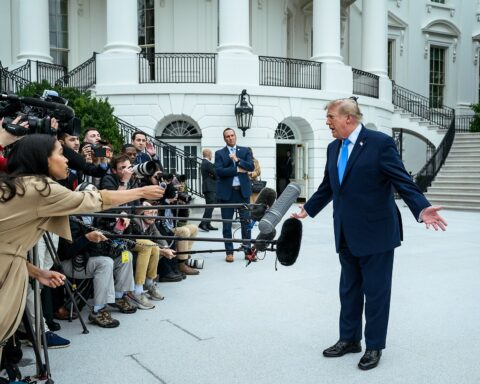
WASHINGTON — President Donald Trump privately assured Israeli Prime Minister Benjamin Netanyahu that a final Iran deal will require full dismantlement of Iran’s nuclear program and removal of all enriched uranium from Iranian territory, a senior Israeli official confirmed to the Times of Israel on May 31, 2026. The same day, Trump requested edits to a Memorandum of Understanding with Tehran that contains none of those terms — seeking, according to Axios, “more specifics about how the U.S. gets the material and the timing” for enriched uranium Iran has categorically refused to surrender.
The MOU draft, described by US officials as approximately 95 percent complete, commits Iran to “never pursue nuclear weapons” but defers the fate of its enriched uranium stockpile — 2,000 kilograms across all enrichment levels, including 440 kilograms at near-weapons grade — to a subsequent 60-day negotiation window. Iran’s Foreign Minister Abbas Araghchi has said that uranium “will under no circumstances be transferred anywhere.” What Trump told Netanyahu and what Trump is negotiating with Iran describe two different deals.
Table of Contents
What Did Trump Promise Netanyahu?
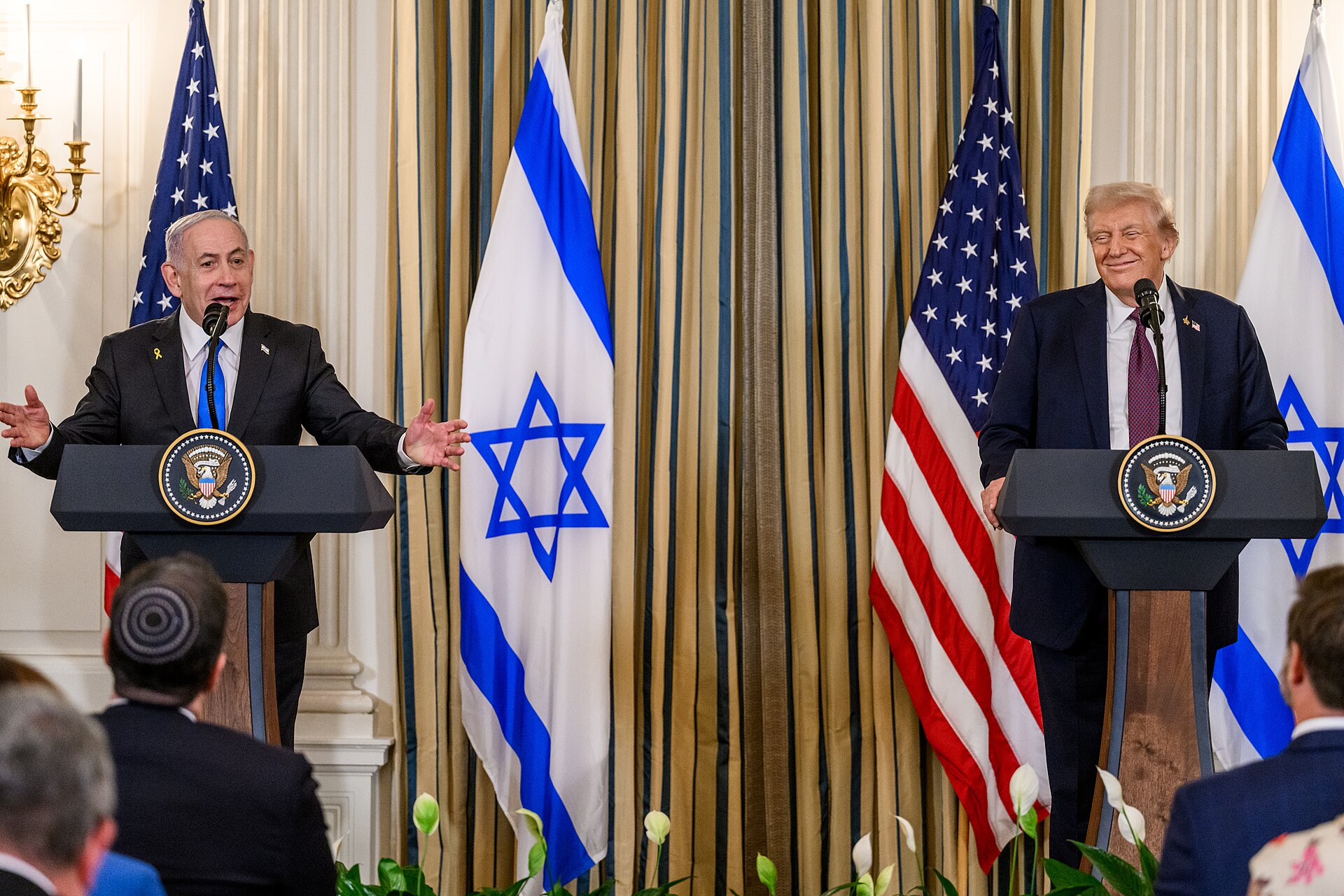
The assurance was specific. A senior Israeli official told the Times of Israel that Trump communicated directly to Netanyahu that he “will not sign a final agreement” unless Iran’s nuclear program is fully dismantled and all enriched uranium is physically removed from Iranian soil. Netanyahu has made the same demand publicly. “Any final agreement with Iran must eliminate the nuclear danger,” he said, defining that as “dismantling Iran’s nuclear enrichment sites and removing its enriched nuclear material from its territory,” according to The Hill.
Israel was kept updated on negotiations over the Hormuz MOU throughout the spring, but the private assurance goes beyond what is written in that draft. A senior Israeli official expressed the core fear to the Times of Israel: that if the MOU amounts to “only a statement of intentions rather than actual uranium removal, the Iranians could play the Americans and ultimately not remove the uranium.”
“Any final agreement with Iran must eliminate the nuclear danger — dismantling Iran’s nuclear enrichment sites and removing its enriched nuclear material from its territory.”
— Benjamin Netanyahu, Prime Minister of Israel (The Hill)
The HOS Daily BriefThe Middle East briefing 3,000+ readers start their day with.
One email. Every weekday morning. Free.
The concern is grounded in sequence. The MOU is a 60-day framework covering Hormuz reopening and ceasefire extension, with nuclear issues slated for a separate 60-day track afterward, according to Axios reporting from May 24. Trump is promising Israel an outcome in Phase 2 before Phase 2 has begun — and before Iran has agreed to any of the terms he described to Netanyahu.
What Does the MOU Actually Say?
The current draft commits Iran to “never pursue nuclear weapons” and to negotiate over a suspension of enrichment and removal of highly enriched uranium — but “how that would be done remains under discussion,” CNN reported on May 28. Nuclear removal is not a term of the MOU. It is a topic for the MOU’s successor.
Trump is now personally intervening in the document’s language. A senior US administration official told Axios on May 31 that the president wants “more specifics about how the U.S. gets the material and the timing” — edits that pull nuclear disposal language forward into a framework designed to defer it. The official estimated Iran would take approximately three days to respond to the requested changes.
The administration has described its sequencing baseline as “No dust, no dollars” — a White House formulation, reported by CNN on May 26, meaning Iran’s enriched uranium must be disposed of before any sanctions relief begins. Trump offered Iran two options: transfer to the United States or destruction “at another acceptable location” under international supervision. He has separately ruled out Russia and China as third-party custodians, according to CNBC reporting from May 27 — eliminating the only transfer destinations Iran has historically been willing to consider.
Vice President JD Vance acknowledged the unresolved gap on CBS. “There are a couple of issues on the nuclear stuff, the highly enriched stockpile, and also the question of enrichment,” he said, describing the process as “going back and forth on a couple of language points.” On Day 93 of the conflict, Washington has become the MOU’s primary signing bottleneck — not Iran.
Iran’s Position: No Transfer, No Exit
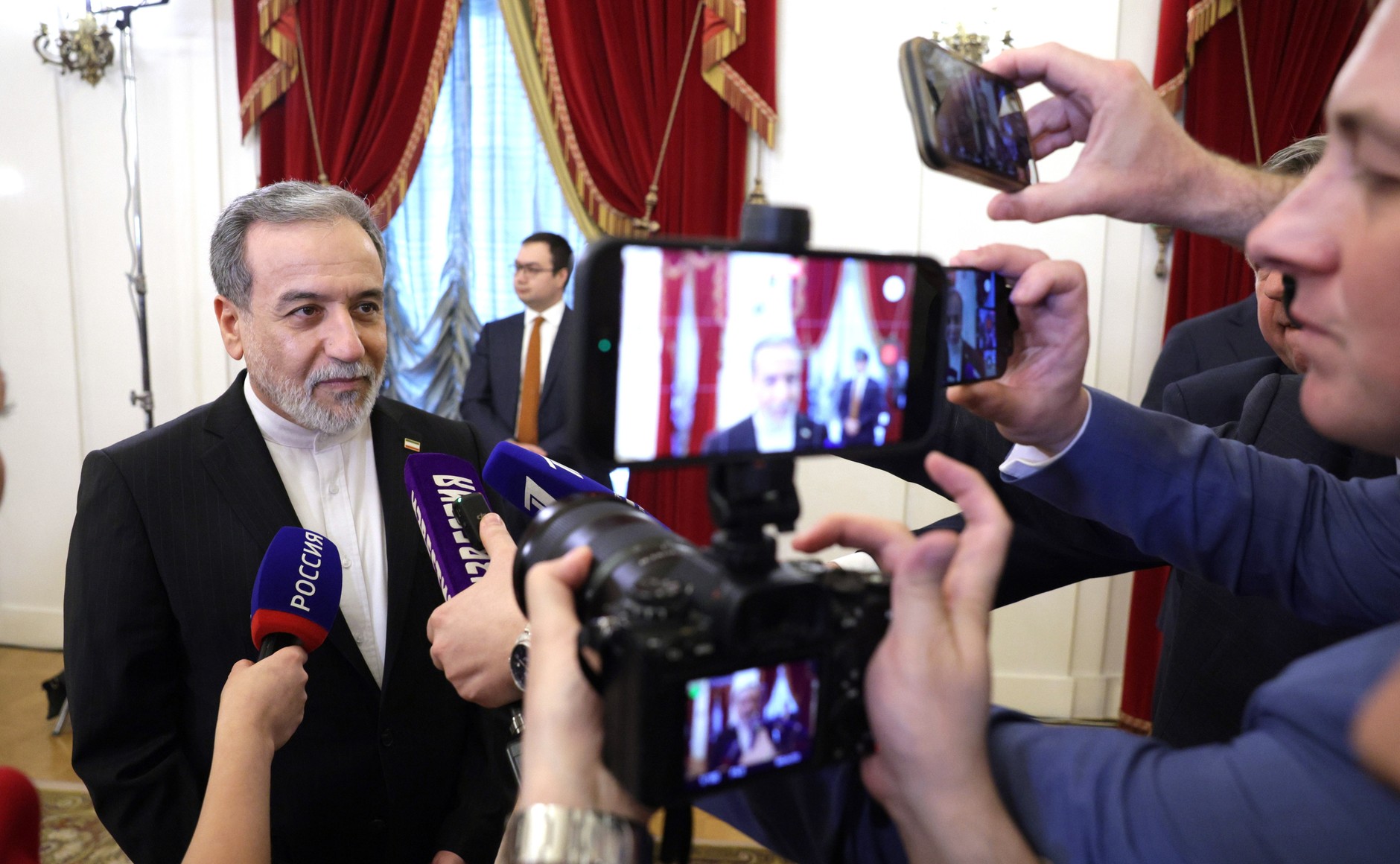
Iran’s position on physical transfer is categorical. Supreme Leader Khamenei issued a directive that Iran’s enriched uranium must not be sent abroad, Iran International reported on May 11. Foreign Minister Araghchi confirmed the policy in May: “Currently, trust is the most important issue. We cannot trust the Americans at all,” he told PressTV. Uranium, he said, “will under no circumstances be transferred anywhere.”
Araghchi has been equally direct on enrichment itself. “Zero enrichment can never be accepted by us,” he told The National in February 2026. “Hence, we need to focus on discussions that accept enrichment inside Iran while building trust that enrichment is and will stay for peaceful purposes.”
“Zero enrichment can never be accepted by us. Hence, we need to focus on discussions that accept enrichment inside Iran while building trust that enrichment is and will stay for peaceful purposes.”
— Abbas Araghchi, Iranian Foreign Minister (The National, February 2026)
What Iran has offered is dilution, not removal. Tehran is prepared to downblend its 60-percent-enriched stockpile to 3.7 and 20 percent within Iran, according to Iran International — keeping the material on Iranian soil, under Iranian custody, at lower enrichment levels. The US has not accepted this.
Araghchi told PressTV in May that Iran and the US have “almost reached an impasse” over uranium enrichment, which he described as “very complicated” and “not on the agenda of talks for the time being.” In mid-May, Iran threatened to escalate to weapons-grade 90-percent enrichment if negotiations faltered, according to Euronews — a statement designed to signal that the stockpile could grow more dangerous, not less, without a signed agreement.
The decision architecture inside Tehran makes private US assurances to Israel structurally inert. Ratification authority runs through Mojtaba Khamenei and the Supreme National Security Council, not through the foreign ministry that Araghchi leads. Araghchi can negotiate language. He cannot bind Iran to terms the Supreme Leader has already publicly rejected.
How Much Uranium Is at Stake?
Iran’s enriched uranium stockpile stands at approximately 2,000 kilograms across all enrichment levels, according to the IAEA. Of that total, roughly 440 kilograms — 970 pounds — is enriched to 60 percent, near-weapons grade. If further enriched to 90 percent, that quantity would be sufficient for approximately 10 to 11 nuclear weapons, the IAEA has assessed. Enrichment from 60 to 90 percent could take days to weeks with Iran’s available centrifuge infrastructure.
What Trump’s removal demand does not address is that the IAEA has not physically verified that 440-kilogram figure since June 2025 — a ninety-three-day blackout that makes the MOU’s Phase 1 sequencing formally unverifiable. Iran’s near-weapons-grade uranium — unverified for 93 days — is the epistemic foundation of a deal demanding a timeline for material no inspector has seen.
The Trump administration wants the final deal to cover the full 2,000 kilograms, not just the 440-kilogram weapons-relevant fraction, Axios reported on May 31. This is a wider demand than previous discussions suggested and would encompass Iran’s entire enrichment output, including low-enriched uranium that poses no immediate proliferation risk but provides feedstock for further enrichment cycles.
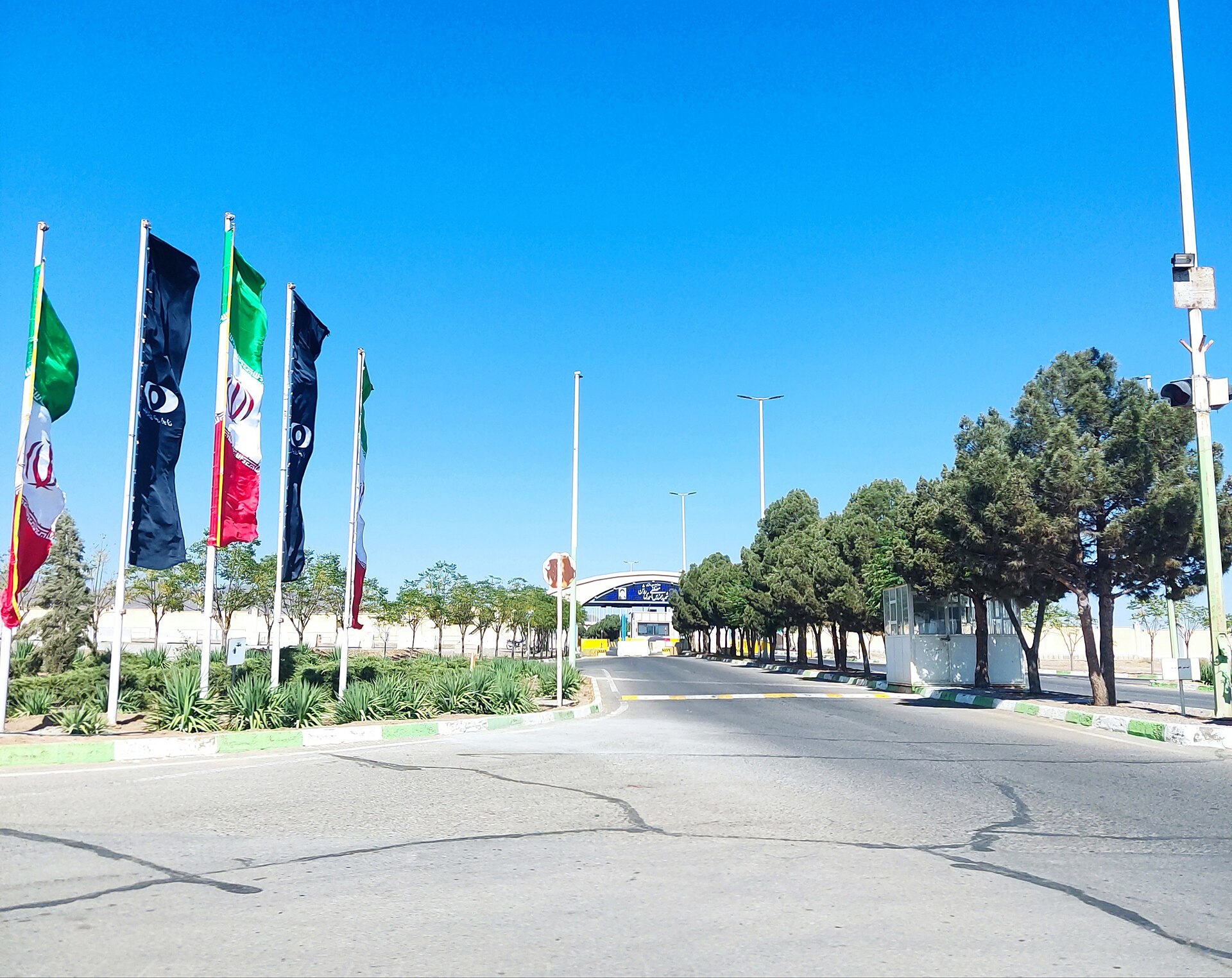
Verification of any disposal is currently impossible. Iran terminated all IAEA access on February 28, 2026, the day hostilities began. The agency cannot verify the stockpile’s current status, assess what damage airstrikes may have caused, or detect covert enrichment activity — a blind spot acknowledged in the IAEA’s GOV/2026/8 report. The HEU language dispute has already triggered kinetic responses at Hormuz, where the IRGC opened fire on four vessels near the strait on May 28 as nuclear terms stalled.
The White House’s “No dust, no dollars” formulation requires something the administration cannot currently measure: confirmation that Iran’s enriched uranium no longer exists on Iranian territory. Trump is promising Netanyahu verified dismantlement of a program no international body can currently inspect. The IAEA’s last on-site access was 93 days ago.
Saudi Arabia Between Two Tracks
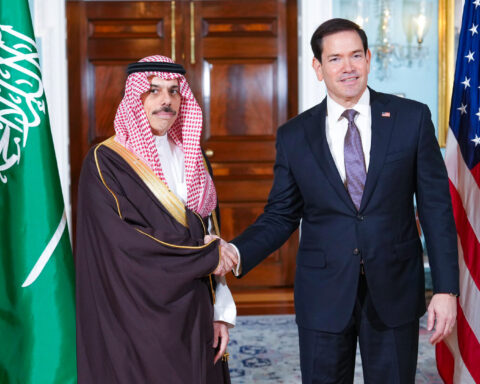
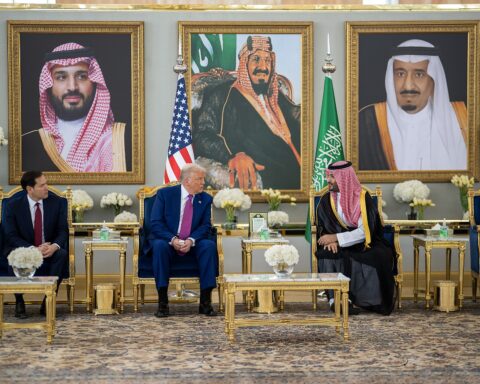
Saudi Arabia appears in neither track of Trump’s parallel diplomacy. It is not party to the MOU negotiations — excluded from all five rounds across 93 days. It is not party to the Trump-Netanyahu channel. Riyadh bears the fiscal and security consequences of either outcome without the ability to shape it.
If Trump’s assurance to Netanyahu holds and Iran is required to fully dismantle its nuclear program, the deal almost certainly collapses. Iran has never agreed to those terms, and the domestic political architecture inside Tehran — where ratification runs through the SNSC and Mojtaba Khamenei, not the foreign ministry — makes acceptance implausible without sanctions relief that has not been offered. A collapsed deal means continued Hormuz disruption, continued PGSA toll collection at $2 million per transit, and continued erosion of Saudi crude exports to Asia.
If the MOU proceeds without dismantlement — the likelier outcome given what the draft actually contains — Israel faces a deal it considers inadequate. Netanyahu has publicly stated dismantlement is his condition. Israeli officials have privately warned that an MOU without uranium removal provisions could trigger independent military action against Iranian nuclear facilities, a scenario that would pull Saudi Arabia into a wider regional escalation.
The fiscal arithmetic compounds the strategic exposure. Saudi Arabia posted a Q1 2026 deficit of SAR 125.7 billion ($33.5 billion) — 76 percent of the full-year SAR 165 billion target consumed in 90 days. Brent crude closed May 29 at $91.37, roughly $17 to $20 below the $108–111 PIF-inclusive breakeven Saudi Arabia requires to fund its budget and dividend commitments. Aramco’s quarterly dividend of $21.9 billion now exceeds its free cash flow, with the next payment due June 9.
Washington’s concession on Saudi uranium enrichment rights carries a separate diplomatic cost: the Arms Control Association’s June 2026 issue formally labeled the US-Saudi 123 Agreement a “gilded sweetheart deal” that abandons the Gold Standard — handing Iran a citable Western institutional argument against US nonproliferation credibility at the precise moment the MOU demands Iran accept tighter verification than Saudi Arabia.
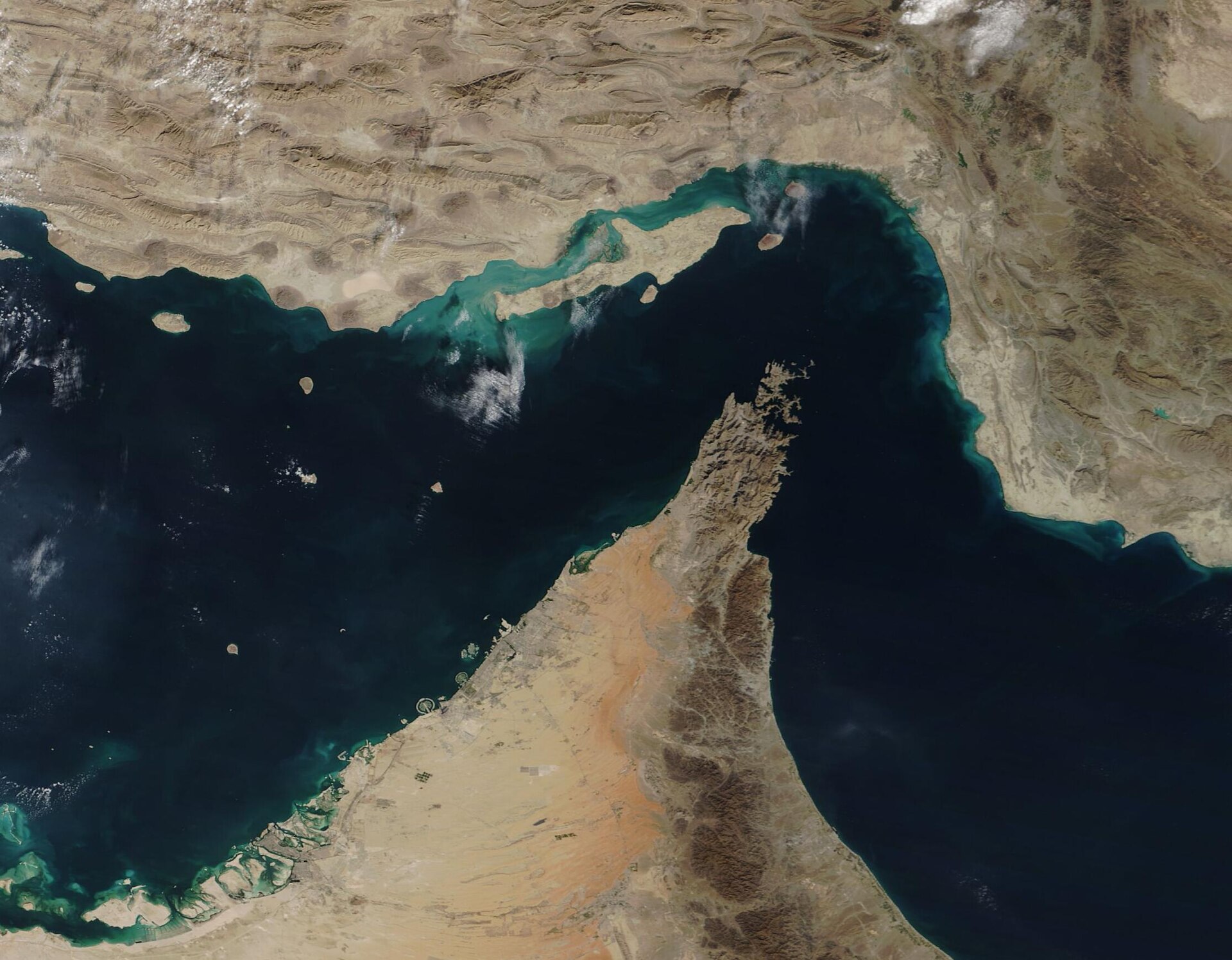
Every additional day without a signed MOU strengthens the structures Saudi Arabia cannot access or dismantle. Iran has invited Oman — and only Oman — into its emerging Hormuz governance architecture, negotiating bilateral passage terms from which Riyadh is excluded. The PGSA has collected tolls since May 22 and was designated under OFAC sanctions on May 28 — creating a compliance fork that affects Saudi Arabia’s remaining Hormuz-dependent crude exports of approximately 2.5 million barrels per day.
Trump complicated both tracks further when he told Netanyahu in a private meeting that Saudi normalization with Israel was a condition of the Iran deal — a demand that runs into the succession timeline that determines the Abraham Accords’ Saudi outcome: MBS privately indicated he would recognize Israel today, but the treaty signature belongs to King Salman under Article 70 of the Basic Law.
Background
Iran has physically surrendered enriched uranium before. Under the 2015 JCPOA, Tehran shipped more than 11 tons of low-enriched uranium — 98 percent of its stockpile — out of the country, primarily to Russia, and reduced its centrifuge count from approximately 19,000 to 6,000, according to the Arms Control Association. The Arak heavy-water reactor was disabled. That material was enriched to roughly 5 percent. The current stockpile at 60 percent represents a different category of proliferation risk — one Iran has never exported.
Iran’s institutional baseline has shifted since 2015. Araghchi has explicitly cited Trump’s 2018 withdrawal from the JCPOA as grounds for refusing phased compliance. The Arms Control Association assessed in March 2026 that “U.S. negotiators were ill-prepared for serious nuclear negotiations with Iran.” Congressional opposition replicates the 2015 pattern: 47 Republican senators led by Tom Cotton wrote directly to Iranian leadership warning that any executive agreement could be revoked “with the stroke of a pen” by the next president.
Current Senate opposition — including Cotton, Ted Cruz, Lindsey Graham, and Roger Wicker — demands a congressional vote on any new deal. Defense Secretary Pete Hegseth separately threatened to restart strikes hours after Trump stalled on signing, in remarks at the Shangri-La Dialogue.
Prediction markets reflect the two-track uncertainty. Polymarket prices a US-Iran nuclear deal by June 30 at 49 percent. A separate contract — Iran agreeing to end enrichment by June 30 — trades at 30 percent. The odds of the US gaining custody of Iran’s enriched uranium in 2026 stand at 22 percent.
Frequently Asked Questions
What would it take to verify that Iran’s uranium has been removed?
The IAEA would need to reestablish a physical inspection presence inside Iran — something that has not existed since February 28, 2026, when Iran terminated all monitoring under the Non-Proliferation Treaty safeguards agreement and the Additional Protocol. Verification of uranium removal requires a baseline declaration from Iran of all nuclear material and facilities, followed by environmental sampling at declared and undeclared sites to detect undisclosed enrichment activity. Iran has not ratified the Additional Protocol since 2006; it implemented it voluntarily under the JCPOA and suspended implementation in February 2021. Reestablishing a monitoring baseline after 93 days of conflict — during which airstrikes may have damaged or relocated nuclear material — would take months, according to former IAEA inspectors.
Why does Iran refuse to send enriched uranium abroad?
Iran’s refusal is rooted in the institutional memory of the JCPOA collapse. Under that 2015 agreement, Iran shipped 11 tons of low-enriched uranium to Russia, dismantled centrifuges, and disabled its plutonium reactor — receiving approximately $100 billion in sanctions relief in return. When Trump withdrew from the JCPOA in 2018 and reimposed sanctions, Iran had already surrendered its material and received nothing permanent in exchange. Araghchi has cited this experience directly: “We cannot trust the Americans at all. As a result, everything has to be precise and everything has to be clearly defined before we can reach an agreement.” The Supreme Leader’s directive against foreign transfer reflects a structural lesson, not a negotiating position — Iran views physical custody of its uranium as its only guarantee against a repeat withdrawal.
What is the difference between dilution and physical removal?
Dilution — or downblending — reduces enrichment levels by mixing highly enriched uranium with natural or depleted uranium. Iran has offered to downblend its 60-percent stockpile to 3.7 and 20 percent, both below weapons-relevant thresholds. The material remains in Iran. Re-enrichment from 3.7 percent back to 60 percent would take several months with Iran’s current centrifuge capacity; from 20 percent, weeks. Physical removal places the material outside Iran’s sovereign control, either in a third country or at an international facility. Removal is permanent in a way dilution is not, which is why Israel and the Trump administration have insisted on it. Continuous IAEA monitoring would be required under either scenario to verify compliance — monitoring Iran terminated five months ago.
Could Israel act unilaterally if the deal does not meet Netanyahu’s conditions?
Israel has struck nuclear facilities in two other countries: Iraq’s Osirak reactor in 1981 and Syria’s Al-Kibar reactor in 2007. Both were pre-emptive strikes against facilities that had not yet produced weapons-grade material. Iran’s nuclear program is more dispersed — spread across Natanz, Fordow (built inside a mountain), Isfahan, and other sites — and more advanced than either the Iraqi or Syrian programs were at the time of their destruction. Netanyahu has stated publicly that dismantlement is his condition. Israeli officials have privately warned that an MOU without uranium removal could lead to independent military action, a step that would widen the conflict into direct Israeli-Iranian hostilities and pull Saudi Arabia — whose airspace and basing infrastructure are already entangled in the US military posture — further into the escalation path.
What is “No dust, no dollars” and how does it create a sequencing problem?
“No dust, no dollars” is a White House formulation reported by CNN on May 26, encapsulating the administration’s stated sequencing: Iran’s enriched uranium must be verifiably disposed of before sanctions relief begins. “As the Strait opens, the blockade loosens proportionately,” an official said, linking Hormuz reopening to uranium disposal in a single integrated timeline. The problem is that the MOU’s two-phase structure separates these tracks. Phase 1 covers Hormuz and the ceasefire over 60 days. Phase 2, a subsequent 60-day window, covers nuclear issues. If “No dust, no dollars” is enforced literally, Iran receives no sanctions relief during Phase 1 — removing its incentive to reopen Hormuz. If the phrase is aspirational rather than binding, it offers Israel no guarantee that uranium disposal will actually occur, validating the Israeli fear that Iran “could play the Americans.”
The verification impossibility is not theoretical. On May 31, as Trump made this commitment to Netanyahu, the IAEA simultaneously reported that Iran now holds a “record” stockpile of military-grade HEU — a finding based on projection, not inspection, because no IAEA monitor has entered an Iranian enrichment facility in ninety-three days. How the IAEA record stockpile report and Trump’s “agreed” claim appeared on the same day — and why both cannot be true.
The same day, Trump sent a toughened version of the MOU back to Tehran with Phase 2 nuclear requirements folded into Phase 1. How Trump’s amendments toughened the terms further — and why the courier carrying the revised text will not reach the man who must approve it for at least 72 hours — is the gap between what Trump promised Netanyahu and what any signed MOU can actually deliver.