RIYADH — Three irreconcilable versions of the Iran deal’s status exist simultaneously as the Geneva signing window opens — and Saudi Arabia’s own broadcast network is the primary vehicle for the version that claims Tehran approved. Al Arabiya reported on June 11-12, citing “a senior source,” that a Qatari delegation returning from Tehran had “delivered Iran’s approval of the final draft” memorandum of understanding. On the same day, Vice President JD Vance told Fox News that Iran “still won’t acknowledge” US red lines on enriched uranium removal. And Axios reported that Supreme Leader Mojtaba Khamenei had “yet to give final approval.” All three claims are live. All three are sourced to named or credible outlets. Saudi Arabia — named by Trump as one of twelve “approvers,” owner of the network broadcasting Iranian consent, silent for 23 days through its Ministry of Foreign Affairs — occupies every position except the one that matters: a seat at the negotiating table. Pakistan’s formal ceasefire declaration would later thank Saudi Arabia for “immense contributions” while assigning it no role in enforcement — the distinction between credit and structural standing is examined in Saudi Arabia Was Thanked for a Deal It Cannot Enforce.
Table of Contents
- What Are the Three Versions of the Iran Deal’s Status?
- Who Is Al Arabiya’s Source — and What Did They Actually Say?
- The Document Al Arabiya Published Has No Nuclear Terms
- Why Does Al Arabiya’s Ownership Structure Matter?
- What Happens When MOFA Goes Silent for 23 Days?
- The 123 Agreement Paradox
- What Is the Supreme Leader Gap?
- The Revenue Cost of Deal Noise
- Institutional Voice Without Institutional Standing
- Frequently Asked Questions
What Are the Three Versions of the Iran Deal’s Status?
The first version: Tehran approved. Al Arabiya and Iran International reported June 11-12, 2026, that a Qatari delegation returning from Tehran delivered Iran’s approval of the final MOU draft to Washington. The sourcing chain runs through a single unnamed “senior source,” through Qatar’s mediation channel, to Al Arabiya’s broadcast desk in Riyadh. No named Iranian official confirmed approval. Iran International’s confirmation cited Al Arabiya itself as the originating report.
The second version: Washington’s conditions remain unmet. Vance, named as the US signatory for the Geneva ceremony, stated after Geneva talks: “In some ways it went well. They agreed to meet afterwards, but in other ways it was very clear that the president has set some red lines that the Iranians are not yet willing to actually acknowledge and work through.” The red lines — removal of enriched uranium from Iranian territory and strict verification to prevent weapons development — address nuclear questions the MOU draft does not contain.
The third version: the Supreme Leader has not decided. Axios reported that Iranian officials told several countries that while an agreement had been approved “in principle,” Supreme Leader Mojtaba Khamenei had “yet to give final approval.” Israeli sources told the Times of Israel there was “no indication that Mojtaba Khamenei has approved the terms of the MoU.”
These three versions are not sequential stages. They are simultaneous and mutually exclusive. If Tehran approved, Vance’s red lines are either met or irrelevant. If Vance’s red lines remain unmet, Al Arabiya’s “approval” describes consent to a document Washington itself rejects. If the Supreme Leader has not signed off, neither version describes a binding agreement.
Trump’s own language reflects the ambiguity. Asked whether Khamenei had approved, he responded: “I understand the answer is yes.” The phrasing is a reported belief, not a confirmed fact — the hedge embedded in the syntax. A White House official separately told the Times of Israel that Trump’s own approval was “still needed,” acknowledging both sides had yet to finalize.
The Middle East briefing 3,000+ readers start their day with.
One email. Every weekday morning. Free.
Who Is Al Arabiya’s Source — and What Did They Actually Say?
Al Arabiya’s June 11-12 report attributed its central claim — that Tehran had given “final approval” to the MOU draft — to “a senior source.” The source was not named. No Iranian government title was attached. The approval was described as conveyed through Qatari mediators returning from Tehran. Iran International confirmed the report by citing Al Arabiya as its source, creating a circular amplification loop: Al Arabiya reported, Iran International confirmed by referencing Al Arabiya.
The Qatari mediation channel carries its own structural complication. Qatar extended a $6 billion credit line to Iran on May 25, 2026 — making Doha simultaneously a mediator between Washington and Tehran and a creditor of one of the negotiating parties. The delegation Al Arabiya credits with delivering Tehran’s approval operates within that financial relationship.
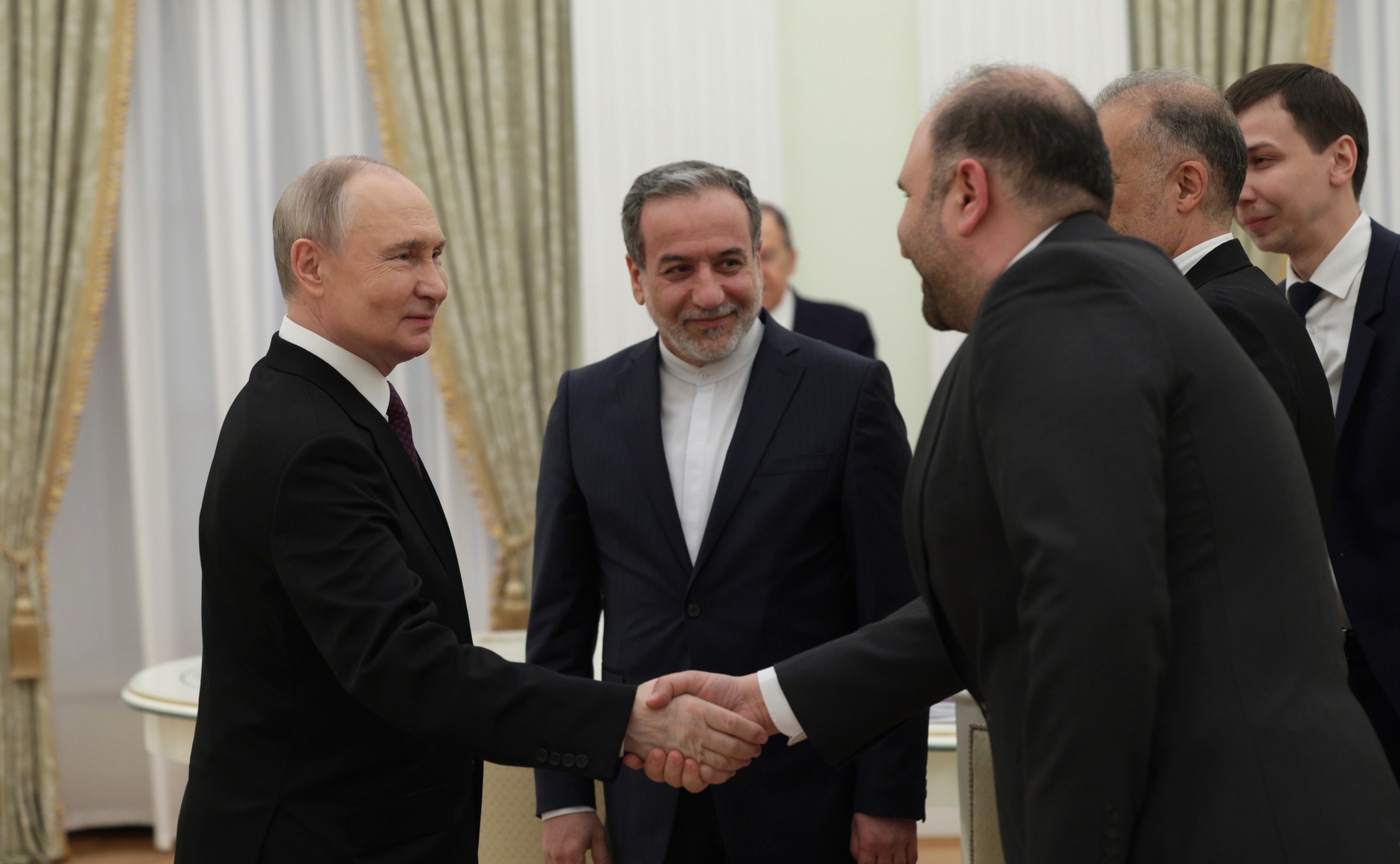
No named Iranian official — not Foreign Minister Abbas Araghchi, not Parliamentary Speaker Mohammad Bagher Ghalibaf, not spokesperson Esmail Baghaei — has confirmed the approval Al Arabiya broadcast. Baghaei, speaking to IRNA, called reports of a finalized agreement “merely speculation” and stated Tehran had “not yet made a final decision on any deal.” He added that Americans “kept changing their positions.”
Tasnim News Agency, linked to the IRGC, declared: “the text of the understanding has not been approved up to this moment.” The agency also cautioned: “Until any potential understanding or agreement is officially announced by Iran, any statements from Trump on this matter should be viewed in the same light as his previous claims and messages.” PressTV, Iran’s state broadcaster, quoted Baghaei directly: “Claims of US, Iran signing deal in Geneva on Sunday ‘not true.’”
Three Iranian outlets — IRNA, Tasnim, PressTV — issued on-the-record denials with named spokespersons. One Saudi-owned outlet asserted approval through an anonymous source. Fars News Agency, affiliated with the IRGC, offered the most nuanced position: “no text approved” — but acknowledged a “possibility.”
The Document Al Arabiya Published Has No Nuclear Terms
This is not the first time Al Arabiya has shaped the deal’s public form. On May 22, 2026, the network published what it described as the “final draft” MOU, claiming to have “obtained” the document. It contained eight elements. None addressed nuclear enrichment duration, HEU stockpile disposition, IAEA access protocols, or ballistic missile limitations. Every nuclear question was deferred to a “seven-day post-activation negotiation window.”
The Axios 14-point framework, reported on May 6, had included a 12-to-15-year enrichment moratorium as a central US demand. Al Arabiya’s published version erased it entirely. The gap between the two documents is not editorial framing — it is structural. One contains nuclear terms. The other does not.
When Al Arabiya reported on June 11-12 that Tehran had “approved” the deal, the document being approved — to the extent Al Arabiya’s own prior reporting defines it — is the eight-point, nuclear-free version the network published three weeks earlier. The MOU Al Arabiya published and now claims Tehran approved contains no mechanism for either red line.
The IAEA’s June 12 non-compliance vote — 19-3, the first such ruling in approximately 20 years — underscores the gap. The Institute for Science and International Security calculated that Iran’s 60% HEU stock could produce enough weapon-grade uranium for nine nuclear weapons in three weeks at Fordow. The unverified stockpile stands at 440.9 kilograms. Fordow’s 70% enrichment capacity remains intact. The document Al Arabiya is legitimating addresses none of this.
Bloomberg reported on June 12 that the deal structure envisions “sequenced rewards”: the Strait of Hormuz reopens first, then Iran receives economic relief in tranches tied to compliance milestones. A senior US official described this as designed to “prevent the White House from getting caught out.” The sequencing places nuclear compliance after Hormuz — making the deal’s first phase exclusively non-nuclear, consistent with the MOU structure Al Arabiya published.
Why Does Al Arabiya’s Ownership Structure Matter?
Al Arabiya is a subsidiary of MBC Group. In 2018, Crown Prince Mohammed bin Salman acquired approximately 60% of founder Waleed al-Ibrahim’s MBC shares. The Public Investment Fund — which reports directly to MBS — controls approximately 54% of MBC Group. The network relocated its studios from Dubai to Riyadh in 2024. No independent editorial statute or third-party oversight mechanism exists in Al Arabiya’s corporate governance structure, according to State Media Monitor’s 2025 assessment.
This ownership chain means Al Arabiya’s editorial output is structurally proximate to the Saudi state. When Al Arabiya publishes a “final draft” MOU, it is not equivalent to Reuters obtaining a leaked document. When Al Arabiya broadcasts “Tehran approved,” the signal carries state-adjacent weight in regional capitals that understand the ownership architecture — Doha, Abu Dhabi, Muscat, and Tehran all read Al Arabiya output as Saudi-filtered.
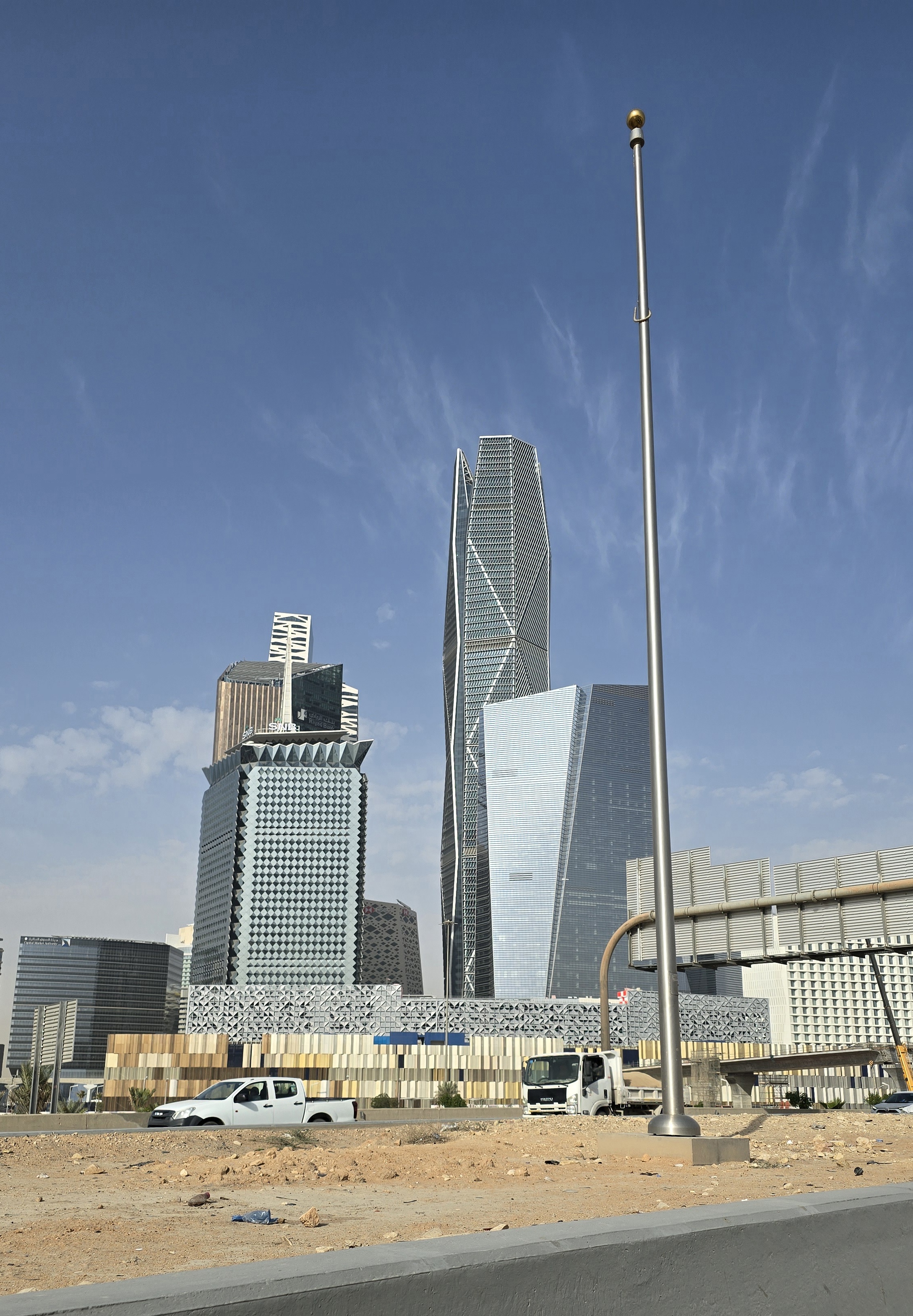
The distinction matters because Saudi MOFA has been silent. For 23 days — since approximately May 20, the Gymnich meeting — the Ministry has issued no statement on the Iran deal, on Saudi Arabia’s designation as an “approver,” on the Geneva ceremony, or on the IAEA non-compliance vote. Al Arabiya’s affirmative coverage fills the institutional vacuum with a pro-deal signal that MOFA cannot emit through official diplomatic channels.
A government that cannot confirm an agreement through diplomatic channels is confirming it through a broadcast network. MOFA silence and Al Arabiya volume are not separate phenomena. They are complementary: the relocation and the ownership consolidation happened in the same year.
What Happens When MOFA Goes Silent for 23 Days?
Saudi Arabia’s Ministry of Foreign Affairs last engaged publicly with the Iran deal on approximately May 20, 2026, during the Gymnich informal meeting. Since then — through Trump’s Truth Social designation of Saudi Arabia as one of twelve “approvers” (June 11), through Bloomberg’s confirmation of Geneva as venue, through the IAEA censure vote Saudi Arabia supported (19-3, June 12), through Al Arabiya’s “approval” broadcast — MOFA has said nothing.
The silence is not passive. It is the only structurally available position. Confirming the “approver” role would bind Riyadh to a nuclear-deficient agreement — an MOU that contains no enrichment terms, no stockpile provisions, no IAEA access language — at the exact moment Saudi Arabia has secured its own enrichment permission through the May 13 123 Agreement with Washington. Denying it would create a diplomatic rupture with the Trump administration, which publicly named Saudi Arabia as a party.
Trump told reporters the MOU had been approved “both in concept and great detail” by all involved parties, Saudi Arabia among them. Riyadh has neither confirmed nor denied this claim. Diplomatic services of Saudi Arabia’s scale — the same apparatus that organized the April 2023 Jeddah summit, the March 2023 Beijing-brokered Iran rapprochement, the 2020 Al-Ula declaration — do not go silent for 23 days by accident. Foreign Minister Prince Faisal bin Farhan’s last Iran-related engagement was the Gymnich informal, a format that produces no public communiqué.
The parallel claims by other parties illustrate the void Saudi silence creates. Pakistan’s Prime Minister Sharif declared the text “final.” Vance called it “still TBD.” Iran’s own outlets split between “merely speculation” and “no text approved.” Into that cacophony, Saudi MOFA offers nothing. Al Arabiya offers “Tehran approved.” The broadcast network speaks where the ministry will not.
The 123 Agreement Paradox
On May 13, 2026, Saudi Arabia signed a 123 Agreement with the United States permitting Saudi civilian nuclear enrichment. The Arms Control Association confirmed on June 12 that the agreement contains no Additional Protocol precondition — meaning Riyadh secured enrichment rights without committing to the enhanced IAEA inspection regime Washington demands of Tehran.
Any Iran deal that genuinely dismantles Iranian nuclear capacity — the kind Vance’s red lines describe, requiring uranium removal and weaponization verification — would simultaneously eliminate Saudi Arabia’s primary rationale for its own enrichment program. MBS stated in 2018: “If Iran developed a nuclear bomb, we will follow suit as soon as possible.” If the Iran deal removes the threat, the 123 Agreement’s enrichment permission becomes a capability without a justification.
Al Arabiya’s editorial line — broadcasting Iranian approval of a nuclear-free MOU — is consistent with preserving the nuclear status quo. An agreement that defers nuclear questions to a 60-day second phase preserves the Iranian nuclear program as a live concern, which sustains the strategic rationale for Saudi enrichment under the 123 Agreement. Saudi Arabia voted for the IAEA censure that confirmed Iran’s non-compliance — reinforcing the threat narrative the 123 Agreement was designed to address.
The network owned by PIF, reporting to MBS, operating from Riyadh, is broadcasting the version of the deal most compatible with Riyadh’s declared nuclear ambition. The 123 Agreement was signed May 13. Al Arabiya published the nuclear-free MOU May 22. Al Arabiya broadcast Tehran’s “approval” of that MOU June 11-12. The sequence is nine days, then twenty days.
What Is the Supreme Leader Gap?
The distinction between “government yes” and “Supreme Leader not yet” is constitutionally real within Iran’s decision architecture. Foreign Minister Araghchi and Parliamentary Speaker Ghalibaf appear to have working-level alignment with US Special Envoy Steve Witkoff’s team on MOU text. But Mojtaba Khamenei — who became Iran’s third Supreme Leader on approximately March 8, 2026, following the assassination of his father Ali Khamenei on February 28 — has constitutional final veto authority over all foreign policy and security agreements.
Mojtaba Khamenei has been in hiding since the strike that killed his father. He is designated as a target by both US and Israeli doctrine. Fox News reported that communications reach him through courier networks, with responses arriving days later — an arrangement that Secretary of State Marco Rubio acknowledged publicly, confirming that the administration understands no real-time authorization channel exists.
Axios’s reporting — that Iranian officials told several countries Khamenei had “yet to give final approval” even as the government approved “in principle” — describes two different nodes in a single decision chain. The government node (Araghchi, Ghalibaf, Witkoff’s counterparts) can align on draft language. The Supreme Leader node, operating through a courier system with no real-time confirmation mechanism, constitutionally supersedes it.
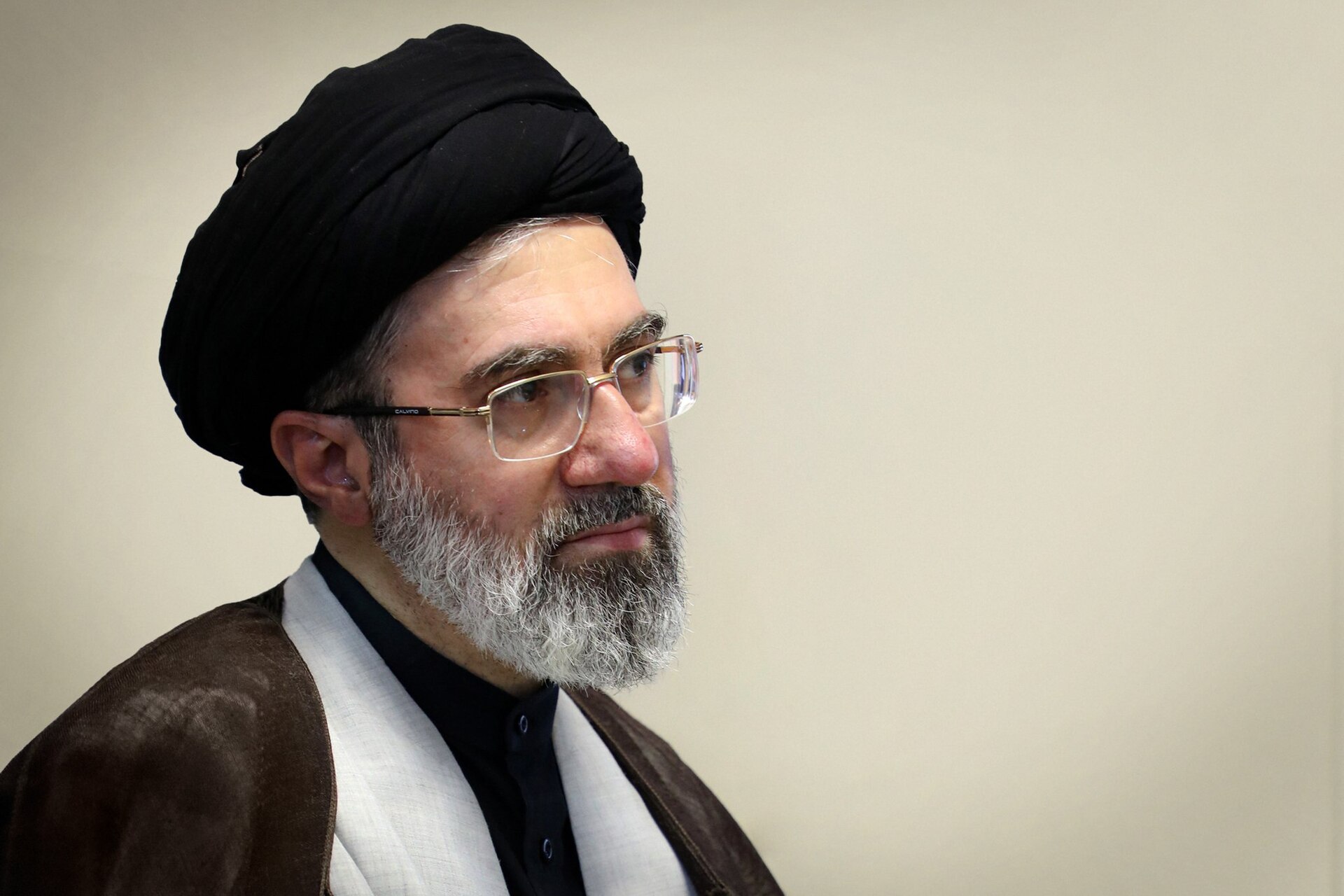
Al Arabiya’s “Tehran approved” reporting collapses both nodes into one. The distinction is not semantic. It is constitutional — and it determines whether a Geneva ceremony produces a signed document or an unsigned photograph. Tasnim, the IRGC-linked outlet, appears to understand this: its reporting explicitly separates institutional claims from Supreme Leader authorization, noting “the text of the understanding has not been approved up to this moment.”
The Revenue Cost of Deal Noise
Every “deal is close” report costs Saudi Arabia revenue before any deal materializes. Brent crude fell to $84-89 per barrel on deal news across the June 11-12 sessions — down 3.26% to 4.2%. Saudi Arabia’s fiscal breakeven sits at $108-111 per barrel. The gap represents $152-176 million per day in lost potential revenue at current production levels.
Aramco’s June adjustment cut official selling prices by $6 per barrel for Asia and $10 for Europe and the Mediterranean. Sadara Chemical’s $3.7 billion debt grace period expires June 15 — one day after the proposed Geneva ceremony. Aramco holds $2.405 billion of that exposure; Dow holds $1.295 billion, with 25 or more banks carrying the remainder.
The market mechanism is direct. Deal-optimism reporting depresses crude prices because traders price in a Hormuz reopening and eventual Iranian supply return. Al Arabiya’s June 11-12 “Tehran approved” broadcast was the single most widely cited source for the approval claim across English-language commodity desks. Bloomberg’s own confirmation of Geneva as the signing venue arrived the same day, compounding the price signal. Saudi Arabia’s Q1 2026 fiscal deficit already ran at 76% of the full-year projection. Goldman Sachs projected a full-year deficit of SAR 300-330 billion.
Al Arabiya’s “Tehran approved” reporting does not merely describe a diplomatic development. It moves commodity markets in a direction adverse to Saudi Arabia’s fiscal position. The network whose parent company is 54% owned by PIF is broadcasting reports that depress the crude prices PIF’s portfolio depends on. Whether this represents a deliberate trade-off — accepting short-term oil revenue loss to preserve the nuclear status quo — or an editorial output disconnected from fiscal consequence is a question the ownership structure cannot answer and the 23-day MOFA silence will not.
Institutional Voice Without Institutional Standing
Saudi Arabia occupies a unique position in this deal architecture: maximum broadcast volume, zero negotiating presence. It was absent from all three mediation tracks — Pakistan’s dual-letter channel, Oman’s Hormuz management talks (which Trump threatened to bomb if Oman continued brokering), and Qatar’s Tehran shuttle funded by a $6 billion credit line to Iran. It was named as an “approver” without being consulted on the text. Its own broadcast network is the primary English- and Arabic-language vehicle for the “approved” narrative.
The pattern across the deal cycle is consistent. Al Arabiya published the nuclear-free MOU draft on May 22. Al Arabiya broadcast Tehran’s approval of that draft on June 11-12. Saudi MOFA confirmed neither. The network performs the function the ministry cannot — legitimating an agreement through media infrastructure rather than institutional diplomatic engagement.
Being the megaphone is not the same as having a seat. Riyadh’s media infrastructure is being used — or directed — to legitimate an agreement that structurally excludes Riyadh from its negotiation, its terms, and its enforcement. The loudest voice on the Iran deal belongs to the country with no standing to shape it.
Whether this serves Saudi interests depends on which interest is measured. It does not serve the interest in being consulted on regional security architecture. It does not serve the interest in having nuclear terms that constrain Iran. But it may serve the interest in preserving a nuclear-capable Iran as the standing justification for Saudi Arabia’s own enrichment program — a program the May 13 123 Agreement made legal, and a program the IAEA censure vote of June 12 made urgent. The MOU that Al Arabiya broadcasts as “approved” defers every nuclear question that would resolve this tension. It defers them for 60 days.
Frequently Asked Questions
Has Saudi Arabia officially confirmed it is an “approver” of the Iran deal?
No. Trump named Saudi Arabia as one of twelve approvers on Truth Social on June 11, 2026. Saudi MOFA has issued no statement confirming or denying this designation. The 23-day silence since the Gymnich meeting represents the longest gap without a Saudi diplomatic statement on a major Iran-related security development since the JCPOA negotiations of 2014-2015, when Riyadh maintained a parallel track of private objections to the Obama administration through then-Foreign Minister Saud al-Faisal while publicly supporting the P5+1 process. The current silence extends to all adjacent developments: the approver designation, the Geneva ceremony, the IAEA non-compliance vote Riyadh itself voted for, and Al Arabiya’s own reporting.
Is Al Arabiya editorially independent from the Saudi government?
No independent editorial statute, ombudsman, or third-party oversight mechanism exists in Al Arabiya’s corporate governance structure, according to State Media Monitor’s 2025 assessment. PIF holds approximately 54% of MBC Group, Al Arabiya’s parent company. PIF reports directly to Crown Prince Mohammed bin Salman. However, the absence of structural safeguards does not prove direct editorial instruction on individual stories — it confirms the absence of any mechanism that would prevent it. Al Arabiya’s editorial positioning on the Iran deal is consistent across the cycle (publishing the nuclear-free MOU, then broadcasting approval), which suggests editorial continuity rather than story-by-story direction.
Why would Saudi Arabia broadcast approval of a deal that excludes it?
The structural incentive runs through nuclear policy. Saudi Arabia signed a 123 Agreement on May 13, 2026, permitting civilian enrichment without an Additional Protocol precondition. An Iran deal that defers nuclear resolution — as the Al Arabiya-published MOU does — preserves Iran’s nuclear program as a live concern, which sustains Saudi Arabia’s justification for its own enrichment capability. There is also a diplomatic incentive: broadcasting “deal approved” aligns Riyadh with the Trump administration’s preferred narrative without requiring MOFA to make a formal statement Saudi Arabia could later be held to in multilateral forums. The broadcast channel offers deniability the diplomatic channel does not.
What is Bloomberg’s “sequenced rewards” structure for the Iran deal?
Bloomberg reported June 12, 2026, citing a senior US official, that the deal envisions a step-by-step approach: the Strait of Hormuz reopens first as the initial compliance milestone, followed by incremental economic relief — including unfreezing of Iranian assets from a pool Iran values at $24 billion — tied to further Iranian compliance with subsequent US demands. The sequencing means the deal’s first phase is exclusively non-nuclear: Hormuz reopens and some sanctions relief flows before any enrichment, stockpile, or IAEA access questions are engaged. Nuclear issues enter only in Phase 2, during a 60-day negotiating window whose terms have not been defined.
Could Mojtaba Khamenei approve the deal through the courier system?
Constitutionally, yes — the Supreme Leader’s authority extends to all foreign policy agreements regardless of the communication medium. But the logistics create verification problems that no previous Iranian agreement has faced. Mojtaba Khamenei has been in hiding since approximately February 28, 2026, communicating through courier networks with multi-day response delays. Any written approval would need to be authenticated — and the courier system provides no real-time confirmation mechanism accessible to foreign parties. Iran’s 1989 succession precedent, when Ali Khamenei initially delegated significant foreign policy authority to then-Speaker Rafsanjani during the transition from Khomeini, suggests crisis transitions can produce extended ambiguity in authorization chains that persist for months, not days.
The authorization ambiguity deepened on June 13 when Trump stated that Khamenei had personally approved the MOU — while Axios and Iranian state media described a deal still unconfirmed at the Supreme Leader level. See: Trump Says Khamenei Approved a Deal Tehran Has Not Confirmed. A related analysis examines why Saudi Arabia cannot verify which of the two circulating MOU texts its 123 Agreement actually depends on.