
Correction, October 12, 2026: An earlier version of this article said Saudi Arabia sent 100,000 troops to Yemen. The October 4 offensive was launched by Yemen’s government forces with Saudi air support, and no troop figure was reported. The article also misdated the restart of the East-West pipeline (September 22, not September 28) and gave unsourced throughput figures, said the November price was ten dollars below market expectations when Reuters reported expectations of a rise of up to five dollars, put Brent above $105 when it was around $103, and cited a 2026 deficit figure that the finance ministry had already revised, along with a 29-day war timeline that no source reported. It also included unsourced figures on war-risk insurance, Saudi import shares in Korea, China and India, Russian crude flows, fiscal breakeven prices, Public Investment Fund reserves and Bab el-Mandeb oil traffic, and a quotation attributed to Iran’s Foreign Ministry. These have been corrected or removed.
DHAHRAN — Saudi Aramco on Sunday set its November official selling price for Arab Light crude to Asian buyers at minus five dollars per barrel against the Dubai/Oman average — a cut of three dollars against a Reuters survey that had expected a rise of up to five dollars, and the deepest Asia discount since June 2020. In the same announcement, Aramco raised its November price for northwest European buyers by three dollars per barrel, pulling the two regions in opposite directions.
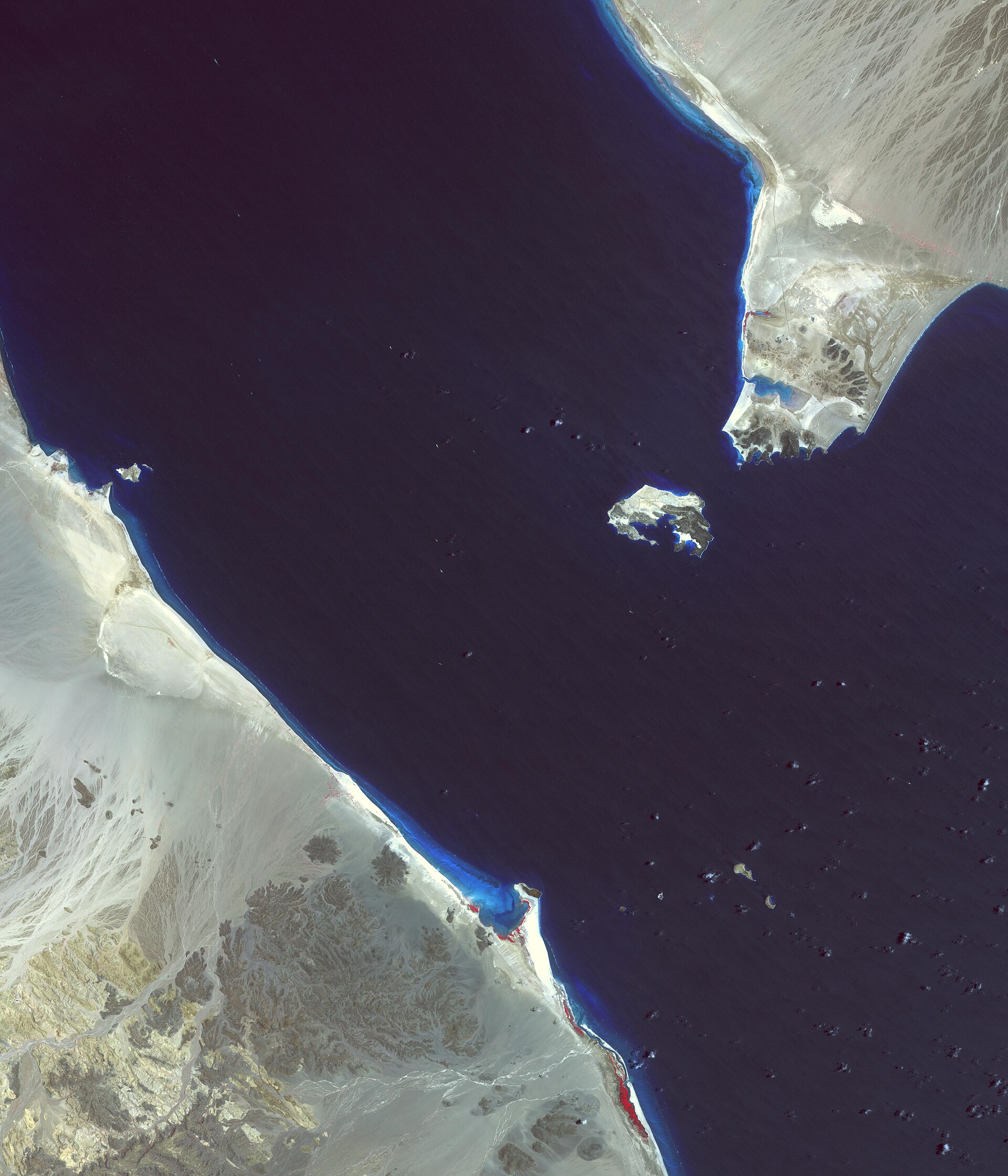
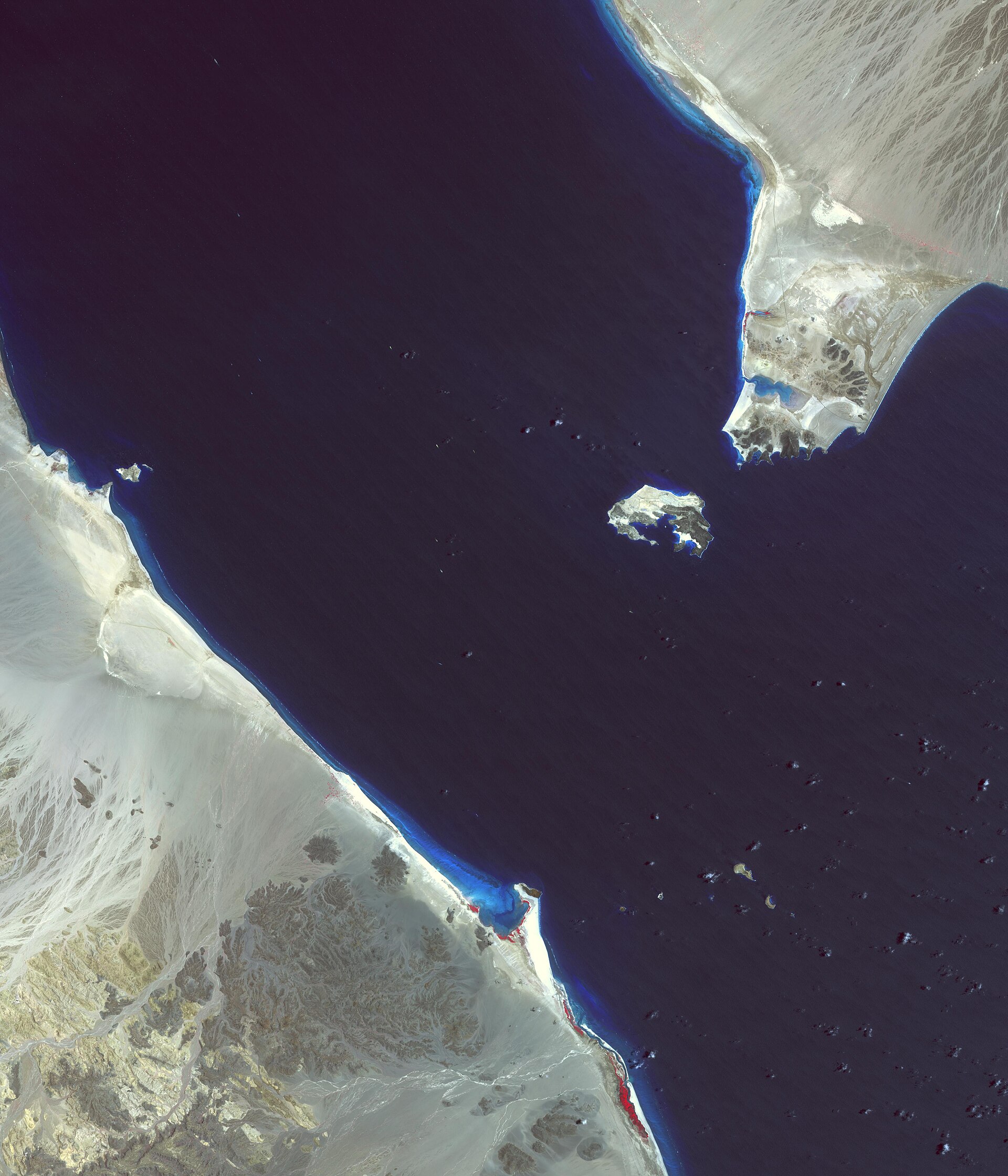
The two moves arrived less than forty-eight hours after Saudi-backed Yemeni forces launched a ground offensive to retake the Bab el-Mandeb strait, the southern exit for crude loaded at the Red Sea port of Yanbu and bound for Asia. The pricing and the offensive address the same structural problem. Aramco’s price sheet has become a routing map for the war: the Europe premium reflects the safer northward corridor through Suez, and the Asia discount absorbs the cost of the chokepoint Saudi-backed Yemeni forces are fighting to reopen.
The House of Saud Daily Briefing
Saudi Arabia's news in 3 minutes, every morning. Free. See today's issue
Table of Contents
- The Swing No Trader Expected
- Why Did Aramco Cut Asia and Raise Europe in the Same Announcement?
- Is Riyadh Losing Buyers?
- What Does the Freight Bill Do to a Barrel?
- The Pipeline That Failed Its Only Test
- Where Does the Yemen Offensive Fit in Aramco’s Pricing?
- The Fiscal Cost of Discounting the Barrel
- What Separates November 2026 From June 2020?
- Frequently Asked Questions
The Swing No Trader Expected
Market consensus ahead of the announcement pointed toward a price increase. A Reuters survey had expected a rise of up to five dollars in the November Arab Light Asia differential, in line with gains in the Middle East benchmarks. Brent was trading around $103 per barrel, and OPEC+ had raised output targets through much of 2026.
Aramco moved in the opposite direction, cutting the differential by three dollars to minus five dollars per barrel against the Dubai/Oman average — a cut where Reuters’ survey had expected a rise.
The OSP cuts “appeared to be aimed at compensating buyers for the elevated freight costs,” three Asian refining sources said.
— Reuters, October 5, 2026
Cumulatively, Arab Light’s Asia OSP has fallen $14.50 per barrel since July, when it stood at a $9.50 premium to Oman/Dubai. November’s additional three-dollar reduction operates in different conditions. Brent is above $100. The benchmark has not collapsed. What has changed is the cost of delivering a Saudi barrel to the buyer.
The minus-five-dollar differential is the widest Asia discount since June 2020, according to Reuters.
Why Did Aramco Cut Asia and Raise Europe in the Same Announcement?
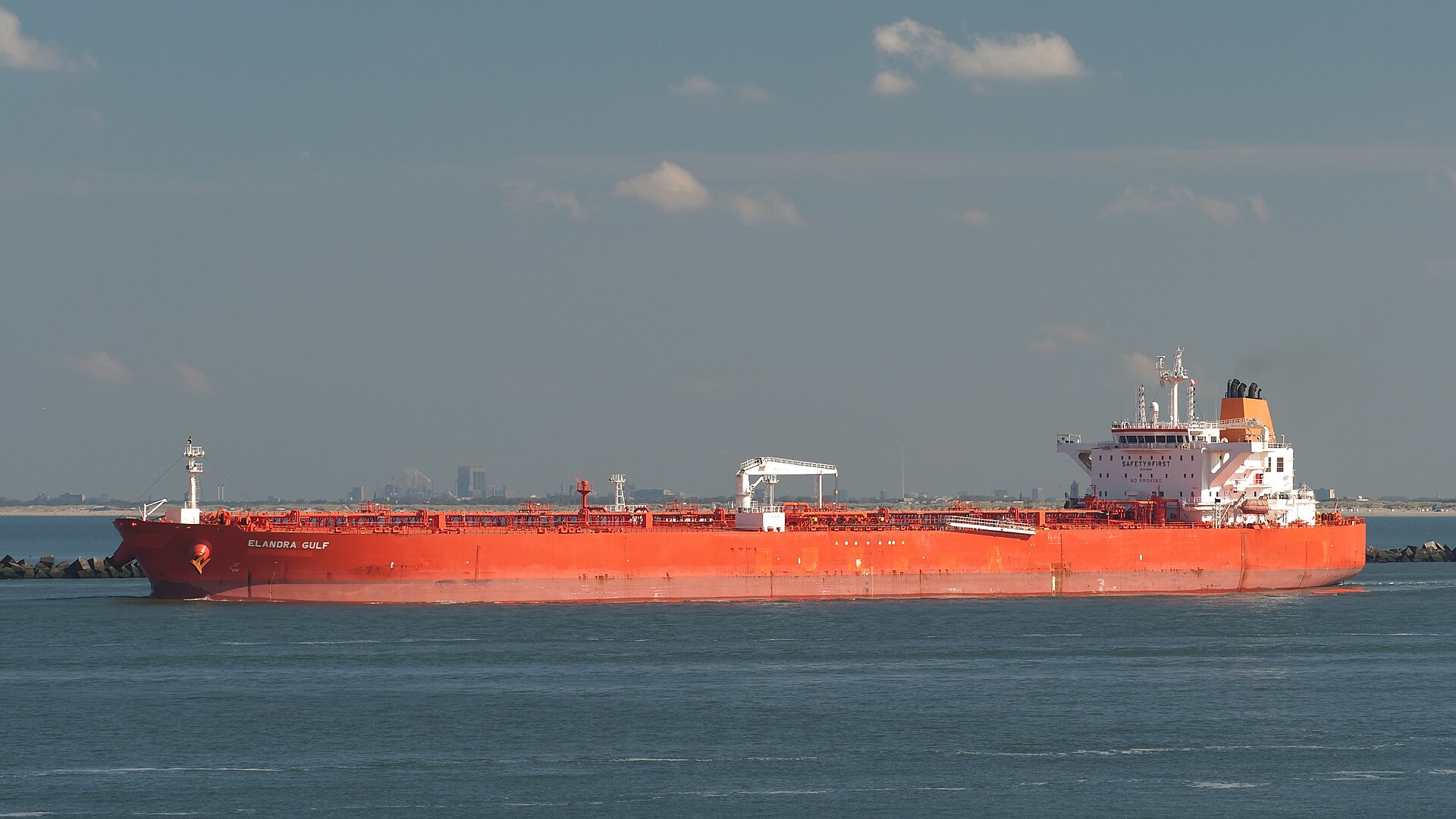
The split reflects routing geography. Crude loaded at Yanbu on Saudi Arabia’s Red Sea coast can reach European refineries via a northward transit through the Suez Canal — a route that does not pass the Bab el-Mandeb strait. The same barrel destined for South Korea, China, or India must exit the Red Sea southward through Bab el-Mandeb, past the coastal zone that Houthi forces seized in September, before crossing the Gulf of Aden and the Indian Ocean.
The three-dollar Europe raise and the five-dollar Asia cut price the same barrel for two different corridors. European buyers pay more because their routing avoids the chokepoint that is now the site of a ground offensive. Asian buyers receive a deeper discount because their routing cannot avoid it. The result is a six-dollar divergence between the two regions’ month-on-month changes.
The divergence also reflects a physical constraint on Aramco’s export system. With the East-West Petroline still returning to full capacity after September’s drone strikes on three pumping stations, the volume of crude available for Red Sea loading has shrunk. Fewer Yanbu barrels facing higher freight and insurance costs produce a buyer’s market that the discount acknowledges. European demand for the same barrels faces less risk at the loading port and no chokepoint on the downstream voyage — conditions that support the premium.
Crude loaded at Ras Tanura or Ju’aymah on the Gulf coast exits through Hormuz. But the OSP is set per grade and region, not per loading port. A buyer nominating November Arab Light receives the same minus-five-dollar differential whether the cargo loads at Yanbu or Ras Tanura — a structure that does not adjust for the corridor risk difference between the two routes.
Is Riyadh Losing Buyers?
Aramco has been looking at offering discounts for oil loaded off Oman to compensate buyers for record freight rates, people familiar with the matter told Reuters, as it sought to protect its market share after the war disrupted exports. Since September it has sold millions of barrels of crude through ship-to-ship transfers outside the Strait of Hormuz. That practice came under direct IRGC attack on October 12, as Iran struck at least three tankers in 48 hours, with Rezaei accusing CENTCOM of coordinating the transfers as an oil-smuggling operation.
At minus five dollars per barrel, Arab Light is priced to hold buyers. Whether the discount holds on a delivered basis depends on the route — and the route is the problem the offensive was launched to address.
What Does the Freight Bill Do to a Barrel?
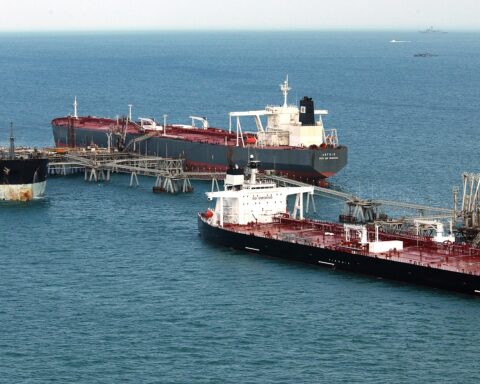
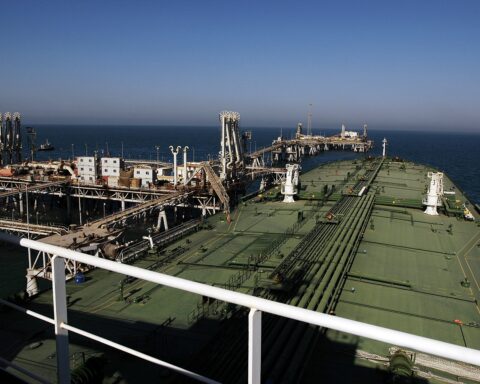
The cost of booking a very large crude carrier capable of hauling two million barrels from the Gulf to China on a time charter basis was $1.2 million a day in early October, according to LSEG data cited by Reuters. A year earlier it was about $80,000 a day. One refining source told Reuters the lower prices could also offset the waiting time and longer voyages for Saudi oil exported from the Egyptian port of Sidi Kerir, where cargo loadings have been delayed.
The Pipeline That Failed Its Only Test
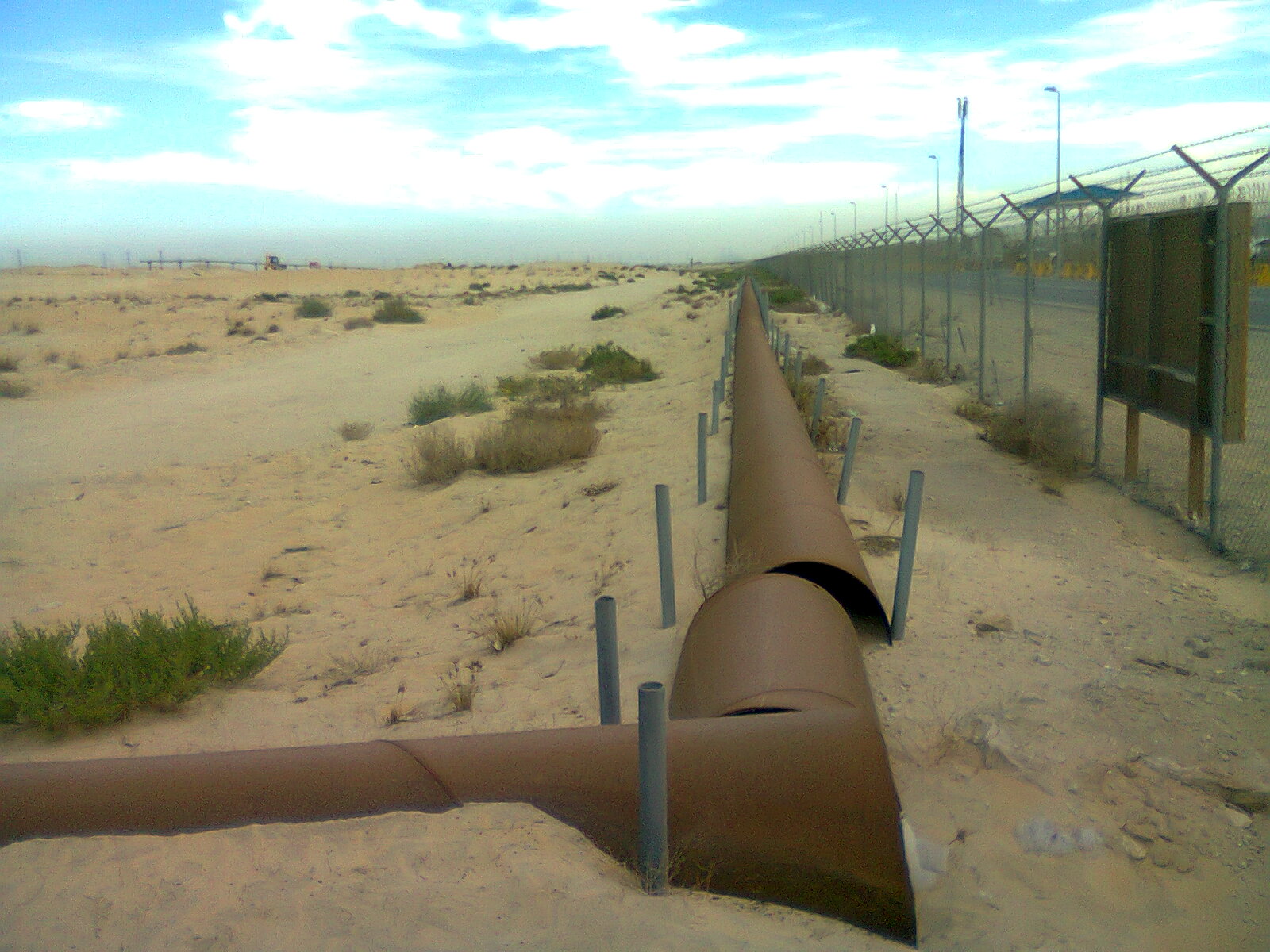
Saudi Arabia’s East-West Petroline was built to bypass the Strait of Hormuz, carrying crude from the Eastern Province to Yanbu on the Red Sea, with a design capacity of about seven million barrels per day. It was the structural guarantee that Saudi crude could reach global markets even if the Gulf route closed.
On September 11, 2026, drone strikes that Saudi Arabia blamed on Iraqi militia hit three pumping stations, and the Petroline shut down entirely. It restarted on September 22, and Reuters reported that a return to full capacity could take six weeks or more. Before the attack it had been carrying about four million barrels per day rerouted from the Gulf.
The timing is arithmetically specific. November is the delivery month the new OSP covers. Aramco priced its November crude knowing that the pipeline feeding Yanbu might not be back at full capacity during the contract period. The discount compensates not only for freight and insurance but for the possibility that a buyer’s cargo cannot be loaded on schedule because the crude has not arrived from the Eastern Province.
The pipeline attack removed the one infrastructure argument Saudi Arabia had been making to Asian contract buyers since the Hormuz disruption: that even with the Gulf route impaired, crude would flow west and load at Yanbu without interruption. With the Petroline still recovering and Yanbu inside a war-risk zone, neither the eastern corridor through Hormuz nor the western corridor through the Red Sea offers the routing reliability that long-term contracts are priced to assume. The Asian refiners whose term contracts are under pressure will gather the following week at Saudi Arabia’s flagship energy conference — the 25th World Petroleum Congress in Riyadh, opening October 11 — to negotiate the next round of offtake commitments under these same conditions.
Where Does the Yemen Offensive Fit in Aramco’s Pricing?
On October 4, Yemeni government forces backed by Saudi Arabia launched what Yemeni Presidential Council head Rashad al-Alimi said were military operations to reclaim Houthi-held territory and restore state authority across the country. The offensive, reported by CNN, targets the Red Sea coastal zone — including territory controlling the approach to Bab el-Mandeb. The coalition said 100 fighter jets took part in its opening operation.
For Aramco, the dependency is direct: the only alternative for Asian-bound Yanbu cargoes — northward through Suez — reaches Europe but cannot competitively serve Asian markets.
The OSP cut and the offensive address the same constraint in sequence. The discount holds Asian refiners on the Yanbu route while freight and insurance costs persist. The offensive targets the source of those costs. If the ground operation reopens the strait, insurance premiums fall, the freight differential narrows, and Aramco can tighten the Asia discount — potentially as soon as the January 2027 pricing cycle. If it stalls, the discount may have to widen, and the loss of buyers that the pricing is designed to arrest could follow.
The day before the offensive was announced, Houthi military spokesman Yahya Saree claimed a missile and drone attack on an Aramco facility in Riyadh — linking the ground war directly to threats against Saudi export infrastructure.
The coalition called the Houthi claims “misleading.” The market data required no editorial commentary: every dollar of Asia discount is a dollar of foregone Saudi revenue.
The Fiscal Cost of Discounting the Barrel
The discount compounds an already strained position. On September 30 the finance ministry raised its 2026 deficit estimate to 245 billion riyals, from 165 billion in the budget, and forecast a 3.6 per cent contraction in real GDP for the year.
OPEC+ raised output targets through much of 2026, but the war prevented most of the planned increase from reaching the market. Aramco is defending market share through pricing as Riyadh backs a ground offensive, repairs a bombed pipeline and pursues a proposed $24.3 billion F-35 purchase.
What Separates November 2026 From June 2020?
The June 2020 discount was set when the kingdom’s pipeline and export corridors were intact. The November 2026 discount is a concession forced by costs Aramco cannot unilaterally remove — a pipeline still returning to full capacity, a contested Red Sea chokepoint, and record freight rates.
In 2020, both Hormuz and the Petroline operated without impediment, and the kingdom was not simultaneously backing a war in Yemen and repairing a bombed pipeline. In 2026 it is doing both, and the deficit has widened accordingly.
The pricing signal preceded a direct infrastructure threat: on October 11, Houthi forces claimed strikes on Aramco’s Shedgum gas plant and Tanajib offshore facility, testing whether Riyadh’s seven-year effort to protect its hydrocarbon base had held.
Frequently Asked Questions
What is an official selling price and how does it work?
An OSP is a monthly differential that Aramco sets against a regional benchmark — Oman/Dubai for Asia. It applies to term-contract volumes and fixes the premium or discount for contract barrels loaded during the month. Asian refiners respond by adjusting the volumes they nominate.
Has Aramco split Asia and Europe OSP movements in opposite directions before?
Aramco has adjusted regional OSPs by different magnitudes before. For November 2026 it cut Arab Light to Asia by three dollars and raised all grades to northwest Europe by three dollars, according to Reuters. We have not checked the full pricing history for a comparable split.
How quickly could the Asia discount narrow if the Bab el-Mandeb offensive succeeds?
Pricing would follow freight and risk costs. If the offensive reopens Bab el-Mandeb and Houthi attacks on shipping subside, freight and insurance costs for Red Sea cargoes could ease, giving Aramco room to narrow the Asia discount in a later pricing cycle. The Europe premium could persist longer, because European-bound cargoes can move north through Suez without passing Bab el-Mandeb.
Why does Aramco use formula pricing rather than letting the market set the price?
Monthly formula pricing provides budget certainty for refiners — whose single largest input cost is locked monthly — while giving Aramco a pricing instrument that spot-market sales do not offer. The OSP also functions as a deliberate signal: a large cut communicates willingness to defend market share at a cost, while a raise signals confidence in the barrel’s competitive position. That signaling function is part of the November cut’s content — a cut against expectations of a rise communicates urgency that a gradual drift downward would not have conveyed to the same trading desks.
The November cut’s signalling function was tested two weeks later: on October 13, Brent fell $1.30 to $105.35 — the first daily decline in nearly a week — as Trump’s Russian diesel licence raised questions about whether Saudi barrels are irreplaceable, examined in ‘The Capital of Energy Security’ Lost $1.30 a Barrel.
Aramco’s willingness to cut OSPs as a market-share signal contrasts with its approach to operational disclosures under fire. When Houthis claimed strikes on Shedgum and Tanajib on October 11, 2026, the company issued nothing — a silence examined in detail in Abqaiq Got a Timeline — Shedgum Got Silence. The following day, on October 13, the Houthis targeted the Aramco headquarters compound in Dhahran — shifting from processing infrastructure to the corporate seat where pricing decisions, investor relations, and governance functions are concentrated.
The same day, the coalition struck the Yemen Petroleum Company’s Al-Sabaha Central Station in Sanaa with an advance evacuation warning — the first such order for a Sanaa facility since the war resumed. Coalition Strikes Sanaa Oil Site After Evacuation Warning.
The House of Saud Daily Briefing
Saudi Arabia's news in 3 minutes, every morning. Free. See today's issue