ABU DHABI — Iran did not threaten the UAE. It told Saudi Arabia it was going to crush the UAE — and the distinction between those two acts is the entire strategy. The Wall Street Journal’s disclosure, confirmed by Middle East Eye on May 2, that Iranian officials privately informed Saudi and Omani counterparts they planned to “crush the Emiratis” was not a warning meant to reach Abu Dhabi through back channels; it was a weapon designed to detonate inside the Saudi decision-making apparatus, where Riyadh’s mediation role and its fractured relationship with the Emirates would amplify the damage in ways a direct Iranian threat to MBZ never could.
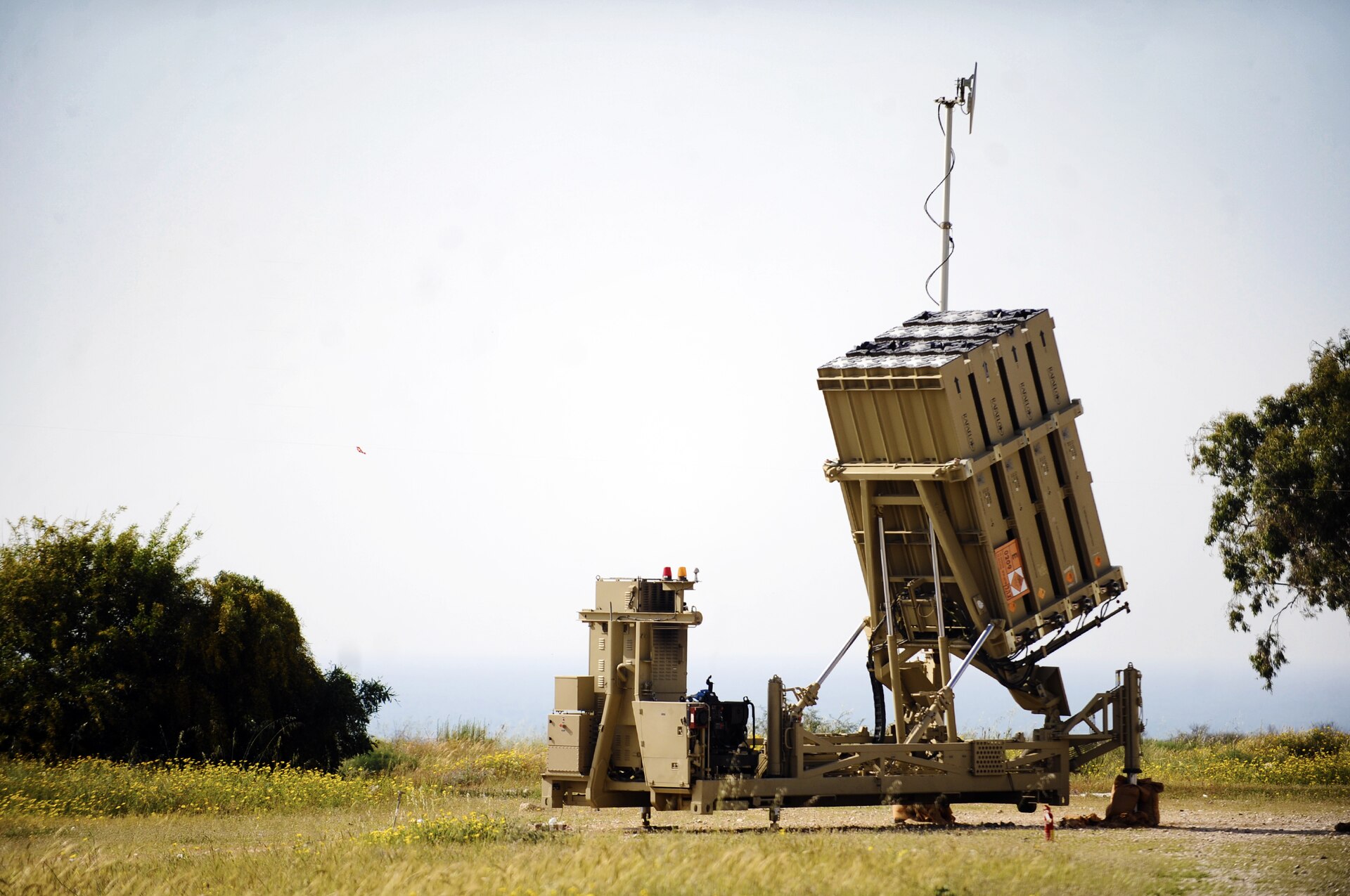
The disclosure arrived in a Gulf already cracked open by the UAE’s unilateral OPEC exit on May 1, a pre-war Saudi-Emirati media war over Yemen and Sudan, and an Iron Dome battery operated by Israeli Defence Forces personnel sitting on Emirati soil — the first time Israel has ever transferred an operational air-defence system to a foreign country. Iran did not create these fissures. It inherited them, mapped them, and is now feeding ordnance and intelligence into the gaps with a precision that the existing analytical coverage has not yet recognised for what it is: an active, deliberate wedge operation that treats the Saudi-Emirati relationship as a theatre of war equal to the Strait of Hormuz.
Table of Contents
The Disclosure as Weapon
The conventional reading of Iran’s “crush the UAE” message is that Tehran was signalling escalation — letting its Gulf neighbours know that the Emirates would pay a price for hosting American military assets, purchasing Israeli air-defence systems, and cracking down on the Iranian shadow financial network that once ran through Dubai. That reading is accurate but incomplete. It describes the content of the message while ignoring the architecture of its delivery, which is where the actual strategic work happens.
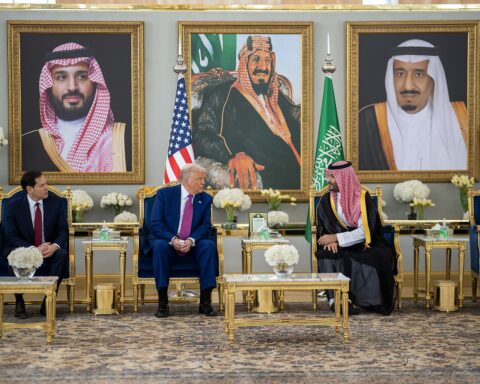
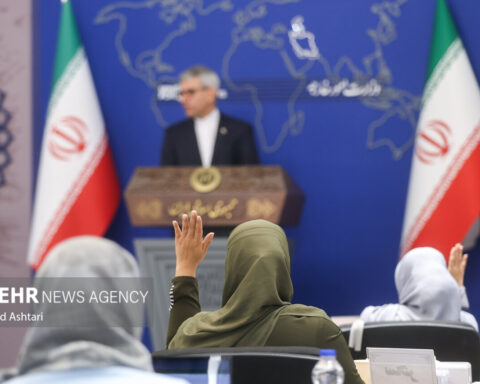
Iranian officials did not deliver this threat to the UAE’s foreign ministry, to Anwar Gargash, or to any Emirati interlocutor. They delivered it to Saudi Arabia and Oman — the two states currently mediating between Tehran and Washington, the two states with active diplomatic channels to Iran’s foreign minister Araghchi, and the two states whose continued engagement with Tehran depends on a perception that diplomacy can produce outcomes less destructive than the alternative. The message was calibrated not for the target but for the audience.
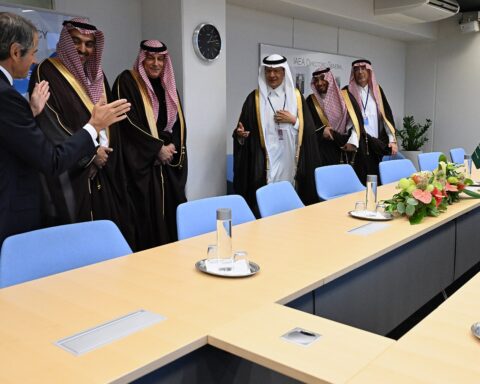
Saudi officials, according to Middle East Eye, “disapproved of the language.” That disapproval is itself the mechanism. Once Riyadh has received and disapproved of the threat, it faces a decision matrix with no clean exit: pass the warning to Abu Dhabi and validate the UAE’s existing argument that only Israeli and American security guarantees — not GCC solidarity — can protect the Emirates, or withhold it and risk being seen, after the next Iranian strike on Emirati infrastructure, as complicit in a preventable escalation. Either path widens the fracture between the two capitals. Iran did not need Saudi Arabia to act on the disclosure. It needed Saudi Arabia to receive it.
The Middle East briefing 3,000+ readers start their day with.
One email. Every weekday morning. Free.
Why Did Iran Tell Riyadh, Not Abu Dhabi?
Iran has four confirmed calls between Foreign Minister Araghchi and Saudi FM Prince Faisal bin Farhan in eighteen days — April 9, 13, 26, and 27 — a diplomatic cadence that exceeds the frequency of Araghchi’s communication with any other Gulf capital by a wide margin. Abu Dhabi has had no equivalent engagement. Iran is routing ceasefire proposals through Riyadh ahead of Washington, treating the Kingdom not merely as a convenient intermediary but as the only Gulf interlocutor whose engagement Tehran values enough to sustain.
This asymmetry is deliberate and carries a structural message: Saudi Arabia is the Gulf state Iran considers worth talking to, and the UAE is the Gulf state Iran considers worth destroying. By making Riyadh the recipient of both its diplomatic overtures and its threats against a nominal Saudi ally, Tehran is forcing a cognitive split inside the Saudi foreign-policy apparatus — the same officials managing the Hormuz diplomacy track are now also holding intelligence about Iran’s stated intent to escalate against the state that just walked out of OPEC without consulting them.
The timing compounds the pressure. Iran’s “crush” language arrived against the backdrop of the UAE’s OPEC departure on May 1, which Chatham House described as a decision taken “when Saudi Arabia faced its weakest negotiating position in the Gulf in a generation.” Tehran did not need to manufacture Saudi resentment toward Abu Dhabi — the OPEC exit had already done that work. What Iran did was offer Riyadh a frame in which the UAE’s unilateral behaviour and its coming destruction could be understood as part of the same trajectory, one that Saudi Arabia might deplore but need not prevent.
The Asymmetric Attack Record
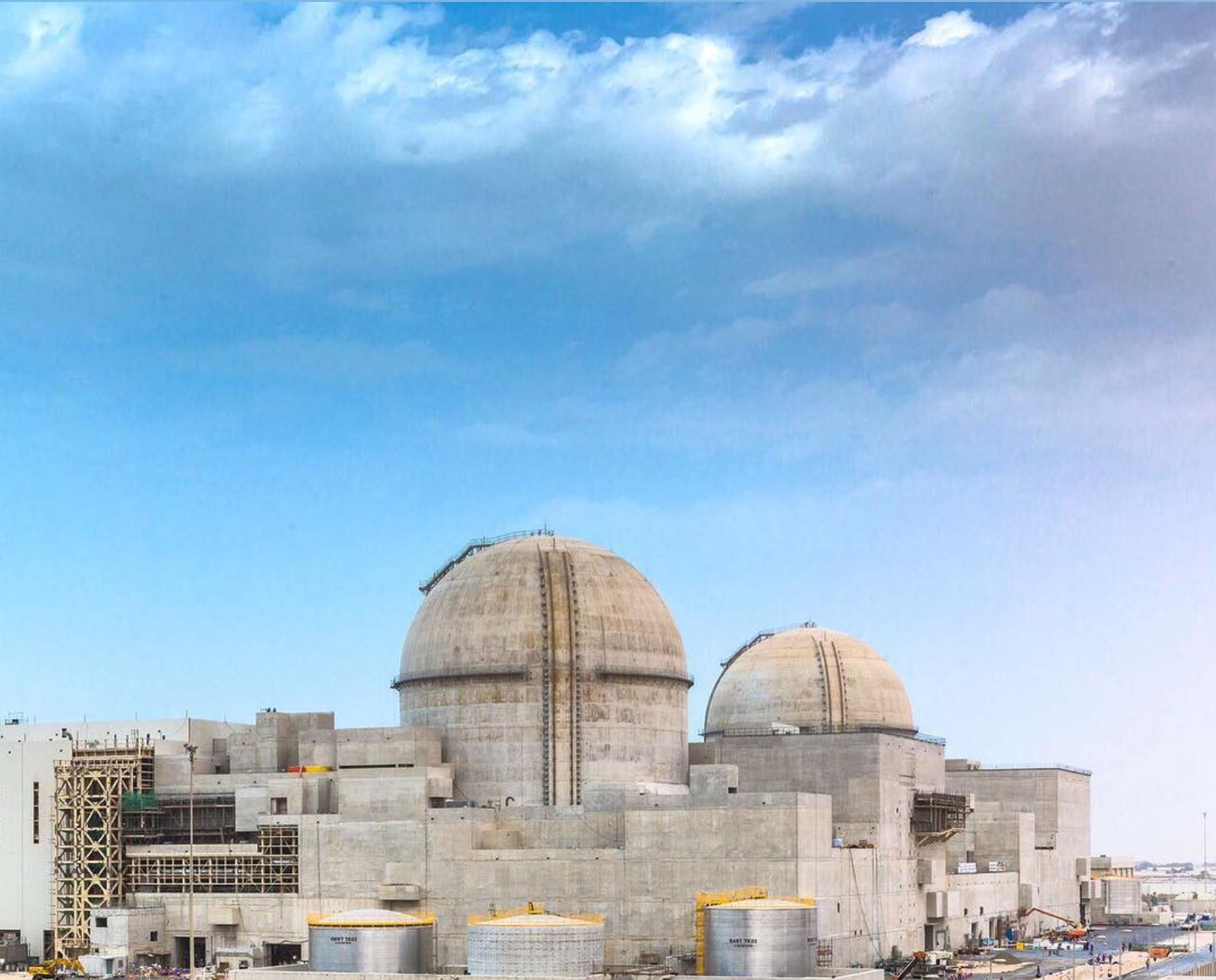
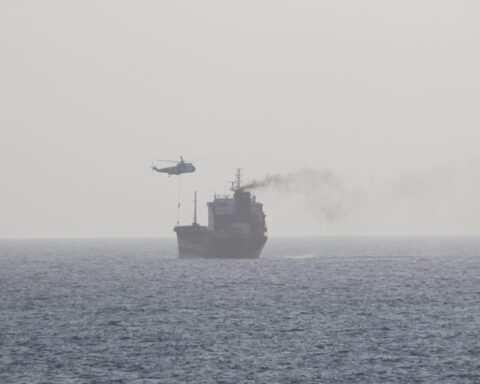
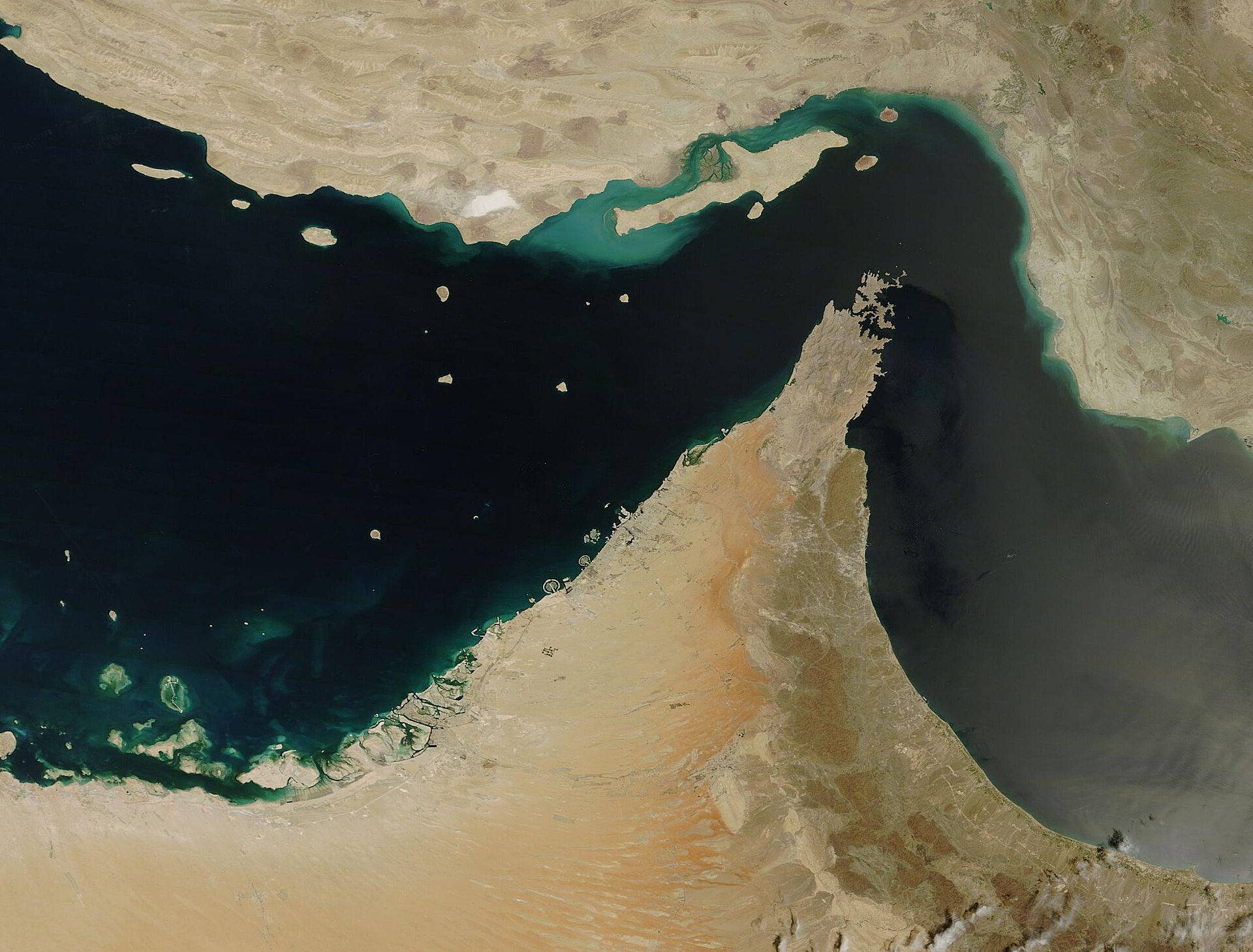
The numbers are stark enough to constitute a policy. As of April 9, the UAE had absorbed 2,819 incoming Iranian systems — more than double Kuwait’s total and nearly ten times Qatar’s. Thirteen people were killed and 224 injured. The IRGC’s March 28 strike on Emirates Global Aluminium’s Al Taweelah smelter and Aluminium Bahrain’s Alba facility was the first acknowledged Iranian attack on named civilian industrial infrastructure in the Gulf, with Tehran’s statement explicitly citing US corporate ownership links as justification. The ADNOC Ruwais refinery — Abu Dhabi’s largest — was hit by a drone that triggered a fire and full shutdown. An Oracle data centre in Dubai was claimed as a target on April 2. The ADNOC campaign extended beyond onshore infrastructure: on May 4, the same day Project Freedom escorted five American supertankers through Hormuz, IRGC drones struck ADNOC’s M.V. Barakah tanker in the Strait — confirming that UAE state energy assets remain on Iran’s active target list regardless of ceasefire status or convoy operations.
This is not indiscriminate bombardment. It is a targeting pattern designed to make a political argument: the UAE is paying a price for its alignment choices that no other Gulf state is paying, and the GCC’s collective-defence architecture — the one Gargash has now publicly called “not fit for purpose” — cannot distribute that cost. Iran chose the UAE as its primary Gulf target while simultaneously choosing Saudi Arabia as its primary Gulf interlocutor, and the inversion is the message. When the GCC Secretariat responds with its seventh “treacherous” condemnation and no collective-defence mechanism, it confirms that the institution Gargash has called “not fit for purpose” has found its ceiling.
The precedent runs in both directions. In the 2019 Abqaiq-Khurais attacks, Iran struck Saudi Aramco infrastructure while leaving UAE facilities untouched — at a moment when Saudi-Emirati relations were already strained over Yemen. The geometry has now been reversed: the UAE absorbs the kinetic burden while Saudi Arabia receives the phone calls. Iran has spent seven years learning that differential targeting across GCC states produces differential political responses, and it is now applying that lesson with the war’s full destructive vocabulary.
| Target State | Incoming Systems | Killed | Injured |
|---|---|---|---|
| UAE | 2,819 | 13 | 224 |
| Kuwait | ~1,400 | — | — |
| Qatar | ~280 | — | — |
How Does This Trap Saudi Arabia’s Mediation Role?
Riyadh’s Hormuz diplomacy track — the one Saudi Arabia is building to operate outside the Russian and Chinese veto that has paralysed multilateral approaches — depends on a credible claim that the Kingdom can speak for Gulf interests broadly enough to deliver a deal Iran will accept. That claim was already under strain after the UAE’s OPEC exit signalled that Abu Dhabi no longer considers itself bound by Saudi-led Gulf consensus. Iran’s disclosure that it intends to “crush” the Emirates converts that strain into a structural impossibility. The same geography that traps Saudi mediation also explains why Riyadh cannot publicly endorse Project Freedom — the two-chokepoint trap constraining Saudi Arabia maps the Yanbu ceiling and Bab el-Mandeb exposure that make endorsement suicidal. Reuters’ May 12 reporting confirms that Saudi Arabia resolved this contradiction through covert action rather than public endorsement: the covert Saudi strikes on Iranian soil in late March and Riyadh’s subsequent veto of Project Freedom are the operational expression of that calculus.
If Saudi Arabia includes UAE security concerns in its mediation framework, it validates Abu Dhabi’s demand for reparations and guarantees — conditions that Iran will never accept and that would collapse the diplomatic track before it produces results. If Saudi Arabia excludes UAE security concerns, it confirms Gargash’s public declaration that the GCC is “not fit for purpose” and pushes Abu Dhabi further toward the bilateral Israeli-American security architecture that is already operational on Emirati soil. Iran wins either way, because the wedge was designed to make Saudi Arabia’s mediation role and its GCC leadership role mutually exclusive.
The financial logic driving MBS to absorb these contradictions rather than exit the mediation role is examined in detail in the $100 billion war bet: Goldman Sachs’s May 1 analysis found that at $112 Brent, Saudi Arabia is net-positive on the conflict, meaning Riyadh’s mediation posture and its fiscal interest in the war’s continuation are not in conflict — they are the same calculation.
The ISPI analysis published this year comes closest to describing the mechanism: “Some reporting already portrays a Saudi-led axis that favours diplomacy with Iran, versus an Emirati team that wants the United States and Israel to ‘finish off’ the Islamic Republic.” What ISPI does not yet account for is that this binary did not emerge organically from the two capitals’ differing strategic cultures — it was engineered by the state that benefits most from its existence. Iran’s troika may lack the internal authority to deliver a Hormuz deal, but it retains the capacity to ensure that the Gulf states negotiating with it cannot present a unified front.
The Fractures Iran Inherited
Iran did not build the Saudi-Emirati fissure. The fissure was already load-bearing before the first Iranian missile crossed the Gulf. Since early December 2025, the two countries had been locked in a dispute over Yemen policy and influence in East Africa — particularly Sudan — that had escalated into what Middle East Eye described as a “bitter media war” sharpening the ideological distance between the two capitals. Saudi commentary took “potshots” at the UAE for maintaining more than $20 billion in annual trade with Iran that “failed to restrain Tehran” — a framing that Tehran is now exploiting in reverse by telling Riyadh, in effect, that the Emirates’ commercial engagement did not buy peace and its military alignment with Israel will not buy security.
The pre-war trade relationship itself has become a weapon in both directions. The UAE was Iran’s second-largest trading partner after China, with Emirati exports to Iran rising from roughly $5.2 billion in 2018 to more than $20 billion annually at peak. Hundreds of Iranian-linked shell companies operated through Dubai, running oil, petrochemicals, and dollar transfers that sustained Iran’s sanctioned economy. When the UAE shut that network down after the war began, Tehran lost a critical economic lifeline but gained a grievance narrative and detailed knowledge of Emirati financial architecture — intelligence that informs both its targeting and its diplomatic messaging.
The Abraham Accords planted the structural seed for what has now become an operational Israeli military presence on UAE soil. The trajectory from the 2020 normalisation agreement to the April 26, 2026, Iron Dome deployment — which Axios reported included several dozen IDF personnel operating the battery after a Netanyahu-MBZ call — was predictable enough that Iran could accelerate it through targeting. By hitting the UAE harder than any other Gulf state, Tehran ensured that Abu Dhabi would seek protection from the only partner willing and able to provide it at speed, which in turn confirmed the Iranian narrative that the UAE had chosen Israel over the Gulf.
What Do the Ceasefire Demands Reveal?
The April 8 ceasefire statements from Saudi Arabia and the UAE could have been issued by capitals on different continents. The UAE’s statement contained zero acceptance language: it demanded reparations for Iranian attacks, guarantees against future aggression, unconditional reopening of the Strait of Hormuz, and curtailment of Iran’s missile program and proxy networks. The UAE ambassador to the United States stated that “a simple ceasefire isn’t enough.” Gargash went further, declaring that “any deal with Iran would need to include guarantees that Iran would not attack again and reparations for the damage that they caused” and that the GCC had been “exposed” as structurally inadequate.
Saudi Arabia’s statement, by contrast, contained zero accountability language — no reparations demand, no enforcement mechanism, no reference to Iranian liability for the damage inflicted on Gulf states including its own infrastructure. This was not an oversight. Riyadh’s diplomatic posture requires keeping the channel to Araghchi open, and reparations demands would close it permanently. Saudi Arabia is negotiating for an end to hostilities; the UAE is negotiating for a post-war security order that Iran will never voluntarily accept. Iran has since weaponised that divergence further: Tehran’s UN Security Council filing of a $270 billion counter-reparations claim against all six Arab states — citing a CENTCOM press release praising them as “exceptional teammates” — may have handed Saudi Arabia an unexpected diplomatic exit from the accountability deadlock.
“Any deal with Iran would need to include guarantees that Iran would not attack again and reparations for the damage that they caused… the GCC is not fit for purpose.”
— Anwar Gargash, UAE Presidential Adviser, April 2026
The divergence in ceasefire language maps directly onto the divergence in alliance architecture. Saudi Arabia is deepening its defence relationship with Pakistan — the state that has emerged as the Iran war’s sole enforcement mechanism — while the UAE is anchoring its strategic depth to India through a Comprehensive Strategic Partnership and to Israel through the Iron Dome deployment and expanding intelligence cooperation. As Carnegie Endowment’s analysis concluded, Gulf security architecture “will continue migrating to bilateral arrangements: the UAE with the UK, Saudi Arabia with Pakistan, Oman with Iran, Qatar with whoever will guarantee North Field production.” That Saudi-Pakistan bilateral became the core of something larger on May 6, when Riyadh joined Turkey, Pakistan and Egypt in Ankara to institutionalise a four-way security framework that converts bilateral entrenchment into a named, recurring architecture capable of acting independently of GCC consensus. Iran’s wedge strategy did not create this centrifugal tendency, but it is ensuring that the force pulling the two largest Gulf economies apart exceeds any institutional gravity holding them together.
The Iron Dome Endpoint
The Israeli Iron Dome battery operating on UAE soil with IDF personnel is not the beginning of something new — it is the endpoint of a trajectory that the Abraham Accords set in motion in 2020 and that Iran’s targeting pattern has now completed. By striking the UAE with 2,819 incoming systems while keeping Saudi Arabia as its preferred diplomatic partner, Tehran converted the UAE’s normalisation with Israel from a diplomatic abstraction into an operational military dependency. Haaretz reported on April 30 that the UAE is positioning for “a post-Iran-war Gulf where it will stand alone,” with MBZ prioritising US-Israeli alignment over Arab solidarity. An Israeli diplomatic source told CNN on May 1 that “Israeli influence will become more prominent in the Gulf.”
For Saudi Arabia, the Iron Dome deployment crystallises the problem that Iran’s disclosure was designed to create. Riyadh views Israel’s regional military expansion as a threat to its own security architecture — Chatham House noted that “Saudi Arabia has come to view Israel and its actions as a threat to regional security and therefore sees the UAE’s alignment with it in a poor light.” The deployment of an Israeli weapons system and military personnel to a GCC member state, undertaken without Saudi consultation, represents a breach of the implicit understanding that Gulf security would remain a Gulf affair. But Riyadh cannot object without appearing to deny the UAE the protection that Saudi-led collective defence has manifestly failed to provide.
The $8.6 billion emergency Foreign Military Sales package that Secretary Rubio approved on May 1 sharpens the geometry further. The recipients are Israel, Qatar, Kuwait, and the UAE. Saudi Arabia was explicitly excluded — a decision that reinforces the emerging pattern in which the Kingdom’s refusal to adopt the UAE’s maximalist posture toward Iran costs it access to the American security umbrella that both countries once shared equally. Iran did not engineer Saudi Arabia’s exclusion from the FMS package, but it created the conditions under which the exclusion became legible as policy rather than oversight.
Two Gulfs, One War
The Stimson Center’s framing of the GCC’s structural limitation — that “each GCC state approaches Iran through a distinct foreign policy lens shaped by geography, demography, economic exposure, military alignments, domestic politics, regional ambitions, public opinion, and historical memory” — was written as analysis but reads, after the “crush the UAE” disclosure, as a targeting manual. Iran has understood for decades that the GCC is not a bloc but a coalition of differentiated threat perceptions, and the war has given Tehran the kinetic and diplomatic tools to exploit each differentiation simultaneously.
The two post-war Gulf orders now taking shape inside the same six-member organisation are incompatible in ways that no amount of summit communiqué language can reconcile. Saudi Arabia is building a regional-anchor model — Hormuz diplomacy routed through Riyadh, Pakistani enforcement capacity, OPEC managed as a Saudi instrument now that the UAE has left — that requires maintaining channels to every party including Iran. The UAE is building a free-agent model: bilateral defence arrangements with Israel, India, the UK, and the United States that bypass GCC structures entirely, funded by an energy-export capacity that Abu Dhabi no longer intends to constrain within OPEC quotas. A full structural analysis of how Abu Dhabi has converted these wartime moves into a durable post-Saudi Gulf architecture is in How the Iran War Ended Saudi Arabia’s Gulf Monopoly.
Iran’s achievement is not that it created this divergence but that it has made the divergence self-reinforcing. Every Iranian strike on UAE infrastructure pushes Abu Dhabi further toward Israeli and American protection. Every Araghchi call to Saudi FM Faisal pulls Riyadh further into a mediator role that requires distance from the UAE’s maximalist demands. The “crush the UAE” disclosure accelerates both movements simultaneously — it tells Saudi Arabia that the UAE is about to become a more damaged, more desperate, more Israeli-aligned neighbour, and it invites Riyadh to factor that trajectory into its own diplomatic calculus rather than resist it. That calculus became starker on May 7, when Pezeshkian — who had privately called IRGC strikes “madness” — emerged from a 2.5-hour meeting with Mojtaba Khamenei carrying the IRGC’s own blockade-lift precondition as presidential policy: the authorization ceiling has now absorbed the presidency itself.
The war will end. The structural damage to the Saudi-Emirati relationship that Iran is engineering through a combination of differential force, selective diplomacy, and calculated disclosure will outlast any ceasefire. Tehran gloated about its UAE strikes to the Saudis and Omanis, Middle East Eye reported — not because gloating achieves a military objective, but because forcing your adversaries’ nominal allies to sit in a room and listen to you describe how you are destroying them is itself an act of strategic separation. The sound of Saudi officials “disapproving of the language” while continuing to take Araghchi’s calls is the sound of a wedge working exactly as designed.
Frequently Asked Questions
Has the UAE formally withdrawn from any GCC defence commitments since the war began?
The UAE has not formally withdrawn from GCC defence structures, but its actions constitute a functional withdrawal. President MBZ did not attend the GCC’s “Decisiveness Summit” that declared collective defence, the Iron Dome deployment was arranged bilaterally with Israel without GCC consultation, and Gargash’s public statement that the GCC is “not fit for purpose” amounts to a policy declaration that Abu Dhabi no longer considers the bloc a credible security provider. The TRENDS Research and Advisory think tank in Abu Dhabi has published a formal doctrine paper characterising Iran’s attacks as deliberate state policy targeting civilian infrastructure — laying the intellectual groundwork for a UAE security posture that operates entirely outside GCC frameworks. The founding event of the Saudi-UAE split predates Iran’s wedge operation: Bloomberg’s account of the MBS-MBZ fracture shows MBZ proposed a joint Gulf strike that MBS rejected as “not our war” before Saudi Arabia struck Iran alone — the bilateral rupture that Iran later inherited and widened.
What was the scale of the UAE’s pre-war financial relationship with Iran?
UAE-Iran trade grew from approximately $5.2 billion in 2018 to more than $20 billion annually at its pre-war peak, making the UAE Iran’s second-largest trading partner after China. This trade was concentrated in Dubai, where hundreds of Iranian-linked shell companies ran oil shipments, petrochemical transfers, and dollar-denominated transactions that sustained Iran’s sanctioned economy. The UAE’s post-war crackdown on these networks destroyed the bulk of Iran’s non-Chinese economic lifeline, but it also provided Tehran with granular intelligence on Emirati financial infrastructure — knowledge that has informed both IRGC targeting decisions and Iran’s diplomatic messaging to Saudi Arabia about UAE vulnerability.
Is there precedent for Iran using differential targeting to split Gulf states?
The closest precedent is the September 2019 Abqaiq-Khurais attack, in which Iran struck Saudi Aramco’s most critical processing facility while leaving UAE infrastructure entirely untouched — at a moment when the two countries were already diverging over Yemen. The 2019 geometry has been inverted in 2026: the UAE now absorbs the heaviest kinetic burden while Saudi Arabia receives the diplomatic engagement. Iran has also historically exploited GCC differentiation through the Houthi campaign, which targeted Saudi border areas and Emirati-backed forces in Yemen along separate tracks calibrated to each country’s distinct political vulnerabilities.
What would a post-war Gulf security architecture look like if the Saudi-UAE split becomes permanent?
Carnegie Endowment’s April 2026 analysis projects a migration toward purely bilateral security arrangements: UAE-UK, UAE-Israel, Saudi-Pakistan, Oman-Iran, and Qatar aligned with whichever power guarantees North Field gas production. The GCC would remain as a diplomatic forum but lose any residual function as a collective-security organisation. Saudi Arabia would anchor one regional network built around Hormuz diplomacy and OPEC management, while the UAE would operate as an independent military-commercial node with Israeli and Indian strategic depth — two Gulf powers coexisting within the same geographic space but operating within incompatible alliance systems for the first time since the GCC’s founding in 1981.
Why was Saudi Arabia excluded from the US emergency FMS package?
The $8.6 billion package approved by Secretary Rubio on May 1, 2026, went to Israel, Qatar, Kuwait, and the UAE. Saudi Arabia’s exclusion reflects a convergence of factors that predate the war: congressional resistance to Saudi arms sales that intensified after the Khashoggi killing and the Yemen campaign, Riyadh’s refusal to adopt the UAE’s maximalist posture toward Iran, and Saudi Arabia’s active diplomatic engagement with Araghchi — engagement that Washington has tacitly supported but cannot publicly reward with emergency military transfers while Congress watches. The exclusion effectively penalises Saudi Arabia for the mediating role that the US itself needs Riyadh to play. The escalation that followed Iran’s May 2 disclosure reached Barakah directly on May 18, when six Iraqi-origin drones struck the nuclear plant — how MBZ’s veto of US strikes on Iran and the Barakah attack converged in the same 48-hour window.