
WASHINGTON — President Trump told NBC on Thursday that Iran retains “21–22 percent” of its pre-war missiles, describing a military that has been “totally destroyed” by more than 1,450 American strikes. Classified intelligence briefings delivered to Congress and the National Security Council in May tell a different story: Iran has restored operational access to 30 of 33 missile sites along the Strait of Hormuz, and a separate assessment presented to the NSC on May 19 found Tehran retains roughly 70 percent of its prewar stockpile.
The spread between these figures is not a rounding difference, it is a fourfold gap — and Saudi Arabia is attempting to rebuild air defenses inside it. Riyadh holds between 80 and 150 PAC-3 interceptors, has been excluded from both emergency resupply authorizations Washington issued this year, and sits behind the Pentagon’s own order for nearly 2,800 rounds in the production queue at the only factory in the world that makes the missile it needs. Whether Iran kept a fifth of its arsenal or three-quarters of it, Saudi Arabia’s procurement arithmetic arrives at the same number.
Table of Contents
- What Did Trump Claim About Iran’s Remaining Arsenal?
- What Did His Own Intelligence Agencies Tell Congress?
- Installations, Inventory, and the Measurement Gap
- Iran Answered With Seven Missiles, Not a Percentage
- How Many Interceptors Does Saudi Arabia Have Left?
- The Production Line Saudi Arabia Cannot Access
- Why Has Washington Excluded Riyadh From Emergency Resupply?
- Both Numbers Produce the Same Saudi Outcome
- Six Diplomatic Calls and None to Washington
- Frequently Asked Questions
What Did Trump Claim About Iran’s Remaining Arsenal?
Trump told NBC’s Kristen Welker on June 5, 2026, that Iran retains “21–22 percent” of its pre-war missile inventory, claiming most drone factories, launch pads, and manufacturing areas have been eliminated. He called Iran’s military “totally destroyed” while acknowledging “it’s a lot of missiles.” No methodology or intelligence source was cited for the figure.
The claim arrived during a sit-down recorded the same week Iran fired seven ballistic missiles simultaneously at Kuwait and Bahrain — a dual-capital salvo that demonstrated the kind of operational capacity a “totally destroyed” military is not supposed to possess. “I would say percentagewise, maybe 21–22% of their missiles,” Trump said. “It’s a lot of missiles, but it’s not what it was when we first attacked.”
“Most of the drone factories have been knocked out, most of the launching pads have been knocked out, and most of the missile manufacturing areas have been knocked out. But they still have capacity.”
— President Trump, NBC News (Kristen Welker interview), June 5, 2026
The HOS Daily BriefThe Middle East briefing 3,000+ readers start their day with.
One email. Every weekday morning. Free.
Trump’s framing echoes the narrative Admiral Brad Cooper, the CENTCOM commander, presented to the Senate Armed Services Committee on May 14. Cooper testified that Operation Epic Fury had “damaged or destroyed over 85 percent of Iran’s ballistic missile, drone, and naval defense industrial base” across more than 1,450 strikes, and that rebuilding Iran’s navy would take “a generation.” When reporters pressed him on intelligence reports suggesting Iran retained 70 to 75 percent of its prewar missile and launcher inventory, Cooper was dismissive: “The numbers that I’ve seen in open source are not accurate.”
Cooper’s pivot was more revealing than his numbers. Rather than defend a specific inventory count, he shifted the argument to “command and control that’s been shattered” and Iran’s supposed inability to produce replacement missiles, conceding implicitly that the surviving stockpile might be larger than the administration’s public figure while arguing it matters less than the damage to Iran’s ability to coordinate and replenish. The gap between what the administration says it destroyed and what Iran can still fire is where the entire intelligence dispute lives.
What Did His Own Intelligence Agencies Tell Congress?
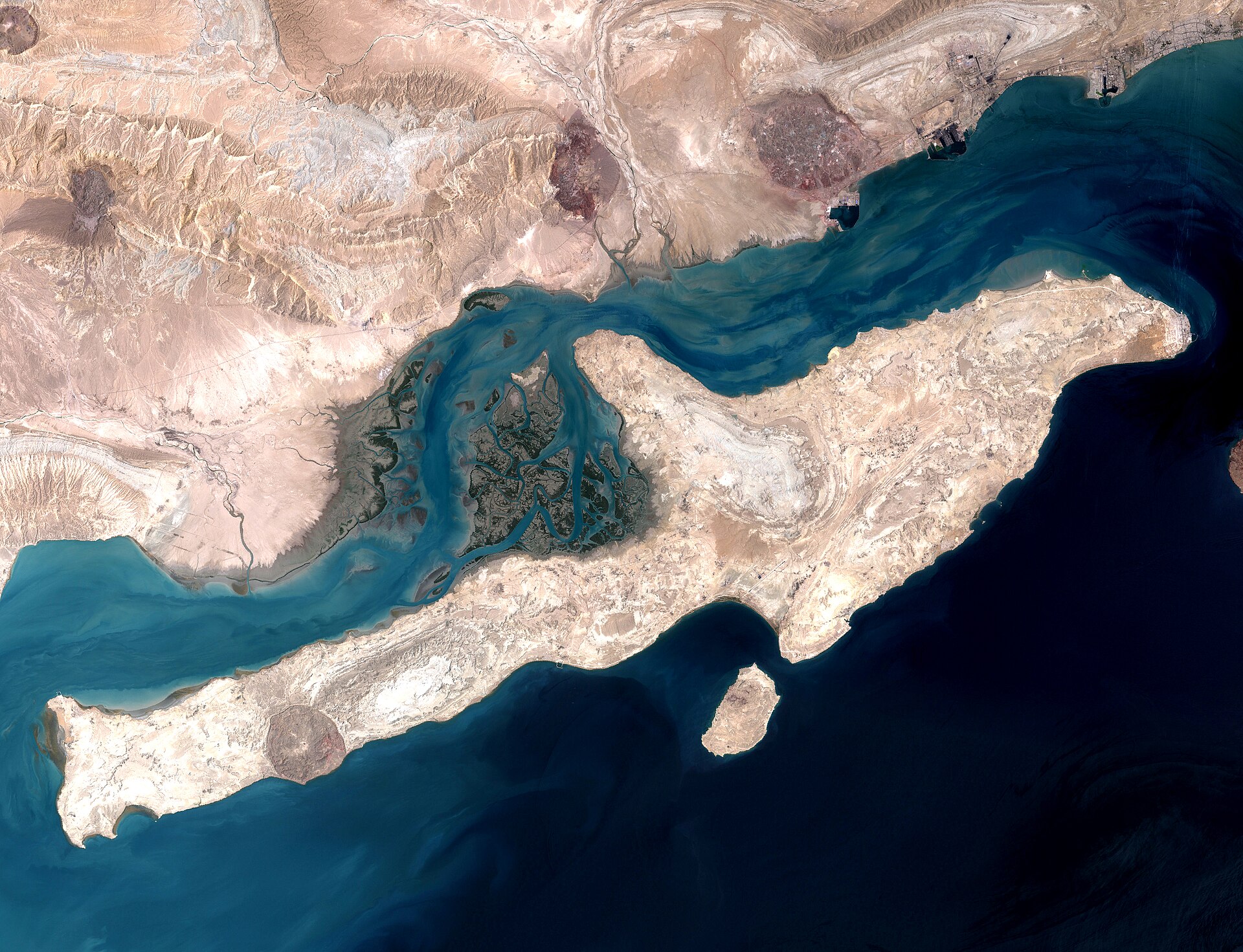
Classified U.S. intelligence assessments presented to Congress in May 2026 found Iran restored operational access to 30 of 33 missile sites along the Strait of Hormuz within 40 days of ceasefire. A separate NSC briefing on May 19 concluded Iran retains roughly 70 percent of its prewar stockpile, and an IDF estimate from around the April 5 ceasefire placed survival at approximately 40 percent.
The intelligence community’s picture of Iran’s surviving arsenal bears almost no resemblance to the president’s public claims. Three separate assessments, each using different methodologies and delivered to different audiences, converge on the same broad conclusion: Iran’s military is degraded but operational. The range among them — 40 percent by IDF count, 70 percent by the NSC briefing, 91 percent for launch-site restoration — is wide enough to drive a procurement strategy through, and the lower bound alone is nearly double Trump’s 21 percent.
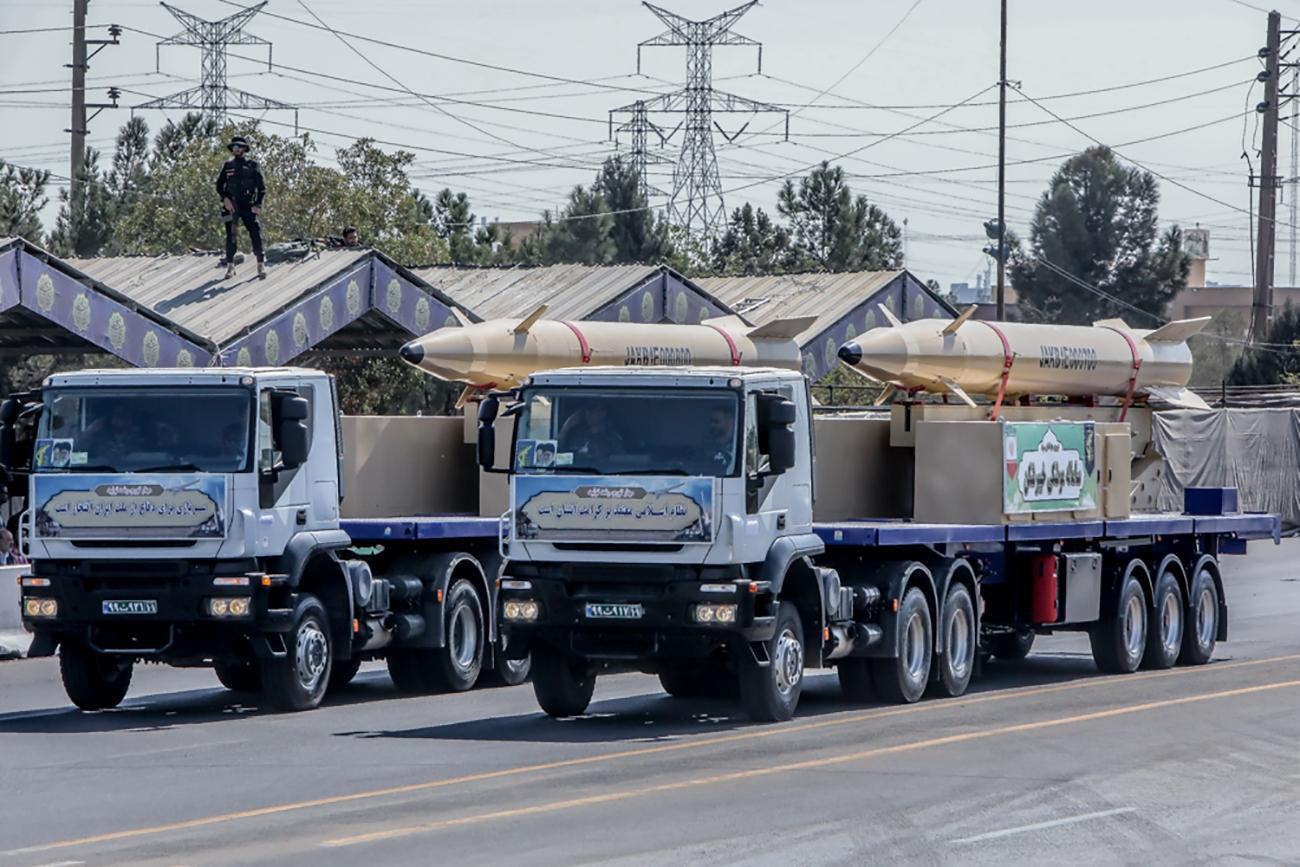
CNN’s satellite analysis, published May 31, provided the visual evidence. Analysts confirmed that Iran had reopened 50 of 69 tunnel entrances at 18 underground missile facilities struck during Operation Epic Fury, using bulldozers and dump trucks to clear rubble and repave access roads. The imagery showed not a military scrambling to rebuild from catastrophic damage but one methodically restoring access to assets that survived the bombing campaign intact inside hardened mountain storage.
“Continue launching missiles so long as they have launchers and crews, even if production has halted.”
— Sam Lair, James Martin Center for Nonproliferation Studies, on Iran’s restored launch capability (CNN, May 31, 2026)
NBC’s own investigative unit — Gordon Lubold, Courtney Kube, and Dan De Luce — had reported as early as May 1 that U.S. intelligence showed Iran maintained “many of Iran’s ballistic missiles” alongside more than half of the IRGC’s naval fleet and more than half of the air force’s operational aircraft. Their reporting noted that Iran was using the ceasefire not to recover but to actively reposition remaining capabilities for potential renewed strikes, a finding that directly undermined the administration’s narrative of a military rebuilding from near-total destruction.
The Foundation for Defense of Democracies assessed on May 26 that Iran had lost roughly one-third to one-half of its ballistic missile arsenal and approximately half of its launchers — a more measured estimate than the intelligence community’s 70 percent survival figure but still vastly more than the 21 to 22 percent the president would claim ten days later.
Installations, Inventory, and the Measurement Gap
The reason these numbers diverge so widely is that they are not measuring the same thing. Trump’s “21–22 percent” is an inventory claim — how many physical missiles Iran still possesses as a fraction of its prewar stockpile — while the congressional briefing’s “30 of 33 sites” is an installation-access claim measuring how many launch positions Iran can operate from, and Cooper’s “85 percent destroyed” is an industrial-base claim about factory and logistics damage. Each statement can be simultaneously true. Together they describe a military that has lost production capacity and a substantial fraction of its stockpile but can still fire what it has from almost everywhere it could before the war.
Intelligence agencies have always tracked missile launchers — visible, countable, satellite-observable — with greater confidence than missile stockpiles, which sit dispersed across underground tunnels and mountain storage in quantities that resist verification from orbit. The Jerusalem Post reported in April 2026 that the United States could determine with certainty only that it had destroyed “about a third” of Iran’s missile arsenal, with the status of another third unclear because bombing had “likely damaged, destroyed, or buried those missiles in underground tunnels and bunkers.” That phrasing — “likely damaged, destroyed, or buried” — is three different outcomes collapsed into a single category, and the distance between them is the distance between a missile that no longer exists and one sitting behind a pile of rubble that a bulldozer can move in an afternoon.
| Source | Date | What It Measures | Figure |
|---|---|---|---|
| Trump (NBC interview) | June 5, 2026 | Missile inventory remaining | 21–22% |
| IDF estimate (via FDD) | c. April 5, 2026 | Missiles remaining | ~1,000 of 2,500 (~40%) |
| FDD assessment | May 26, 2026 | Arsenal lost | One-third to one-half |
| NSC briefing (Defense News) | May 19, 2026 | Prewar stockpile retained | ~70% |
| Congressional intel briefing | May–June 2026 | Hormuz launch sites restored | 30 of 33 (91%) |
| CNN satellite analysis | May 31, 2026 | Tunnel entrances reopened | 50 of 69 (72%) |
| Admiral Cooper (SASC) | May 14, 2026 | Industrial base damaged | 85%+ |
The table exposes what no single number can: the “destruction” of Iran’s military is not a fact in dispute but a word whose meaning shifts with the metric selected. An 85 percent hit rate against factories is consistent with a 70 percent missile survival rate, because destroying a factory that makes missiles does not destroy the missiles already made and stored. A 91 percent launch-site restoration rate is consistent with lower inventory survival because Iran needs far fewer missiles than it had to saturate the launch infrastructure it has recovered. The uncertainty is not a gap in knowledge that more intelligence collection will close; it is a structural feature of a military that spent two decades building redundancy into every layer of its missile architecture precisely to ensure that post-strike assessments would produce this kind of ambiguity.
Iran Answered With Seven Missiles, Not a Percentage
The IRGC did not respond to Trump’s inventory claim with a counterfigure, nor did it need to. On June 3 — two days before the NBC interview aired — Iran launched seven ballistic missiles simultaneously at Ali Al Salem air base in Kuwait and NSA Bahrain, the first all-ballistic dual-capital salvo of the conflict, on Day 99. Six were intercepted by a combination of U.S. and Bahraini air defenses; the seventh malfunctioned before reaching its target. The salvo was a proof of operational capacity delivered in the same week the president would tell a national audience that the adversary’s military had been “totally destroyed,” and Saudi Arabia watched it from behind a statement of condemnation and nothing else.
The tempo data across the broader conflict tells a consistent story. The Soufan Center reported in early April that Iran was sustaining daily launch rates of roughly 25 missiles and approximately 120 drones against Gulf state targets even after five weeks of intensive American bombardment — a pace that consumed interceptors faster than any production line on earth can replace them. Iran also demonstrated strategic reach by firing two missiles at Diego Garcia, covering more than 2,000 miles and exceeding most prewar estimates of its operational envelope, suggesting the surviving arsenal includes capabilities that were not fully mapped before the war began.
Iran’s formal rejection of Trump’s MOU proposal, delivered through Oman on June 6 alongside a counteroffer, was a diplomatic posture that only makes sense if Tehran calculates its remaining strike capacity is sufficient to sustain its bargaining position indefinitely. The IRGC’s logic is simpler than the intelligence debate: if you can fire seven ballistic missiles at two capitals in a single coordinated salvo 99 days into a conflict, the percentage of your prewar stockpile that survived is a question for your adversary’s analysts, not for yours.
How Many Interceptors Does Saudi Arabia Have Left?
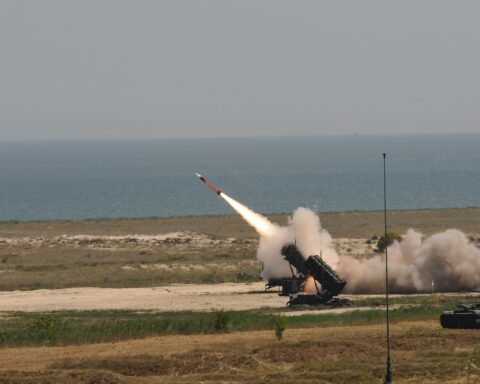
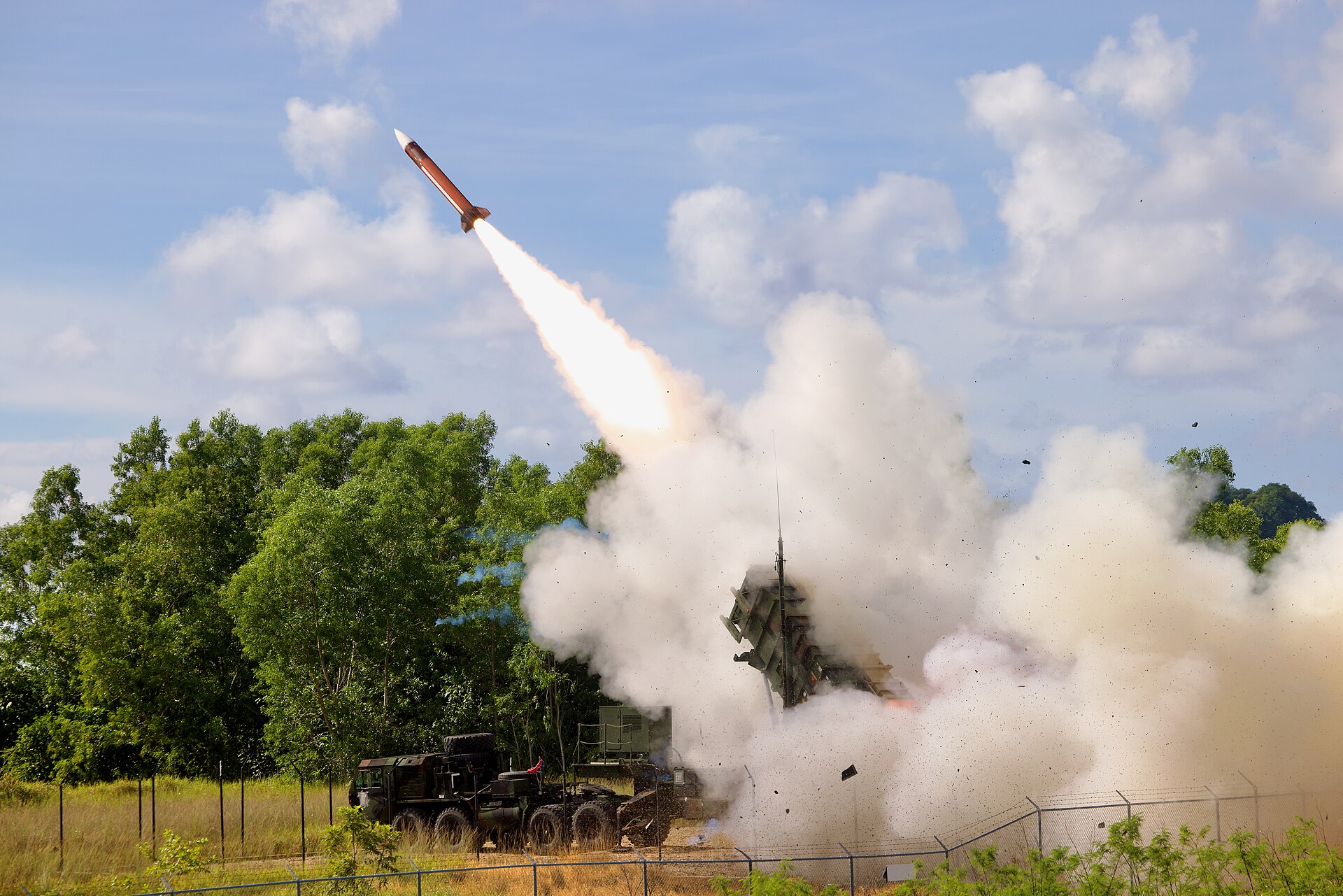
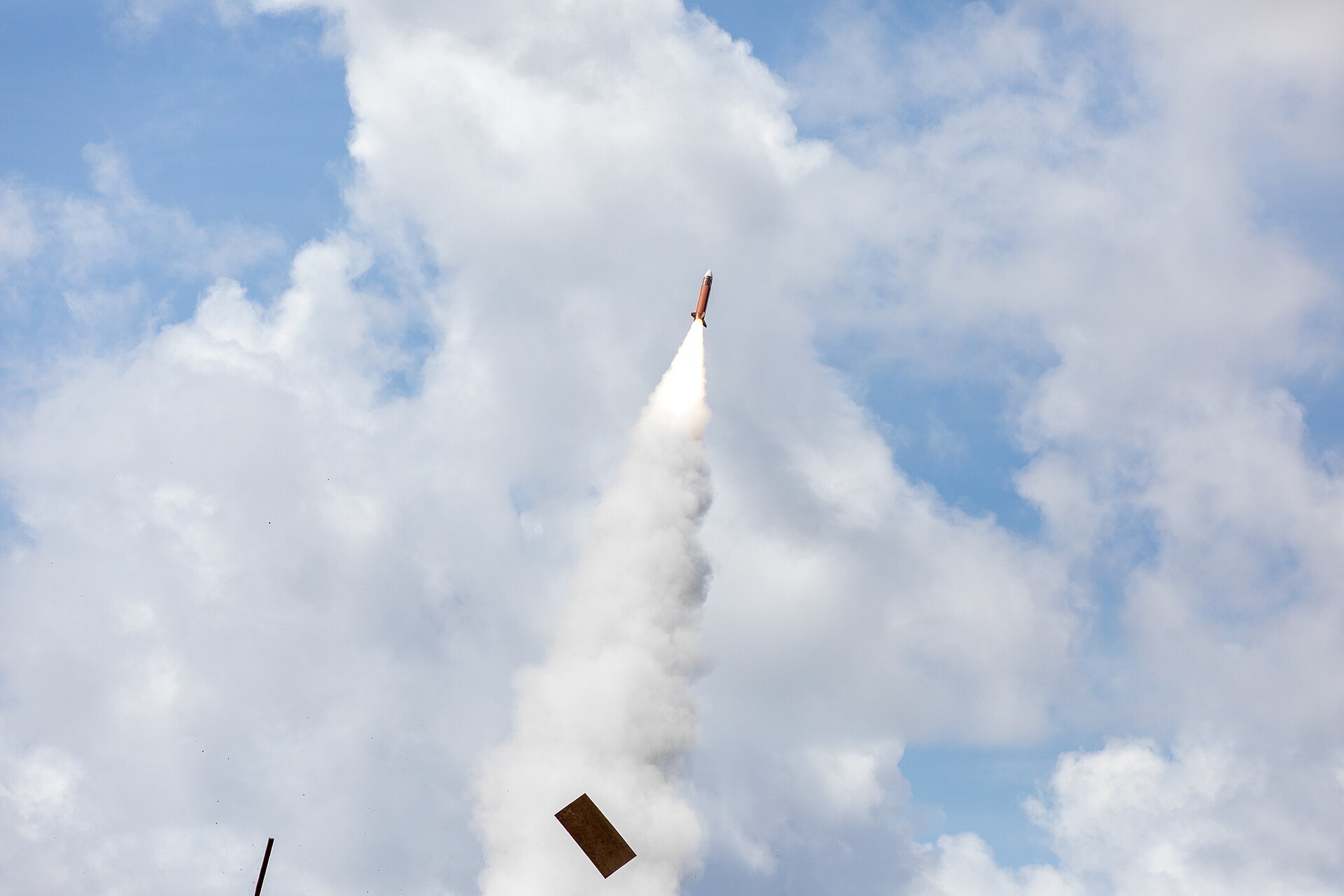
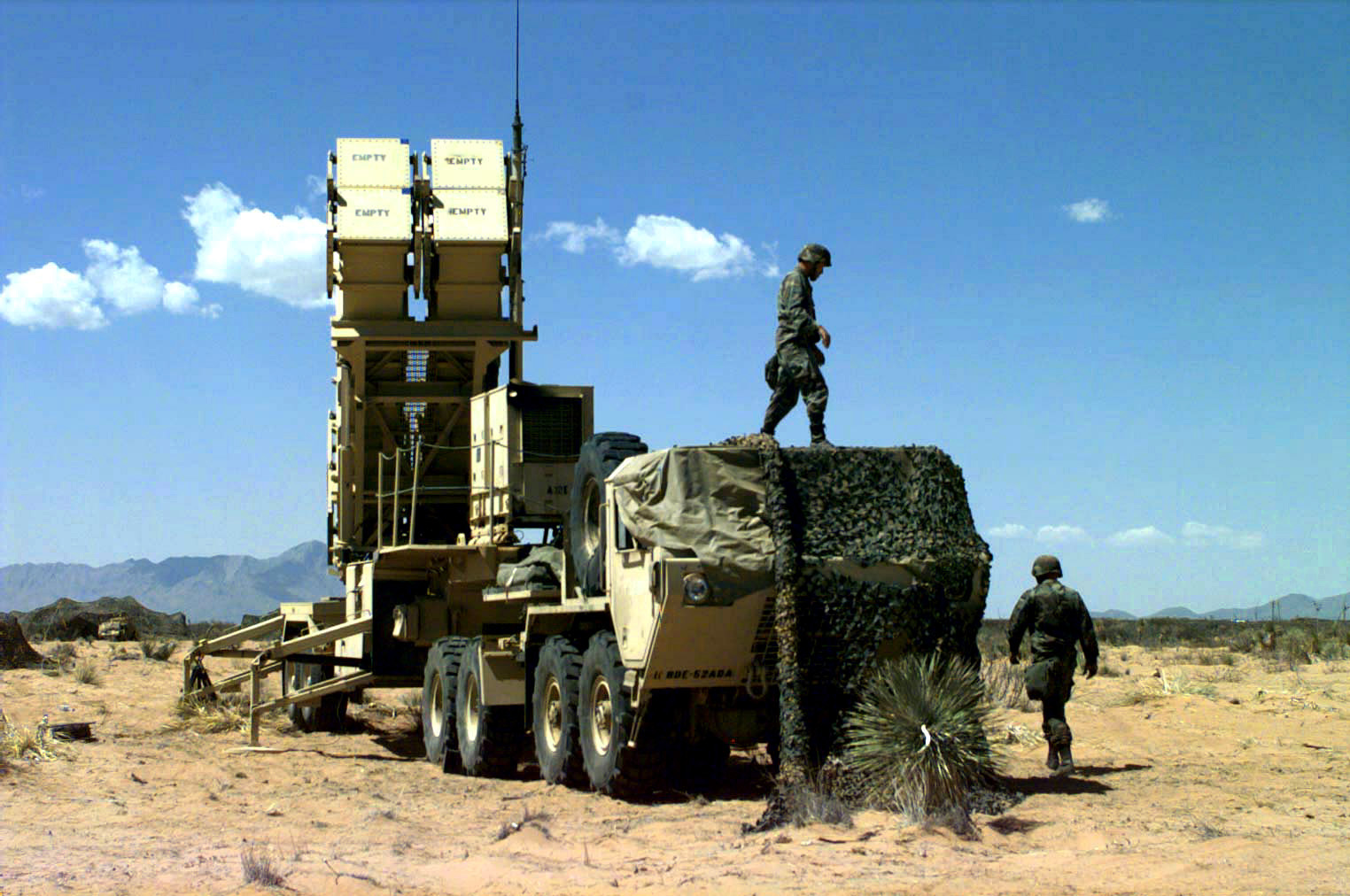
Saudi Arabia retains an estimated 80 to 150 PAC-3 MSE interceptors, roughly 3 to 5 percent of its approximately 2,800-round prewar stockpile. Its January 2026 FMS order for 730 rounds at $9 billion carries an earliest delivery date of mid-2027, and the Pentagon’s own FY2027 order for 2,798 missiles claims priority in the production queue at the only factory that makes them.
At the midpoint estimate of 115 interceptors, Saudi Arabia has fewer PAC-3 rounds than Iran launched in a single week at the height of the campaign. Against that documented daily tempo of 25 missiles and 120 drones, the entire remaining stockpile would be exhausted in under five days of sustained operations, and that assumes a one-to-one exchange ratio that real-world missile defense, where a single incoming ballistic missile can require two or more interceptors to ensure a kill, never achieves.
The exchange ratio is the figure that renders the inventory dispute academic from Riyadh’s vantage. If Iran retained Trump’s claimed 21 percent of a prewar stockpile the IDF estimated at 2,500, that leaves roughly 525 to 550 missiles — more than three times Saudi Arabia’s total interceptor count at the upper estimate. If Iran retained 70 percent, that leaves approximately 1,750, and the ratio worsens by a factor of three, but the operational conclusion does not change: at every plausible estimate of Iran’s surviving inventory, Saudi Arabia cannot defend against even a single sustained salvo campaign with what it has on hand.
| Saudi Arabia PAC-3 MSE Position | Figure |
|---|---|
| Estimated interceptors remaining | 80–150 rounds |
| Prewar stockpile | ~2,800 rounds |
| Depletion | ~95–97% |
| FMS order (DSCA, Jan. 30, 2026) | 730 rounds ($9B) |
| Earliest FMS delivery | Mid-2027 |
| Pentagon FY2027 order (priority) | 2,798 rounds ($12.2B) |
| Emergency waiver allocations to Saudi (2026) | 0 |
| Camden annual production (current) | ~620 rounds/year |
| Camden annual production (projected 2030) | ~2,000 rounds/year |
The Production Line Saudi Arabia Cannot Access
The PAC-3 MSE interceptor is manufactured at a single Lockheed Martin facility in Camden, Arkansas, which currently produces approximately 620 rounds per year and is ramping toward 2,000 per year by 2030. On June 1, the Department of Defense published FR Doc 2026-10920, notifying Congress of a FY2027 order for 2,798 PAC-3 MSE rounds at $12.2 billion — a quantity that claims the entire Camden production ramp through the end of the decade. Saudi Arabia’s 730-round FMS order, notified in January, sits behind that Pentagon priority in the queue, and the combined backlog across all foreign military sales exceeds 4,300 rounds, representing roughly seven years of current output.
The production constraint is compounded by an American munitions crisis that mirrors Saudi Arabia’s own. The CSIS “Last Rounds” report, published in April by Mark Cancian and Grace Park, found that the United States itself expended more than half of its prewar inventory across four key munitions categories during the 39-day Operation Epic Fury campaign, and that rebuilding those stockpiles to prewar levels will take one to four years depending on the category. The same production infrastructure Saudi Arabia would need to tap for emergency resupply is itself depleted, overstretched, and committed to backfilling the Pentagon’s own magazines before any foreign customer receives a single round.
The FDD’s May 26 analysis identified the one metric on which the administration and the intelligence community broadly agree: Iran’s prewar production trajectory — which Israel estimated would have expanded the arsenal to 8,000 to 10,000 ballistic missiles within two to three years — has been severely disrupted. FDD called this disruption potentially “the most consequential damage,” and the assessment is probably correct in the long run. But production disruption is a future-oriented claim about what Iran cannot build tomorrow, not a present-tense claim about what it can fire today, and Saudi Arabia needs interceptors on a timeline measured in months, not years.
Why Has Washington Excluded Riyadh From Emergency Resupply?
Secretary of State Rubio’s two consecutive emergency arms authorizations in 2026 — the first in March and the $8.6 billion package on May 2 — covered Qatar (300 PAC-3 MSE rounds), Kuwait ($2.5 billion in IBCS integration), and Bahrain, while excluding Saudi Arabia both times. Every GCC state that received emergency interceptor resupply operates under a formal Status of Forces Agreement that establishes U.S. jurisdictional protections for deployed personnel and equipment, and Saudi Arabia has never signed one.
The missing agreement is not a technicality that lawyers could resolve in an afternoon. The basing arrangement at Prince Sultan Air Base — where U.S. forces operate in direct support of Saudi air defense — functions under a classified bilateral memorandum that lacks the jurisdictional framework Congress has historically required for expedited arms transfers. Kuwait spent $3 billion on air defense in eleven days because it has the legal infrastructure to receive emergency transfers; Saudi Arabia spent nothing because it does not, and the gap between those two positions predates the current conflict by years.
Rubio’s consecutive exclusions of Riyadh constitute a revealed policy preference rather than a passive reflection of a missing document. A determined Secretary of State has the authority under Section 36(b)(1) of the Arms Export Control Act to certify an emergency sale regardless of SOFA status, and Rubio has twice chosen not to exercise it. The practical effect is that Saudi Arabia’s only pathway to new interceptors runs through the standard FMS process — 730 rounds notified in January, priced at $9 billion, with a mid-2027 delivery timeline that assumes no further delays from Camden’s capacity constraints, Boeing’s seeker supply chain, or the Pentagon’s priority claim on the same production line. Every week the gap persists, Saudi Arabia’s remaining interceptors depreciate against a threat that just proved it can salvo seven ballistic missiles at two capitals simultaneously.
Both Numbers Produce the Same Saudi Outcome
The intelligence dispute between the White House and the agencies that brief Congress is, for Saudi Arabia, an exercise in arriving at the same destination by different routes. If Trump is right and Iran has retained only 21 to 22 percent of its prewar missiles — roughly 525 to 550 rounds — then Saudi Arabia faces a diminished threat it still cannot defend against with its remaining interceptors, still cannot resupply through any emergency pathway, and still cannot augment before mid-2027 at the earliest. If the intelligence community is right and Iran retains 70 percent — roughly 1,750 missiles with 91 percent of its Hormuz launch sites operational — then the threat is larger, the interceptor deficit is worse, and the procurement timeline is unchanged.
The fixed variables sit on Saudi Arabia’s side of the ledger, not Iran’s. Camden’s production rate is a physical constraint that no intelligence reassessment can alter. The SOFA gap is a legal and political constraint that predates the war and shows no sign of closing. The Pentagon’s priority claim on the production queue is a budgetary constraint locked in by a federal register notification. Saudi Arabia’s procurement ceiling is set by these three factors — production, legal pathway, queue position — and none of them responds to changes in the estimated size of the Iranian arsenal.
The fiscal dimension tightens the trap from the opposite direction. Aramco’s quarterly dividend of $21.89 billion falls due on June 9 against first-quarter free cash flow of $18.6 billion — a coverage ratio of 0.85, meaning the company pays out more than it generates. The IMF’s June 3 Article IV consultation made Saudi economic recovery explicitly “contingent on Hormuz normalising,” the first time the fund has conditioned a Gulf state’s growth outlook on a specific maritime chokepoint. Saudi Arabia is not merely unable to buy the interceptors it needs; it is approaching a fiscal position in which the cost of the war narrows the budgetary space for the procurement that the war demands.
The uncertainty band between 21 percent and 91 percent is not, then, a temporary information gap that better intelligence collection will resolve. It is the structural condition under which Saudi Arabia must price every air-defense decision for the foreseeable future, and the pricing arrives at the same answer regardless of where in the band the true figure falls. At the low end, Riyadh’s interceptor stockpile is still inadequate. At the high end, it is catastrophically so. The procurement pathway is identical at both extremes: standard FMS, mid-2027 at the earliest, no emergency alternative, no acceleration mechanism.
Six Diplomatic Calls and None to Washington
Saudi Foreign Minister Prince Faisal bin Farhan made six diplomatic contacts between June 2 and June 4, a burst of activity that followed more than ten days of near-total public silence from the Saudi MOFA. None of the six were with Secretary Rubio. Saudi Arabia is making irreversible procurement decisions about a threat whose size is defined by a classified intelligence debate to which Riyadh is not party, using estimates it cannot independently verify, from an ally that has excluded it from every emergency resupply mechanism activated this year.
The information asymmetry compounds the procurement asymmetry. Even if Saudi Arabia’s defense establishment could resolve the methodological dispute between installations and inventory — determining, for instance, exactly how many of the missiles inside Iran’s restored tunnel network remain functional versus damaged — it would need access to the satellite imagery, signals intelligence, and human-source reporting that produced the competing American estimates. MBS called attacks on Bahrain “brutal” without taking diplomatic action, and his foreign minister’s six-call cluster contacted everyone except the one official in Washington who controls both the intelligence briefings and the emergency resupply authorizations that Riyadh needs.
The fourfold gap between Trump’s 21 percent and the intelligence community’s findings is, in the end, a problem for Washington’s internal credibility and congressional oversight. For Saudi Arabia it is something different entirely: the uncertainty band inside which Riyadh must price every air-defense acquisition for the next 13 months, with no emergency alternative, no bilateral intelligence channel adequate to the question, and a production queue that will not yield a single new interceptor before mid-2027 regardless of what Iran has left to fire.
Frequently Asked Questions
What is Iran’s underground missile tunnel network?
Iran’s “City of Missiles” program, developed over roughly two decades, comprises a network of hardened tunnels bored into the Zagros mountain range at depths that in some locations exceed 80 meters — well beyond the penetration capability of the U.S. GBU-57 Massive Ordnance Penetrator, which can reach approximately 60 meters through reinforced concrete. The tunnels were designed with multiple redundant access points and blast doors so that surface strikes against entrances would block temporary access rather than destroy the stored missiles inside. This architecture is why CNN’s satellite imagery showed bulldozers and dump trucks sufficing to restore operational access: the bombing campaign sealed doors, it did not collapse the storage caverns behind them.
Has any GCC state successfully received emergency PAC-3 MSE interceptors in 2026?
Qatar received 300 PAC-3 MSE rounds under Secretary Rubio’s $8.6 billion emergency authorization on May 2, the largest single emergency interceptor transfer to a Gulf state during the conflict. Kuwait received $2.5 billion in IBCS (Integrated Battle Command System) integration under the same package but no additional interceptor rounds, reflecting Kuwait’s decision to invest in the NASAMS command layer rather than stockpile a munition its existing systems cannot fire. Bahrain received a separate standard FMS notification for 50 MSE rounds under FR Doc 2026-10920 on June 1, with an 18-month delivery timeline that places arrival no earlier than late 2027. All three recipient states operate under formal Status of Forces Agreements with the United States.
Could Saudi Arabia bypass the SOFA requirement to obtain emergency resupply?
The Secretary of State has legal authority under Section 36(b)(1) of the Arms Export Control Act to certify an emergency sale to any nation regardless of basing agreements, subject to a 15-day congressional notification period that can be shortened in genuine emergencies. The practical obstacle is that emergency transfers require a legal framework for end-use monitoring — tracking how the weapons are stored, deployed, and eventually disposed of — that SOFAs are specifically designed to provide. Saudi Arabia’s classified bilateral basing memorandum at Prince Sultan Air Base does not include equivalent jurisdictional protections, and Rubio’s two consecutive decisions to exclude Riyadh suggest the missing SOFA is being treated as a policy filter rather than a waivable technicality.
What would it cost Saudi Arabia to rebuild its interceptor stockpile to prewar levels?
Restoring from the current 80 to 150 rounds to the approximately 2,800-round prewar stockpile would require purchasing 2,650 to 2,720 additional PAC-3 MSE interceptors. At the unit cost implied by the Pentagon’s FY2027 order — approximately $4.4 million per round — hardware alone would run between $11.5 billion and $12 billion, exclusive of launcher, radar, and integration costs. At Camden’s projected 2030 production rate of 2,000 rounds per year, full Saudi restocking would require dedicated allocation of more than a full year’s output — production that must compete with the Pentagon’s own restocking needs after the CSIS “Last Rounds” report found the U.S. exhausted more than half of four key munitions categories in 39 days, alongside allied FMS orders from at least six other countries and potential resumed combat consumption if the ceasefire collapses.