
Table of Contents
RIYADH — Saudi Arabia’s Foreign Ministry condemned Iran’s June 6 ballistic missile attack on Kuwait and Bahrain “in the strongest terms” and took no further action — no expulsion, no summoning of the Iranian ambassador, no diplomatic downgrade — leaving verbal denunciation as the ceiling of Riyadh’s response to the first all-ballistic dual-capital salvo of the war.
The condemnation, published via Al Arabiya English at approximately 3:06 PM GST, came 77 days after Saudi Arabia’s last punitive diplomatic action against Iran: a March 21 expulsion of five military-track diplomats. In the intervening period, Kuwait expelled two diplomats and closed Iran’s cultural mission, Bahrain issued an explicit ultimatum with sovereignty declared a “red line,” and the UAE struck an Iranian oil refinery. Saudi Arabia issued words. Six times since February 28, near-identical words.
What Saudi Arabia Said on June 6
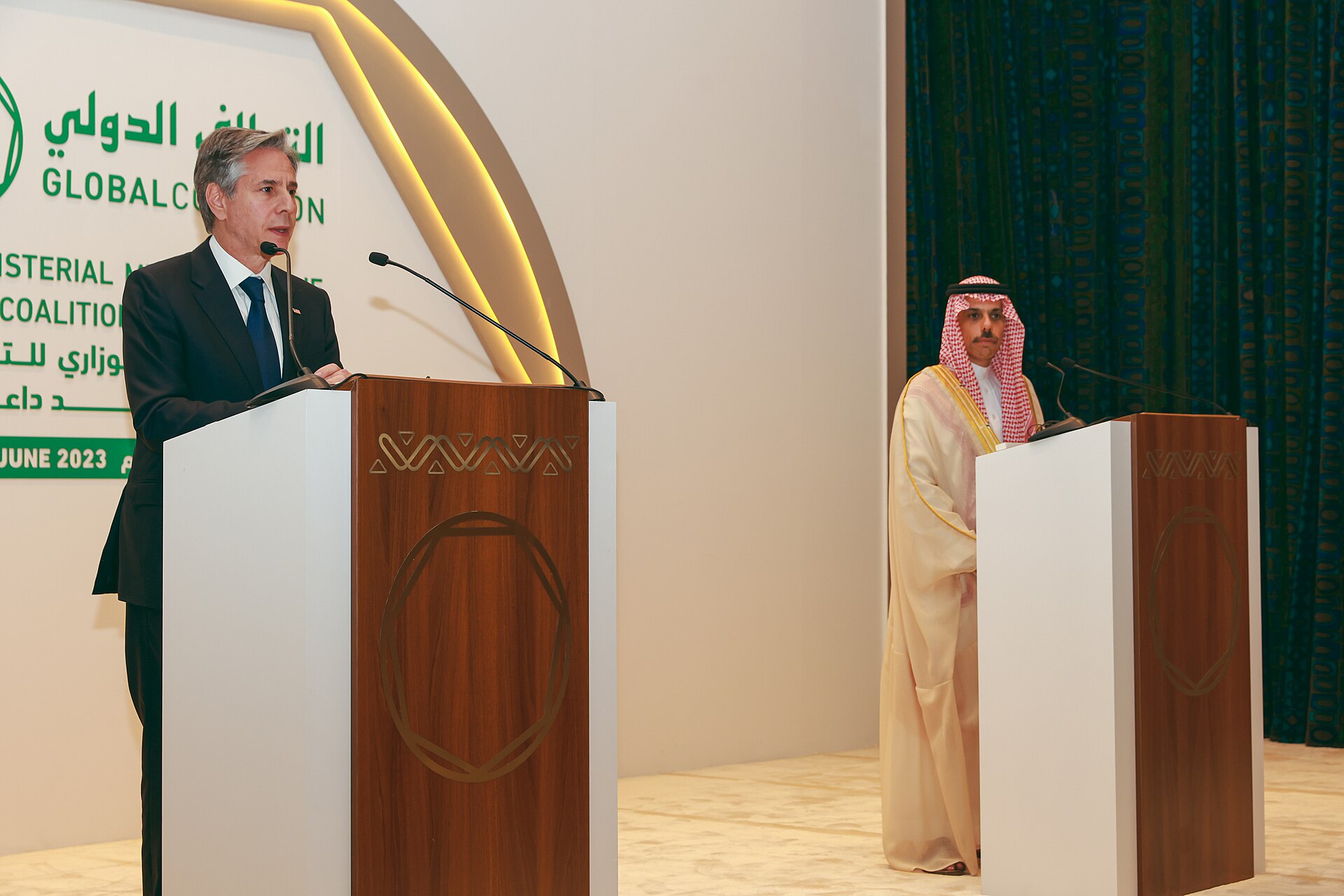
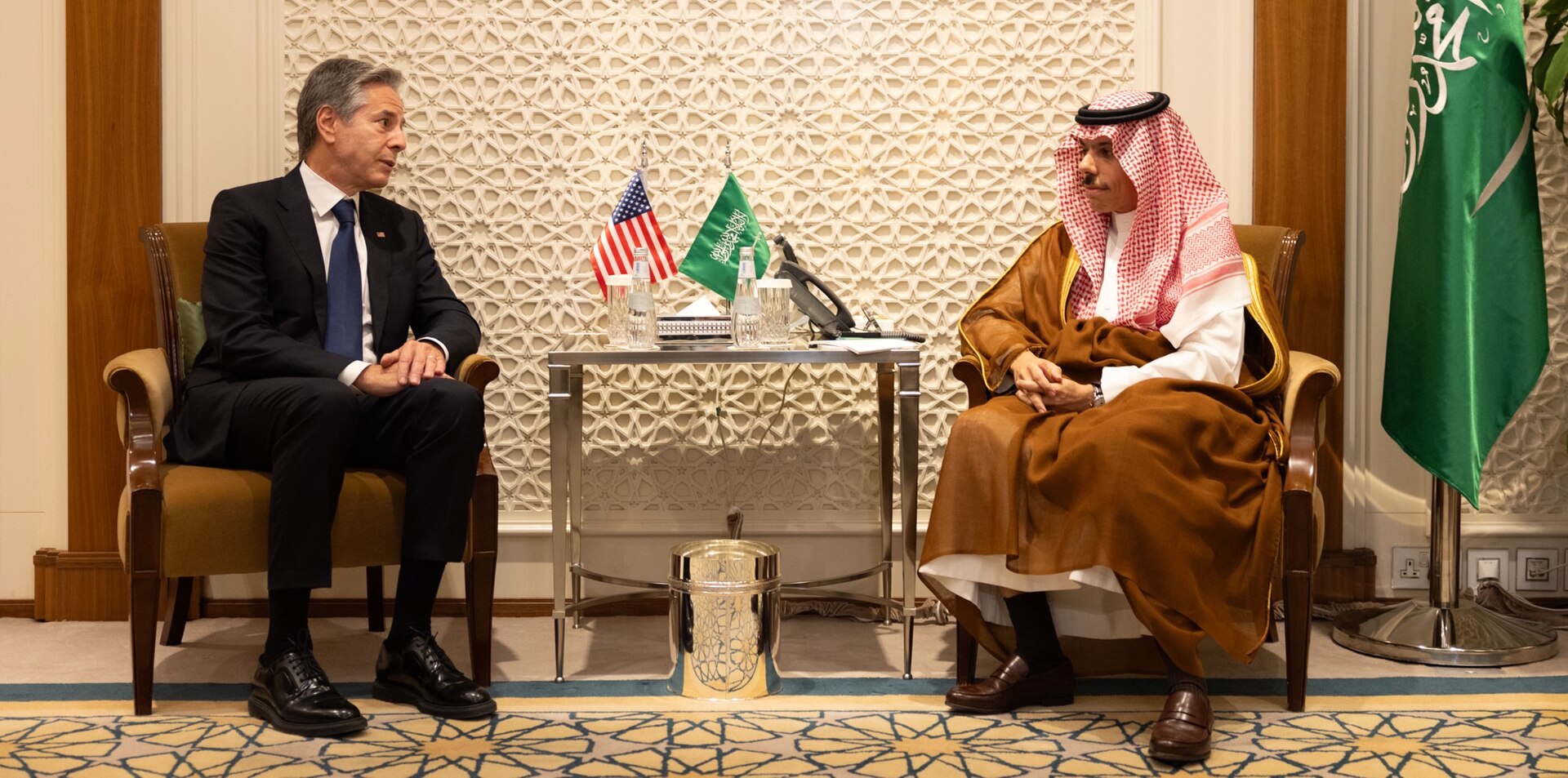
The Saudi Foreign Ministry statement condemned “the wanton Iranian attacks and open breaches of the sovereignty of the brotherly Kingdom of Bahrain and the brotherly State of Kuwait,” describing the strikes as a “threat to regional and international security,” Al Arabiya English reported. The ministry warned of “tension and a destabilization of security and stability” and reiterated that “transgressions would undermine international efforts to bring back security and stability.”
The language is structurally identical to Saudi Arabia’s June 4 response, when Crown Prince Mohammed bin Salman called attacks on Bahrain “brutal” but paired the adjective with no action. It is structurally identical to the ministry’s June 3 statement, its April 11 statement, its March 21 statement, and its February 28 statement — the first condemnation, issued on the day the war began.
Six condemnation statements in 99 days of conflict. The vocabulary has not changed. The accompanying actions have not escalated since March 21.
What Saudi Arabia Did Not Do
The June 6 statement contained none of the following: a summoning of Iranian Ambassador Alireza Enayati, a declaration of any diplomat as persona non grata, a reduction of mission size, a closure of Iran’s cultural offices in Riyadh, a withdrawal of the Saudi chargé d’affaires from Tehran, or a downgrade of relations from ambassador to chargé level.
The Middle East briefing 3,000+ readers start their day with.
One email. Every weekday morning. Free.
Under Article 9 of the Vienna Convention on Diplomatic Relations, a receiving state may “at any time and without having to explain its decision” declare any member of diplomatic staff persona non grata. Saudi Arabia’s constraint is not legal. It is strategic.
Saudi Arabia has used exactly two instruments from the escalatory ladder since the war began on February 28: a single summoning of Ambassador Enayati on March 1, and a partial expulsion — five military-track diplomats — on March 21. Both targeted the military channel. Both preserved the civilian diplomatic architecture. Nothing since.
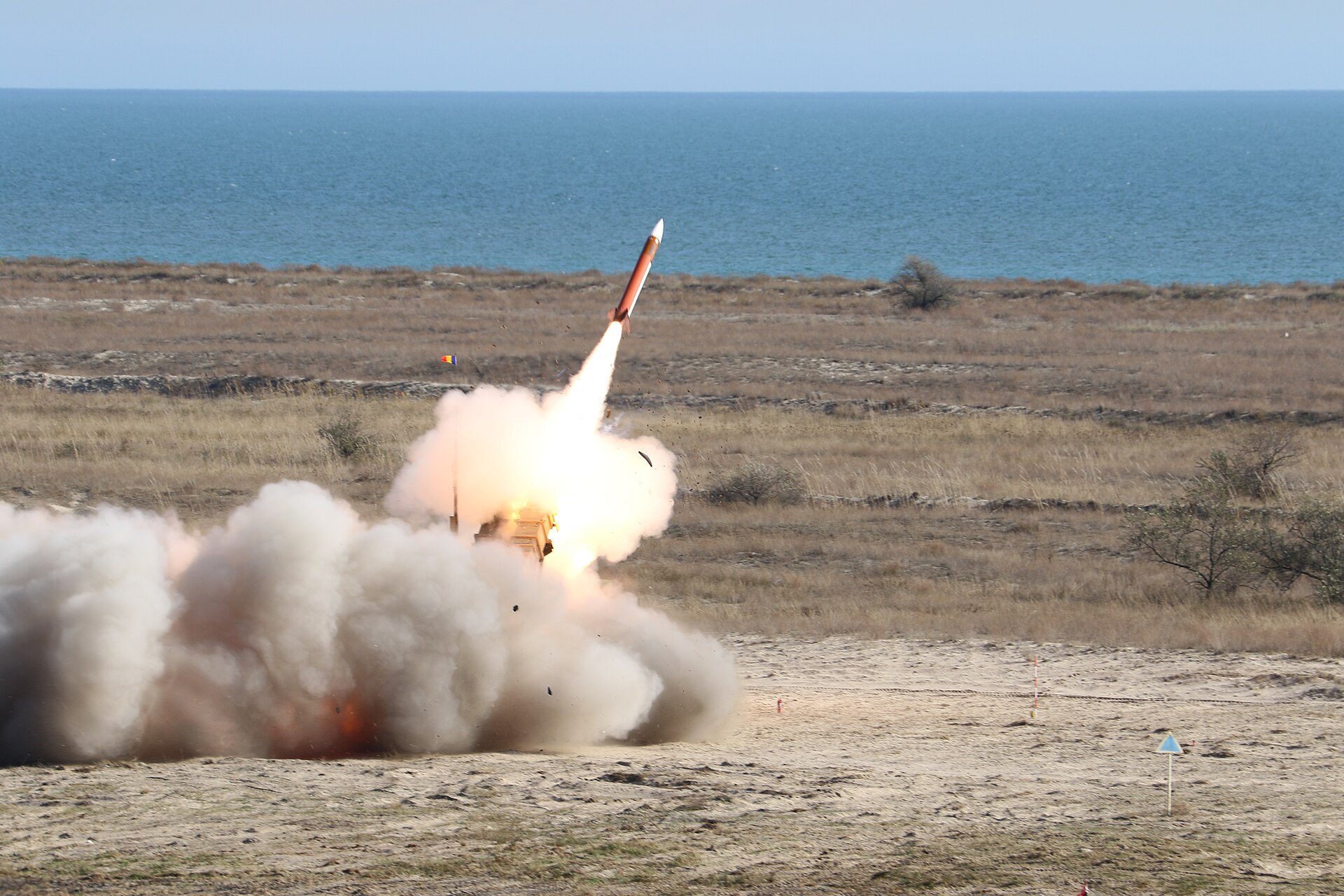
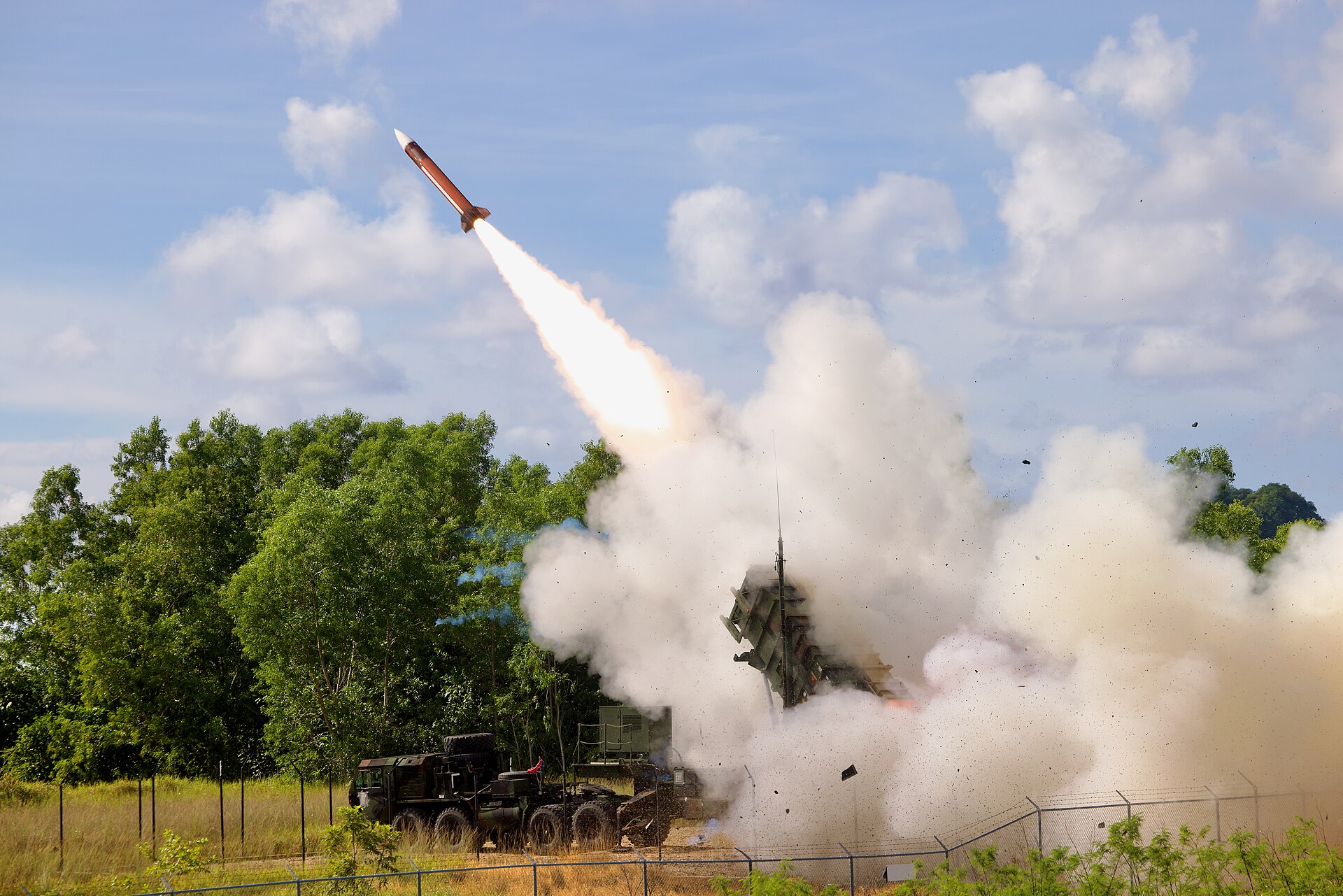
The June 6 dual-capital salvo — seven ballistic missiles fired simultaneously at Ali Al Salem air base in Kuwait and Naval Support Activity Bahrain, six intercepted by combined US and Bahraini defenses, one a malfunction — was the first all-ballistic multi-target IRGC strike of the war. Saudi Arabia responded with language indistinguishable from its response to a drone barrage three months earlier.
How Does the GCC Response Compare?
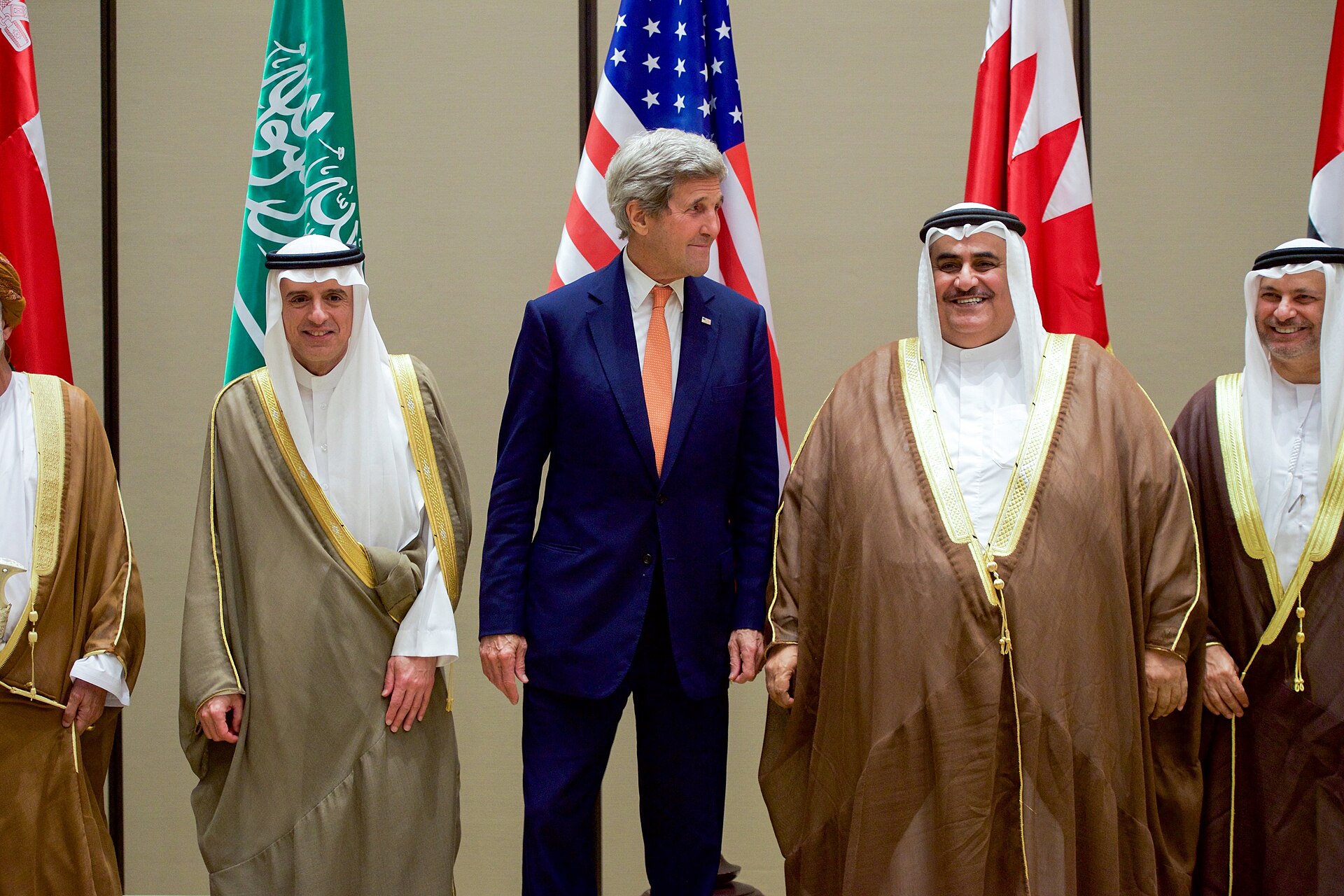
The divergence between Saudi Arabia and its Gulf partners is now measurable in kind, not degree.
Kuwait, June 3: Deputy Foreign Minister Hamad Suleiman Al-Mashaan summoned Iran’s chargé d’affaires Hamed Hamid Yaqoubi Far, declared two Iranian diplomats persona non grata with a 24-hour departure deadline, closed Iran’s cultural mission, and reduced the size of the overall diplomatic mission, CGTN and the Jerusalem Post reported. This was Kuwait’s most severe diplomatic action against Iran since 2017, when it expelled 15 Iranian diplomats after discovering an IRGC weapons cache in the Abdali area.
Bahrain, June 5–6: The Foreign Ministry condemned the missile attack as a “flagrant violation of sovereignty,” stated all missiles were intercepted, and issued a multi-demand ultimatum: immediately cease attacks, fully open Hormuz, disclose mine locations, allow stranded sailors to leave. “Patience does not imply weakness,” the statement read, declaring sovereignty defense a “red line,” Turkiye Today and Gulf Business reported.
UAE, March 1–April 8: The United Arab Emirates closed its entire Iranian embassy on March 1, 2026 — the first full embassy closure among GCC states. Then, around April 8, UAE forces conducted offensive airstrikes on Iran’s Lavan Island oil refinery, knocking out most of its capacity, according to reporting confirmed by i24NEWS. The UAE is the only GCC state to have acted militarily against Iran.
Saudi Arabia, March 21–June 6: Expelled five military-track diplomats with a 24-hour deadline on March 21. Ambassador Enayati not expelled. No action since. Six condemnation statements.
The table reads as a spectrum from accommodation to confrontation. Qatar and Oman maintain full diplomatic postures. Saudi Arabia occupies the space between — words sharper than Qatar’s, actions weaker than Kuwait’s.
“The Iran war has widened differences between Saudi Arabia, which favors accommodation with Iran and Iran-backed regional actors, and the United Arab Emirates, which believes military confrontation with Iran and its allies can produce transformative change,” the Soufan Center assessed in a May 14 IntelBrief.
Why Has Riyadh Preserved the Iranian Ambassador?
Ambassador Enayati remains at post in Riyadh. In May 2026, he stated publicly that “the Kingdom of Saudi Arabia remains committed to supporting de-escalation,” Voice of Emirates reported. Saudi officials are in “near-daily” communication with the Iranian ambassador, according to reporting citing Saudi sources.
The preservation is deliberate. On March 21, when Saudi Arabia expelled five diplomats, it targeted the military attaché, the assistant military attaché, and three mission staff — all uniformed or security-track personnel. Foreign Minister Prince Faisal bin Farhan cited “continued Iranian aggressions against the Kingdom and the Gulf states,” Al Jazeera reported. The ambassador was explicitly excluded.
The Center for Strategic and International Studies offered the rationale directly: Saudi Arabia has “invested considerable diplomatic efforts in reaching a modus vivendi with Iran because entering a military conflict would invite far greater Iranian retaliation, potentially causing long-lasting damage to the Saudi economy and its reputation as a safe destination for investors and tourists.”
CSIS noted that Riyadh’s experience with the Yemen war — grinding attrition, years of missile attacks on Saudi territory, no clean resolution — functions as the direct precedent for its de-escalation doctrine.
An unnamed Saudi official told the Christian Science Monitor in April: “We have no desire to attack Iran. We have been encouraging a diplomatic solution even before the war. But if Iran continues to attack us, we will have to consider all options.”
The “all options” framing appeared in April. It is June. The options remain unconsidered — or at least unexercised.
The March 2023 Architecture
Saudi Arabia’s June 6 condemnation fell on the third anniversary of a different June 6. On June 6, 2023, Saudi Arabia reopened its embassy in Tehran — the culmination of the March 10, 2023 normalization agreement brokered by China and signed by Ali Shamkhani and Musaed Al-Aiban, as CNBC and the Washington Post reported at the time.
That normalization ended a seven-year diplomatic rupture. In January 2016, Saudi Arabia severed all ties after Saudi protesters burned the Iranian embassy in Tehran following the execution of Shia cleric Nimr al-Nimr. Relations remained frozen until Beijing’s mediation produced the March 2023 agreement.
The architecture Saudi Arabia built in 2023 — the diplomatic channel it spent seven years without, then restored through Chinese mediation — is the architecture it is visibly unwilling to dismantle in 2026. Every action Riyadh has declined to take since March 21 would degrade that channel. Expelling Enayati would sever it.
Iran’s ambassador, for his part, has validated the restraint publicly. His characterization of Saudi Arabia as “committed to de-escalation” simultaneously acknowledges Riyadh’s posture and frames it as acquiescence — a description Saudi Arabia has neither confirmed nor corrected.
What Comes After Condemnation?
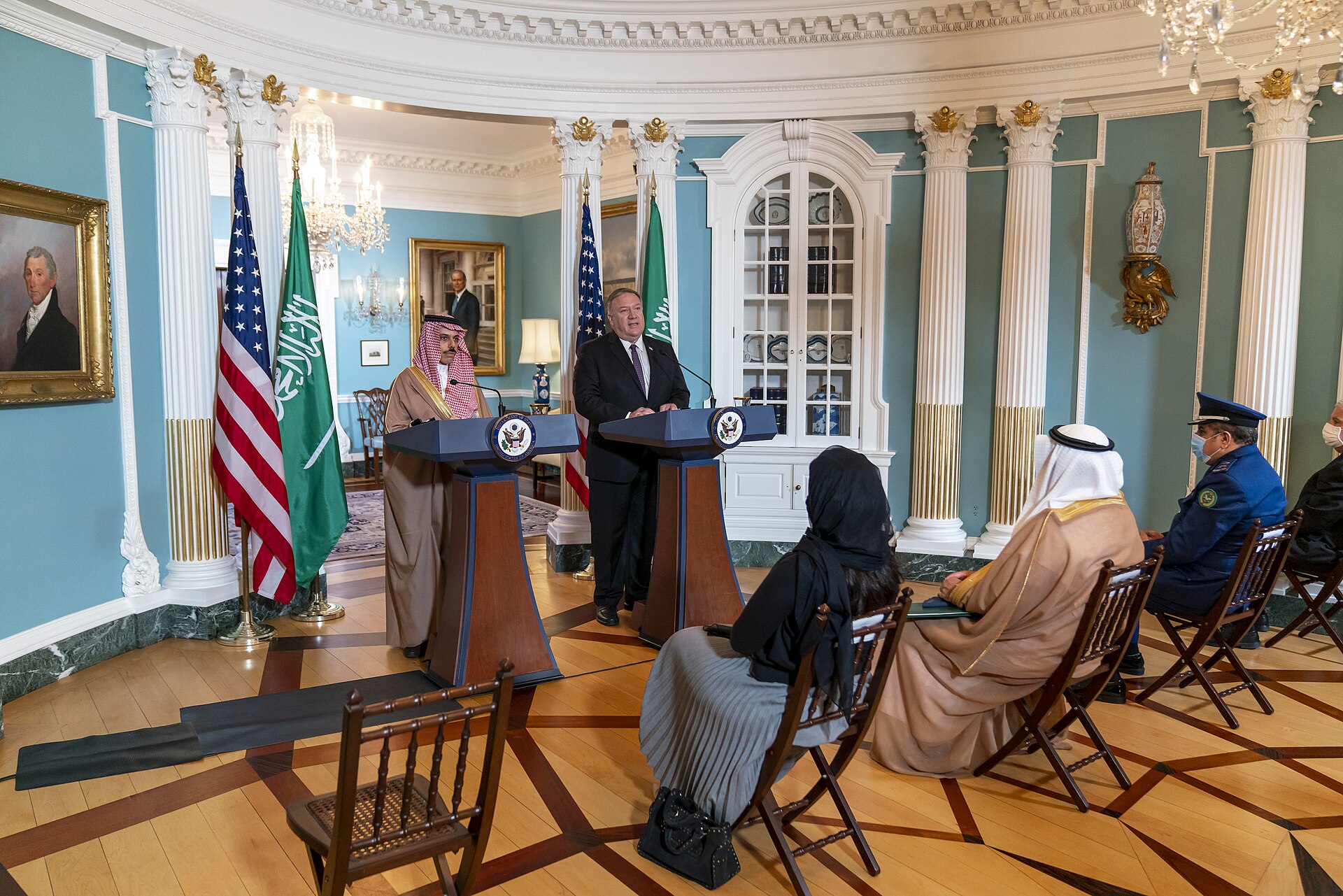
Saudi Arabia has intercepted over 575 Iranian drones and 42 ballistic missiles since February 28, according to MEMRI’s compilation of Saudi military reporting. Reuters, citing two Western and two Iranian officials, reported in mid-May that the Royal Saudi Air Force conducted unpublicized retaliatory strikes on Iranian territory in late March. Saudi Arabia has never publicly acknowledged these strikes, maintaining the posture of a non-combatant.
The International Institute for Strategic Studies framed the choice in March 2026: Gulf leaders must decide between “double down on diplomacy and defensive measures or pivot to an offensive stance aimed at reducing Iran’s ability” to attack. Saudi Arabia and the UAE were “losing patience” with strikes on ports, energy facilities, and airports, IISS assessed, but “would only join the war if Iran makes good on threats to attack vital power and water infrastructure — a high threshold.”
That threshold has not been crossed. Saudi power and water infrastructure remain intact. The IRGC’s targeting has focused on military facilities and civilian aviation infrastructure in Kuwait and Bahrain — not Saudi desalination plants or power grids.
Salman Al-Ansari, a Saudi geopolitical researcher, told Fox News: “Saudi Arabia is exercising maximum restraint at the moment” — while questioning “how long that restraint can last.” Al-Ansari cited King Abdulaziz Al Saud’s century-old doctrine: “The living do not fight the dead.”
Michael Ratney, former U.S. Ambassador to Saudi Arabia, put it more bluntly: “What comes next? The countries of the Gulf will have to bear the brunt of whatever that is.”
The OPEC+ ministerial monitoring session convenes June 7 — Saudi Arabia’s next public platform. Whether that platform produces anything beyond the language of the previous six statements is the question the June 6 condemnation left unanswered.
Saudi Foreign Minister Prince Faisal broke 14 days of silence between late May and early June without contacting Washington or Tehran. The June 6 condemnation broke another silence. In both cases, the break produced words but not actions — a pattern Iran’s escalation has not interrupted.
Background
The Iran-GCC conflict began on February 28, 2026, when IRGC forces launched coordinated strikes across the Persian Gulf. Saudi Arabia issued its first condemnation and summoned Ambassador Enayati on March 1. On March 21, Riyadh expelled five military-track diplomats — its most severe action to date. Kuwait expelled two diplomats on June 3 after IRGC strikes hit Kuwait International Airport’s Terminal 1. The June 6 dual-capital salvo — seven ballistic missiles targeting Kuwait and Bahrain simultaneously — represented the first all-ballistic multi-target attack of the conflict. Kuwait has spent $3 billion on air defense procurement in eleven days. Saudi Arabia has spent 77 days without exercising any diplomatic instrument beyond public statements.
Frequently Asked Questions
Has Saudi Arabia ever fully severed relations with Iran before?
Yes. Saudi Arabia cut all diplomatic ties in January 2016 after protesters stormed and burned the Saudi embassy in Tehran following the execution of Shia cleric Nimr al-Nimr. The rupture lasted seven years until China brokered normalization in March 2023. The 2016 severance followed a specific physical attack on Saudi sovereign territory (the embassy); the current conflict involves repeated military attacks on Saudi airspace without triggering the same response.
What diplomatic options remain available to Saudi Arabia short of severing ties?
Several escalatory steps remain unused: downgrading representation from ambassador to chargé d’affaires level, further reducing mission staff numbers, closing Iran’s remaining cultural offices, withdrawing the Saudi chargé from Tehran, suspending consular services, or issuing a formal ultimatum with conditions — as Bahrain did on June 6. Each step would signal escalation without fully closing the diplomatic channel. Saudi Arabia has exercised none of these since March 21.
Does the Iranian ambassador’s continued presence in Riyadh serve Iran’s interests?
Iran’s ambassador Alireza Enayati has publicly described Saudi Arabia as “committed to de-escalation” — a characterization that serves dual purposes. For Riyadh, it validates the restraint doctrine. For Tehran, it demonstrates that 99 days of military escalation have not altered Saudi behavior, which Iran can present domestically as evidence that its strikes carry no diplomatic cost from the Gulf’s largest state. The ambassador’s presence also provides Iran a direct channel for any future negotiation — a channel it does not have with the UAE, which closed its embassy on Day 1.
Why did Saudi Arabia target military-track diplomats specifically in the March 21 expulsion?
The expulsion of the military attaché, assistant military attaché, and three mission staff — while preserving Ambassador Enayati — created a deliberate bifurcation. Saudi Arabia signaled that it held Iran’s military establishment responsible for the strikes while maintaining a civilian diplomatic channel for potential de-escalation. This mirrors the broader Saudi posture of treating the IRGC and Iran’s civilian government as separable entities — a distinction Iran’s own internal politics, where the IRGC has progressively marginalized President Pezeshkian, may no longer support.
What is the connection between the June 6 condemnation date and the March 2023 normalization?
Saudi Arabia reopened its embassy in Tehran on June 6, 2023 — exactly three years before issuing this condemnation. The coincidence is calendrical, not deliberate, but the symmetry frames the question: the diplomatic architecture Riyadh spent seven years without, then rebuilt through Chinese mediation, is the same architecture it now refuses to dismantle even as Iran fires ballistic missiles at Saudi Arabia’s treaty allies. Whether that refusal constitutes strategic discipline or strategic paralysis depends on what happens after the words run out. On June 10, Iran struck three GCC-hosted US bases overnight — Bahrain, Kuwait, and Jordan — and Saudi Arabia was not among the targets; Iran Struck Three Capitals Overnight. The Fourth Is Counting Its Interceptors. examines why Saudi Arabia’s exclusion from the target list is itself a form of coercive signaling.