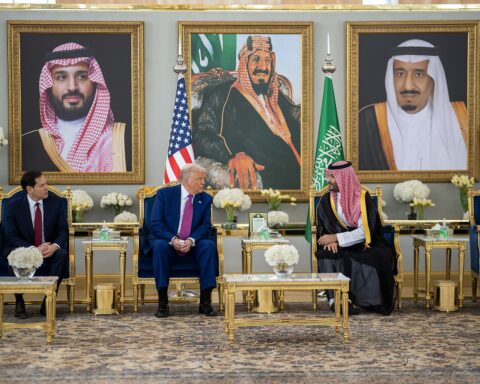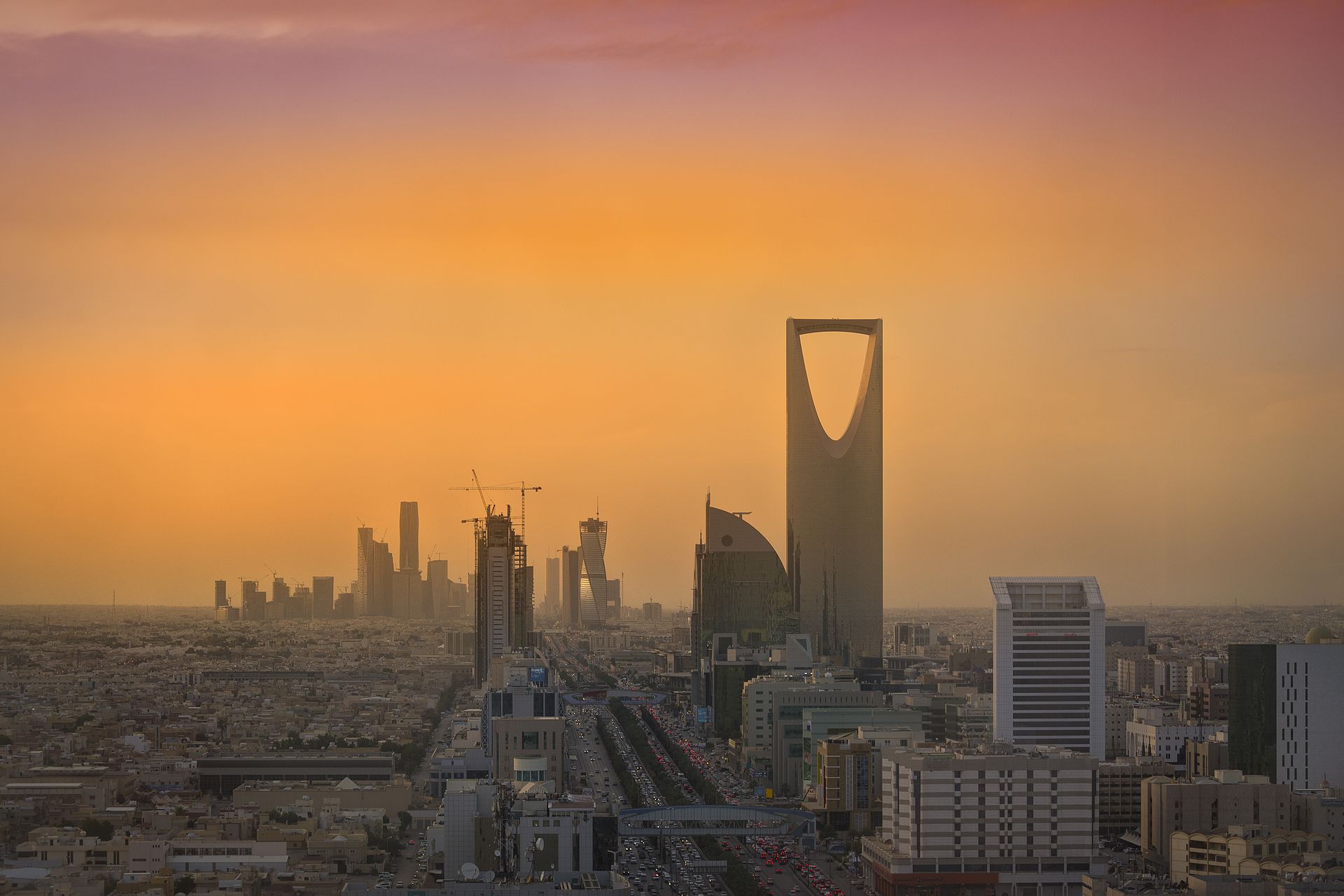

RIYADH — Saudi Arabia posted a $34 billion deficit in Q1 2026 — the largest quarterly budget shortfall in the kingdom’s history — while operating the only fully open commercial airports in the Persian Gulf. The war is consolidating Gulf commercial gravity in Riyadh even as it drains the Saudi treasury faster than any conflict in the kingdom’s fiscal record.
Kuwait Airways and Jazeera Airways moved operations to Saudi airports during Kuwait’s 55-day closure. More than 780 companies hold Riyadh regional headquarters licences, and capital is flowing out of smaller Gulf states toward Saudi funds in what Zawya described as “flight to safety.” Every commercial indicator points to Riyadh as the Gulf’s wartime default — and none of it comes close to covering what the war costs the treasury.
The commercial gains amount to roughly 5 percent of the quarterly deficit. What matters is not the windfall but whether Riyadh can hold the structural consolidation — the headquarters, the export routes, the aviation traffic — after the war stops delivering it.
Table of Contents
- How Large Is Saudi Arabia’s Wartime Deficit?
- The Airports That Stayed Open
- Can the East-West Pipeline Replace the Strait of Hormuz?
- Does Wartime Tourism Offset the Deficit?
- 780 Companies Moved to Riyadh
- The Silver Lining That Evaporated in 1991
- Is Riyadh Displacing Dubai as the Gulf’s Commercial Capital?
- The Targets Iran Did Not Choose
- Frequently Asked Questions
How Large Is Saudi Arabia’s Wartime Deficit?
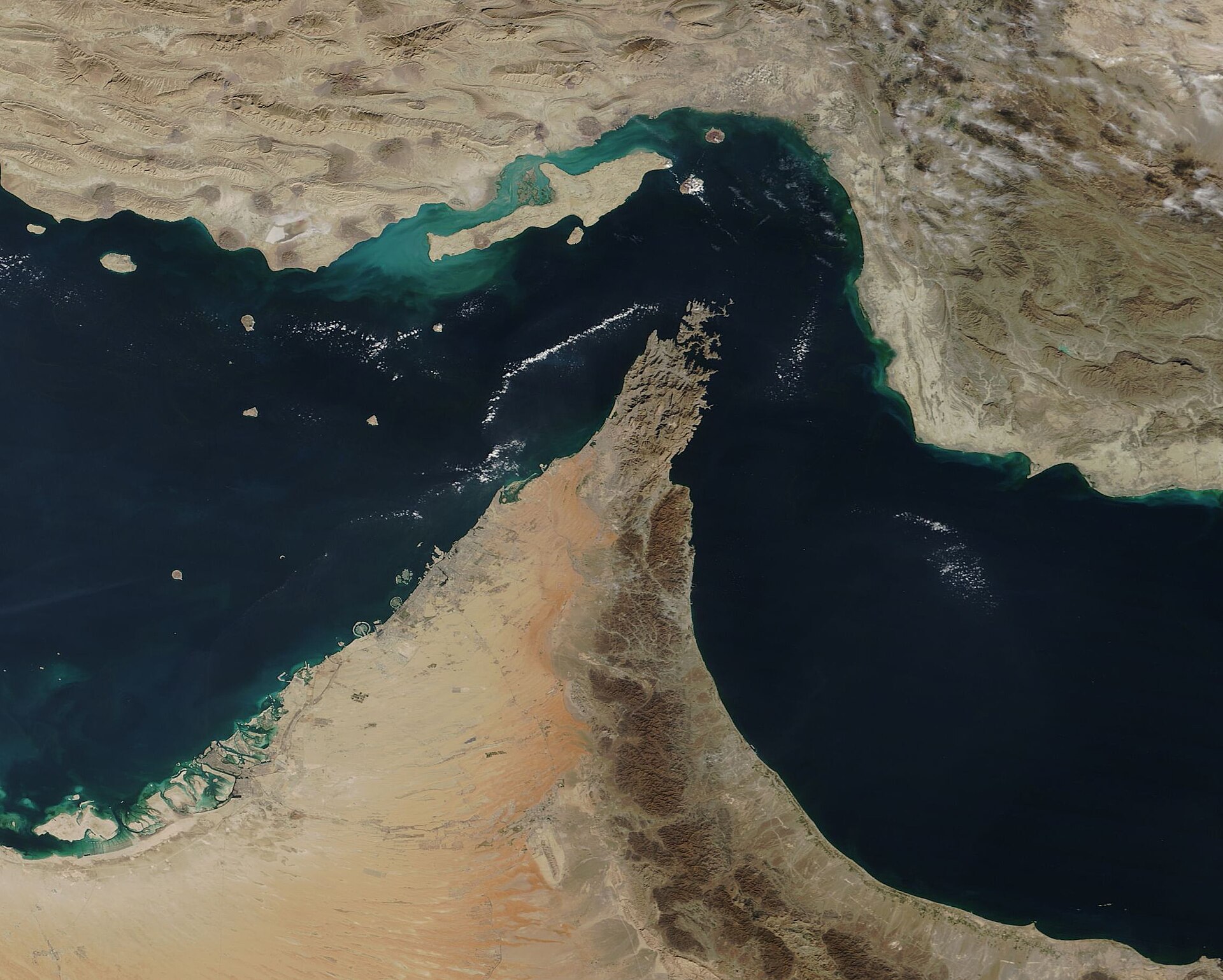
Saudi Arabia’s Q1 2026 budget deficit reached SAR 126 billion ($34 billion), representing 76 percent of the full-year SAR 165 billion ($44 billion) target in a single quarter, according to AGSI and Al Jazeera. The shortfall was driven by a 20 percent year-on-year spending surge to SAR 387 billion ($103 billion) and sharply lower oil revenue from Hormuz-constrained exports.
The scale requires context that the headline number does not convey. Saudi Arabia is producing roughly 7.25 million barrels per day against an OPEC+ quota of 10.291 million bpd — a gap that reflects not voluntary restraint but the physical consequence of Hormuz constriction, which the IMF has formally identified as a binding constraint on Saudi recovery. With Brent trading between $93 and $95 against a breakeven of $108-111, the kingdom’s revenue gap runs to roughly $100 million per day at current production volumes — an arithmetic that no secondary revenue stream can neutralise at this scale.
Military spending in Q1 hit SAR 64.7 billion, a 26 percent year-on-year increase that AGSI described as “unsurprising given the security and economic effects of the U.S.-Israeli war with Iran.” The combined pressure — suppressed oil revenue meeting elevated military and subsidy expenditure — produced a quarterly shortfall that surpasses any single quarter in Saudi fiscal history, including the 2015-2016 oil price collapse and the pandemic year of 2020.
The Middle East briefing 3,000+ readers start their day with.
One email. Every weekday morning. Free.
If the first quarter’s pace held through the year, the annual deficit would reach $136 billion — more than three times the government’s own projection. Even optimistic scenarios — Hormuz partially reopening, Brent recovering above $100 — leave the kingdom facing a deficit at least double its forecast, a trajectory that has already forced Aramco’s dividend payout above its free cash flow. The fiscal hole is the fixed reference point against which every wartime commercial gain must be measured, and it is very large.
The Airports That Stayed Open
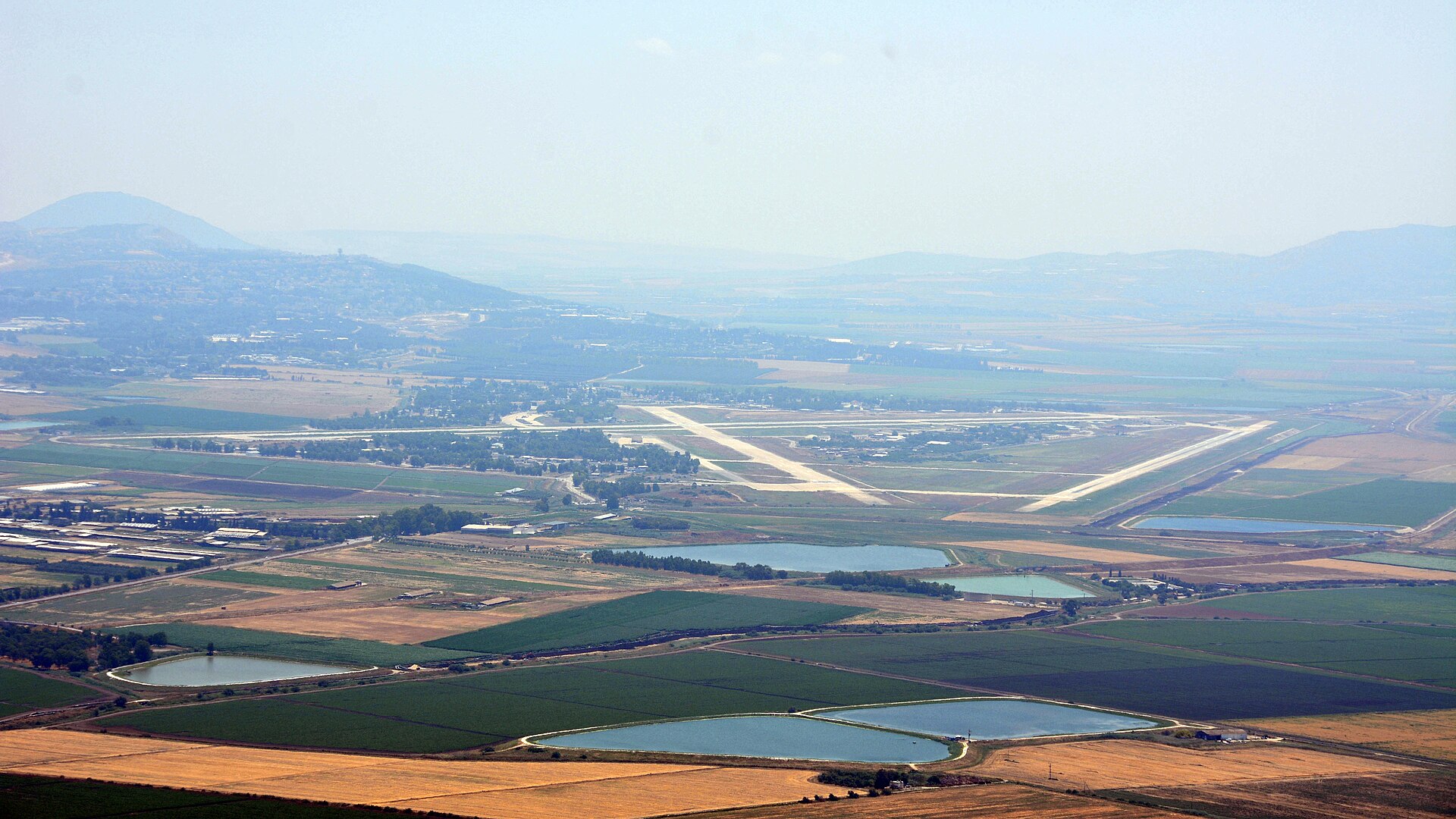
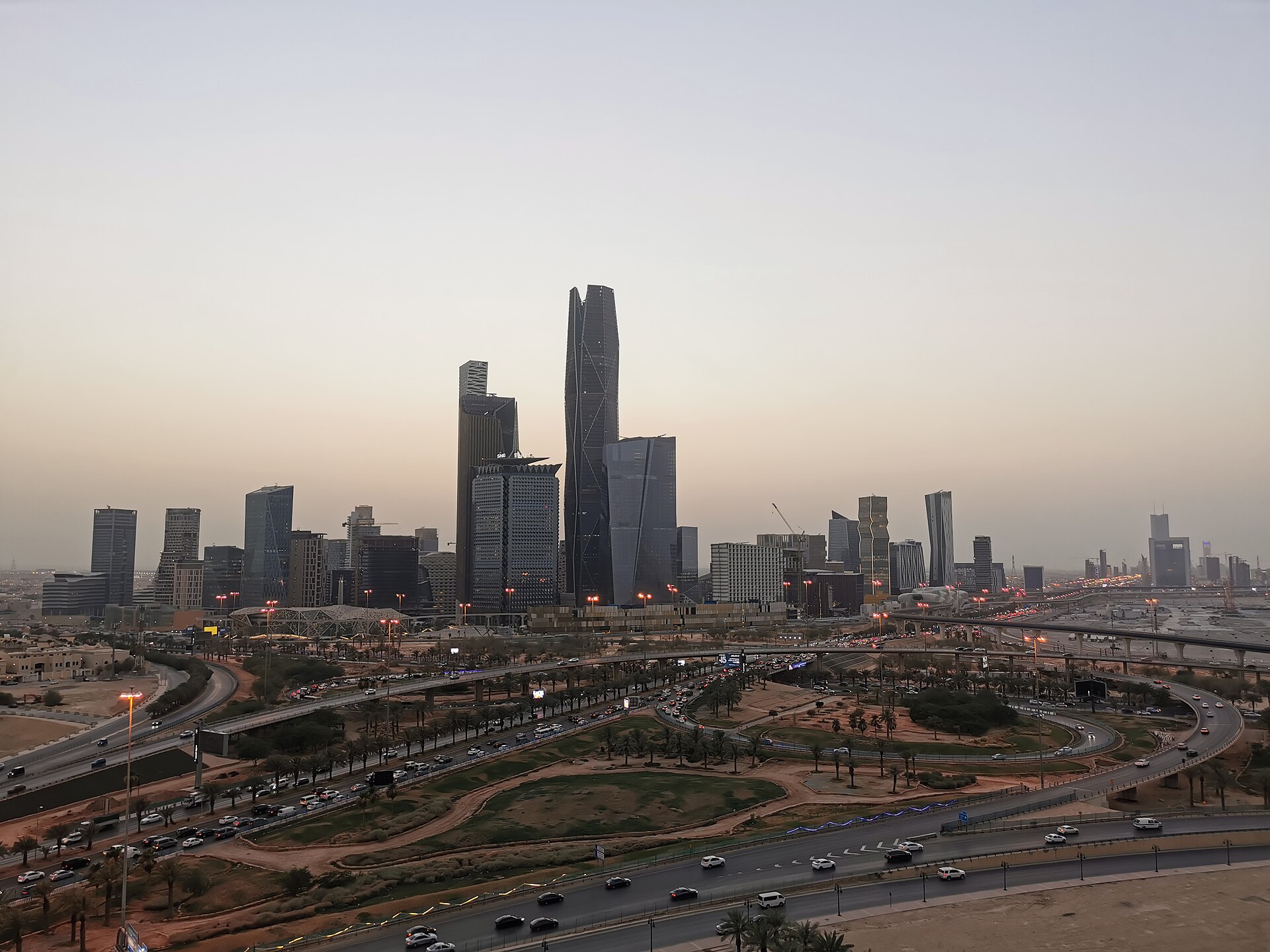
Kuwait International Airport shut down for approximately 55 days from early March through late April 2026, and Bahrain’s aviation operations faced repeated disruptions from IRGC strikes on the nearby NSA Bahrain facility. Saudi Arabia’s three major international airports — Riyadh King Khalid, Jeddah King Abdulaziz, and Dammam King Fahd — remained continuously operational throughout, absorbing diverted Gulf traffic according to Wego Travel Blog and ops.group aviation tracking.
The logistics of absorption were modest in fiscal terms but extraordinary in operational ones. Jazeera Airways, the Kuwaiti low-cost carrier, launched what it called “Project Barakah” — an operation that moved close to 200,000 passengers on more than 1,500 flights, with 9,000 bus transfers through the Nuwaiseeb border crossing into Saudi territory, according to Aerotime and Aviation Week. Kuwait Airways ran parallel operations from Dammam’s King Fahd International and the smaller Al-Qaisumah airfield, rerouting its entire network through Saudi infrastructure for the duration of the closure.
The pattern exposed something that peacetime competition between Gulf aviation hubs had obscured. When Iranian missiles struck Kuwait’s Terminal 1 on June 3 — 48 hours after it had reopened — Saudi airports absorbed the diversions again, along with traffic from Bahrain and UAE airports, all three of which closed simultaneously. Saudi Arabia did not just have spare capacity; it had the only capacity, and the distinction between “competitive airport” and “last airport standing” is one the kingdom had never tested before March 2026.
Riyadh Air’s first two Boeing 787-9 Dreamliners arrived in 2026, with daily Riyadh-London Heathrow service scheduled from July 1 according to Arab News — a launch timed, whether deliberately or not, to a period when Saudi airports are the Gulf’s primary departure point for European routes. The aviation dividend is measured not in ticket revenue to the Saudi treasury, which is negligible, but in the commercial ecosystem that airport traffic sustains: hotels, ground transport, cargo handling, and the reputational visibility that comes from being the place where the planes still fly.
The kingdom had been warned, before the war, that its aviation ambitions risked producing the opposite outcome — isolation rather than connectivity. The war inverted that risk entirely, and Saudi Arabia’s geographic spread — airports separated by hundreds of kilometres across a peninsula with Gulf and Red Sea access — became redundancy rather than inefficiency, a distributed system that absorbed the loss of three neighbouring countries’ aviation capacity without visible degradation.
Can the East-West Pipeline Replace the Strait of Hormuz?
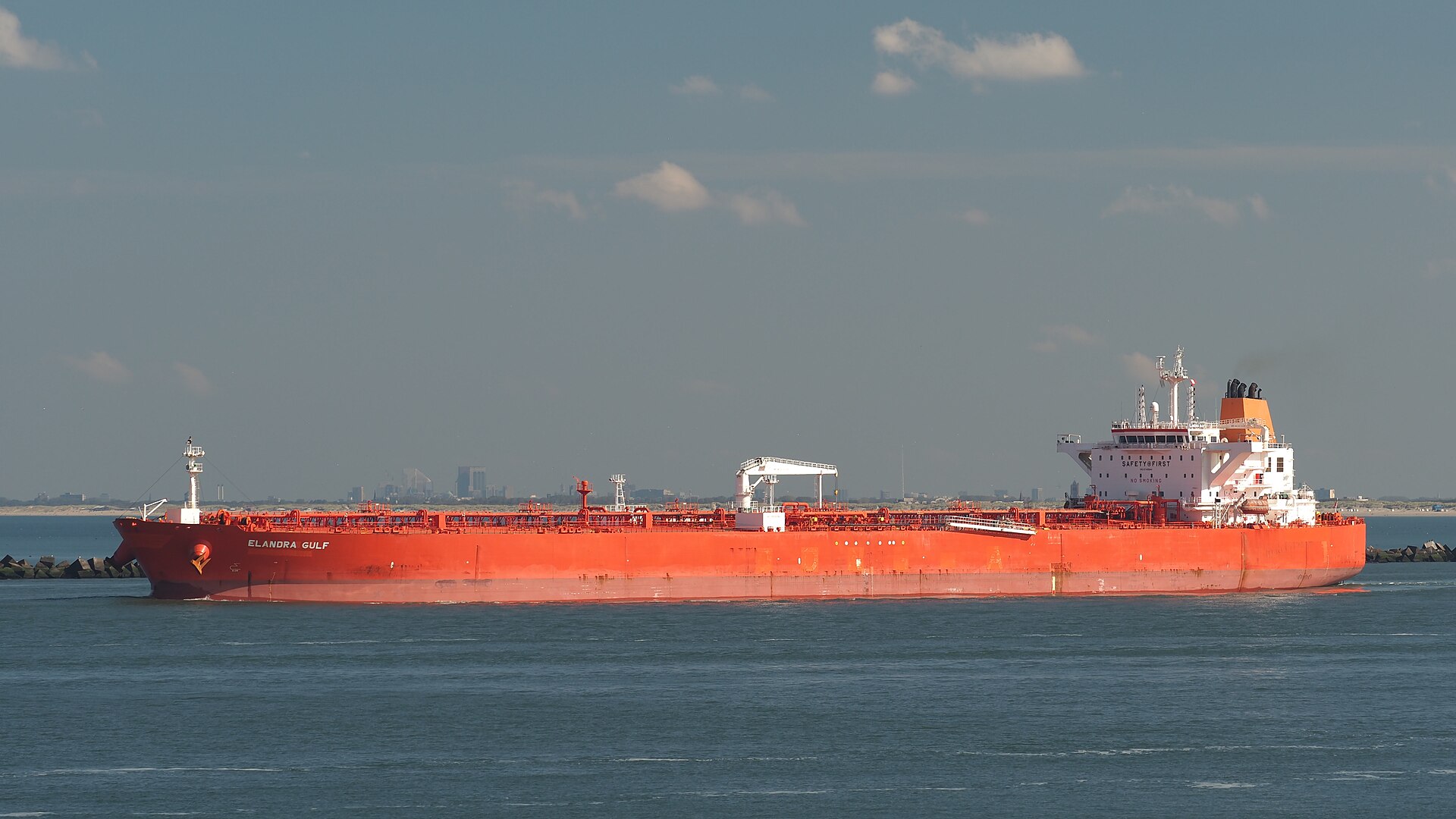
Saudi Arabia’s East-West Pipeline — the Petroline, built during the 1984-1988 Tanker War to create a Hormuz bypass — was converted to full capacity of 7 million barrels per day on March 11, 2026, according to Fortune and Bloomberg. By late March, crude exports through the Red Sea port of Yanbu reached approximately 5 million bpd plus 700,000 to 900,000 bpd of refined products, as reported by the Pipeline Technology Journal.
The scale of the reroute was visible in port traffic alone. Yanbu supertanker loadings surged from roughly 1.1 million bpd in February to 2.2-2.5 million bpd in early March and approximately 5 million bpd by month’s end, according to gCaptain, Defense News, and Arab News — a port that normally manages about two tanker loadings per month suddenly handling a convoy pace that strained every element of its infrastructure. Aramco CEO Amin Nasser described the Petroline as a “critical lifeline” for bypassing Hormuz, a phrase that simultaneously advertised Saudi resilience and conceded that the kingdom’s primary export route had been severed.
The lifeline proved to have its own exposure. An Iranian drone attack on an East-West Pipeline pumping station on April 9 reduced throughput by 700,000 bpd — a 10 percent capacity cut delivered by a weapon that costs a fraction of a percent of the infrastructure it hit. Saudi Arabia restored full capacity within 72 hours, a response time that demonstrated both the redundancy built into the system and, less comfortably, the pipeline’s confirmed status as a targetable asset. The IRGC now holds a proven template for degrading the Petroline that did not exist before April 9.
The pipeline does not replace Hormuz — it substitutes for it at reduced volume and elevated risk. Saudi Arabia’s pre-war eastern export capacity through Ras Tanura and other Gulf terminals exceeded 7 million bpd, and Yanbu’s port infrastructure is operating under sustained strain that multiple maritime sources flag as unsustainable beyond the medium term. The Petroline kept Saudi crude flowing when every other Gulf exporter’s eastward routes were blocked, and it is simultaneously the kingdom’s greatest wartime asset and the asset most certain to be struck again.
Does Wartime Tourism Offset the Deficit?
Saudi Arabia’s tourism sector recorded 37.2 million visitors in Q1 2026, an 8 percent year-on-year increase according to Reuters and Arab News, building on a 2025 baseline of 122 million tourists and SAR 300 billion ($80 billion) in total annual spending. At that growth rate, incremental annual tourism revenue amounts to roughly $6.4 billion — a real number that is functionally irrelevant against a quarterly deficit of $34 billion.
The temptation to present tourism as a fiscal counterweight is widespread in Gulf media coverage. Reuters and Arab News both framed the 8 percent figure as evidence of “wartime resilience” without measuring it against the deficit’s scale. Even at a generous tax capture rate — the kingdom takes a fraction of gross tourism spending in direct fiscal revenue — the tourism uplift covers between 5 and 8 percent of Q1’s shortfall. A food-tech entrepreneur told Reuters he “flew to Riyadh and found restaurants full and companies still talking expansion, in contrast to other Gulf economies where the hospitality and restaurant sector had taken a hit” — a vivid anecdote that describes a city, not a national balance sheet.
| Category | Q1 2026 Value | As % of Q1 Deficit ($34B) | Source |
|---|---|---|---|
| Tourism uplift (8% YoY growth) | ~$1.6B (quarterly share of $6.4B/yr) | ~5% | Reuters / Arab News |
| Aviation diversions (200K passengers) | Minimal direct fiscal revenue | <1% | Aerotime / Aviation Week |
| Petroline reroute to Yanbu | Revenue-neutral (same oil, different port) | 0% | Fortune / Bloomberg |
| RHQ relocations (780 companies) | Net cost (30-year tax exemptions) | Negative | Zawya |
| Q1 military spending increase | +$3.6B vs. Q1 2025 (+26% YoY) | +11% of deficit | AGSI |
The numbers convey what prose risks obscuring. Aviation diversions produced traffic, not treasury revenue; the Petroline rerouted barrels between Saudi ports without increasing total production; and the RHQ programme’s 30-year tax exemptions represent a near-term fiscal cost for a long-term economic bet. The wartime commercial advantages are real, visible, and measurable — and they register in single-digit percentages of the fiscal problem they are credited with solving.
Beneath the tourism headline sits a more consequential signal. Non-oil sectors now account for approximately 56 percent of the SAR 4.7 trillion economy, up from 45.4 percent at Vision 2030’s launch, according to GASTAT data. Non-oil GDP grew 4.9 percent in Q1 against overall growth of 2.8 percent, as reported by Arab News and Saudi Gazette — a divergence that shows the non-oil economy expanding into a war that is destroying the oil economy’s ability to fund it. The Hajj alone illustrates the cross-current: Iran filled only 30,000 of its 87,550 quota, citing “wartime conditions” according to IRNA, depriving Saudi Arabia’s hospitality sector of one of its most reliable inbound visitor flows even as total tourist numbers grew.
780 Companies Moved to Riyadh
More than 780 companies have received licences to establish regional headquarters in Riyadh under the Regional Headquarters Program — an initiative created in 2022 with a 2024 compliance deadline and 30-year tax exemptions, according to Zawya. The programme predates the war by four years, but the conflict has compressed what was a gradual corporate migration into something closer to capital flight from the rest of the Gulf.
Zawya and Reuters reported an “acceleration of fund establishment in Saudi Arabia” in 2026, with capital inflows from other GCC states described by analysts as “probably driven by flight to safety” — a characterisation that would have been unthinkable eighteen months ago, when Dubai and Abu Dhabi were the default destinations for Gulf capital seeking stability. The PIF’s assets stand at $925 billion with domestic allocation increased from 70 to 80 percent, and the TASI has recovered to roughly 10,990 from a March 2026 low of 10,214 — a market that dropped, stabilised, and began attracting regional inflows while its competitors’ exchanges remained under direct missile threat.
Carnegie Endowment framed the shift as part of a broader reassessment, arguing that Saudi Arabia’s pivot from giga-projects toward AI and tourism “predates the war but is being accelerated by it.” The PIF’s restructuring of NEOM into a standalone pillar — what may prove to be a managed write-down — freed capital for the domestic economy at the moment when regional competitors were losing the stability premium that had attracted foreign investment in the first place. The war did not create the RHQ programme, but it supplied a recruitment argument that no tax incentive alone could match: the physical absence of alternatives.
The fiscal return on 780 relocations, however, arrives slowly. Thirty-year tax exemptions lock in their cost immediately — in forgone revenue that the treasury cannot currently afford to forgo — while the benefits materialise over years through employment, consumption, and the secondary spending of relocated workers and their families. The tension between the programme’s long-term economic logic and the treasury’s near-term haemorrhage is one that wartime enthusiasm for the corporate migration consistently avoids confronting.
The Silver Lining That Evaporated in 1991
In 1991, Business Week projected that Saudi Arabia would earn $65 billion in oil revenues from expanded production and higher prices during the Gulf War — a projection that constituted the definitive case for wartime economic uplift. The revenue materialised in gross terms; the fiscal benefit did not. War costs, coalition contributions, and the evaporation of roughly $10 billion in anticipated foreign investment absorbed the entire surplus, leaving the kingdom with a net negative according to MERIP’s postwar accounting.
The parallel to 2026 is uncomfortably direct. Then, as now, Saudi Arabia was the Gulf’s last-standing energy exporter, using the same East-West Pipeline to bypass a conflict zone in the Persian Gulf. Then, as now, oil revenues rose on paper while war-related expenditures consumed the surplus before it reached the domestic economy. The difference is that the 2026 revenue uplift is smaller — the kingdom produces 3 million bpd below quota — and the military spending increase is steeper, while the commercial diversification case (tourism, corporate relocation, aviation) is genuinely more developed than anything the kingdom could claim thirty-five years ago.
The 1991 conflict also produced a capital diaspora — Saudi and Kuwaiti businessmen moved wealth abroad during the war, a flight that took years to reverse and that enriched London and Geneva property markets at the Gulf’s expense. The 2026 flow runs in the opposite direction, with capital entering Saudi Arabia from smaller Gulf states, but the historical precedent cautions that wartime capital flows reverse with surprising speed once the security premium shifts.
The commercial gains of 2026 are not illusory — airports, pipelines, and corporate relocations are all performing as advertised. But the lesson of 1991 is that wartime gains are always smaller than wartime costs, that costs arrive first and with certainty while gains materialise slowly and conditionally, and that no Saudi conflict has ever closed the gap between the two.
Is Riyadh Displacing Dubai as the Gulf’s Commercial Capital?
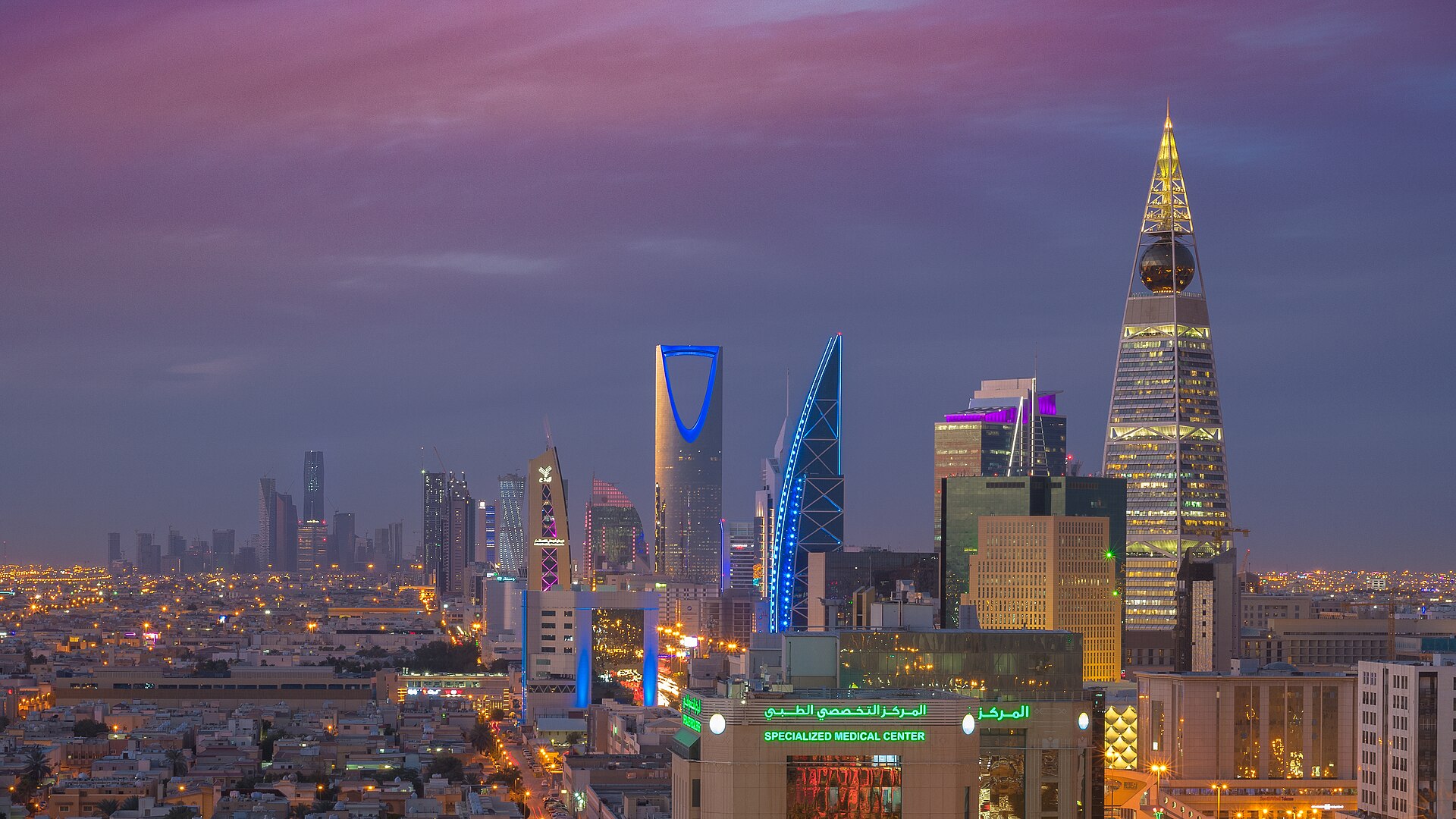
Chatham House addressed this directly in May 2026, describing a deliberate Saudi reorientation of economic geography from the Gulf coast to the Red Sea, with the explicit aim of displacing the UAE as the region’s primary logistics and export hub. The Arab Center Washington DC was more cautious, treating the wartime advantage as “relatively advantageous” but secondary to the fiscal damage. Clingendael identified the strategy as partly competitive with the UAE while warning that the war “has exposed the physical vulnerability of the kingdom’s energy and transportation infrastructure.”
“The kingdom is beginning to reassess its economic geography, reducing its dependence on Hormuz and reorienting policy towards the Red Sea. The country’s two coastlines give it a significant geographical advantage over its neighbours, which it will look to capitalize on to distinguish itself — especially from the UAE — as the region’s main export and logistics hub.”
— Chatham House, May 2026
The structural case rests on a geographic asymmetry that investment cannot replicate. Saudi Arabia has two coastlines; the UAE has one, and it faces the Strait of Hormuz — the chokepoint that has severed Emirati trade routes. Saudi Arabia operates the Petroline; the UAE has no comparable bypass infrastructure. Saudi airports remained open while Dubai International and Abu Dhabi faced closure threats, and the RHQ programme’s 30-year tax holidays are drawing tenants from a Dubai business environment that took three decades to build. The Red Sea economic zone at Oxagon — conceived as a Vision 2030 initiative and dismissed by sceptics before the conflict — now sits on the right coast at the right time.
Chatham House itself identified the counterargument in the same report: “Repeated or prolonged disruption would weigh on revenues, investor confidence, and the kingdom’s ability to present itself as a stable hub for trade, logistics and finance.” The April 9 pipeline strike demonstrated that Saudi Arabia’s bypass infrastructure is targetable, and the kingdom’s air defence inventory — roughly 80 to 150 PAC-3 MSE interceptors remaining from a pre-war stock — is depleting far faster than the sole manufacturer in Camden, Arkansas can produce replacements. A hub built on wartime advantage carries a structural fragility: the next missile to reach a pumping station or a runway could erase the advantage in a single morning.
The question Chatham House posed without answering is whether the reorientation survives peace. Dubai’s commercial ecosystem was not assembled from geographic advantage alone — it was built on regulatory flexibility, English-language legal structures, tax-free personal income, and three decades of institutional memory in finance and logistics. Saudi Arabia is offering 30-year corporate tax holidays and proximity to the world’s largest sovereign wealth fund; Dubai is offering something that cannot be replicated by incentive: a multi-decade track record of making such incentives work.
The Targets Iran Did Not Choose
The IRGC has struck Kuwait’s civilian airport infrastructure, hit Bahrain’s NSA naval facility three times, targeted Camp Arifjan in Kuwait, and attacked an East-West Pipeline pumping station — but has not struck a Saudi airport. The pattern is not random, and it reveals a calculus that Iran’s state media has been notably careful not to articulate: Saudi Arabia’s commercial advantage is more useful to Tehran as a wedge within the GCC than it would be as a military target.
Iranian messaging through Tasnim, Press TV, and IRGC-affiliated outlets has focused on Hormuz closure, the targeting of American bases — particularly Prince Sultan Air Base, which President Ghalibaf named a “legitimate target” on June 7 — and the fragility of smaller GCC states’ air defences. What Tehran has conspicuously not done is frame Saudi Arabia as a war profiteer or target the aviation and commercial infrastructure that gives Riyadh its advantage over Gulf neighbours. The April 9 drone strike hit the Petroline, threatening Saudi energy exports; it did not hit King Khalid International, which would have threatened Saudi commercial hub status — a distinction that may reflect targeting discipline rather than capability limitations.
The Reuters entrepreneur who found Riyadh’s restaurants full while other Gulf hospitality sectors contracted was describing a reality that serves Iran’s broader interest in Gulf fragmentation. A Saudi Arabia that absorbs traffic, capital, and corporate headquarters from Kuwait and Bahrain develops a material stake in the conditions — specifically, the targeting of its neighbours — that generate that traffic. MBS reportedly urged Trump to continue the war, calling it a “historic opportunity,” a framing Iran’s state media has used to portray the kingdom as a co-belligerent that profits from the conflict. The Clingendael Institute identified the dependency directly: the crisis “highlighted the continued dependence of Saudi economic development on regional stability and oil revenues” — a dependence the wartime windfall cannot resolve because it exists precisely because regional stability has collapsed.
Saudi Arabia’s wartime commercial gravity is real — counted in passenger loads, barrel counts, and corporate relocation certificates. It was built on its neighbours’ misfortune, and it will be tested by their recovery.
Frequently Asked Questions
How much daily revenue does Saudi Arabia lose from producing below its OPEC+ quota?
At 7.25 million bpd actual production against a 10.291 million bpd quota, Saudi Arabia forgoes approximately 3 million bpd. At $94 Brent, that represents roughly $282 million per day in forgone gross revenue, or approximately $25.4 billion over Q1 — a figure that alone exceeds three-quarters of the recorded quarterly deficit, before accounting for the breakeven gap on barrels actually produced. The shortfall is not a compliance decision; it is the physical ceiling imposed by the Petroline’s 7 million bpd capacity after the closure of eastern terminals.
What happens to the 780 RHQ companies if the war ends and Gulf airports reopen?
The Regional Headquarters Program’s 30-year tax exemptions are contractual commitments that companies cannot reverse without forfeiting the incentive. However, the programme mandates Riyadh as the regional headquarters base without prohibiting operational offices elsewhere — and most multinationals that relocated during the war maintain skeleton presences in Dubai and Abu Dhabi. A return to peacetime could produce a de facto re-centralisation of day-to-day operations in the UAE even while nominal headquarters remain in Riyadh, a dynamic the programme’s architects anticipated by tying Saudi government contract eligibility exclusively to Riyadh-based entities from 2024.
Could Saudi Arabia raise taxes to narrow the wartime deficit?
Saudi Arabia tripled VAT from 5 to 15 percent in 2020 and currently levies no personal income tax, no corporate tax on domestic firms (a 20 percent rate applies to foreign entities), and no capital gains tax on listed equities. Introducing any of these during wartime would directly contradict the commercial attractiveness argument — the RHQ tax holidays, the tourism investment push, the PIF-backed startup ecosystem — that constitutes the kingdom’s primary non-oil economic strategy. The available fiscal tools that do not undermine Vision 2030 are limited to sovereign debt issuance, reserve drawdowns, and capital expenditure deferrals on giga-projects, all of which are already in use.
Has Saudi Arabia’s sovereign credit rating changed during the conflict?
Saudi Arabia entered the war holding investment-grade sovereign ratings — A1 from Moody’s and A/A-1 from S&P, per each agency’s last published action — and no public downgrade has been reported through mid-2026. Rating agencies historically avoid sovereign downgrades during active hostilities, providing near-term insulation, but the $34 billion Q1 deficit pace materially exceeds the fiscal trajectory that underpinned those ratings. The PIF’s $925 billion asset base and SAMA foreign reserves provide buffers that credit models weight heavily, though the quarterly deficit pace implies significant reserve erosion on a multi-year horizon if oil revenue does not recover.