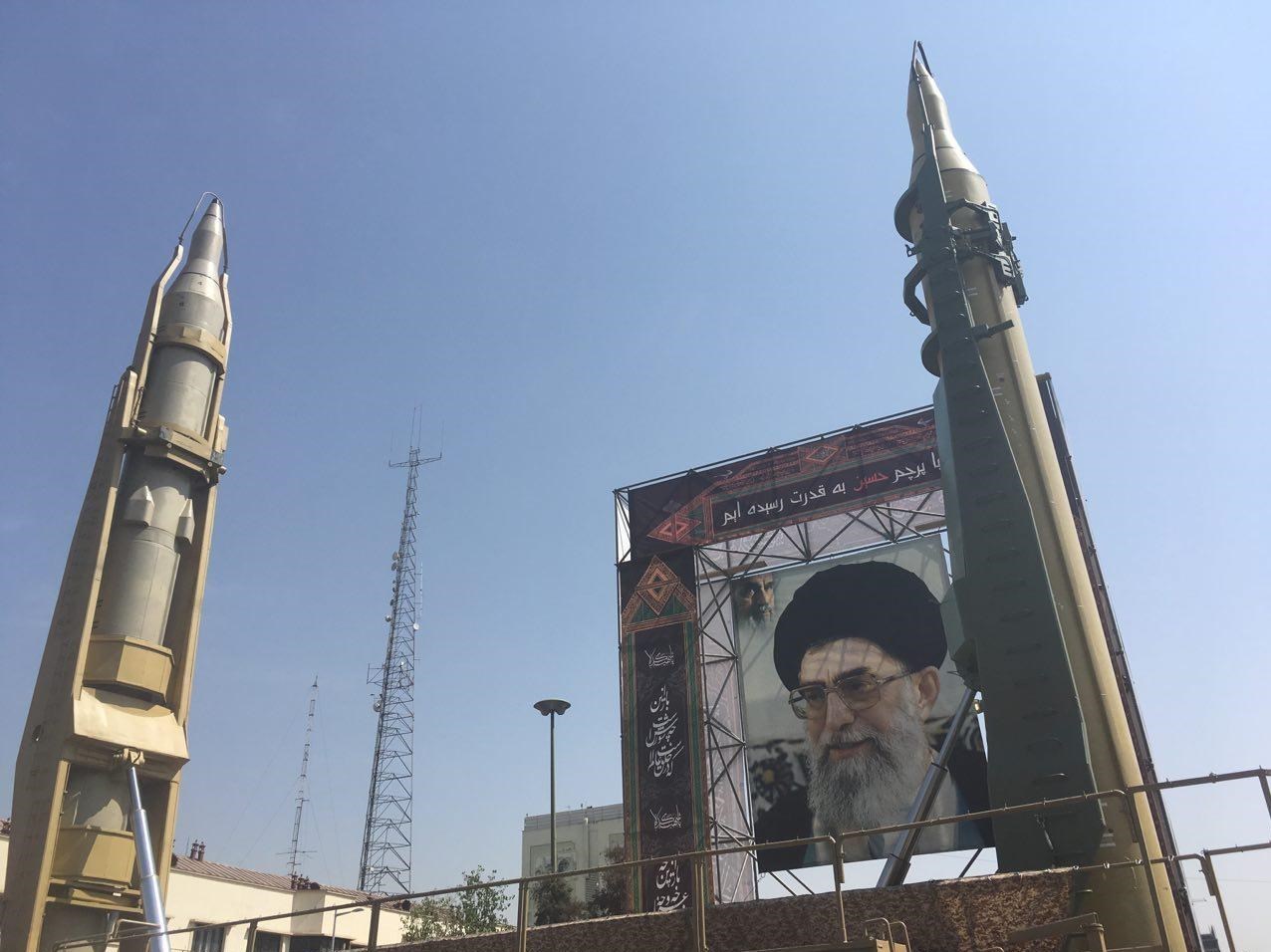

TEHRAN — Iran’s Khatam al-Anbiya Central Headquarters, the standing joint operational command that coordinates both the Islamic Revolutionary Guard Corps and the regular army, announced on June 7 that it is prepared to carry out “Operation True Promise 5” — a named strike operation targeting Israel — if Israel continues to strike Beirut. The declaration came hours after Israeli warplanes hit apartment buildings in Beirut’s southern suburbs, killing at least two people and wounding 11, in an attack launched without warning and in defiance of the US-brokered ceasefire reached in Washington days earlier.
The announcement marks the first time in the True Promise series that Iran has pre-declared a named operation as a conditional threat rather than launching it in direct response to a prior kinetic attack. Every previous True Promise codename — four since April 2024 — was assigned to an operation already underway or about to begin. True Promise 5 is a tripwire: a named, public commitment to act if a specified Israeli action continues. It was issued through Iran’s military command, not its Foreign Ministry, on the same day US Treasury Secretary Scott Bessent invoked the International Emergency Economic Powers Act to redirect Iranian frozen assets toward Gulf reconstruction — eliminating the $12–24 billion asset-release demand that formed the core of Iran’s counteroffer to the Trump administration’s nuclear memorandum of understanding.
Table of Contents
- The TP5 Declaration: A Named Conditional, Not a Launch Order
- What Israel Struck in Beirut
- Why Does the True Promise Name Carry Operational Weight?
- The MOU Collision: TP5 Lands on the Same Day Washington Closed Iran’s Precondition
- Who Is the TP5 Threat Addressed To?
- The Ceasefire That Hezbollah Did Not Sign
- Frequently Asked Questions
The TP5 Declaration: A Named Conditional, Not a Launch Order
Iran’s state broadcaster IRIB reported on June 7 that Khatam al-Anbiya Central Headquarters had declared its readiness to execute Operation True Promise 5 in response to Israeli strikes on Beirut’s southern suburbs. The announcement came through Iran’s joint operational command — a body separated from the Armed Forces General Staff in 2016 and currently led by Ali Abdollahi Aliabadi — rather than through the Foreign Ministry or political leadership. Brig. Gen. Ebrahim Zolfaghari serves as KCHQ’s spokesperson, according to the United Against Nuclear Iran (UANI) organizational database.
Ebrahim Rezaei, spokesperson for Iran’s parliament National Security and Foreign Policy Committee, posted on X the same day: “Watch the sky of the occupied territories tonight.” He called Israel “a rabid dog that must be disciplined” and promised “a painful and decisive response,” according to the Times of Israel liveblog and CBS News live updates. Brig. Gen. Hassan Hassanzadeh, IRGC Tehran Command, warned separately via PressTV that any adversary miscalculation would be met with “a decisive, definite, effective, and crushing response in the shortest possible time.”
The structural difference between TP5 and its predecessors is the sequencing. True Promise 1 through 4 were named at or immediately before launch — the codename confirmed that kinetic operations were imminent or already underway. TP5 is the first to be announced as a stated conditional: a publicly named operation tied to a specific Israeli action that Iran’s military command says will trigger execution. The naming convention itself carries weight because, as WION and Axes & Atoms have documented, no True Promise codename has ever been assigned without a subsequent strike.
What Israel Struck in Beirut
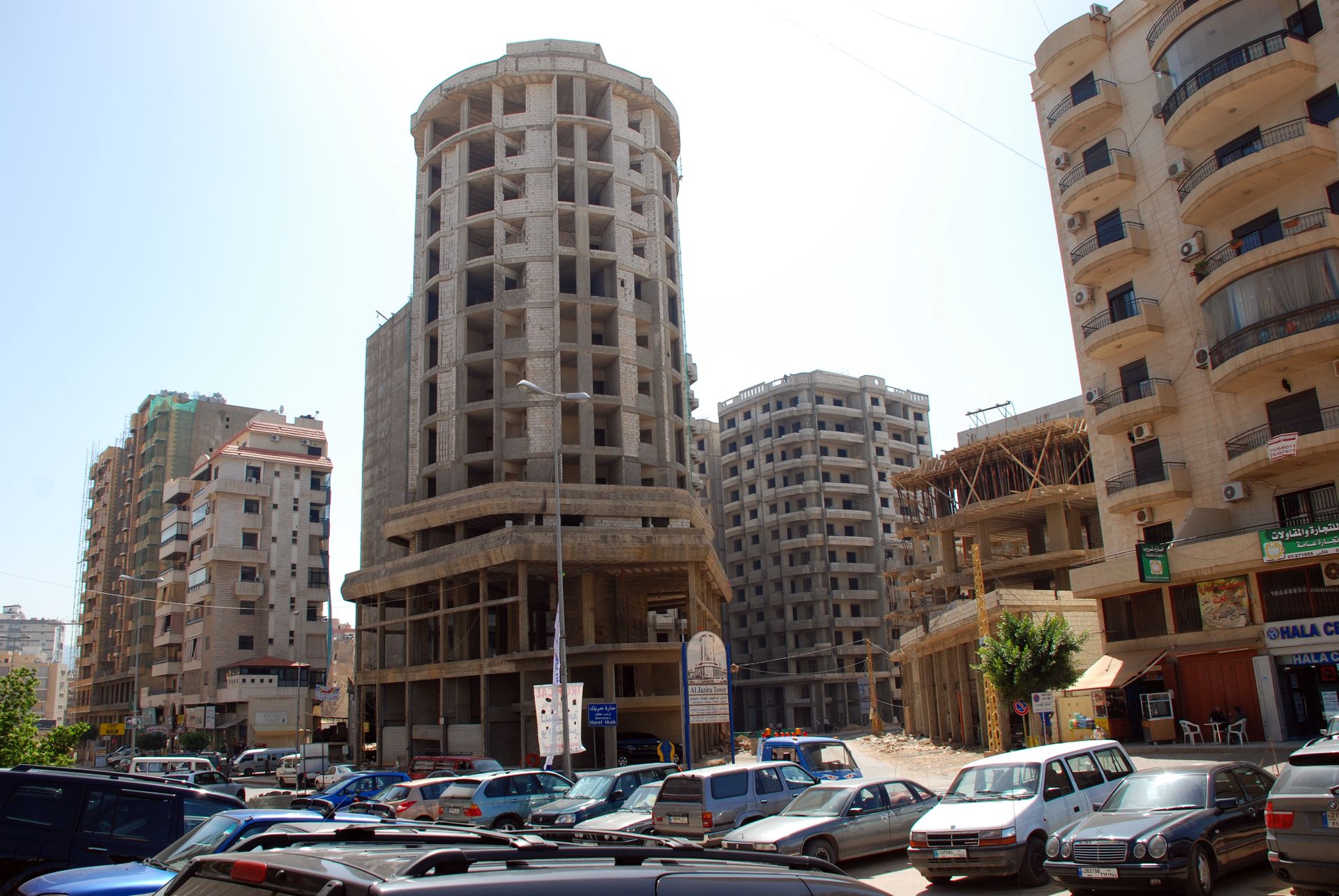
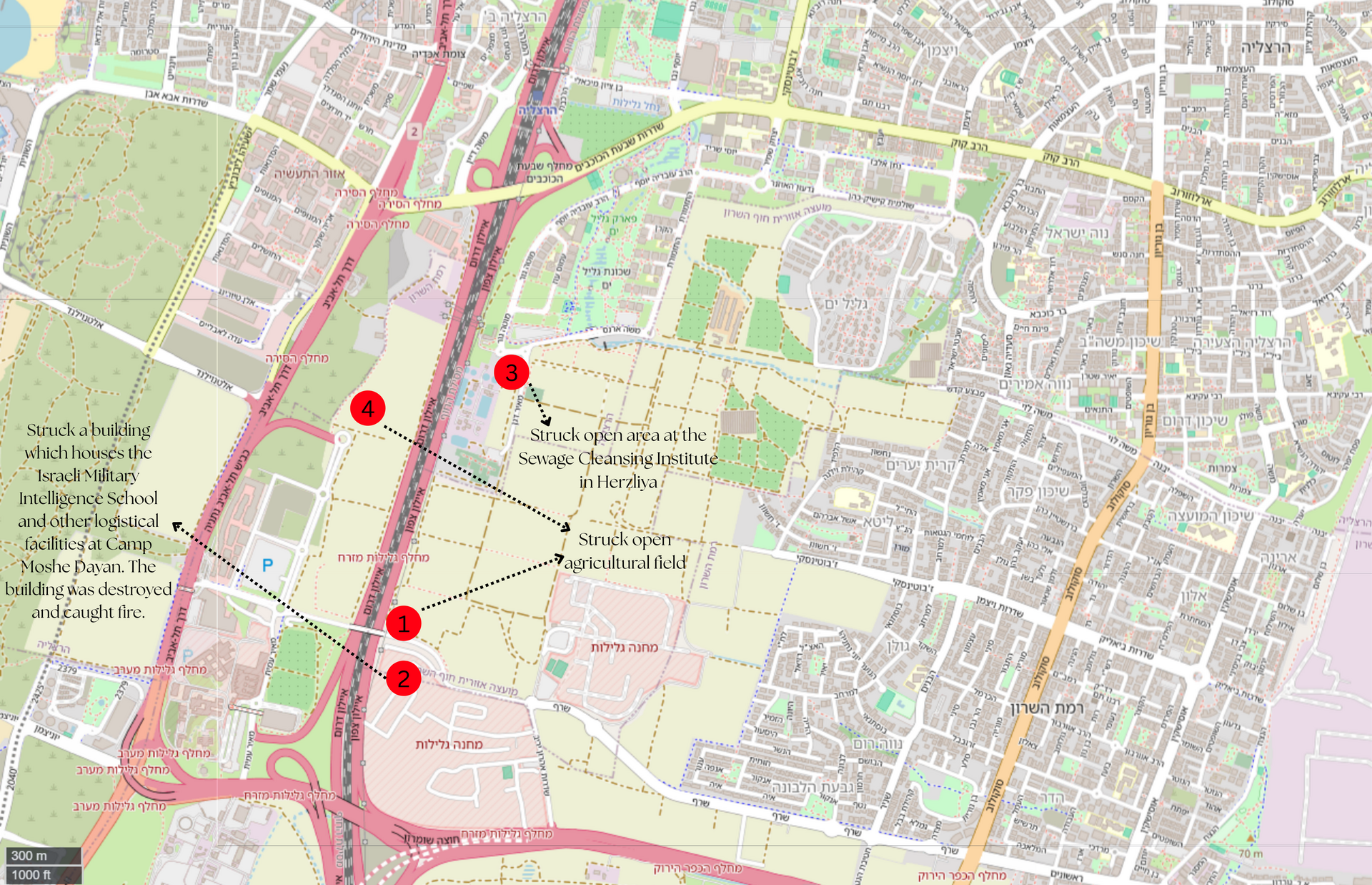
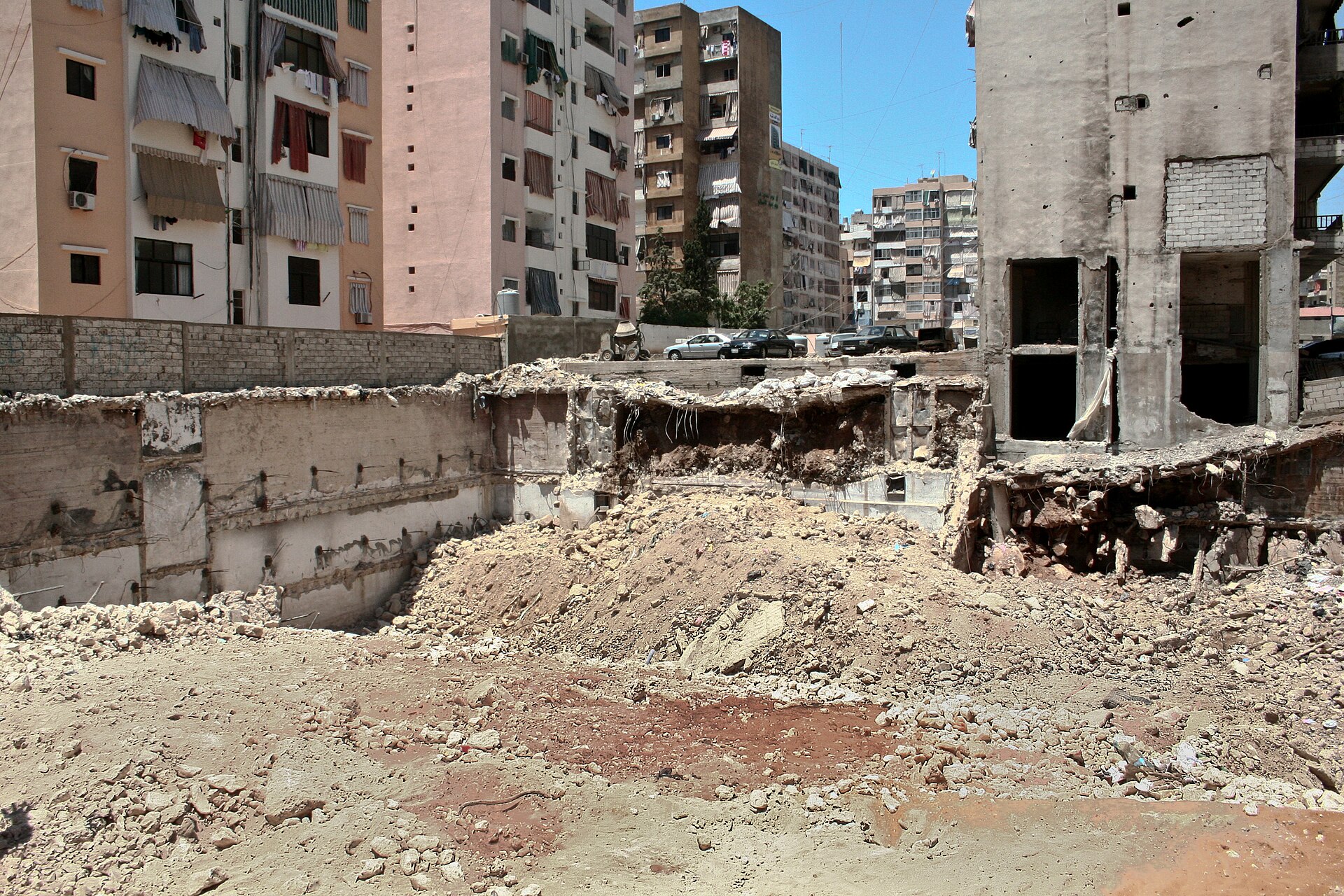
Israeli warplanes struck Beirut’s southern suburbs on June 7 without issuing prior warning, according to NBC News and the Washington Times. The strikes hit apartment buildings, killing at least two people and wounding 11 or more, according to the Times of Israel liveblog. Netanyahu’s office said the strikes targeted Hezbollah “command centers” and were launched in retaliation for Hezbollah firing toward northern Israel, per NBC News.
The Middle East briefing 3,000+ readers start their day with.
One email. Every weekday morning. Free.
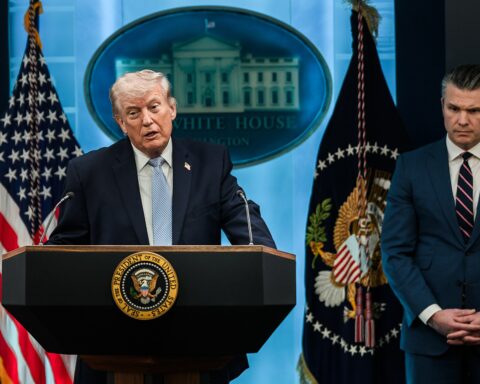
The strikes came days after the US-brokered Washington ceasefire of June 3–4, and despite direct US requests that Israel not attack the Lebanese capital. President Trump, speaking on June 7, said: “I’d like to see Lebanon have a better life. I’d like to see a more surgical attack on Hezbollah… I think it should be more surgical.” He added that he was “not demanding” that Lebanon be part of the short-term Iran deal, according to the Washington Times and NBC News.
Earlier in the conflict, Israel’s Operation Eternal Darkness in Beirut killed 92 people and injured 740, according to the 2026 Lebanon War Wikipedia entry compiled from Lebanese government casualty figures. The June 7 strikes extended a pattern of Israeli military action in Lebanon that predated the June 3–4 Washington ceasefire.
Why Does the True Promise Name Carry Operational Weight?
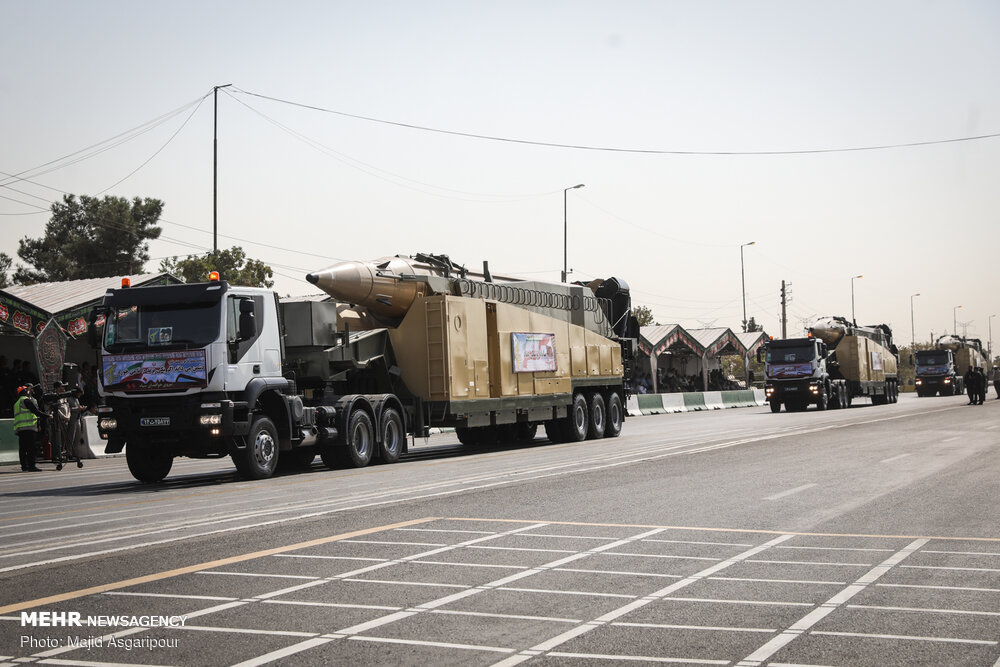
The True Promise series — “Va’de-ye Sadeq” in Persian — began in April 2024 and has escalated in scale with each iteration. The naming convention carries a specific function: once a True Promise codename is announced, kinetic operations have followed in every instance.
| Operation | Date | Trigger | Scale | Targets |
|---|---|---|---|---|
| True Promise 1 | April 13–14, 2024 | Israeli strike on Iran’s Damascus consulate (7 IRGC killed, including 2 generals) | ~300 drones and ballistic missiles | Golan Heights, two Negev airbases |
| True Promise 2 | October 1, 2024 | Israeli assassinations of Hezbollah chief Nasrallah and Hamas political bureau chairman Haniyeh | ~200 ballistic missiles | Military and intelligence sites in Israel |
| True Promise 3 | June 13–24, 2025 | Israeli surprise attack on Iran’s military and nuclear facilities | 550+ ballistic missiles, 1,000+ drones over 12 days | Israeli military and civilian infrastructure; 28+ Israeli civilians killed |
| True Promise 4 | February 28, 2026 – ongoing | Joint US-Israel “Operation Midnight Hammer” strikes | 97+ named waves; first 20 waves = 2,000+ drones, 600+ ballistic/cruise missiles | US bases in Bahrain, Qatar, UAE; Israeli cities; maritime shipping |
| True Promise 5 | June 7, 2026 (declared conditional) | Israeli strikes on Beirut | Not yet launched | Announced but not specified |
True Promise 1, Iran’s first-ever direct strike on Israeli territory, was a response to Israel’s April 1, 2024 strike on Iran’s consulate in Damascus that killed seven IRGC officers, including two generals, per Wikipedia and the BESA Center. Most of the approximately 300 projectiles were intercepted. True Promise 2, in October 2024, fired roughly 200 ballistic missiles at Israeli military and intelligence sites after the assassinations of Hezbollah Secretary-General Hassan Nasrallah and Hamas leader Ismail Haniyeh, according to Wikipedia and WION.
The scale increased sharply with True Promise 3, the Twelve-Day War of June 2025. Iran launched more than 550 ballistic missiles and 1,000 drones over 12 days in response to an Israeli surprise attack on Iran’s military and nuclear facilities, killing at least 28 Israeli civilians and deploying electronic warfare for the first time, according to FPRI’s “Shallow Ramparts” analysis and the Twelve-Day War Wikipedia entry.
True Promise 4, the ongoing campaign that began on February 28, 2026, expanded Iran’s target set to include US military bases across the Gulf. Launched in response to joint US-Israeli “Operation Midnight Hammer” strikes, it has produced 97 or more named waves, with the first 20 waves alone comprising over 2,000 drones and 600 ballistic and cruise missiles, according to GlobalSecurity.org, WANA, and Al Mayadeen. Khatam al-Anbiya’s public messaging for TP4 included the statement, via the WANA news agency, that “True Promise 4 will continue until victory.”
The MOU Collision: TP5 Lands on the Same Day Washington Closed Iran’s Precondition
The TP5 declaration did not arrive in a diplomatic vacuum. On June 6, Iran formally rejected the Trump administration’s memorandum of understanding on the nuclear program and submitted a counteroffer through the Omani diplomatic channel, demanding $12–24 billion in frozen Iranian assets before any Hormuz normalization, according to Iran International and prior reporting by this publication. That counteroffer inverted the US sequencing, which had placed Hormuz reopening in Phase 1 — before any sanctions relief — and nuclear enrichment in Phase 2.
On June 7, the same day as the TP5 announcement, US Treasury Secretary Scott Bessent invoked the International Emergency Economic Powers Act (IEEPA) to make Iranian assets available for Gulf reconstruction payments, according to the Times of Israel. The IEEPA move directly collided with Iran’s Phase 1 precondition: the $12–24 billion in frozen assets that Iran demanded as a prerequisite for Hormuz talks was being redirected, by US executive action, to compensate Gulf allies for war damage. Washington had already nullified the counteroffer’s terms without formally responding to it.
Iranian FM Abbas Araghchi had previously tied Lebanon and the nuclear track together explicitly. “Iran considers the fate of Lebanon and Iran inseparable in the current conflict, and any ceasefire or settlement must encompass both countries,” Araghchi stated, according to CBS News live updates. On Beirut specifically, he had warned: “If Beirut were attacked, we would not tolerate it under any circumstances. Such an action would mean that the ceasefire had been completely broken, and our armed forces would respond,” per TRT World, the Kyiv Post, and CBS News.
Who Is the TP5 Threat Addressed To?
The TP5 declaration carries different operational messages for each of its three principal audiences: Israel, the United States, and Saudi Arabia.
For Israel, the message is direct military deterrence. Every True Promise codename has been followed by kinetic action. Trump noted on June 7 that Iran’s missile stockpile stands at 21–22 percent of prewar levels, but deterrence depends on credibility rather than quantity, and the True Promise naming convention has established a specific pattern: once a codename is announced, strikes follow. The fact that TP5 was issued through Khatam al-Anbiya — the joint operational command — rather than through the Foreign Ministry reinforced the military character of the warning. Under Iran’s Mosaic Defense doctrine, launch authority is distributed across 31 provincial IRGC commands, each with pre-delegated authority to execute strike packages without real-time approval from the national leadership, according to Axes & Atoms’ analysis of True Promise 4’s operational structure.
For Washington, TP5 served as a pressure instrument in the MOU negotiations. The threat landed on the same day the IEEPA invocation eliminated Iran’s Phase 1 precondition. Iran International confirmed that Iran-US messages continued through Pakistan mediators simultaneously with the TP5 threat — a dual-track architecture in which Tehran talks and threatens at the same time. The Pakistan channel carried two separate letters to Tehran from Prime Minister Shehbaz Sharif and Army Chief Asim Munir on the same day, operating civilian and military tracks in parallel.
For Riyadh, the TP5 declaration reinforced a structural exclusion. Saudi Arabia’s last confirmed diplomatic contact was a June 3 call between FM Prince Faisal bin Farhan and Qatar’s prime minister, according to prior coverage by this publication. The Saudi Foreign Ministry has had no confirmed contact with Washington or Tehran in the days surrounding the TP5 declaration. Saudi Arabia has no mechanism to influence whether Israel strikes Beirut — the action that Iran has now tied to a named military operation — and no seat in the negotiations where the Lebanon-nuclear linkage is being adjudicated.
The Ceasefire That Hezbollah Did Not Sign
The TP5 declaration rests on a specific factual predicate: Israel struck Beirut after a ceasefire. But the ceasefire itself was structurally incomplete. Hezbollah did not sign the June 3–4 Washington ceasefire agreement. It was named as a condition, not a party — the same structure as the 2024 Lebanon ceasefire, which lasted 15 months before collapsing in March 2026, a pattern documented in prior reporting.
IDF Chief of Staff Eyal Zamir stated on June 3 — 24 hours before the ceasefire was formalized — that “there is no ceasefire for our forces” in Lebanon, per the Times of Israel liveblog. Netanyahu said he wanted to press ahead until Hezbollah “no longer poses a threat,” according to Time magazine. The IDF had already moved beyond the Litani River and taken Beaufort Castle by May 31. The ceasefire contained references to “pilot zones” with no defined timeline, boundary, or monitoring mechanism, per the Washington Post.
PressTV reported on June 4 that the IRGC demanded an “immediate halt to Israeli attacks on Lebanon” and rejected “the West’s truce,” with the primary condition being a “ceasefire on all fronts, including Lebanon.” Tasnim, the IRGC-aligned news agency, had established the doctrinal position that violations of the Lebanon ceasefire constituted violations of the nuclear track as well — the same linkage Araghchi had stated explicitly through the CBS News channel.
The disconnect was visible in the June 7 events: Israel struck Beirut in what it described as retaliation for Hezbollah fire. Iran declared a named operational conditional in response. The ceasefire Hezbollah never signed was being treated by both sides as already void, while Iran used its violation as the stated trigger for a named military threat.
Frequently Asked Questions
What is Khatam al-Anbiya Central Headquarters?
Khatam al-Anbiya Central Headquarters (KCHQ) is Iran’s standing joint operational command, responsible for coordinating operations between the IRGC and the regular armed forces (Artesh). It was separated from the Armed Forces General Staff in 2016 as a distinct operational body. The current commander is Ali Abdollahi Aliabadi, and Brig. Gen. Ebrahim Zolfaghari serves as spokesperson, according to the United Against Nuclear Iran organizational database and Wikipedia. The fact that TP5 was announced through KCHQ rather than the Foreign Ministry or the Supreme National Security Council places it in the military operational chain rather than the diplomatic one.
How does Iran’s Mosaic Defense doctrine affect TP5 execution?
Iran’s Mosaic Defense doctrine, as analyzed by Axes & Atoms in their assessment of True Promise 4’s operational structure, distributes launch authority across 31 provincial IRGC commands. Each command holds pre-delegated authority to execute assigned strike packages without requiring real-time approval from national leadership. This means that a TP5 execution order, once issued by KCHQ, would not depend on a single centralized decision chain — provincial commands could initiate their assigned portions of the operation independently. During True Promise 4, this distributed architecture produced 97 or more named waves across multiple theaters, according to GlobalSecurity.org.
Has Iran ever announced a True Promise operation without following through?
No. Each of the four prior True Promise operations — TP1 in April 2024, TP2 in October 2024, TP3 in June 2025, and TP4 beginning February 2026 — was followed by kinetic strikes after its codename was announced, according to WION and Axes & Atoms. TP5 is structurally different because it is the first to be declared as a conditional rather than announced at or immediately before launch. The record of prior execution is what gives the TP5 conditional its coercive weight, but the conditional framing also introduces a variable not present in previous iterations: the trigger depends on Israeli action in a specific theater, not on a strike that has already occurred.
What happens to the Iran-US negotiation channel if TP5 is executed?
Iran International confirmed on June 7 that Iran-US messages continued through Pakistan mediators simultaneously with the TP5 threat. This dual-track posture — negotiating and threatening at the same time — mirrors the pattern established during True Promise 4, when the Omani channel remained open even as IRGC strikes hit US bases in Bahrain, Qatar, and the UAE. Iran formally rejected the Trump MOU on June 6 and submitted a counteroffer through Oman demanding $12–24 billion in frozen assets. The Bessent IEEPA invocation on June 7 redirected those same assets to Gulf allies facing air defense depletion and reconstruction costs. Whether the Pakistan and Omani channels survive a TP5 execution depends on whether Washington treats the operation as a bilateral escalation or as an Iran-Israel matter outside the MOU framework.
Can Saudi Arabia influence whether the TP5 tripwire is pulled?
Saudi Arabia has no direct mechanism to affect whether Israel strikes Beirut — the condition Iran has attached to TP5 execution. The Saudi Foreign Ministry’s last confirmed contact was a June 3 call with Qatar’s prime minister, and Riyadh has had no confirmed communication with Washington or Tehran in the days surrounding the TP5 announcement. Lebanese President Joseph Aoun told CNN’s Christiane Amanpour that Iran was using Lebanon as a “bargaining chip,” a characterization documented in prior reporting. Saudi envoy Yazid bin Farhan had told Aoun not to meet Netanyahu as recently as April 25, according to prior reporting by this publication. Saudi Arabia’s exclusion from the Washington ceasefire, the MOU negotiations, and the Lebanon track means it bears the consequences of a TP5 execution — through oil price volatility, Hormuz disruption, and the ongoing fiscal cost of the war — without any ability to prevent it. Israel struck Dahiyeh on June 7, killing at least two people and wounding eleven others — activating the threshold Iran had publicly pre-declared, with Ghalibaf immediately re-designating PSAB and US bases in the region as legitimate targets. With the tripwire pulled and three simultaneous fronts active, Who Does Saudi Arabia Call When the Third Front Opens? examines why Saudi Arabia held no channel to any party in the trigger chain.