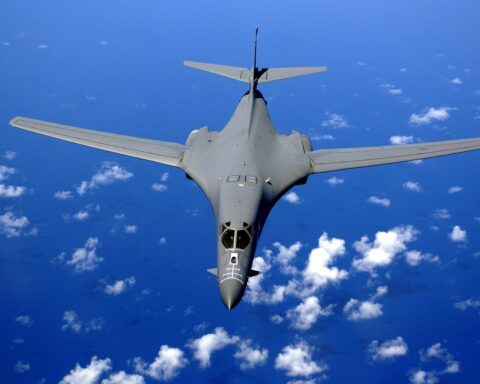
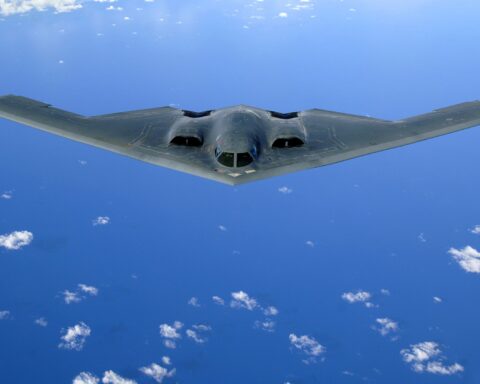
WASHINGTON — US strikes on Iran widened to central and southern Iran on July 18, with fighter jets employed for the first time as CENTCOM pushed operations approximately six hundred and fifty kilometres inland from the Gulf coast on what the command’s own count makes the eighth consecutive night of the air campaign. RFE/RL reported that the geographic expansion included “multiple sites throughout central and southern Iran, including through the use of jet fighters,” a shift from the coastal and strait-adjacent targeting that had defined the first seven nights.
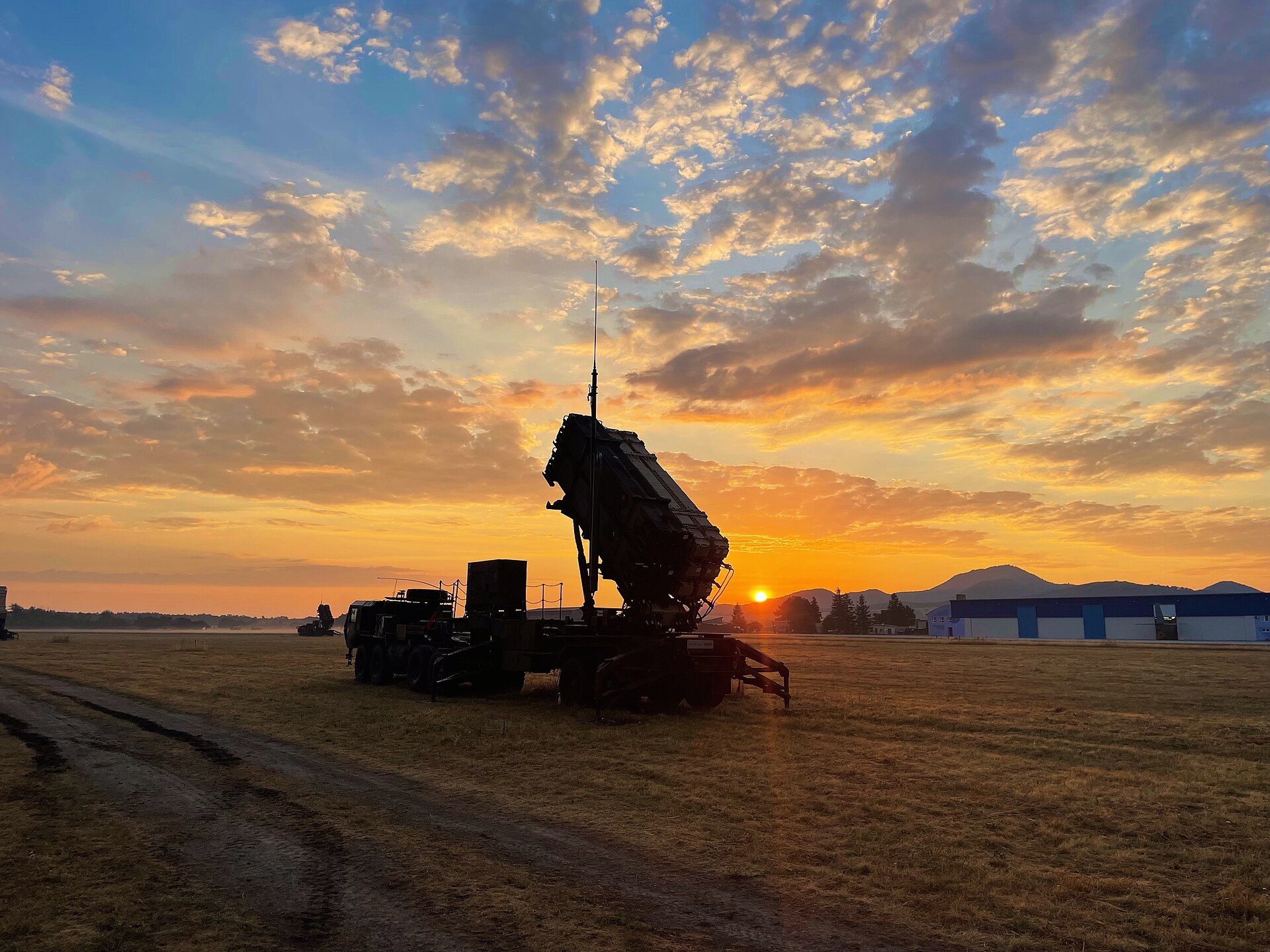
The escalation came hours after Mohsen Rezaei, adviser to Iran’s Supreme Leader and former commander-in-chief of the Islamic Revolutionary Guard Corps, issued what amounted to an ultimatum on Iranian state television: if the United States continued strikes for another “two or three days,” Iran would transition from retaliatory operations to what he called “offensive and complete destruction.” That clock, set on July 17, expires approximately July 19 or 20. Saudi Arabia — with four hundred PAC-3 interceptors remaining from an original stockpile of 2,800 and a Pakistani HQ-9 battery as its only external reinforcement — sits directly inside the threat envelope of whatever Rezaei means by “no political border will be safe.”
Table of Contents
What Changed on Night Eight
CENTCOM confirmed on July 17 that it had struck Iran “for the seventh consecutive night,” employing “fighter aircraft, aerial drones, and warships in addition to other assets” against what the command described as “surveillance sites, military logistics infrastructure, underground weapons storage, and maritime capabilities.” The statement, posted to CENTCOM’s official X account, noted that the strikes were “designed to continue degrading Iranian military capabilities at the Commander in Chief’s direction.” Night eight extended that pattern and broke it.
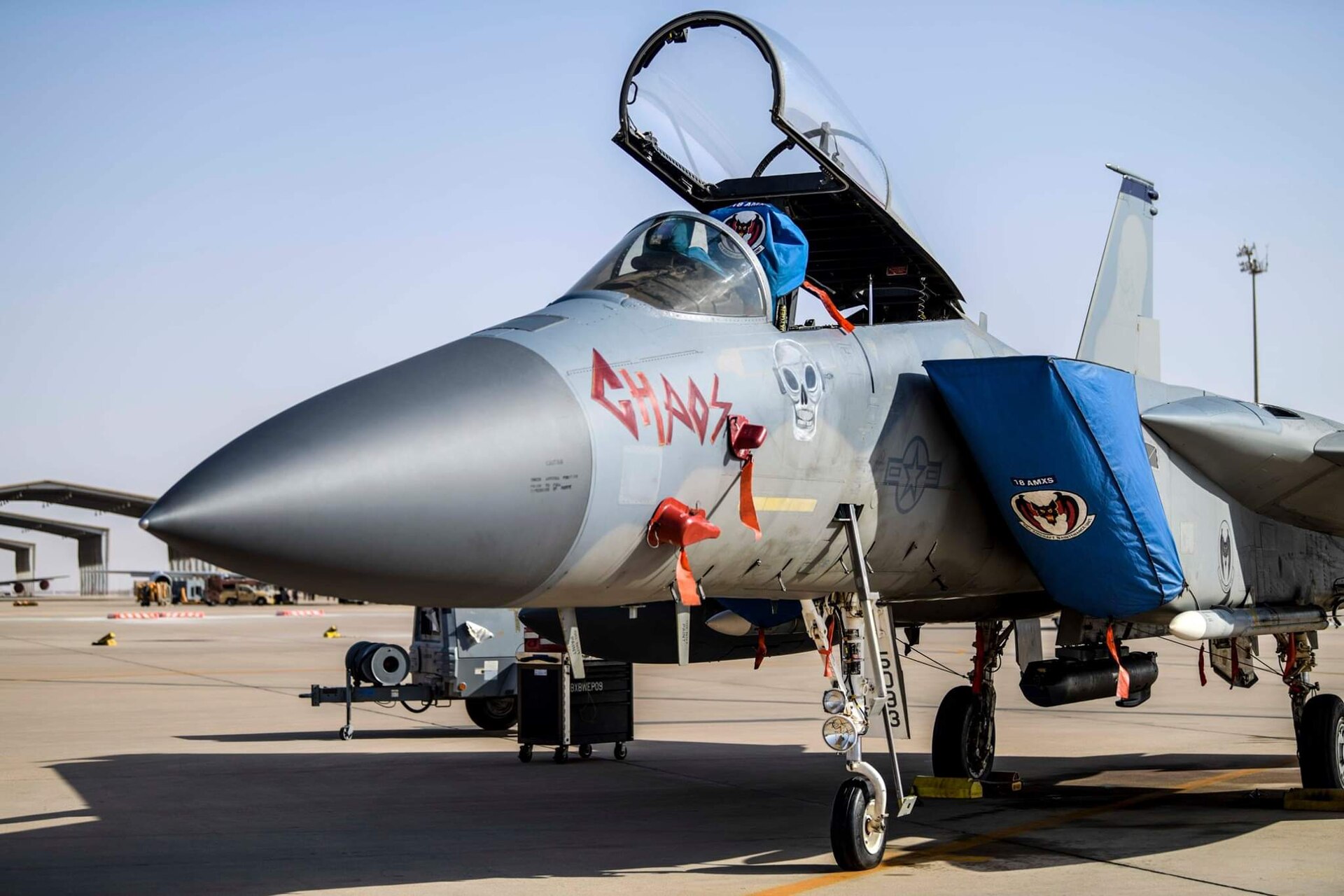
By the early hours of July 18, RFE/RL reported a qualitative shift: “US strikes on Iran widened early on July 18 from the Strait of Hormuz hotspot to multiple sites throughout central and southern Iran, including through the use of jet fighters.” The distinction matters because the first seven nights of the current phase had relied predominantly on standoff weapons — cruise missiles, aerial drones, and, since approximately July 12 according to Iran International and OAN, one-way attack sea drones — launched from beyond the engagement envelope of Iran’s air defences. Fighter jets operating over central Iran require sustained aerial refueling corridors, suppression of enemy air defences, and a willingness to risk airframes and pilots that standoff munitions do not.
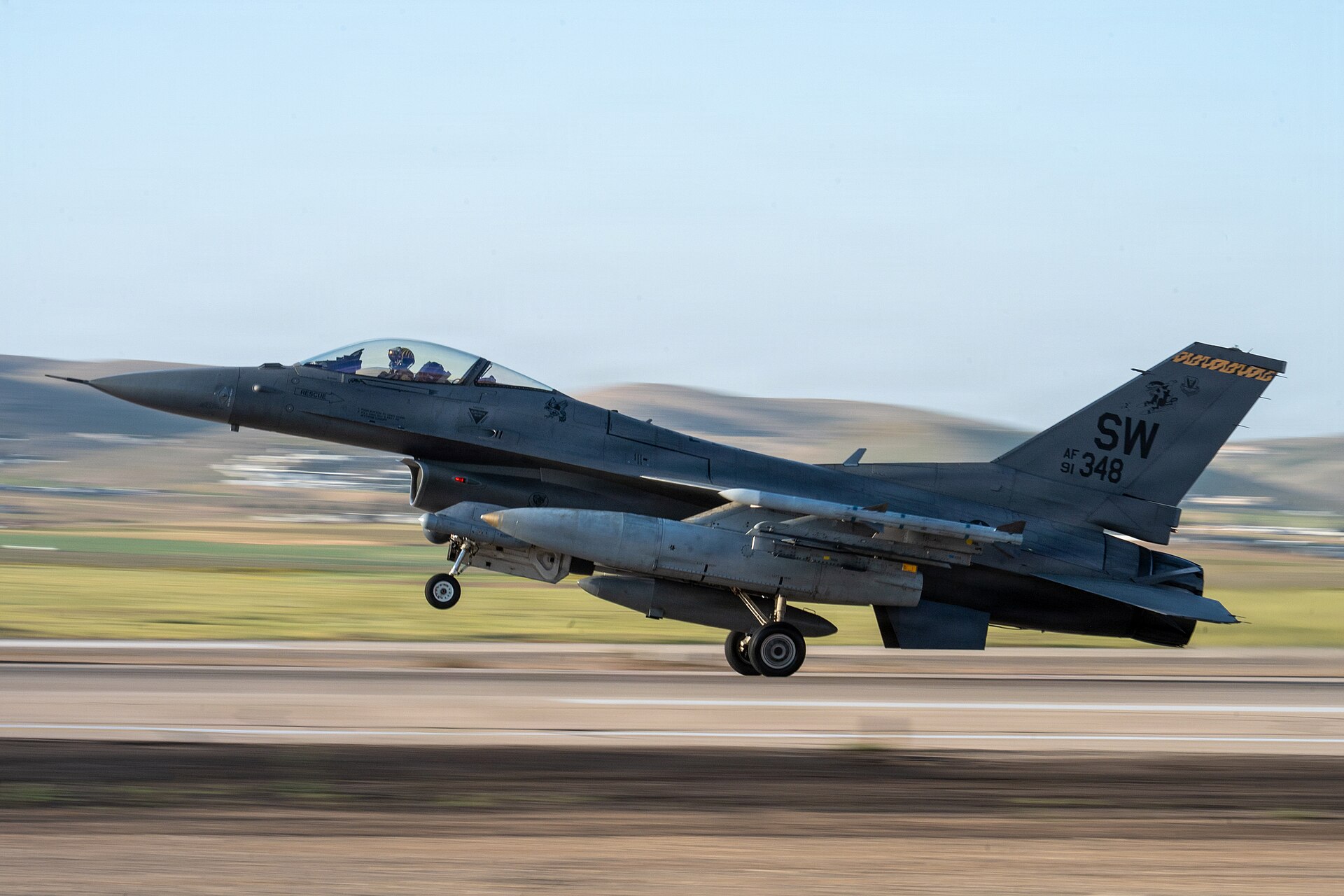
Al Jazeera reported five explosions in Yazd on July 17, the most striking geographic departure from the campaign’s established pattern. Yazd sits approximately 650 kilometres inland from Bandar Abbas on Iran’s central plateau, well beyond the Hormuz-adjacent framework that former CENTCOM Commander General Joseph Votel described as “principally focused on elimination of IRGC capacity to influence the Strait of Hormuz or attack our partners.” To reach Yazd from carriers or bases in the Gulf, fighter aircraft need refueling support of the kind the US has been surging into the region: The War Zone reported that thirty KC-46 Pegasus and KC-135 Stratotanker aerial refueling aircraft were already positioned at Ben Gurion Airport, with more en route, and that twelve F-16 Fighting Falcons had deployed from Germany to Muwaffaq Salti Air Base in Jordan.
Mehr news agency, Iran’s semi-official outlet, stated that the Yazd strikes fell “outside the city limits” and produced no casualties at that location. The picture elsewhere in southern Iran was different: at least three people were killed and eight wounded across Hormozgan province according to Al Jazeera and Haaretz’s live blog, and Iranian media reported seven deaths in bridge strikes at Bandar Khamir according to Al-Monitor.
The Middle East briefing 3,000+ readers start their day with.
One email. Every weekday morning. Free.
Cutting Bandar Abbas Off From Tehran
The seventh night’s most systematic work was structural rather than explosive. CENTCOM struck six bridges in Hormozgan province, including the Geryveh Bridge and Kahurestan Bridge — both linking Bandar Abbas, Iran’s primary commercial and naval port, to the highway and rail corridors running north toward Shiraz and Tehran, according to NBC News and Al Jazeera. A railway station west of Bandar Abbas was also hit, and AP assessed that the bridge targeting aimed at “isolating Bandar Abbas, Iran’s primary port, from inland routes to Tehran.”
Bandar Abbas handles a substantial share of Iran’s non-oil imports and serves as the IRGC Navy’s principal operational hub for Strait of Hormuz operations, including the seizure of commercial vessels — the IRGC detained four tankers in the strait on July 18 alone, according to Haaretz’s live blog. Severing the road and rail links between the port and the Iranian interior creates a logistical chokepoint that compounds the maritime isolation already reflected in the collapse of Hormuz transits, which CNBC reported had fallen to eight vessels per day on July 17, down from a pre-crisis baseline of eighty-eight.
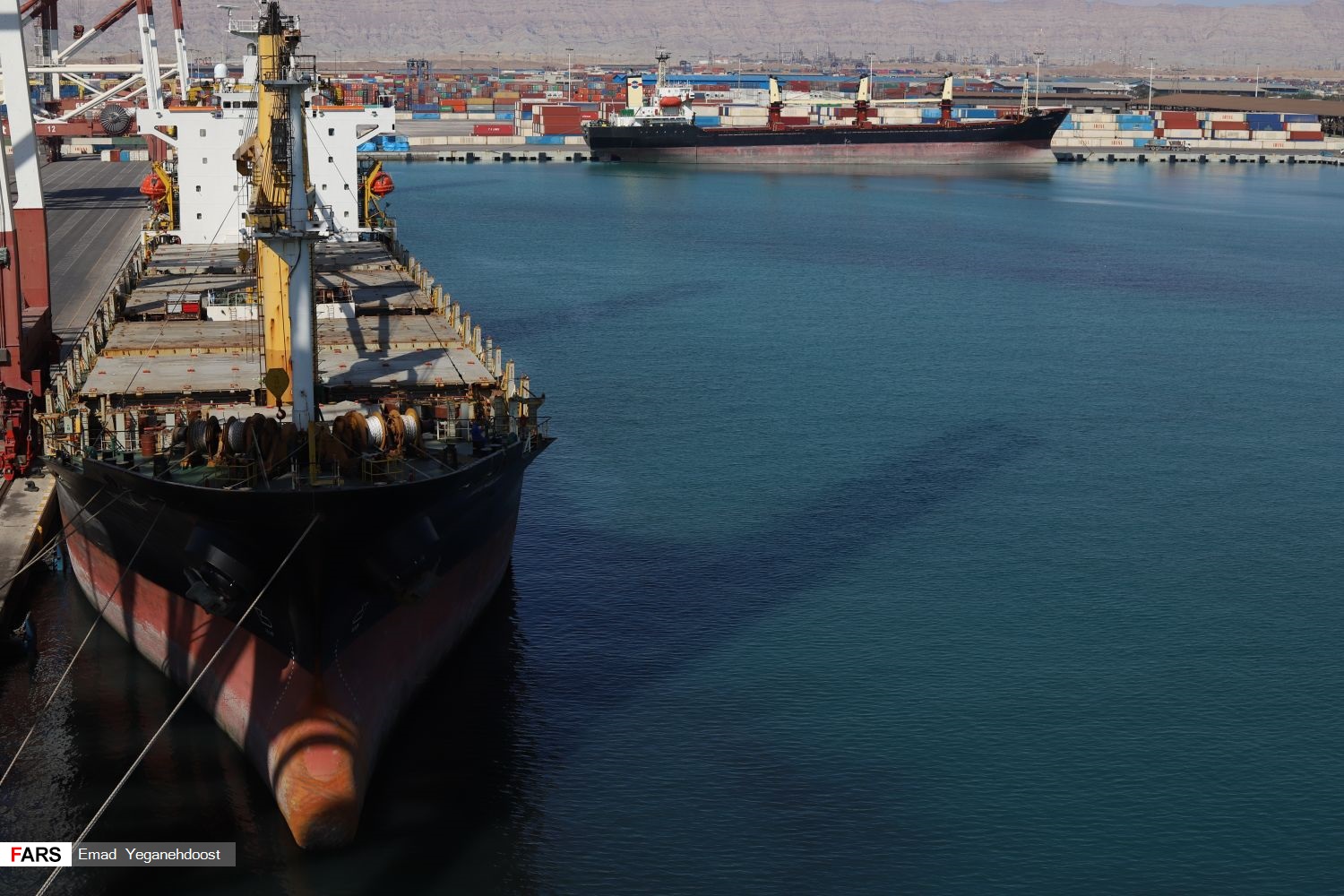
In the same operational window, CENTCOM destroyed a maritime surveillance tower in Chabahar, which it described as “part of a maritime surveillance network…used…by the Islamic Revolutionary Guard Corps (IRGC) to track and target commercial vessels.” The Iranshahr airport, located near the Pakistani border in Sistan-Baluchestan province, was also struck according to Al-Monitor — a target choice that introduces its own complications given Pakistan’s simultaneous role as Iran war mediator and Saudi military partner. The infrastructure campaign now encompasses bridges, rail stations, airports, surveillance towers, and port-adjacent military facilities across a footprint stretching from Chabahar on the Indian Ocean coast to Yazd deep in Iran’s interior. That geographic range no longer fits the Hormuz-focused rationale CENTCOM initially articulated through the early days of the campaign when strikes were concentrated on islands and coastal installations.
What Does Rezaei’s Ultimatum Mean for the Gulf?
Mohsen Rezaei chose Iranian state television on July 17 to deliver the clearest escalation warning since the air campaign’s current phase began. “If America continues the war in the coming days, Iran will move from the phase of retaliation to the offensive phase,” he said on IRIB, in remarks carried by Al Jazeera and ABC News, “and we declare that the conditions for both negotiations and war are over.” In a separate statement quoted by Al Jazeera, he specified that Iran would “no longer limit itself to retaliatory, like-for-like responses” and that “no political border will be safe.”
“Iran will transition from defensive actions to a phase of ‘offensive and complete destruction’ if the United States continues its attacks for another 2-3 days.”
— Mohsen Rezaei, adviser to Iran’s Supreme Leader, on IRIB, July 17, 2026 (via Ukraine Pravda/Telegram)
The timeline Rezaei attached — “two or three days” — places the notional expiry of this window at approximately July 19 or 20. Whether Rezaei, who holds the title of adviser to the Supreme Leader but no longer commands IRGC forces directly, has the authority to set such deadlines is a question that depends on Mojtaba Khamenei’s disposition, and Mojtaba has not appeared publicly in over 120 days. What Rezaei does have is a platform: IRIB broadcast the statement as a signal, not a slip, and the language of “offensive and complete destruction” was picked up by Al Jazeera, ABC News, Al-Monitor, and Ukraine Pravda within hours. Rezaei also claimed that the United States had “violated all five preliminary clauses of the memorandum of understanding,” per ABC News’s live blog.
The IRGC has already demonstrated what “no political border will be safe” looks like in practice, though it has so far maintained a calibrated, wave-by-wave tempo. On the night of July 17–18, the IRGC claimed strikes on Sheikh Isa Air Base in Bahrain, on facilities in Jordan and Kuwait, and on a US drone depot in Bahrain, according to Al Jazeera, while Jordan’s military reported intercepting ten Iranian missiles. In Wave Fifteen, IRGC strikes hit Kuwait’s Shuaiba desalination and power plant, a US radar installation in Oman’s Ghanim region, and maritime radar in the Strait of Hormuz, according to Al Jazeera and Gulf News. Iran also launched a shore-to-sea cruise missile at a US vessel in the northern Indian Ocean, Al-Monitor reported — extending the combat zone well beyond the Gulf.
The IRGC’s own institutional warning reinforced Rezaei’s language: “Countries hosting US forces should expect a ‘corresponding response'” if their territory is used for American attacks, according to Haaretz’s live blog. That formulation puts Saudi Arabia — which hosts approximately 2,300 US personnel at Prince Sultan Air Base and has already triggered civil defence alerts on consecutive days without explaining the threat — squarely inside the target set of any Iranian shift from retaliatory to offensive operations. When Iran struck six countries in a single campaign wave, Saudi Arabia was the conspicuous omission; Rezaei’s language suggests that restraint has an expiry date attached.
Can Pakistan’s HQ-9 Cover What PAC-3 Cannot?
Saudi Arabia’s air defence arithmetic has not improved since this publication examined who would defend Riyadh when the interceptors ran out: four hundred PAC-3 missiles remain from an original inventory of 2,800, an 86 percent depletion rate confirmed by Army Recognition and The Defense Post in February and tracked through subsequent coverage. No resupply has been confirmed before 2028, and the PAC-3 production line, operated by Lockheed Martin, cannot accelerate fast enough to close a wartime gap of 2,400 rounds.
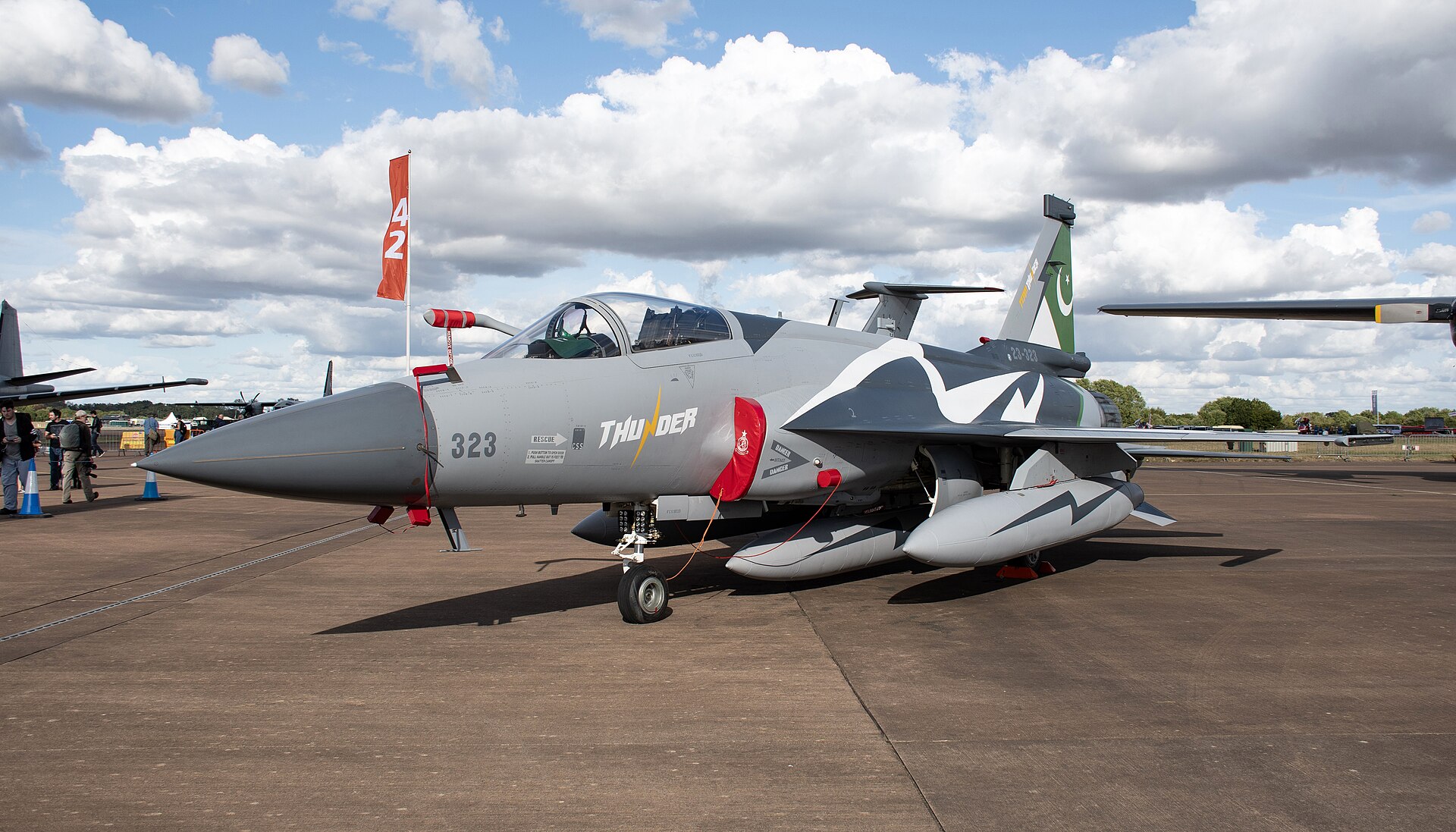
The only external reinforcement is Pakistani. Under the Strategic Mutual Defence Agreement signed on September 17, 2025, Pakistan deployed approximately 8,000 troops, roughly sixteen JF-17 Thunder fighters, two drone squadrons, and one HQ-9 air defence battery to Saudi Arabia, with the initial deployment arriving in June 2026, according to Defence Security Asia and Voz Populi. Saudi Arabia finances the deployment, and Pakistani personnel operate the HQ-9 system — a Chinese-origin long-range surface-to-air missile with a manufacturer-cited engagement range of up to 250 kilometres, but one that defence-blog.com assesses as “less effective than upgraded Patriot PAC-3 variants in overall combat performance and resilience to electronic warfare.”
The operational question is not whether the HQ-9 can shoot but what it can intercept under the conditions Iran has created. The PAC-3 was engineered to destroy tactical ballistic missiles in their terminal phase; the HQ-9, while capable against aircraft and certain ballistic threats, has never been tested in combat against the Fattah-2 or Zolfaghar variants that Iran has employed against Gulf targets. If Rezaei’s ultimatum translates into a full-scale missile barrage rather than the phased, wave-by-wave pattern Iran has maintained, Saudi Arabia would be defending critical infrastructure with a system its own analysts regard as a stopgap against threats its primary interceptor was built to handle — and that primary interceptor is nearly gone.
Pakistan’s position is structurally contradictory in ways that extend beyond the air defence battery itself. Islamabad has simultaneously positioned itself as a mediator in the Iran conflict — hosting the Islamabad track of negotiations that Saudi Arabia has been excluded from — while deploying combat forces and combat aircraft to protect the kingdom. Voz Populi described it as a “difficult balancing act,” which may understate the problem: the HQ-9 that Pakistani troops operate in Saudi Arabia is a Chinese system, and Beijing has already secured a “friendly nation” exemption from Iran’s Persian Gulf Security Arrangement fees, placing China and Pakistan on functionally opposite sides of the framework Saudi Arabia is trying to survive.
Saudi Arabia’s Two-Front Warning
Saudi civil defence activated the National Early Warning Platform for Al-Kharj and Yanbu on July 18, the second such alert cycle in two days — the first, on July 17, was stood down without any public explanation of the triggering threat, a pattern covered extensively in prior reporting. Middle East Eye, Times of Israel, and the Saudi Gazette’s Facebook page all reported the July 18 alerts, which were again lifted without specifying what had been detected or intercepted.
The geography of the dual alert is the detail that converts a civil defence notice into a strategic signal. Al-Kharj, home to Prince Sultan Air Base and its 2,300 US personnel, sits in the Saudi interior southeast of Riyadh — the installation that has remained unstruck through ten waves of Iranian retaliation but sits within the engagement range of Iran’s Fattah-2. Yanbu, on the Red Sea coast, is the western terminus of the East-West Pipeline, which operates at a seven-million-barrel-per-day ceiling and handles a growing share of Saudi crude exports as Hormuz-dependent eastern shipments become increasingly constrained. The two cities are separated by approximately nine hundred kilometres, meaning that simultaneous threat detections imply two independent attack vectors rather than a single salvo that happened to trigger two sensors.
Brent crude closed at $85.95 per barrel on July 17, up 2.04 percent, according to Al-Monitor — pressing against the $86 to $91 per barrel fiscal breakeven the IMF has estimated for Saudi Arabia. The price sits at the threshold where Saudi Arabia begins to cover its costs rather than run deficits, but the conditions producing the price — Hormuz at eight transits per day, an active air war over central Iran, and IRGC tanker seizures in the strait — are the same conditions that threaten to destroy the export infrastructure generating the revenue.
Washington approved the weapons Saudi Arabia carries but has not replenished the interceptors those weapons were designed to complement, and the alliance that was supposed to guarantee resupply remains grounded by the structural damage of Operation Project Freedom. The kingdom enters the window Rezaei drew with a defence posture built on four hundred American missiles it cannot replace and one Chinese battery operated by a Pakistani crew whose government is simultaneously trying to broker peace with the country firing at them.
Background
The US-Iran military exchange escalated following the breakdown of the sixty-day memorandum of understanding framework that was supposed to structure negotiations. President Trump declared the MOU “over” on July 8, though the White House has maintained that diplomatic channels remain open, and the framework’s Day 31 reference point continues to appear in official communications. CENTCOM’s Operation Epic Fury has been running since February 28, 2026, with the current phase of consecutive nightly strikes beginning on July 11.
The campaign has produced fourteen US fatalities and 427 wounded since its February launch, according to The War Zone. Iranian lawmakers have separately threatened retaliatory strikes on allied-nation infrastructure and Houthi Red Sea shipping attacks if the US expands targeting to Iranian power facilities, according to Breitbart. The Bushehr nuclear power plant perimeter was struck in an earlier wave, though no reactor damage was reported.
Frequently Asked Questions
What type of fighter jets did the US use over central Iran?
CENTCOM’s official statement referenced “fighter aircraft” without specifying the airframe. The US has deployed twelve F-16 Fighting Falcons from Germany to Muwaffaq Salti Air Base in Jordan, and F-35A Lightning IIs have been operating from Al Udeid Air Base in Qatar and from carrier groups in the Arabian Sea and Gulf of Oman. The thirty KC-46 Pegasus and KC-135 Stratotanker aerial refueling aircraft positioned at Ben Gurion Airport, with additional tankers en route according to The War Zone, provide the mid-air refueling capability required for sustained fighter operations at the six-hundred-kilometre-plus combat radius that targets like Yazd demand from Gulf launch points.
Has Iran struck Saudi territory directly during this conflict?
Iran has not publicly claimed a direct strike on Saudi soil, but Saudi civil defence has activated early warning alerts for Al-Kharj and Yanbu on both July 17 and July 18, standing down each alert without explaining the triggering threat. An Axios report cited a US official describing the July 17 incident as the “first direct Iranian attack on kingdom in four months,” though Saudi Arabia has not confirmed or denied that characterisation. The IRGC’s stated position — that countries hosting US forces should expect “corresponding responses” — explicitly encompasses Saudi Arabia, and Rezaei’s declaration that “no political border will be safe” removes whatever implicit geographical restraint Iran’s wave-by-wave targeting had observed.
What happens when Rezaei’s ultimatum window closes?
The deadline falls approximately July 19–20. Rezaei’s language — “offensive and complete destruction” rather than the calibrated, sequenced retaliation Iran has employed across fifteen waves — implies a shift to simultaneous, multi-vector strikes without the operational pauses Tehran has maintained between salvos. For Saudi Arabia, this would test an air defence network running on four hundred PAC-3 interceptors and one Pakistani-operated HQ-9 battery against a threat environment that has already required concurrent alerts across two cities nine hundred kilometres apart. Iran has also retained the option of ordering Bab al-Mandeb closure through Houthi proxy forces, which would cut Saudi Arabia’s Red Sea export route — the alternative it has relied on as Hormuz transits collapsed to eight per day.
Why does the Iranshahr airport strike matter for Pakistan?
Iranshahr sits in Iran’s Sistan-Baluchestan province, directly adjacent to Pakistan’s Balochistan province, and US strikes on an airport that close to the Pakistani border complicate Islamabad’s already contradictory posture. Pakistan has deployed 8,000 troops and an HQ-9 air defence battery to protect Saudi Arabia while simultaneously hosting Iran-US mediation talks on its own soil. Strikes near the shared border risk triggering Pakistani domestic opposition to the Saudi deployment — Balochistan is already the most politically volatile of Pakistan’s provinces — and could provide Iran grounds to question Pakistan’s neutrality as a mediator, particularly since the HQ-9 system Pakistan operates in Saudi Arabia was manufactured by China, the same country that has secured preferential treatment from Tehran’s Gulf security framework.
How many vessels are still transiting the Strait of Hormuz?
CNBC reported eight vessel transits per day through the Strait of Hormuz as of July 17, a more than ninety percent decline from the pre-crisis baseline of eighty-eight daily transits. The IRGC detained four additional tankers on July 18, further constricting flow. War-risk insurance premiums have reached two percent of hull value — eight times pre-crisis levels — effectively pricing most commercial operators out of the strait and forcing oil shipments onto longer routes around the Cape of Good Hope or through Saudi Arabia’s Red Sea pipeline and port infrastructure at Yanbu, which is itself subject to Houthi threat and was included in the July 18 civil defence alert.