
RIYADH — Iran struck both of Saudi Arabia’s oil export corridors on the same morning. A ballistic missile targeted Prince Sultan Air Base in Al-Kharj — intercepted, according to the Saudi Defense Ministry — while a Shahed-type drone reached the Aramco-ExxonMobil SAMREF refinery at Yanbu on the Red Sea coast, where damage remains “under assessment.” The July 19 strikes are the first direct Iranian attack on the kingdom in four months and the first to simultaneously target the military infrastructure protecting Saudi airspace and the energy infrastructure that constitutes Saudi Arabia’s only functioning alternative to Hormuz. The full sequence — three axes, two missile intercepts, one drone impact — is documented in Iran’s most geographically distributed single-day strike on Saudi Arabia.
Saudi authorities issued shelter-in-place alerts for residents of both Al-Kharj and Yanbu in the early hours. Two people briefed on the matter told Reuters the alerts were triggered by an Iranian missile attack. A US official separately confirmed to Axios that Iran had targeted a US military base in Saudi Arabia with a ballistic missile. The Saudi Defense Ministry said the threat had passed without specifying what, if anything, was hit at Al-Kharj.
The Yanbu strike carries a different weight. Since March 11, 2026, Saudi Arabia has routed up to 7 million barrels per day through the East-West Pipeline to Yanbu — the kingdom’s entire answer to Iranian disruption of the Strait of Hormuz. Red Sea loadings had reached 4.7 million bpd around July 13. Iran’s drone did not shut the port. But it reached the refinery that processes 400,000 bpd of Arabian Light crude at the pipeline’s terminus, and it arrived on the same night that Hormuz recorded three vessel transits against a peacetime baseline above one hundred. India’s dependence on that corridor brought NSA Ajit Doval to Riyadh on July 20; Doval’s Riyadh visit as both sea lanes closed captures how the corridor’s simultaneous eastern and western exposure left both New Delhi and Riyadh without a deliverable solution.
Table of Contents
- What Hit Yanbu on July 19?
- The East-West Pipeline at Seven Million Barrels
- Why Did Iran Wait Four Months to Strike Saudi Arabia Directly?
- Prince Sultan Air Base Under Fire Again
- The Dual-Corridor Problem
- Can One Greek Battery Defend the Red Sea Bypass?
- Saudi Arabia’s Secret War and the Non-Belligerence Fiction
- What Does Rezaei’s Ultimatum Mean for Yanbu?
- Frequently Asked Questions
What Hit Yanbu on July 19?
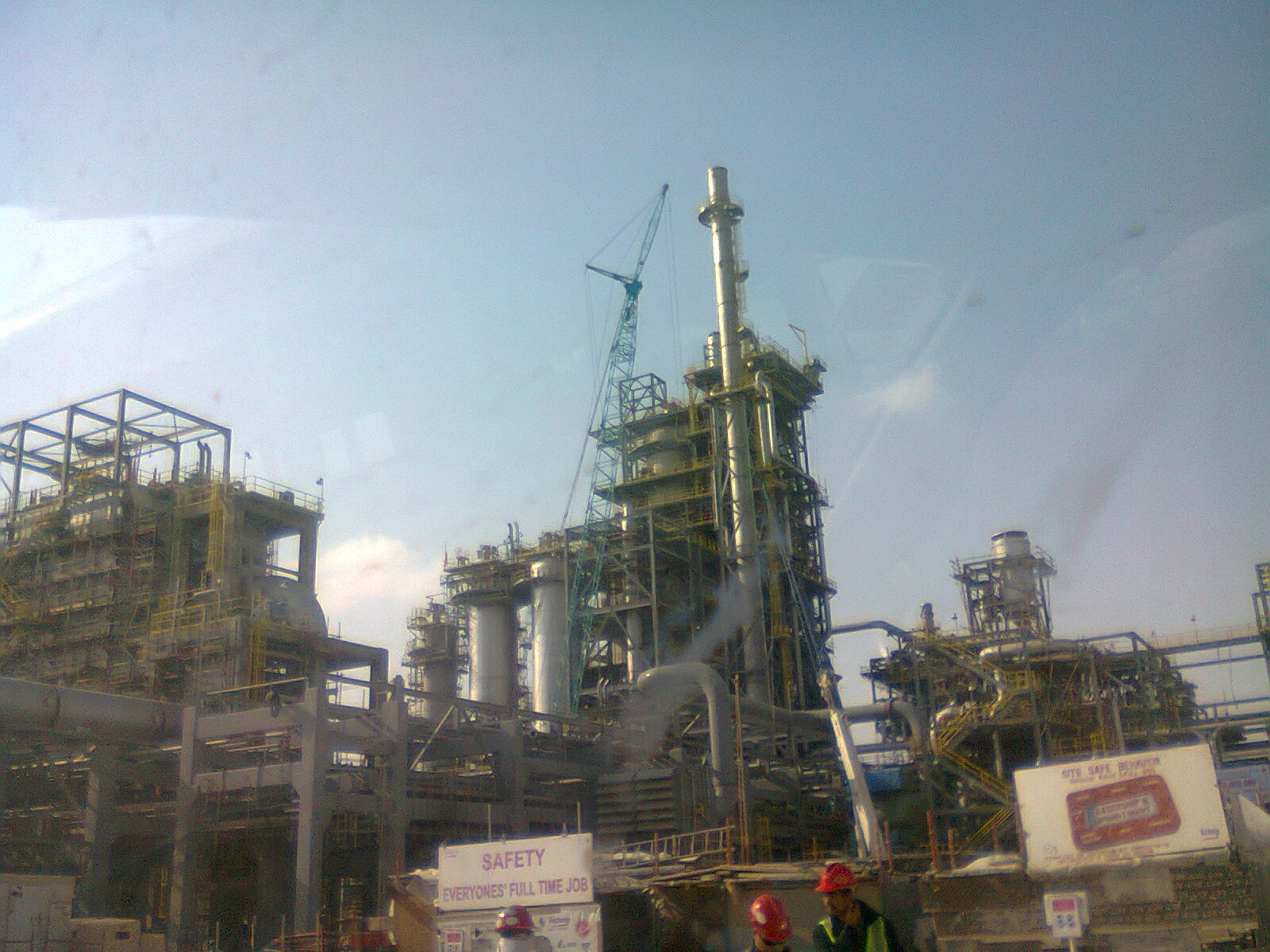
A single Iranian drone — consistent with the Shahed series — penetrated Saudi air defenses on the Red Sea coast and struck the SAMREF refinery at Yanbu in the early hours of July 19, 2026. The Saudi Defense Ministry confirmed that a ballistic missile targeting the Yanbu port area was intercepted, but a drone reached the refinery complex. Damage was described as “under assessment.”
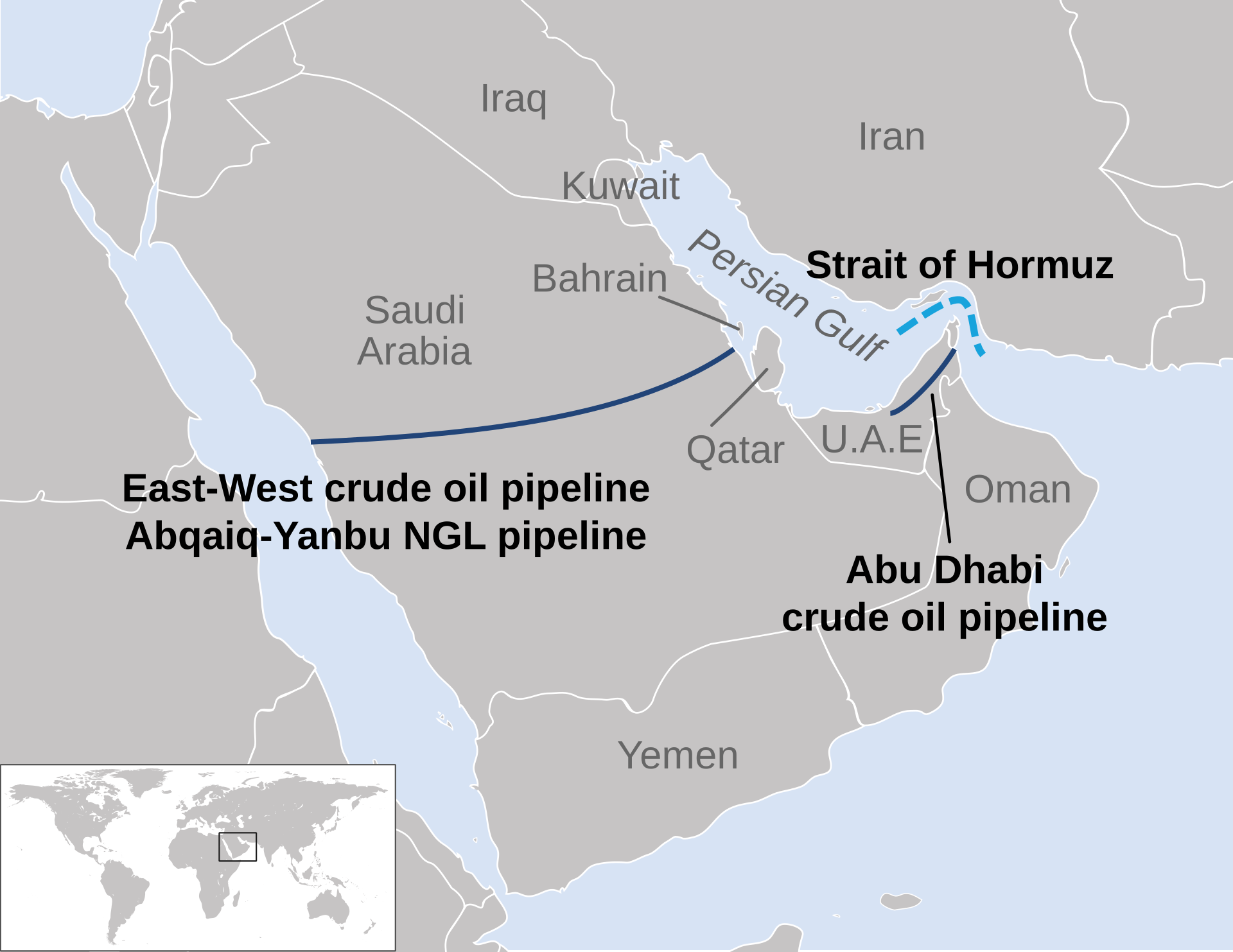
SAMREF is a 400,000 bpd refinery and a 50-50 joint venture between Saudi Aramco and ExxonMobil. It sits at the western terminus of the 1,200-kilometre East-West Pipeline (Petroline) that carries crude from the Abqaiq processing complex in the Eastern Province to Red Sea loading terminals. The refinery processes Arabian Light crude for export and domestic consumption. Its location makes it both the processing node and a symbolic marker for the entire bypass architecture that Saudi Arabia has constructed since Hormuz came under direct threat.
This was not the first time Iranian munitions reached SAMREF. On April 3, 2026, a Shahed drone struck the same refinery complex. In that engagement, a Greek PAC-3 Patriot battery deployed specifically to Yanbu intercepted two ballistic missiles in the same attack window. Aramco described the April damage as “minimal” and crude loadings resumed within hours. The July 19 strike follows the same pattern — drone penetration where ballistic missiles were intercepted — suggesting either deliberate sequencing or a persistent gap in low-altitude air defense coverage on the Red Sea flank.
The Middle East briefing 3,000+ readers start their day with.
One email. Every weekday morning. Free.
The East-West Pipeline at Seven Million Barrels
The strategic context for the Yanbu strike requires understanding what the East-West Pipeline has become since the war began on February 28, 2026. Before the conflict, the Petroline carried approximately 2 million bpd — a useful supplementary export route but not a primary one. Saudi Arabia’s main export infrastructure ran eastward: the Ras Tanura terminal, the Ju’aymah offshore platform, and the tanker traffic through the Strait of Hormuz that moved the bulk of the kingdom’s 9-10 million bpd of exports.
When Iranian strikes began degrading Hormuz transit — down to three vessels per 24-hour period as of July 17, from a peacetime baseline exceeding one hundred — Aramco executed what Fortune described on March 28 as an “emergency conversion” of parallel NGL pipelines to crude service. By March 11, 2026, the East-West Pipeline system reached a throughput of 7 million bpd. The expansion represented Saudi Arabia’s central answer to the war: if Iran could close Hormuz, Riyadh would route its oil westward to the Red Sea and maintain export revenue.
The pipeline can carry 7 million bpd. Yanbu’s port terminals cannot load that volume. Under wartime conditions — with vessel scheduling disruptions, insurance constraints, and security overhead — the port’s effective loading capacity reaches approximately 3-4 million bpd, according to Vortexa and Argus Media estimates. Saudi Red Sea loadings had reached roughly 4.7 million bpd around July 13, suggesting Aramco was already exceeding what analysts considered the operational ceiling, likely by using anchorage loading and extended berthing windows.
The pipeline, in other words, is not the binding constraint. The port is. And the port is where the drone landed.
| Metric | Pre-War | Current (July 2026) | Source |
|---|---|---|---|
| East-West Pipeline throughput | ~2M bpd | 7M bpd (max capacity) | Fortune / Geoconversation, Mar 28 |
| Yanbu port loading capacity (wartime) | N/A | 3-4M bpd effective | Vortexa / Argus Media |
| Saudi Red Sea loadings | ~1.5M bpd | ~4.7M bpd (Jul 13) | discoveryalert.com.au / Aramco data |
| Hormuz daily vessel transits | 100+ | 3 (Jul 17) | GlobalSecurity.org |
| SAMREF refinery capacity | 400,000 bpd | Under assessment post-strike | Marine Insight / Saudi MoD |
Why Did Iran Wait Four Months to Strike Saudi Arabia Directly?
Iran last struck Saudi Arabia directly in approximately early March 2026, within days of the war’s outbreak on February 28. Between that initial wave and July 19, a gap of roughly four months elapsed during which Iranian strikes targeted US bases in Kuwait, Bahrain, Qatar, and Jordan — but not Saudi territory itself. Reuters described the July 19 attack as “the first time the Islamic Republic has directly attacked the kingdom in four months.”
No official Iranian explanation exists for the gap. Three factors likely shaped the decision. First, Iran’s IRGC concentrated its conventional strike capacity on US military installations — the enemy it was formally at war with — rather than on Gulf states it described as “hosting” the adversary. The IRGC’s public framework during this period repeatedly warned Gulf states that strikes would follow if they continued to host US forces, framing the threat as conditional rather than automatic.
Second, Saudi Arabia maintained — at least publicly — a posture of non-belligerence. Riyadh expelled Iran’s military attaché but preserved full diplomatic relations. Saudi statements condemned “Iranian aggression” against regional neighbours without initially referencing the kingdom itself as a victim. The diplomatic posture, however thin, may have provided Tehran with a reason to deprioritize Saudi targets relative to the direct US-Iran confrontation.
Third, the Yanbu bypass was not yet operating at wartime capacity until mid-March. Striking it before Saudi Arabia had fully committed its export volumes to the Red Sea route would have been strategically premature. By July 19, with Red Sea loadings at 4.7 million bpd and Hormuz effectively closed, Saudi Arabia’s dependence on Yanbu was total. The timing suggests Iran struck when the target’s value was at its maximum.
Prince Sultan Air Base Under Fire Again
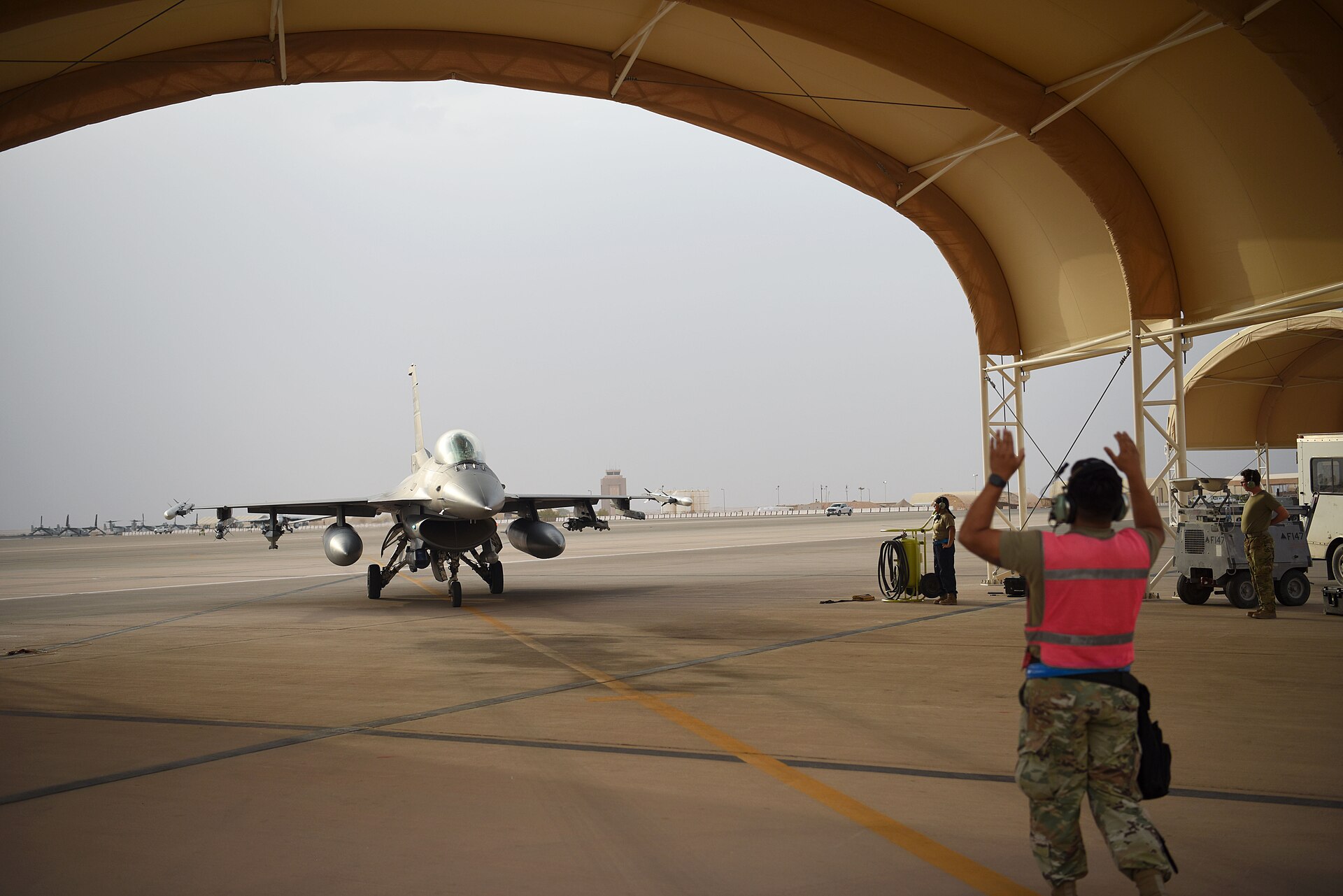
The ballistic missile targeting Al-Kharj was aimed at Prince Sultan Air Base, the primary US air operations hub in Saudi Arabia and home to approximately 2,300 American military personnel. The Saudi Defense Ministry stated the missile was intercepted. A US official confirmed to Axios that Iran had targeted the base with a ballistic missile — the first such direct targeting of PSAB since the war’s early phase.
PSAB has been the subject of sustained tension between Washington and Riyadh throughout the conflict. In May 2026, Saudi Arabia grounded 43 US warplanes at the base during what became known as “Operation Project Freedom” — a four-day shutdown that Washington was unable to reverse through a direct call from Trump to MBS. The episode demonstrated that Saudi Arabia viewed the US military presence as a bargaining chip rather than a mutual defence asset. The warplanes were only permitted to resume operations after the United States threatened to withhold PAC-3 interceptor resupply.
The base’s air defense posture has deteriorated since then. Saudi Arabia’s PAC-3 MSE stockpile stands at approximately 400 rounds from a pre-war inventory of 2,800 — an 86 percent depletion rate across five months of war. The kingdom has absorbed at least 38 Iranian missiles and 435 drones since February 28. Each intercept draws down a finite supply that the United States has used as coercive pressure rather than freely replenishing.
The PSAB strike also carries a message about the base’s defensive value. If Iran can target PSAB with a ballistic missile — even one that is intercepted — the interception itself costs Saudi Arabia resources it cannot replace at current consumption rates. At pre-July depletion rates, the remaining 400 PAC-3 rounds cover weeks, not months.
The Dual-Corridor Problem
Saudi Arabia’s pre-war energy export architecture rested on a geographic assumption: the Eastern Province produced the oil, Hormuz moved it to market, and the Red Sea provided a backup. The assumption was never that both would come under simultaneous, sustained attack. The July 19 strikes collapse that assumption into an operational reality.
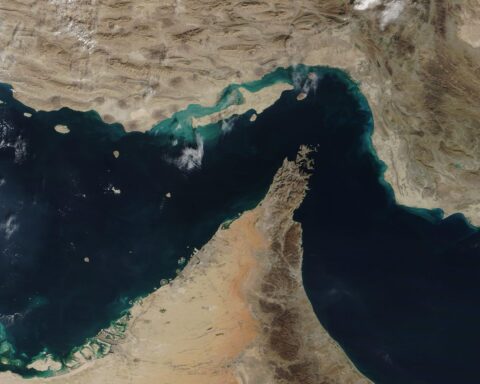
Hormuz is already functionally closed to commercial traffic. Three vessel transits per 24-hour period — the figure reported by GlobalSecurity.org on July 17 — represents a 97 percent decline from peacetime norms. The strait is not physically blockaded; it is commercially uninsurable. War-risk premiums have reached 2 percent of hull value, an eightfold increase from pre-crisis levels, and the traffic that remains consists largely of state-chartered vessels and dark tankers operating outside standard marine insurance frameworks. The twenty-seven ships per day still transiting, per vessel-tracking data, compare against a pre-war baseline of eighty-four.
Yanbu, until July 19, functioned as the answer. The expansion of the East-West Pipeline to 7 million bpd, the surge in Red Sea loadings to 4.7 million bpd, and the deployment of a Greek Patriot battery specifically to defend Yanbu’s approaches — all pointed to a strategy of routing Saudi Arabia’s economic survival through a single Red Sea port complex. The strategy was legible. And legible strategies invite targeting.
The drone that reached SAMREF on July 19 did not shut Yanbu. It did not need to. It demonstrated that Iran possesses the reach and the willingness to strike the facility that carries the majority of Saudi Arabia’s remaining export capacity. A single Shahed drone caused damage “under assessment” at a 400,000 bpd refinery. A sustained campaign — of the kind Iran has already mounted against US bases in four countries over five months — would pose a qualitatively different challenge to a port complex defended by one Greek battery and whatever remains of Saudi Arabia’s own intercept capacity.
“Saudi Arabia’s patience with Iranian attacks is not unlimited.”
— Prince Faisal bin Farhan, Saudi Foreign Minister, 2026
Can One Greek Battery Defend the Red Sea Bypass?
Saudi Arabia’s air defense architecture was designed for the Eastern Province threat axis. The kingdom’s six PAC-3 battalions are distributed across the Eastern Province oil fields, Riyadh, Jeddah, the Makkah-Madinah corridor, and Yanbu. The western deployments were historically configured against the Houthi threat — ballistic missiles and drones originating from Yemen, approaching from the south and southwest.
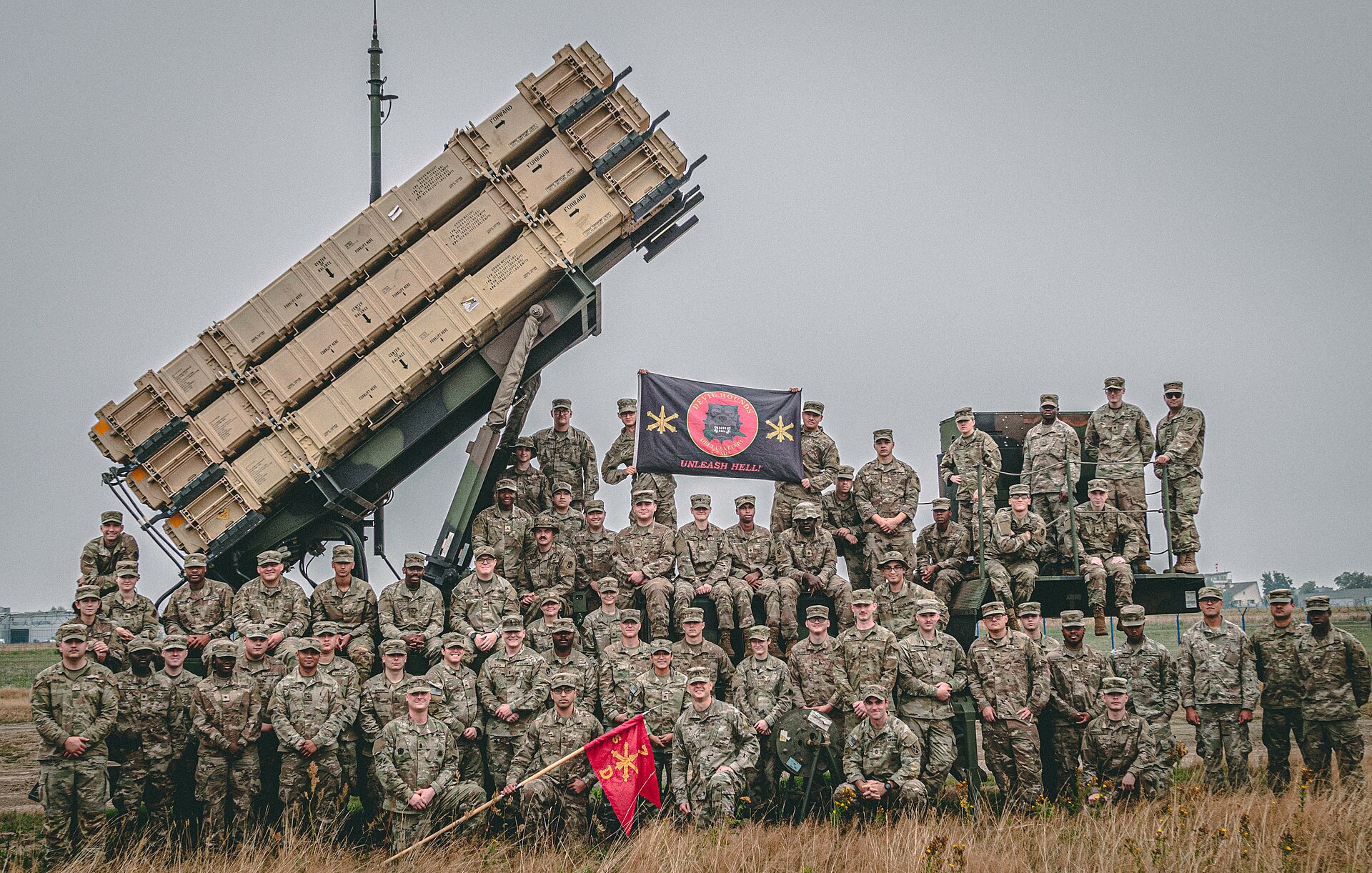
The Iranian threat to Yanbu arrives from the east and northeast, across 1,800 kilometres of Saudi territory. It is a different engagement geometry. The Greek PAC-3 battery deployed to Yanbu — confirmed by Janes after its April 3 intercepts — provides a single additional fire unit covering the port’s approaches. In the April engagement, that battery intercepted two ballistic missiles. On July 19, the Saudi Defense Ministry confirmed a ballistic missile targeting Yanbu was shot down — possibly by the same Greek battery — while a drone penetrated to SAMREF.
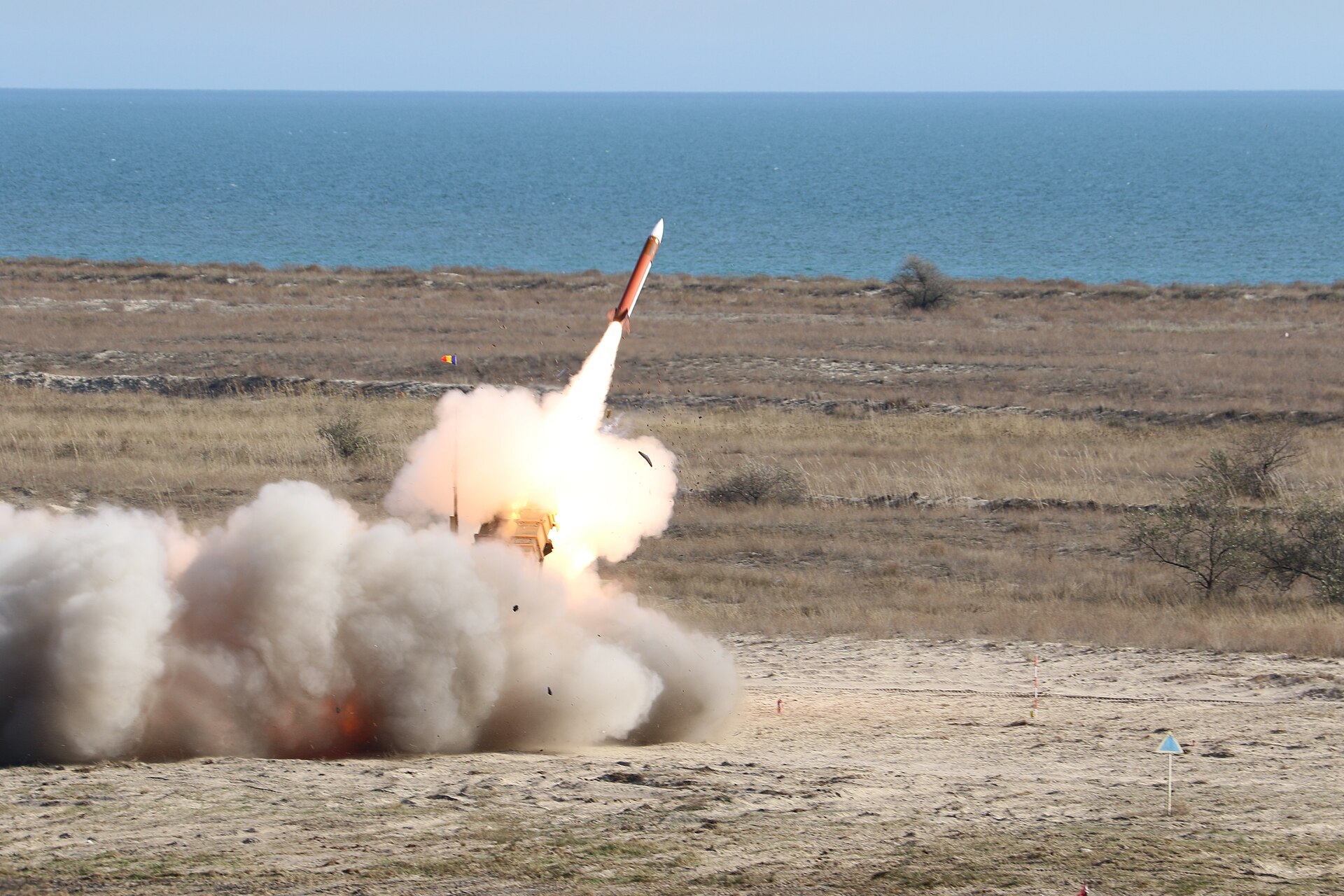
The pattern is consistent: ballistic missiles are intercepted; drones are not, or not consistently. This tracks with known PAC-3 engagement envelopes. The system was designed for ballistic missile and high-altitude threats, not for low-flying subsonic drones at 50-100 metres altitude. Saudi Arabia’s dedicated counter-drone systems — principally the short-range Skyguard and Oerlikon platforms — were concentrated around Eastern Province critical infrastructure before the war.
A single battery, however capable, cannot provide persistent 360-degree coverage of a port complex the size of Yanbu’s industrial zone, the SAMREF refinery, the King Fahd Industrial Port, and the pipeline terminus simultaneously. The April 3 engagement succeeded against two missiles in a single window. A saturation attack — multiple drones from different approach vectors, combined with ballistic missiles to force the PAC-3 to engage high-altitude threats while drones penetrate low — would exceed what one battery can defend.
Saudi Arabia’s Secret War and the Non-Belligerence Fiction
The diplomatic framework Saudi Arabia maintained between February 28 and July 19 rested on a distinction: Saudi Arabia was a victim of Iranian aggression, not a combatant. Riyadh expelled Iran’s military attaché. It condemned attacks. It reserved the right to respond. But it did not — publicly — respond.
Reuters reported on May 12, 2026 that this framework was operationally false. The Royal Saudi Air Force conducted “numerous, unpublicized” strikes on Iranian drone and missile launch sites in late March 2026, approximately three weeks after the war began. Saudi Arabia also struck Iranian-backed militia positions in Iraq. The strikes were covert but not, apparently, deniable — two sources briefed Reuters, and the story was not denied by Riyadh.
The IRGC’s stated justification for the July 19 strikes frames them as a response to “US strikes on bridges, power facilities and other infrastructure” in Iran. The language deliberately ties Saudi targeting to US escalation rather than acknowledging a bilateral Saudi-Iran exchange. The framing serves a diplomatic function: it allows Iran to characterise Saudi Arabia as a US proxy target rather than an independent adversary, preserving — in theory — a future channel for de-escalation. But the effect on the ground is identical: Iranian munitions struck Saudi territory on July 19 in a context where Saudi Arabia had already struck Iran in March.
July 19 collapses whatever remained of the non-belligerence posture. Saudi Arabia has been struck by 38 missiles and 435 drones. It has secretly struck back. And Iran has now escalated to targeting both the kingdom’s military host infrastructure and its economic survival corridor simultaneously. The vocabulary of “patience” and “restraint” that characterised Saudi official statements — “will take all necessary measures to defend its security, including the option of responding to the aggression,” per SPA on February 28 — meets a new factual threshold.
On July 19, Saudi Arabia condemned Iran’s “continued aggression” against Kuwait, Bahrain, and Jordan. The statement, per Asharq Al-Awsat and Anadolu Agency, did not initially reference Saudi Arabia itself as a victim in that round — a rhetorical pattern consistent with maintaining distance from the combat even as Iranian munitions landed on Saudi soil.
What Does Rezaei’s Ultimatum Mean for Yanbu?
Mohsen Rezaei, the IRGC’s former commander-in-chief and secretary of the Expediency Discernment Council, issued what amounted to a public ultimatum on approximately July 17-18: if US strikes on Iranian infrastructure continued for “two to three more days,” Iran would commence “full-scale offensive operations.” The July 19 strikes on Saudi Arabia fall within that declared threshold window.
The question is whether July 19 represents the beginning of Rezaei’s threatened escalation or a discrete retaliatory action within the existing tempo. The dual-target nature — military base and oil export terminal simultaneously — suggests the former. Iran has struck US bases in Kuwait, Bahrain, Qatar, and Jordan throughout the war. It has struck Saudi Arabia sporadically and — until July 19 — never simultaneously targeting military and energy infrastructure. Striking both a US base in Saudi Arabia and Saudi Arabia’s primary alternative export facility in the same engagement window represents a qualitative shift in targeting doctrine, not merely another round of harassment fire.
For Yanbu specifically, the implications are direct. If Iran’s stated framework holds — that Saudi Arabia is a legitimate target because it hosts US forces that strike Iran — then Yanbu’s energy infrastructure falls within the declared targeting envelope. The IRGC previously described the SAMREF refinery as a legitimate target after the April 3 strike. Nothing in Iranian public statements has narrowed that designation.
The majority of Saudi Arabia’s remaining export revenue now transits through a port complex that Iran has struck twice in four months, defended by a single allied Patriot battery and whatever interceptors Saudi Arabia can spare from the other five coverage zones. The East-West Pipeline can deliver 7 million bpd to a port that Iran has already shown it can reach.
The kingdom’s February 28 statement reserved “the option of responding to the aggression.” The diplomatic frameworks that might have provided off-ramps — the Islamabad MOU, the Qatar mediation track — have not produced results within their declared timelines. With 400 PAC-3 rounds remaining and both export corridors now under active fire, the space between Saudi Arabia’s public restraint and its operational exposure has narrowed to almost nothing.
Frequently Asked Questions
What is the SAMREF refinery and who owns it?
SAMREF (Saudi Aramco Mobil Refinery Company) is a 400,000 barrel-per-day crude oil refinery located in Yanbu on Saudi Arabia’s Red Sea coast. It is a 50-50 joint venture between Saudi Aramco and ExxonMobil, established in 1981. The refinery processes Arabian Light crude delivered via the East-West Pipeline from the Abqaiq complex in the Eastern Province. Its products include gasoline, diesel, jet fuel, and fuel oil for both export and domestic Saudi consumption. The ExxonMobil ownership stake means an Iranian strike on SAMREF directly damages American corporate assets — a dimension absent from strikes on purely Saudi-owned facilities.
Has Saudi Arabia’s credit rating been affected by the war?
Fitch affirmed Saudi Arabia’s A+ sovereign credit rating in July 2026 but forecast GDP growth of just 0.6 percent — a sharp downgrade from pre-war projections of 4-5 percent. The IMF separately cut its Saudi 2026 growth forecast to 1.7 percent, citing Hormuz disruption. Saudi Arabia ran a Q1 2026 deficit of SAR 125.7 billion. Aramco’s free cash flow coverage ratio fell to 0.85x, meaning the company is not generating enough free cash to cover its dividend obligations — a situation sustainable for quarters, not years.
What air defense systems protect Yanbu specifically?
Yanbu is defended by at least one Saudi PAC-3 Patriot fire unit from the kingdom’s western deployment zone and one Greek PAC-3 Patriot battery deployed specifically after the war began — confirmed by Janes following the April 3, 2026 engagement in which it intercepted two Iranian ballistic missiles. Short-range counter-drone systems (Skyguard and Oerlikon variants) are believed to be present at the refinery perimeter but were insufficient to prevent drone penetration on both April 3 and July 19. Saudi Arabia has discussed procurement of Korean M-SAM-II (Cheongung) systems, but these have not been confirmed operational at Yanbu and face an altitude gap against certain Iranian ballistic missile terminal phases.
Could Saudi Arabia increase Yanbu’s loading capacity to match the pipeline?
The East-West Pipeline system can deliver 7 million bpd to Yanbu, but the port’s loading infrastructure — berths, single-point mooring buoys, storage tanks, and vessel scheduling — caps effective wartime throughput at 3-4 million bpd per Vortexa and Argus Media estimates. Expanding port capacity requires dredging, new berth construction, additional storage, and mooring infrastructure that takes 18-36 months under peacetime conditions. Saudi Arabia achieved 4.7 million bpd by July 13, likely through anchorage loading and extended berthing, but this approach increases vessel congestion and dwell time — making ships themselves more vulnerable to drone or missile attack while stationary at port.
What is Operation Project Freedom and why does it matter for PSAB?
The Yanbu bottleneck has since widened: Saudi Arabia is now negotiating a further 2 million bpd capacity addition to the Petroline, but the port infrastructure required to load that additional volume does not exist and cannot be built under current conditions — meaning the expansion would add pipeline throughput with no corresponding increase in export capacity.
Operation Project Freedom was a four-day Saudi operation in May 2026 during which Riyadh grounded 43 US warplanes at Prince Sultan Air Base, effectively asserting sovereign control over US military operations from Saudi soil. The episode demonstrated that Saudi Arabia views the US presence as conditional and subject to unilateral restriction — a dynamic that complicates assumptions about US-Saudi mutual defense obligations. When Iran struck PSAB on July 19, the base’s 2,300 US personnel were present under a relationship that lacks a formal mutual defence treaty and operates under a legal framework described by analysts as a post-1977 SOFA void. The United States has used PAC-3 resupply as a coercive instrument; Saudi Arabia has used runway access. Neither has formally committed to defend the other.
On Day 1 of the Houthi blockade, that strategy was put to the test: two Saudi tankers stranded 2.7 million barrels of crude mid-voyage as the Bab al-Mandeb route closed in practice.