
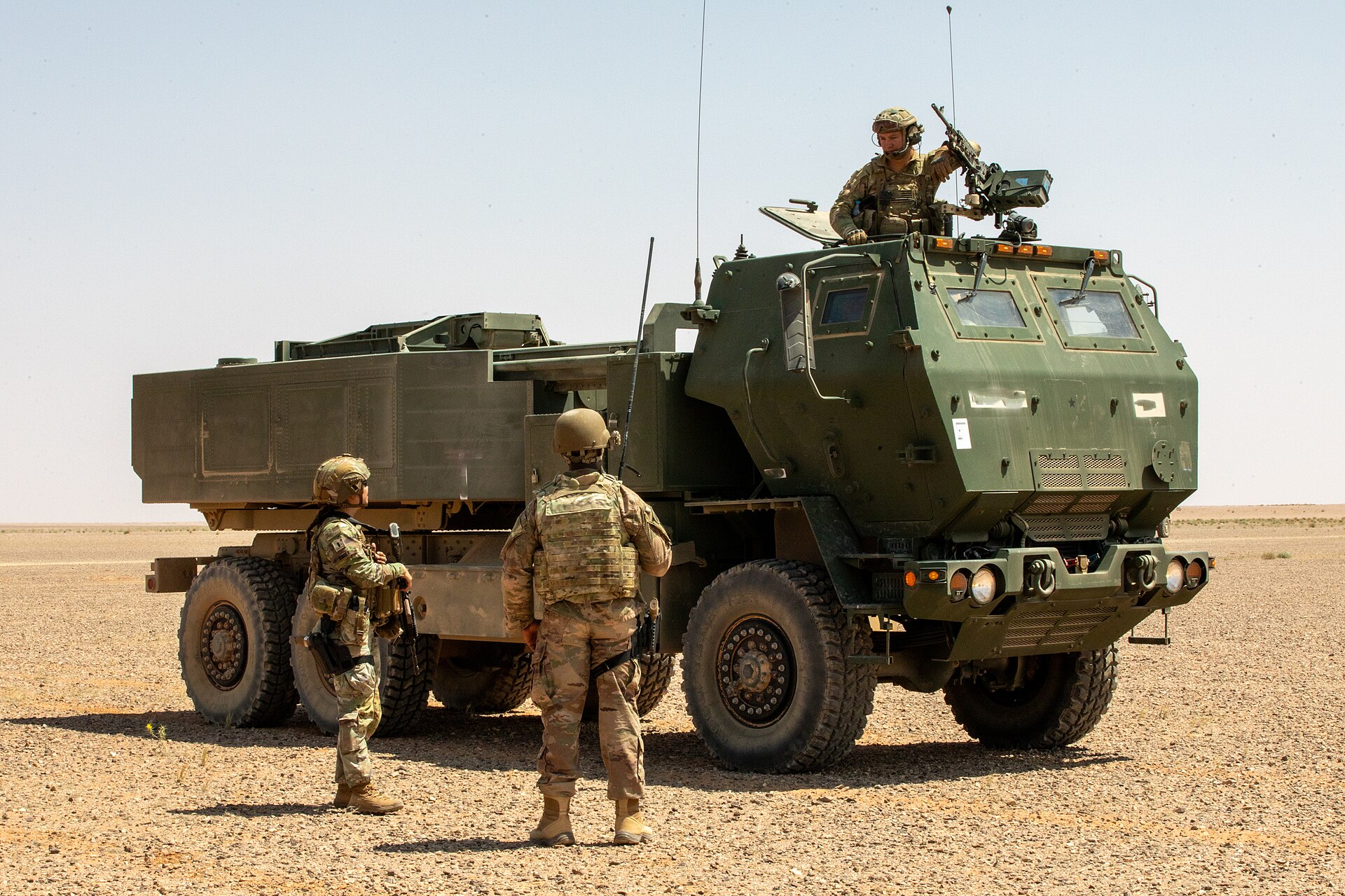
DUBAI — The Islamic Revolutionary Guard Corps claimed on July 18 to have destroyed two M142 HIMARS missile launchers and their associated munitions warehouses at US military installations in Kuwait, as part of Operation Nasr-2’s expanding campaign against American positions across the region. The IRGC separately claimed a strike on a US special operations command center at al-Tanf in Syria — a facility the United States vacated in February — while US Marines boarded an Iranian-flagged oil tanker in the Gulf of Oman on July 16 and CENTCOM launched a second intra-day wave of airstrikes on southern Iran on July 19.
The Kuwait strikes, if confirmed, represent the first claimed destruction of US ground-based long-range strike platforms in the theater. The Wisconsin Army National Guard unit operating those HIMARS had been firing ATACMS missiles from northern Kuwait into Iranian territory since February. On the evening of July 19, CENTCOM struck at least six bridges in Iran’s Hormozgan Province and a railway junction west of Bandar Abbas, according to NBC News. The Iranian Health Ministry reported eight killed overnight in that sequence alone, bringing the running total to 38 dead and more than 400 wounded since hostilities resumed.
Table of Contents
Two HIMARS Launchers and a C-RAM Radar
The IRGC identified its Kuwait targets as Camp Arifjan, a US Army logistics and support center south of Kuwait City, and Ali Al Salem Air Base, approximately 65 kilometres to the northwest. At Ali Al Salem, the IRGC separately claimed destruction of a C-RAM early-warning radar system, according to Tasnim News Agency. The Guard described the HIMARS launchers as “prepared to fire rockets into Iranian territory” at the time of the strike, framing the operation as preemptive force protection rather than retaliation, PressTV reported on July 18.
The two launchers belonged to the Wisconsin Army National Guard’s 1st Battalion, 121st Field Artillery Regiment, a unit of more than 400 soldiers that deployed to Kuwait in November 2025 on a year-long mobilization. The battalion had fired ATACMS missiles — with a range of up to 300 kilometres — from positions in northern Kuwait against Iranian military installations since the start of Operation Epic Fury in late February 2026, according to Army Recognition. France 24 independently published video verification of HIMARS launches from Kuwaiti territory.
From northern Kuwait, ATACMS can reach military targets across southwestern Iran and the northern Persian Gulf. The IRGC also claimed three American officers were killed at Camp Arifjan. CENTCOM denied that any US troops in the region had been recently killed or captured, The National reported on July 17.
Kuwait has absorbed IRGC fire before. Wave fifteen of Operation Nasr-2 hit Kuwait’s Shuaiba desalination infrastructure on July 17, and Iranian missiles have struck Kuwaiti territory in at least three separate Nasr-2 sequences since hostilities began. The HIMARS claim marks a shift from targeting Kuwaiti civilian infrastructure to targeting specific US weapons systems on Kuwaiti soil — platforms that had fired offensive strikes against Iran itself.
The Middle East briefing 3,000+ readers start their day with.
One email. Every weekday morning. Free.
Did the IRGC Strike a Base the US Vacated Five Months Ago?
The IRGC’s public relations office announced what it called a “surprise strike on the enemy’s special operations command center in the al-Tanf region of Syria,” described variously as wave 11 or wave 13 of Operation Nasr-2. The Guard claimed to have destroyed “a radar installation and several US military helicopters, and killed a large number of American forces,” according to statements carried by Mehr News Agency and PressTV on July 17–18. The wave numbering inconsistency — 11 or 13, depending on which IRGC outlet — has been a recurring feature of the Guard’s public communications throughout the campaign.
“A surprise strike on the enemy’s special operations command center in the Al-Tanf region of Syria in retaliation for the blood of the martyred soldiers of Iranshahr.”— IRGC Public Relations Office, Operation Nasr-2 statement, July 17–18, 2026
The claim faces a factual problem. The United States completed its full withdrawal from al-Tanf on February 11–12, 2026, handing the garrison to Syrian government forces after Ahmad al-Sharaa’s interim government consolidated control and Iranian forces withdrew from Syria the previous year. Stars and Stripes confirmed the handover on February 12. A Syrian military source, speaking to Reuters, denied any bombardment of the area. “We deny any Iranian bombardment targeting the Al-Tanf area,” the source said, adding there were “no casualties or material damage.”
The IRGC framed the operation as retaliation for seven Iranian soldiers killed in a US airstrike on Bampur in Iran’s Iranshahr district. Iranian state-aligned media described the al-Tanf inclusion as “expanding the ring of fire” — a geographical signal that Nasr-2’s reach now extended west into Syria, the terminus of Iran’s former overland resupply corridor to Hezbollah in Lebanon.
Whether the IRGC knowingly struck a Syrian-controlled facility to signal geographic reach, fired near al-Tanf without hitting it, or is inflating claims for domestic consumption cannot be determined from available reporting. The Syrian denial and CENTCOM’s rebuttal remain the only on-record responses.
The First Blockade Boarding in the Gulf of Oman
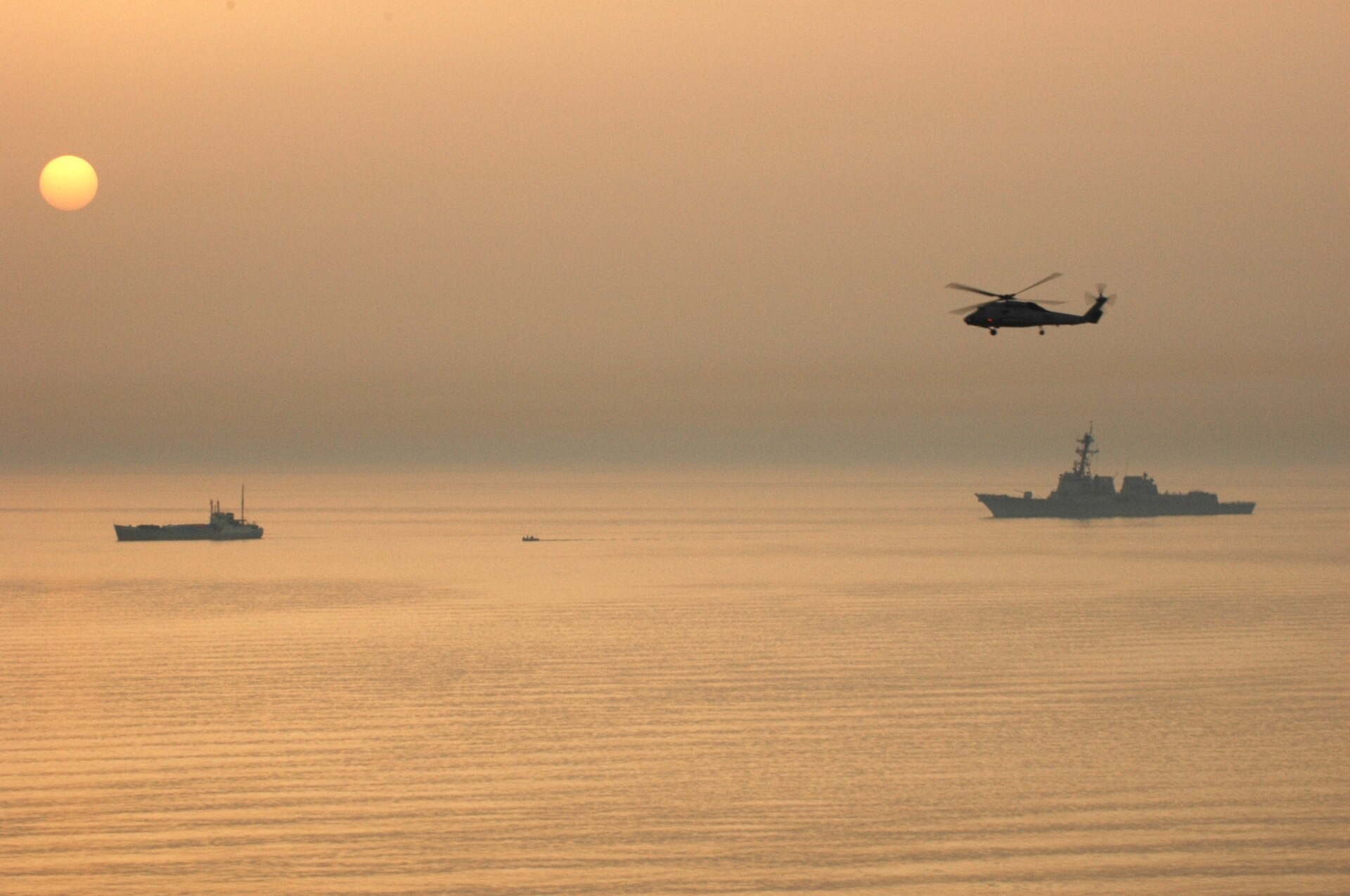
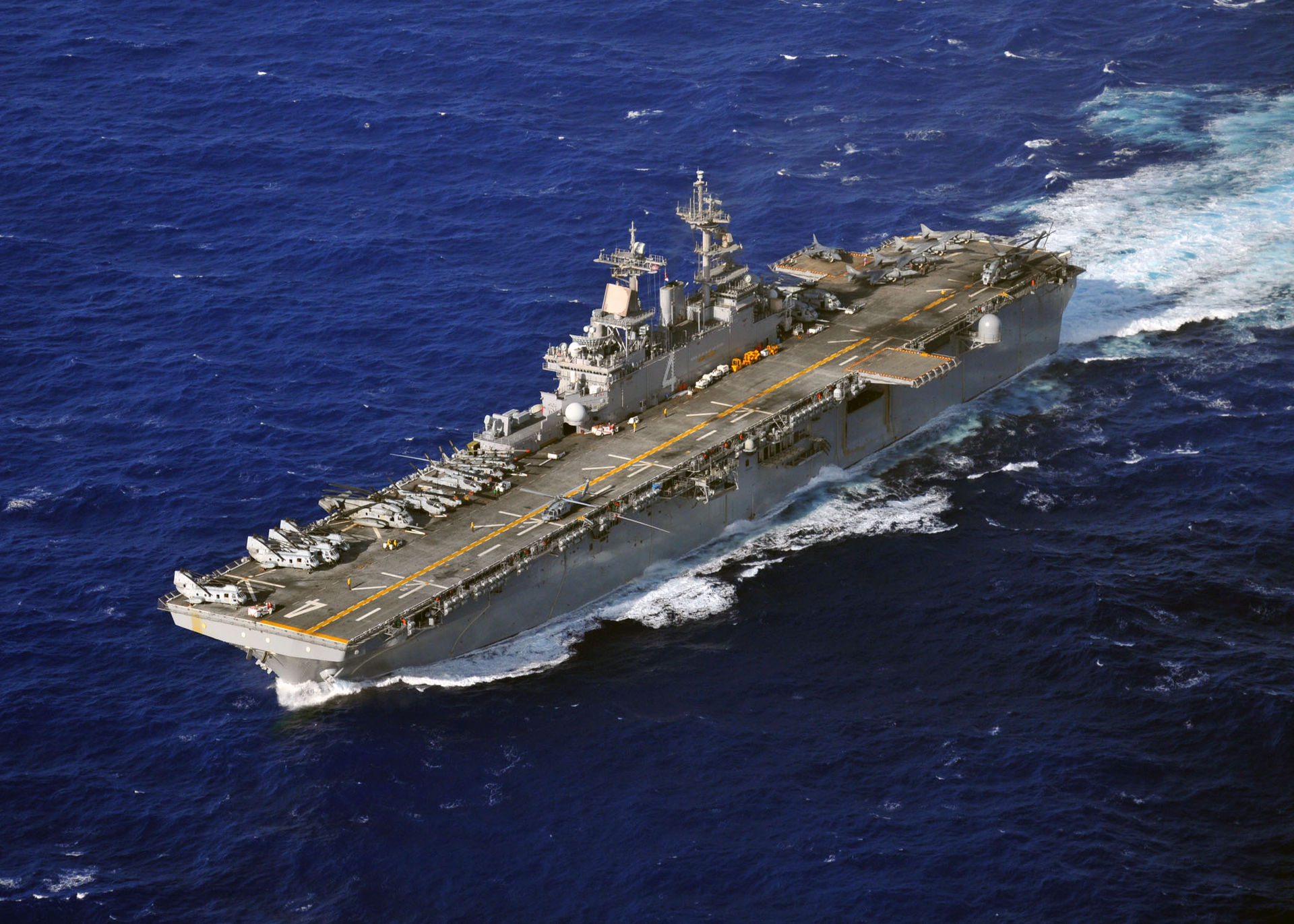
Three days before the July 19 strikes, US Marines from the 11th Marine Expeditionary Unit conducted what CENTCOM described as a “flag verification boarding” of the oil tanker M/T Wen Yao in the Gulf of Oman. The Marines, embarked on the USS Boxer Amphibious Ready Group — USS Boxer (LHD-4), USS Portland (LPD-27), and USS Comstock (LSD-45) — inserted by helicopter onto the vessel’s deck on July 16, according to Army Recognition and the Maritime Executive. CENTCOM called the operation a “control operation” aimed at ensuring “full enforcement of the naval blockade against Iranian ports,” reimposed on July 14.
The Wen Yao (IMO 9288095) is a very large crude carrier: 298,972 deadweight tonnes, 330 metres in length, built in 2005, according to MarineTraffic vessel records. Operated by Dubai-based Harry Victor Ship Management & Operation LLC, the vessel was sanctioned by the United States on October 11, 2024, and appears in the Ukraine GUR shadow fleet database. She had been sailing under a false San Marino flag, registered as Lan Jing under Curacao.
TankerTrackers.com documented the vessel’s evasion attempt in real time on X. “What’s interesting about (fka) WEN YAO (9288095) is that while in pursuit, she changed her name from LAN JING to AZHIN on 2026-07-16 at 02:36 and then her flag from Curacao to Iran at 03:30 UTC,” the monitoring service reported. “She is fully laden” with Iranian fuel oil. The flag switch — Curacao to Iran in under an hour, while under active US pursuit — was confirmed by Iranian markings visible in boarding footage that CENTCOM released later that day.
Since the blockade began on July 14, US forces have redirected three commercial vessels and disabled one non-compliant ship — the M/T Belma, struck by an AGM-114 Hellfire missile on July 15 — before boarding the Wen Yao on July 16. The IRGC Navy characterised the boarding as “an act of piracy” against legitimate commercial traffic.
Six Bridges and a Railway Junction in Southern Iran
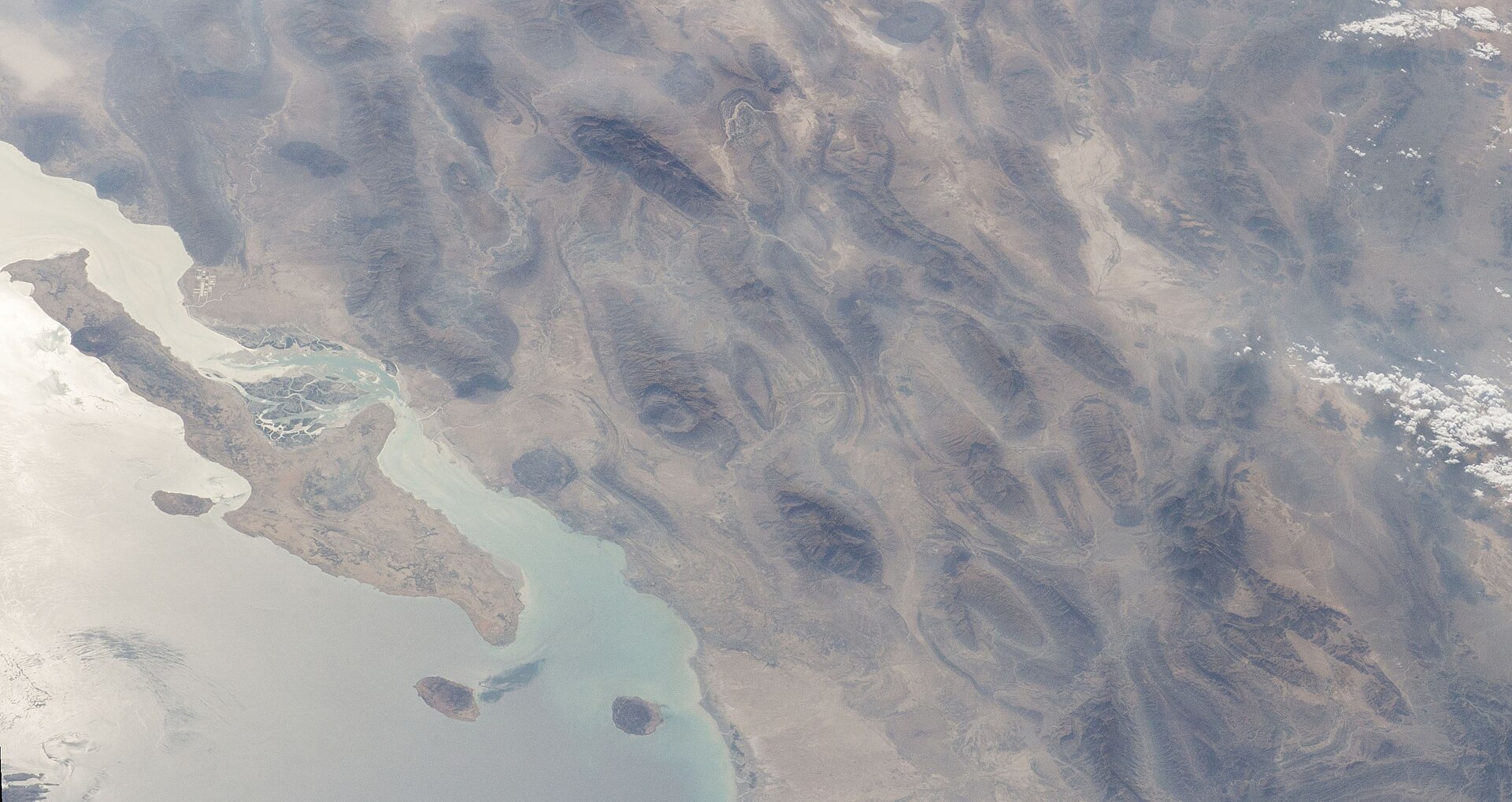
CENTCOM launched a second intra-day wave of strikes at approximately 22:30 local time (19:00 GMT) on July 19, targeting Bandar Abbas, Ahvaz, and Chabahar. At least six bridges in Hormozgan Province were destroyed — including one under construction — along with a railway junction station west of Bandar Abbas, according to NBC News. The strikes were aimed at severing Iran’s primary southern port from its road and rail connections to Tehran. A tower in Chabahar port was also toppled.
NBC News described the operations as “capping nearly a week of strikes aimed at intensifying pressure on Tehran to give up control of the Strait of Hormuz.” At least eight people were killed and 20 injured in the July 19 overnight sequence alone, according to IRNA. The Iranian Health Ministry put the running total at 38 killed and more than 400 wounded since US strikes resumed, a figure reported by EA WorldView in its Day 142 summary.
US military casualties have also continued to mount. Total American fatalities in the Iran war now stand at 16, with two service members killed and one listed as missing in action in Jordan from Day 141 strikes on July 18, according to CNN and Bloomberg. CENTCOM has not released a comprehensive breakdown of wounded US personnel.
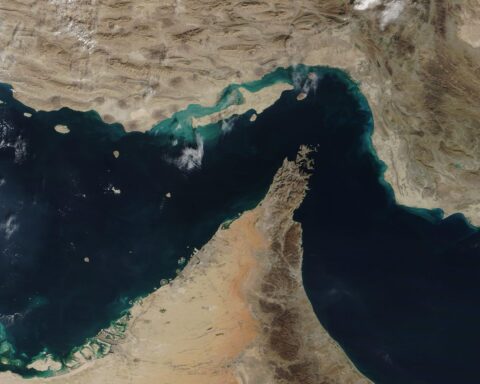
The around-the-clock tempo — a second full strike wave within a single calendar day — marks a departure from the nightly pattern that characterised earlier weeks of renewed US air operations. Hormuz transit rates have collapsed in parallel: three vessels passed through the strait in a 24-hour period on July 17, against a pre-war baseline exceeding 100 per day. The IMO secretary-general reported approximately 6,000 seafarers stranded in the strait area.
Why Has Prince Sultan Air Base Been Spared Since March?
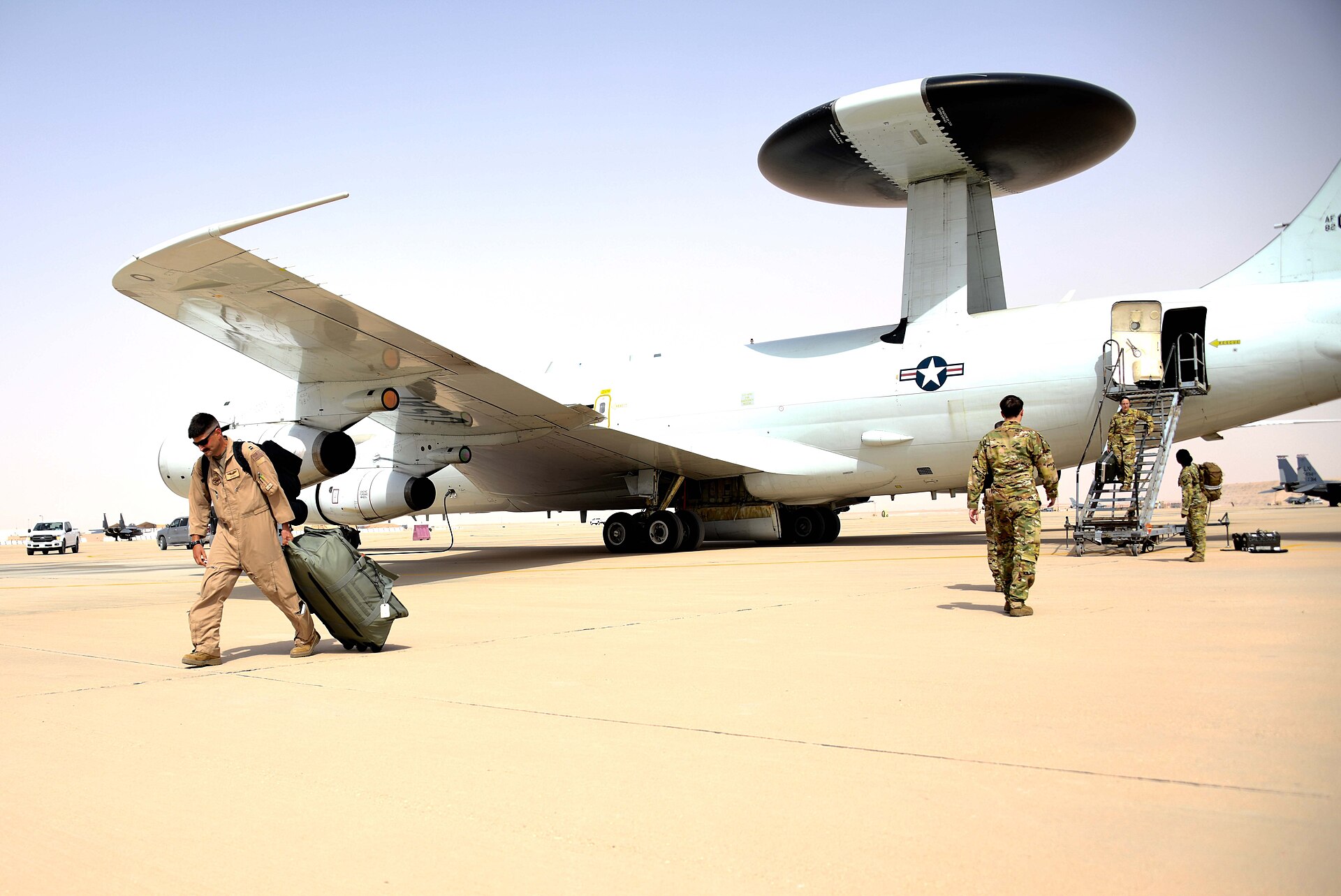
Iran has struck US installations in Bahrain, Kuwait, Jordan, and Qatar during Operation Nasr-2, and with the al-Tanf claim has attempted to extend the campaign’s geographic reach into Syria. Prince Sultan Air Base, the largest US military facility in Saudi Arabia, has not been hit since March 27 — 114 days — when an IRGC attack destroyed an E-3G Sentry AWACS aircraft valued at approximately $270 million, as reported by The Aviationist and Simple Flying.
Two factors have been cited to explain the exemption. The Financial Times reported a Helsinki bilateral de-escalation channel — a covert Saudi-IRGC backchannel — that may account for PSAB’s continued omission from the target list. Separately, Saudi Arabia grounded 43 US warplanes at PSAB under Operation Project Freedom in May 2026, neutralising the base’s offensive capability before Iran needed to target it again. Some 2,300 US personnel remain at the facility, along with approximately 400 PAC-3 MSE interceptor rounds from an original pre-war inventory of 2,800 — an 86 percent depletion rate, as this publication has previously reported. Lockheed Martin’s Camden, Arkansas plant produces roughly 620 replacement rounds per year, according to Army Recognition.
“If US attacks continue for another two or three days, we will enter a phase of full-scale offensive operations.”— Mohsen Rezaei, former IRGC commander, July 17–18, 2026
Iran struck six countries and spared the one that matters, as this publication reported on July 17. Washington has separately weighed a punitive drawdown from the base in response to Riyadh’s Project Freedom standoff.
The exemption ended on July 19. Iran struck PSAB with a ballistic missile on the same morning it sent a drone to the SAMREF refinery at Yanbu — Iran’s simultaneous attack on both Saudi export corridors, and the first direct Iranian strike on the kingdom in four months.
Background
The United States and Iran have been engaged in open military hostilities since late February 2026, when the US launched Operation Epic Fury following the collapse of the 60-day MOU framework agreed in Islamabad. The IRGC’s counter-campaign, Operation Nasr-2, has targeted US military installations across at least five countries — Bahrain, Kuwait, Jordan, Qatar, and by its own account, Syria. Day 142 of the conflict falls on July 19, 2026.
The US reimposed a naval blockade on Iranian ports on July 14, with enforcement actions including vessel redirection, disablement, and boarding. The Persian Gulf Security Accord, valued at $253 million at a rate of $5.5 million per day, carries an August 18 payment deadline — 30 days from the current fighting. Saudi Arabia has maintained formal non-belligerency throughout the conflict, though Crown Prince Mohammed bin Salman’s private advocacy and the Operation Project Freedom warplane grounding at PSAB have made that posture difficult to sustain.
Frequently Asked Questions
What is Operation Nasr-2?
Operation Nasr-2 is the IRGC’s name for its counter-offensive campaign against US forces in the Middle East, launched in response to Operation Epic Fury. The IRGC organises strikes in numbered waves, though the numbering has been internally inconsistent — the al-Tanf strike was described as both wave 11 and wave 13 in separate official statements. Nasr-2 has targeted US installations in at least five countries since its inception, with the IRGC issuing damage claims for each wave through Tasnim News Agency, PressTV, and Mehr News Agency.
How does the M142 HIMARS work and why does its loss matter?
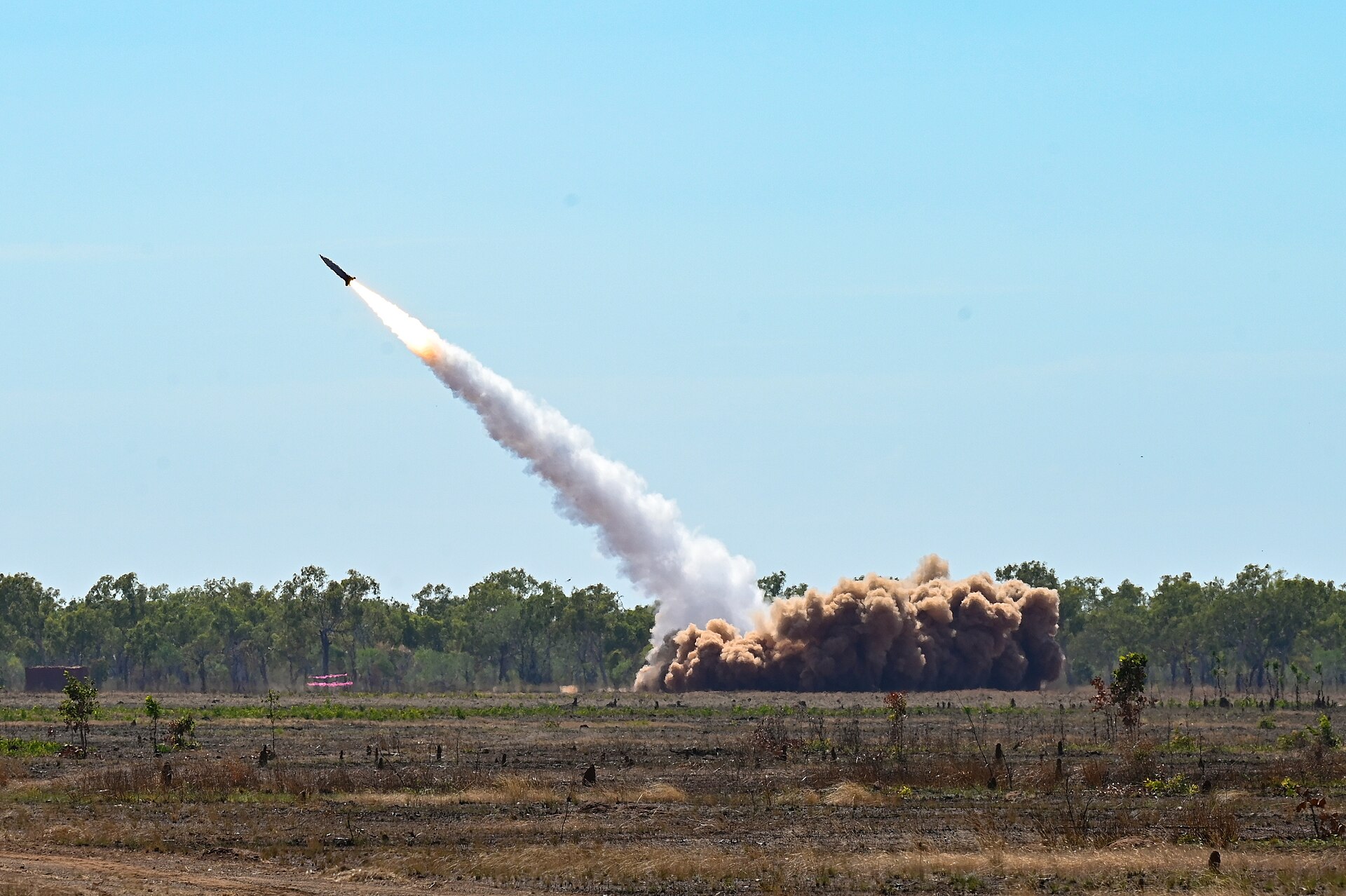
The M142 High Mobility Artillery Rocket System is a wheeled, truck-mounted launcher that fires either six GMLRS rockets at a range of 70 kilometres or a single ATACMS missile at up to 300 kilometres. From positions in northern Kuwait, ATACMS can reach military installations across southwestern Iran and the northern Persian Gulf. The system’s mobility — fire and relocate within minutes — ordinarily makes it difficult to target, which is why the IRGC’s claim to have destroyed two launchers at Camp Arifjan in fixed positions drew attention from military analysts. Lockheed Martin produces the system at its Camden, Arkansas facility.
What is the current status of the US naval blockade on Iran?
The blockade took effect on July 14, 2026, targeting Iranian ports and maritime commerce. As of July 16, CENTCOM reported five enforcement actions: three commercial vessels redirected, one vessel disabled (M/T Belma, struck by AGM-114 Hellfire on July 15), and one vessel boarded (M/T Wen Yao, July 16). Hormuz transit rates have fallen to three vessels per 24 hours from a pre-war baseline exceeding 100 per day. The blockade applies to conventionally flagged vessels and shadow fleet tankers operating under flags of convenience.
What happened at al-Tanf before the US withdrawal?
Al-Tanf, at the Syria-Iraq-Jordan tri-border area, was established as a US garrison during the Obama administration to disrupt Islamic State supply routes. It later served as a monitoring post for Iran’s overland resupply corridor to Hezbollah in Lebanon. The US completed its withdrawal on February 11–12, 2026, handing the base to Syrian government forces after Ahmad al-Sharaa’s interim government consolidated power following the withdrawal of Iranian forces from Syria in 2025. Stars and Stripes confirmed the handover on February 12.
How many US service members have died in the Iran war?
Total US military fatalities stand at 16 as of Day 142 (July 19, 2026), according to CNN and Bloomberg. The most recent confirmed losses were two service members killed and one listed as missing in action in Jordan from IRGC strikes on Day 141 (July 18). CENTCOM has denied several IRGC claims of US personnel killed at other locations, including the three officers the Guard said died at Camp Arifjan and the “large number” it claimed to have killed at al-Tanf.
The following wave — Wave 19 — marked a tactical shift, moving from personnel and weapons targets to the fuel pier and radar keeping the Fifth Fleet operational. Wave Nineteen Hit the Fuel Pier and the Radar Keeping the Fleet Alive.