RIYADH — Ayatollah Ali Khamenei’s statement on July 18 calling the US president’s signature “worthless” did not kill the Islamabad MOU — Trump and the Iranian Foreign Ministry had already done that, on July 8 and July 13 respectively. What Khamenei killed was the diplomatic fiction that kept Saudi Arabia off Iran’s primary targeting list. Mohsen Rezaei’s ultimatum — “two or three days” before “full-scale offensive operations” — now lands into a Kingdom that possesses no mutual defense treaty, 400 remaining PAC-3 interceptors from an original stock of 2,800, and a collective defense pact it declined to invoke when Iran struck two of its neighbours on July 8. The diplomatic vacuum left by the deal’s collapse was visible in India’s inability to offer Riyadh an alternative corridor — Ajit Doval arrived in Riyadh the same day both maritime corridors were under simultaneous threat, carrying no substitute framework.
The distinction between a suspended agreement and a repudiated signature is constitutional in Tehran’s system. A suspension can be reversed by a foreign ministry spokesman. A repudiation by the Supreme Leader — who holds sole authority over war and peace under Article 110 of the Iranian constitution — is doctrine. It forecloses the diplomatic channel Saudi Arabia’s neutrality was structurally dependent upon.
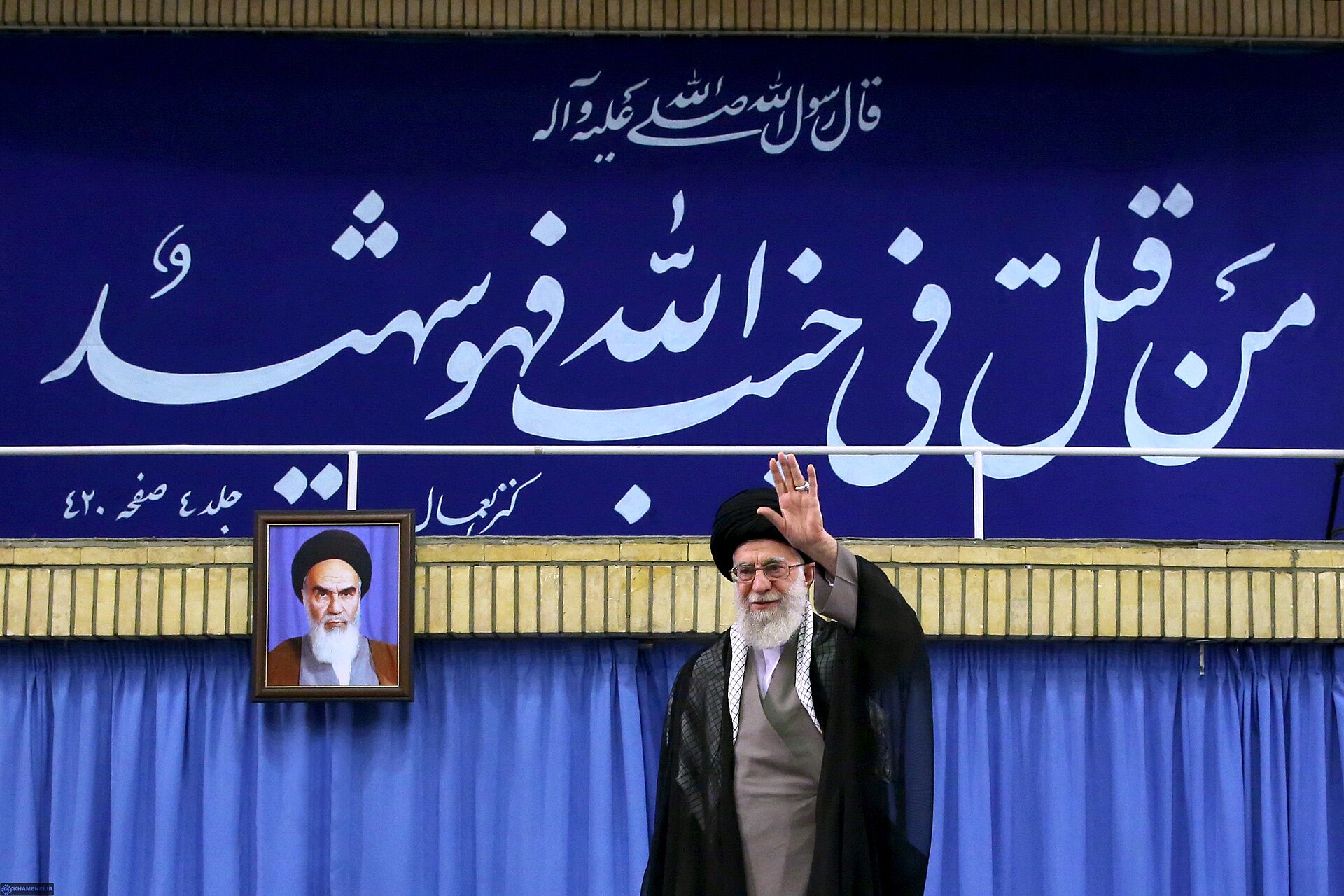
Table of Contents
- The Three Deaths of the Islamabad MOU
- Why Khamenei’s Repudiation Is Constitutionally Different
- What Does the Rezaei Ultimatum Mean for Saudi Arabia?
- Saudi Arabia’s Neutrality Was Always Borrowed
- Can Riyadh Invoke the Sakhir Declaration After Refusing It Twice?
- Who Fills the Diplomatic Vacancy?
- The IRGC Power Triad and the Doctrine of Expansion
- What Does 400 Interceptors Buy Against an Unlimited Target List?
- The Forty-Eight Hours
- Frequently Asked Questions
The Three Deaths of the Islamabad MOU
The Islamabad Memorandum of Understanding died three times in thirty-one days. Each death was authored by a different hand, at a different level of authority, with different consequences for the states caught between Washington and Tehran.
The Bahrain ministerial on June 25 — the high-water mark of Saudi-US FM contact before the MOU void — produced no sequencing commitment and no process role for Riyadh in the deal framework Khamenei was about to declare worthless.
The first death came at the NATO summit on July 8. Trump declared the ceasefire deal “over” and called Iranian counterparts “scum” and “sick people,” according to ABC News. This was a diplomatic rupture, but diplomatic ruptures are Trump’s native register. Markets and ministries had learned to discount his declarations by the weight of institutional continuity beneath them — CENTCOM still operated under the MOU’s de-escalation protocols for another five days.
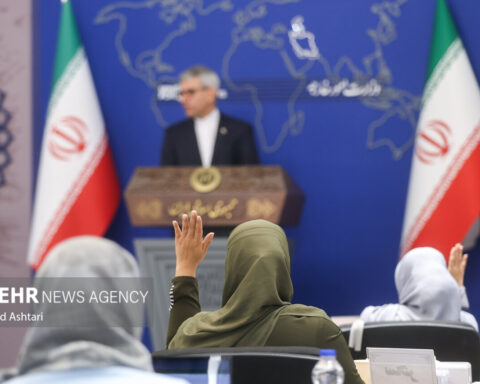
The second death came on July 13 when Foreign Ministry Spokesman Esmail Baghaei announced that Iran would no longer comply with the MOU because the United States was “openly violating it.” This was formal, procedural, reversible. A spokesman’s declaration can be walked back by a deputy foreign minister over coffee in Muscat. The diplomatic infrastructure remained standing even as compliance stopped.
The Middle East briefing 3,000+ readers start their day with.
One email. Every weekday morning. Free.
The five-day interval between Baghaei’s July 13 operational closure and Khamenei’s July 18 political repudiation was not administrative delay. How Iran structured that gap — and why Baghaei’s language on July 15 constituted definitive closure three days before the political declaration — reveals the decoupling mechanism Iran uses to separate tactical withdrawal from Supreme Leader signalling.
The third death — July 18 — is different in kind. Khamenei published via his official Telegram channel: “The Great Satan’s repeated violations of the memorandum of understanding signed between the presidents of Iran and the United States once again proved to everyone how worthless and unreliable the signature of the U.S. president is.” The statement targeted not the agreement’s terms but the concept of American commitment itself. “Bullying, hegemony, and savagery,” he wrote, “are inseparable components of American behavior and conduct.”
The MOU was signed on June 17 — Trump at Versailles during dinner with Macron, Pezeshkian in Tehran remotely, Pakistani Prime Minister Shehbaz Sharif as mediator co-signing on June 18. Its 14-point framework established a 60-day ceasefire. Iran’s ballistic missile program, its proxy network, and nuclear specifics were explicitly excluded from the text. Total lifespan from signature to Supreme Leader repudiation: thirty-one days of a sixty-day instrument.
Why Khamenei’s Repudiation Is Constitutionally Different
Khamenei’s original authorization of the MOU was calibrated for exactly this outcome. His June 18 statement, published via Iran International: “Based on the commitment given to me by the honorable President, acting in his capacity as Chairman of the Supreme National Security Council, on behalf of himself and the other members, to safeguard the rights of the Iranian nation and the Axis of Resistance — and his explicit acceptance of responsibility for doing so — I authorized it.”
The construction is precise. Khamenei authorized Pezeshkian to sign. He did not co-sign. He did not endorse. He delegated responsibility downward while retaining the authority to repudiate upward. When the agreement collapsed — as the IRGC faction anticipated and arguably engineered — Pezeshkian bears the constitutional blame for a failure Khamenei predicted in the same sentence he permitted it.
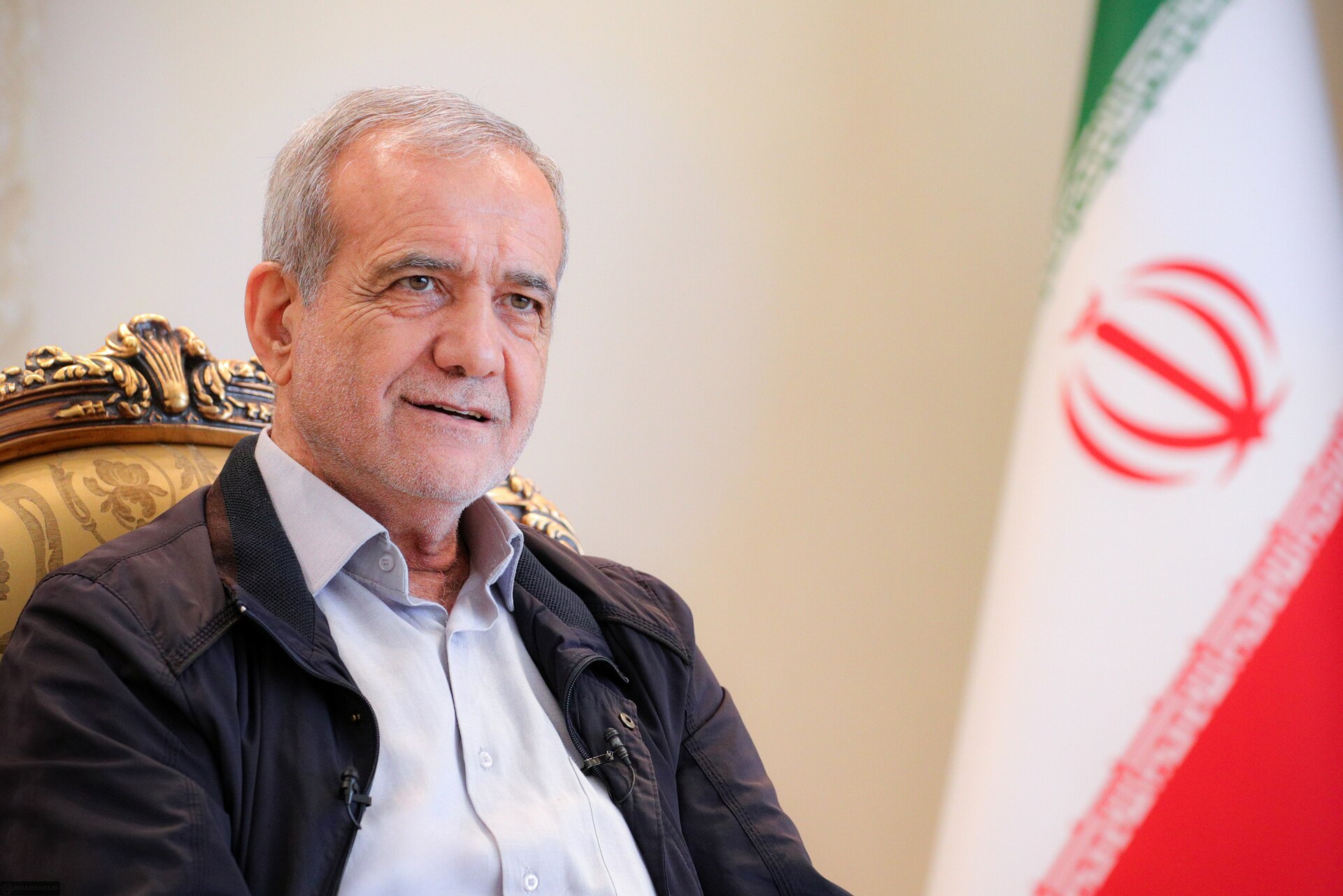
Pezeshkian has already absorbed the political cost. At the Khamenei funeral on July 13, he was pelted with rocks by a mob chanting “death to the compromiser.” Foreign Minister Araghchi was forced to flee after crowds chanted death threats calling him a “traitorous sellout,” according to Al Jazeera. The president who signed the MOU is now politically radioactive. The Supreme Leader who authorized it has clean hands and a public record of reluctance.
This matters for Saudi Arabia because it determines who in Tehran holds escalation authority. A foreign ministry suspension can be reversed by the same foreign ministry. A Supreme Leader repudiation can only be superseded by the Supreme Leader himself — and Khamenei’s statement explicitly forecloses future American diplomatic offers as structurally “worthless.” The channel is not paused. It is delegitimized at the highest constitutional level of the Islamic Republic.
What Does the Rezaei Ultimatum Mean for Saudi Arabia?
Mohsen Rezaei, senior military adviser to the Supreme Leader, stated on July 17: “If US attacks continue for another two or three days, we will enter a phase of full-scale offensive operations.” The clock started on July 17. Two to three days is July 19–20.
Rezaei’s second statement is the one that names Riyadh’s exposure: “No political border will be secure against Iran’s offensive forces.” The specific phrasing — “no political border” — is not diplomatic imprecision. It is the explicit removal of the neutrality distinction that kept Saudi Arabia in a separate targeting category from Bahrain, Kuwait, Jordan, and Qatar, all of which have absorbed Iranian strikes since July 8.
The Rezaei ultimatum lands into the diplomatic vacuum Khamenei created. Under the MOU framework — even a suspended one — Iran’s escalation calculus carried an implicit ceiling: crossing certain thresholds would destroy a diplomatic track Tehran needed for sanctions relief and access to Vice President Vance’s proposed “Gulf Coast Coalition” reconstruction fund — estimated at a minimum of $300 billion by Arab Center DC’s analysis of the MOU’s financial architecture. That ceiling no longer exists. Khamenei has declared the American signature worthless, which means the reward for restraint — sanctions relief contingent on American good faith — is also worthless in Tehran’s framing.
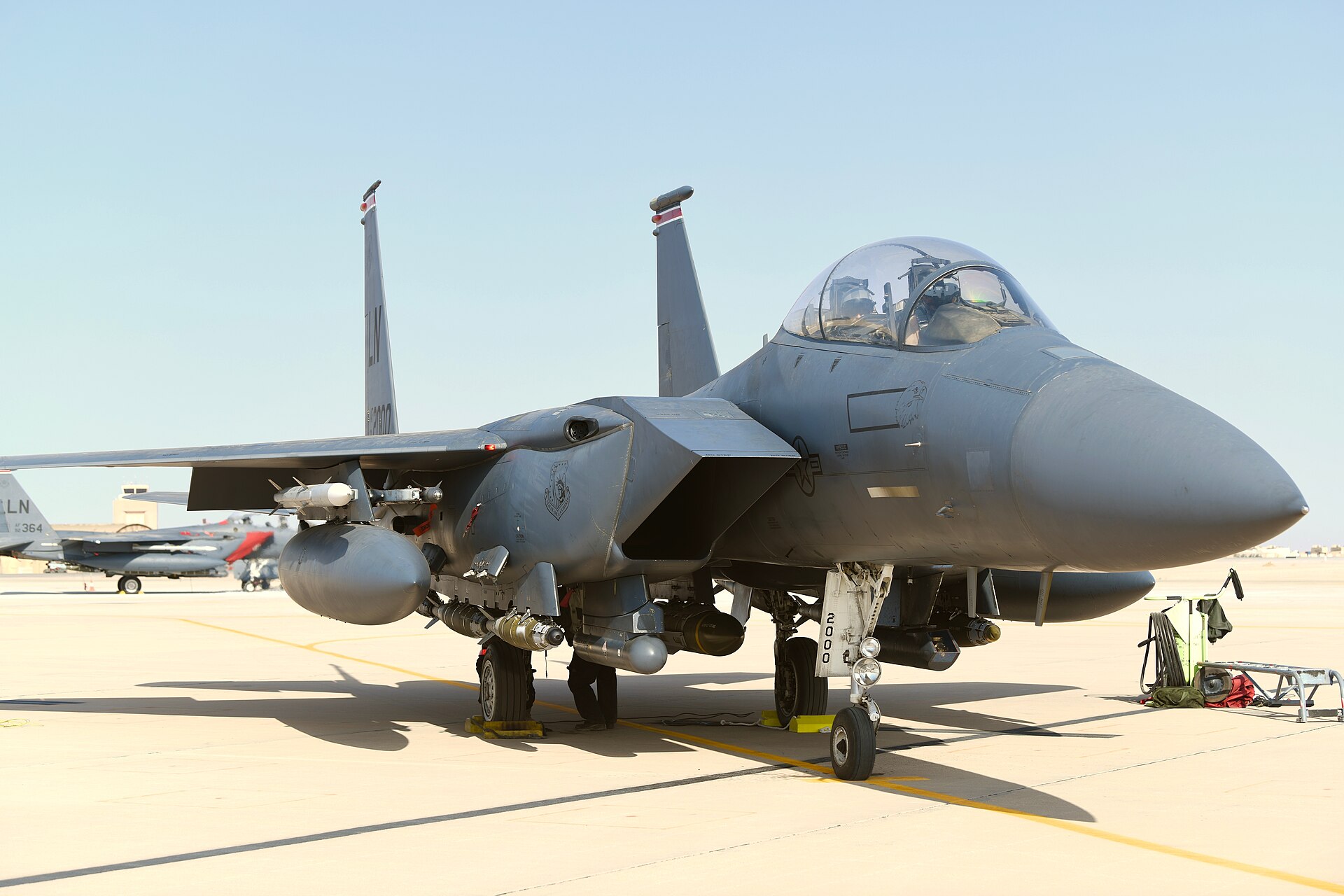
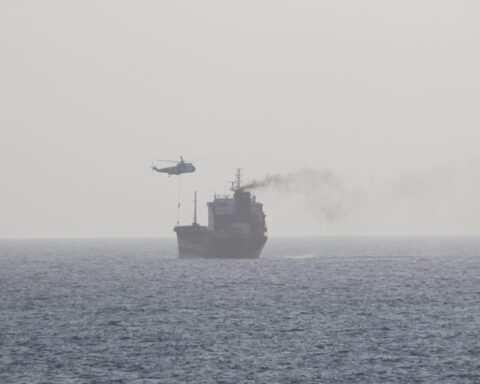
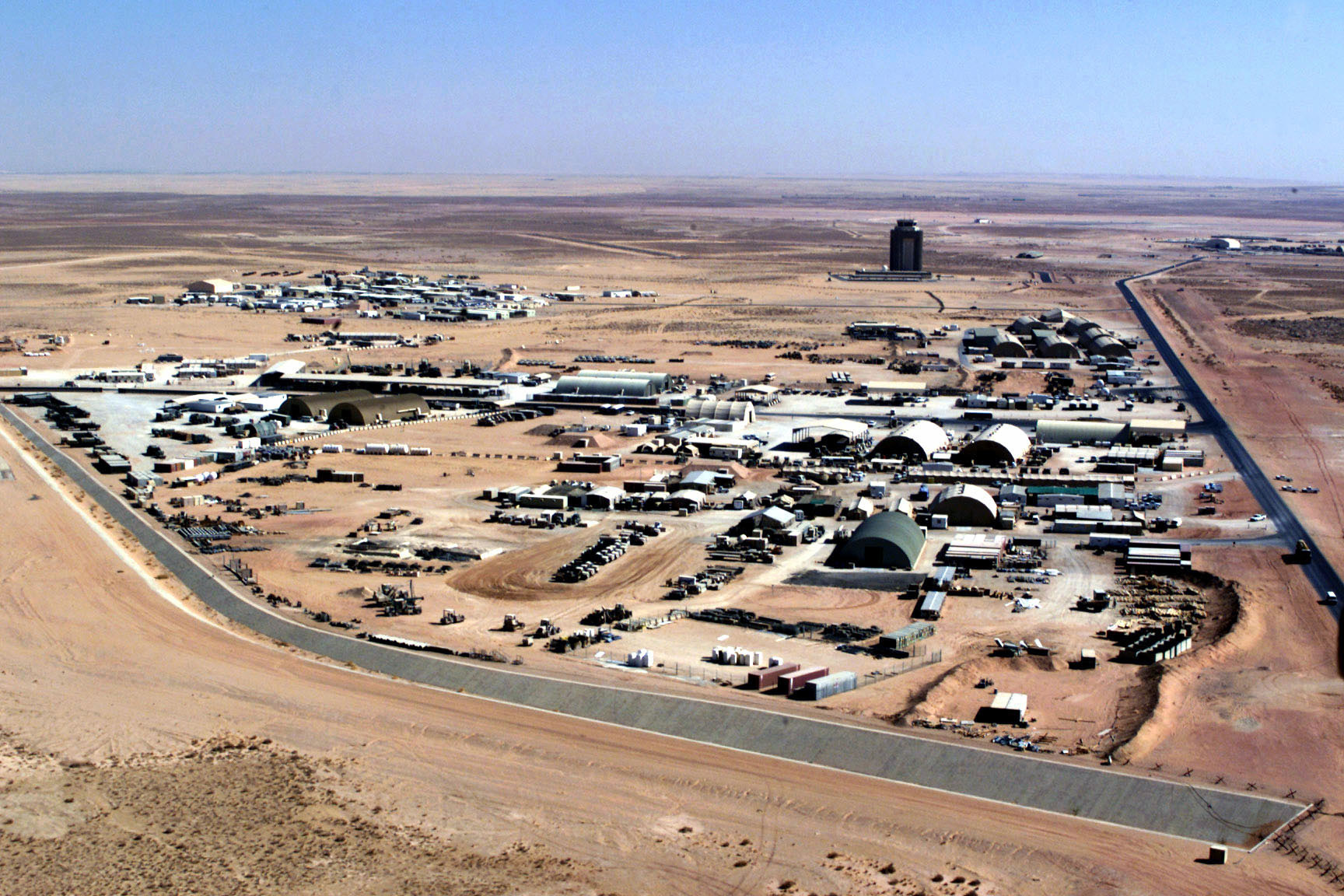
CENTCOM conducted Night Eight operations on July 17–18, deploying fighter jets approximately 650 kilometres inland to Yazd province. The IRGC detained four commercial tankers in the Strait of Hormuz on July 18. Second civil defense alert cycles sounded in Al-Kharj and Yanbu on the same day. Axios, citing a US official, reported an Iranian ballistic missile impact at Prince Sultan Air Base — unconfirmed damage.
Saudi Arabia’s Neutrality Was Always Borrowed
The Kingdom’s neutrality was never self-sustaining. It was parasitic on an American-Iranian diplomatic channel that provided both sides with reasons to exclude Riyadh from their primary targeting calculus. Iran left Saudi Arabia off the July 8 strike list — which hit Kuwait and Bahrain — because the MOU framework gave Tehran something to protect. The US conducted its campaign from PSAB — 2,300 troops, until the May grounding — because Saudi Arabia’s tolerance of their presence was cheaper than relocating to Al Udeid or Muwaffaq Salti.
But Saudi Arabia was never neutral. Reuters confirmed on May 12 that the Royal Saudi Air Force conducted strikes on Iranian drone and missile launch sites inside Iran in late March 2026 — making the Kingdom a de facto belligerent while maintaining public neutrality. Foreign Affairs, in “Can Saudi Arabia Keep Hedging?”, confirmed the paradox: “Saudi Arabia declined to officially enter the war, refused to allow the US campaign to be conducted from its territory, and maintained direct channels to Tehran throughout the fighting — while simultaneously conducting covert strikes on Iran.”
Iranian state media — IRNA, PressTV, Tasnim — has spent months building public justification for targeting Riyadh directly, framing Saudi neutrality as fictitious given PSAB’s role, the March covert strikes, and US operations from GCC soil. Khamenei’s repudiation removes the last reason Tehran’s targeting calculus excluded the Kingdom: the diplomatic track that rewarded Iranian restraint toward Saudi Arabia no longer exists, and no replacement is being negotiated.
The war’s geography confirms this. Night Eight tanker support — KC-46 and KC-135 routed through Ben Gurion Airport — placed the first confirmed US military deaths since March on Saudi Arabia’s diplomatic doorstep. Each escalation in the American campaign tightens the band on Riyadh’s deniability: the jets may not have launched from PSAB, but the support infrastructure — intelligence, logistics, the 2,300 personnel — remains on Saudi soil without a legal framework governing its presence.
CSIS assessed it directly: “The 2026 war inverted the logic of the partnership, with Riyadh now absorbing the consequences of a military campaign it neither chose nor endorsed.”
Can Riyadh Invoke the Sakhir Declaration After Refusing It Twice?
The Sakhir Declaration — the GCC collective defense pledge adopted approximately July 6 — is Saudi Arabia’s closest equivalent to a mutual defense commitment. It was not invoked when Iran struck Kuwait and Bahrain on July 8. The Peninsula Shield Force was not activated. Saudi Arabia’s Foreign Ministry issued a condemnation without opening the Declaration text.
The non-invocation was a choice, not an oversight. Invoking the Sakhir Declaration after Iran struck two GCC members would have committed Riyadh to collective action it could not sustain with 400 PAC-3 interceptors and a Pakistani contingent under exclusive Pakistani command. It would have converted Saudi Arabia’s diplomatic ambiguity — the covert strikes coexisting with public neutrality — into a declared posture requiring a military architecture the Kingdom does not possess.
The problem with non-invocation is that it compounds. The Declaration was not invoked after Kuwait. It was not invoked after Bahrain. If Iran strikes Saudi Arabia directly — as Rezaei’s “no political border” language signals — Riyadh faces the question of whether a collective defense mechanism it declined to activate for its allies will be activated by its allies for it. Chatham House assessed in May that Gulf states “should no longer rely on America for security guarantees” — but added that China would not fill the vacancy, maintaining no mutual defense treaty with any Gulf state.
The legal architecture beneath Saudi Arabia’s security is now a sequence of instruments that do not function as designed. The 1977 USMTM MOU governing US military presence was effectively voided by Operation Project Freedom — the May 2026 grounding of 43 US warplanes. The Major Non-NATO Ally designation from November 2025 carries preferred arms-sale access but no mutual defense obligation. A mutual defense treaty would require Senate ratification — CSIS confirmed this is not achievable. The Sakhir Declaration exists but has never been invoked.
Who Fills the Diplomatic Vacancy?
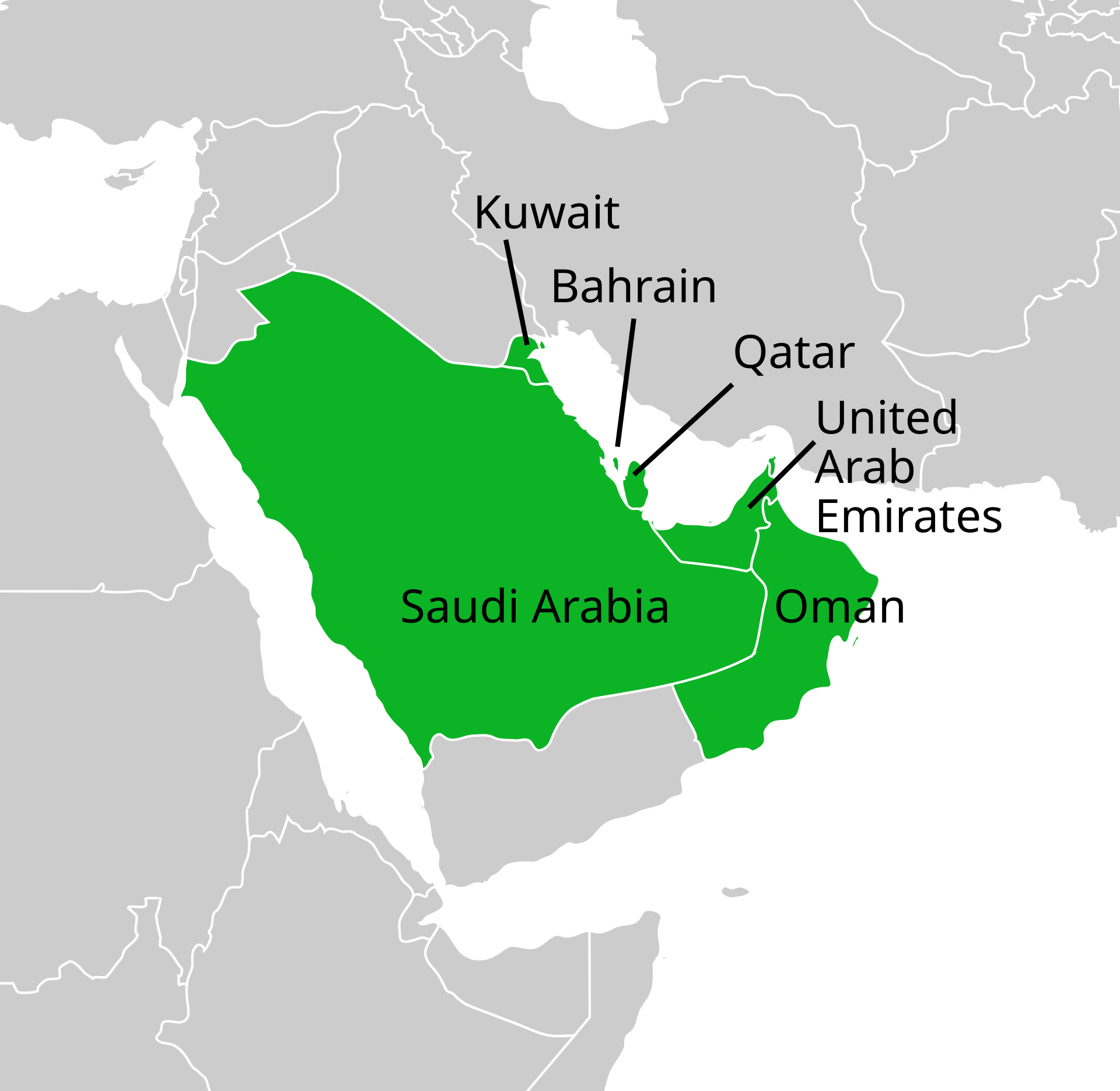
Pakistan brokered the Islamabad MOU. Qatar facilitated the prior talks in Doha. Oman maintained back-channels through the conflict’s first months. Saudi Arabia had no seat at any of these tables — it was a beneficiary of a process it did not build, could not influence, and cannot replace.
The vacancy is structural, not personnel. The MOU required a mediator both sides trusted — Pakistan had influence over Iran through energy ties and over the US through the MNNA framework. But Pakistan’s 8,000 troops now deployed in Saudi Arabia under exclusive Pakistani command make Islamabad a party to the conflict’s defensive architecture. Its mediator credibility is spent.
Qatar’s mediation capacity was damaged when Al Udeid absorbed its second Iranian strike. Oman’s waters “absorbed the strike Muscat cannot condemn” — its neutrality survives but its influence does not extend to compelling either Washington or Tehran to return to a table Khamenei has declared worthless.
No state currently possesses the neutrality, credibility, and access to both sides required to construct a replacement framework. The Islamabad MOU took Pakistan three months of shuttle diplomacy to assemble. Khamenei dismantled its legitimacy in a single Telegram post.
The IRGC Power Triad and the Doctrine of Expansion
Three men opposed the Islamabad MOU from the start: IRGC Commander Hossein Salami, SNSC Secretary Mohammad Bagher Zolghadr, and Rezaei. All three favoured continued war over a ceasefire framework that would have frozen Iran’s gains in exchange for economic relief — and all three now hold the policy levers that the MOU’s collapse has freed.
CNN reported on July 18 that hardliners have accused Pezeshkian and allies of plotting a coup — a charge that consolidates IRGC control over policy by delegitimizing the reformist faction that negotiated the MOU. Mojtaba Khamenei’s continued absence — 127 days without a public appearance — means the Supreme Leader’s son cannot mediate between factions. The Times of Israel, citing three people familiar with internal deliberations, assessed that Mojtaba’s “role is largely to legitimise decisions made by his generals rather than issue directives himself.”
The operational implication is that Rezaei’s ultimatum is not freelancing. It sits within a power structure where the IRGC commanders who wanted war now control the SNSC, hold the Supreme Leader’s ear, and face no institutional opposition from a president pelted with rocks and a foreign minister who fled death threats. CNN reported that Ghalibaf and allies are “effectively running the country” — but running it within parameters the IRGC triad sets.
Arab Center DC framed Saudi Arabia’s worst-case precisely: a settlement outcome that “puts Iran’s economy back on its feet, frees it to fund its allies, gives it sway over Hormuz, and lets it back into a Levant where its grip had just loosened.” Khamenei’s repudiation eliminates that scenario as a possible future — the IRGC triad is not seeking sanctions relief. It has been seeking this outcome since February 28.
What Does 400 Interceptors Buy Against an Unlimited Target List?
Saudi Arabia’s PAC-3 inventory stands at approximately 400 missiles from an original stock of 2,800 — 86 percent depleted with no resupply delivery confirmed before mid-2027 at the earliest. The Pakistani HQ-9 battery deployed under exclusive Pakistani command has not fired in three engagements — the Sindoor exchange, the Venezuelan deployment, and the July 18 PSAB strike. Zero for three.
The arithmetic is not complex. Iran’s IRGC has demonstrated the capacity to strike US bases in four countries within twenty-four hours. If “no political border will be secure” means Saudi Arabia joins the active target list — alongside the existing strikes on Kuwait, Bahrain, Qatar, and Jordan — the Kingdom’s interceptor stock becomes a rationing problem, not a defense architecture.
Prince Sultan Air Base absorbed a reported strike on July 18 — Axios cited a US official reporting an Iranian ballistic missile impact with no confirmed damage. The M-SAM-II system Saudi Arabia purchased cannot intercept the Zolfaghar in its terminal phase. The Fattah-2 has the range to reach PSAB from Iranian territory. The E-3G early-warning aircraft was destroyed on March 27 and has not been replaced — the programme to replace it carries a price tag exceeding $4 billion.
| Defense Asset | Status (July 18, 2026) | Constraint |
|---|---|---|
| PAC-3 interceptors | ~400 remaining (of 2,800) | No resupply before mid-2027 |
| Pakistani HQ-9 battery | Deployed, unfired | Exclusive Pakistani command; 0/3 engagements |
| E-3G early warning | Destroyed (March 27) | Replacement programme $4B+, years from delivery |
| US SOFA legal basis | Void (1977 USMTM MOU) | No successor instrument |
| US personnel at PSAB | ~2,300 troops | No mutual defense treaty obligation |
| MNNA designation | Active (Nov 18, 2025) | Arms-sale access only; no defense guarantee |
| Sakhir Declaration | Adopted (~Jul 6); never invoked | No automatic trigger mechanism |
The Forty-Eight Hours
The Rezaei window opens on July 19. Khamenei’s repudiation landed on July 18. The sequencing is not incidental — a Supreme Leader statement delegitimizing the diplomatic track the day before a senior military adviser’s ultimatum expires is doctrinal preparation, not coincidence. It removes the last argument against escalation that Iran’s reformist faction could have deployed: “the MOU still exists, restraint still buys something.”
A full accounting of Rezaei’s command authority gap, the three paths available to Iran as his deadline arrives, and why his ultimatum may never translate to action is in Who Ordered the Ultimatum Rezaei Cannot Enforce?
Saudi Arabia enters this window with a specific set of absences. No mutual defense treaty with any power. No functioning SOFA with the United States. No invoked collective defense mechanism. No diplomatic channel to Tehran that carries constitutional weight on the Iranian side. No interceptor resupply timeline. No confirmed willingness from Pakistan to fire the weapons it deployed.
“No political border will be secure against Iran’s offensive forces.” — Mohsen Rezaei, senior military adviser to the Supreme Leader, July 17, 2026
The Kingdom’s options narrow to the instruments it has already declined to use. Washington offered arms but withheld the treaty architecture that would obligate their use in Saudi defense. The Sakhir Declaration exists but requires political will Riyadh has twice failed to demonstrate. The Pakistani contingent is present but operates under a command structure that has produced zero intercepts in three opportunities.
Khamenei’s Telegram post was approximately 127 words in English translation. It did not name Saudi Arabia. It did not need to. By declaring the American signature worthless, it declared worthless the only instrument — US-Iran diplomatic engagement — that gave Tehran a reason to distinguish between the Kingdom that hosts American forces and conducts covert strikes, and the four GCC neighbours already absorbing Iranian missiles.
Rezaei’s clock expires in hours. Saudi Arabia struck Iranian territory in March. Iran knows. The MOU that made it rational for Tehran to pretend otherwise no longer exists — and the man who holds sole constitutional authority over Iranian war-making has publicly called the instrument that sustained that pretence worthless. Day 141 of the Hormuz SITREP shows the strait effectively closed to commercial traffic. Four tankers detained on July 18 alone.
Frequently Asked Questions
What was the Islamabad MOU’s specific language on Hormuz?
The 14-point text required Iran to use “best efforts for the safe passage of commercial vessels, with no charge for 60 days only.” Iran interpreted this as implicit recognition of its sovereign right to charge fees after the 60-day period expired. The United States read the same clause as a blanket safe-passage commitment with no temporal limitation on the principle. This interpretive gap — acknowledged by Parley Policy’s legal analysis — was the specific trigger Iran cited when suspending compliance. The ambiguity was structural: both sides signed the same words meaning different things.
Has Khamenei ever repudiated a diplomatic agreement at this level before?
The closest precedent is Khomeini’s 1988 acceptance of UN Security Council Resolution 598, which ended the Iran-Iraq War — famously described as “drinking poison.” But that was acceptance under duress, not repudiation. Khamenei’s July 18 statement inverts the 1988 model: where Khomeini accepted a deal he despised, Khamenei repudiated a deal he permitted someone else to sign. The constitutional innovation is the clean-hands architecture — authorizing Pezeshkian to bear responsibility while reserving personal authority to declare the result void. No prior Supreme Leader statement has delegitimized a sitting president’s diplomatic signature with this specificity.
What is the legal status of US forces at PSAB without a functioning SOFA?
The 1977 USMTM Memorandum of Understanding — the legal instrument governing US military presence — was effectively voided when Saudi Arabia grounded 43 US warplanes during Operation Project Freedom in May 2026. No formal successor instrument has been negotiated. The approximately 2,300 US troops at Prince Sultan Air Base currently operate without a ratified legal framework governing their status, jurisdiction, or conditions of deployment. Congressional Research Service and CSIS have both confirmed that a mutual defense treaty — which would provide the strongest legal basis — requires Senate ratification and is not achievable under current political conditions.
Could China replace the US as Saudi Arabia’s security guarantor?
Chatham House assessed in May 2026 that Beijing maintains no mutual defense treaty with any Gulf state and has shown no inclination to acquire one. China’s engagement with Saudi Arabia is commercial and energy-focused — the Saudi-China relationship operates through arms sales, infrastructure investment, and diplomatic statements, not through the basing agreements, interoperability protocols, and legal frameworks that constitute an actual security guarantee. Beijing’s response to the Hormuz closure has been to secure “friendly nation” fee exemptions from Iran’s Persian Gulf Security Administration rather than to challenge Iran’s control of the waterway.
What distinguishes Rezaei’s ultimatum from prior Iranian threats?
Rezaei is not a political figure issuing deterrent signals — he is the Supreme Leader’s senior military adviser speaking after IRGC forces successfully struck US bases in four countries within twenty-four hours. The IRGC has demonstrated operational capacity matching the threat. His statement that “no political border will be secure” was published on July 17 by IRIB (Iranian state broadcaster) and confirmed by Al Jazeera — placing it in the category of official military communication rather than political rhetoric. The Salami-Zolghadr-Rezaei triad now controls both IRGC operations and SNSC policy, with no institutional counterweight from a president whose public appearances draw rock-throwing mobs. The same blockade that extended Rezaei’s threat envelope also handed Aramco a commercial opening: Aramco’s response to the blockade — an $11 Arab Light OSP cut — monetized the elimination of Iranian and Russian supply that Rezaei’s threats enforced.
On July 18, the authority question this article identifies was answered directly. Mojtaba’s written statement — delivered on state television from a location no official could confirm — declared Trump’s MOU signature “utterly worthless and invalid.” Mojtaba Voided the MOU from a Location No Official Can Name traces the structural implications of that repudiation for Saudi Arabia and what the Islamabad framework now costs without an enforcing principal. Two days later, Rubio removed the temporal boundary from US military posture entirely, declaring open-ended Hormuz enforcement with no reference to the MOU’s August 16 expiry — closing the gap between a punitive campaign and a permanent one.