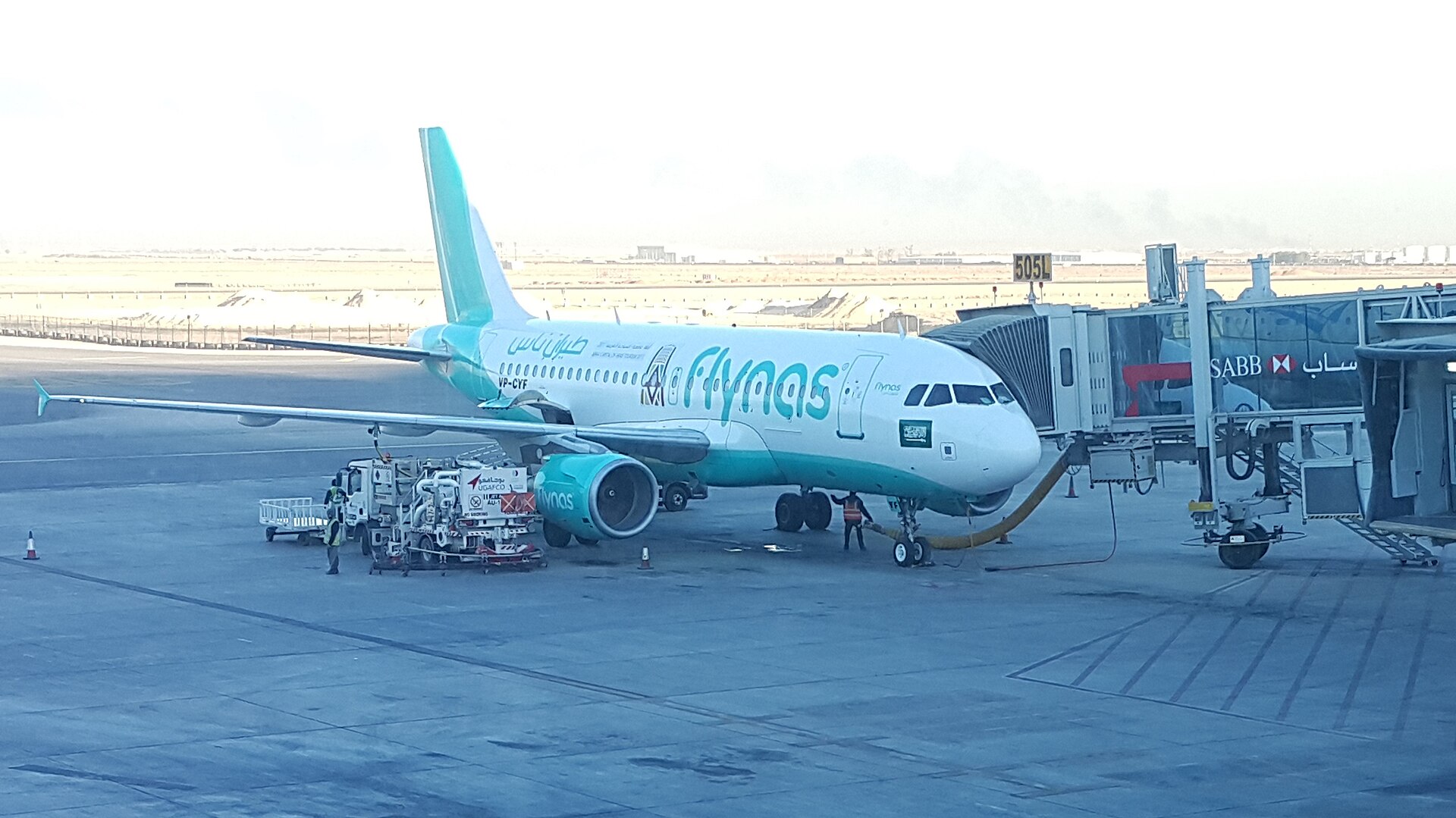
RIYADH — Iran’s foreign minister called his Saudi counterpart on October 12 to offer mediation between Saudi Arabia and “Yemen.” The call arrived the day after a second Houthi strike on King Khalid International Airport killed one person and injured eleven — and two days after the first strike killed thirteen and wounded more than three hundred.
Abbas Araghchi told Prince Faisal bin Farhan that Tehran was “ready to provide any assistance necessary to facilitate the start of dialogue.” On Telegram, he warned that “insisting on a military approach” would “only further complicate the situation.” The group that complicated it most recently — the one that struck a civilian airport two days before Araghchi picked up the phone — is the same group Iran now says it can bring to the table.
The offer holds a contradiction Tehran has never reconciled. If Iran can deliver the Houthis to dialogue, it possesses the kind of operational influence it publicly denies. If it cannot, the offer carries nothing behind it. Riyadh has not publicly responded.
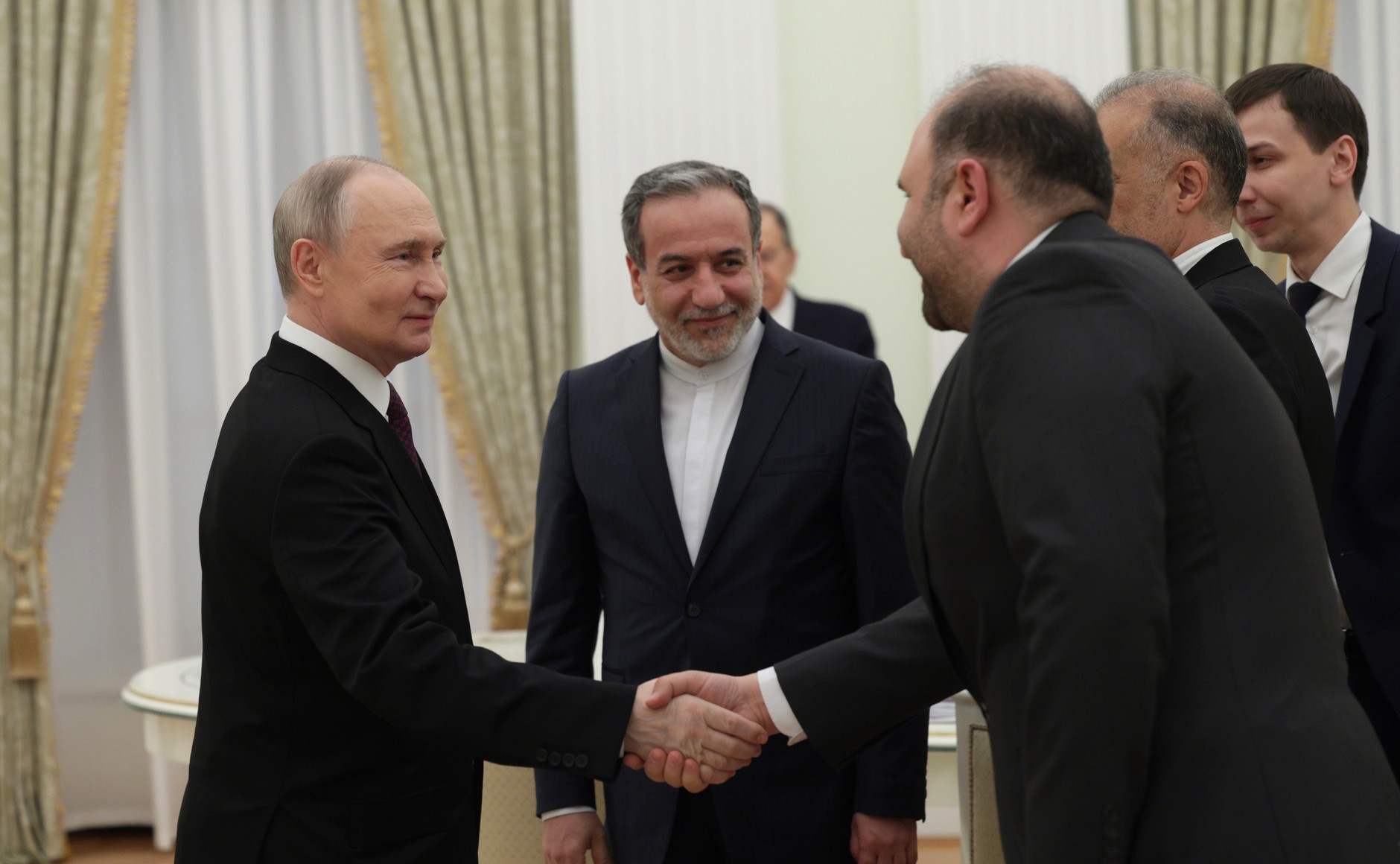
Table of Contents
What Did Araghchi Actually Offer?
Araghchi offered to “facilitate the start of dialogue between Saudi Arabia and Yemen” — without specifying what that offer would involve. He named no framework, proposed no ceasefire terms, and identified no venue. The entire readout came from Iran’s foreign ministry. Saudi Arabia has not confirmed the conversation or published its own account.
Araghchi said Iran was “ready to provide any assistance necessary.” The word “any” is doing considerable work in that sentence. It covers everything from opening a channel to Ansar Allah’s leadership in Sana’a to arranging a meeting through a third capital — and it commits Tehran to nothing specific.
Foreign ministry spokesman Esmaeil Baghaei elaborated the same day. “We absolutely do not want hostilities and war to continue between two Islamic countries,” he said. Iran did not want conflict “between two Muslim countries, especially as the region is already facing tensions caused by the United States and Israel.”
The Middle East briefing 3,000+ readers start their day with.
One email. Every weekday morning. Free.
Baghaei’s framing described the conflict as one “between two Islamic countries.” Saudi Arabia and the Houthis became coequal parties in a bilateral dispute — a formulation that erases the patron standing between them. One party operates an internationally recognized government and holds the world’s largest proven oil reserves. The other governs roughly a third of Yemeni territory through armed capture.
The Telegram warning — “The region’s crises have no military solutions” — arrived two days after an attack on Saudi civilian infrastructure that killed thirteen people at a passenger airport. The statement contained no reference to the airport attacks. It addressed “the region’s crises” without specifying which crisis had produced those casualties.
The October call was not Araghchi’s first attempt at positioning Iran as a mediator in a conflict where its own clients operate on the ground. In September, he presented a seven-day roadmap to Washington through Qatari intermediaries: reopening the Strait of Hormuz in exchange for an end to the US naval blockade, sanctions waivers, and the release of approximately $12 billion in frozen Iranian assets. Trump rejected the plan.
The October offer shifted the addressee but preserved the architecture. The September proposal engaged Washington directly over a US-Iran confrontation. The October call addressed Riyadh about a conflict involving a group that, in IRGC Commander Hossein Salami’s words, has “an independent national policy.”
The September plan at least corresponded to the crisis it proposed to resolve — Hormuz for sanctions relief, a direct exchange between adversaries. The October offer corresponds to nothing Araghchi has specified. What does Saudi Arabia receive if it enters dialogue with “Yemen” through Iranian channels? A reduction in airport strikes? A ceasefire? An exchange of prisoners? Araghchi did not say. The offer was framed as generosity without terms — which in diplomatic practice usually means the terms have not yet been named.
No third party confirmed the Araghchi-Faisal conversation independently. The pattern of Iranian diplomatic outreach this year has relied on readouts issued by Tehran, with counterparts rarely confirming the scope or details of what was discussed.
The Word Tehran Will Not Say
In every reported instance of the mediation offer — the readout, the Telegram post, the foreign ministry briefing — Iran used the word “Yemen.” Not “the Houthis.” Not “Ansar Allah.” Not “the de facto authorities in Sana’a.”
The word performs three functions. It positions Iran as an external mediator between two sovereign parties — as if the conflict were a conventional interstate dispute and Iran a disinterested neighbor. It obscures whether Iran is offering access to a proxy or acting as a neutral go-between. And it grants the Houthis a sovereignty they have claimed but no international body has recognized.
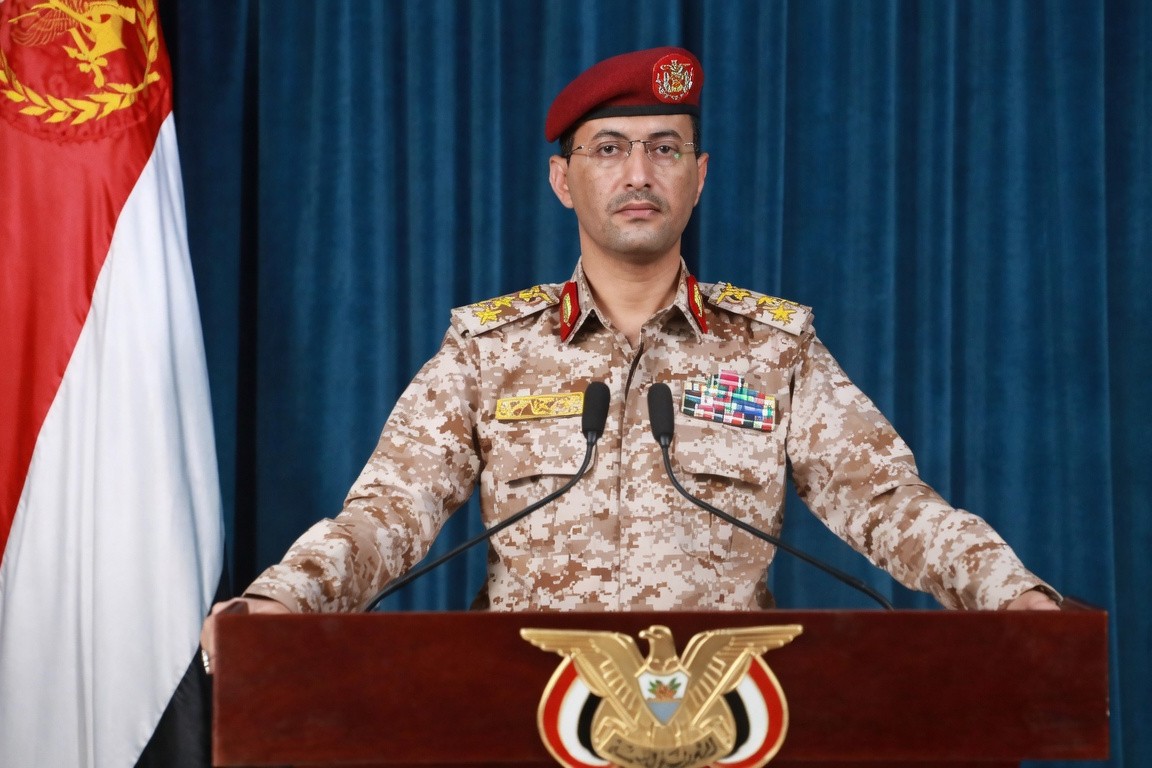
Iran’s military and diplomatic officials have built a parallel claim alongside the “Yemen” framing. Salami has stated that “the Yemenis are an independent and free nation in their own land, with an independent national policy.” Araghchi himself has said Yemen “makes its own decisions about using its weapons in a way it deems suitable.”
These formulations serve a defensive function. If Yemen makes its own decisions, Iran bears no responsibility for the decisions Yemen makes. The October 10 KKIA strike becomes, under this framing, a sovereign act by an independent party. The pattern of Houthi strikes on Saudi airports becomes a national policy Tehran merely observes. The European Union’s president used different language: “attacks by Iran’s proxies.”
But the mediation offer runs against the framing it depends on. If Yemen “makes its own decisions,” it does not need a third country to open a channel on its behalf. A party that decides for itself can pick up the phone without Araghchi’s help. By offering to open that channel, Iran asserts the access and influence that Salami’s “independent national policy” line was constructed to deny.
Can Iran Deliver What It Disclaims?
The question is not whether Tehran wants to mediate — it is whether Tehran can deliver anything if mediation begins. Iran has influence over the Houthis, according to multiple analysts, but influence falls short of command. The distinction determines whether the mediation offer has operational weight or amounts to diplomatic staging.
Negar Mortazavi, an analyst at the Center for International Policy, told Al Jazeera that “Tehran is an ally of Ansar Allah and has influence with the movement, although it does not control its decisions.” Andreas Krieg, a defense analyst, described Ansar Allah as “not simply an Iranian proxy awaiting instructions.” Iran, he said, “can influence escalation intensity but cannot dictate surrendering strategic holdings.”
Influence means Iran could potentially reduce the frequency or intensity of Houthi operations — if it chose to spend political capital doing so. Command would mean Iran could order the strikes stopped. Several indicators from 2026 suggest the relationship operates closer to the first category than the second.
Lina Khatib, writing for the Belfer Center at Harvard Kennedy School in April 2026, found that by early 2026 the Houthis had “largely diminished” their “axis of resistance” rhetoric. It had been “replaced by a desperate focus on organizational survival within the domestic Yemeni arena.” The Houthis, she wrote, “lack Hezbollah’s institutionalized relationship with Iran” and “could not be directly compensated through IRGC substitution when liaison figures were eliminated.”
Ali Alfoneh of the Arab Gulf States Institute in Washington noted that “Iran would have been in a much stronger position had Ansarullah blocked Bab el-Mandeb in February 2026” — when it would have generated maximum pressure during the early phase of the US-Iran confrontation. Instead, it took Tehran “considerable time and effort” to secure Houthi engagement in the maritime campaign.
The timing gap matters. If Iran commanded the Houthis, the Bab el-Mandeb closure would have coincided with the Hormuz blockade for combined effect. It did not. Iranian state media made the coordination gap explicit during the war when it appealed to the Houthis to “coordinate better with the Axis of Resistance.” The appeal was broadcast publicly — on platforms the Houthi leadership monitors. An entity that commands a proxy does not need to make public appeals for better coordination.
Maysaa Shujaa al-Deen of the Sana’a Center for Strategic Studies described the Houthis as “the strongest Iranian ally in the region right now” — but attributed their strength to factors Tehran does not supply: geography, quasi-state structure, population control, and economic resources. Gregory Gause of the Middle East Institute called the Houthis “ideologically committed to Iran’s project in the region,” while observing that ideology and command are different things.
The mediation offer promises something Iran may not be positioned to deliver: a cessation of Houthi operations in exchange for diplomatic engagement. Iran has influence. The October 10 and 11 strikes on KKIA proceeded without any reported pause.
The Knife and the Handshake
Fatima Abo Alasrar and Behnam Ben Taleblu described Iran’s broader approach in a May 2025 Atlantic Council analysis as a “knife and handshake” strategy. Tehran, they wrote, “is cognizant of growing vulnerabilities at home and abroad, and is offering tactical concessions to create the impression of a ‘win’ for its adversaries.”
The Araghchi call fits this pattern. Iran does not need to stop the Houthi strikes to extract value from the mediation offer. The offer itself generates diplomatic returns — it positions Tehran as a responsible actor pursuing peace, creates a narrative for third-party audiences in Beijing, Doha, and European capitals, and places the burden of response on Riyadh. If Saudi Arabia rejects the offer, Iran can point to it as evidence of good faith. If Riyadh engages, Tehran gains the standing of a mediator. Baghaei’s language — “two Islamic countries” — was already scripting that role.
Krieg’s analysis extended the point. The mediation offer, he said, “potentially gives Iran leverage well beyond the Yemeni theatre, particularly in negotiations over Hormuz, sanctions relief and the wider regional security architecture.” Yemen, in this reading, is not the end. It is the means.
The Atlantic Council authors observed that “senior Iranian officials swayed the Houthis to cease attacking US assets” during an earlier phase of the conflict — evidence that Iran can modulate Houthi behavior when the strategic incentive is strong enough. The Houthis stopped targeting American assets. They did not stop targeting Saudi ones.
The selective exercise of influence reveals what the mediation offer is built to do. Iran is not proposing to end the war. It is proposing to manage it — to lower the temperature toward one party while maintaining pressure on another. The phone call to Faisal, the Telegram post, the foreign ministry briefing — each was public, each was deliberate, and each entered the diplomatic record before Riyadh issued a word.
Iran’s September roadmap offered Hormuz reopening at a price Washington found unacceptable. The October call offered Houthi dialogue at a price Riyadh has not named. In both cases, the underlying pressure — the blockade, the airport strikes — continued while the diplomatic channel was presented as the alternative to violence Iran’s allies were already conducting.
Where Was the GCC?
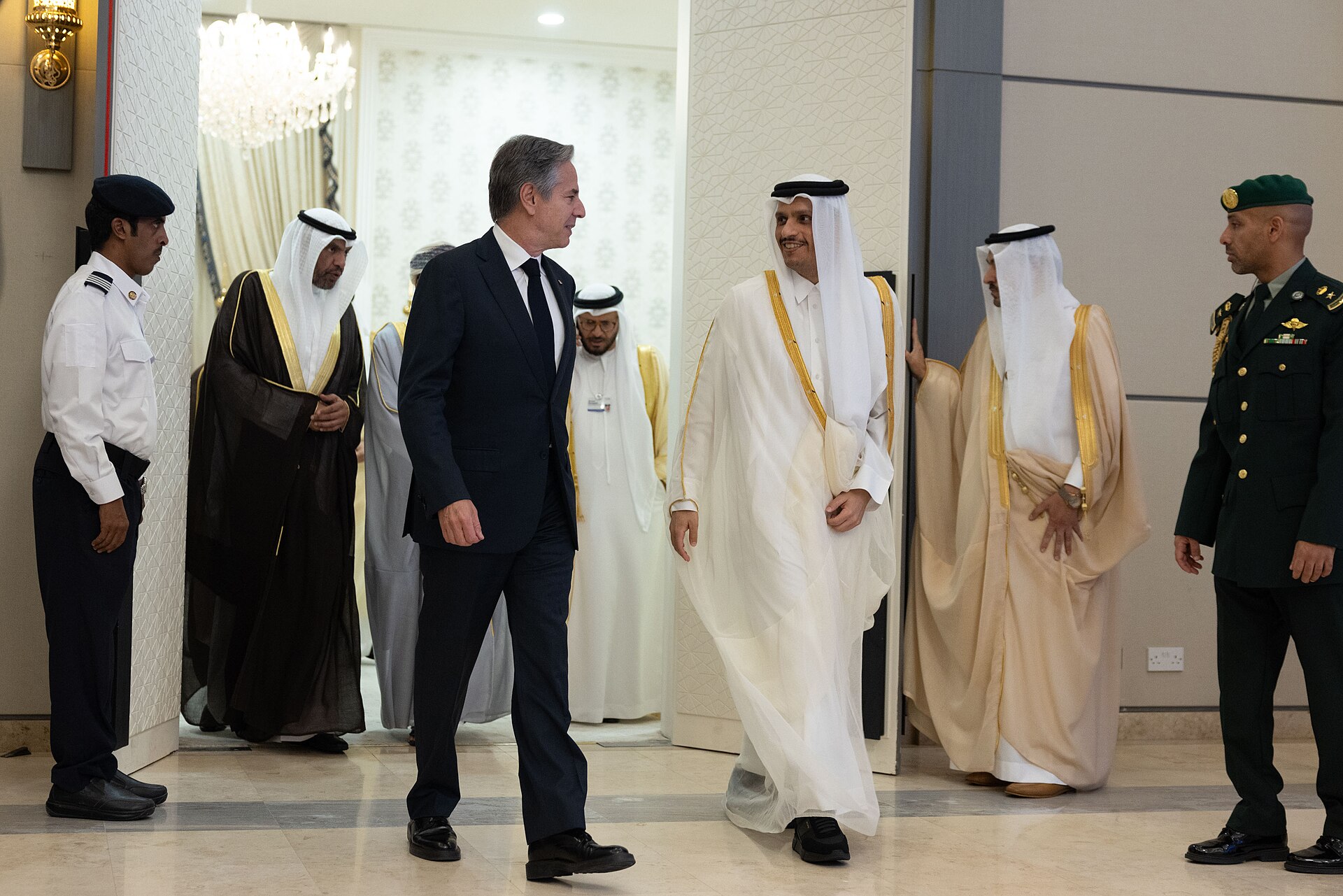
The Gulf Cooperation Council condemned the KKIA strikes individually but mounted no collective military, diplomatic, or economic response. The Joint Defense Council did not convene. The Peninsula Shield Force did not deploy. The joint condemnation that followed the October 11 attack came from Saudi Arabia, Egypt, Pakistan, and Turkey — three of which are not GCC members.
The GCC Secretariat issued no operational directive. As the Gulf International Forum documented earlier in 2026, the council’s defense institutions “did not function as they were supposed to during the war.”
The European Union, geographically distant and militarily uninvolved, produced sharper language than the GCC’s collective apparatus. European Commission president Ursula von der Leyen said the strikes by “Iran’s proxies” were “pushing the region into a spiral of violence.” EU foreign policy chief Kaja Kallas called the KKIA attack “an appalling act of terror.” Both named Iran’s role explicitly — a step the GCC’s institutional statements did not take.
Hesham Alghannam, writing for the Carnegie Endowment in February 2026, identified the structural problem. The GCC, he wrote, “lacks unifying frameworks for economic and political pursuits.” Its members pursue “distinct, and sometimes conflicting, objectives.” During the US-Iran negotiations that preceded the current war, the GCC remained “very much on the sidelines” — watching Washington and Tehran negotiate the region’s security framework without a collective Gulf position at the table.
The absence of a GCC counter-proposal to Iran’s mediation offer follows from this deficit. An organization that cannot agree on what response Saudi Arabia should pursue cannot present a competing framework. Iran’s offer occupies a vacuum — not because the offer is credible, but because no competing proposal has been presented by any GCC institution.
The pattern recurred throughout 2026. When MBS sought military support against the Houthis, he called Trump — not the GCC. When the airport strikes began, the most operationally useful responses came from bilateral arrangements: France’s deployment to Yanbu, Pakistan’s diplomatic engagement, Turkey’s Mecca Pact commitment. The GCC Secretariat issued a statement. France deployed forces.
The Rift Behind the Rhetoric
The GCC’s collective paralysis reflects more than institutional weakness. It reflects an active fracture between the organization’s two largest members.
Giorgio Cafiero of Gulf State Analytics observed that the UAE-Saudi rivalry “has spilled across multiple regional theaters and weakened Gulf Arab unity.” The 2026 Iran war, he wrote, exposed “a widening divide between the UAE, on one side, and Saudi Arabia, Oman and Qatar on the other.”
The divide predates the current crisis. In December 2025, Saudi airstrikes hit UAE-backed Southern Transitional Council forces at Mukalla — a direct military confrontation between nominal allies inside the same conflict zone. The STC subsequently dissolved.
A partial rapprochement began in late September 2026, when Sheikh Mansour bin Zayed met Crown Prince Mohammed bin Salman in Riyadh. It was the first high-level bilateral meeting between the two countries since the Yemen dispute began. Whether the meeting produced any operational alignment has not become visible in the weeks since.
Even a full rapprochement would address only one dimension of the GCC’s fragmentation. The UAE-Saudi dispute over Yemen is a policy disagreement — resolvable, in principle, through bilateral negotiation. The GCC’s institutional paralysis is structural. The Joint Defense Council, the Peninsula Shield Force, the Secretariat’s coordination mandate — these mechanisms failed because they were designed for a consensus that the Yemen conflict broke years before the Iran war began.
The fracture shapes the mediation question directly. A unified GCC could meet Iran’s offer with a coordinated response — acceptance on terms, rejection with an alternative, or calculated silence backed by collective pressure. A divided Gulf cannot produce any of these coherently. When Crown Prince Mohammed bin Salman sought military support, he called Trump — not the GCC’s Joint Defense Council.
Araghchi called Faisal, not the GCC Secretary-General. The mediation offer was addressed to one country, not six. Tehran’s diplomatic targeting mirrors the coalition’s fragmentation.
The EU-GCC Summit scheduled for October 24 in Riyadh will test whether the bloc can produce even a unified diplomatic position. Twenty-seven EU leaders are expected in a city whose international airport remains closed indefinitely.
What Did Riyadh Hear?
Saudi Arabia has not publicly acknowledged Araghchi’s mediation offer, accepted it, rejected it, or commented on it. Riyadh’s options are constrained in every direction — by Washington’s refusal to strike the Houthis, by Tehran’s exploitation of the diplomatic gap, and by the continued absence of any GCC counter-proposal. All available reporting on the call comes from Iran’s foreign ministry.
Riyadh’s position on the Houthi campaign has been shaped less by Iranian diplomacy than by American refusal. Crown Prince Mohammed bin Salman made two separate appeals to President Trump for US military strikes against Houthi positions. Both were declined. After the October 10 KKIA strike, Trump told reporters: “They’re able to defend. The Saudis are good fighters.“
The statement carried a message Riyadh did not request: that Washington considers Saudi Arabia capable of managing the Houthi threat on its own. It also rejected the premise behind those appeals — that American intervention was needed to stop the strikes.
Iran’s offer arrives in that gap. Riyadh has been told by Washington that it can fight this war by itself. It is now being told by Tehran that a diplomatic channel exists — one that runs through the patron of the group firing at KKIA.
Accepting the offer would mean acknowledging Tehran’s influence over the Houthis — influence Riyadh has condemned as interference. Rejecting it publicly would close a potential path to ending the airport campaign at a moment when fourteen people had died across two days of strikes. Silence preserves ambiguity but cedes initiative to a country that has already shaped the diplomatic narrative by publishing the call.
The diplomatic asymmetry is itself a form of positioning. When one party publicizes a call and the other stays silent, the publicizing party controls the narrative. Tehran’s readout is the only account in circulation. It shapes how third parties — the EU, Beijing, Doha — understand the exchange. If Riyadh’s silence was intended to deny Iran a headline, the readout had already written one.
What Faisal said — whether the call was the first of its kind or one in a series, how long it lasted, whether Saudi Arabia raised conditions — none of this has been independently confirmed. Iran chose to publicize the conversation. Riyadh chose not to confirm it.
A Clause That Cannot Survive Its Own Test
In March 2023, China brokered a normalization agreement between Iran and Saudi Arabia. Among its provisions was a commitment to “mutual non-interference” in each other’s internal affairs.
The clause is now operationally dead. Iran’s mediation offer — its form, its premise, its timing — rests on the assertion that Tehran can influence a group conducting military operations against Saudi Arabia. Influence over a group that struck King Khalid International Airport twice and killed fourteen people falls outside any functional reading of “non-interference.”
No formal rupture has been announced. Neither Tehran nor Riyadh has declared the 2023 agreement void. Beijing, which invested diplomatic capital in the accord and presented it as a model of Chinese conflict mediation, has not commented on its status during the current war.
Beijing brokered the agreement during a period of relative Saudi-Iranian détente, when both sides had an interest in lowering Gulf tensions and China had economic weight with each. The conditions that produced the deal — a shared desire for stability, the absence of an active proxy war, and Chinese willingness to invest diplomatic capital — no longer exist. The Hormuz blockade, the Houthi airport campaign, and the US-Iran strikes have collapsed the equilibrium the agreement assumed.
The agreement was always more aspirational than operational. Its enforcement mechanism was diplomatic pressure from Beijing, not binding obligation. The Houthis were not party to it. Iran’s proxy relationships — the relationships the “non-interference” clause was designed to constrain — continued to function outside the agreement’s framework throughout 2024, 2025, and 2026.
The mediation offer exposes the structural limitation of the Beijing deal. A non-interference clause works only if both parties define “interference” the same way. Iran maintains that its relationship with the Houthis is advisory, religious, and ideological — not operational. Under this definition, offering political support and framing to a group that fires missiles at Saudi airports is solidarity with a sovereign nation, not interference in a neighbor’s affairs.
The non-interference clause committed both parties to respect each other’s sovereignty. Two Houthi strikes on KKIA on October 10 and 11 tested that commitment directly.
Frequently Asked Questions
How many US airstrikes targeted the Houthis before the 2026 airport campaign?
The United States conducted approximately 1,100 airstrikes against Houthi positions under Operation Rough Rider in 2025, according to analysis by Lina Khatib at the Belfer Center. The campaign degraded Houthi infrastructure and forced a shift from “axis of resistance” rhetoric to what Khatib described as “a desperate focus on organizational survival within the domestic Yemeni arena.” Despite this degradation, the Houthis retained the ballistic missile capability to conduct the October 2026 KKIA strikes.
When did the Hormuz blockade begin and how many ships has it affected?
Iran’s blockade of the Strait of Hormuz began on July 14, 2026. As of October 10, CENTCOM had turned around 135 commercial vessels attempting to transit the strait. The blockade runs parallel to the Houthi campaign against Saudi airports — two pressure tracks operated by different Iranian-aligned actors against different targets, without evidence of unified timing or coordination between them.
Has Turkey deployed troops to Saudi Arabia under the Mecca Pact?
No. Turkey’s parliament has not ratified the Mecca Pact as of October 2026. The pact would authorize Turkish military deployment to Saudi Arabia, but legislative approval has not materialized despite the escalating Houthi campaign against Saudi civilian infrastructure. Turkey joined a joint condemnation alongside Saudi Arabia, Egypt, and Pakistan after the October 11 KKIA strike, but rhetorical support has not translated into the troop deployment the pact envisions.
Were the Houthis consulted before Iran made the mediation offer?
No public evidence exists that Iran consulted the Houthis before Araghchi called Faisal on October 12. No Houthi official has commented on the mediation offer — neither endorsing it nor rejecting it. The silence is consistent with the coordination gaps documented throughout 2026. Iranian state media previously made a public appeal to the Houthis to “coordinate better with the Axis of Resistance” during the war, an acknowledgment that major strategic decisions are not pre-cleared between Tehran and Sana’a.