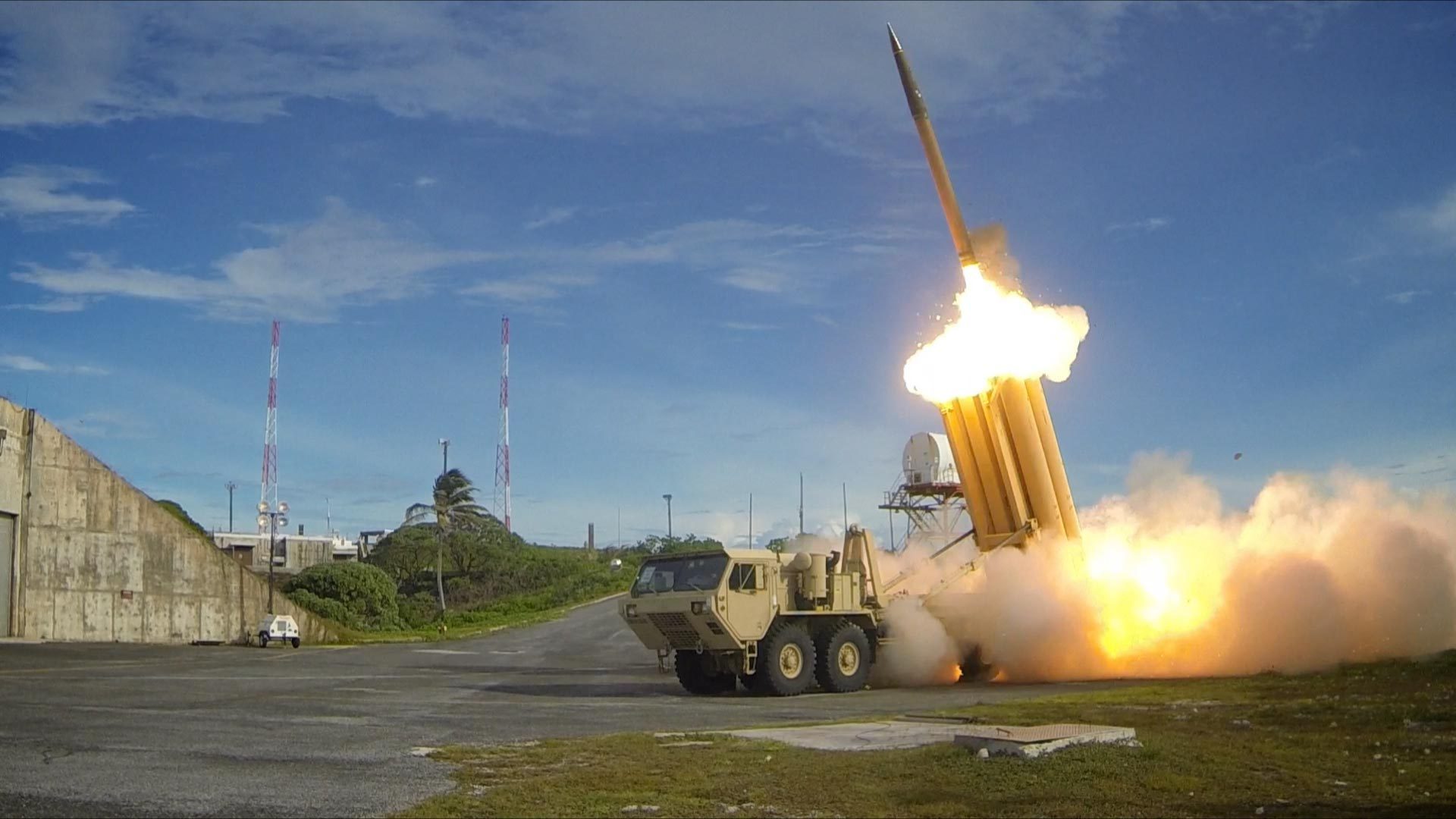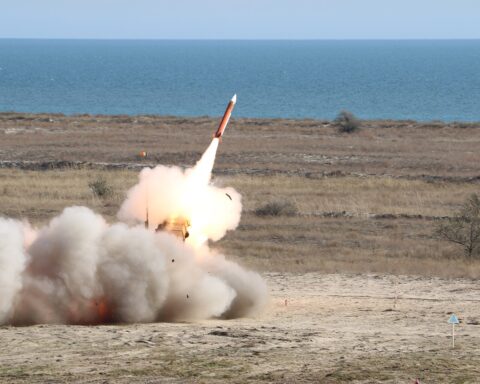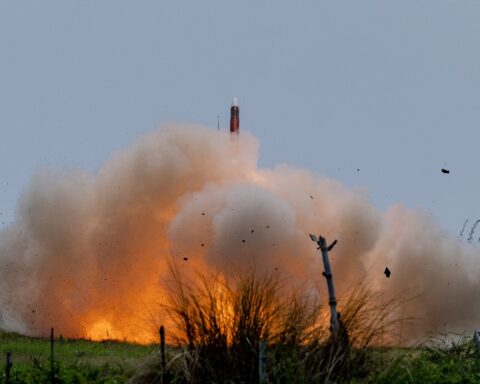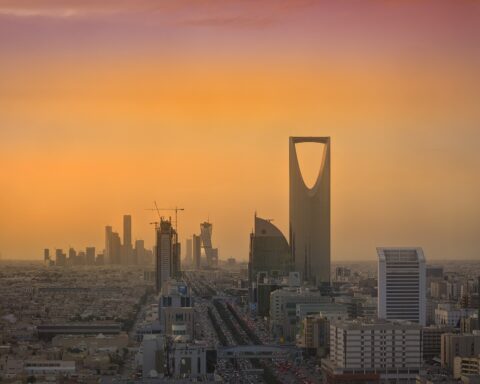

JEDDAH — Saudi Arabia’s coalition intercepted two Houthi ballistic missiles aimed at Taif and Yanbu on Saturday, October 24, 2026, triggering civil defence alerts across Mecca Province and Yanbu. The targets — King Fahd Air Base and the Red Sea terminus of the East-West pipeline — are the military and economic pillars of western Saudi Arabia.
Coalition spokesperson Major General Turki Al-Malki confirmed the intercepts via the Saudi Press Agency, stating that the missiles were intercepted and destroyed before reaching their targets (Saudi Gazette, October 24). No casualties or damage were reported (Daily Times, October 24). Saudi Civil Defence issued simultaneous “potential danger” warnings across four areas — Makkah Province, Jeddah, Taif, and Yanbu — instructing residents to move to safe places, avoid gatherings, and refrain from filming (Pakistan Observer, October 24).
The same morning, coalition forces separately intercepted a ballistic missile aimed at Riyadh and shot down a drone over the Eastern Province (Kuwait Times, October 24). Four engagements across four provinces stretched coalition air defences from the Red Sea coast to the Persian Gulf in a single operation.
The House of Saud Daily Briefing
Saudi Arabia's news in 3 minutes, every morning. Free. See today's issue
Table of Contents
- What Did Saudi Civil Defence Tell Residents in Mecca Province?
- Why Is Taif a Military Target?
- Yanbu: The Hormuz Bypass the Houthis Want to Close
- How Are Allied Air Defences Deployed in Western Saudi Arabia?
- An Alert That Reached the Holy City
- Four Fronts in a Single Morning
- What Would a Successful Strike on Yanbu Mean for Global Oil?
- Frequently Asked Questions
What Did Saudi Civil Defence Tell Residents in Mecca Province?
Saudi Civil Defence issued “potential danger” alerts for four areas on October 24: Makkah Province, Jeddah, Taif, and Yanbu (anews.com.tr, October 24). The alerts carried identical instructions: move to safe places, avoid public gatherings, and do not share images or videos on social media.
The agency subsequently rescinded the warning with a public announcement: “Alert: The danger has passed in Mecca Province” (Pakistan Observer, October 24). A separate legal notice reminded residents that sharing images or information about missile and drone interceptions is prohibited under Saudi law (Revoi.in, October 24). The restriction is standard operational security language applied nationwide after intercept events, but its enforcement in a province visited by millions of pilgrims annually raises a practical challenge that other Saudi regions do not face at the same scale.
Previous civil defence alerts in this campaign had centred on Riyadh or the Eastern Province, where the population has experienced missile-related disruptions and civil defence protocols since March 2026. Saturday’s alerts extended those protocols to the western Hejaz region, including areas administered under Makkah Province.
The speed of the all-clear — issued the same day — indicated that the interceptions were clean. Saudi authorities did not specify where missile fragments landed. The brevity of the warning period does not reduce the precedent it set: residents in Mecca Province now know that a Houthi missile aimed at a military installation inside their province will generate the same alert they receive for a direct threat.
Why Is Taif a Military Target?
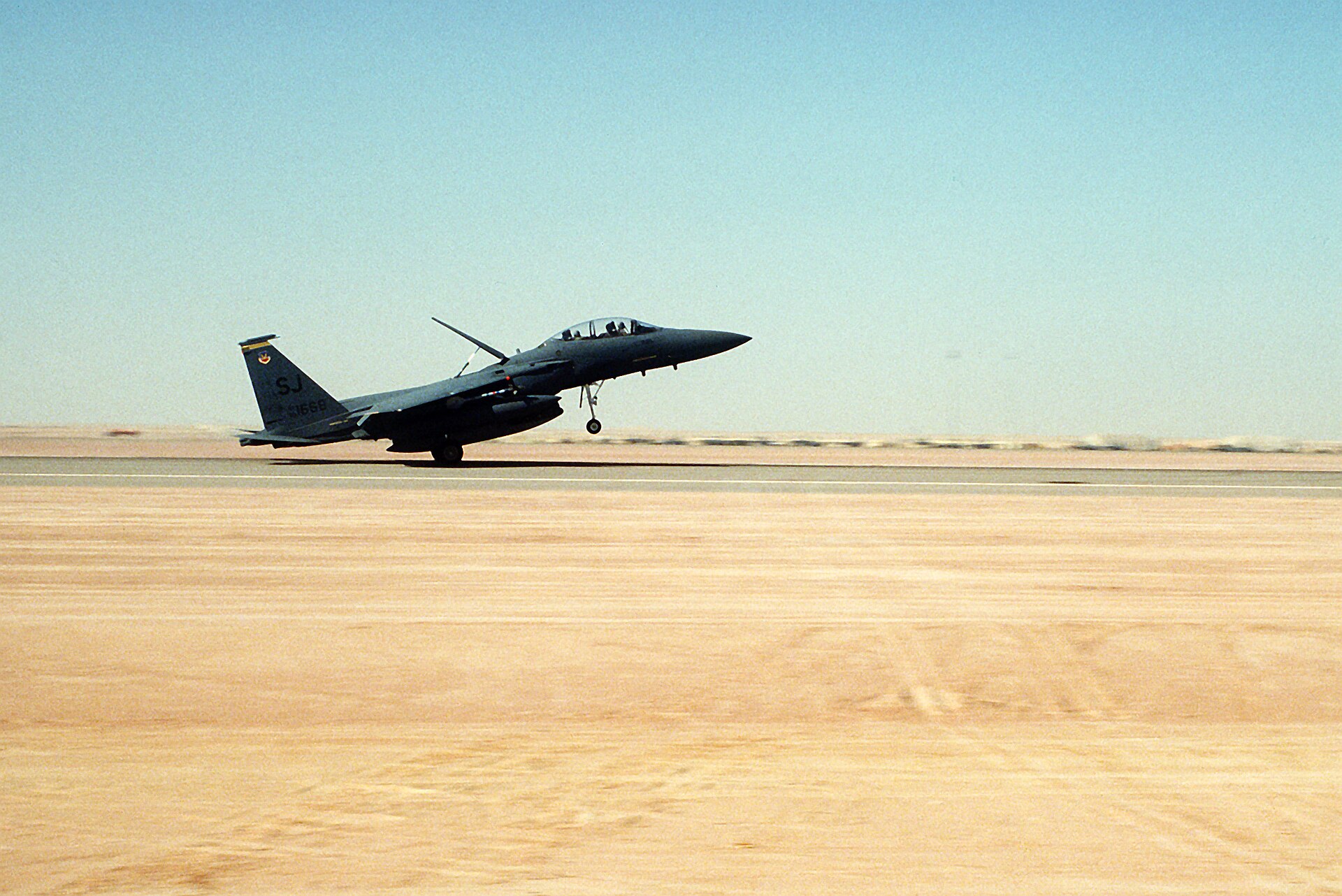
King Fahd Air Base at Taif is one of the Royal Saudi Air Force’s primary fighter installations. RSAF 10 Wing operates three squadrons from the base — No. 5 and No. 34 on the F-15C/D Eagle, and No. 94 on the F-15SA — using a runway approximately 3,735 metres long (Wikipedia, King Fahd Air Base). The F-15SA is the most advanced Saudi fighter type based at Taif. A disabled runway at Taif would remove a major share of coalition sortie-generation capacity over western Saudi Arabia.
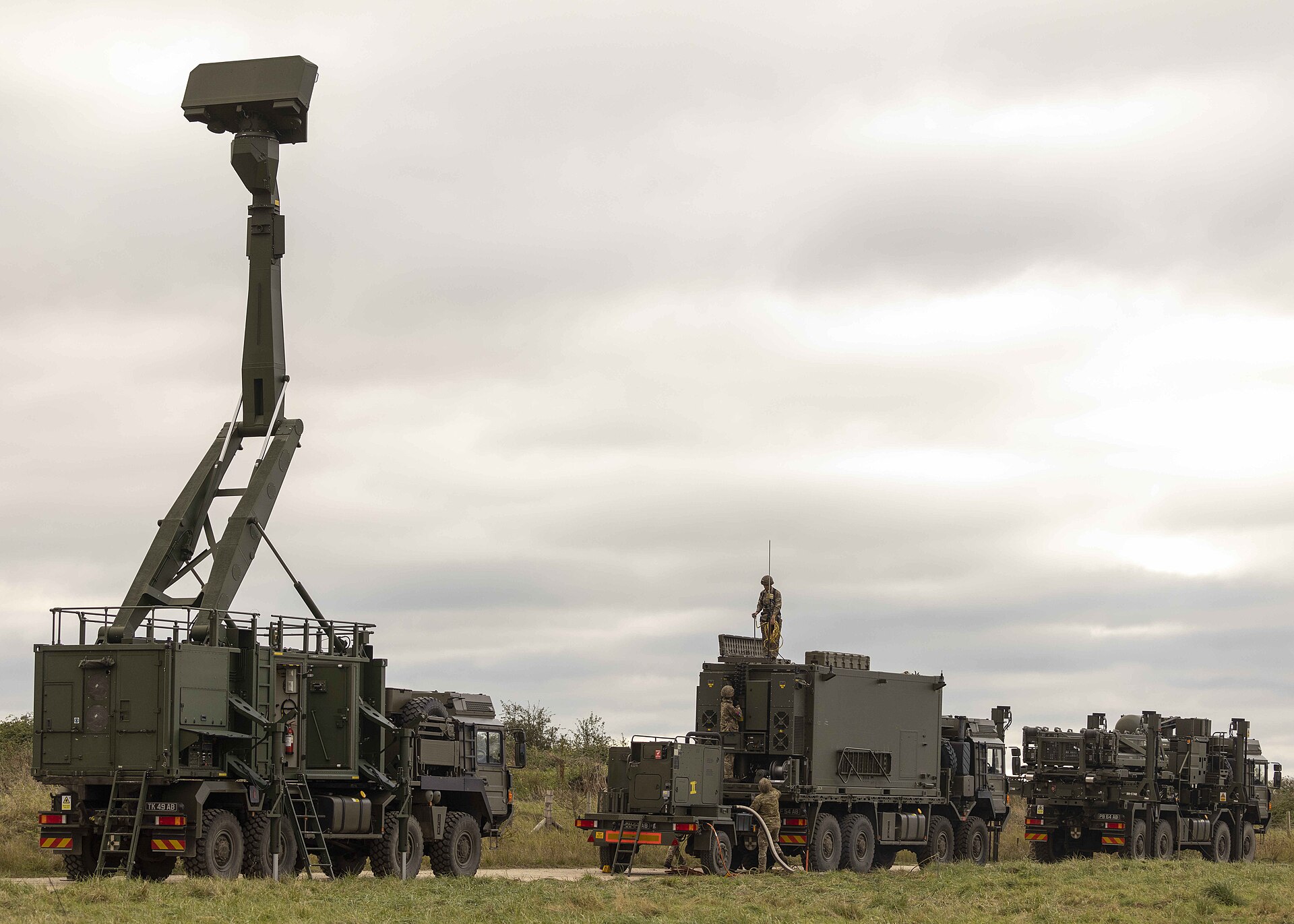
Since 31 March 2026, the base has also hosted the United Kingdom’s Sky Sabre close-area air-defence system. Defence Secretary John Healey announced the deployment alongside a broader commitment of “nearly 1,000 soldiers expected to be deployed across the Middle East” (Arab News, 31 March 2026). Prime Minister Keir Starmer visited King Fahd Air Base on 8 April and met personnel from the Royal Artillery’s 7th Air Defence Group, the unit operating Sky Sabre (Forces News, 8 April 2026).
The UK Ministry of Defence stated that Sky Sabre is “integrated into wider Saudi and regional air defences” (Defence Leaders, 31 March 2026). Whether the British system was involved in Saturday’s intercept has not been disclosed. What is public is that the Houthis directed a ballistic missile at an installation hosting both RSAF combat squadrons and a deployed air-defence battery with British personnel.
Taif has been in Houthi crosshairs before. A strike on 14 September 2026 wounded civilians in the city (Khaleej Times, 14 September 2026). Saturday’s missile raised the stakes by targeting the air base directly — a facility where British troops are stationed under a bilateral defence agreement that neither London nor Riyadh has released in full.
The base’s operational tempo makes it a high-value target. F-15SA squadrons at King Fahd Air Base fly combat air patrols over the Red Sea approaches, the Hejaz population centres, and the Saudi-Yemen border region. These sorties provide the air-defence umbrella that protects civilian infrastructure — including the pipeline running to Yanbu — from above. Disrupting sortie generation at Taif would degrade that umbrella at the same time the Houthis are intensifying their missile campaign against the infrastructure it covers.
Yanbu: The Hormuz Bypass the Houthis Want to Close
Yanbu sits at the Red Sea terminus of Saudi Arabia’s East-West pipeline, a 1,200-kilometre line running from Abqaiq on the Gulf coast with a nominal capacity of 7 million barrels per day (World Oil, 25 March 2026; Majalla). By late March 2026, the pipeline was carrying approximately 5 million barrels per day of crude exports, plus 700,000 to 900,000 barrels per day of refined products (World Oil, 25 March 2026; Al Arabiya English, 28 March 2026).
Aramco built the pipeline in the early 1980s because tanker navigation in the Persian Gulf was threatened during the Iran-Iraq War (Majalla; Oxford Business Group). Saudi Arabia needed an export route that bypassed the Strait of Hormuz entirely. For most of the intervening decades, the pipeline ran well below capacity — Hormuz was open, and eastern coast terminals at Ras Tanura and Ju’aymah handled the bulk of exports. That changed in 2026. IRGC mine operations have cut Hormuz tanker transits from 85 to 4 per day, turning Yanbu from an underused alternative into the primary route for Saudi crude reaching global markets.
Analysts identify Yanbu as one of only two regional sites able to divert large crude volumes past Hormuz, crediting it with preventing oil prices from reaching prior crisis peaks (New Arab, 2026).
| East-West Pipeline | Detail | Source |
|---|---|---|
| Route | Abqaiq (Gulf) to Yanbu (Red Sea) | Majalla / OBG |
| Length | 1,200 km | New Arab / Majalla |
| Nominal capacity | 7 million bpd | World Oil, Mar 2026 |
| Crude exports (March 2026) | ~5 million bpd | World Oil / Al Arabiya |
| Refined product exports | 700,000–900,000 bpd | World Oil, Mar 2026 |
| Construction era | Early 1980s | Majalla / OBG |
| Original purpose | Hormuz bypass during Iran-Iraq War | Majalla / OBG |
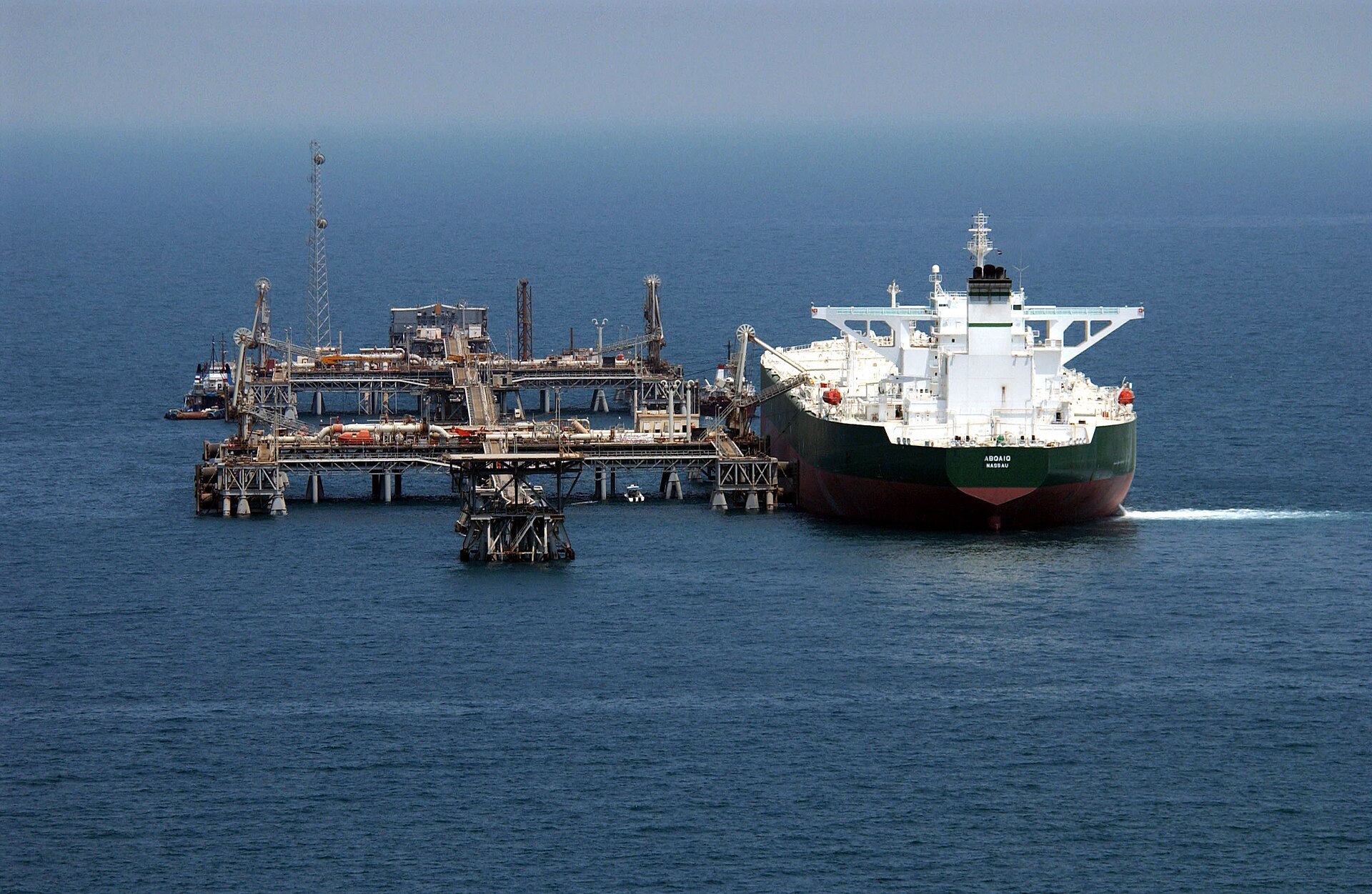
France recognised Yanbu’s value when President Emmanuel Macron announced the deployment of “soldiers, radars, and defence systems” to the site in September 2026.
“Not to involve ourselves in any conflict, but to protect the site.”
Emmanuel Macron on the Yanbu deployment (Al Jazeera, 25 September 2026)
A French Foreign Ministry spokesperson confirmed in mid-October that “operational elements of the agreement were being implemented” but declined to specify which assets had arrived (roic.ai, 15 October 2026). Macron’s figure of approximately 2,000 French troops refers to France’s wider Gulf region deployment, not to Yanbu alone (Gulf Business, 2026). The specific number stationed at Yanbu has not been disclosed. France’s deployment to Yanbu was the first Western military commitment explicitly tied to protecting Saudi Arabia’s Hormuz bypass route.
How Are Allied Air Defences Deployed in Western Saudi Arabia?
Two allied countries now maintain air-defence commitments at the two installations targeted on Saturday. At Taif, the UK’s 7th Air Defence Group operates Sky Sabre, a system designed to track and engage multiple incoming threats simultaneously. At Yanbu, France has committed radar systems and defence assets alongside a troop deployment, though the specific platforms have not been publicly identified.
The allied presence in Saudi Arabia extends well beyond these two western installations. Pakistan deployed 8,000 troops to Saudi Arabia without a parliamentary vote, according to Reuters. The UK Parliament did not vote on the Sky Sabre deployment before Defence Secretary Healey announced it — a pattern now shared by several of the contributing nations.
The multinational force is growing, but so is the area it must defend. Saturday’s simultaneous strikes on Taif, Yanbu, Riyadh, and the Eastern Province forced coalition air defences to engage across a territory spanning more than 1,000 km. Allied batteries at Taif and Yanbu protect their immediate installations. They do not cover the 1,200 km of pipeline between Abqaiq and the Red Sea, or the pump stations along the route that keep crude flowing west.
The question raised by Saturday’s coordinated launch is not whether allied systems are present at Taif and Yanbu. It is whether fixed-site defences can sustain a complete intercept rate when the Houthis fire at multiple separated targets in a single salvo. Every interceptor missile expended over Taif is one fewer available for the next launch. The Houthis do not face the same replacement constraint — their Iranian-supplied arsenal has sustained a rate of fire across October that shows no sign of exhaustion.
If a Houthi missile penetrated defences at Taif or Yanbu and killed allied personnel, governments in London, Paris, and Islamabad would face questions about the terms under which their troops were exposed to ballistic missile fire — terms that several legislatures did not debate or approve before deployment.
An Alert That Reached the Holy City
The Houthis declared Saudi airspace unsafe for civilian aviation on 19 October but formally exempted Mecca and Medina from targeting (Middle East Monitor, 19 October 2026). King Salman publicly condemned Houthi attempts to target the Makkah area (Khaleej Times, 22 September 2026). Saturday’s strike did not break that exemption — the missile was aimed at an air base, not a holy site.
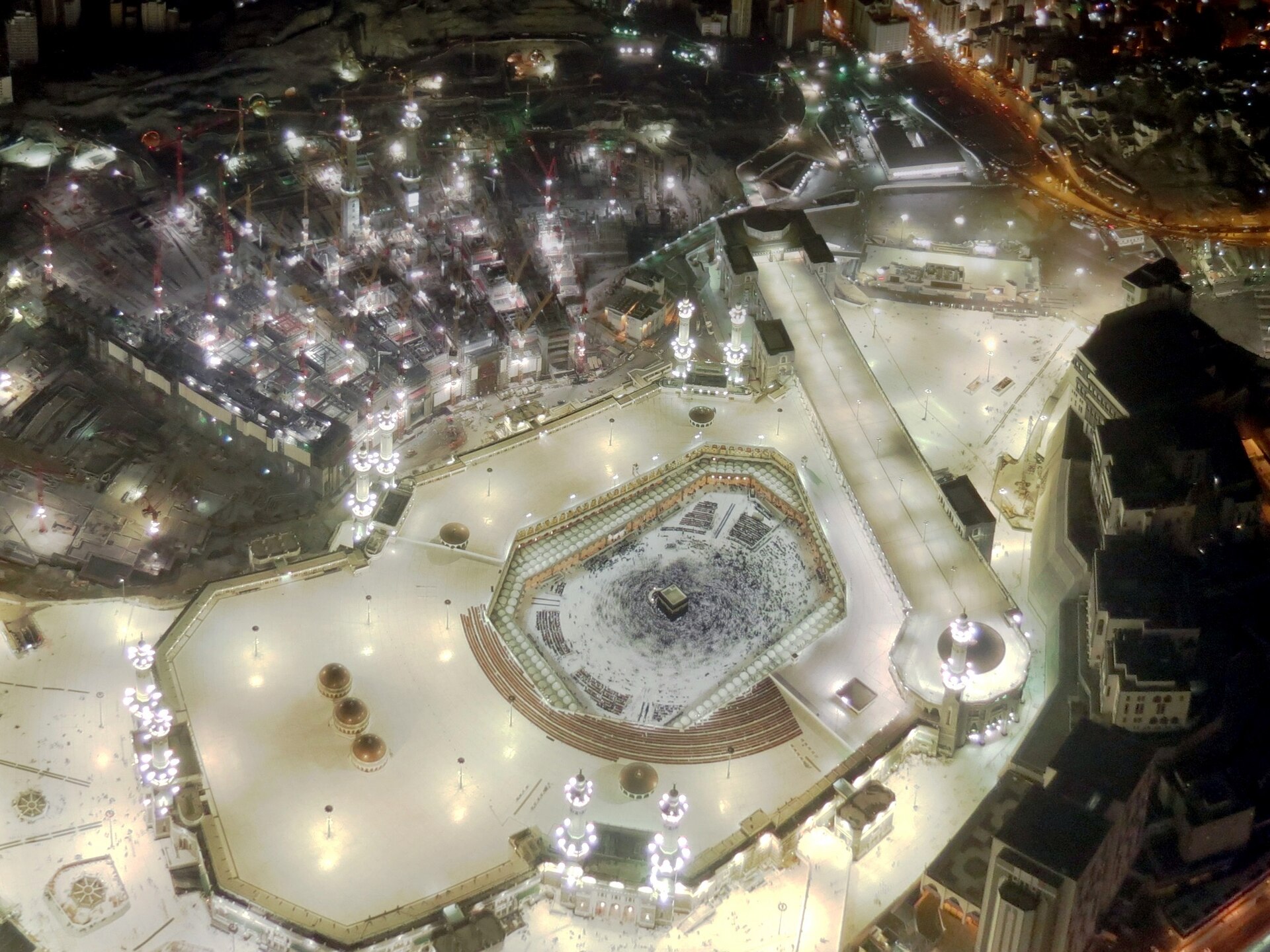
But Taif sits inside Mecca Province. A civil defence alert triggered by a missile approaching Taif cascades automatically to the entire province, including the city of Mecca and Jeddah. The Houthis fired at an air base. Saudi civil defence sent a warning to residents of the city containing the Kaaba.
The distinction between targeting a city and triggering an alert in that city matters in Houthi propaganda and in international law. It does not matter to a family in Mecca receiving a “potential danger” notification on a Saturday morning. The filming restriction applies to a population that includes pilgrims from dozens of countries, many of whom share images in real time as part of their religious visit. Our detailed analysis of the Taif intercept that triggered a Mecca Province alert examines the geographic reasons every missile aimed at King Fahd Air Base puts Mecca’s name on a civil defence warning, and what that pattern means for the Houthi exemption map.
Saudi Arabia’s custodianship of Islam’s holiest sites is a pillar of the monarchy’s standing across the Muslim world. The Houthis’ self-declared exemption acknowledges this — targeting Mecca directly would generate condemnation that no military gain could offset. By firing at Taif instead, the Houthis create the political effect of an alert in the holy city without bearing the cost of claiming responsibility for threatening it.
Four Fronts in a Single Morning
Saturday’s intercepts at Taif and Yanbu were the western component of a four-province engagement. The coalition separately intercepted a ballistic missile aimed at Riyadh and shot down a drone over the Eastern Province in the same window (Kuwait Times, October 24). The geographic spread was not random.
| Target | Province | Threat type | Outcome | Source |
|---|---|---|---|---|
| Taif (King Fahd Air Base) | Mecca | Ballistic missile | Intercepted | Al-Malki / SPA, Oct 24 |
| Yanbu (pipeline terminus) | Medina | Ballistic missile | Intercepted | Al-Malki / SPA, Oct 24 |
| Riyadh | Riyadh | Ballistic missile | Intercepted | Kuwait Times, Oct 24 |
| Eastern Province | Eastern | Drone | Shot down | Kuwait Times, Oct 24 |
Each target serves a different function in Saudi Arabia’s war effort and economy. Riyadh is the political capital and coalition command centre. The Eastern Province holds the oil fields and pump stations that feed the East-West pipeline from its origin at Abqaiq. Taif generates the fighter sorties that sustain coalition air operations over the western region. Yanbu exports the crude that finances the entire defence effort. Attacking all four in a single morning forces the coalition to demonstrate capacity across every quadrant simultaneously.
Houthi military spokesperson Yahya Saree had claimed four major operations in 48 hours before Saturday’s launches, targeting sites from the Saudi Defence Ministry in Riyadh to King Fahd International Airport in Dammam and Abha airport (Newsquawk/AFP, 22 October 2026).
“If Saudi Arabia follows through on its threats, the consequences will be catastrophic and unpredictable.”
Yahya Saree, Houthi military spokesperson, 22 October 2026 (The National News)
As of publication, the Houthis had not issued a specific claim for Saturday’s Taif and Yanbu missiles. The coalition’s statement did not identify the type of ballistic missile engaged at either site — a detail that, if disclosed, would indicate the weapon’s range, origin, and the level of Iranian technical support behind it.
Houthi forces hold Mayyun Island at Bab el-Mandeb, where maritime transits have fallen 47 per cent. Hormuz is blockaded. Bab el-Mandeb is contested. Yanbu is the gap in the perimeter — the one export node still loading tankers at scale. A successful strike there would complete the encirclement of Saudi oil exports from sea.
The diplomatic calendar has contracted. The EU-GCC summit and the Future Investment Initiative conference have been postponed (verified record, October 23). The United States has ruled out strikes on Iran before the November 3 midterm elections (The National, 8 October 2026). No external military intervention to break the Hormuz blockade or dislodge Houthi forces from Mayyun Island is expected before that date.
What Would a Successful Strike on Yanbu Mean for Global Oil?
A strike that damaged Yanbu’s Red Sea loading terminals or a pump station along the East-West pipeline would sever the last high-volume route keeping Saudi crude on the global market. With Hormuz closed to most commercial shipping, Saudi Arabia’s eastern coast terminals at Ras Tanura and Ju’aymah require tanker passage that the blockade has made functionally unavailable for bulk exports.
The pipeline’s vulnerability to disruption is recent history. Saudi Arabia suspended the East-West pipeline on 11 September 2026 and restarted it eleven days later on 22 September (Saudi Gazette via Zawya, 25 September 2026; CNBC, 11 September 2026). That shutdown was precautionary and reversible — the infrastructure was intact. Physical damage to loading terminals at the Red Sea terminus would require repairs on a different timeline. The distinction between a precautionary shutdown and a strike-induced outage is the difference between turning a valve and rebuilding a berth.
The fiscal consequences would be immediate. Brent crude stood at $114 per barrel as of 23 October (verified record), but the price reflects global scarcity rather than Saudi revenue — barrels that cannot leave the kingdom generate no income regardless of the benchmark. Saudi Arabia’s 2026 budget deficit has reached SAR 245 billion as the war halved oil export volumes (Zawya/Reuters, 30 September 2026). Revenue depends on crude moving through Yanbu. Yanbu depends on the pipeline operating without interruption.
The pipeline built in the early 1980s to avoid one Gulf chokepoint is now the last export route under pressure from three simultaneously: Hormuz is blockaded, Bab el-Mandeb is contested from Mayyun Island, and the terminus at Yanbu is under direct Houthi missile fire. The engineering logic of the 1980s anticipated one chokepoint failing at a time.
Saturday’s intercepts at Yanbu were successful, and no damage was reported at either site (Daily Times, October 24). The coalition’s four-for-four intercept record on October 24 sustained the export route for another day. The French troops stationed at the terminus are there because the margin for failure is zero — a single unsuccessful intercept at the right point would close the last route keeping Saudi crude on the global market while the kingdom’s deficit grows with every barrel that cannot ship.
Frequently Asked Questions
What air defence systems protect western Saudi Arabia beyond Sky Sabre?
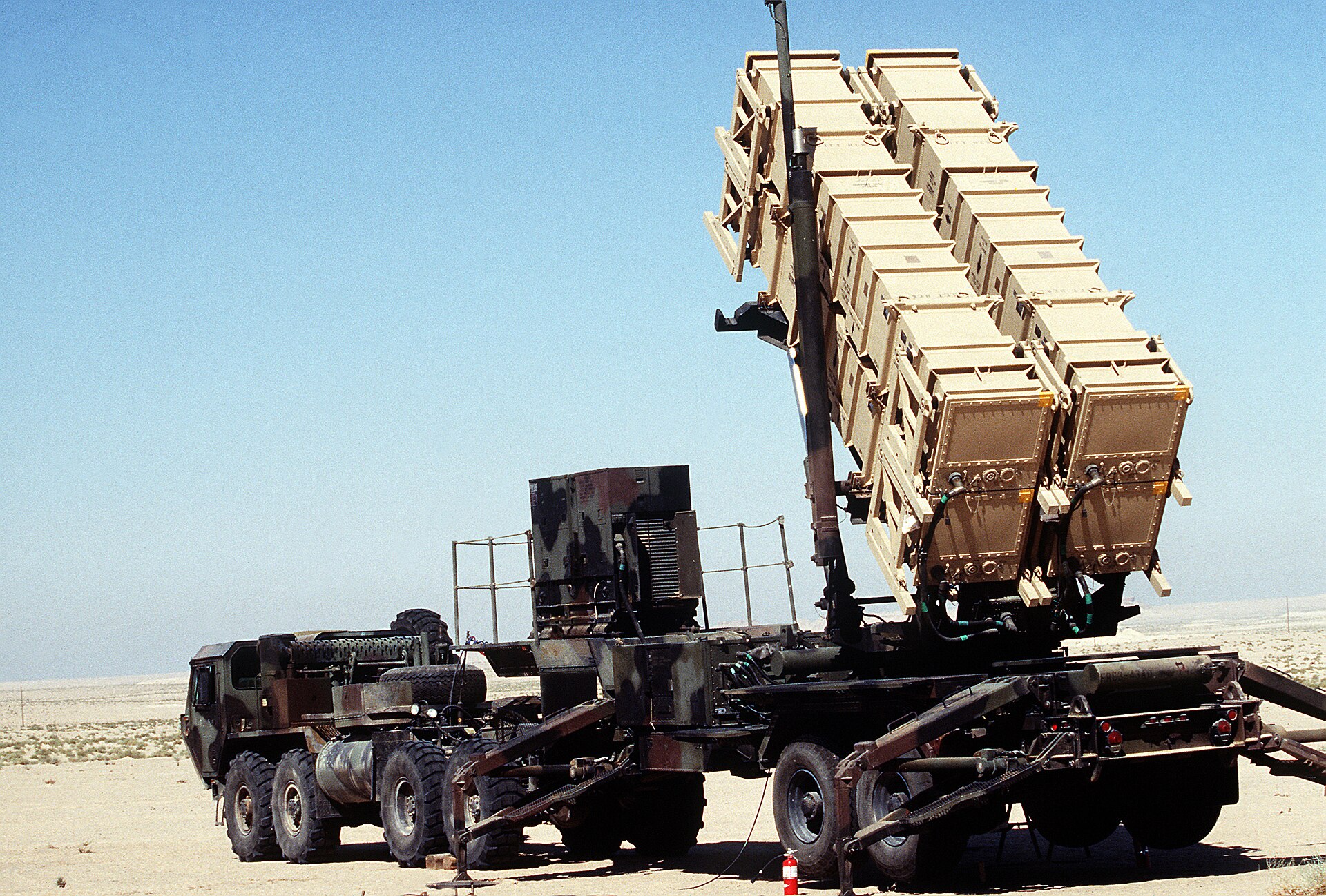
Saudi Arabia operates US-supplied Patriot PAC-2 and PAC-3 batteries, which have served as the kingdom’s primary ballistic missile interceptors since the Yemen campaign began in 2015. The PAC-3 variant is a hit-to-kill system designed specifically for ballistic missile defence. At Yanbu, France has sent radar and defence systems that have not been publicly identified by platform type. Coalition spokesperson Al-Malki confirmed Saturday’s intercepts but did not name the system that engaged each missile — a standard practice that prevents adversaries from calibrating future launches to specific interceptor engagement envelopes.
Could the Houthis target Mecca directly?
A ballistic missile that can reach Taif from Houthi-held territory in Yemen possesses the range to reach Mecca, which lies within the same province. The Houthi exemption — declared 19 October 2026 — applies to the two holy cities specifically, not to Mecca Province as a whole. Taif, Jeddah, and Yanbu all fall within the province but outside the stated exclusion zone. Any direct targeting of the holy cities would generate a response across the Muslim world that no military objective could justify; the current approach allows the Houthis to create provincial-level alerts while maintaining the exemption in name.
Is it safe to travel to Jeddah and western Saudi Arabia?
Several governments issued advisories for Saudi Arabia in October 2026 citing missile and drone threats across multiple provinces. Saturday’s civil defence alerts covered Jeddah, Saudi Arabia’s second-largest city and the primary international gateway for Umrah pilgrimage traffic through King Abdulaziz International Airport. The Houthis’ stated exemption for Mecca and Medina does not extend to Jeddah or other cities within Mecca Province. Saudi airspace warnings have applied intermittently following Houthi attacks, and airlines have adjusted schedules after previous strike events. Updated guidance is available at Is Saudi Arabia safe?.
How many countries have deployed military forces to Saudi Arabia?
At least three countries have confirmed deployed military forces in Saudi Arabia as of October 2026: the United Kingdom at Taif, France at Yanbu, and Pakistan. Egypt’s parliament authorised a deployment on 22 October 2026, but the number of troops and their destination have not been announced. The UK and France cite region-wide deployment figures — approximately 1,000 and 2,000 respectively across the wider Middle East and Gulf — rather than Saudi-specific counts. No government has published a combined total of foreign military personnel on Saudi soil, and no contributing nation has disclosed its rules of engagement for a scenario in which allied personnel sustain casualties at a targeted site.
The House of Saud Daily Briefing
Saudi Arabia's news in 3 minutes, every morning. Free. See today's issue