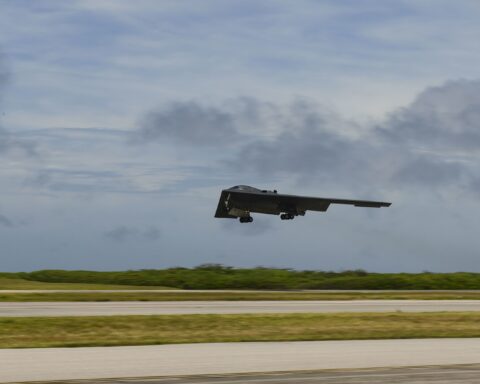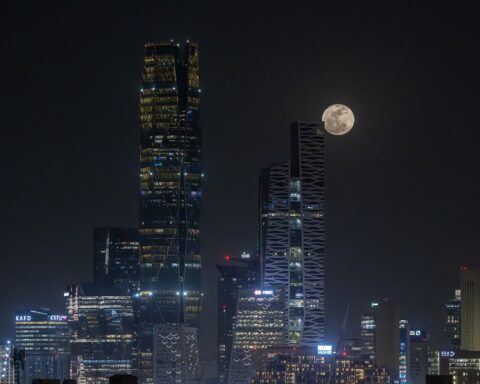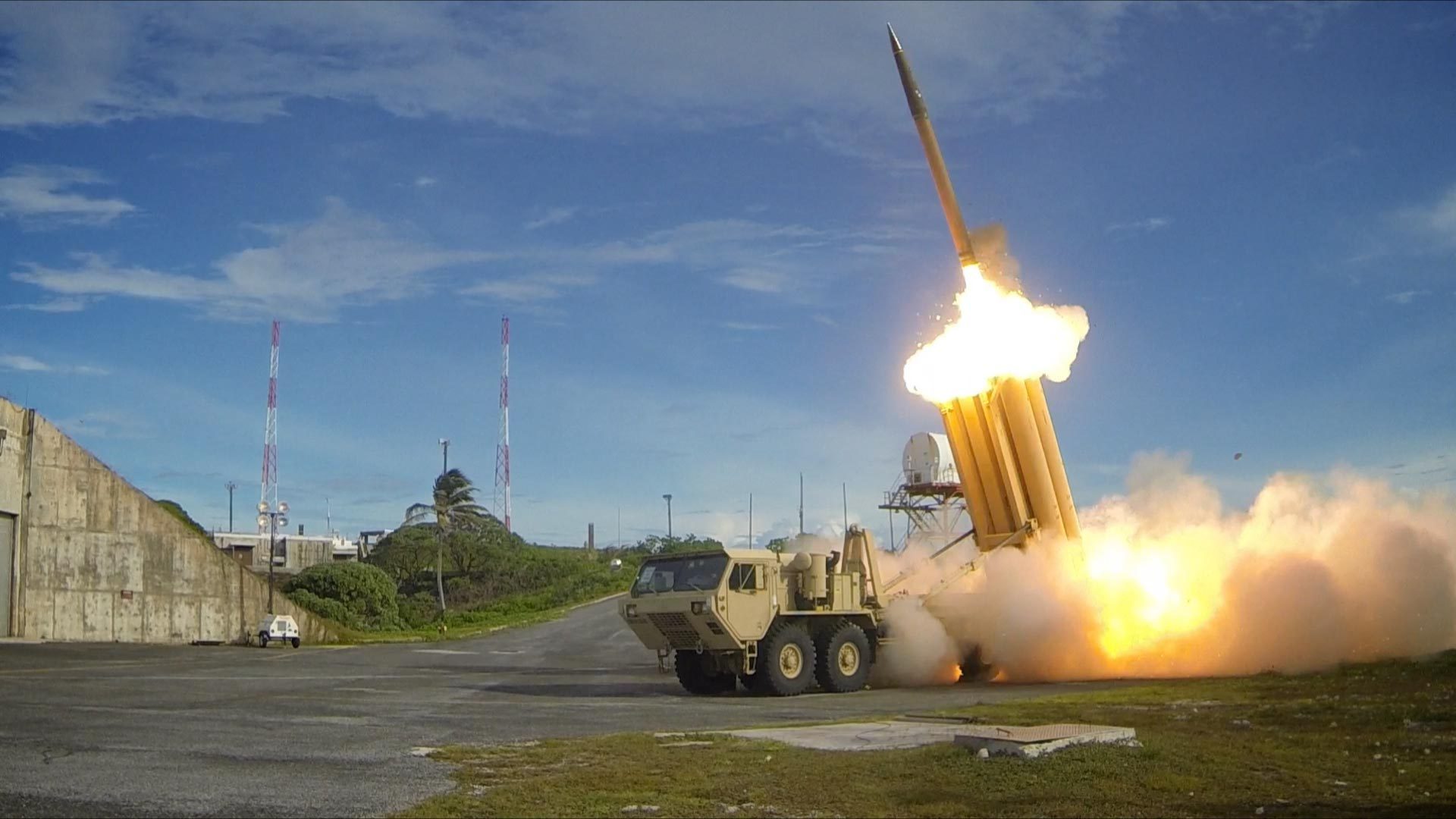

RIYADH — The Houthis have applied a systematic targeting sequence against Saudi Arabia since July 2026, moving from maritime blockades through oil infrastructure to civilian airports and military airfields. Saudi Arabia has expended approximately 2,000 THAAD and Patriot interceptors defending against the campaign — a rate of consumption that defence analysts say far exceeds the pace of resupply.
The escalation follows a pattern that the Center for Strategic and International Studies documented in years of historical data: each target shift came after the previous category yielded diminishing returns. In the current campaign, the logic has produced strikes that killed 20 people at Saudi airports between 6 and 11 October alone (BBC, 2026-10-11), hit the Aramco headquarters in Dhahran, and reached King Khalid Air Base in Khamis Mushait, the kingdom’s main military airfield in the south.
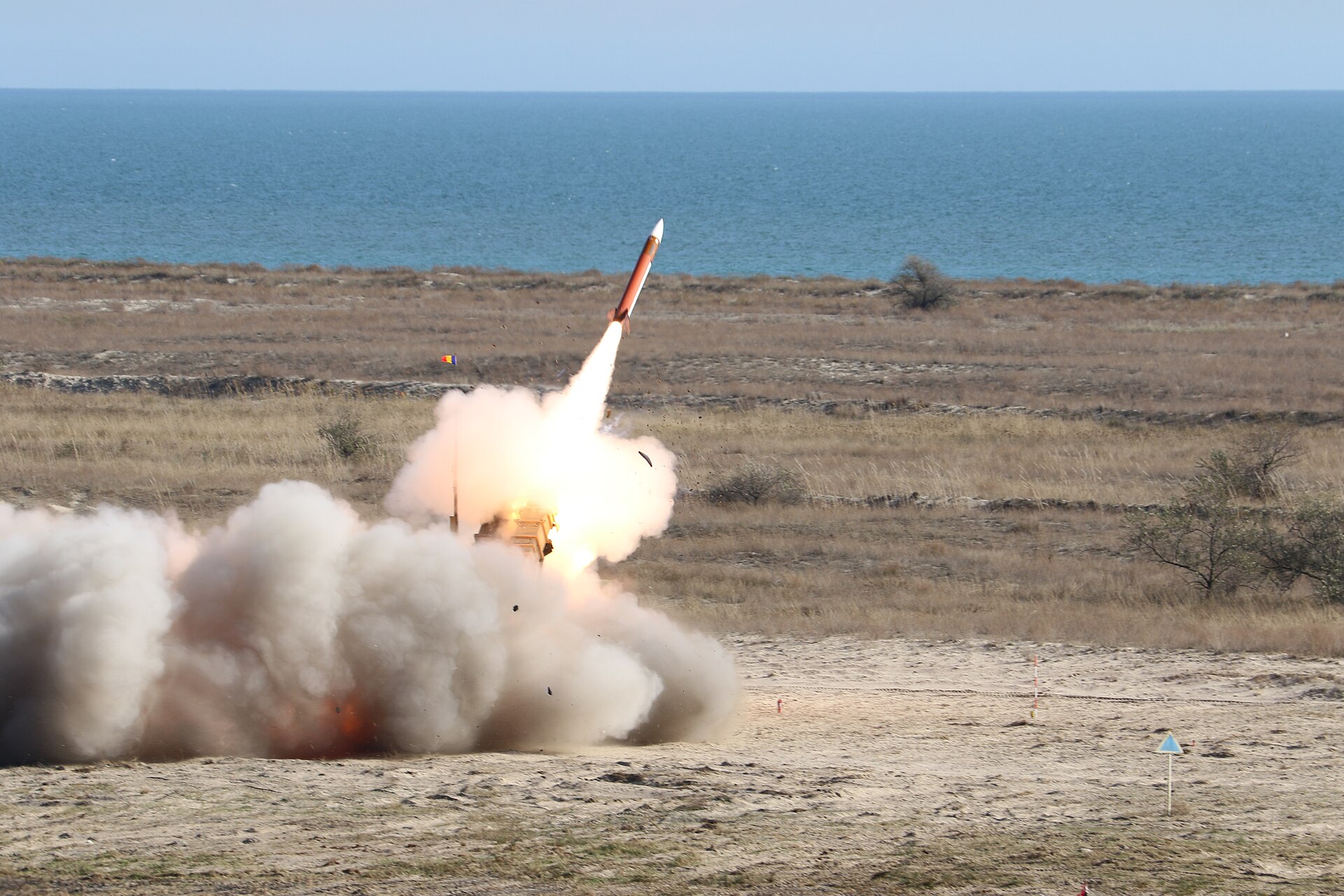
The structural problem is the exchange rate. The attacker’s supply chain produces faster than the defender can reload. Saudi Arabia’s layered air defence was designed for short-salvo threats from state adversaries, not a sustained multi-vector campaign from a non-state actor backed by an industrial-scale production capability.
The House of Saud Daily Briefing
Saudi Arabia's news in 3 minutes, every morning. Free. See today's issue
Table of Contents
- How Have the Houthis Sequenced Their Targeting Since July 2026?
- The Maritime Phase — Bab el-Mandeb and Hormuz
- What Did the Airport and Oil Strikes Cost Saudi Arabia?
- Can Saudi Air Defence Absorb an Indefinite Attrition Campaign?
- Iran’s Offensive Doctrine and the Houthi Supply Chain
- What Target Categories Remain Untouched?
- The Coalition Response and Its Limits
- Frequently Asked Questions
How Have the Houthis Sequenced Their Targeting Since July 2026?
The Houthis have moved through at least four target categories since July 2026 — maritime routes, oil infrastructure, civilian airports and military bases. The progression mirrors the pattern CSIS identified in five years of historical data, where each shift followed the point at which the prior target set began yielding diminishing returns.
The logic has a stated rationale. Abdul Malik al-Houthi, the group’s leader, declared in July that Saudi Arabia’s oil sector is “a principal source of financing for Saudi military operations against Yemen” (Kurdistan24/Al Bawaba, July 2026). By framing energy, aviation and military infrastructure as a single system — one that funds, supplies and projects the Saudi war effort — the Houthis gave themselves a doctrinal justification for moving from one category to the next.
Houthi military spokesman Yahya Saree reinforced that framework on 11 October, when he declared Saudi airspace “unsafe” for commercial airlines and warned that airports and oil facilities would remain targets — while exempting airports serving Mecca and Medina from attack (Middle East Monitor/GNA via dpa, 2026-10-11). The exemption was itself a signal: it demonstrated targeting discipline and implied that the campaign follows a deliberate set of choices, not an indiscriminate bombardment.
CSIS researchers described the Houthi method as “an increasingly intense irregular warfare campaign” in a December 2021 report that tracked 4,103 attacks across Saudi Arabia, Yemen and Gulf maritime targets from January 2016 to October 2021. The researchers found a consistent pattern: military sites first, from 2015; critical infrastructure from 2016; maritime assets near Bab el-Mandeb from 2016 onward. Each expansion came when the previous target set drew effective Saudi countermeasures, forcing the Houthis to seek new pressure points.
The 2022 UN-brokered truce had held for four years before the Houthis broke it in July, a duration that gave Saudi Arabia confidence in a diplomatic path and may have led to a drawdown in readiness for the kind of attrition campaign now underway (BBC, 2026-10-11). The truce years were the period in which Riyadh pivoted toward Vision 2030 investments, entertainment events and diplomatic hosting — precisely the soft infrastructure now under threat.
The compression matters. What took years of gradual escalation in the 2016–2021 period has unfolded in months. Faster cycling through target categories means less time to adapt defences, replenish stocks and develop countermeasures for each new threat type before the next one arrives.
The Maritime Phase — Bab el-Mandeb and Hormuz
The campaign opened at sea. The Houthis declared a maritime blockade of Saudi Arabia in July 2026, breaking the UN-brokered truce that had held since 2022 (BBC, 2026-10-11). The immediate effect fell on the Red Sea. Saudi crude loadings at Yanbu — the kingdom’s primary Red Sea export terminal — fell from approximately 3.8 million barrels per day to 1.5 million bpd by August, according to Kpler data cited by BigOceanData and Lloyd’s List. Average daily vessel transits through Bab el-Mandeb dropped to roughly 40.8 for the January–August period, approximately half the pre-crisis level (BigOceanData, 2026-09).
The Strait of Hormuz, controlled by Iran, compounded the pressure. CENTCOM reported that 135 ships had been turned around since the Hormuz blockade began on 14 July (CBS News, 2026-10-10). With both the Red Sea route constrained by Houthi attacks and the Persian Gulf route disrupted by the Iranian blockade, Saudi Arabia’s export capacity contracted sharply. The IEA said Saudi crude shipments fell to 6 million bpd in August, while output dropped 2.6 million bpd (Trend, 2026-09-14).
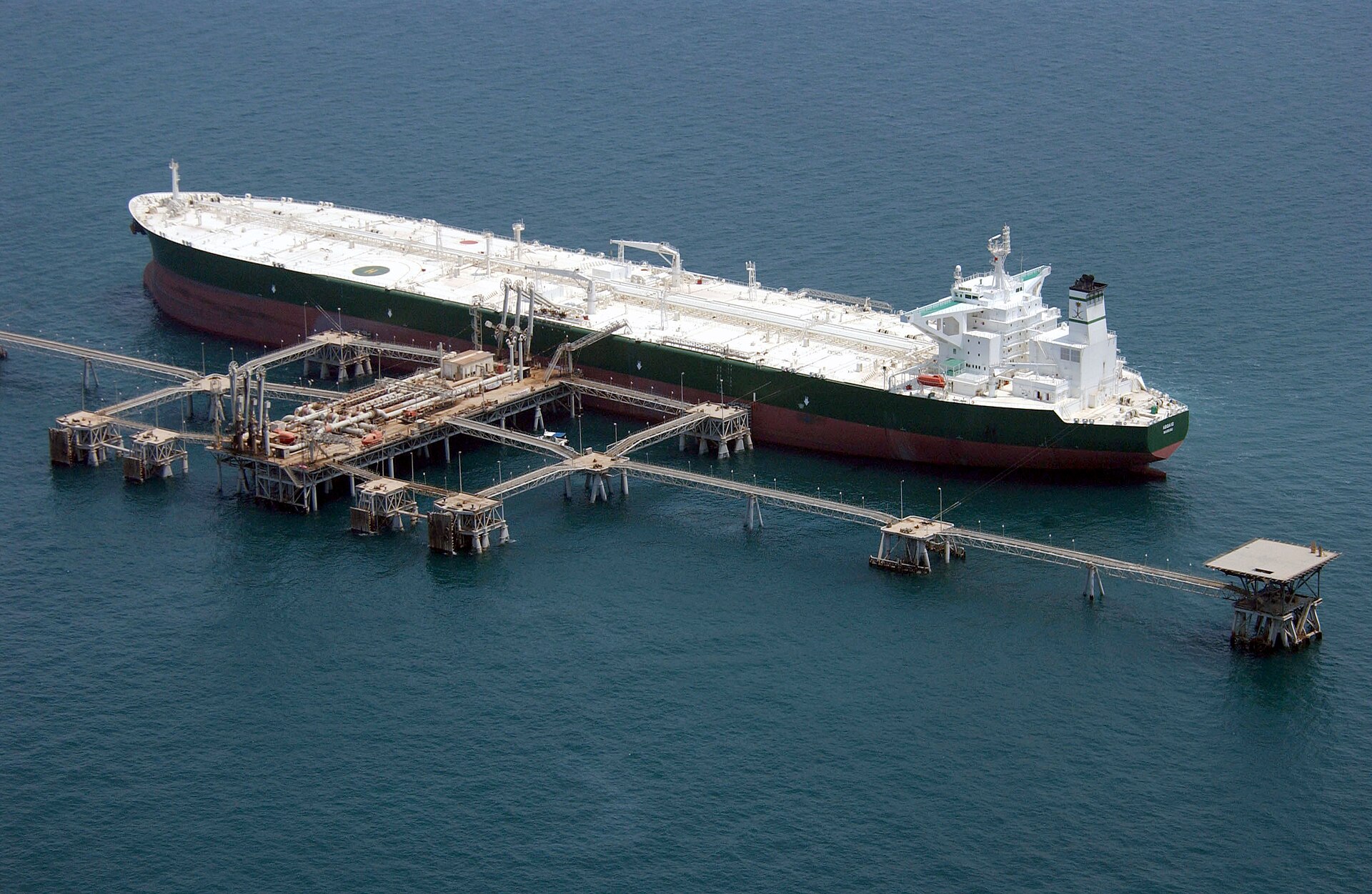
Saudi Arabia attempted to bypass the maritime chokepoints through its East-West pipeline, which connects the Gulf coast oilfields to Yanbu. The pipeline was suspended as a precaution on 12 September and restarted on 22 September, but full capacity could take six weeks or more (Saudi Gazette via Zawya, 2026-09-25). The pipeline — with a design capacity of approximately 7 million bpd (Saudi Gazette via Zawya, 2026-09-25) — was itself a target in a campaign the Houthis said would continue against energy infrastructure (Middle East Monitor/GNA via dpa, 2026-10-11).
The commercial impact preceded the military one. Gulf-to-China VLCC rates reached $1.2 million per day, against approximately $80,000 a year earlier (bdnews24/LSEG, 2026-10-05) — a premium that priced Saudi crude out of some Asian markets even before the loading reductions took effect. Aramco cut its November Asian crude prices by $3, to $5 below Oman/Dubai — the widest discount since June 2020 (bdnews24/Reuters, 2026-10-05). The discount reflected not generosity but a buyer’s market for crude that could not reach its customers.
By late September, Brent crude had briefly topped $108 a barrel (Al Jazeera, 2026-09-25), pricing in the disruption to Saudi supply. The maritime chokepoints and the pipeline backstop were under simultaneous pressure — and the Houthis had not yet struck a single airport.
What Did the Airport and Oil Strikes Cost Saudi Arabia?
The human and economic toll of the Houthi campaign’s shift to airports and oil infrastructure accumulated in weeks, not months. The chronology, mapped in the table below, documents a campaign that began at KKIA and Abha on 6 October and reached the Eastern Province by 21 October.
The 10 October strike on King Khalid International Airport was the deadliest single attack. Al Jazeera reported 12 killed and 309 wounded; the BBC put the injured figure at 308 (Al Jazeera, 2026-10-10; BBC, 2026-10-11). An Indian victim’s death raised the toll to 13 (BBC, 2026-10-11). Among those killed in earlier strikes, on 8 October, was Saudia captain Hamoud Ali Al Kalthami (GDN, 2026-10-09). A day later, a strike on Terminal 4 killed a Pakistani resident and injured 11, while Dammam airport was also attacked (CNN, 2026-10-11).
The following table maps the progression from maritime targets through oil to the military airfield phase, using confirmed figures from named sources. Each entry is drawn from the source cited in the rightmost column.
| Date | Target | Category | Confirmed Outcome | Source |
|---|---|---|---|---|
| July 2026 | Red Sea shipping lanes | Maritime | Yanbu loadings fell from ~3.8M to 1.5M bpd by August | Kpler/BigOceanData |
| 12 Sept | East-West pipeline | Oil infrastructure | Suspended; restarted 22 Sept | Saudi Gazette/Zawya |
| 14 Sept | King Khalid Air Base, Khamis Mushait | Military airfield | Houthis claimed hits; Saudi Arabia no comment | migflug.com |
| 26 Sept | King Khalid Air Base, Khamis Mushait | Military airfield | 2 ballistic missiles intercepted | migflug.com/coalition statement |
| 1 Oct | Medina power station | Power grid | Transformer knocked out; Houthis denied | GDN |
| 6–7 Oct | KKIA and Abha airport | Civil aviation | 3 killed, 36 wounded | BBC |
| 8 Oct | KKIA | Civil aviation | 3 killed incl. Saudia captain | GDN |
| 10 Oct | KKIA | Civil aviation | 13 killed, 308–309 wounded | Al Jazeera; BBC |
| 11 Oct | KKIA Terminal 4; Dammam airport | Civil aviation | 1 killed, 11 injured | CNN |
| 14 Oct | Aramco Dhahran HQ | Oil infrastructure | “Limited fire”, 4 injured | BBC |
| 21 Oct | King Fahd International Airport | Civil aviation | 2 killed, 8 injured | Reuters/Al Jazeera |
| 21 Oct | Shaybah oilfield | Oil infrastructure | 2 workers killed, 2 injured | The National |
The King Fahd International Airport attack on 21 October pushed the campaign into the Eastern Province — Aramco’s operational heartland. GACA initially reported one killed and eight injured; the toll was later revised to two dead (Reuters/Al Jazeera, 2026-10-21/22). At Shaybah, in the Rub’ al Khali desert near the UAE border, drone debris killed two workers — a Filipino and a Nepali national — and injured two others, though the Saudi Energy Ministry said there was “no impact on operations at the oilfield” (The National, 2026-10-21).
Commercial aviation damage compounds the human toll. GACA confirmed that a parked Saudia aircraft was damaged in the 8 October KKIA strikes but did not specify the aircraft type (GDN, 2026-10-09). Airlines subsequently evacuated fleets from Riyadh — a precaution that itself signalled to every international carrier that the kingdom’s capital was not a safe operating environment.
The economic damage extends beyond casualty figures. Saudi Arabia’s pre-budget statement, published on 30 September, raised the 2026 deficit estimate to 245 billion riyals — up from a budgeted 165 billion — and forecast real GDP falling 3.6 per cent in 2026 on a 21.8 per cent drop in oil activities (Reuters via Zawya, 2026-09-30). The European Council postponed the EU-GCC summit, originally scheduled for 24 October in Riyadh, on 15 October with no new date (European Council, 2026-10-15). The Future Investment Initiative — the crown prince’s flagship investor event — was pushed to 2027 (Khaleej Times/Reuters, 2026-10-19).
Aramco evacuated its Dhahran headquarters after the Saudi Energy Ministry confirmed a “limited fire” there on 14 October, with four people injured (BBC, 2026-10-14). The “limited fire” language was the ministry’s own characterisation. Satellite imagery and press photographs showed smoke over the Dhahran complex.
For travellers, the disruption has been immediate. EASA widened its Saudi airspace warning (Fortune, 2026-10-09), and governments including the United States, United Kingdom and Australia issued advisories warning their citizens. The UK advises against all travel within 10km of the Yemen border (BBC, 2026-10-11). Riyadh’s King Khalid International Airport was closed after the 10 October strike and reopened on 18 October to prior-permission flights only.
Can Saudi Air Defence Absorb an Indefinite Attrition Campaign?
Saudi Arabia held more than 1,800 Patriot interceptors before the current escalation, according to The National (2026-10-13). Approximately 2,000 THAAD and Patriot interceptors have been fired across the theatre this year, the same report stated, meaning Saudi Arabia has already consumed its pre-war Patriot stock and drawn on THAAD reserves and coalition contributions. Analysts cited by The National estimated that replenishing interceptor stockpiles could take up to 30 months.
“Thaad and Patriot are not available in quantity and we’re seeing leakage.”
Dr Lynette Nusbacher, former military intelligence officer, speaking to The National (2026-10-13)
Nusbacher added that defence planners had not anticipated “profligate use of high-value, exquisite air defence systems” in a war “lasting more than a few weeks.” Francis Tusa, a military analyst at Defence Eye, was blunter: “The generals have told Trump that ‘we haven’t got the rounds left'” (The National, 2026-10-13). Robert Tollast of RUSI warned of the allocation dilemma — “putting so much resource into interceptors around that facility that you leave other critical areas uncovered” (The National, 2026-10-13).
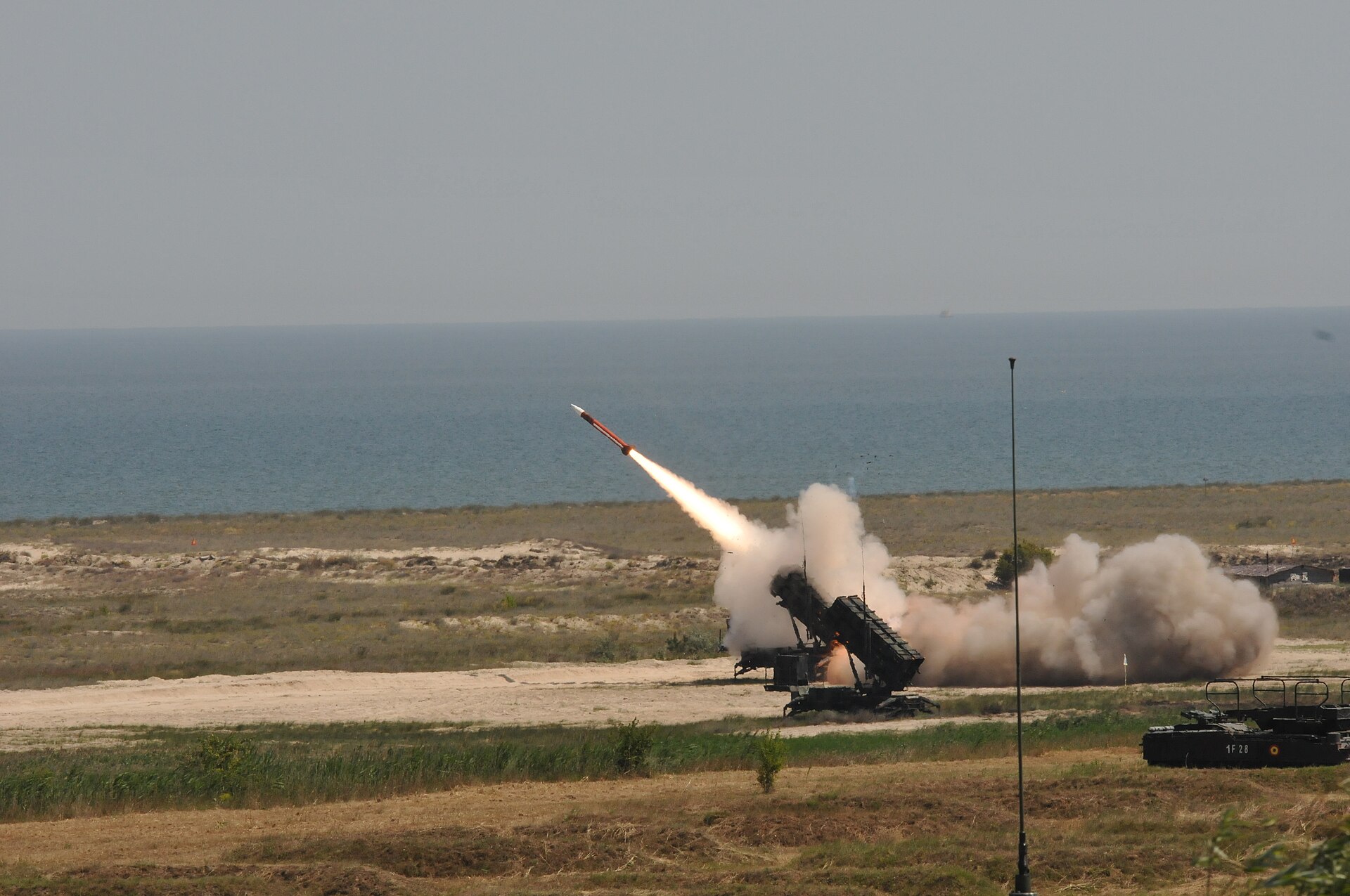
Not everyone agrees the picture is terminal. Nawaf Obaid of King’s College London told The National that “Saudi Arabia does not lack air defences.” But a researcher at the same institution offered a qualification that undercuts that confidence: “No existing system, including those protecting the United States, can guarantee the interception of repeated, simultaneous attacks involving ballistic missiles, cruise missiles and drones” (The National, 2026-10-13).
The 2019 Abqaiq-Khurais attack demonstrated the practical limits. A combined drone and cruise missile strike — widely attributed to Iran, though the Houthis claimed it — bypassed Saudi Patriot batteries and knocked out half of Aramco’s processing capacity. The current campaign has multiplied that threat across time, geography and weapon type. The interceptor stockpile depletion compounds a cost problem that CSIS flagged in its 2021 analysis: each Patriot PAC-3 interceptor costs approximately $4 million, while a British Starstreak missile runs about £100,000 — and the Houthi drones and cruise missiles they are used against cost orders of magnitude less (The National, citing Tusa/RUSI, 2026-10-13; CSIS, 2021).
Precedent from other theatres reinforces the sustainability concern. In the 2020 Nagorno-Karabakh war, Azerbaijan’s drone campaign demonstrated what one open-source analyst described as “the failure of a wide array of air defence systems… to stop the onslaught of drones” (Oryx Spioenkop, 2021). The Armenian systems in that conflict were older Soviet hardware, not comparable to Saudi Arabia’s modern layered architecture — but the principle of attrition through saturation applies regardless of the generation of hardware the defender operates.
The Houthis do not need to defeat the system. They need to exhaust it — or force Saudi planners into allocation choices that leave some targets uncovered. Tollast’s warning pointed at precisely that dynamic: the more Saudi Arabia concentrates interceptors around Aramco facilities, the thinner the coverage over airports, cities and military bases elsewhere.
Iran’s Offensive Doctrine and the Houthi Supply Chain
The Houthi campaign does not exist in isolation from Tehran’s military posture. In early October, Major General Abdolrahim Mousavi, Iran’s Chief of Staff, told state media that Iran’s Defence Council no longer limits the country to responding only after an attack — describing what he called a “revised defense doctrine” (MEI, 2026-10-08). The shift from a stated defensive posture to an explicitly offensive one reframes the Houthi campaign: it is not merely a proxy action by a Yemeni militia but an expression of a declared Iranian strategic framework.
The supply chain is the critical enabler. IRGC adviser Naghdi’s August statement — that ballistic missiles are being produced faster than they are fired (Tabnak/Iranian state media, 2026-08-12) — implies that the Houthis face no immediate constraint on the weapons available to them. If production outpaces consumption, the Houthis can sustain the current tempo indefinitely, or accelerate it. The defender, by contrast, faces a 30-month replenishment timeline.
Iranian state media carried the army’s doctrinal announcement prominently across IRIB, Tasnim and Fars — indicating a coordinated public messaging decision, not a bureaucratic leak. The message to Saudi planners was explicit: Iran no longer considers itself limited to retaliatory action. The Houthi campaign, in this framing, is an offensive campaign conducted under the umbrella of a declared Iranian strategic doctrine.
“A reckless gamble… not in their interest.”
Abdulsamad Elfgeeh, Al Jazeera (2026-10-14), describing the Houthi escalation as serving “Iran’s agenda that seeks heightened tensions before the United States midterms”
That reading — that the campaign’s tempo is set in Tehran, not Sana’a, and calibrated to the American electoral calendar — connects the targeting logic to a timeline that has nothing to do with Yemen. Trump said on 8 October that the US “will not be attacking Iran at any time prior to the midterm elections” on 3 November (The National, 2026-10-08). The Houthis have intensified the campaign precisely within the window in which the most powerful potential Saudi ally has publicly ruled itself out.
What Target Categories Remain Untouched?
If the Houthi targeting logic follows the source-of-power sequence — maritime routes, then energy, then transport, then military — the gaps in the campaign are as telling as the strikes. Several categories of Saudi critical infrastructure have not been targeted, or have been struck only once, as of late October 2026.
The power grid has been tested. A drone knocked out a transformer at a Medina power station serving the Prophet’s Mosque on 1 October — an attack attributed to the Houthis, though the group denied it (GDN, 2026-10-01). The Saudi electricity grid relies on a relatively small number of high-capacity generation and desalination plants along the Gulf coast — the same eastern littoral that hosts Aramco’s Dhahran headquarters, the Ras Tanura terminal and the Shaybah oilfield, all of which have already been struck or probed.
Desalination is the most sensitive gap. Saudi Arabia depends on desalination plants — concentrated along the Gulf coast — for much of its drinking water, and those facilities sit within range of the same weapons used in the airport and oil strikes. No Houthi attack has targeted a desalination facility. Whether that restraint reflects a deliberate choice — perhaps linked to the Mecca and Medina exemption that implies some humanitarian limits — or a matter of sequencing is not publicly known. No Houthi or Iranian official has discussed desalination targeting, and treating the absence of attacks as a permanent guarantee would be a planning error.
Financial infrastructure in Riyadh — the King Abdullah Financial District, the Saudi Central Bank complex — has also been untouched. But the forced postponement of FII and the EU-GCC summit suggests the Houthis are achieving economic disruption through aviation and energy strikes without needing to target financial centres directly. The damage flows through investor confidence, credit assessments and oil market volatility rather than through direct infrastructure destruction.
The pattern so far suggests the Houthis are applying pressure on categories that generate international media coverage and investor alarm — airports and oil — rather than those that would cause maximum civilian suffering. That distinction may not hold. CSIS found that each prior target expansion was driven by strategic calculus, not humanitarian restraint, and the Medina power station strike on 1 October may already represent the beginning of a new phase.
The Coalition Response and Its Limits
Saudi Arabia has assembled a coalition response to the Houthi campaign, but its components face timelines and constraints that do not match the pace of the threat. France confirmed the deployment of air defences, troops and radars to protect Yanbu (Al Jazeera, 2026-09-25). Pakistan has deployed approximately 8,000 troops (Reuters). Saudi Defence Minister Prince Khalid bin Salman announced on 5 October that the Mecca pact committee had agreed to “activate collective deterrence measures… in response to the attacks and all those responsible for them” (Al Jazeera, 2026-10-06).
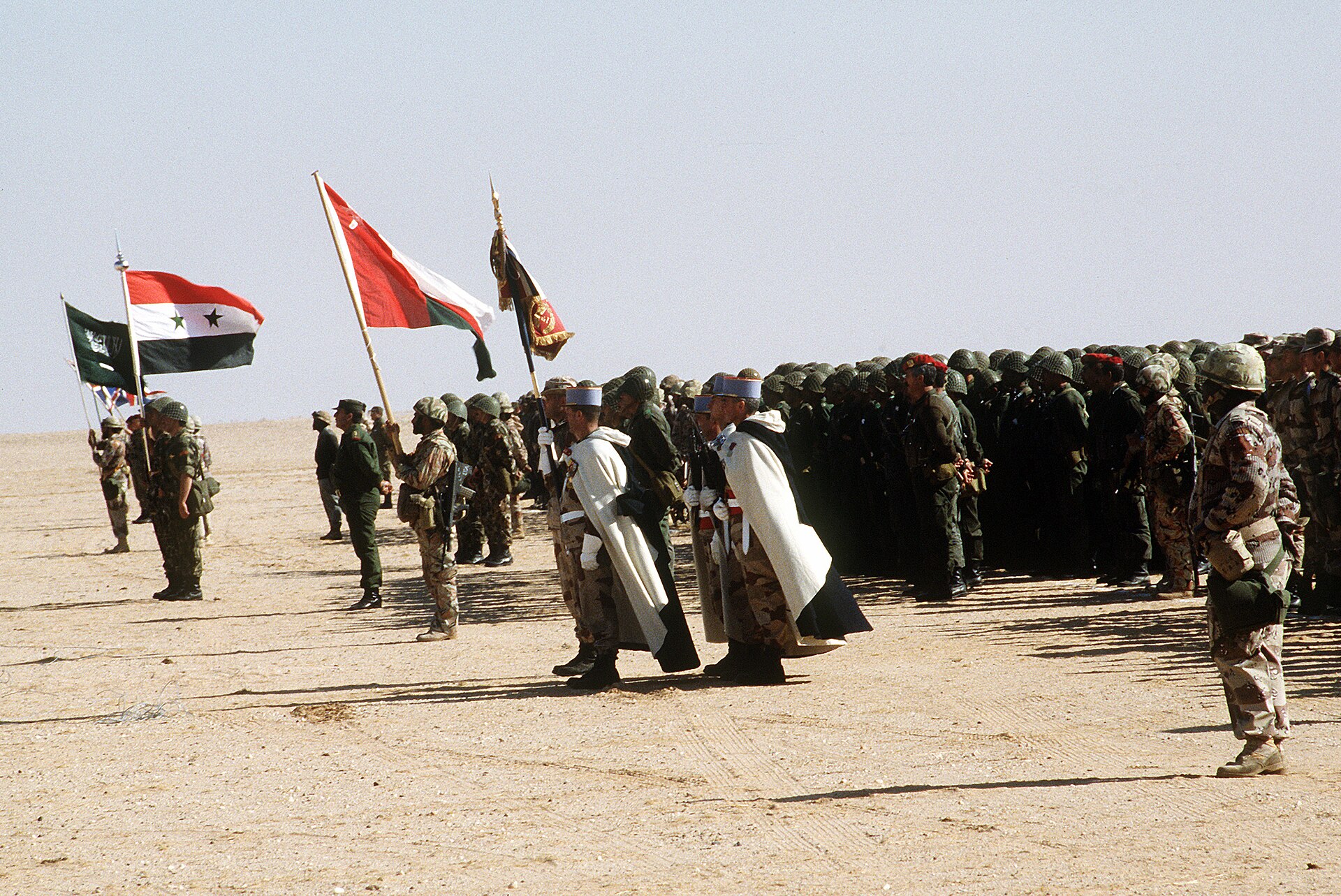
The most conspicuous constraint is American. CNN reported that Crown Prince Mohammed bin Salman made two direct appeals to Trump in September for US strikes on the Houthis; both were declined (CNN, 2026-10-10). Washington has offered intelligence support — CNN reported more than 100 US military advisers sent under a new joint command (CNN, 2026-10-11) — and the State Department approved a possible $24.3 billion sale of 48 F-35As (The Aviationist, 2026-09-17). Secretary Rubio said “we intend to live by” the US–Saudi defence agreement (The National, 2026-10-05), but Trump’s response to the 10 October airport strike — “They’re able to defend. The Saudis are good fighters” (CNN, 2026-10-10) — fell short of the decisive intervention the crown prince had sought.
The domestic response has extended beyond the military. Grand Mufti Saleh al-Fawzan issued a rare call for troops to defend the kingdom (CP24/AP, 2026-09-25) — a religious invocation that underlined the severity of the moment. Riyadh schools moved to online instruction for a week without official explanation (The National, 2026-09-28). The coalition’s European members have contributed air defence assets, but the fundamental arithmetic remains Saudi Arabia’s to manage: it is the primary consumer of interceptors, the primary target of the campaign, and the party whose infrastructure absorbs the strikes that get through.
France can protect Yanbu. Pakistan can guard specific installations. Neither addresses the systemic depletion of Saudi interceptor stocks across a campaign that now spans the Red Sea coast, the Gulf coast, the capital and the southern border. Britain sent an RAF Voyager tanker (The National, 2026-09-22) — a gesture toward air operations that stops short of combat air patrols or strike sorties. Turkey’s parliament has not ratified the Mecca pact (Al Jazeera, 2026-10-06). CNN reported that Saudi Arabia had ended its partnership with the UAE “late last year” over Abu Dhabi’s backing of a rival Yemeni force (CNN, 2026-10-10), further complicating Gulf coordination.
The $24.3 billion F-35 sale has not yet cleared congressional review (The Aviationist, 2026-09-17). The aircraft, when they arrive, will be offensive platforms — designed to strike targets, not intercept incoming missiles — and the interceptor deficit will remain regardless of what flies overhead.
Frequently Asked Questions
What air defence systems does Saudi Arabia operate?
Saudi Arabia operates a layered architecture built around THAAD (Terminal High Altitude Area Defense) batteries for high-altitude ballistic missile threats and Patriot PAC-2 and PAC-3 systems for lower-altitude intercepts of ballistic missiles, cruise missiles and some drones. THAAD was deployed to Saudi Arabia under a bilateral arrangement with the United States. France has separately deployed its own air defences at Yanbu (Al Jazeera, 2026-09-25). The system was designed to intercept discrete salvos from state adversaries; its ability to sustain continuous multi-vector engagements over months has not been tested before this campaign.
Has Saudi Arabia received emergency interceptor resupply in 2026?
No confirmed emergency resupply of Patriot or THAAD interceptors has been reported as of late October 2026. Analysts cited by The National estimated that replenishing interceptor stockpiles could take up to 30 months — a timeline set by production rates that were fixed well before the current escalation began (The National, 2026-10-13). The $24.3 billion F-35 sale approved in September covers airframes, not additional interceptor stocks.
How far can Houthi missiles and drones reach?
Houthi weapons have demonstrated the ability to reach targets across Saudi Arabia. Ballistic missiles have struck Riyadh, more than 1,000 kilometres from Houthi-held territory in Yemen. Drones reached Shaybah in the Rub’ al Khali, deep in the Saudi interior beyond Riyadh’s latitude. The Houthis have described their weapons as ballistic missiles (Al Jazeera, 2026-10-09) and cruise missiles (GDN/Reuters, 2026-10-09); they also deploy long-endurance drones that fly at low altitude to avoid detection by systems optimised for ballistic intercepts.
Have the Houthis attacked Mecca or Medina?
The Houthis explicitly exempted airports serving Mecca and Medina from their declared targeting (Middle East Monitor/GNA, 2026-10-11). A drone did knock out a transformer at a Medina power station on 1 October, though the Houthis denied responsibility (GDN, 2026-10-01). The Saudi-led coalition said it intercepted a drone heading for Makkah on 16 September, which the Houthis also denied (Khaleej Times, 2026-09-22). The exemption, if observed, would suggest the Houthis calculate that attacking Islam’s holiest cities would cost more in legitimacy than it would gain in military pressure — a restraint driven by strategic calculation rather than capability limits.
The House of Saud Daily Briefing
Saudi Arabia's news in 3 minutes, every morning. Free. See today's issue