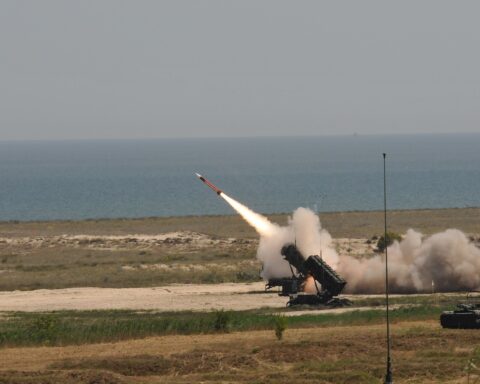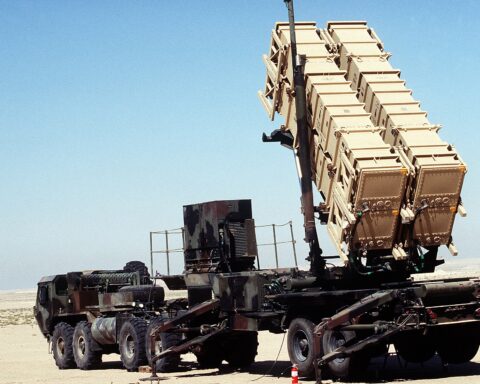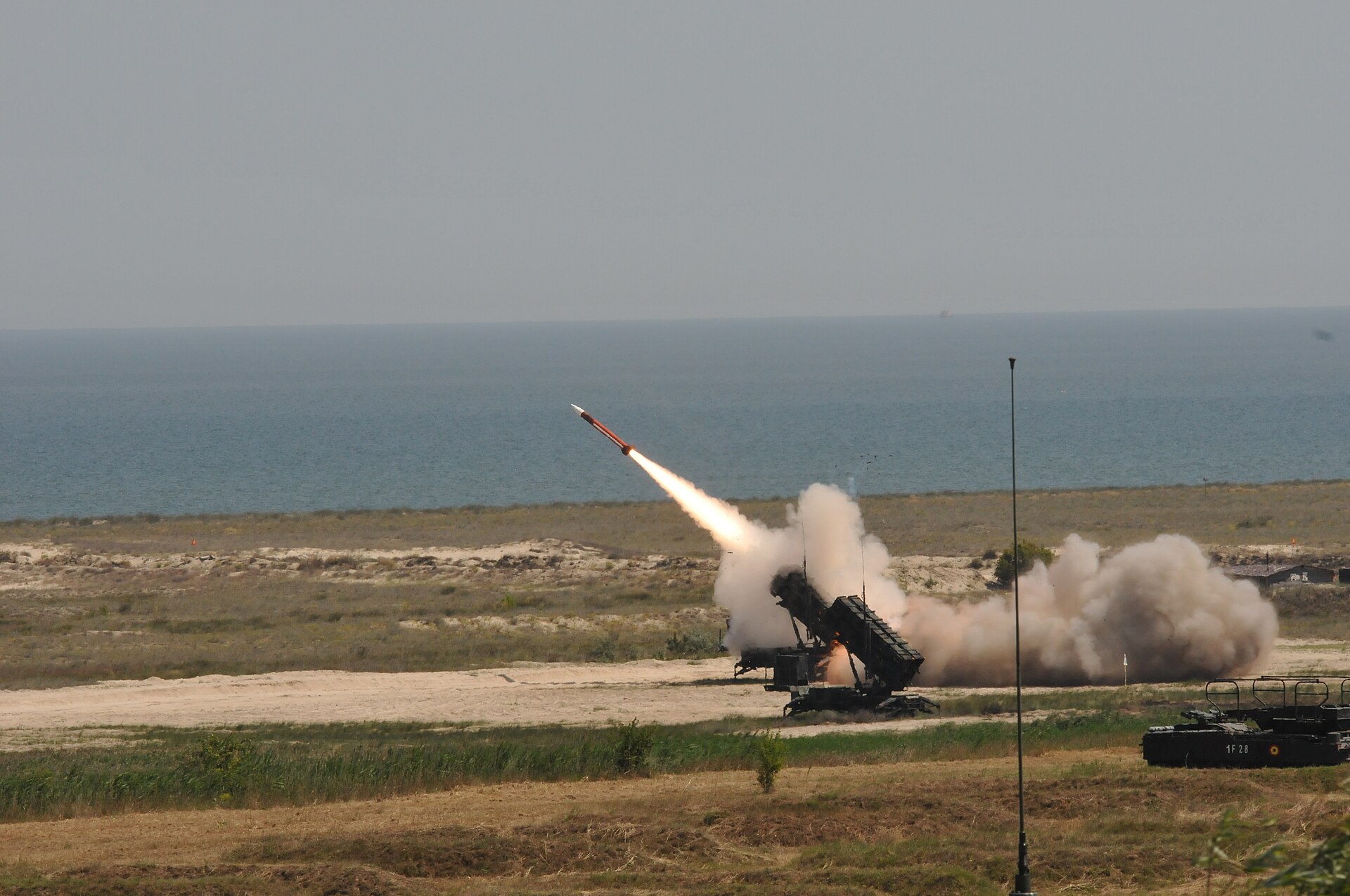

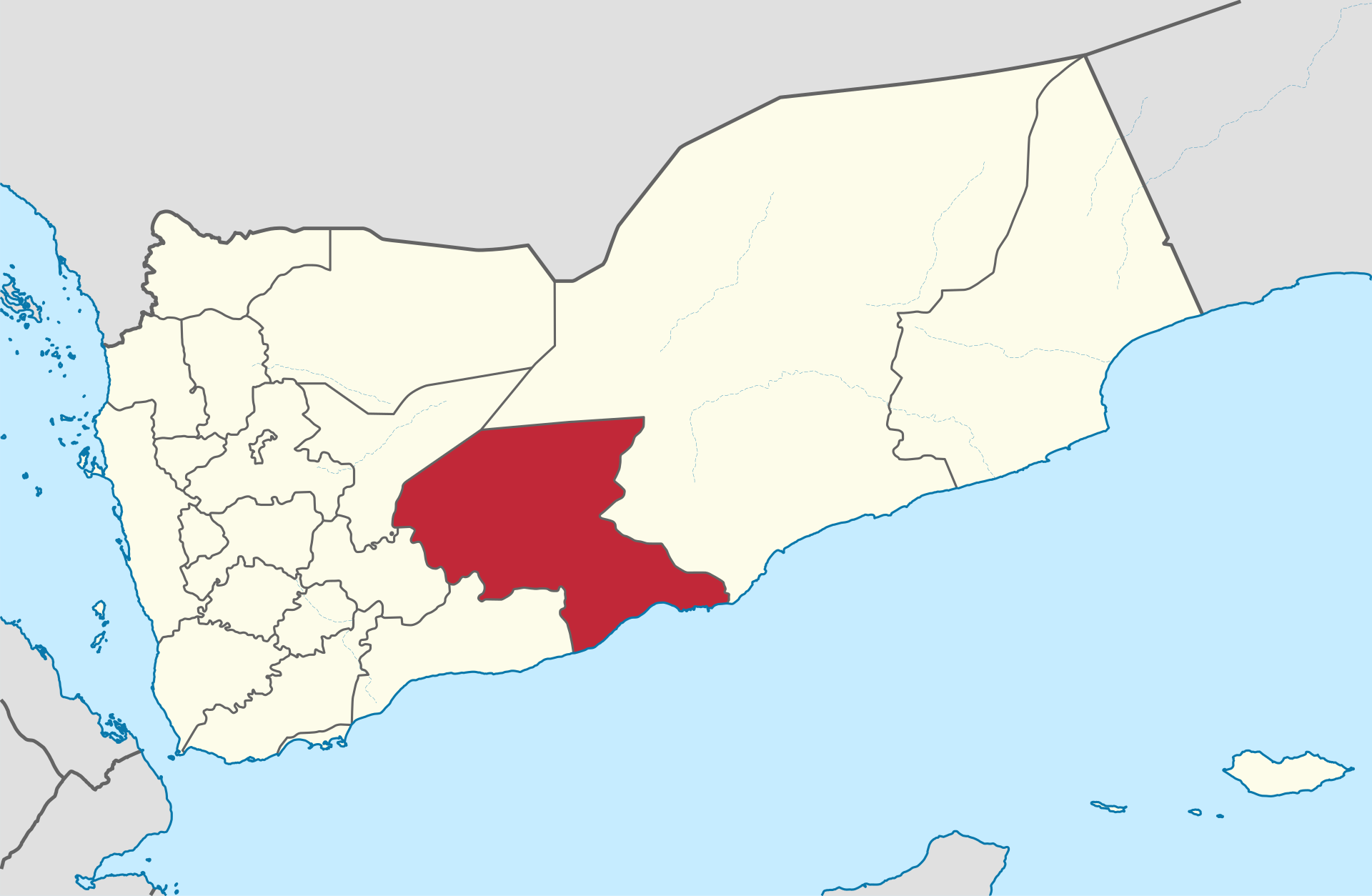
SANAA — Three Houthi ballistic missiles struck a coalition training camp in southern Yemen on 19 October 2026, killing 77 people and wounding 195, according to the Shabwa governor’s office — the deadliest single attack since the civil war reignited in July, The Guardian reported. The Wall Street Journal reported on 25 October that the recruits “had just gathered” for a drill when the missiles hit the Martyr Ahmed al-Sulaimani Training Centre in Jardan district, Shabwa Governorate — a strike the newspaper said exposed “tactical and intelligence weaknesses” in the Saudi-led coalition.
The dead were new recruits for a unit called “Rapid Intervention,” a local security force whose members the Shabwa governor described as “newly recruited security personnel, not combatants,” according to Al Jazeera. The death toll climbed from an initial 18 on the day of the attack to 53 the same evening, then to 73 killed and 14 missing in a Reuters tally, before reaching 77 killed and 195 wounded in a statement from the Shabwa governor’s office on 25 October, as reported by The National News. The missiles were not intercepted.
Table of Contents
What Happened at the Shabwa Training Camp?
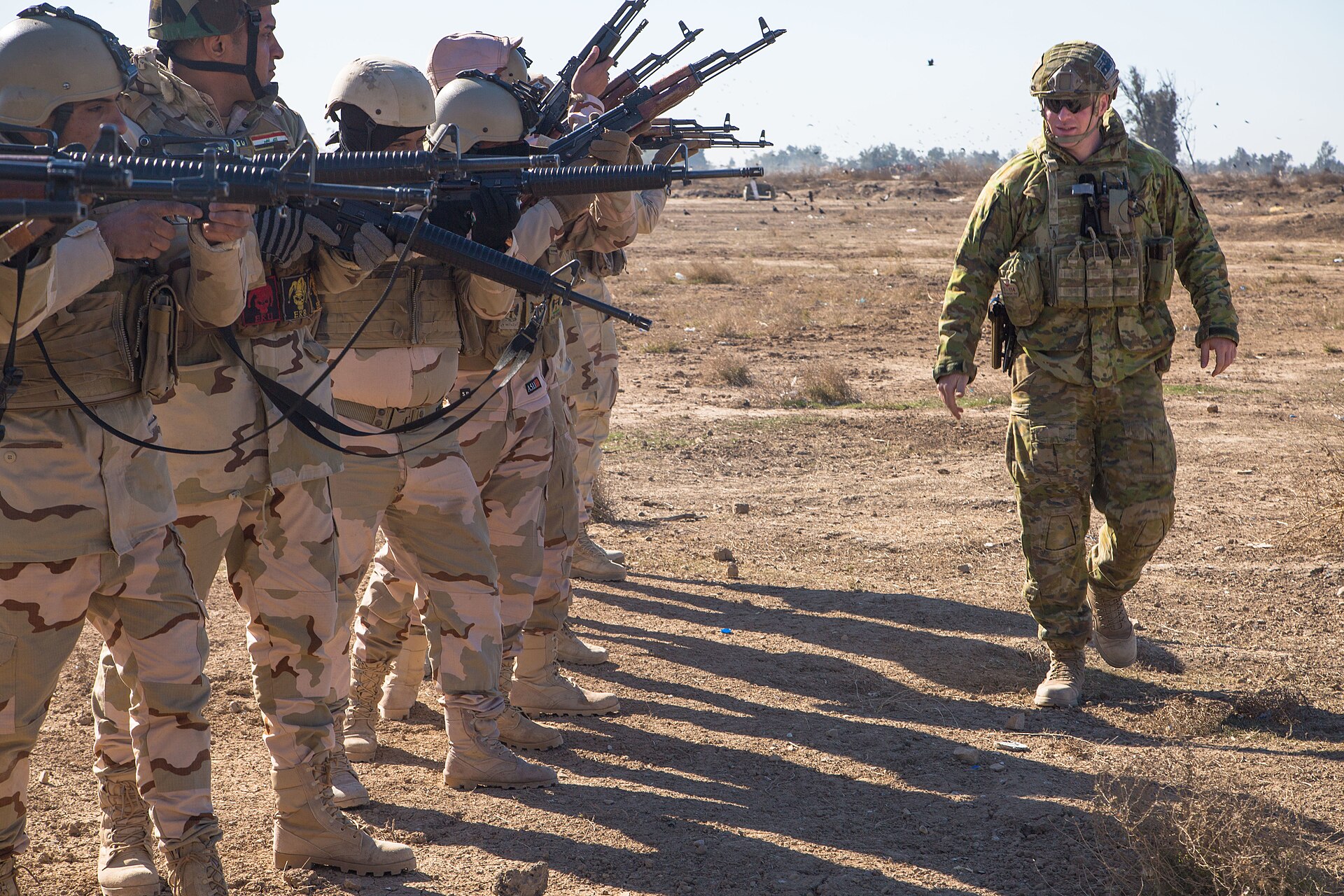
Three ballistic missiles hit the al-Alam camp in Jardan district, Shabwa Governorate, on 19 October while recruits were lining up for a training drill, according to Al Jazeera. The target was the Martyr Ahmed al-Sulaimani Training Centre, a facility that Yemen’s Information Minister Moammar al-Eryani called “a training center, not a military target,” and which he said made the strike a “war crime,” as reported by the Washington Times. The victims were members of a locally recruited security force called Rapid Intervention — not frontline troops, but men at the earliest stage of military preparation, assembled in the open and struck before any of them had seen combat.
The House of Saud Daily Briefing
Saudi Arabia's news in 3 minutes, every morning. Free. See today's issue
Houthi military spokesperson Yahya Saree claimed responsibility and said the camp was “run by Saudi officers” and that Saudi officers were among the dead, according to Al Jazeera. No independent source has confirmed either claim. Saree framed the strike as defensive, declaring that “anywhere with a Saudi-backed military presence will be considered a legitimate target,” Al Jazeera reported. The distinction matters: if Houthi intelligence was precise enough to time the strike to coincide with a formation drill, it suggests surveillance capabilities that extend well beyond what the coalition had assumed.
Yemeni Presidential Leadership Council chairman Rashad al-Alimi responded by saying that “targeting recruits reflects the Houthi militia’s approach of resorting to terrorist attacks when under pressure,” according to Al Jazeera. Shabwa governor Awad al-Wazir, who confirmed the dead were “newly recruited security personnel,” publicly requested air defence and early warning support from Saudi Arabia in the aftermath, Al Jazeera reported — a request that underscored how exposed coalition forces in southern Yemen remain even as the Saudi-led air campaign, Operation Dawn of Yemen, entered its third week.
Death Toll and Casualty Data
The casualty figures from Shabwa shifted rapidly in the hours and days after the strike, a pattern familiar from earlier incidents in this war where initial counts understated the scale. Al Jazeera’s first report put the dead at 18, a figure that rose to 53 killed and 200 injured in an update from the Shabwa local authority on the same day. Reuters, via The National News, reported 73 killed, 14 missing and more than 200 wounded on 19 October. By 25 October the Shabwa governor’s office had raised the toll to 77 killed and 195 wounded, as The National News reported, a figure that accounts for those who died of injuries in the intervening six days.
| Date | Source | Killed | Wounded / Missing |
|---|---|---|---|
| 19 Oct (initial) | Al Jazeera | 18 | — |
| 19 Oct (updated) | Shabwa local authority via Al Jazeera | 53 | 200 injured |
| 19 Oct | Reuters via The National News | 73 | 14 missing, 200+ wounded |
| 25 Oct | Shabwa governor’s office via The National News | 77 | 195 wounded |
The Guardian called the attack “the biggest single loss of life since the Yemen civil war reignited,” a framing that reflects its scale against the conflict’s other mass-casualty events. For comparison, the deadliest single strike against Saudi Arabia itself — the 10 October attack on King Khalid International Airport in Riyadh — killed 13 and wounded at least 309, according to Al Jazeera and Saudi civil aviation authorities. The Shabwa attack killed nearly six times as many people in a single volley, and the victims were not civilians caught in an airport terminal but military recruits assembled at a facility the coalition was supposed to control.
On 25 October, Yemeni forces arrested 13 alleged Houthi cell members in Shabwa and seized a truckload of smuggled weapons from the sea, according to The National News. Governor al-Wazir cited the 77-dead figure in the same statement — six days after the attack, the governorate was still dealing with both the aftermath and what appeared to be an active Houthi intelligence network operating inside territory nominally held by the coalition.
How Did the Missiles Get Through?
The missiles were not intercepted, and the WSJ framed the strike as evidence of “tactical and intelligence weaknesses” in the coalition’s posture. That framing raises two questions the coalition has so far declined to answer publicly: whether any early warning system covered the al-Alam camp, and how the Houthis acquired the timing and location data to strike during a formation drill. An anonymous military official told AFP that the Shabwa attack “might signal a coming Houthi offensive in Shabwah, similar to the Mokha offensive” — a warning that treated the strike not as an isolated event but as preparation for a broader ground campaign.
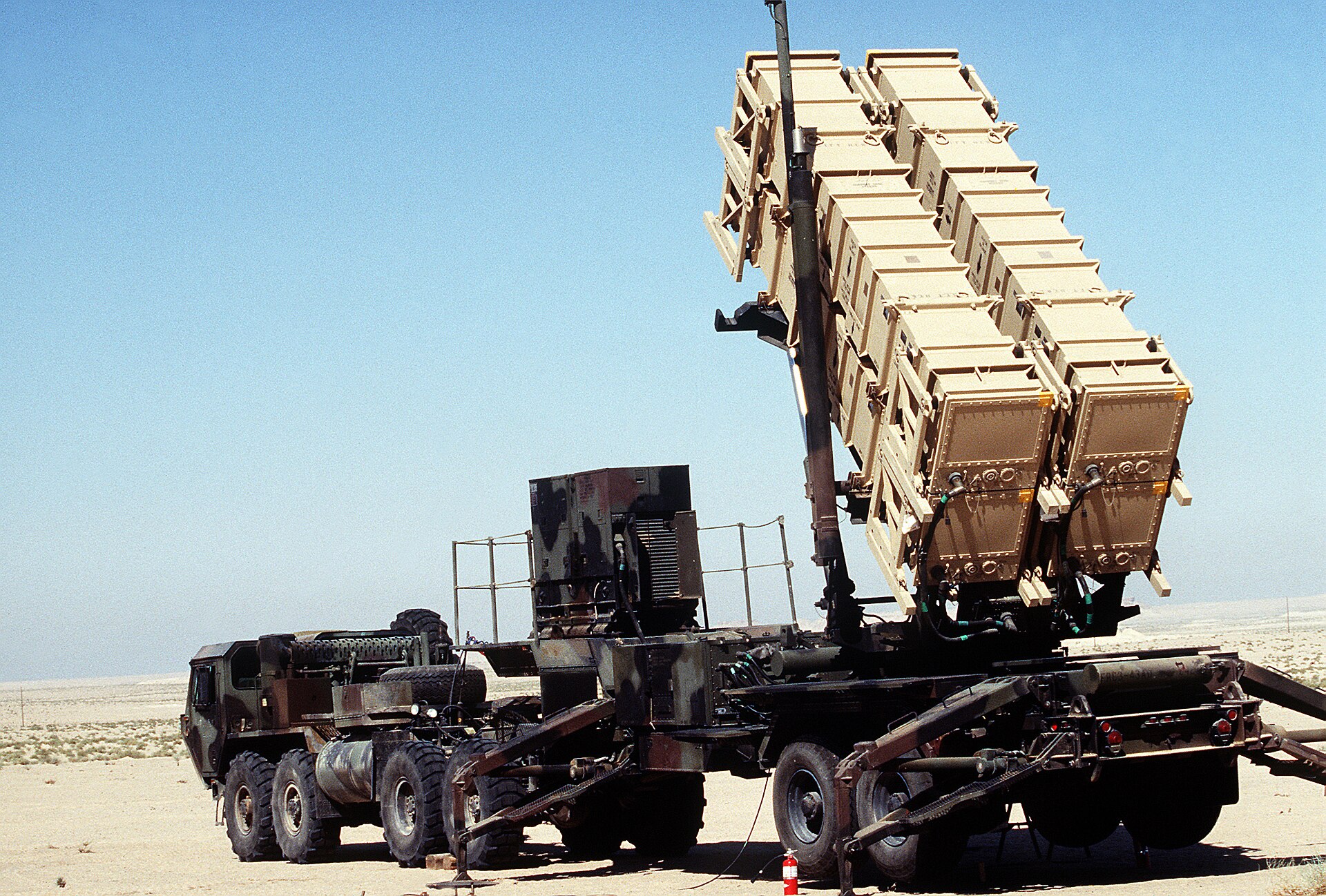
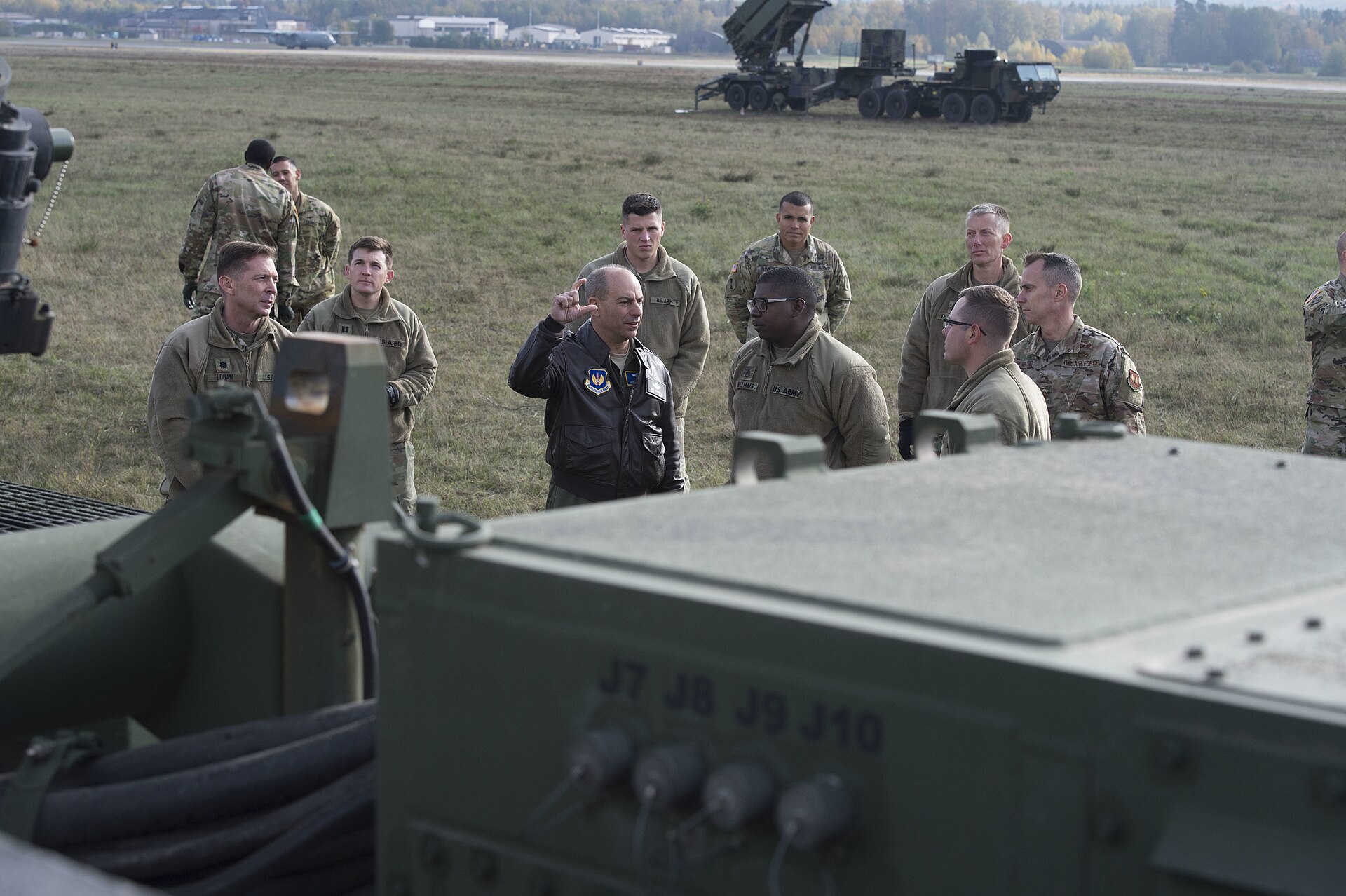
The force-protection failure at Shabwa sits against a wider pattern of coalition air-defence strain. Saudi Arabia asked France, Britain, Pakistan and Egypt for air-defence assistance after running low on interceptors, according to the South China Morning Post, citing two regional officials. The Wall Street Journal reported that Saudi Arabia had “fewer than 1,000” Patriot interceptors remaining. Those systems are concentrated around Saudi cities and critical infrastructure — Riyadh, Jeddah, Aramco facilities — not around training camps in southern Yemen’s interior, where the threat was apparently judged lower than it should have been.
Governor al-Wazir’s public request for air defence and early warning support from Saudi Arabia, reported by Al Jazeera, was as close to a direct criticism of the coalition as a Yemeni official has come in public since the offensive began. The request implied that the camp had neither, and that the 77 recruits died in a gap between what the coalition protects and what it does not.
Coalition Response and the Build-Up
The Shabwa strike arrived 15 days into Operation Dawn of Yemen, the coalition offensive launched on 4 October in which Yemen’s government forces, backed by 100 coalition jets, pushed into Houthi-held territory, as CNN and the Oman Observer reported. The offensive was supposed to demonstrate coalition momentum after months of Houthi escalation against Saudi airports and infrastructure. Instead, the Houthis demonstrated that they could reach deep into coalition-controlled territory and inflict mass casualties on assembled forces — the kind of strike that undermines recruitment as effectively as it kills recruits.
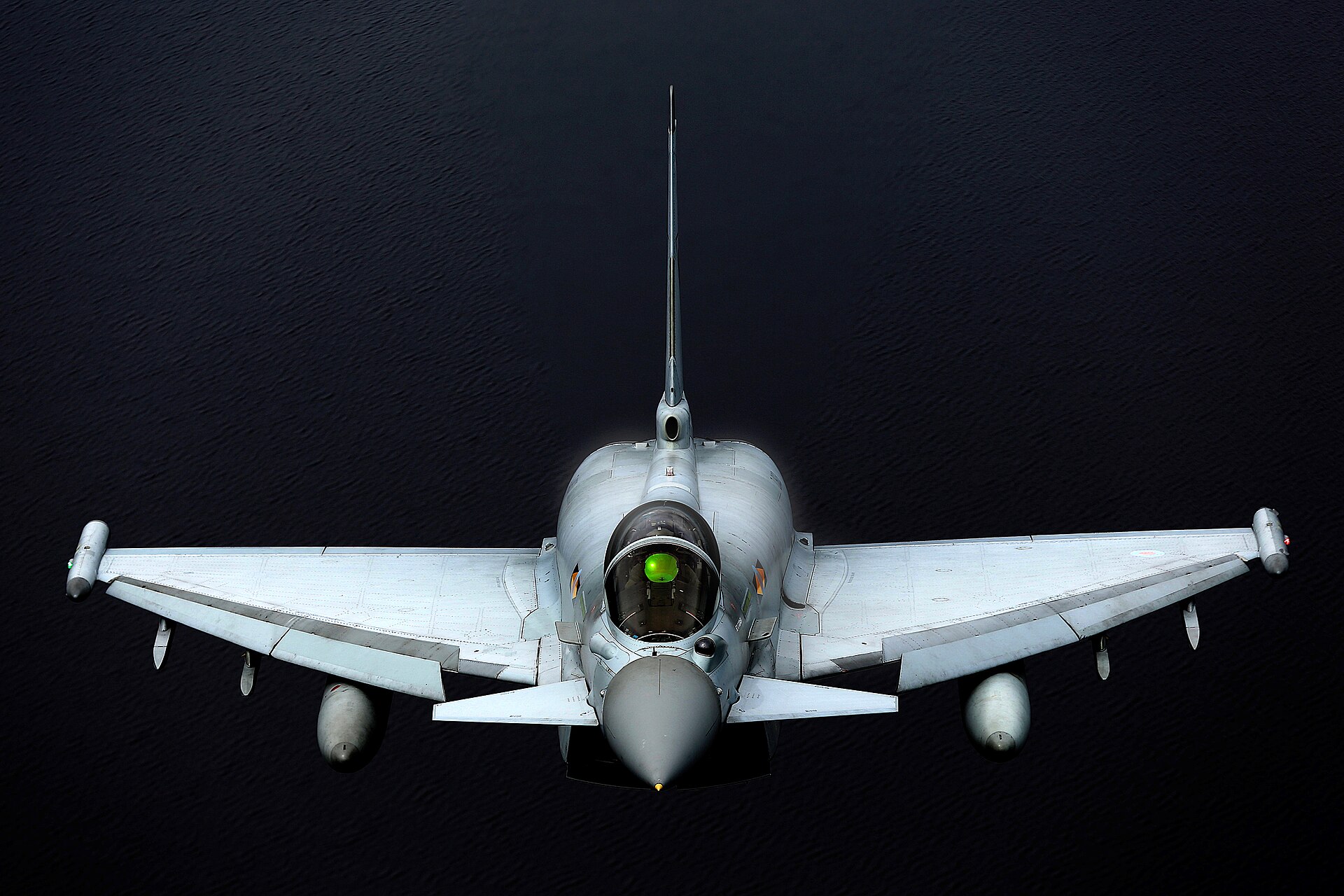
The coalition’s multinational build-up continued even as the Shabwa dead were being counted. Pakistan has approximately 8,000 troops in Saudi Arabia, according to Reuters. A Pakistani military spokesperson said on 19 October that attacks on Saudi Arabia would “trigger a collective response,” as Business Recorder reported. One day after the Shabwa strike, Britain announced that RAF Typhoon jets would fly “counter-air missions to protect Saudi cities and infrastructure” — missions designed to “try to shoot down missiles or drones in the air, but won’t strike Houthi targets on the ground,” as Al Jazeera and AP reported on 20 October. The UK also extended air-to-air refuelling support by 90 days, Al Jazeera reported.
“Targeting recruits reflects the Houthi militia’s approach of resorting to terrorist attacks when under pressure.”
— Rashad al-Alimi, Yemeni Presidential Leadership Council chairman, Al Jazeera, 19 October 2026
France had already confirmed troops, radars and air defences for Yanbu, the Red Sea oil hub, according to Al Jazeera on 25 September. Pakistan’s roughly 8,000 troops in Saudi Arabia, as Reuters reported, formed the coalition’s largest ground contingent by published figures. The Mecca pact committee agreed on 5 October to deploy Pakistani and Turkish forces, though Turkey’s parliament had not yet ratified the agreement, Al Jazeera reported. Saudi Arabia, Pakistan and Turkish military chiefs met in Riyadh on 26 September, according to Gulf News. The coalition was growing — but the Shabwa attack showed that more troops assembled in more locations creates more targets, not fewer, unless those locations have air-defence coverage that southern Yemen’s training camps clearly lacked.
Why Does the Timing Matter for Egypt’s Parliament Vote?
Egypt’s National Defence Council approved “all necessary and possible forms of support” for Saudi Arabia, but parliament delayed its authorisation vote from 19 October — the day of the Shabwa attack — to 26 October, as Al Jazeera reported. President Abdel Fattah el-Sisi framed the deployment narrowly: “We’re talking only about defence. I’m not talking about confronting or attacking anyone,” he said, according to Al Jazeera. The opposition Egyptian Social Democratic Party told lawmakers to abstain, citing no information on “objectives, duration, cost, or risks to Egyptian troops,” Al Jazeera reported.
The Shabwa strike gave those domestic opponents a concrete number to cite. Seventy-seven dead at a training camp is the kind of figure that changes the character of a parliamentary debate — it is no longer an abstract question of solidarity with a Gulf ally but a specific question about what happens to Egyptian soldiers when they arrive at coalition facilities that Houthi missiles can reach. The parliamentary vote was already delayed once, and the political environment in Cairo has not become easier since 77 coffins arrived in Shabwa.
The broader coalition arithmetic is uncomfortable. Pakistan’s 8,000 troops are in Saudi Arabia, not in Yemen, according to Reuters. The UK’s RAF Typhoons will fly defensive missions over Saudi airspace, not conduct ground strikes, as the British announcement specified. France’s deployment at Yanbu is defensive. Every ally has drawn a line between defending Saudi territory and fighting in Yemen — which means that the Yemeni government forces absorbing casualties like Shabwa are doing so without the physical presence of the coalition partners whose flags fly over the alliance.
Background and Context
The 2022 UN-brokered ceasefire collapsed in July 2026, according to the BBC, reopening the kind of full-scale fighting that had been suspended for nearly four years. The Houthis moved from strikes on southern Saudi cities to hitting Riyadh’s main airport by September, and the coalition responded with Operation Dawn of Yemen on 4 October, as CNN reported. Airport strikes killed at least 20 people in Saudi Arabia between 6 and 11 October — the worst single incident being the 10 October KKIA strike detailed in the casualty comparison above — according to CBS News. Saudi Arabia had also intercepted missiles targeting Makkah and Madinah in the preceding days.
The coalition’s expansion has been rapid but lopsided. The $24.3 billion proposed sale of 48 F-35A fighters from the United States was announced on 17 September, according to The Aviationist, but those aircraft will not arrive on any timeline relevant to the current fighting. Iranian state media reaction to the Shabwa strike was not found in available reporting — a gap that may reflect editorial restraint or may reflect the difficulty of tracking Iranian coverage in real time, but that should not be filled with speculation. The gap between the coalition’s political ambitions and its operational capacity — between the allies it is assembling and the coverage those allies provide — was visible at Shabwa before the first missile landed.
Frequently Asked Questions
What type of missiles did the Houthis use in the Shabwa attack?
Al Jazeera reported that three ballistic missiles struck the camp, but no source identified the specific variant. The Houthi arsenal includes several Iranian-supplied and locally modified ballistic missile types, and attributing a specific system requires physical debris analysis or intelligence confirmation that has not been made public. Any claim naming a specific missile type without a source should be treated as speculation.
Were Saudi military personnel present at the al-Alam camp?
Houthi spokesperson Yahya Saree claimed the camp was “run by Saudi officers” and that Saudi officers were among the dead, according to Al Jazeera. No independent source has confirmed either claim. The Shabwa governor described the dead as locally recruited security personnel. Whether Saudi advisers or liaison officers were physically present at the facility at the time of the strike remains publicly unconfirmed as of 25 October.
Has a Houthi ground offensive in Shabwa begun?
An anonymous AFP military official said the attack “might signal a coming Houthi offensive in Shabwah, similar to the Mokha offensive.” No confirmed ground offensive had been reported as of 25 October. The AFP official’s framing is a warning, not a confirmation — it describes a risk assessment, not observed troop movements. The arrests of 13 alleged Houthi operatives in Shabwa and a maritime weapons seizure on 25 October, as The National News reported, are consistent with intelligence preparation for a broader push but fall short of evidence that ground forces have mobilised.
How does the Shabwa death toll compare to other incidents in the current conflict?
The Guardian called the Shabwa attack “the biggest single loss of life since the Yemen civil war reignited.” The deadliest single strike on Saudi territory in this cycle killed 13 at Riyadh’s KKIA on 10 October, according to the BBC. The Houthi-run Health Ministry, whose figures are unverified, said 83 Yemeni civilians had been killed and 146 wounded since the coalition offensive began on 4 October, as CNN reported. The Shabwa attack’s toll of 77 killed exceeds any of these individual figures.
What is the current status of Riyadh’s King Khalid International Airport?
KKIA reopened on 25 October after a closure that followed repeated Houthi strikes, the most recent of which killed and injured passengers and airport workers over multiple days in early-to-mid October. Verify current status before travel, as the airport’s operational status has changed multiple times since the conflict escalated in October 2026.
The House of Saud Daily Briefing
Saudi Arabia's news in 3 minutes, every morning. Free. See today's issue