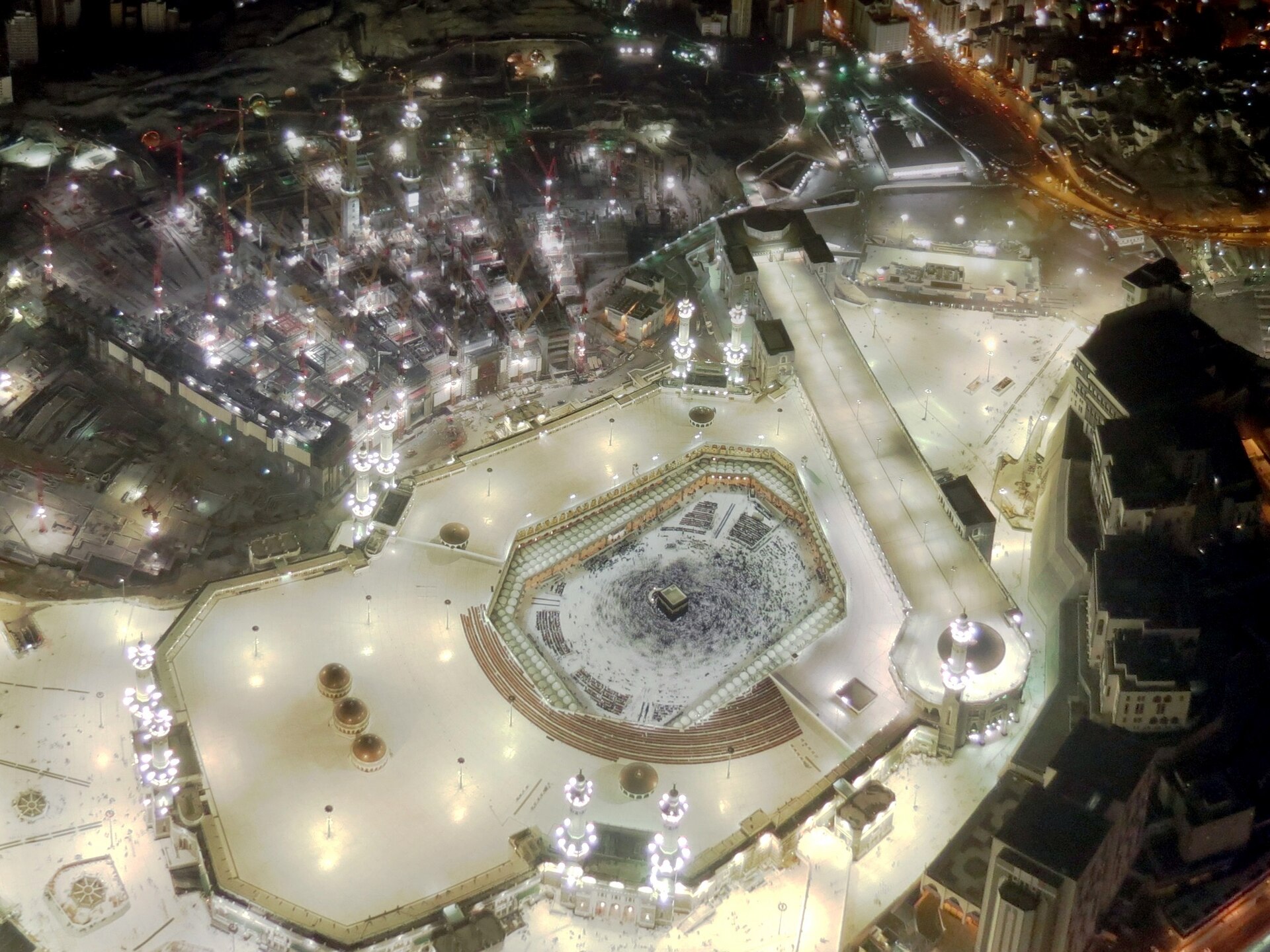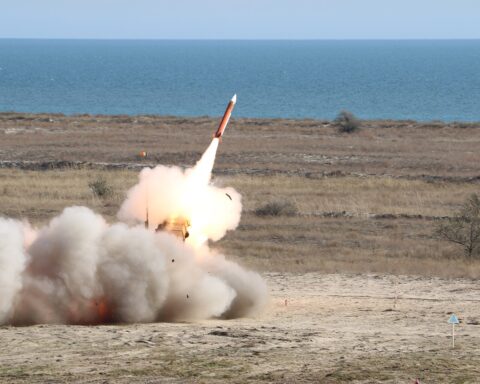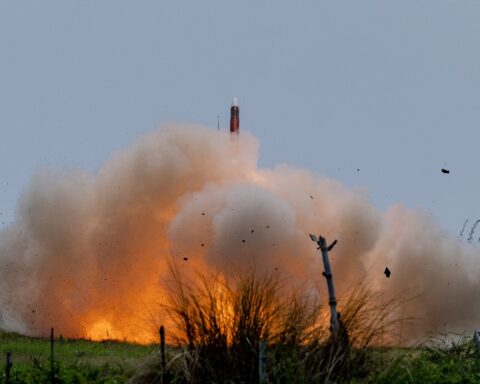

RIYADH — Saudi forces struck Sanaa and the port city of Mocha on October 24, Houthi-linked broadcaster Al-Masirah reported via AFP, with at least 3 people killed in a house strike in the Yemeni capital and approximately 20 strikes hitting Mocha — an escalation that marks the clearest shift yet from the defensive intercept posture Saudi Arabia has maintained since the truce collapsed in July 2026. On the same day the kingdom was bombing Yemen, its own civil defence agency was warning residents in Taif, Yanbu, Mecca, and Jeddah of incoming Houthi missiles, the coalition intercepting 2 ballistic missiles before they could reach their targets.
The simultaneous offensive and defensive operations raise a question that no Saudi official has answered publicly: whether these strikes represent the formal activation of Prince Khalid bin Salman’s “collective deterrence measures,” announced on October 5 after the Makkah pact committee convened, or whether the kingdom has simply escalated on its own timeline. Saudi Arabia is bombing without American firepower, after Donald Trump declined two direct appeals from MBS for US strikes on Houthi positions, and without an exit strategy that anyone in Riyadh or Washington has been willing to describe.
Table of Contents
- What Hit Sanaa and Mocha on October 24?
- How Did Saudi Arabia Get From Interceptors to Airstrikes?
- Why Is Saudi Arabia Fighting Without American Firepower?
- What Has Operation Dawn of Yemen Achieved in 19 Days?
- How the Houthis Have Responded
- Iran’s Mediation Offer and the War It Feeds
- What Happens After November 3?
- The Civilian Cost Neither Side Will Own
- Frequently Asked Questions
What Hit Sanaa and Mocha on October 24?
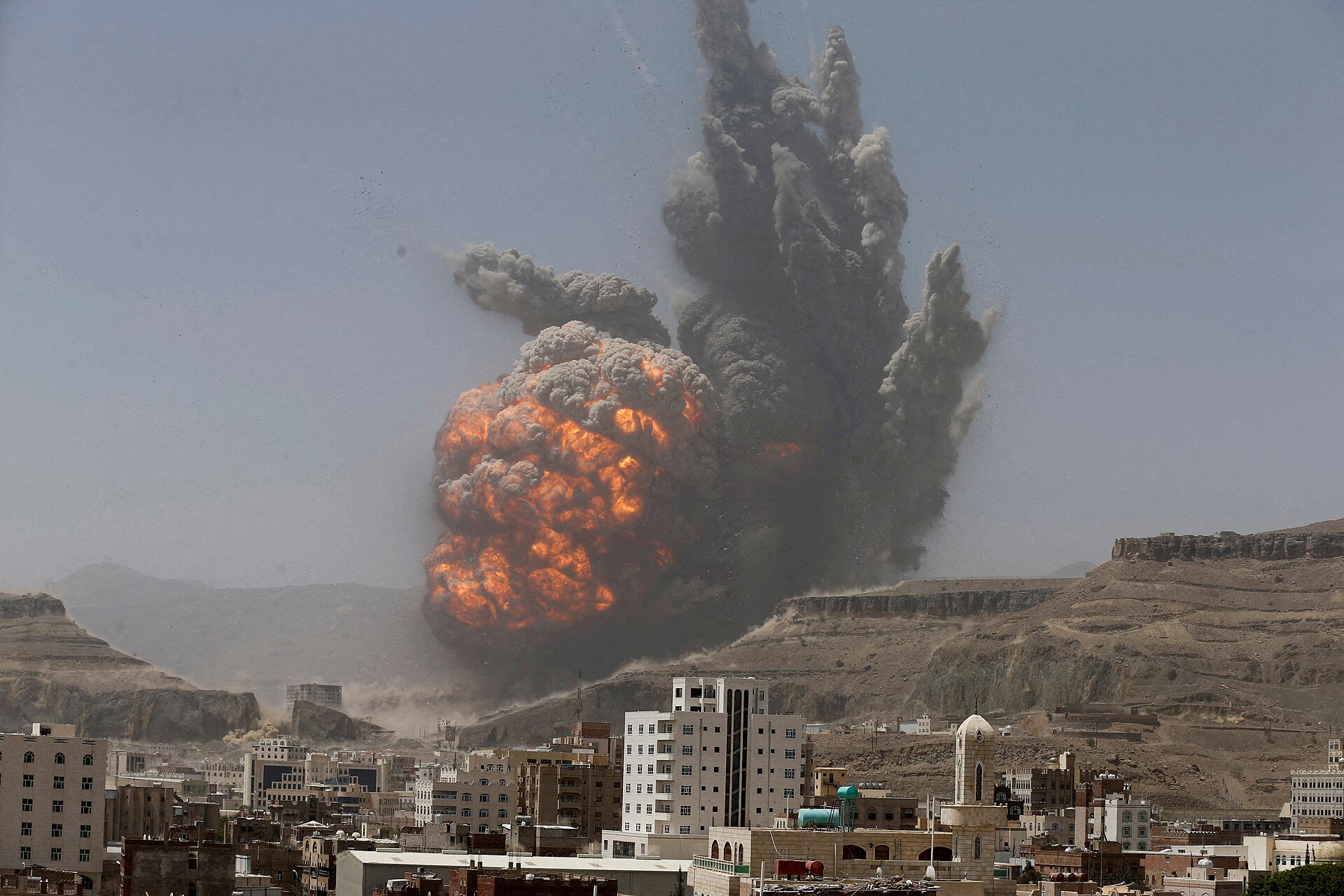
Saudi forces struck Sanaa, its surrounding governorate, and the Red Sea port city of Mocha on October 24, according to Houthi-linked broadcaster Al-Masirah reporting via AFP. Al-Masirah reported approximately 20 strikes on Mocha and said a house strike in Sanaa killed at least 3 people and wounded several others. No Saudi official has confirmed the strikes or commented on the specific targets.
The House of Saud Daily Briefing
Saudi Arabia's news in 3 minutes, every morning. Free. See today's issue
The strikes came on a day when Saudi Arabia was simultaneously under attack — the coalition intercepted 2 Houthi ballistic missiles aimed at Taif and Yanbu, while the civil defence agency issued warnings to residents in Yanbu, where France recently deployed troops, as well as Taif, Mecca, and Jeddah. For a kingdom that has spent most of the past three months trying to shoot down whatever the Houthis send north, the decision to send airstrikes south on the same morning represents a tactical shift that even the coalition’s daily briefings have not acknowledged.
All casualty and strike figures from October 24 originate from Al-Masirah, the Houthis’ Beirut-based broadcaster, and were carried by AFP without independent verification. The distinction matters, because Houthi media has a record of inflating civilian casualty numbers for the same reasons Saudi Arabia has a record of understating them, and the fog of this particular war has been thick enough to obscure basic facts — who is striking what, with how many aircraft, and to what effect — from every outside observer trying to track it.
What is not in dispute is the pattern of escalation in the other direction. On October 13, the coalition struck the Yemen Petroleum Company’s Sabaha fuel depot in Sanaa after issuing an evacuation warning, with coalition spokesman Turki al-Maliki confirming that strikes also hit oil infrastructure in Hodeidah and Dhamar. On October 18, a Saudi strike on a house in Sahar district, Saada province, killed at least 9 people — including 5 children and 2 women — according to the Houthi Health Ministry, with 19 wounded; again, no Saudi confirmation.
The targeting of Mocha — a port city on the Red Sea coast rather than an interior military position — is itself telling, because the city has been identified by coalition officials as a staging point for Houthi maritime operations and drone launches aimed at commercial shipping and Saudi coastal infrastructure. The decision to hit a population centre with approximately 20 strikes in a single day, even if the intended targets were military, carries an escalatory weight that Riyadh’s silence on the matter does nothing to diminish.
How Did Saudi Arabia Get From Interceptors to Airstrikes?
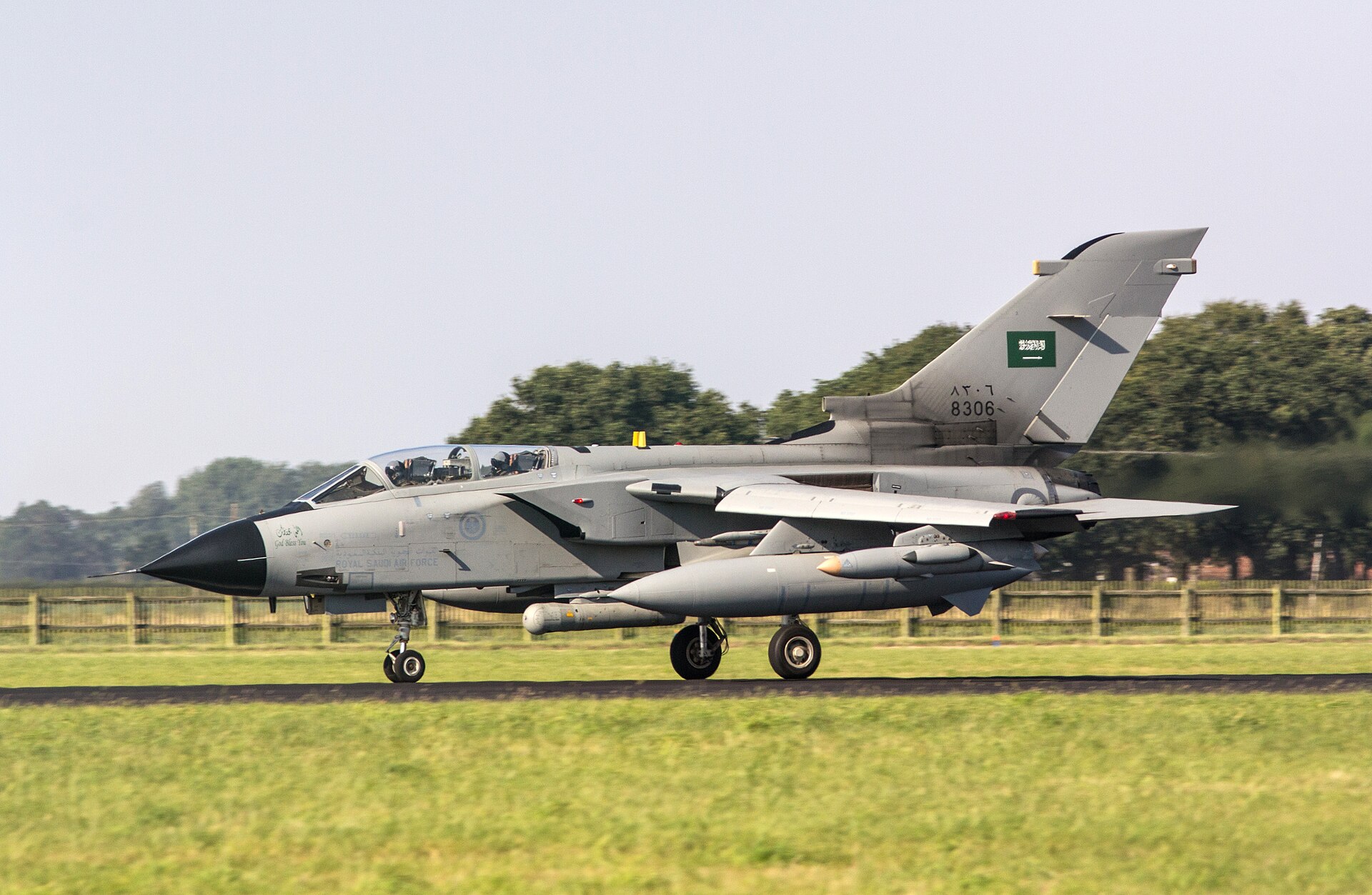
Saudi Arabia escalated from defensive intercepts to offensive airstrikes in less than three weeks, driven by a rate of Houthi attacks that exhausted interceptor stocks faster than anyone in Riyadh had budgeted for. Prince Khalid bin Salman announced on October 5 that the Makkah pact committee had agreed to “activate collective deterrence measures,” and Operation Dawn of Yemen launched that day with approximately 100 coalition fighter jets.
The path from shooting down incoming missiles to bombing Yemeni cities looked inevitable in hindsight but was not preordained — Ahmed Nagi at the International Crisis Group noted that “Riyadh hadn’t prepared for a Houthi offensive and lacked coordination with allied Yemeni forces,” a judgment that suggests the kingdom’s escalation has been reactive rather than strategic, driven by the accumulating pressure of daily attacks rather than by a coherent campaign plan. Prince Khalid’s “collective deterrence” phrasing gave the coalition a political mandate to hit back without specifying what hitting back would actually look like, and the October 24 strikes on civilian areas in Sanaa and Mocha may be the answer to a question that even the coalition’s own planners had not fully resolved when they launched the operation.
“High-value targets” is a military euphemism that can mean anything from a Houthi command bunker to a fuel truck parked on a road outside Saada, and the Washington Institute’s April Longley Alley, one of the more careful observers of this war, described the campaign’s results as “mixed” — a polite way of saying that the bombing has not stopped the missiles from flying north. The strikes on Sanaa and Mocha on October 24 came on the same day the Houthis fired ballistic missiles at Taif and Yanbu, which means the coalition was hitting Yemen’s capital and the Houthis were hitting Saudi Arabia’s western provinces simultaneously — a mutual escalation that neither side’s military capacity was designed to sustain indefinitely.
The escalation to striking urban areas — Sanaa, Mocha, Saada — is the step that separates Operation Dawn of Yemen from the defensive posture the kingdom maintained through most of July, August, and September. No Saudi source has explicitly tied the October 24 strikes to Prince Khalid’s “collective deterrence” announcement, and treating the connection as proven rather than inferred would be a mistake, but the trajectory from interceptors to airstrikes has been visible to anyone watching: first fuel depots, then oil infrastructure, then cities.
Why Is Saudi Arabia Fighting Without American Firepower?
Crown Prince Mohammed bin Salman made two direct appeals to Donald Trump in September 2026 for American strikes on Houthi positions, according to Axios — both declined. Trump said publicly that the United States “will not be attacking Iran at any time prior to the midterm elections” on November 3, a statement that effectively told Riyadh to fight its own war for at least a month and possibly longer, depending on how the American electorate votes.
The US has not abandoned Saudi Arabia entirely — CNN reported that support remains limited to intelligence sharing, targeting assistance, and more than 100 military advisers deployed with Saudi forces — but the gap between intelligence support and the kind of American firepower that turned the tide in previous Gulf conflicts is the gap between a consultant and a soldier, and MBS has discovered it at precisely the moment when the Houthis are launching more missiles at Saudi cities than at any point since the truce collapsed. The fact that Saudi Arabia is now waiting for American elections to determine whether it gets American bombs says more about the state of the alliance than any communiqué from either capital could.
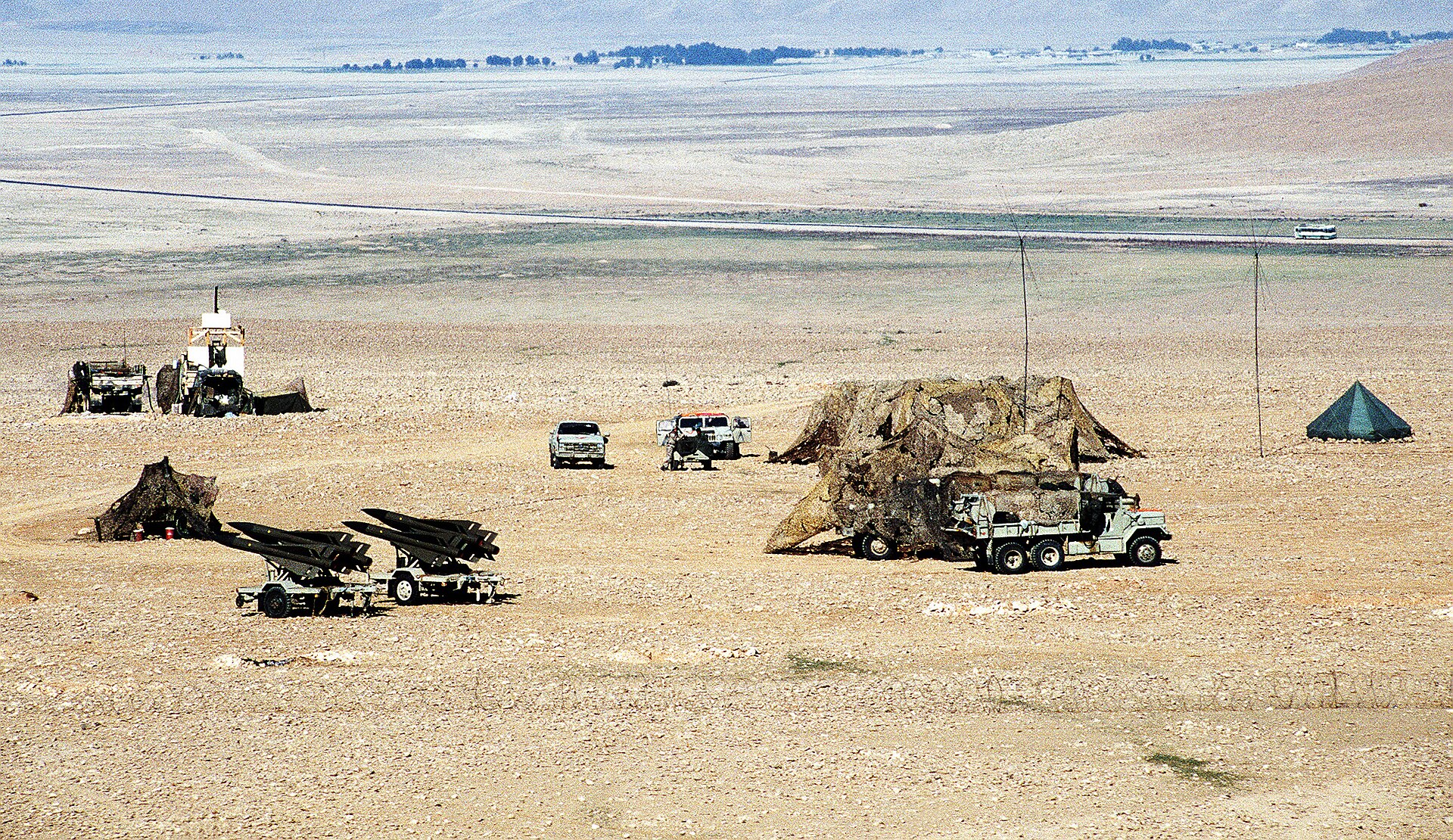
Pakistan’s defence minister acknowledged that “the army fighting is that of Saudi Arabia,” with Pakistan and Turkey in a supporting role. Dania Thafer, executive director of the Gulf International Forum, captured the bind neatly — Saudi Arabia will hit back “pretty hard,” she told Al Jazeera, but “I still think that the Saudis probably want de-escalation.” Wanting de-escalation and bombing cities on the same day is a contradiction that the kingdom has not resolved, and Trump’s refusal to resolve it for them has left MBS fighting alone.
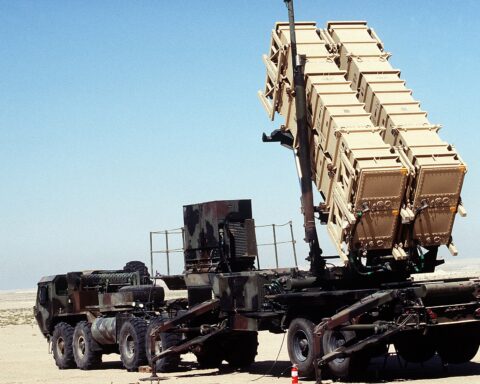
The operational consequences are measurable even if the strategic ones are not yet. The kingdom is running its air campaign without the electronic warfare aircraft, aerial refuelling tankers, and precision-guided munitions resupply chain that the US military brought to every coalition air operation during the first Saudi intervention in Yemen from 2015 onward. The kingdom has spent billions on American hardware — the F-15SAs, the Patriot batteries, the AWACS platforms — but hardware without the American logistics architecture that keeps it flying is a depreciating asset, and every sortie over Yemen depletes it further.
What Has Operation Dawn of Yemen Achieved in 19 Days?
The coalition has reported 324 high-value targets destroyed since October 5, but the more telling metric is the one it does not publish: the number of Houthi missiles and drones that have reached or been intercepted over Saudi cities in the same period. The rate of interceptor expenditure has raised questions about Saudi Arabia’s remaining missile defence stocks, and the fact that civil defence was warning four western regions on the same day the coalition was bombing Mocha suggests the air campaign has not yet degraded Houthi launch capability in any way Saudi civilians can feel.
Alley at the Washington Institute concluded that “a decisive, nationwide military victory by either side remains highly unlikely” — a judgment that carries weight because Alley has been tracking Yemen longer than most analysts and because the data supports her caution. The October 10 airport strike, she argued, had deepened an escalatory cycle already under way, a cycle in which each Saudi strike provokes a Houthi response and each Houthi response demands a Saudi escalation, without either side gaining the strategic upper hand.
Saudi Arabia has few good options. Escalation comes with costs and offers no clear or immediate off-ramps, and capitulation will make the Kingdom appear weak and invite further aggression from Iran and its proxy forces.
Soufan Center, October 15, 2026
That assessment — no good moves on the board — is the kind of strategic dead end that usually produces either a negotiated settlement or a much larger war, and there is no evidence that either is imminent. CNN reported that Riyadh has stopped “short of any major deployment of its own troops” into Yemen as of mid-October, a restraint that may reflect operational caution or may reflect the painful lessons of the first intervention, when Saudi ground forces entering Yemen discovered that airpower and ground reality are not the same thing and that territory bombed from above does not stay cleared without soldiers on it.
How the Houthis Have Responded
The Houthis responded with promises of pain and the operational capability to deliver at least some of it. Military spokesman Yahya Saree warned on October 13 — after the coalition struck the Sabaha fuel depot — that any strikes on Sanaa would draw severe retaliation against Riyadh, and he named his targets with the specificity of someone who had already drawn up the strike packages: Saudi Aramco’s Dhahran headquarters, Aramco’s Riyadh refinery, and King Khalid International Airport. He told civilians near Aramco facilities to evacuate, a mirror of the coalition’s own evacuation warnings before its Yemen strikes — a deliberate symmetry that was not lost on anyone watching.
Mohammed Al Bukhaiti, a member of the Houthi political bureau, extended the threat envelope to include the United States, telling AFP that American entry into the war would bring “a swift and painful response” aimed at US interests in the region. Given that US forces are already providing intelligence and targeting assistance, the line between “not in the war” and “in the war” is thinner than Trump’s public statements suggest, and the Houthis appear to know it.
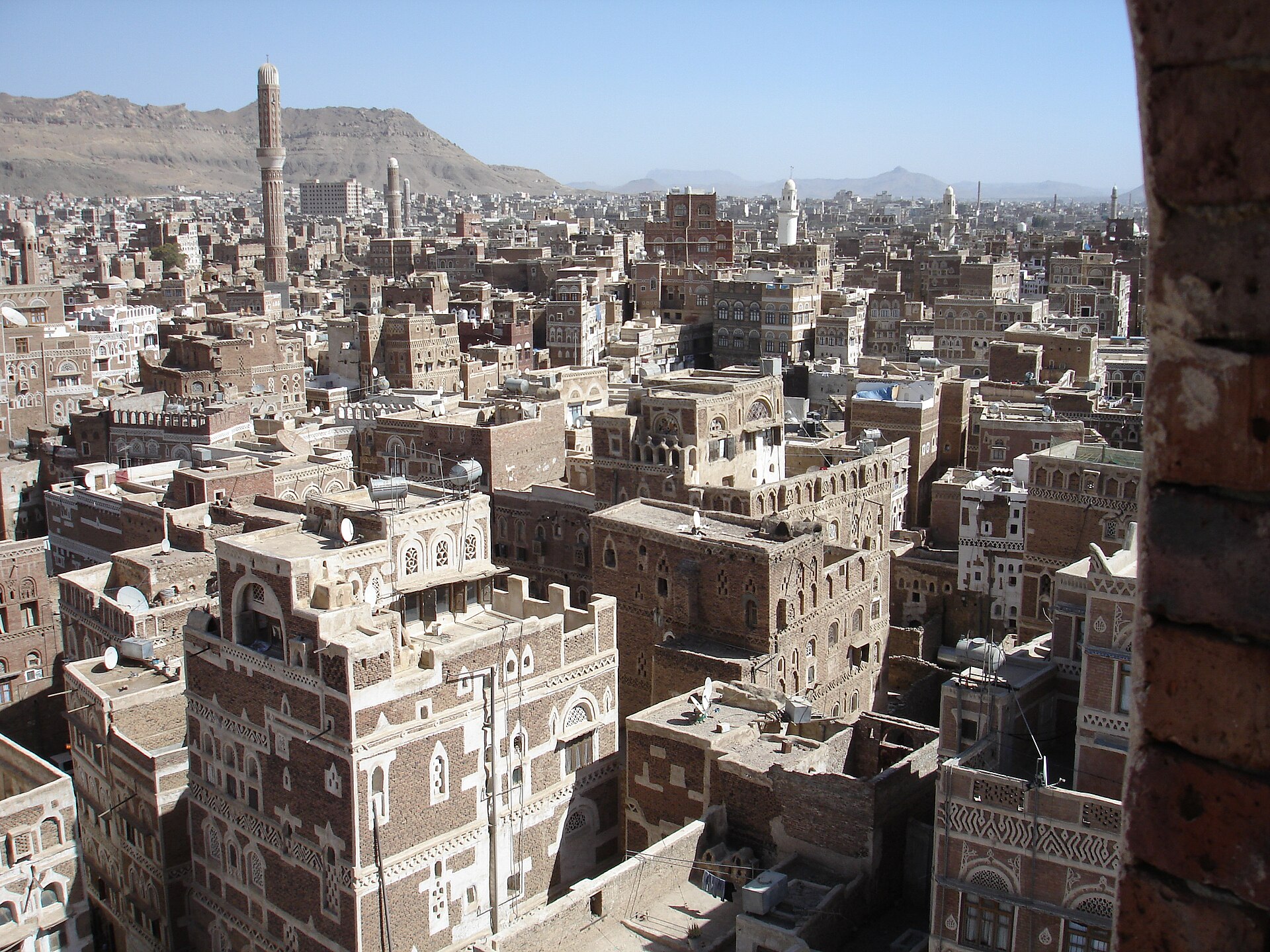
The Houthis’ ability to back their rhetoric with hardware has grown substantially during the 2022–2026 truce, a period when Ansar Allah expanded its domestic drone manufacturing capability and received greater Iranian technical support, according to the Soufan Center. The 2 ballistic missiles intercepted at Taif and Yanbu on October 24 are evidence that the launch sites the coalition has been bombing for 19 days are either still operational or quickly reconstituted — a problem that American forces encountered repeatedly during the first Saudi-led Yemen intervention and never fully solved.
Iran’s Mediation Offer and the War It Feeds
Iranian Foreign Minister Abbas Araghchi phoned Saudi Foreign Minister Prince Faisal bin Farhan on October 11 — the first publicly confirmed contact between the two governments since the Houthi escalation began — and Tehran’s public messaging since has been a masterclass in diplomatic positioning. “Insisting on a military approach would only further complicate the situation,” Araghchi said, the kind of sentence that reads as statesmanship until you remember that the military approach in question is partly powered by Iranian missiles, Iranian drone components, and Iranian training programmes that the IRGC has been running in Yemen for the better part of a decade.
Iranian Foreign Ministry spokesman Esmaeil Baghaei reinforced the framing: “We absolutely do not want hostilities and war to continue between two Islamic countries.” The phrasing is revealing — “two Islamic countries” treats the conflict as bilateral, erasing Iran’s own role in arming and advising the Houthis, and neither Riyadh nor the Houthis responded to the mediation offer, a silence that suggests both sides understood exactly what Tehran was selling.
Andreas Krieg at King’s College London offered the analytical key to Iran’s positioning: “Iran is trying to turn Yemen from a military liability into a diplomatic asset,” he told Al Jazeera, while noting that Ansar Allah “is not simply an Iranian proxy awaiting instructions.” Negar Mortazavi at the Center for International Policy agreed, observing that Iran “is positioning itself as an indispensable party to a broader regional settlement” — a settlement that Tehran would enter as mediator rather than belligerent, despite the Soufan Center’s assessment that the Houthis still rely on Iran for training and expertise, especially with more sophisticated weaponry including cruise and ballistic missiles.
The contradiction — offering to stop a war while supplying the weapons that sustain it — is not new in Iranian foreign policy, but the scale of the Houthi threat to Saudi Arabia has made Tehran’s offer harder to refuse. If the Houthis can keep launching missiles at Saudi cities faster than the coalition can destroy launch sites, then Tehran’s phone number becomes the one Riyadh eventually has to call, regardless of how much the kingdom resents the conversation.
What Happens After November 3?
The date that matters more to Saudi Arabia’s war in Yemen than any operational milestone is the American midterm election on November 3, because Trump’s refusal to strike Iran before it has been read in Riyadh, Tehran, and Sanaa as a countdown rather than a policy position. ABC News reported that the United States and Israel have drawn up strike plans for Iran to be executed after the midterms, a posture that treats the election as a starting gun and gives the Houthis a ten-day window — from October 24 to November 3 — during which they know American offensive intervention is off the table.
What happens after November 3 depends on variables that no analyst in Washington or Riyadh can confidently predict: whether Trump’s party holds Congress, whether the president decides that strikes on Iran serve his domestic interests, whether the Houthis escalate in ways that force American involvement regardless of electoral calculations, and whether the Iranian nuclear file — which Araghchi has explicitly linked to the Hormuz situation — becomes the justification for a wider conflict. UN Special Envoy for Yemen Hans Grundberg warned that Yemen had returned to “full-scale war,” a phrase that implies the international community has accepted that the 2022 truce is dead and is now trying to manage consequences rather than prevent escalation.
For Saudi Arabia, the arithmetic is unforgiving: every day without American offensive support is a day the kingdom burns through interceptors, aircraft sorties, and diplomatic capital without a guarantee that the bombing will produce the political outcome — Houthi compliance, or at minimum a reduction in launches — that would justify the cost. The Soufan Center’s earlier judgment, that the kingdom faces costly escalation with no visible exit, reads less like analysis and more like a diagnosis, and the patient has not yet agreed to discuss treatment.
The Civilian Cost Neither Side Will Own
The World Food Programme estimated that over 18 million Yemenis face acute food insecurity, a figure that predates the October escalation and will almost certainly worsen as the coalition targets fuel infrastructure and the fighting displaces more people — the International Organisation for Migration counted 200,000 newly displaced as of mid-October, according to data cited by the Washington Institute. On the Saudi side, the civil defence agency warned residents in four western regions on October 24, but Riyadh has released no aggregate civilian casualty count from the weeks of Houthi attacks, an omission that leaves the human cost of this war calculated entirely by the people doing the attacking.
The Sanaa house strike that Al-Masirah reported on October 24 — even if its casualty count is accurate — represents only one incident on one day in a campaign that has been running for 19 days across multiple governorates. The October 18 Saada strike, which the Houthi Health Ministry said killed at least 9 people, drew no Saudi confirmation either. No Saudi-compiled civilian casualty assessment from coalition strikes has been made public since the operation began.
The UN envoy’s warning that Yemen has returned to full-scale war carries practical consequences beyond the diplomatic — it affects aid delivery timelines, displacement management, and the willingness of international donors to fund operations in a country where the logistics of humanitarian access collapse the moment the bombing intensifies. For foreign residents and travellers in the kingdom — assessing whether Saudi Arabia remains safe has become a daily calculation rather than a background assumption — and for Yemeni civilians on the other side of the border, the question is not about travel advisories but about whether the next strike lands on a fuel depot or a family home.
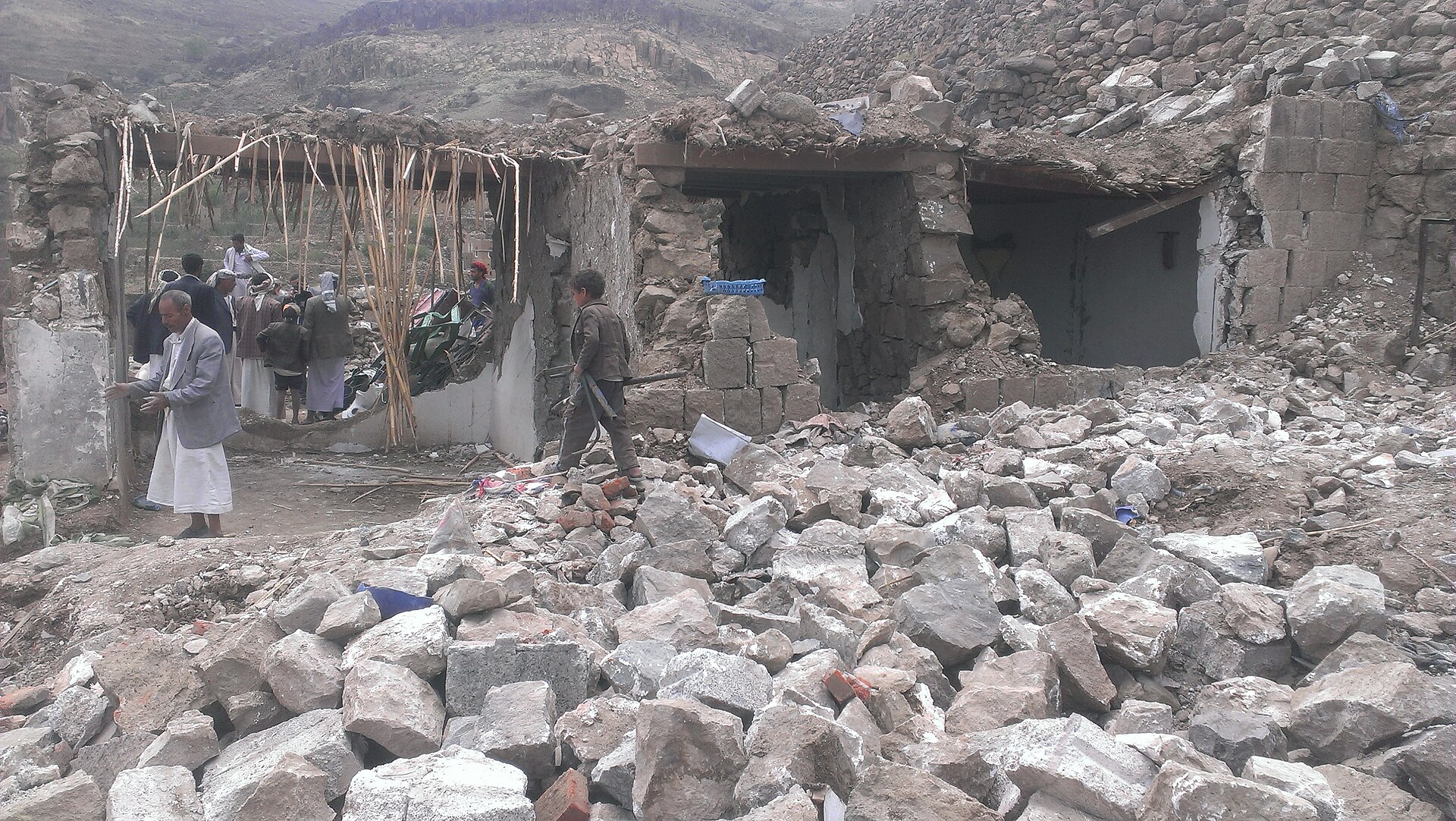
On October 24, while Riyadh’s civil defence agency was telling residents in Mecca and Jeddah to shelter from incoming missiles, Saudi jets were striking Sanaa — and the only casualty figures came from the broadcasters employed by the people under the bombs. The war’s third week ended the way its first began, with both sides hitting each other’s cities, neither offering an honest count of what the strikes cost, and no one on either side willing to describe what the fourth week is supposed to achieve.
Frequently Asked Questions
Has Saudi Arabia lost any aircraft in Operation Dawn of Yemen?
Saudi Arabia confirmed on October 18 that a reconnaissance helicopter crashed in the southwest, killing its two-person crew, and attributed the loss to a “technical malfunction near Najran.” The Houthis claimed to have shot the helicopter down. No other confirmed Saudi aircraft losses have been reported since the operation launched on October 5, though the Washington Institute noted the campaign has deployed approximately 100 fighter jets with “mixed results” (Times of Israel, 2026-10-18; Washington Institute, 2026-10-14).
Have the Houthis threatened countries considering joining the Saudi coalition?
Houthi parliament speaker Yehia Ali al-Rai wrote directly to Egypt’s government, warning that joining the coalition “could endanger Egypt’s own national security” — a message that carried particular weight given Egypt’s Red Sea coastline and its vulnerability to maritime disruption. The letter came as Egyptian President Sisi asked parliament to authorise troop deployments to Saudi Arabia, a request that remained pending as of late October (Times of Israel, 2026-10-18).
Does Saudi Arabia need to rebuild its relationship with the UAE for the Yemen campaign?
April Longley Alley at the Washington Institute noted that Saudi Arabia must repair its relationship with the UAE, which Riyadh asked to withdraw its troops from Yemen earlier in 2026. The Emirati departure left a gap in ground-force coordination that Pakistan’s supporting deployment has not filled, and the absence of UAE forces is one reason the coalition has relied heavily on airpower rather than ground operations in the current escalation (Washington Institute, 2026-10-14).
What role do Yemeni government forces play in the Saudi-led offensive?
CNN reported that the ground offensive launched in early October was primarily conducted by Yemen’s government forces, with the Saudi-led coalition providing air support and coordination. Pakistan’s defence minister confirmed that the main fighting is being done by Saudi forces, with allied nations providing logistical and advisory support — placing Yemeni government ground troops and Saudi aircraft as the two primary combat elements in the campaign (CNN, 2026-10-10; Al Jazeera, 2026-10-06).
The House of Saud Daily Briefing
Saudi Arabia's news in 3 minutes, every morning. Free. See today's issue