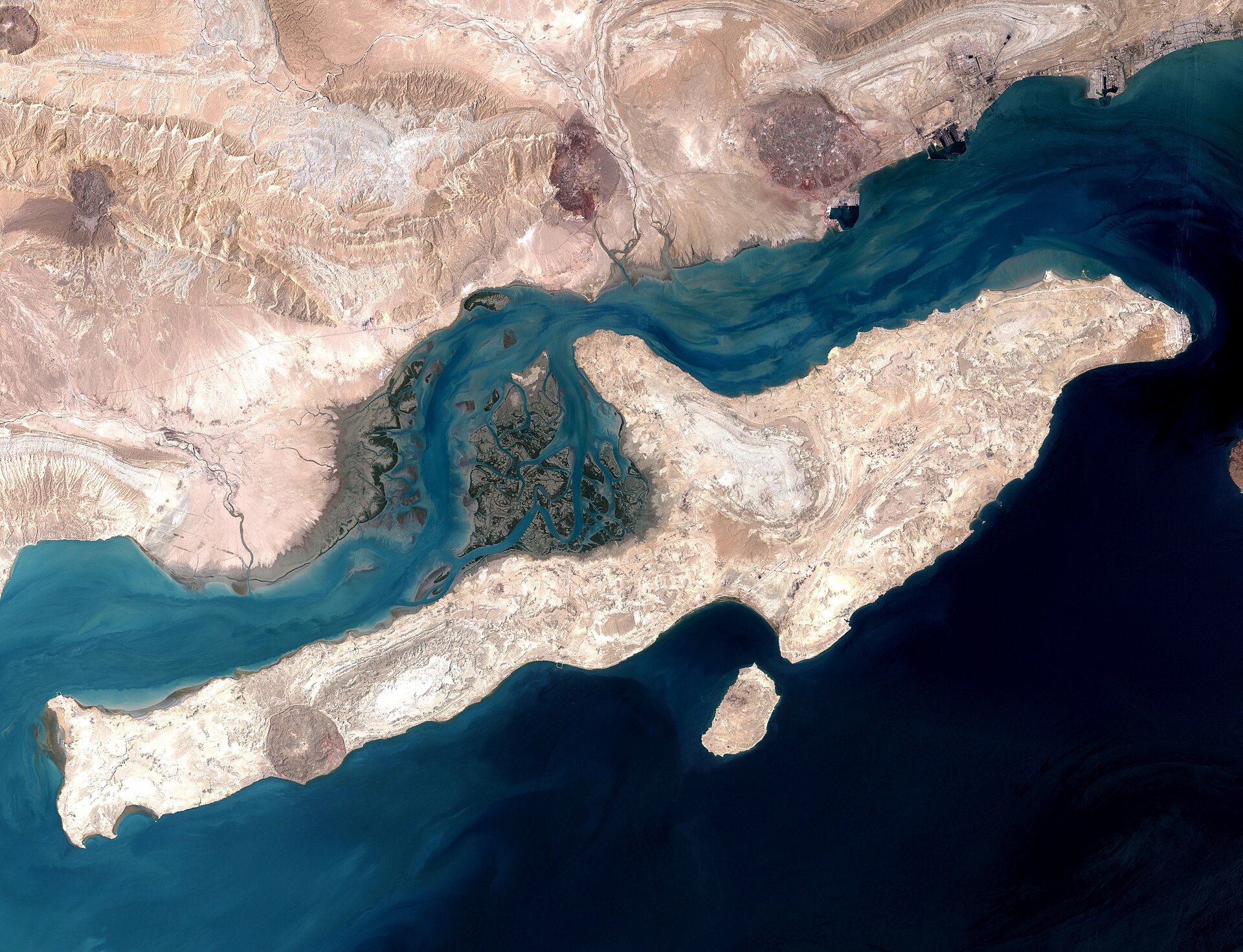

RIYADH — Iran on Tuesday reiterated the conditions under which it would reopen the Strait of Hormuz, telling mediators the waterway could resume tanker traffic within four to five days if the United States lifts its naval blockade and meets Tehran’s demands, according to Iranian state media cited by the straits.live tracker on October 28, 2026. The signal came two days after Saudi-led talks in Tehran ended without a ceasefire or joint communiqué, and six days before the November 3 US midterm elections — the date President Trump has said marks the end of his self-imposed restraint on striking Iran.
The restatement matters because it tests whether a diplomatic window exists before a military one opens. Brent crude fell to $114.68 in Asian trading on Tuesday, down 0.98 percent from Monday’s $115.81 settle, in what FinanceFeeds described as a “diplomacy trade” following the Tehran meeting. Prediction markets were less optimistic: Polymarket on October 28 priced the probability of Hormuz returning to normal traffic by October 31 at under 1 percent, and by December 31 at 12 percent, according to straits.live.
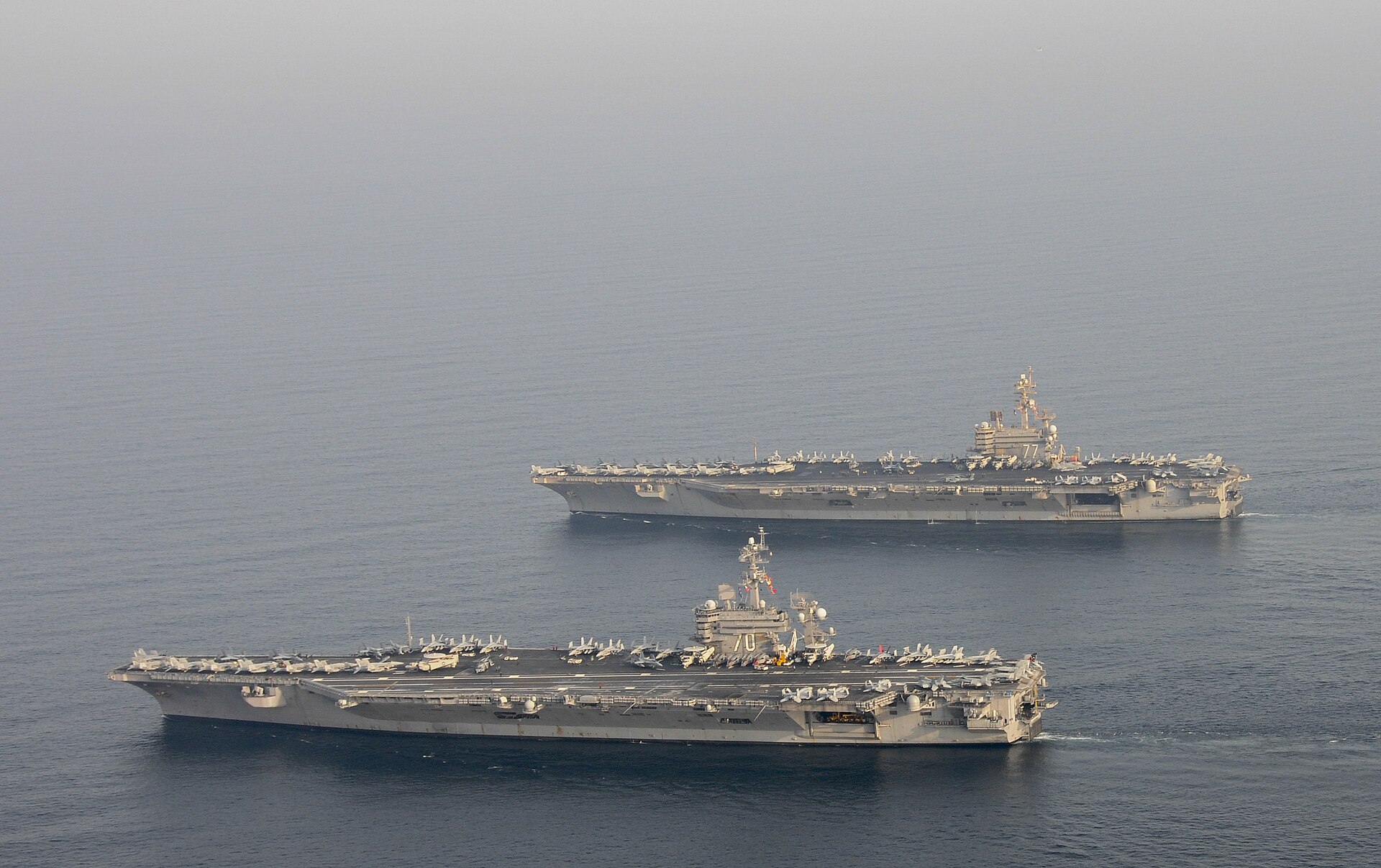
Table of Contents
- Iran’s Stated Conditions for Reopening Hormuz
- Day 241: How Closed Is the Strait?
- What Happened at the Tehran Talks on October 26?
- Why Does November 3 Affect the Ceasefire Talks?
- Oil Markets and the Diplomacy Trade
- Why Can’t Qatar and Pakistan Close a Deal?
- Background: From Islamabad to Impasse
- Frequently Asked Questions
Iran’s Stated Conditions for Reopening Hormuz
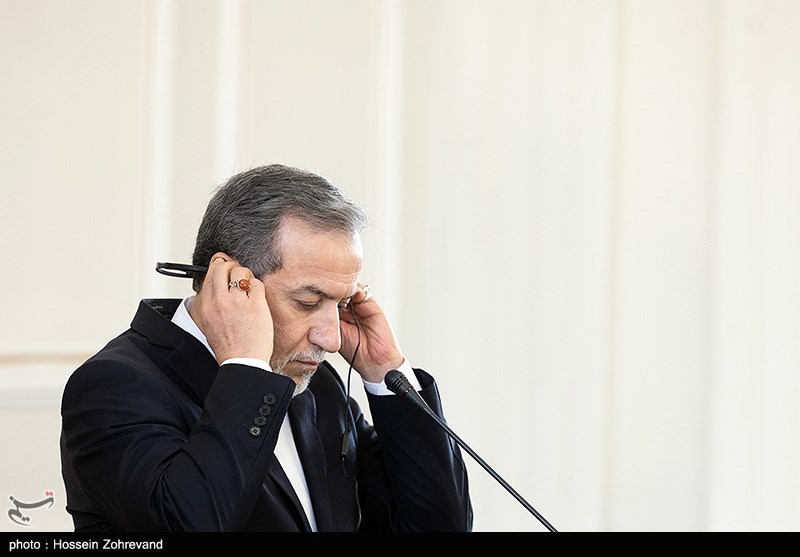
Iranian Foreign Minister Abbas Araghchi confirmed on October 18 that the seven-day ceasefire proposal Tehran first circulated in September “remains on the table.” Under the plan, Hormuz would reopen on the sixth day and negotiations would begin on the seventh. “If they comply with our conditions, the Strait of Hormuz will reopen on the sixth day, and negotiations will begin on the seventh day,” Araghchi told Iran International on October 18.
The House of Saud Daily Briefing
Saudi Arabia's news in 3 minutes, every morning. Free. See today's issue
CBS News reported in its live war coverage that Iran is reaffirming these conditions, headlining its live blog “Iran says Strait of Hormuz reopening, seven-day ceasefire conditions still on the table.” Iranian state media on October 28 said the strait could reopen within “four to five days” if conditions are met, according to the straits.live tracker.
The conditions have been articulated across several months by multiple Iranian officials. Parliament Speaker Mohammad Bagher Ghalibaf cited “seven conditions based on the Islamabad Memorandum” at a public address on October 4, according to Al Jazeera, without itemising all seven. The demands that have appeared in sourced reporting include:
- An end to the US naval blockade of Iranian ports — described as non-negotiable by Araghchi in his September 25 interview with Al Jazeera
- Lifting sanctions on Iranian oil exports
- Release of frozen Iranian assets — Al Jazeera on September 26 cited approximately $12 billion
- A ceasefire on all fronts, including Lebanon
- An end to US strikes and a non-aggression guarantee
- War damages and compensation, as demanded by SNSC Secretary Mohammad Bagher Zolghadr on August 8, according to NBC News
Iran separately added a further precondition during the October 26 Tehran talks: $24 billion in frozen foreign reserves must become accessible before the seven-day reopening clock starts, Iran International reported. The figure is larger than the $12 billion cited in September reporting, and it must be met before the sequence leading to Day 6 reopening can begin.
Iranian Army spokesman Mohammad Akraminia added a broader demand on October 16: the strait would reopen “if the United States leaves the region,” he told CBS News. Araghchi’s own framing has been consistent. “Until an agreement or understanding is reached regarding this strait, it will not be open to everyone,” he said on October 21, as reported by The National. He dismissed the nuclear issue as “nothing more than a pretext,” also in The National’s October 21 report.
Iran has told Pakistan’s foreign ministry that enriched uranium will not leave the country, according to Newscord on October 20. Sanam Vakil at Chatham House wrote in April 2026 that a lasting agreement requires “Tehran demonstrates a willingness to compromise on its nuclear programme” — a condition Iran has shown no sign of meeting.
Day 241: How Closed Is the Strait?
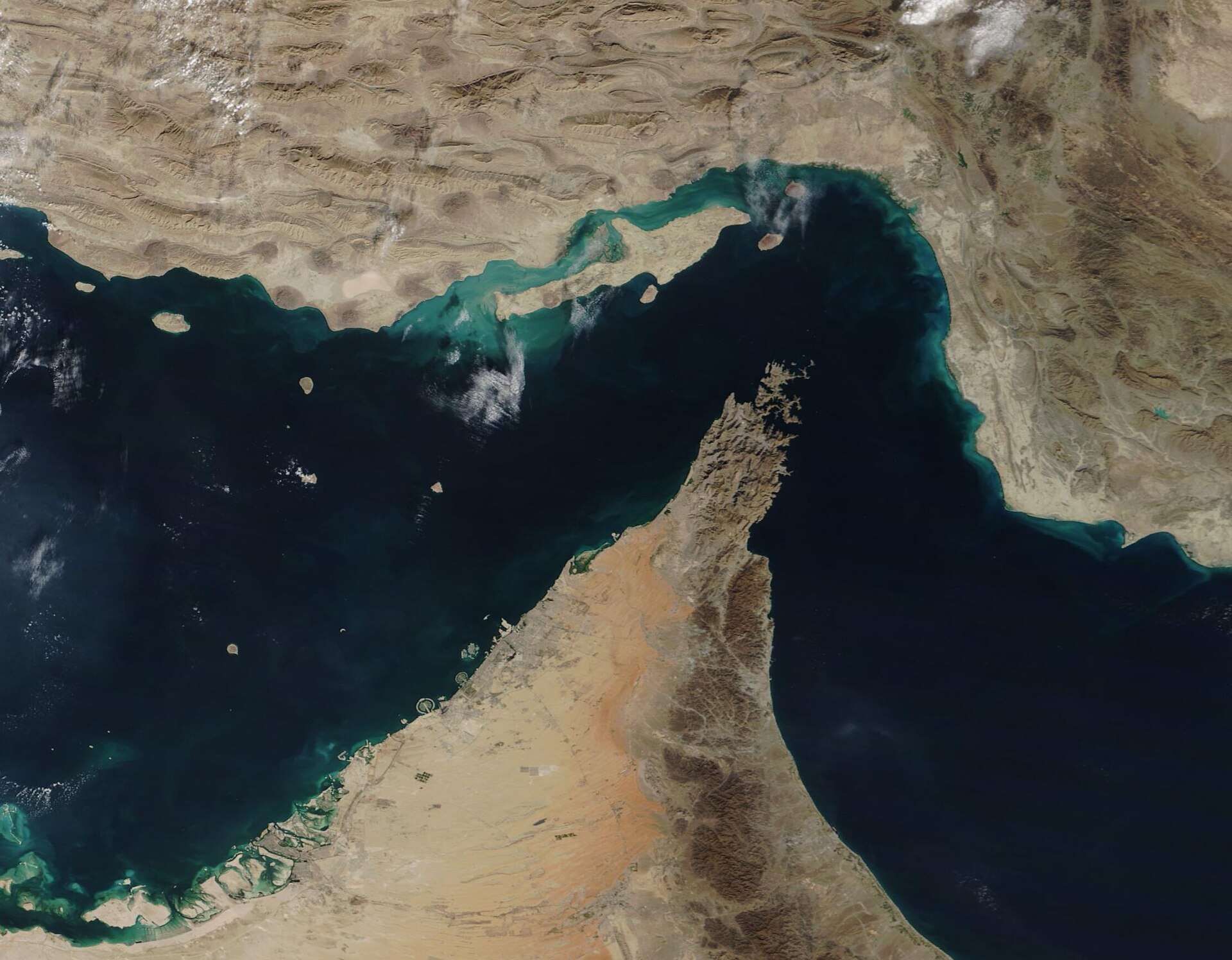
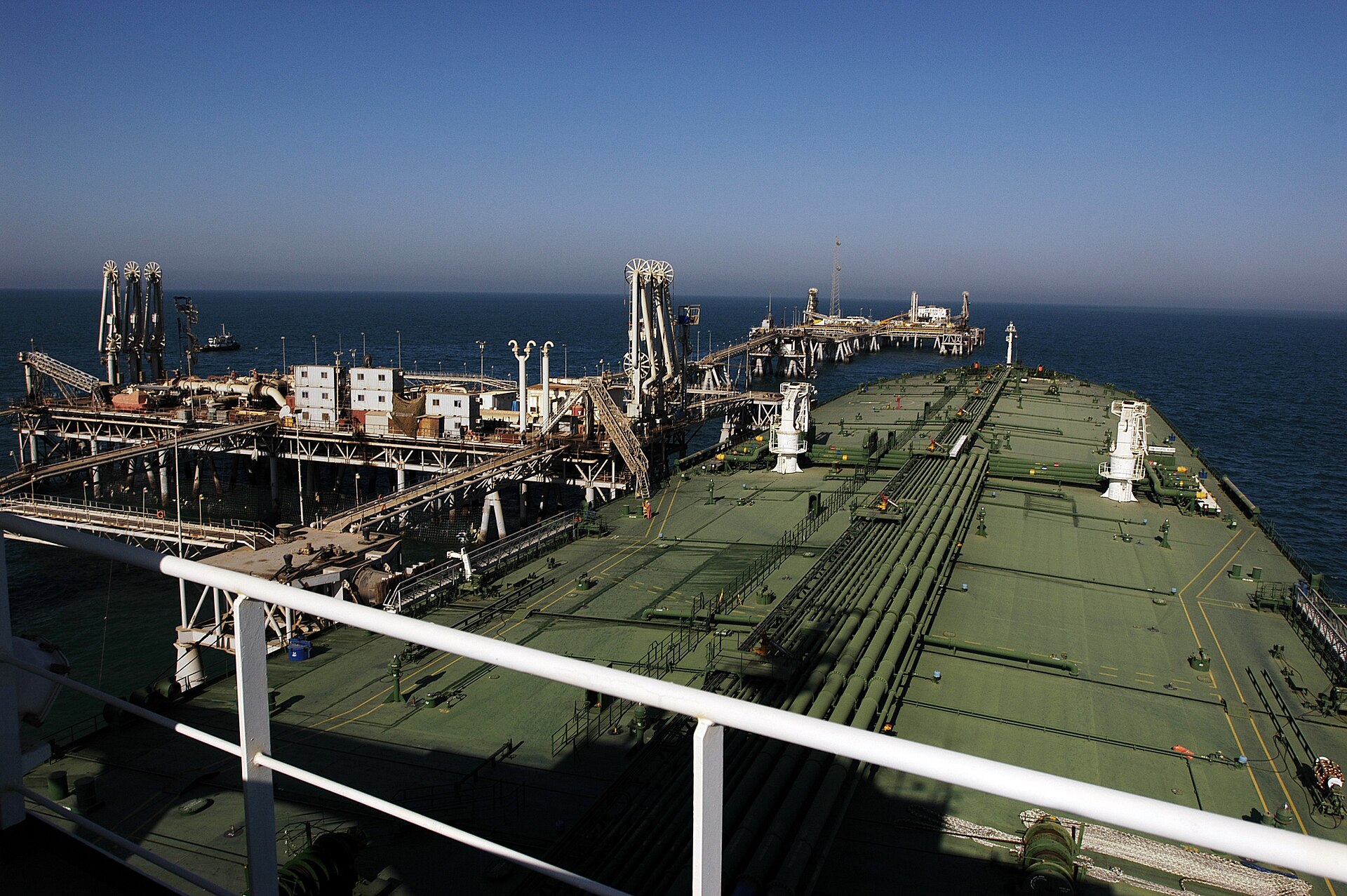
The straits.live tracker recorded the Strait of Hormuz as “Closed” on Day 241 as of 07:05 UTC on October 28. The last confirmed measurement from IMF PortWatch, dated October 18, showed 4 daily tanker transits — against a pre-war baseline of 85 per day, according to straits.live. Between 114 and 116 AIS-visible vessels were holding offshore as of October 28, per the same tracker.
The IRGC formally declared the strait closed on October 26 as tanker transits dropped to that level. CENTCOM has disputed Iran’s claim of “full control,” saying main shipping routes remain clear, according to straits.live on October 28. The International Maritime Organization said on October 27 that the Hormuz traffic route has mines and it cannot guarantee safe transit.
War-risk insurance for tankers through Hormuz has risen to multiples of the pre-war level, with brokers citing 6–10% of hull value per transit in early October 2026, against a pre-war rate of 0.15–0.25%, according to brokers via the Financial Times. Iranian state media on October 28 claimed an oil tanker caught fire after hitting mines east of the strait on an “unauthorized route” — framing mines as enforcement of Iran’s declared closure, not indiscriminate attacks, straits.live reported.
The physical reality behind the numbers: Iran expanded its tanker blockade to the Gulf of Oman on October 27, and Saudi loadings have dropped more than 70 percent from pre-crisis levels — a figure derived from export data, not an official announcement.
What Happened at the Tehran Talks on October 26?
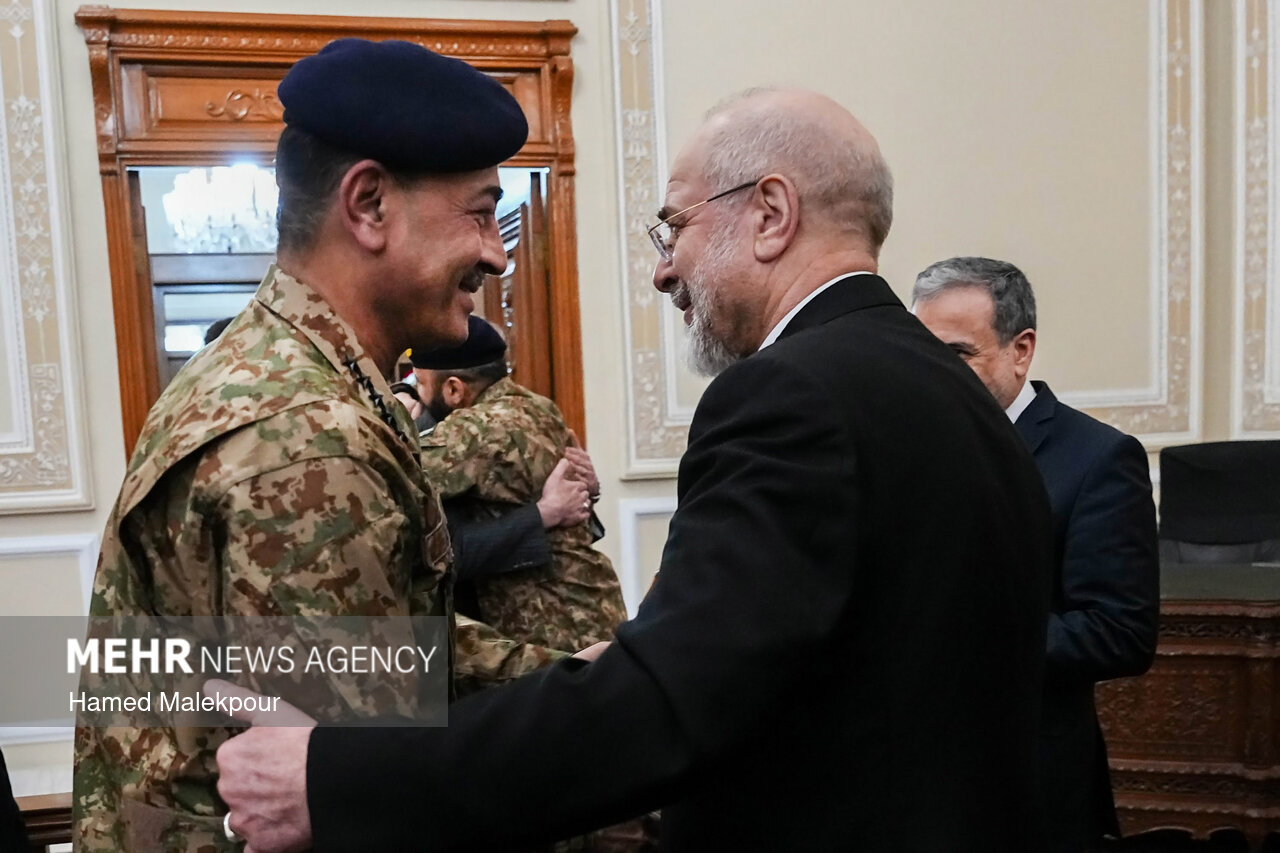
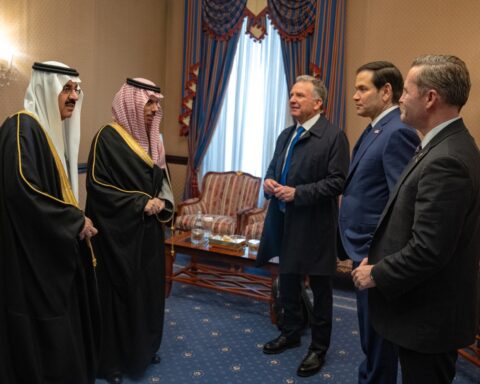
Saudi Defence Minister Prince Khalid bin Salman travelled to Tehran on October 26, accompanied by Pakistani and Turkish officials, in what was framed as the highest-level Saudi-Iranian diplomatic contact of the crisis. The delegation met Iranian leadership including President Masoud Pezeshkian, who expressed “openness to broad regional understandings” but made no specific commitments, according to ISW Critical Threats on October 27.
The talks produced no ceasefire and no joint communiqué. The parties agreed only to “continue discussions,” ISW Critical Threats reported on October 27. Pakistan’s Field Marshal Asim Munir carried a Trump-backed proposal to the Tehran talks on October 27, but its contents and Iran’s formal response have not been made public.
Iranian state media reported that Iran was discussing a proposed agreement with Saudi Arabia, Turkey and Pakistan that “includes lifting the US maritime blockade” — framing Tehran as engaging diplomatically rather than capitulating. The Saudi Cabinet reviewed the talks on October 27, noting only that discussions would continue. No Saudi public statement addressed Iran’s October 28 signal directly.
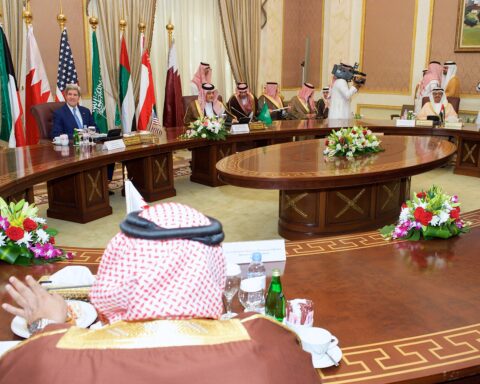
Qatar on October 28 urged Iran to show goodwill by reopening the strait, as US mediation continues, according to straits.live. Alex Vatanka at the Middle East Institute told Semafor in September that Qatar has “no option” but to keep mediating — a reflection of Doha’s exposure as the Gulf state most dependent on Hormuz transit for its liquefied natural gas exports.
Why Does November 3 Affect the Ceasefire Talks?
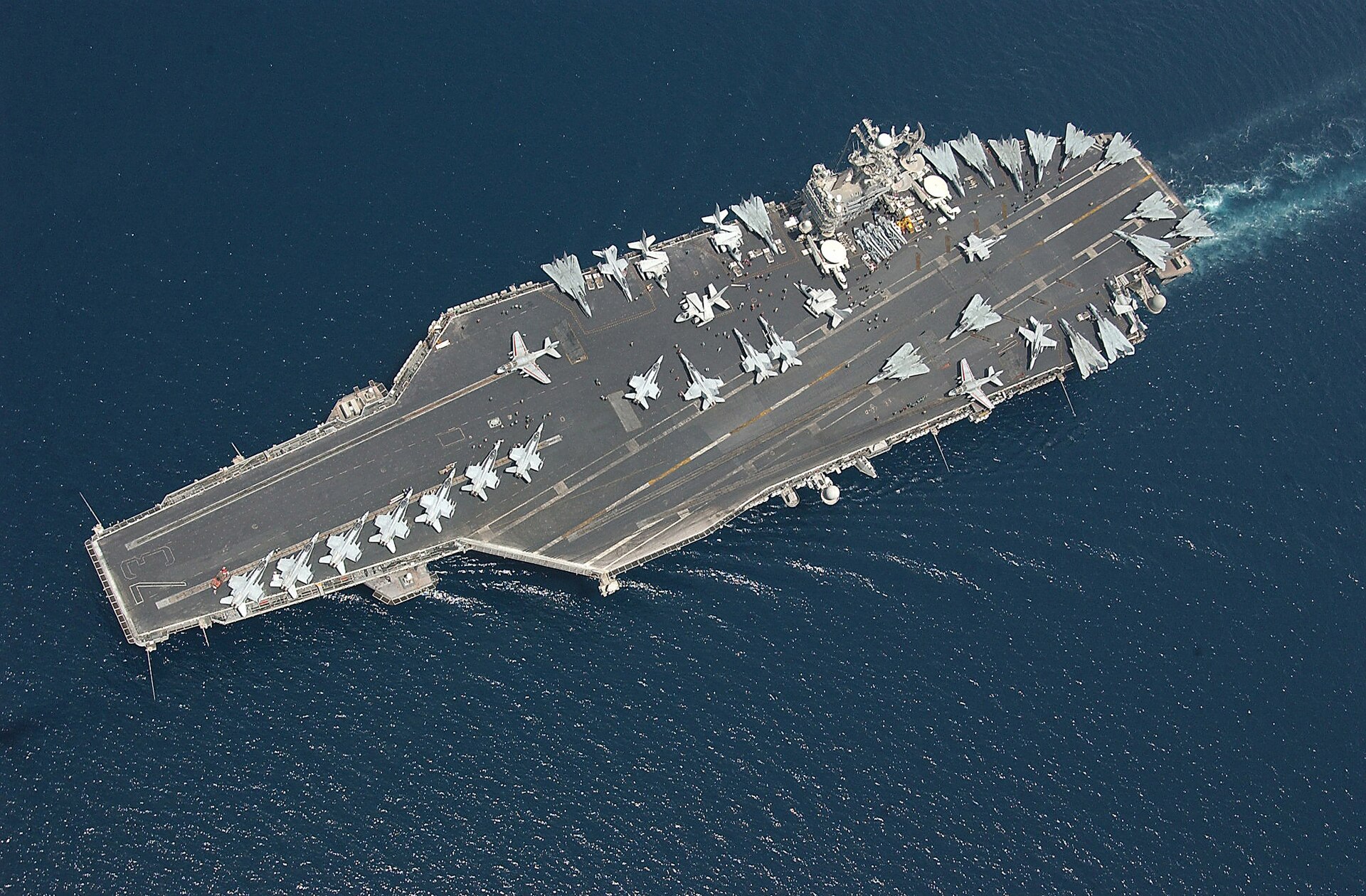
The ceasefire conditions are being restated against a specific deadline that neither side chose. Trump told officials on October 8 that “we will not be attacking Iran at any time prior to the midterm elections” on November 3, The National reported. CNN reported on October 27 that US forces can strike Iran within 96 hours of a presidential order. The US ordered all non-emergency staff and families to leave Saudi Arabia on October 27.
Trump rejected Iran’s seven-day ceasefire plan in late September, saying he had offered Iran “NOTHING,” Al Jazeera reported on September 26. The Wall Street Journal reported, also in late September, that Trump expected renewed bombing after the midterms. Paul Musgrave at Georgetown University in Qatar told Al Jazeera that Trump “doesn’t want to end the war on unfavourable terms,” and warned that if Republicans lose Congress, Trump may turn to “unilateral actions, including perhaps a resumption of warfare.”
Thomas Warrick at the Atlantic Council told the same outlet there is “an enormous amount of scepticism in Washington” that both sides are aligned on a deal. The National reported on October 8 that US-Iran diplomacy is “effectively paused until after the 3 November midterms.” Iran’s response to that pause has been to restate its conditions publicly and repeatedly, while maintaining the physical closure that gives those conditions leverage.
The US Strategic Petroleum Reserve fell to 282.6 million barrels, its lowest since October 1982, FinanceFeeds reported on October 27 — a detail that constrains Washington’s options for managing any post-midterm oil price spike.
Oil Markets and the Diplomacy Trade
Brent crude settled at $115.81 on Monday October 26, then dropped to $114.68 in Asian trading on Tuesday, a 0.98 percent decline that FinanceFeeds attributed to the “diplomacy trade” following the Tehran meeting. The benchmark remains roughly 61 percent above its pre-crisis baseline of approximately $72, according to straits.live on October 28.
Markets have been here before. When Trump announced a two-week ceasefire in April 2026, Brent fell 15 percent to $92.77, according to Hargreaves Lansdown. The April ceasefire collapsed. The June Islamabad Memorandum produced a brief reopening of Hormuz before Iran declared it void on July 14, and Brent climbed back above $100 by August.
OPEC+ meets on November 1 with Saudi Arabia’s production quota set at 10.5 million barrels per day, according to Enerdata on October 4. The question for that meeting is whether any member can fill the gap left by disrupted Iranian and Saudi exports — a gap the IEA measured at 2.3 million barrels per day of lost Saudi output in August, according to Reuters.
Mona Yacoubian at CSIS warned in 2026 that a Hormuz deal that sidelines Gulf states would “entrench coercion” — a framing that captures the concern shared by Saudi Arabia and the UAE about any US-Iran bilateral arrangement that trades strait access for concessions those states had no part in negotiating.
Why Can’t Qatar and Pakistan Close a Deal?
The October 28 signal passed through multiple channels. Qatar confirmed itself as the primary broker, urging Iran to show goodwill on the same day Tehran restated its conditions. Switzerland hosted parallel US-Iran talks during the June Islamabad process, but no source confirms that channel is active now. Oman has mediated at earlier stages of the conflict but was not named in the October 26-28 exchanges.
Pakistan occupies a dual role. Rabia Akhtar at the University of Lahore told Semafor in September that the conflict gave Islamabad “an urgent reason” to use its relationships with both Iran and Saudi Arabia. Field Marshal Asim Munir’s presence at the October 27 Tehran talks — carrying a Trump-backed proposal — placed Pakistan simultaneously as a mediator and as a conduit for American demands.
Mehran Haghirian at the Bourse and Bazaar Foundation told NBC News on August 9 that Iran’s leadership sees “returning back to the MOU” — the Islamabad Memorandum — as its best route. That memorandum provided for 60-day passage through Hormuz — a term Iran disputes in its details — and called for an end to the US blockade within 30 days. Iran declared the memorandum void on July 14.
The mediators face a structural problem. Iran’s conditions require the United States to act — lifting a blockade, releasing assets, halting strikes. But the United States is not at the table. Trump has said publicly that he offered Iran “NOTHING” and that diplomacy is paused until after November 3. The mediators are carrying proposals between a party that has stated its price and a party that has said it is not buying.
Background: From Islamabad to Impasse
The current impasse has a timeline. US and Israeli strikes killed Supreme Leader Ali Khamenei on February 28, 2026. The Assembly of Experts named Mojtaba Khamenei as his successor, and he took office on March 8. Iran’s response escalated across the spring and summer — attacking US positions in Jordan, Bahrain and Iraq, and progressively restricting, then closing, the Strait of Hormuz.
Trump announced a two-week ceasefire on April 8, conditional on Hormuz reopening. Iran agreed. Brent fell 15 percent. The ceasefire held long enough for the Islamabad Memorandum to be signed on June 17, providing for 60-day passage and at least $300 billion in reconstruction funding, according to Iran International. Switzerland hosted parallel talks, and a US-Iran de-confliction channel was reported at the time.
On July 14, Iran declared the memorandum void and war resumed. Since then, the IRGC has progressively tightened control of Hormuz. Lloyd’s List Intelligence counted 346 non-Iranian-linked transits in August. By October 18, that number had dropped to 4 per day. On October 26, the IRGC formally declared the strait closed.
The SNSC set conditions for reopening on August 8 — conditions Araghchi has repeated, with minor variations, in September and October. Each repetition arrives at a moment when military pressure on Iran is about to intensify, or when mediators are in transit. Araghchi told Al Jazeera on September 25: “The moment they accept this plan, from the next day, this timetable can start.”
Frequently Asked Questions
Has any ship transited the Strait of Hormuz since the IRGC declared it closed?
The CENTCOM-IMO gap matters as much as the raw transit count. CENTCOM says main shipping routes remain clear; the IMO warned on October 27 that the traffic route has mines and it cannot guarantee safe transit. The practical divide is between military capability and commercial insurability: a route a warship can traverse is not necessarily one a tanker insurer will cover. With war-risk insurance at multiples of pre-war levels — brokers cited 6–10% of hull value per transit in early October against a pre-war rate of 0.15–0.25% — a declared reopening would not immediately restore commercial traffic. IMF PortWatch’s last confirmed count stood at 4 daily transits on October 18, against a pre-war baseline of 85 per day.
What is the Islamabad Memorandum that Iran’s conditions reference?
Signed on June 17, 2026, the memorandum provided for 60-day passage through Hormuz, an end to the US blockade within 30 days, and a reconstruction plan of at least $300 billion, according to Iran International. Pakistan’s prime minister credited Saudi Arabia, Qatar, Turkey and Egypt with brokering it, according to Anadolu on June 18. Iran declared the memorandum void on July 14 after three ships, including the Saudi-flagged Wedyan, were hit, and Trump said the ceasefire was “over,” according to The New Arab on July 8. Iran disputes the “60-day passage” term’s details.
Could Iran reopen Hormuz without US agreement?
Physically, yes — the IRGC’s mine-laying and naval patrols are what restrict transit, and Iran could order them withdrawn. Politically, Tehran has linked reopening to US concessions it considers non-negotiable: lifting the blockade, sanctions relief, and asset releases. Araghchi’s framing treats the closure as leverage, not punishment. Iran International reported on October 18 that Tehran views the conditions as the same ones Washington accepted in the Islamabad Memorandum before walking away.
Has Iran indicated what it would do if US strikes resume after November 3?
Iran has set no electoral deadline of its own. The seven-point condition list has been in place since September and predates the midterm calendar by weeks. Iranian Army spokesman Mohammad Akraminia told CBS News on October 16 that Hormuz would remain closed unless “the United States leaves the region” — a demand more expansive than any specific ceasefire condition. Iran already escalated before November 3, extending its tanker blockade to the Gulf of Oman on October 27. Araghchi has framed the closure consistently as leverage that holds until agreement, not as a concession timed to any external political deadline.
What would it take for Brent crude to return toward its pre-crisis level?
Reopening Hormuz alone would not be sufficient. Saudi loadings have fallen more than 70 percent from pre-crisis levels and would take weeks to recover even after transit resumed. War-risk insurance, which brokers placed at 6–10% of hull value per transit in early October against a pre-war rate of 0.15–0.25%, would also need to normalize before tanker economics fully recovered. The April 2026 ceasefire reduced Brent by 15 percent to $92.77 — but that deal collapsed, and Brent had climbed back above $100 by August. On October 28, Brent at $114.68 remains roughly 61 percent above its pre-crisis baseline of approximately $72, according to straits.live. Prediction markets on October 28 placed full traffic normalization at 12 percent probability by December 31.
The House of Saud Daily Briefing
Saudi Arabia's news in 3 minutes, every morning. Free. See today's issue