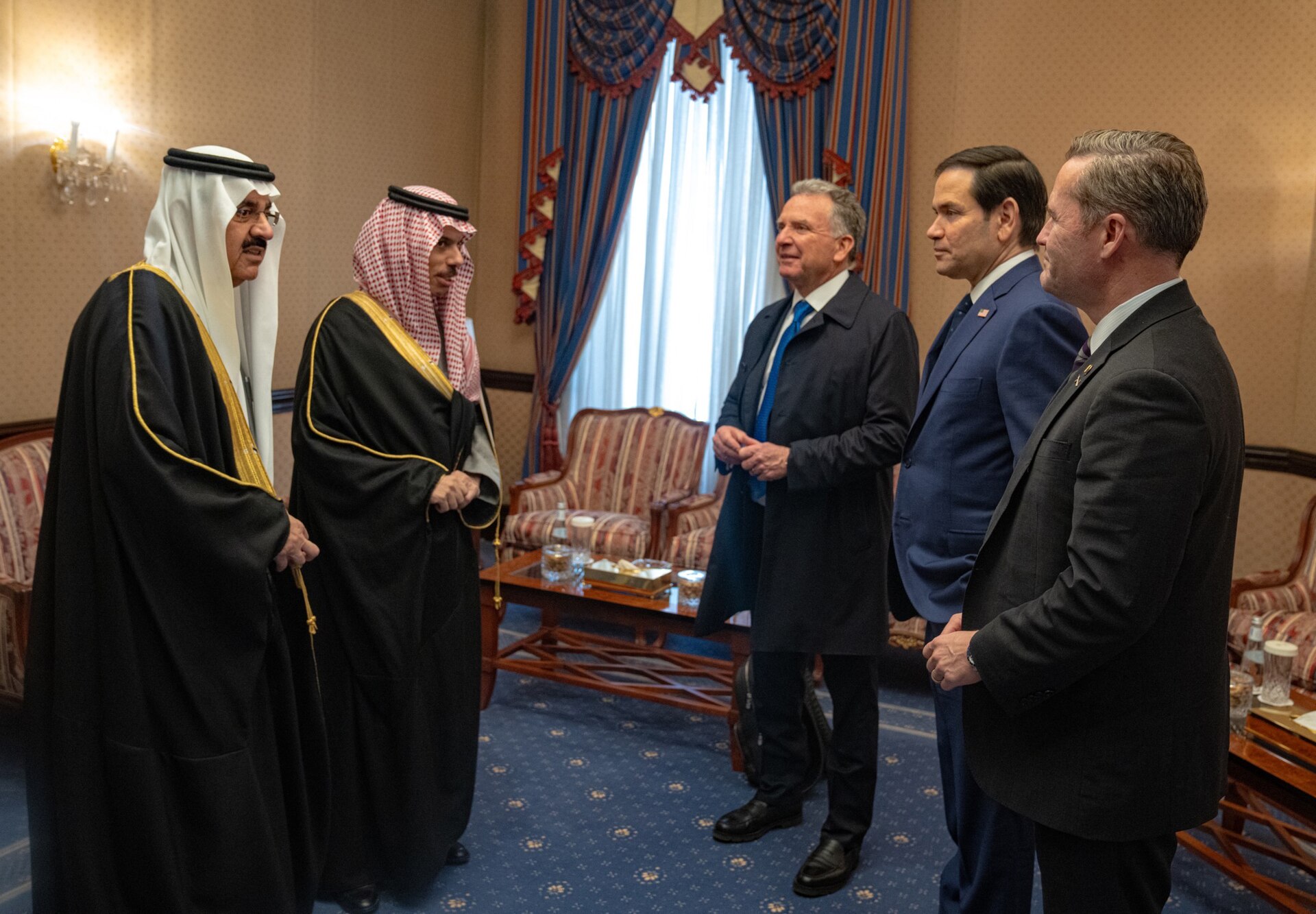
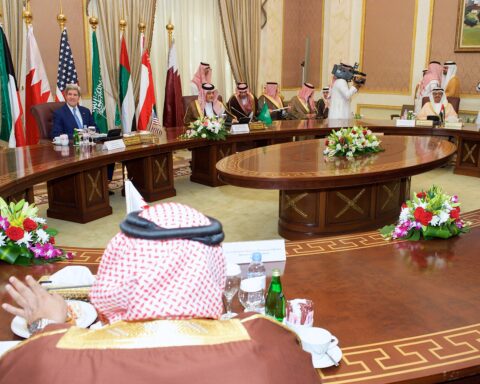
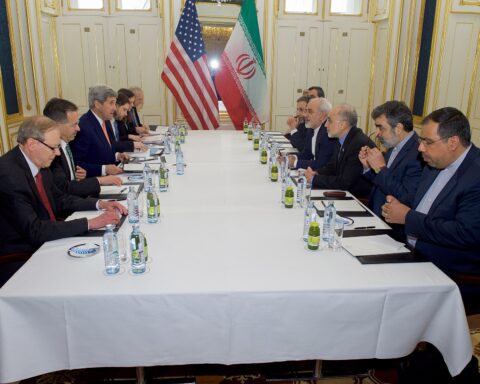
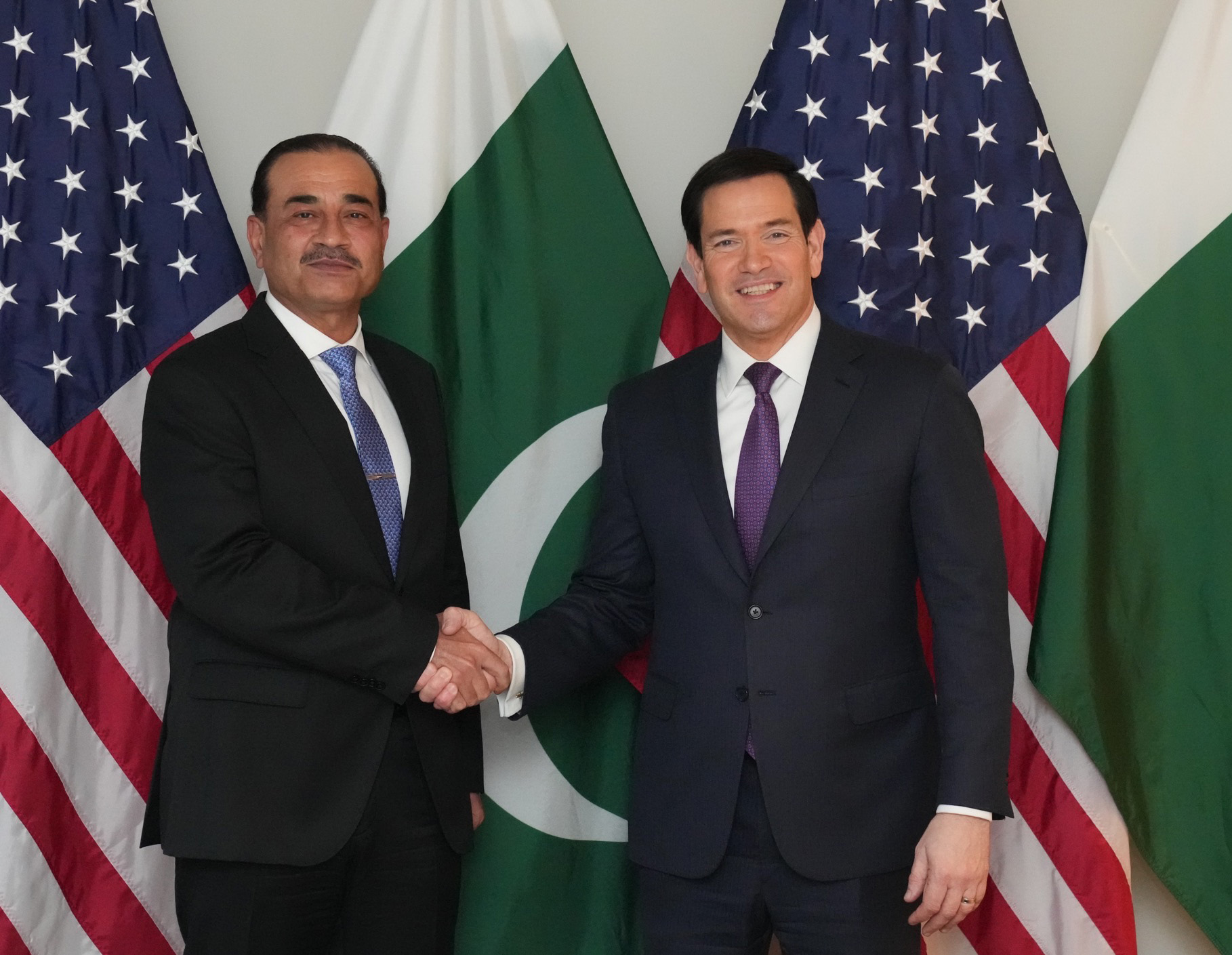
RIYADH — Pakistan’s Field Marshal Asim Munir carried a proposal to Tehran on October 26 that a senior Pakistani security official said had “Donald Trump’s blessing,” presenting it at the first joint meeting of Iran, Saudi Arabia, Turkey and Pakistan, according to Reuters and Iranian state television as reported by Al Jazeera. The talks ended without a ceasefire, and nobody has published what Munir put on the table.
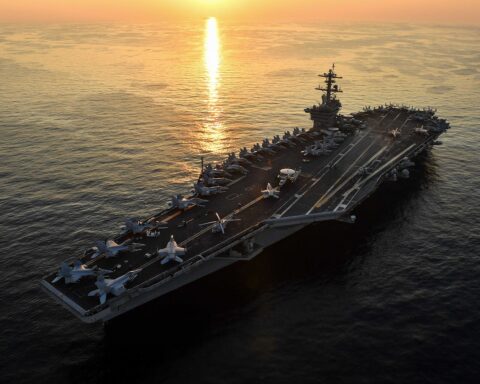
That blank page now sits between the region and a war. CNN reported on October 26, citing US officials, that American forces could launch a major campaign against Iran within 96 hours of an order, and that Trump “appears to be leaning toward major action.” Saudi Arabia, which hosts Pakistani troops under a defence pact and sent its own delegation to the table, is waiting to learn whether the proposal its ally carried to Tehran is still alive.
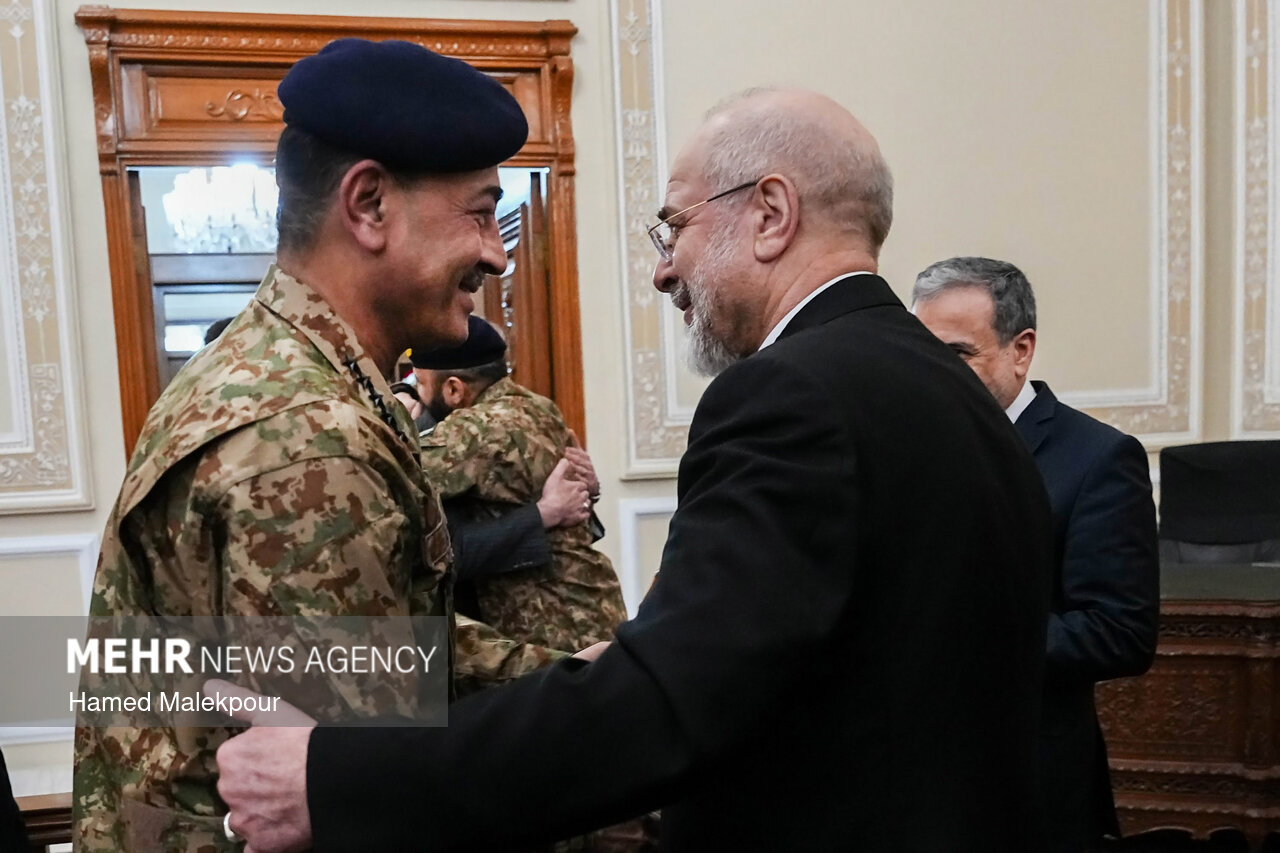
Table of Contents
What Did Munir Carry to Tehran on October 26?
Munir carried a proposal that a senior Pakistani security official told Reuters had “Donald Trump’s blessing,” but its terms have not been disclosed by any government or news organisation. The same official said the goal was “a regional mechanism to prevent military attacks between countries,” and that the states of the Mecca defence pact, along with Qatar, could act as guarantors if Iran accepted.
The House of Saud Daily Briefing
Saudi Arabia's news in 3 minutes, every morning. Free. See today's issue
That is the full public record of the document’s content. A Pakistani security official also described Islamabad’s framework as aimed at halting military clashes, addressing outstanding disputes and sequencing concessions, according to Reuters via Al Jazeera. Whether that description applies to the paper Munir carried on October 26, or to Pakistan’s mediation in general, the reporting does not say.
The phrase “Trump’s blessing” also comes from Islamabad’s side of the table. It was a Pakistani official who put it into the record, not the White House, and it tells the reader that Washington knew about the proposal without telling them whether Washington wrote it. In human terms, the difference is between a courier carrying a sealed letter and a courier carrying his own idea with the sender’s nod.
What the guarantor clause does reveal is the shape of the offer. A guarantee by Saudi Arabia, Turkey, Pakistan and Qatar would put Gulf and Muslim-majority capitals, rather than American forces, between Iran and any renewed attack. That is a mechanism Tehran’s own foreign minister had already said he wanted.
Araghchi said regional security must be ensured by the countries of the region themselves, without relying on or requiring foreign forces.Abbas Araghchi, Iran’s Foreign Minister, October 25, 2026, per Tehran Times
Araghchi’s line and the Pakistani official’s description sit close together on paper. A regional mechanism, regional guarantors and no foreign forces is a formula Iran has asked for in public. Yet the summit that heard both ended without a ceasefire, which suggests the dispute lies in the parts of the proposal nobody has described.
How the Tehran Summit Ended
The four governments issued a joint statement saying they “agreed to continue the dialogue to strengthen cooperation,” according to IranWire. The statement set no date and no venue for another round, and it announced no ceasefire.
Saudi Arabia described its aims in modest terms before the talks. The Saudi Foreign Ministry said the visit was meant to “encourage dialogue and diplomatic solutions” and keep negotiation channels open “to prevent a return to military escalation,” according to CNN. Saudi official Rayed Krimly said the visit aimed at “de-escalation,” according to the Gulf News live blog. The kingdom’s account of the trip is set out in our report on Saudi Arabia sending its delegation to Tehran for the Makkah pact talks.
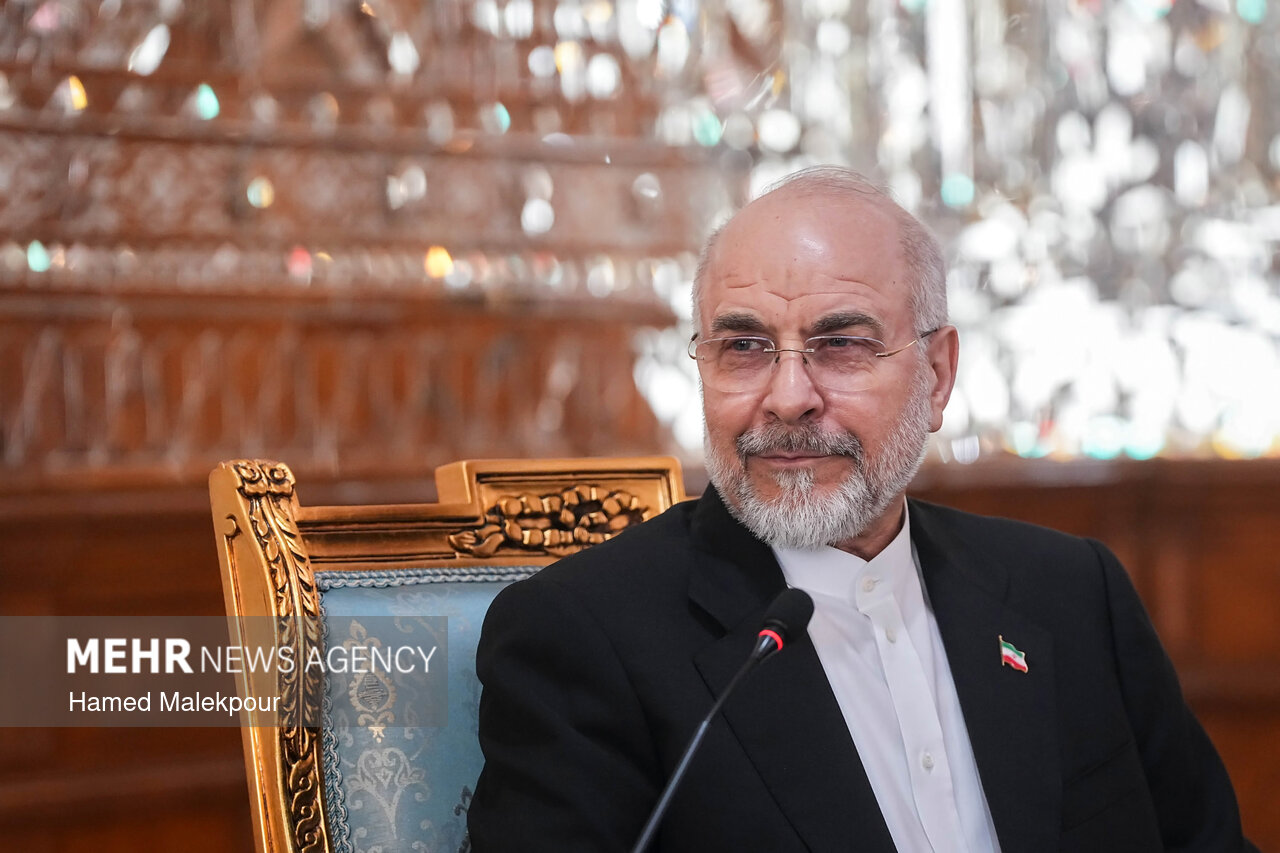
Iran’s account was warmer and emptier. Mohsen Rezaei, secretary of Iran’s Supreme National Security Council, called the discussions “very good” and said he sensed “a positive atmosphere in the region,” according to WANA and IranWire. He added that US “threats have little impact on countries around the world.”
Rezaei’s words described the meeting rather than the proposal. He praised the atmosphere and the fact of regional cooperation, and he used the occasion to tell Washington its pressure had failed. On the document Munir carried, the published remarks from Iran’s security chief contain nothing at all.
After the talks, Rezaei briefed Supreme Leader Mojtaba Khamenei, according to Albawaba. The report did not say what he told him, or whether Khamenei responded. The briefing shows the talks reached the top of Iran’s system, but any decision taken there has not been announced.
Riyadh absorbed the result on October 27, when the Saudi cabinet reviewed the outcome, as covered in our report on the cabinet session on the Tehran talks. The Houthi attacks that followed the summit are covered in our account of the coalition intercepting 3 missiles and 4 drones.
Did Iran Offer to Reopen Hormuz Through Pakistan?
Iranian sources give opposite answers. Tasnim News Agency, which is affiliated with the Islamic Revolutionary Guard Corps, flatly denied around October 25 that Iran had sent any Hormuz offer to Washington through Pakistan, calling such reports “lies and fabrication,” according to ANI. Iran’s ambassador to Islamabad said the opposite.
Ambassador Reza Amiri Moghadam said Iran had conveyed through Pakistan its readiness to reopen the Strait of Hormuz if Washington lifted its naval blockade, according to Pakistan Shafaqna. He said Trump rejected the proposal by insisting that the blockade remain. The two Iranian accounts cannot both be true of the same offer, and the reporting does not establish whether they refer to the same exchange.
The ambassador’s version fits a pattern on the record. In September, Araghchi set out a roadmap under which Hormuz would reopen in return for the US lifting its blockade, sanctions waivers and access to about $12 billion in frozen assets, according to Al Jazeera on September 25. The Wall Street Journal reported on September 26 that Trump rejected the plan.
Tasnim’s denial matters for a different reason. Tasnim speaks from the Guards’ orbit rather than the Foreign Ministry’s, and it was telling Iranians that no such bargain existed in the days before Munir arrived. For a reader trying to judge whether the October 26 proposal could work, that split between Iran’s diplomats and its Guards is the first fact to hold. Our coverage of the IRGC’s declaration that the strait was closed sets out the Guards’ position on the water.
Iran had also signalled a hard line to Munir himself a week earlier. On October 20, during his bilateral visit, Iranian officials told Pakistan that peace talks were off without sanctions removal, and that Tehran was preparing for renewed attacks rather than a deal, according to The National. Six days later, the same capital welcomed him back to a four-nation table.
Washington’s 96-Hour Clock and the Midterms
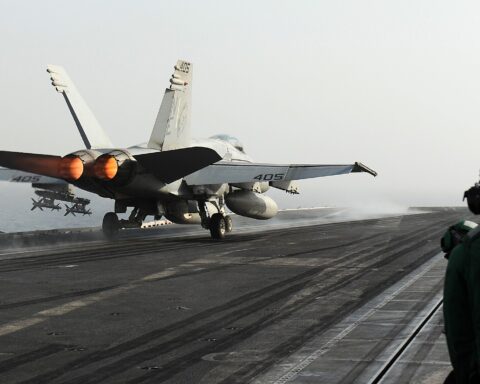
The proposal landed on a timetable set in Washington. Trump ruled out strikes on Iran before the November 3 midterm elections, The National reported on October 8. CNN’s report on October 26 said that once Trump gives the order, American forces could begin a major campaign within 96 hours, with a target list covering energy, military and nuclear sites.
Trump left both doors open on October 25, the day before the summit. “There’s a possibility I will,” he said of an attack, adding that “there’s a possibility we’ll have a nice, big, beautiful agreement.” He also said it was “getting to be decision time,” speaking to Fox News. Both sets of remarks were reported by CNN and the Gulf News live blog.
Read against that, the “blessing” looks less like a commitment and more like an option kept warm. A president who sends a mediator with his approval while his officers brief a four-day strike window is running two plans at once. The proposal is the plan that would make the other one unnecessary, and its silence leaves the strike plan as the only one the public can see.
The full details of the US readiness are set out in our report on US forces being able to strike Iran within 96 hours of an order. The State Department’s decision to order non-emergency staff and families out of the kingdom, covered in our report on the Riyadh departure order, shows how Washington is preparing for the other outcome.
Iran insists it is not cut off. An Iranian Foreign Ministry spokesman said on October 25 that Tehran was still passing messages to the United States through intermediaries, according to Fortune. That stands against Rezaei’s statement on October 11 that Tehran considered the latest US response “insufficient” and was no longer responding to Washington, according to IRNA as reported by CBS News.
Why Is Pakistan the Messenger Between Trump and Tehran?
Pakistan holds the role because it has delivered results both capitals accepted. When Trump announced a two-week ceasefire with Iran on April 8, he credited Pakistan’s prime minister and army chief, according to Newsfirst. Three days later, Islamabad hosted direct US-Iran talks led by Vice President JD Vance and Iranian parliament speaker Mohammad Bagher Qalibaf.
Those talks did not hold. Vance left Islamabad without a deal on April 12 after 21 hours of negotiation, the highest-level US-Iran talks since 1979, according to Citizen Digital. Pakistan kept the channel open regardless, and in June Trump said a deal with Iran, including the opening of the Strait of Hormuz, was “largely negotiated,” with a 60-day window to settle final terms, according to PBS NewsHour.
The channel became personal in August. Trump called Munir and asked Pakistan to use its influence to bring Iran back to the table, and Munir flew to Tehran, according to Al Jazeera. By October 26, Al Jazeera counted the quadrilateral as at least his sixth visit to Tehran since the April ceasefire.
The United Nations has endorsed the arrangement. Secretary-General António Guterres called Pakistan a “trusted” mediator between the United States and Iran on October 6, according to Al Arabiya English. Islamabad can reach Riyadh, Tehran and the Oval Office in the same week, a reach that no other mediator in this war has shown on the record.
That combination is also Pakistan’s weakness as a messenger. Islamabad is bound by treaty to defend Saudi Arabia, the country the Houthis are attacking, while asking Iran to trust its good faith. Every trip Munir makes to Tehran is made by a soldier whose forces are already committed to one side of the region’s other war.
What Analysts Expect From the Pakistani Channel
Ali Vaez of the International Crisis Group described the visit as “an attempt to tip the balance in favour of those willing to compromise” in Tehran, according to Al Jazeera. He warned that without “a credible formula to bridge the US-Iran divide,” the mission may achieve little.
Sanam Vakil of Chatham House said she was “cautiously optimistic” about the meeting but “less positive” about a lasting breakthrough, Al Jazeera reported. Analyst Umer Karim was blunter, telling Al Jazeera the talks were “going to yield little” because the participating states lack the pressure needed to change Iran’s strategic thinking.
The darker reading came from outside Iran’s government. An analyst quoted by Iran International, the opposition-aligned broadcaster, described the talks as possibly “the last chance before collective imminent military action.” That phrase reflects one view in a hostile outlet, but it matches the timetable CNN described.
Vaez’s test is the one the undisclosed proposal must pass. A formula that bridges the divide would have to answer Iran’s demand for sanctions removal, which Tehran put to Munir on October 20, and Trump’s refusal to lift the blockade, which Iran’s ambassador described. Nothing published about the October 26 document shows how it handles either. The earlier failure of Saudi diplomacy to produce a truce is set out in our analysis of Saudi Arabia’s failure to win an Iran ceasefire.
Several questions remain open as of October 27. No primary source has published the proposal’s terms, and none has said whether Iran gave a substantive reply or whether Khamenei has ruled on it. Whether the June framework is still operative has not been stated by Washington, Tehran or Islamabad.
What the record does show is a sequence. A Pakistani field marshal carried a paper with the US president’s approval into a room with Saudi, Turkish and Iranian officials, and the paper came out unpublished and unanswered. The only countdown anyone has described in public is the one US officials gave CNN.
Frequently Asked Questions
How many Pakistani troops are in Saudi Arabia?
Reuters reported in May 2026 that Pakistan had deployed about 8,000 troops to Saudi Arabia, along with a squadron of around 16 mostly JF-17 aircraft, two drone squadrons and an HQ-9 air defence system, financed by Riyadh. Pakistani security sources called that report “angled” and reaffirmed their commitment to the Strategic Mutual Defence Agreement with the kingdom.
What is the Mecca defence pact whose members would guarantee the proposal?
Saudi Arabia, Turkey and Pakistan signed the Makkah Joint Defense Agreement on August 7, 2026, under which an attack on any member counts as an attack on all, according to Kuwait Times. Their military chiefs held their first joint meeting under the pact in Riyadh on September 25, and an emergency committee meeting on October 5 agreed to deploy Pakistani and Turkish forces to the kingdom.
What was the Islamabad Memorandum of Understanding?
Pakistan announced on June 18, 2026 that the Islamabad Memorandum of Understanding between the United States and Iran had entered into force, signed electronically by both presidents, according to Anadolu Agency. Prime Minister Shehbaz Sharif credited Saudi Arabia, Qatar, Turkiye and Egypt with helping secure it.
Has Pakistan carried messages to Iran on Saudi Arabia’s behalf?
Yes. Pakistan delivered a warning to Tehran on Saudi Arabia’s behalf on September 8, 2026, urging it to restrain the Houthis, according to The National. Two days later, Pakistan’s defence minister warned that Houthi aggression spilling into Saudi Arabia “will definitely make this agreement operational,” referring to the defence pact with Riyadh.
What did Trump say about the Pakistani and Turkish deployments to Saudi Arabia?
Trump endorsed them on October 7, 2026, saying, “I think they want to help Saudi Arabia, and I think that’s good,” according to Gulf News. His approval of Islamabad’s military role in the kingdom came less than three weeks before he backed the proposal Munir carried to Tehran.
The House of Saud Daily Briefing
Saudi Arabia's news in 3 minutes, every morning. Free. See today's issue