RIYADH — Crown Prince Mohammed bin Salman chaired a Council of Ministers session on October 27, 2026, to review what Defence Minister Prince Khalid bin Salman brought back from Tehran. The October 26 talks had ended without a ceasefire and without a joint communiqué, according to The National News.
The session amounts to Saudi Arabia closing the books on its most direct diplomatic engagement with Iran since the war began. Trump had ruled out strikes on Iran before the November 3 midterms. The cabinet’s statement reflected that constraint: it praised air defences without calling for escalation, and kept the diplomatic door open without conceding ground. Iran had used the Tehran meeting to ask Saudi Arabia, Pakistan and Turkey to persuade Washington to accept a two-week pause in hostilities. Hours later, Houthi missiles and drones struck Saudi territory again, according to The National News.
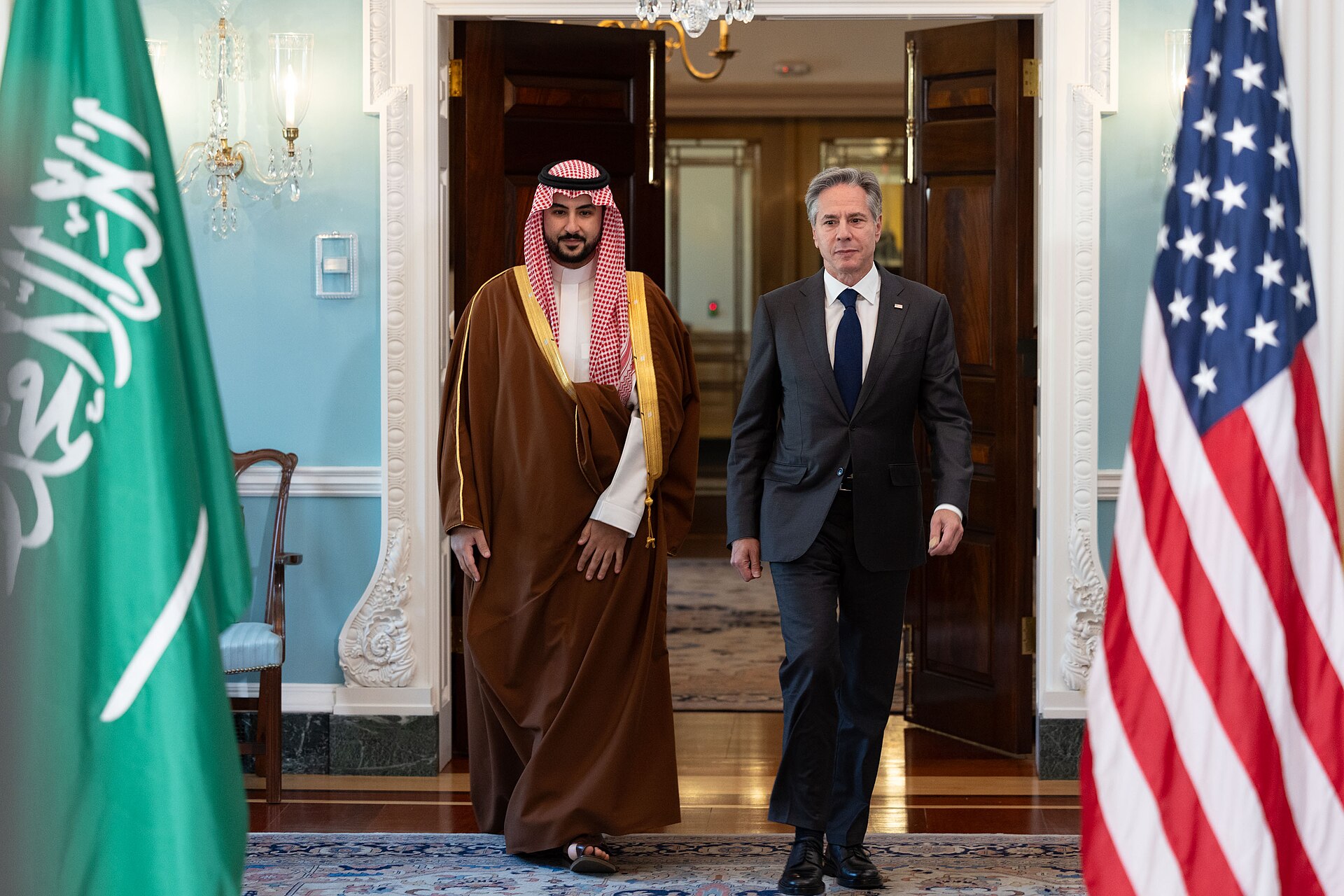
Table of Contents
What the Cabinet Statement Said and Did Not Say
The Council of Ministers reviewed “the substance of the talks held between the countries party to the Mecca Common Defence Agreement” and reaffirmed “Saudi Arabia’s commitment to establishing security and stability,” according to Gulf News, citing the Saudi Press Agency. The cabinet praised “the capabilities of the Kingdom’s air defence systems and their success in intercepting repeated Houthi attacks targeting Makkah, Madinah and other parts of Saudi Arabia,” Gulf News reported.
The House of Saud Daily Briefing
Saudi Arabia's news in 3 minutes, every morning. Free. See today's issue
The statement contained no mention of Iran by name. It did not call for US military action. It did not condemn Tehran for the Hormuz blockade or for Iran’s role in supplying the Houthis. A Saudi official described the Tehran talks as being “within the framework of ongoing efforts to de-escalate tensions between the parties,” Gulf News reported. The language was designed to keep the diplomatic channel open while committing to nothing.
The absence is as telling as the text. The cabinet could have used the debriefing to invoke the Makkah Joint Defence Agreement’s collective defence clause — an attack on one is an attack on all — and call for escalation. It did not.
What Did Iran Ask for in Tehran?
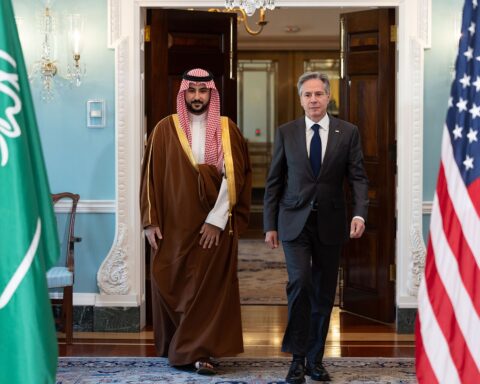
The October 26 talks in Tehran brought together three Makkah pact officials: Saudi Defence Minister Khalid bin Salman, Pakistani Army Chief Field Marshal Asim Munir and Turkish intelligence chief Ibrahim Kalin. Across the table sat Iran’s Supreme National Security Council Secretary Mohsen Rezaei and President Masoud Pezeshkian, according to The National News and Gulf News.
Iran made a specific request: it asked the three Makkah pact states to press Washington for a two-week pause in hostilities. In return, Tehran proposed gradually reopening the Strait of Hormuz, The National News reported in an exclusive account of the talks. Iran also set preconditions before any Hormuz reopening could begin, according to Iran International. These included $24 billion in frozen foreign reserves made accessible and the lifting of restrictions on container clearance at the port of Bandar Abbas.
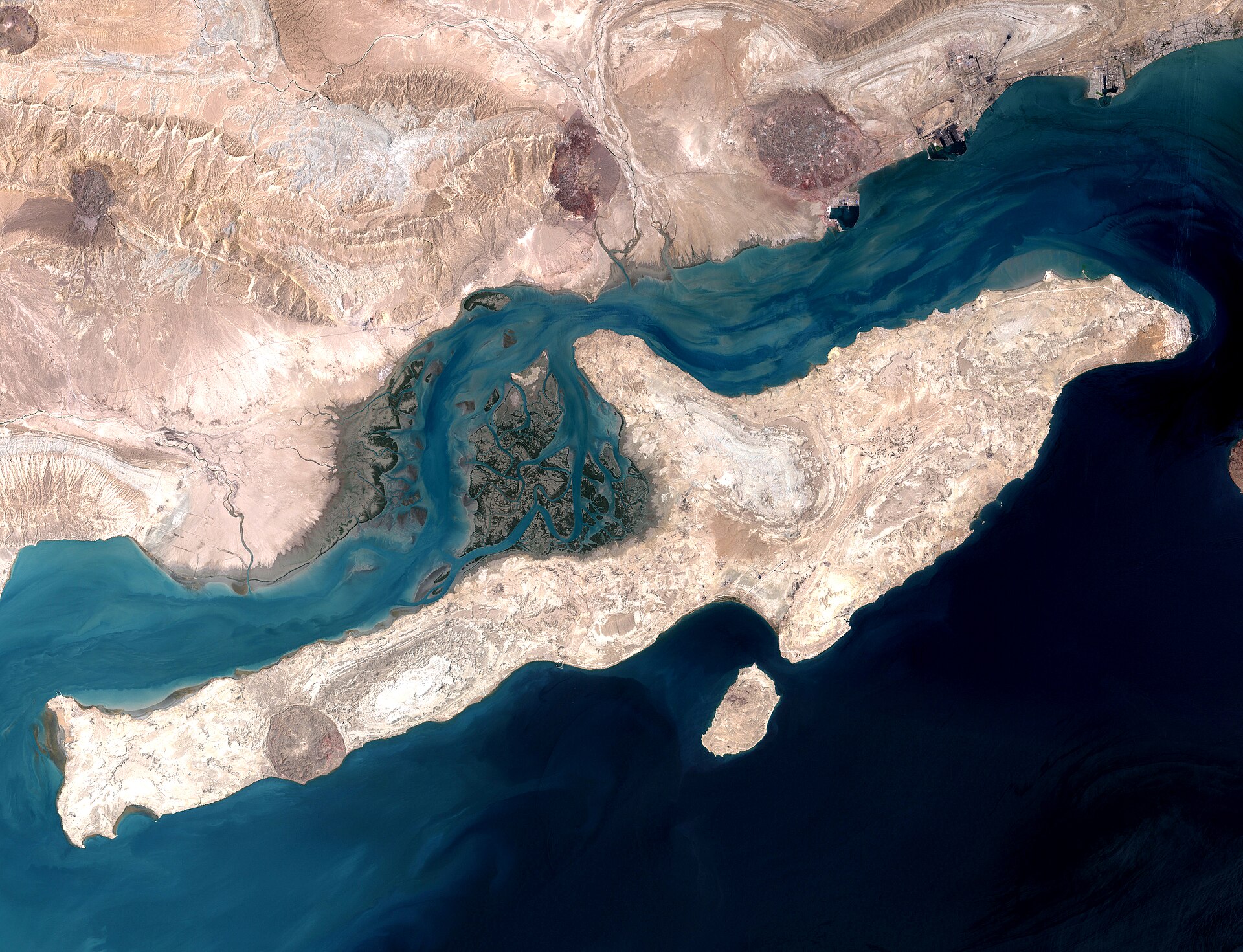
The proposal reveals Tehran’s strategic calculation. Iran believes Riyadh now holds the key to whether a post-midterm US strike happens, and is attempting to convert Saudi Arabia into an indirect back-channel to Washington. The Wall Street Journal reported in September that Trump rejected Iran’s earlier seven-day ceasefire proposal and told aides he expects renewed bombing after the midterms (Hurriyet/WSJ, September 26, 2026).
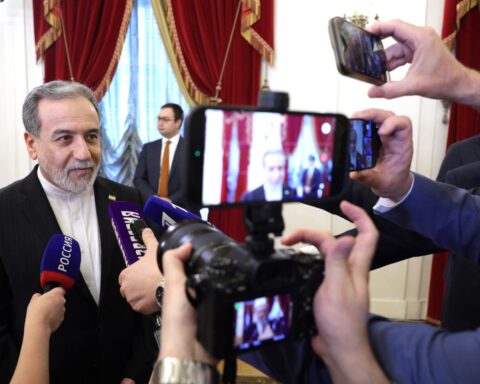
Iran simultaneously claimed it lacked influence over the Houthis, The National News reported. The claim was contradicted by WSJ reporting that Iran provides the Houthis with training, intelligence, tactical guidance and targeting assistance. Rezaei told reporters the talks were “very good,” according to Gulf News:
I feel that a new atmosphere is emerging in the region. Security in the region where we live should be endogenous.
Mohsen Rezaei, Iran’s SNSC Secretary, after the Tehran talks — Gulf News, October 27, 2026
The reference to “endogenous security” is a direct signal that Tehran wants to exclude the United States from any regional security framework — a position no Gulf state has accepted.
Iran’s armed forces chief Ali Abdollahi declared the Strait of Hormuz “completely closed” and under “full Iranian control,” Gulf News reported on October 27. The statement came the same day as the cabinet session — a reminder that Tehran will not yield its primary bargaining tool before extracting concessions.
Why Did the Houthis Refuse to Stop Fighting?
The Tehran talks produced no ceasefire, in part because the Houthis’ precondition remains unchanged. Saudi Arabia must lift its air blockade on Yemen before any halt in fighting, The National News reported. The demand is a non-starter for Riyadh, which views the air blockade as essential to limiting the flow of Iranian weapons to the Houthis.
The disconnect between Tehran’s claims and the Houthis’ behaviour was laid bare within hours. After the talks concluded, the Saudi-led coalition intercepted 3 ballistic missiles and 4 drones launched by the Houthis, followed by 2 more missiles aimed at Riyadh, The National News reported. The timing — attacks launched within hours of the talks concluding — made the point that Iran either could not or would not restrain its proxy.
Iranian state television reported that the four countries had agreed to continue discussing regional peace, security and cooperation, according to Gulf News. A source close to Tehran told The National News that “the sides agreed to continue dialogue and consultations.” A second round of talks, possibly in Turkey, had not been ruled out. But no date was set, and no mechanism for Houthi compliance was discussed.
Saudi Arabia’s Deliberate Neutrality
The cabinet statement’s calibration is itself the news. By praising air defences without calling for escalation, and by keeping the diplomatic door open without offering concessions, Riyadh is maintaining maximum optionality ahead of November 3.
Prince Khalid bin Salman’s own record illustrates the tension within Saudi policy. In January 2026, he told US officials that inaction would “embolden” Iran, according to Axios. By August 2026, he was telling Vice President Vance that Saudi Arabia favoured de-escalation, Axios reported. The shift from confrontation to diplomacy tracked a broader Saudi reassessment. Crown Prince Mohammed bin Salman told Trump in August 2026 to “prioritise dialogue to reduce escalation,” according to Al Jazeera. He specifically warned that a major US strike on Iran’s energy infrastructure could trigger retaliation against Gulf oil facilities, Al Jazeera reported.
CNN reported that the crown prince made two appeals to Trump in September 2026 for US strikes on the Houthis; both were declined. Trump said on October 8 that the US “will not be attacking Iran at any time prior to the midterm elections” on November 3, according to The National. The cabinet session took place with that deadline less than seven days away.
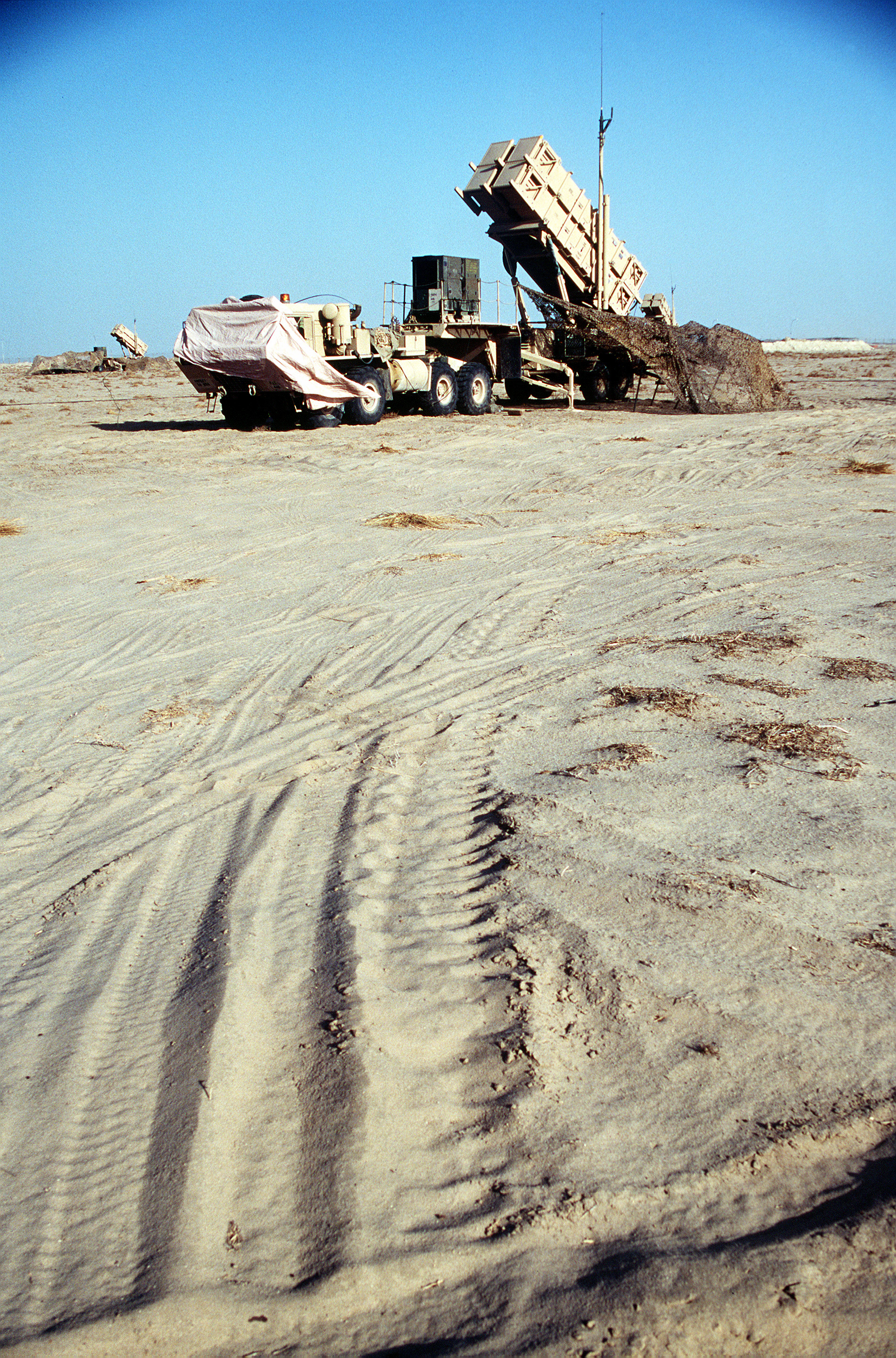
The failure of the Tehran ceasefire attempt leaves Riyadh with a narrowing set of options. It can continue to absorb Houthi attacks while its air defences hold. It can press harder for US military involvement after the midterms. Or it can offer the Houthis terms — a path made more fraught by Israel Hayom’s report that Riyadh offered the Houthis $1 billion via Iran, citing unnamed diplomatic sources. No other outlet has confirmed the claim.
What Happens After November 3?
The date that organises every calculation in Riyadh and Tehran is November 3. Trump’s public pledge not to strike Iran before the midterms created a temporary equilibrium: Iran escalates at the margins (Hormuz, Houthi support), Saudi Arabia absorbs and intercepts, and Washington watches. That equilibrium expires in seven days.
Ali Bagheri Kani, Iran’s Supreme National Security Council deputy for international affairs, signalled conditional openness to a broader deal, according to Gulf News. He told reporters that if the US fulfils its seven conditions, “entering a new path could be considered.” The conditions — sanctions relief, access to frozen reserves and an end to the US naval blockade — are maximalist. But the framing suggests Tehran is keeping a diplomatic exit open.
Former Iranian deputy speaker Ali Motahari told Iran International that the chances of a US deal were now greater than renewed war. But Kayhan editor Hossein Shariatmadari, who is close to Supreme Leader Khamenei, opposed compromise, arguing that diplomacy would waste Iran’s Hormuz bargaining position, Iran International reported. Khamenei himself met Rezaei after the talks and stressed the necessity of fulfilling Iran’s conditions for ending the war and exiting “the state of neither war nor peace,” according to Gulf News. The formulation demands resolution but does not specify which kind.
Oman’s Foreign Minister Badr Albusaidi offered an alternative framework, calling for a non-aggression pact involving Gulf states, Iran and Iraq, The National News reported. He argued that the United States would no longer serve as the region’s primary security provider.
Saudi Arabia’s fiscal position adds urgency. The pre-budget statement in September revised the 2026 deficit upward to 245 billion riyals from a budgeted 165 billion, according to Reuters via Zawya. With the Strait of Hormuz effectively closed and Houthi attacks disrupting export infrastructure, every week without resolution costs Riyadh revenue it had already counted on losing.
Background: The Makkah Pact and the Road to Tehran
The Makkah Joint Defence Agreement, signed on August 7, 2026, committed Saudi Arabia, Turkey and Pakistan to collective defence: an attack on one constitutes an attack on all. The pact also established joint exercises, intelligence sharing and defence-technology cooperation, according to the Jerusalem Post. Turkey published the full text of the agreement in October ahead of parliamentary ratification, the Jerusalem Post reported.
Analyst Seth J. Frantzman wrote in the Jerusalem Post that the Makkah Pact is better understood as focused on diplomacy and shared interests than on immediate military action. He added that comparisons to NATO are misplaced. Shahram Kholdi, an analyst quoted by Iran International, was blunter: “The Mecca Pact has effectively been a paper tiger.”
The road to Tehran was paved by intermediaries. Pakistan has acted as an intermediary between the Makkah pact states and Iran, Iran International reported. Qatari officials visited Tehran on Sunday, October 25, ahead of the Monday talks, Iran International also reported. Iran’s Foreign Minister Abbas Araghchi had offered in early October to “facilitate dialogue between Saudi Arabia and Yemen,” according to the BBC.
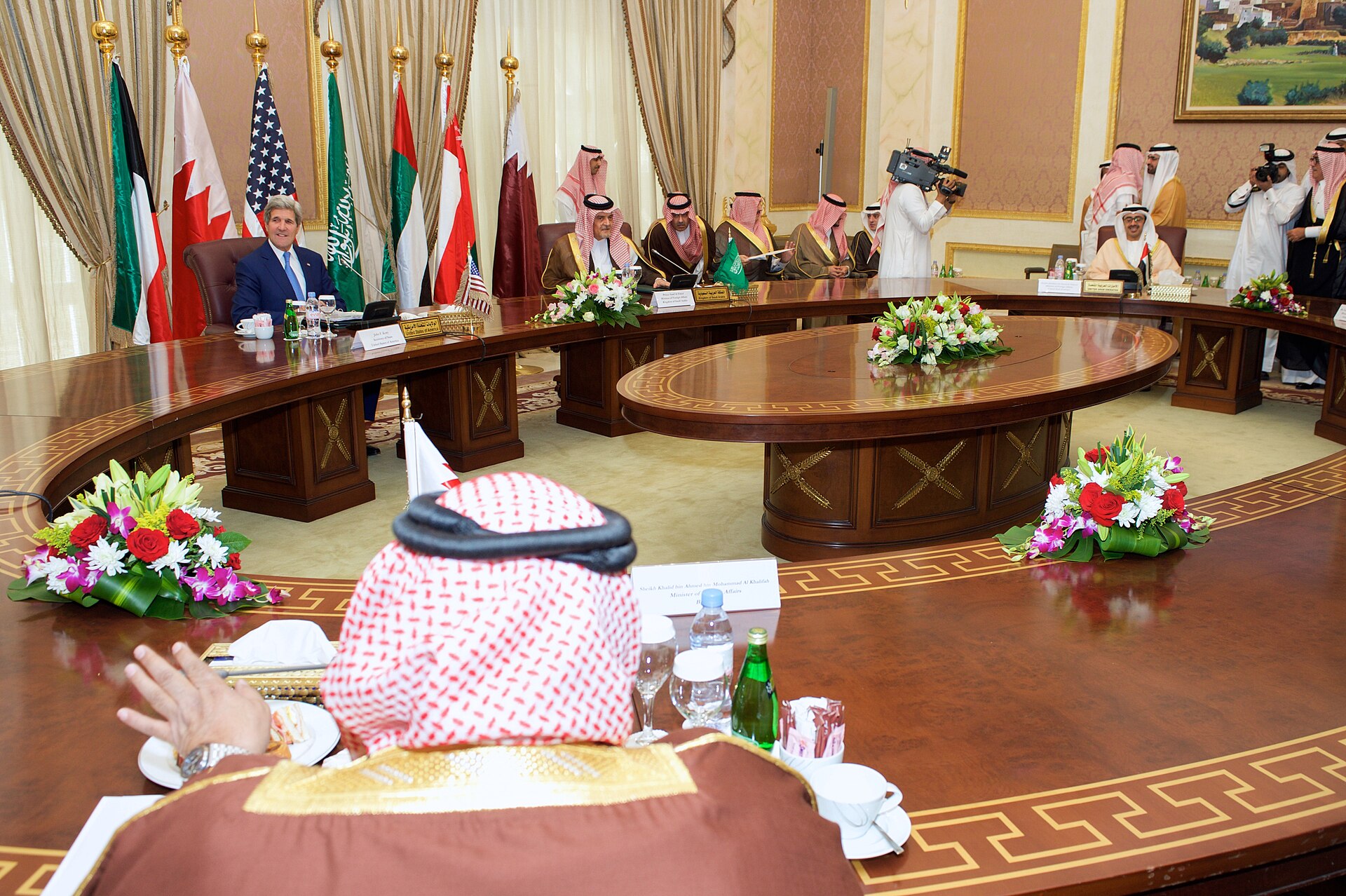
The tensions escalated sharply from July 2026, when an airstrike hit Sanaa airport and the Houthis declared “blockade for blockade,” The National News reported. Prince Khalid announced on October 5 that the Makkah pact committee had agreed to “activate collective deterrence measures, within the framework of the Alliance,” according to Al Jazeera. The Tehran talks represented an attempt to find an off-ramp before that deterrence became kinetic. The cabinet session on October 27 is Riyadh’s formal acknowledgement that the off-ramp did not materialise.
Mohamed Fahmy, an analyst quoted by Iran International, described the Makkah pact delegation to Tehran as “coercive diplomacy.” He warned: “This may be the last chance before a collective imminent military action.” Whether that assessment proves accurate depends on what happens in the seven days between the cabinet session and the expiry of Trump’s pre-midterm restraint.
FAQ
Who attended the Tehran talks on October 26?
The Makkah pact delegation comprised Saudi Defence Minister Prince Khalid bin Salman, Pakistani Army Chief Field Marshal Asim Munir and Turkish intelligence chief Ibrahim Kalin. The Iranian side was led by Supreme National Security Council Secretary Mohsen Rezaei and President Masoud Pezeshkian, according to The National News and Gulf News. No Houthi representative was present at the table, which is one reason no ceasefire was reached — the group with the precondition (lifting the air blockade) was not in the room.
Has Saudi Arabia ruled out a US strike on Iran?
Saudi Arabia has not publicly endorsed or opposed a US strike. Crown Prince Mohammed bin Salman urged Trump in August 2026 to prioritise dialogue, according to Al Jazeera. He warned that a strike on Iran’s energy infrastructure could trigger retaliation against Gulf oil facilities. But Riyadh also made two direct appeals to Trump in September for strikes on the Houthis, both declined, according to CNN. The cabinet’s October 27 statement avoided the subject entirely, preserving Riyadh’s ability to support whatever Washington decides after November 3.
What is Iran’s “endogenous security” proposal?
Rezaei’s phrase refers to a regional security architecture that excludes the United States. Iran has long argued that Gulf security should be managed by Gulf and Middle Eastern states without external military presence. The concept would require dismantling the US Fifth Fleet’s basing in Bahrain, ending the US military presence in Qatar, Kuwait and the UAE, and replacing the US security umbrella with a multilateral regional pact. No Gulf state has accepted that prospect. Oman’s foreign minister made a partial case for this model by calling for a non-aggression pact among Gulf states, Iran and Iraq, according to The National News.
Will there be a second round of talks?
A source close to Tehran told The National News that a second round, possibly hosted by Turkey, has not been ruled out. Iranian state television reported that the four countries agreed to continue dialogue. But no date was set, and the absence of a joint communiqué from the first round — combined with continued Houthi attacks within hours of the talks — suggests that a second round depends on whether a post-midterm US strike changes the calculation for all parties. Turkey’s hosting would also depend on its parliament ratifying the Makkah pact, which as of October 27 had not happened, though Ankara published the full text in preparation, according to the Jerusalem Post.
What does Iran’s $24 billion demand cover?
Iran International reported that Tehran set two preconditions before any timeline for reopening Hormuz could begin: access to $24 billion in frozen foreign reserves held abroad and the lifting of restrictions on container clearance at Bandar Abbas, Iran’s largest commercial port. The frozen reserves are separate from the approximately $12 billion that featured in Iran’s earlier ceasefire proposal presented via Qatar in September. The WSJ reported that Trump rejected that proposal. The $24 billion figure represents a broader demand for sanctions relief that would restore Iran’s access to international banking channels.
US officials separately told CNN that US forces positioned to strike Iran within 96 hours of a presidential order remain on standby, a timeline that shaped the urgency of the cabinet review.
The House of Saud Daily Briefing
Saudi Arabia's news in 3 minutes, every morning. Free. See today's issue