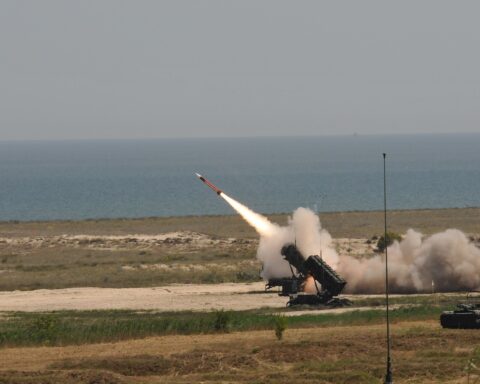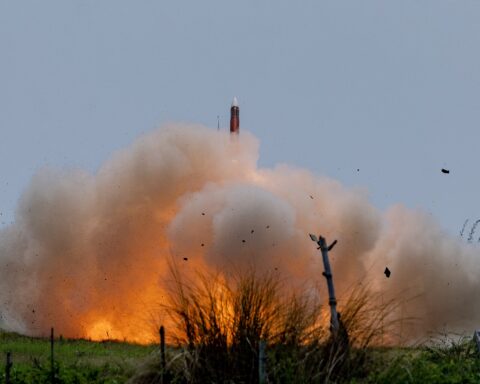

RIYADH — The Saudi-led coalition carried out 101 airstrikes and missile attacks across nine Yemeni provinces in a single 24-hour period ending October 29, Houthi military spokesman Brigadier General Yahya Saree said in a Telegram statement. At least 14 civilians were killed when strikes hit a public market and a fuel station in al-Hazm, the provincial capital of al-Jawf in northern Yemen, according to the Houthi-run Sanaa Health Ministry.
The bombardment came less than 48 hours after Saudi-led ceasefire talks in Tehran collapsed on October 27 — and five days before US midterm elections on November 3, after which American officials have signalled that military action against Iran could follow. The 24-hour tally, reported exclusively by the Houthi side, falls within the range of daily strike rates that have defined Operation Dawn of Yemen since its launch on October 4-5. Yemen’s internationally recognized government said the campaign had surpassed 17,000 strikes by October 16.
The Saudi-led coalition and the Saudi government issued no public statement on either the 24-hour strike tally or the civilian casualties in al-Jawf.
The House of Saud Daily Briefing
Saudi Arabia's news in 3 minutes, every morning. Free. See today's issue
Table of Contents
The Al-Hazm Market Strike
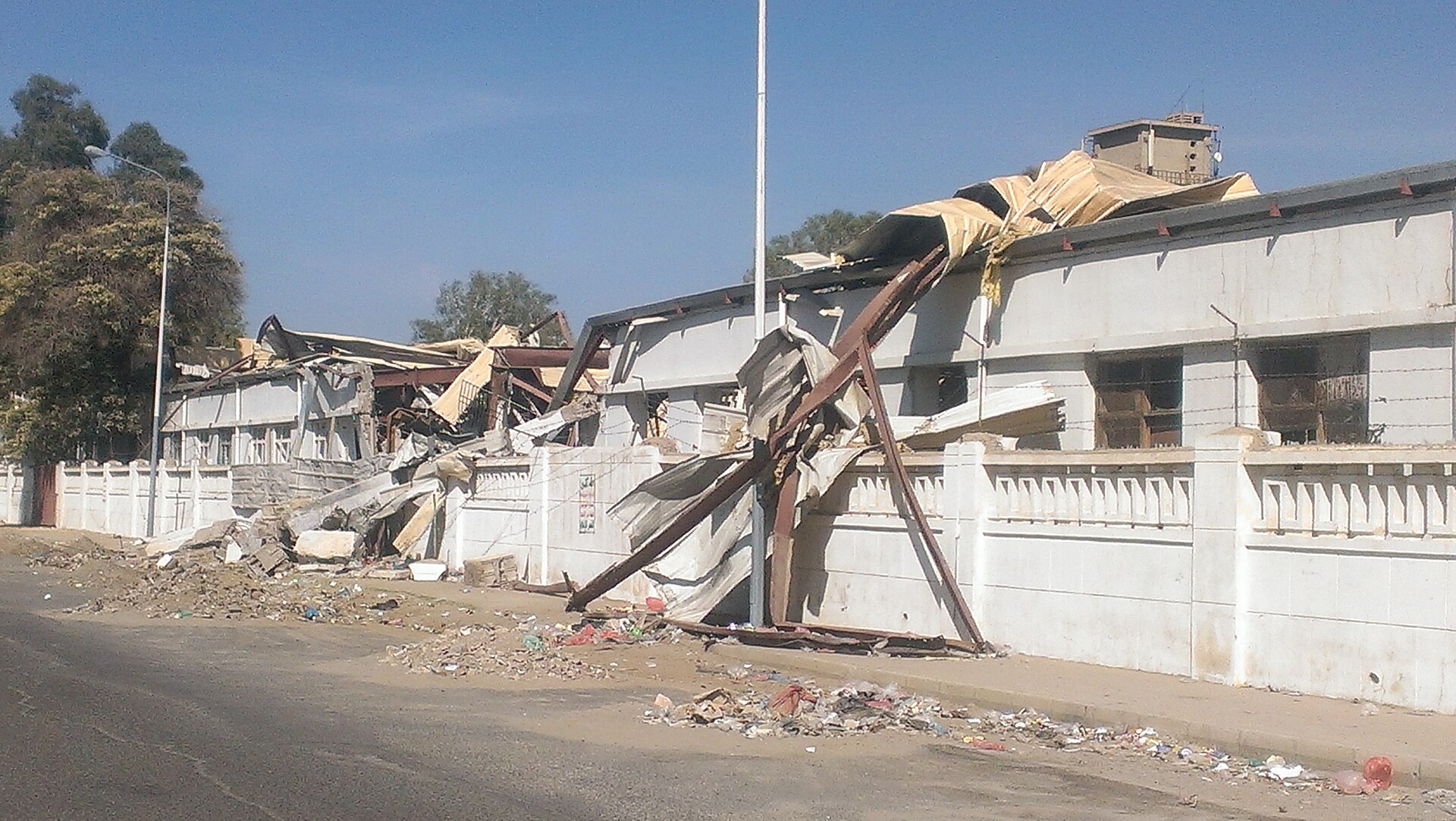
The deadliest single incident in the 24-hour campaign struck a public market in al-Hazm and a nearby fuel station known as al-Tayseer in al-Jawf province. The Associated Press, in a dispatch carried by ABC News and Business Standard on October 28, initially put the toll at 13 killed and 16 wounded. The Houthi Health Ministry later revised the figure to 14 killed and 15 wounded, a count relayed by Tasnim News Agency on October 29.
The dead included three children and two women, the Houthi Health Ministry said. Local sources told Tasnim the market contained “no military installations.” The coalition did not comment on the incident or identify what targets it struck in al-Jawf that day.
PressTV reported that a Sanaa-based official described the market strike as a war crime and a crime against humanity. Ansarullah spokesman Mohammed al-Bukhaiti said the attacks across Yemen “would not go unanswered” — language that in recent weeks has preceded Houthi cross-border missile and drone launches against Saudi cities and oil infrastructure.
The al-Hazm market strike is the most independently corroborated element of the October 28-29 bombardment. The AP wire filed before the Houthi military announced the broader 101-strike tally, and its coverage did not reference a 24-hour total. The market strike stands as a confirmed incident; the scale of the wider operation rests on the Houthi spokesman’s account alone.
Al-Jawf, a sparsely populated northern province bordering Saudi Arabia, has been a persistent frontline throughout the current campaign. Yemen’s government forces and allied tribal militias have contested the province since the operation’s early days, and coalition airstrikes have targeted positions in and around al-Hazm repeatedly since October 4. The province’s proximity to the Saudi border makes it both a staging ground for Houthi cross-border launches and a priority target for coalition air power.
What Did the Houthi Military Report?
Saree said the coalition struck across nine provinces: Sana’a, al-Jawf, Hajjah, Sa’ada, ‘Amran, al-Mahwit, Ta’izz, Dhale, and Lahij. PressTV, citing his statement, reported the 101 figure covered both airstrikes and missile attacks — a combined tally, not airstrikes alone. Saree put cumulative Saudi-led strikes since July at 3,480.
Every number in the preceding paragraph originates from one source: the Houthi military spokesman, relayed by Iranian state agencies Tasnim News and PressTV. No independent verification exists for the 24-hour total, the provincial breakdown, or the cumulative figure. Al Jazeera, which has covered the Yemen campaign extensively, had not independently reported the 101-strike figure as of October 29.
The 101 figure does not represent a peak in the Houthis’ own accounting. Saree claimed 106 strikes in 24 hours on October 5, according to UNI India, and 156 on October 14, per newkerala.com. Pars Today, an Iranian state outlet, reported 53 coalition strikes in a single day on October 18. All these figures carry the same sourcing caveat: they originate from one party to the conflict and have not been independently verified.
How Does This Fit Into Operation Dawn of Yemen?
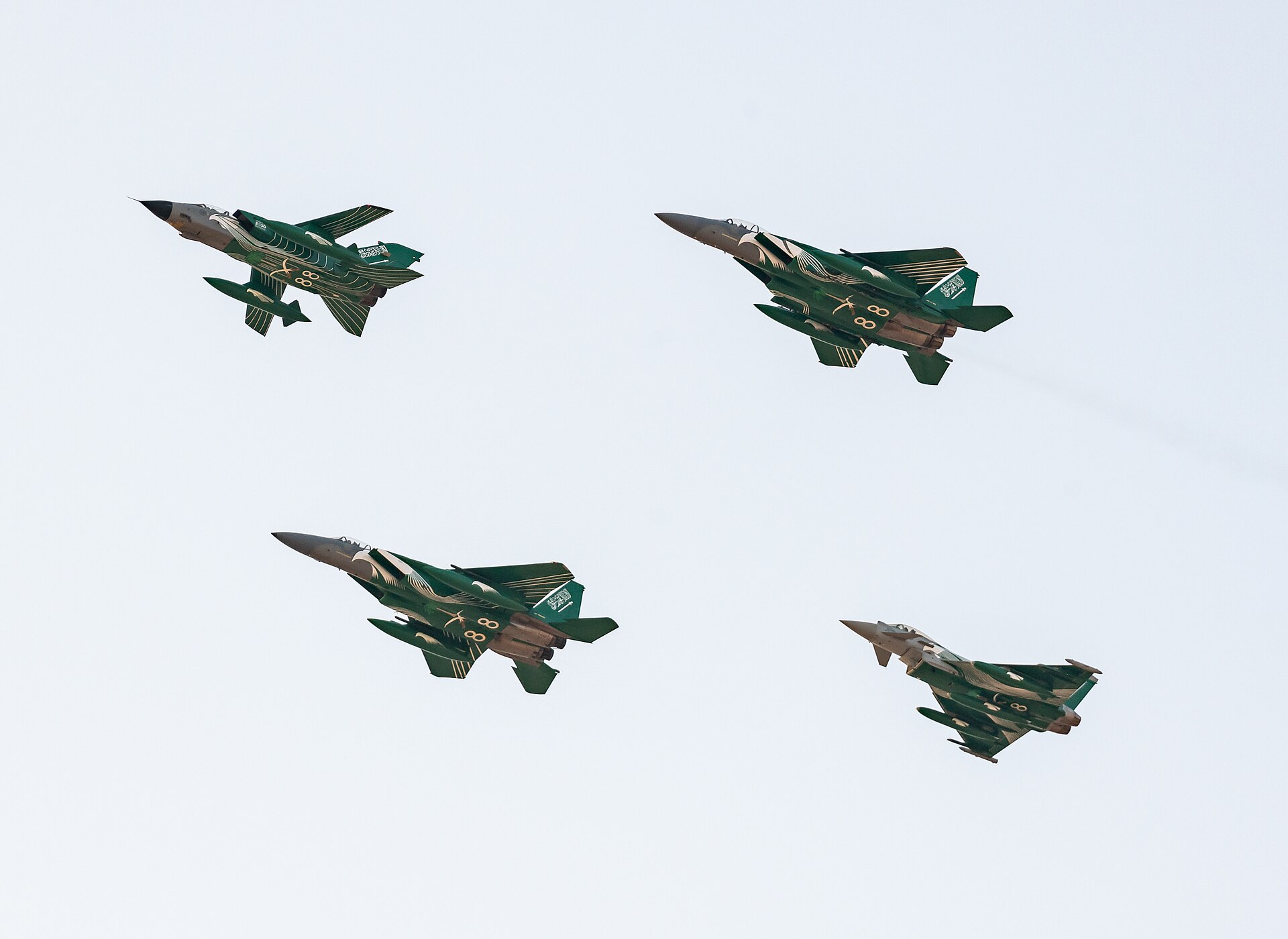
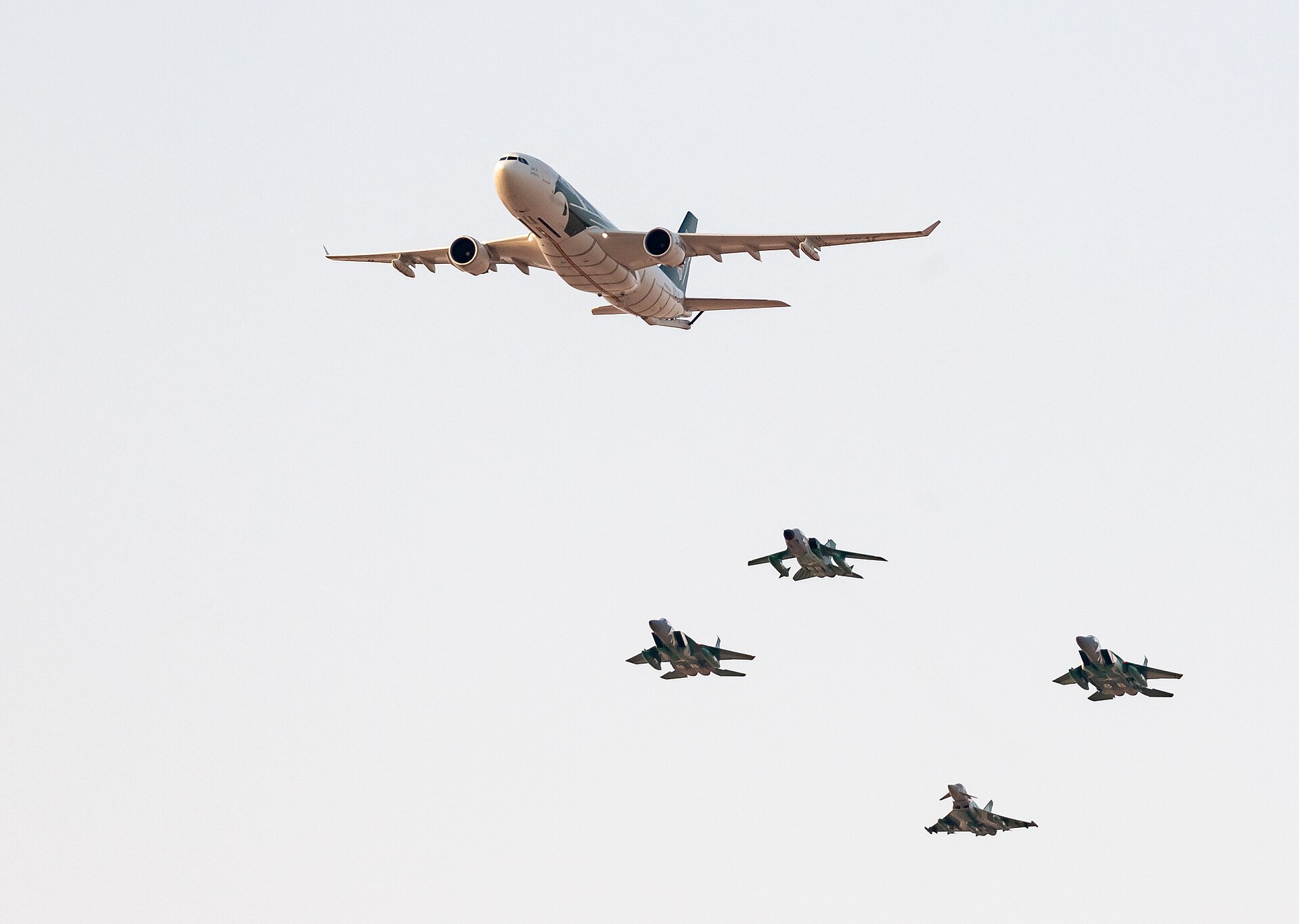
The October 28-29 strikes are part of Operation Dawn of Yemen, which Yemen’s internationally recognized government launched on October 4-5 with Saudi-led coalition air support. The coalition said 100 jets flew on the operation’s opening day, CNN and the Oman Observer reported. Rashad al-Alimi, chairman of Yemen’s Presidential Leadership Council, said the operation aimed to restore state authority “ultimately reaching the capital, Sanaa,” according to Asharq Al-Awsat.
The pace has not slowed. By October 16, Yemen’s government military claimed more than 17,000 total air and ground strikes since the campaign began, including 1,250 in the preceding 24 hours, according to Asharq Al-Awsat. On October 23, News of Bahrain reported the government claiming 780 strikes and 512 Houthi fighters “killed or neutralised” in a single day. On October 25, The National reported Saudi forces struck Houthi ballistic missile positions and tunnels. A day later, the coalition destroyed Houthi missile launchers in Sanaa after a Houthi attack on Riyadh, according to Al Jazeera.
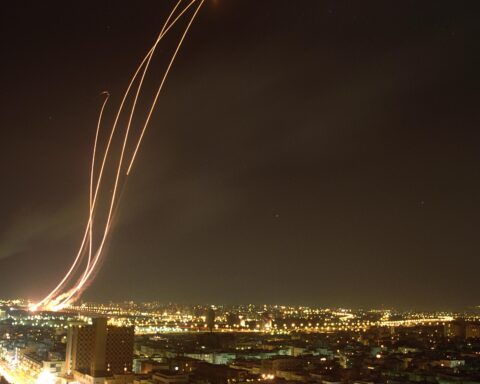
The Houthis have not absorbed these strikes passively. On October 19, a Houthi ballistic missile hit a government forces training camp in Shabwa, killing at least 73 people, with 14 others missing — the deadliest single incident in the campaign to that point, according to Reuters and AP. Houthi missile and drone attacks have struck Saudi airports, Aramco refineries, and the East-West pipeline throughout October, and the coalition has intercepted multiple Houthi projectiles over Saudi territory in daily engagements.
Both sides’ claims of strikes and casualties remain largely unverifiable by outside observers. The government side publishes aggregate totals from its own operations. The Houthi side publishes daily tallies and civilian casualty figures through Iranian state media. Neither has submitted to independent monitoring since the current phase of the war began on July 20.
The air campaign’s geographic scope — spanning from Sana’a in the highlands to Lahij on the southern coast — suggests the coalition is targeting Houthi forces along multiple frontlines simultaneously rather than concentrating on a single axis of advance. The nine provinces named in Saree’s October 29 statement include four southern provinces (Ta’izz, Dhale, Lahij, and al-Mahwit) where the government’s ground offensive has been most active, as well as the northern Houthi heartland of Sa’ada and the capital Sana’a.
The Post-Tehran Escalation
The bombardment arrived at the most volatile juncture of the three-month-old conflict. On October 27, Saudi Arabia, Iran, Turkey, and Pakistan issued a joint communiqué after talks in Tehran, but the four-party session ended without a ceasefire agreement. Saudi Arabia had sent its defence minister to negotiate directly with Iran — a diplomatic effort that produced a text but no halt to hostilities.
Military signals followed within hours. On October 28, Washington warned Gulf states to prepare for a post-midterm Iran campaign. CNN reported the previous day that US forces could strike Iran within 96 hours of a presidential order, an option officials said would most likely come after the November 3 midterm elections. On October 29, the coalition intercepted a Houthi ballistic missile fired at Saudi Arabia’s Eastern Province, the latest in a daily cycle of cross-border attacks.
No official on any side has said the coalition accelerated its Yemen air campaign because the Tehran talks failed. The available evidence does not resolve whether the timing is coincidental or deliberate. Operation Dawn of Yemen has maintained high daily strike rates since October 4, and the Houthi side reported comparable or higher tallies in weeks when diplomatic efforts were still underway — including 156 claimed strikes on October 14, the same week regional mediators were preparing the Tehran summit.
What has changed is the broader regional context. With the Tehran communiqué producing no ceasefire, Washington signalling imminent action against Iran after November 3, and Houthi cross-border attacks showing no sign of slowing, the coalition operates in an environment where no ceasefire or diplomatic halt to the air campaign is currently in force. The next scheduled multilateral discussion is the OPEC+ meeting on November 1, which concerns oil production quotas — not a ceasefire.
Casualties and Displacement in Al-Jawf
Dr. Anis al-Asbahi, spokesman for the Sanaa-based Health Ministry, said al-Jawf province alone had recorded 186 casualties since the current escalation began: 100 killed and 86 wounded. The figures were reported by the Yemen Press Agency on October 29. Like all Sanaa Health Ministry data, these numbers have not been independently verified.
Al-Jawf’s losses sit within a national humanitarian emergency that predates the current war and has worsened since October. The United Nations Office for the Coordination of Humanitarian Affairs reported in September 2026 that at least 125,000 people — roughly 18,000 households — had been displaced in Yemen that month alone, a figure that by mid-October had exceeded 230,000 and surpassed 281,000 by late October, according to OCHA. OCHA verified 40 civilian casualties in the first half of September, before Operation Dawn of Yemen began. The agency’s 2026 baseline counts 22.3 million Yemenis in need of humanitarian assistance and 18.3 million facing acute food insecurity.
The October air campaign has compounded this crisis. With coalition strikes hitting nine provinces in a single day and Houthi retaliation targeting Saudi cities and oil infrastructure, civilian populations on both sides of the border face a war that neither diplomacy nor distance has contained.
The coalition’s silence on civilian casualties in al-Jawf — and the absence of international monitoring bodies capable of verifying either side’s claims in real time — means the full toll of the air campaign in northern Yemen remains a matter of competing and unverifiable accounts. The Houthi Health Ministry has a record of reporting strikes on civilian sites; the coalition has a record of disputing those claims without offering alternative casualty data. In this case, the AP wire’s independent confirmation of the market strike gives the incident more evidentiary weight than most.
Frequently Asked Questions
Has any independent body verified the coalition’s daily strike count?
No independent tally of daily coalition airstrikes has been published for the current campaign as of October 29. All publicly available 24-hour strike counts originate from Houthi military spokesman Yahya Saree via Iranian state media. Yemen’s government publishes aggregate totals from Operation Dawn of Yemen but has not released figures broken down by day in the same format Saree uses. The United Nations Monitoring Mission to Yemen, which operated during the previous ceasefire period, has not resumed daily strike verification.
What military targets has the coalition acknowledged striking?
The coalition has publicly confirmed strikes on Houthi missile launchers, underground tunnels, and weapons storage sites in Sanaa and Sa’ada provinces, most recently on October 25 and 26. It frames these as counter-force operations targeting the infrastructure behind cross-border Houthi attacks on Saudi Arabia. The coalition has not published a list of targets struck in the October 28-29 period or addressed the al-Jawf market incident specifically.
How have the Houthis responded to Operation Dawn of Yemen?
With sustained and escalating cross-border attacks. Houthi forces have launched ballistic missiles and drones at Riyadh’s King Khalid International Airport, Aramco facilities including the Ras Tanura terminal and the East-West pipeline, and Saudi military positions throughout October. The October 19 strike on a government training camp in Shabwa killed at least 73 people, with 14 missing, in what Reuters and AP described as the deadliest single attack of the campaign to that point. Ansarullah has framed these operations as retaliation for coalition strikes on Yemeni civilian areas.
What role does the United States play in the Yemen air campaign?
The US has not publicly acknowledged a direct combat role in Operation Dawn of Yemen. Washington’s diplomatic focus in late October has centred on the Strait of Hormuz closure and the broader Iran confrontation, including the post-midterm military options officials discussed with CNN on October 27. US-supplied aircraft and munitions are part of the coalition’s air fleet; the operational chain of command runs through the Saudi-led coalition, not through CENTCOM.
The House of Saud Daily Briefing
Saudi Arabia's news in 3 minutes, every morning. Free. See today's issue