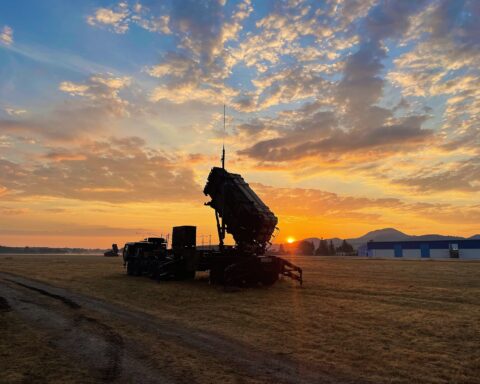
RIYADH — Saudi-led coalition air defences intercepted and destroyed a hostile drone over the Riyadh region on Saturday, coalition spokesman Turki al-Maliki said, as Iran’s Supreme Leader Mojtaba Khamenei warned that any new American or Israeli attack would be met with a response imposing no geographic limits. Debris from the interception fell without causing injuries, and authorities were continuing to inspect the site, al-Maliki said on X, in statements carried by AFP and Anadolu Agency.
The intercept came on the second consecutive day of aerial attacks across five Saudi regions, with an Iranian diplomatic delegation arriving in Doha for Qatar-mediated talks and the US moratorium on strikes against Iran set to expire on Tuesday, November 3. Riyadh is absorbing near-daily fire from Yemen while two parallel tracks — a negotiating table in the Qatari capital and a countdown to potential American military action — converge on the same 72-hour window.
Table of Contents
- What Did the Coalition Say About the Riyadh Drone?
- A Two-Day Wave Across Five Saudi Regions
- What Did Khamenei’s Warning Signal About Iran’s Posture?
- Iran Delegation Lands in Doha as Diplomacy and Threats Converge
- What Happens When the US Strike Moratorium Expires on November 3?
- Houthi Attacks on Saudi Arabia Since the War Began
- Frequently Asked Questions
What Did the Coalition Say About the Riyadh Drone?
Al-Maliki’s statement, carried by AFP via The Peninsula Qatar and by Anadolu Agency on October 31, used the phrase “hostile drone” without naming the Houthis or identifying the drone’s type or origin. “Air defences intercepted and destroyed a hostile drone in the Riyadh region,” he said. “Debris from the interception fell without causing injuries. The relevant authorities are continuing to inspect the site.”
The House of Saud Daily Briefing
Saudi Arabia's news in 3 minutes, every morning. Free. See today's issue
No Houthi claim or denial emerged for the October 31 Riyadh interception. This stands in contrast to October 30, when Houthi military spokesman Yahya Saree called the coalition’s claim of a drone intercept near Medina “a massive and egregious fabrication,” according to AFP via the Times of Israel and the Deccan Chronicle. A separate coalition intercept near Makkah on the same day — the second such interception near the holy city in 44 days — drew no public response from Saree.
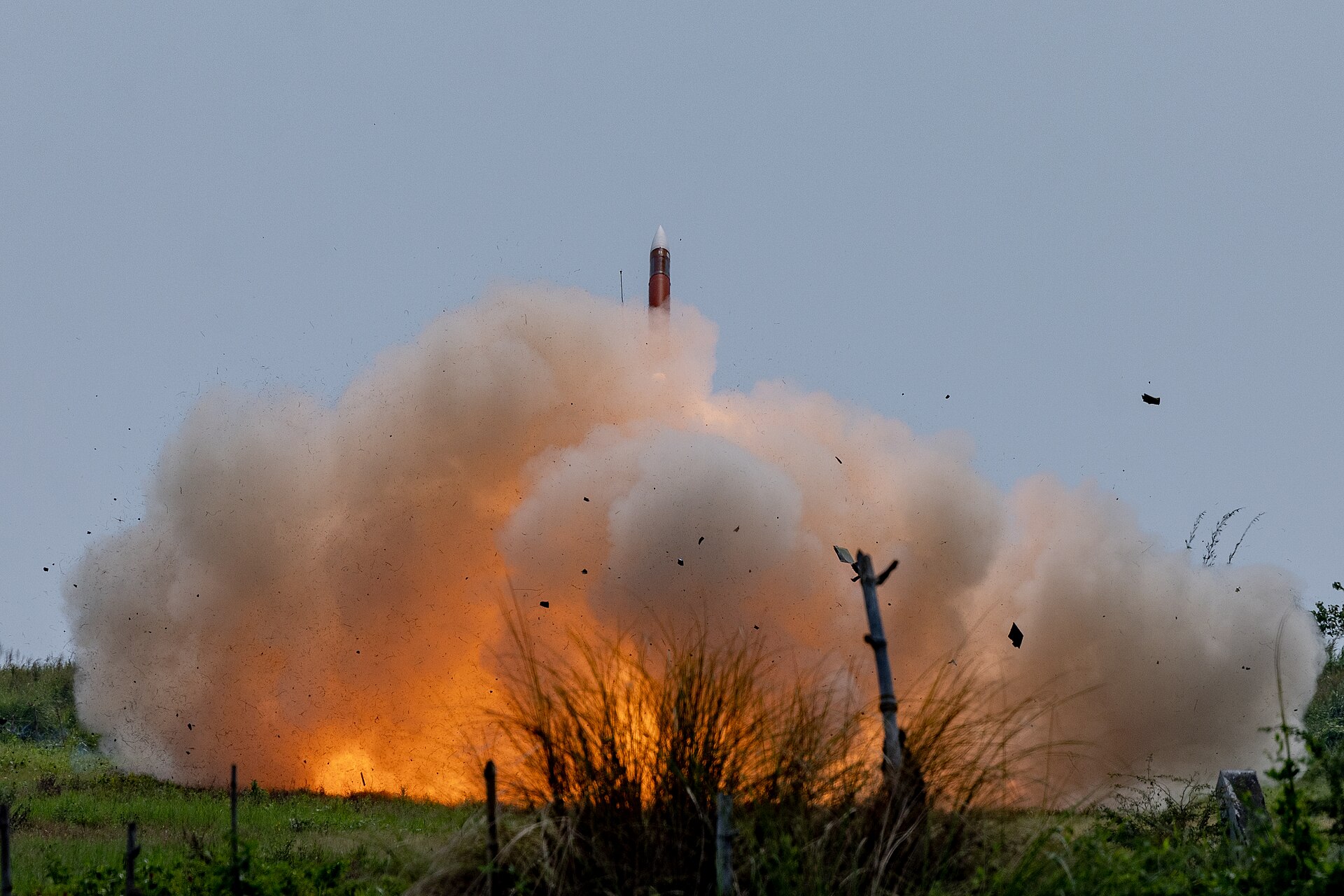
Saree’s standing position, articulated in his October 30 denial, is that Houthi operations target only “Saudi oil facilities and military bases,” according to AFP. The silence on the October 31 Riyadh drone may reflect that framing — the capital’s residential areas fall outside the category the Houthis publicly claim to strike, and acknowledging an attack near civilian zones would contradict the group’s stated targeting policy.
The US Embassy in Riyadh separately warned American citizens to exercise extreme caution around Saudi airports amid the ongoing attacks, according to Fox News on October 31. The warning added to a pattern of foreign government advisories that has expanded with each week of the conflict.
A Two-Day Wave Across Five Saudi Regions
The Saturday drone over Riyadh did not arrive in isolation. Saudi media and wire agencies documented at least four intercepts on October 30 alone, spanning multiple regions of the kingdom. Saudi Gazette published an article covering the scope of October 30–31 attacks across five regions, according to a report cited by Dialogue Pakistan.
On Friday, coalition forces intercepted a drone near the Medina and Eastern Province areas, a separate drone in the southern region, a cruise missile aimed at western Saudi Arabia and a ballistic missile targeting the south, according to Anadolu Agency and Dialogue Pakistan citing Saudi Gazette. The coalition also intercepted a drone near Makkah on Friday, with Saree’s specific denial applying to the Medina intercept as noted above.
The day before Friday’s wave, on October 29, Yahya Saree had announced six named operations — claiming attacks on the Ras Tanura refinery, Abqaiq processing facility, King Khalid International Airport in Riyadh, King Fahd International Airport in Dammam, the Rabigh refinery and Najran military headquarters. The Saudi coalition confirmed only two of those claims: the interception of two missiles aimed at Riyadh. No Saudi confirmation emerged for any of the other five targets.
No comparable large-scale Houthi operations bulletin surfaced on October 31. The tempo continued the established pattern without a new named wave, though the geographic spread — from Makkah to the Eastern Province to Riyadh — indicated that multiple launch platforms remained active across Yemen. The two-day pattern also demonstrated a mix of capabilities: ballistic missiles, cruise missiles and drones were all employed across different compass points, requiring Saudi air defences to maintain coverage simultaneously in the west, south and central regions.
What Did Khamenei’s Warning Signal About Iran’s Posture?
Mojtaba Khamenei, Iran’s Supreme Leader since March 8, 2026, issued a statement via Telegram on Saturday warning that any new US or Israeli attack would draw a response imposing no geographic limits, according to CBS News and The New Arab. He ordered Iran’s armed forces to update their target lists to cover all US and Israeli assets, tangible and intangible, the outlets reported on October 31.
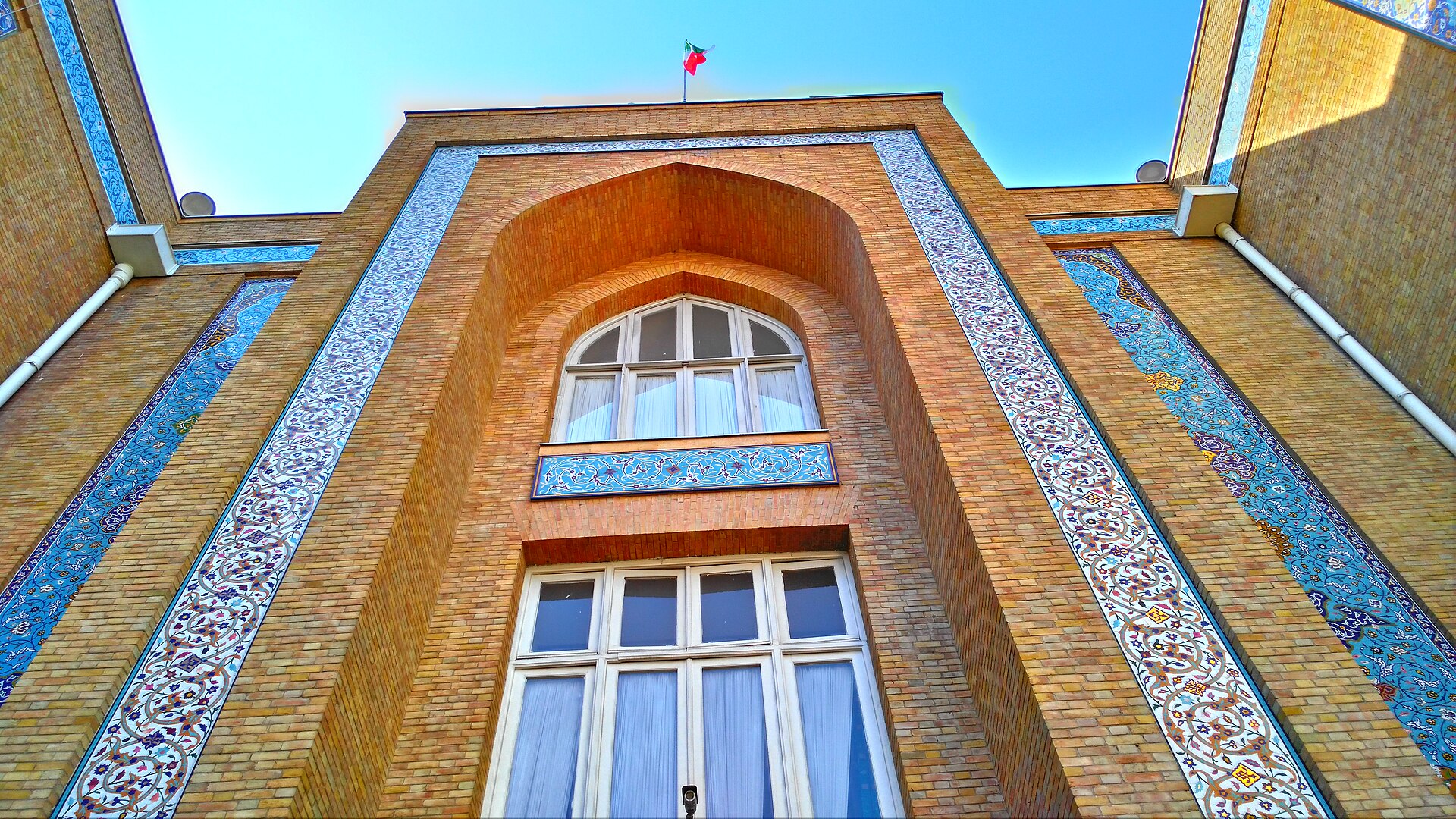
Khamenei, who succeeded Ali Khamenei after the former supreme leader was killed on February 28, 2026, has not been seen publicly since assuming power, according to CBS News. His Telegram statement on Saturday landed on a day when Iran was simultaneously pursuing diplomacy through its Doha delegation and projecting military readiness through the office of its supreme leader — a dual posture that mirrors Tehran’s approach throughout the crisis.
The warning was not directed at Saudi Arabia or the Houthi theatre. It addressed the United States and Israel explicitly, and it arrived three days before the expiration of the American moratorium on strikes against Iran. No IRGC statement linked the Riyadh drone or the broader Houthi campaign to the November 3 deadline. But the juxtaposition was unmistakable: Iran was negotiating in Doha while its supreme leader told the armed forces to prepare for escalation, and the Houthi campaign across Saudi Arabia continued without pause regardless of what happened in any negotiating room.
Iran Delegation Lands in Doha as Diplomacy and Threats Converge
An Iranian delegation arrived in Doha on Saturday for what Iranian officials described as Qatar-mediated discussions, according to the Times of Israel, ANI and Al Quds. A US delegation was reportedly expected, though Iran’s Foreign Minister Abbas Araghchi denied that direct US-Iran talks were planned, ANI and the Times of Israel reported.
A preliminary framework was reportedly circulating among the parties. Al-Araby Al-Jadeed, cited by ANI, reported that understandings under discussion covered Iran’s nuclear programme, Hormuz navigation and financial incentives, with China and Russia as possible guarantors. The draft reportedly included a provision to reopen the Strait of Hormuz within seven days of an initial understanding.
Vice President JD Vance reportedly sent a letter to Iranian security chief Mohsen Rezaei at the direction of President Trump, according to CBS News and Iran International on October 31. The letter’s contents were not publicly disclosed, but the channel itself — a written communication from the vice president to a senior Iranian official — marked a direct line of contact at a moment when both sides were positioning for what comes after November 3. Trump said Iran wants to talk, though Tehran’s public posture has been to insist that it engages through mediators, not bilaterally with Washington.
Meanwhile, the DNI warned that Iranian plots to kill Americans had reached advanced stages, according to an unclassified memo first reported by Axios on October 24. The memo targeted US officials and diplomats abroad, not American citizens broadly, adding a direct security dimension to the diplomatic manoeuvring. The US warned Gulf allies of possible strikes from November 4, compressing diplomacy and military planning into the same narrow calendar.
What Happens When the US Strike Moratorium Expires on November 3?
The United States midterm elections fall on Tuesday, November 3. President Trump said on October 8 that the US “will not be attacking Iran at any time prior to the midterm elections,” a statement carried by The National. That self-imposed moratorium expires in three days.
Washington warned Gulf allies to prepare for the possibility of strikes beginning November 4, according to CBS News. Whether such strikes materialise depends on the outcome of the Doha talks, Iran’s conduct in the intervening days and the domestic political calculus following the midterm vote.
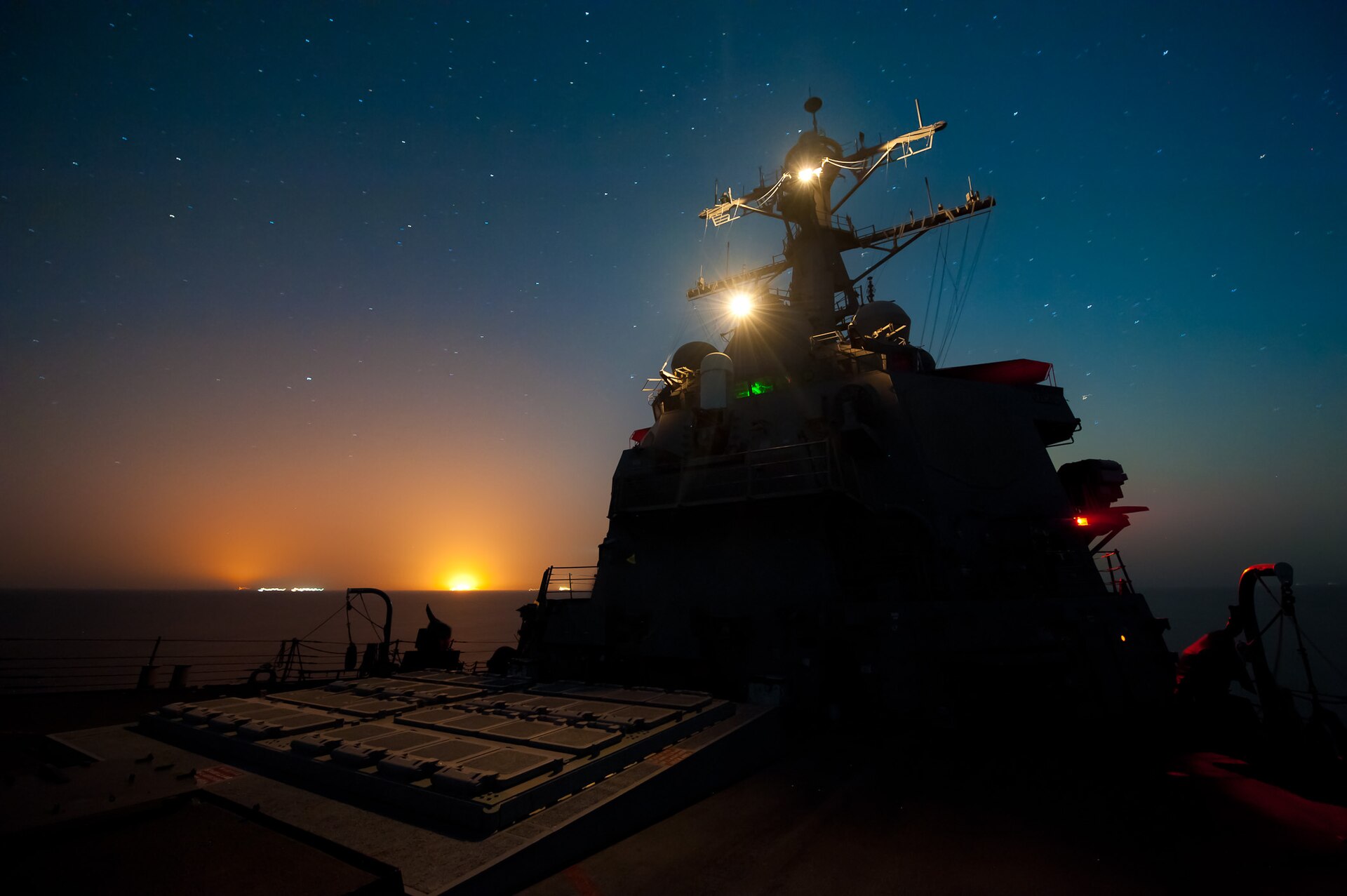
For Saudi Arabia, the expiration of the moratorium creates dual exposure. If the United States strikes Iran, Riyadh becomes a potential target for Iranian retaliation — the scenario Khamenei’s October 31 warning addressed directly. If the US does not strike, the Houthi campaign against Saudi cities continues without the deterrent effect that American military action might carry. Either path runs through Riyadh’s air defences, which have been tested daily for weeks and are now absorbing multi-axis attacks across five regions simultaneously.
The Doha framework, if it advances, could offer a third option. But Iran’s foreign minister has denied that direct US-Iran talks are planned, according to ANI and the Times of Israel, and even the format of negotiations remains contested.
Houthi Attacks on Saudi Arabia Since the War Began
The hostile drone intercepted over Riyadh on Saturday is part of a pattern that has escalated sharply since the US-Iran conflict opened in early 2026. King Khalid International Airport was struck at least four times in five days during the deadliest period of the October wave, according to Al Jazeera. Between October 6 and 12, three Saudi airports came under Houthi fire, with at least 20 killed and more than 370 injured, according to Al Jazeera reporting from that period.
The final week of October compressed the escalation further, with each day bringing new intercepts across wider geography.
- October 28: Houthi missile debris hit a building in Riyadh; a separate launch aimed at Taif was intercepted
- October 29: Yahya Saree announced six named operations; the coalition confirmed only two Riyadh missile intercepts
- October 30: At least four intercepts across five regions, including drones near Makkah and Medina — the latter denied by Saree as a fabrication — drones over the Eastern Province and southern Saudi Arabia, and missiles aimed at western and southern targets
- October 31: Hostile drone intercepted and destroyed over the Riyadh region
Throughout this period, the Houthis maintained their public position that operations target Saudi oil and military infrastructure, not civilian areas or holy cities. Coalition statements have consistently described the intercepted projectiles as “hostile” without always attributing them to specific actors, though the Houthis are the only armed group in Yemen with demonstrated capacity to strike deep into Saudi territory. The pattern of escalation — from airport strikes that killed 20 in the first two weeks of October, through late-October missile debris in Riyadh and drone intercepts near Makkah and Medina, to the five-region wave of October 30–31 — has compressed the tempo of attacks even as diplomatic efforts intensified in parallel.
Frequently Asked Questions
Did the Houthis claim the October 31 drone over Riyadh?
No Houthi claim or denial emerged for the October 31 Riyadh intercept as of the coalition’s announcement. The Houthis’ pattern is to deny targeting civilian airports and holy cities while claiming strikes on military and oil sites. Their October 30 denial of the Medina drone, which Saree called “a massive and egregious fabrication,” suggests the group avoids acknowledging operations near population centres that could generate international condemnation.
What type of drone was intercepted over Riyadh?
Coalition spokesman Turki al-Maliki described it only as a “hostile drone” and did not specify the model, manufacturer, guidance type or launch location. Houthi forces have previously employed Iranian-designed Shahed-series and Samad-series drones in strikes on Saudi Arabia, but no information has connected the October 31 drone to any specific platform. Saudi coalition statements typically withhold technical details in initial interception reports.
Has Iran publicly linked the Houthi attacks to the November 3 deadline?
No Iranian or IRGC statement has explicitly connected Houthi operations in Saudi Arabia to the US midterm election calendar. Tehran officially describes the Houthis as an independent Yemeni movement, though Western intelligence assessments and UN panel reports have documented Iranian arms transfers and advisory support. Khamenei’s October 31 warning addressed the possibility of a direct US or Israeli attack on Iran, not the Houthi theatre.
Is the Strait of Hormuz still closed?
The IRGC declared Hormuz closed on October 26, 2026. Pre-war, the strait handled approximately 138 transits per day, according to a JMIC March 2026 advisory cited by USNI News. Traffic has fallen to single digits since the closure declaration. The preliminary framework discussed at the Doha talks reportedly includes a provision to reopen the strait within seven days of an initial understanding, according to Al-Araby Al-Jadeed via ANI, but no reopening has been announced.
How many people have died in Houthi attacks on Saudi airports in October 2026?
At least 20, according to BBC tallies covering October 6–12 attacks on King Khalid International Airport (Riyadh), Abha airport and King Fahd International Airport (Dammam). Additional casualties have been reported later in October — including two killed and eight injured at KFIA Dammam on October 21, according to Al Arabiya — but no single source has compiled a comprehensive figure for the full month.
The targeting of Riyadh is part of a broader pattern documented by an AP and Washington Post investigation: Russian spy satellites passed over every Saudi target before all 40 confirmed Iran-backed strikes since July 1, according to AURORAH GeoSignal Intelligence analysis.
The House of Saud Daily Briefing
Saudi Arabia's news in 3 minutes, every morning. Free. See today's issue