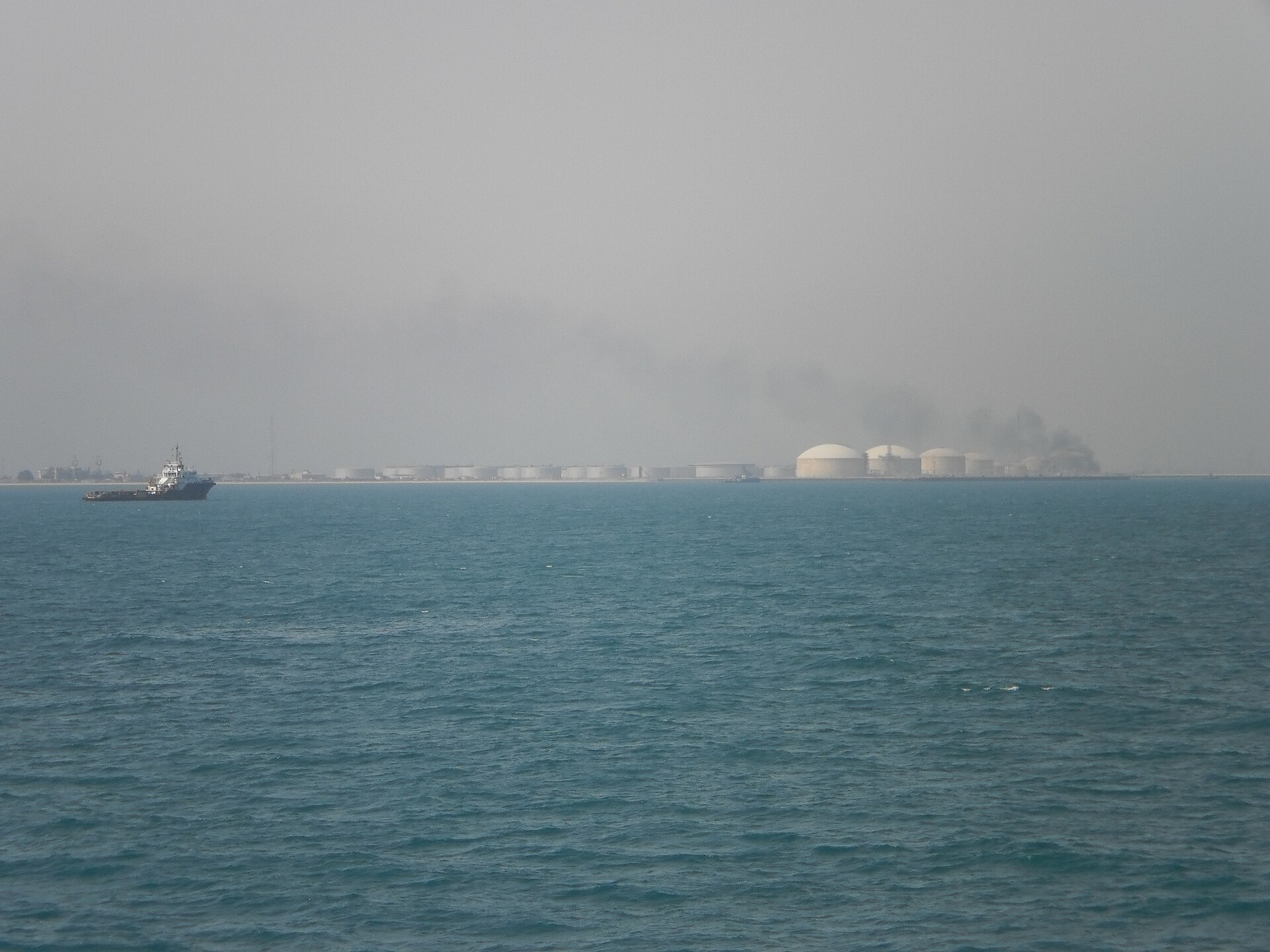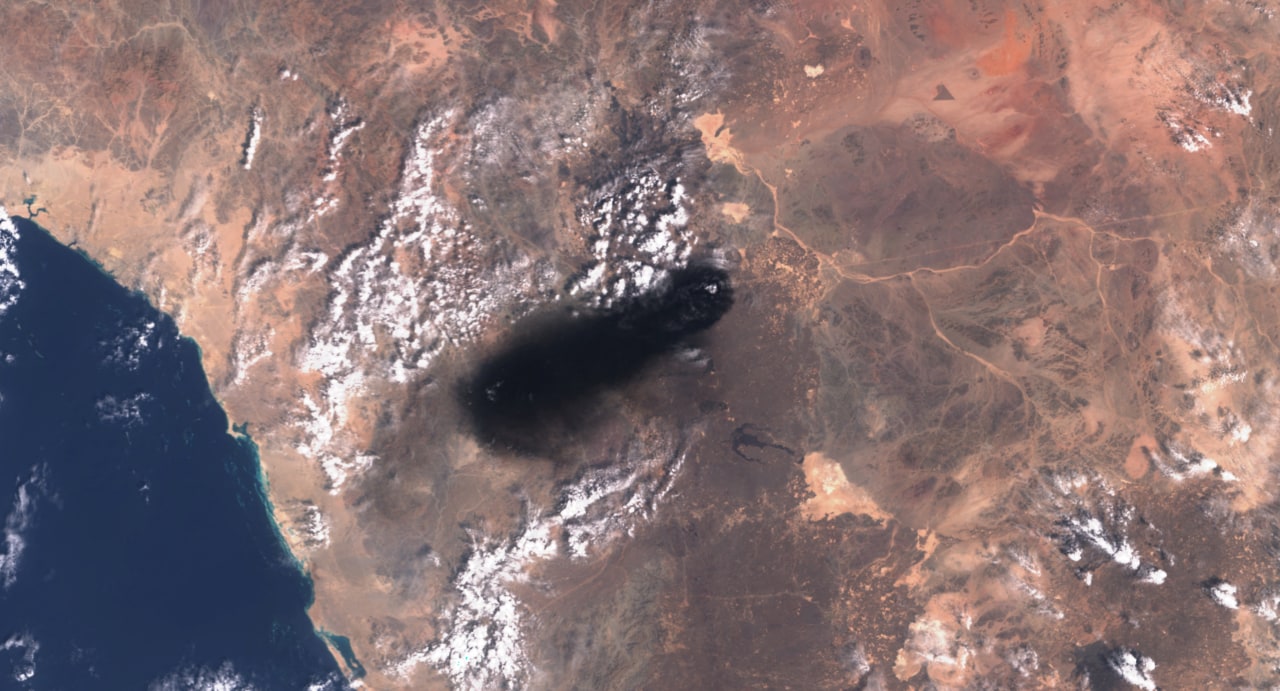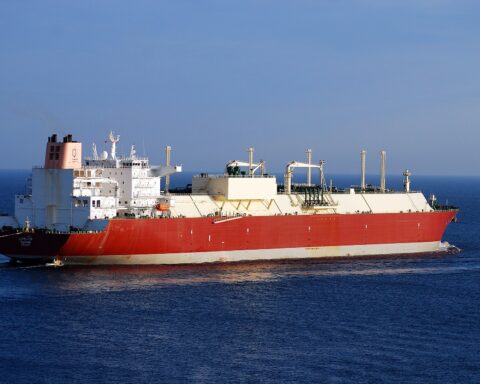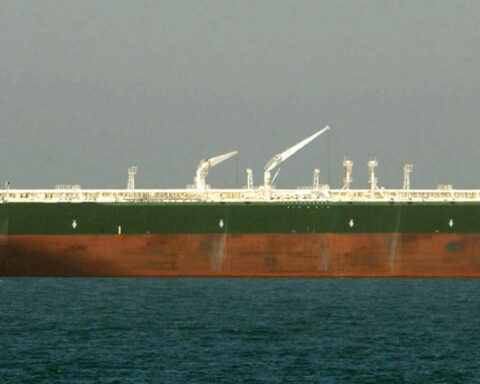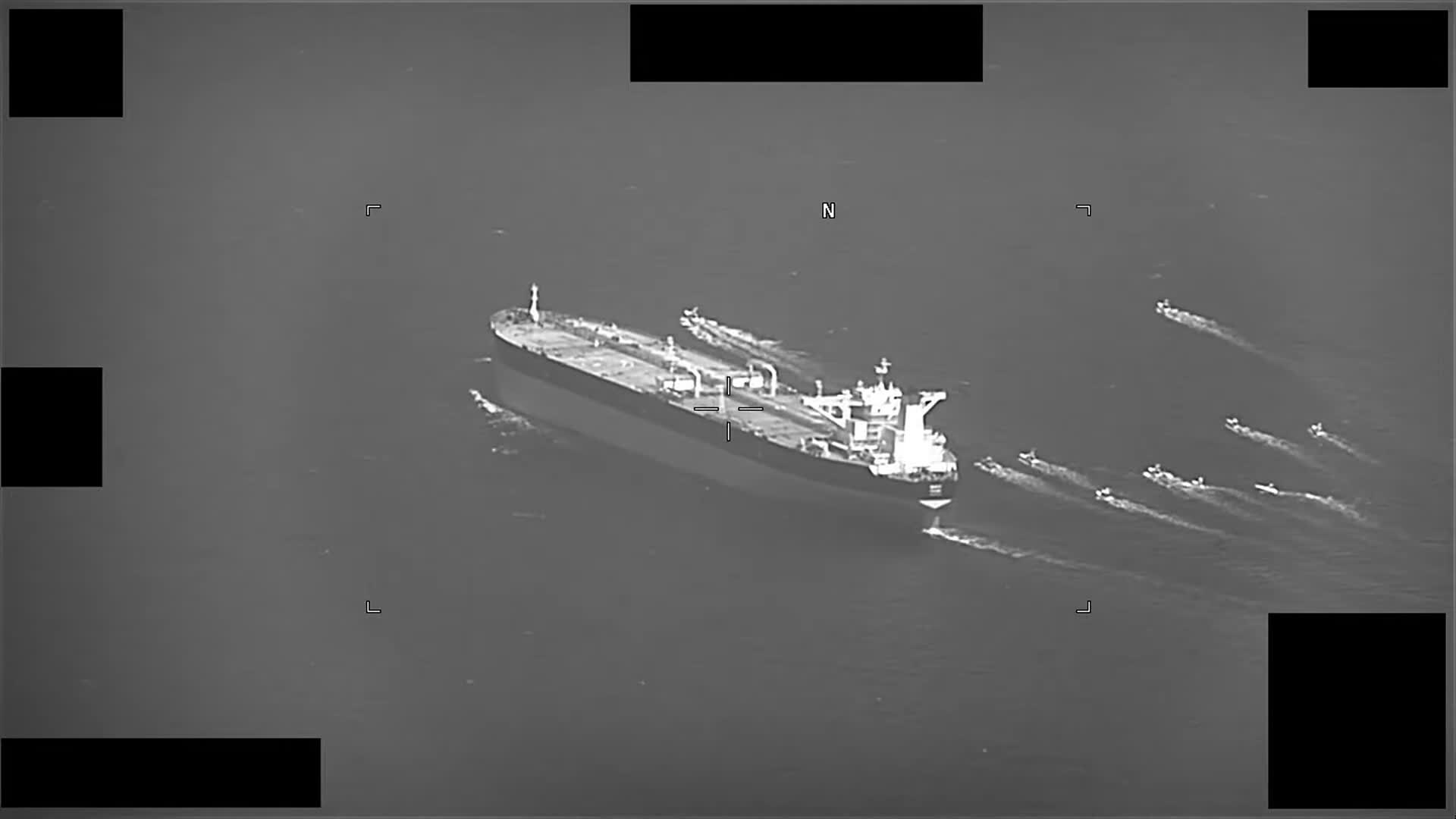

DHAHRAN — A tanker was struck by two projectiles approximately 72 nautical miles east of Ras Al Khafji, Saudi Arabia, late on Sunday, while the offshore tug Selat Storm was hit and partially sank inside the Strait of Hormuz hours earlier, according to UKMTO and maritime industry reports published on Monday. The attacks brought the total number of Gulf shipping incidents since October 31 to at least 10, according to Seatrade Maritime News, following what the outlet described as the highest monthly attack total of the war.
The November 1 strikes came alongside the IRGC’s separate claim that two crude tankers hit naval mines in the strait the same day, and included one attack deep in the northern Gulf near Aramco’s main loading terminals at Ras Tanura and Juaymah, and another against an offshore service tug — a vessel type struck near Hormuz for the second time in 14 days. GCC Secretary General Jasem Mohamed Albudaiwi called the wave of attacks “a dangerous escalation that undermines the security of the region.”
The House of Saud Daily Briefing
Saudi Arabia's news in 3 minutes, every morning. Free. See today's issue
Table of Contents
The Tanker Attack Near Saudi Oil Terminals
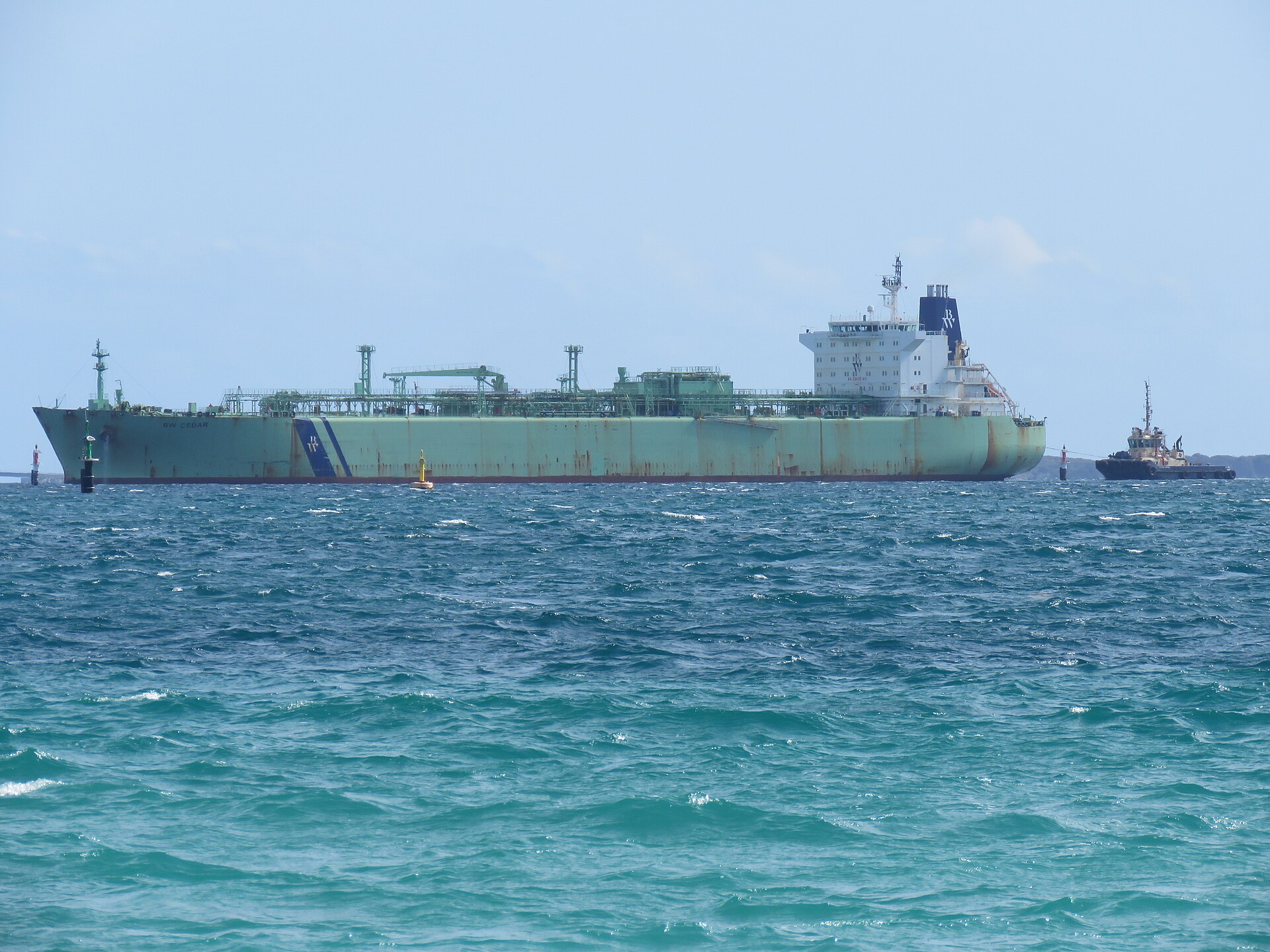
UKMTO logged the incident at 23:47 UTC on Sunday, reporting that a tanker heading southeast was struck by two projectiles approximately 72 nautical miles east of Ras Al Khafji, close to the Saudi-Kuwaiti maritime border. All crew were accounted for, UKMTO said, though the agency did not name the vessel or identify the type of projectile. Maritime Executive identified the tanker as the Largo Atom, IMO 1034747, though UKMTO’s incident report did not confirm that identification.
The strike location places the attack deep in the northern Persian Gulf, well north of the strait and in proximity to Aramco’s main crude export infrastructure. The Ras Tanura and Juaymah loading terminals, which handle the bulk of Saudi oil shipments to Asia, lie to the south, and the Khafji Joint Operations oil field shared between Saudi Arabia and Kuwait is nearby. No disruption to Saudi or Kuwaiti port operations had been reported as of Monday morning.
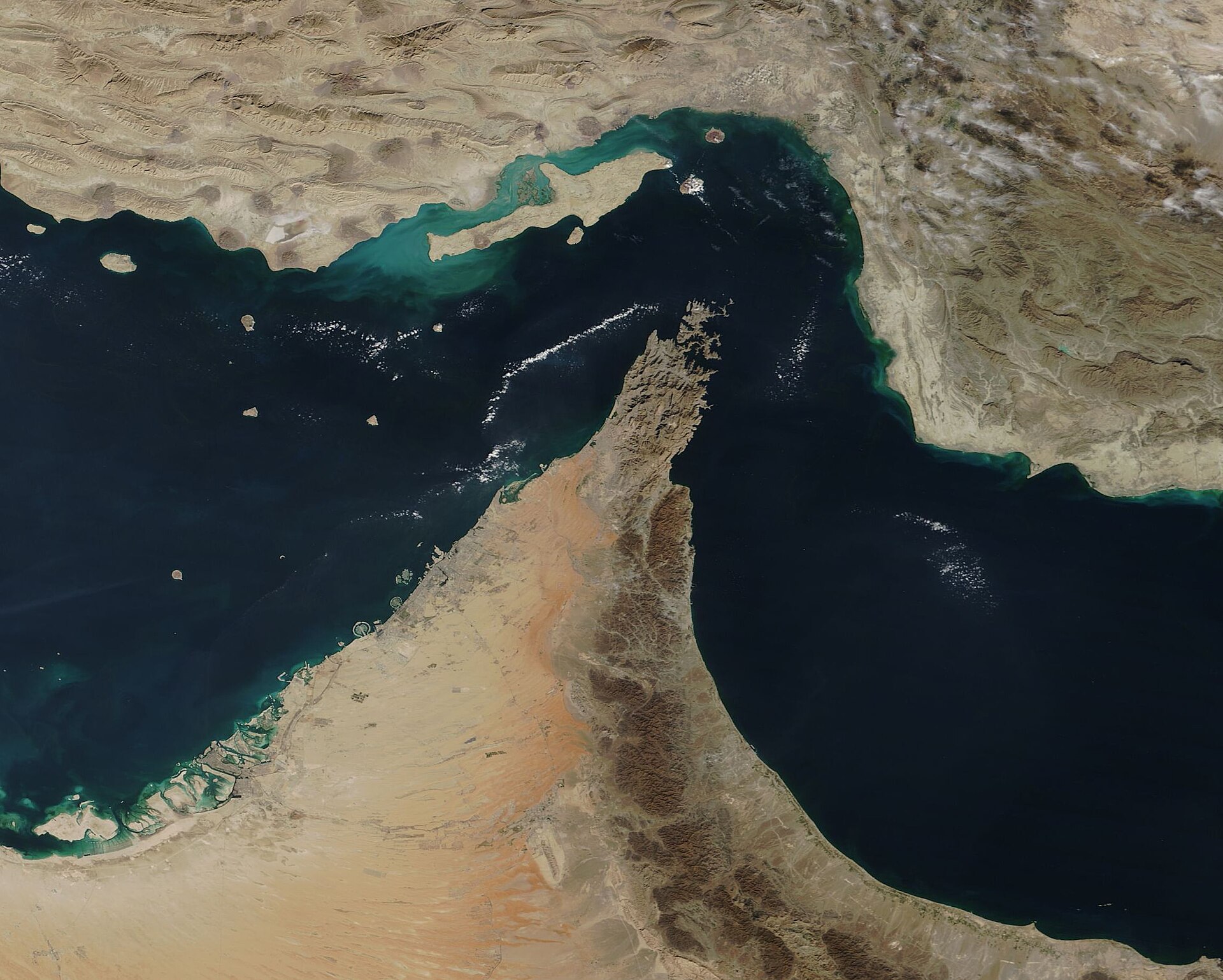
The IRGC Navy separately claimed on Sunday that two crude tankers struck naval mines while transiting an unauthorized southern route through the strait with their transponders switched off and US military support, according to Shafaq News. Those incidents appear to be distinct from the UKMTO-confirmed strike near Ras Al Khafji — the IRGC described its attacks as occurring inside the strait, at the mouth of the Gulf — and followed the IRGC’s claim on October 30 that four tankers had struck mines and an earlier report of three tankers hit by limpet mines the same day.
At least three additional vessels were reportedly damaged on November 1. Investinglive, citing Seatrade Maritime News, reported that the Liberia-flagged SPM Bheem was possibly ablaze 8 nautical miles off Limah, Oman, that a large tanker was disabled north of Kumzar, and that a vessel was leaking east of Sohar. Windward satellite imagery, as cited by Investinglive, showed a laden tanker trailing oil toward Oman’s Batinah coast, adding an environmental dimension absent from earlier attack waves — the possibility of sustained coastal contamination along one of the Gulf of Oman’s most populated stretches.
| Vessel | Type | Location | Reported Details | Source |
|---|---|---|---|---|
| UKMTO 192-26 | Tanker | 72nm E of Ras Al Khafji | Struck by 2 projectiles, 23:47 UTC; crew accounted for | UKMTO |
| Selat Storm | Offshore tug | NW of Musandam Peninsula | Struck ~15:00 UTC; partially sank | Maritime Executive, Seatrade |
| Tanker (IRGC claim) | Crude tanker | Hormuz, southern route | Naval mine (IRGC claim) | Shafaq News / IRGC |
| Tanker (IRGC claim) | Crude tanker | Hormuz, southern route | Naval mine (IRGC claim) | Shafaq News / IRGC |
| SPM Bheem | Tanker (Liberia) | 8nm off Limah, Oman | Possibly ablaze | Investinglive |
| Unidentified | Large tanker | N of Kumzar, Oman | Disabled | Investinglive |
| Unidentified | Vessel | E of Sohar, Oman | Leaking | Investinglive |
What Happened to the Selat Storm?
The Panama-flagged Selat Storm, a roughly 1,300 deadweight-ton offshore tug operated by Selat Marine Services and beneficially owned by Seabulk International, was struck at approximately 15:00 UTC on Sunday northwest of the Musandam Peninsula, according to Maritime Executive and Seatrade Maritime News. The vessel partially sank, though whether it has since been salvaged or sank entirely remains unclear from available reporting, and neither Selat Marine Services nor any maritime authority has released a statement on the vessel’s current status.
Sources told Bloomberg that the Selat Storm had received safe-passage clearance from Iran’s Persian Gulf Strait Authority hours before being struck — a detail that, if accurate, raises questions about either the clearance system’s reliability or the degree of coordination between Iranian civilian maritime authorities and whichever force carried out the attack. No Iranian official has commented publicly on the discrepancy, and the crew’s casualty status remains unknown as of Monday.
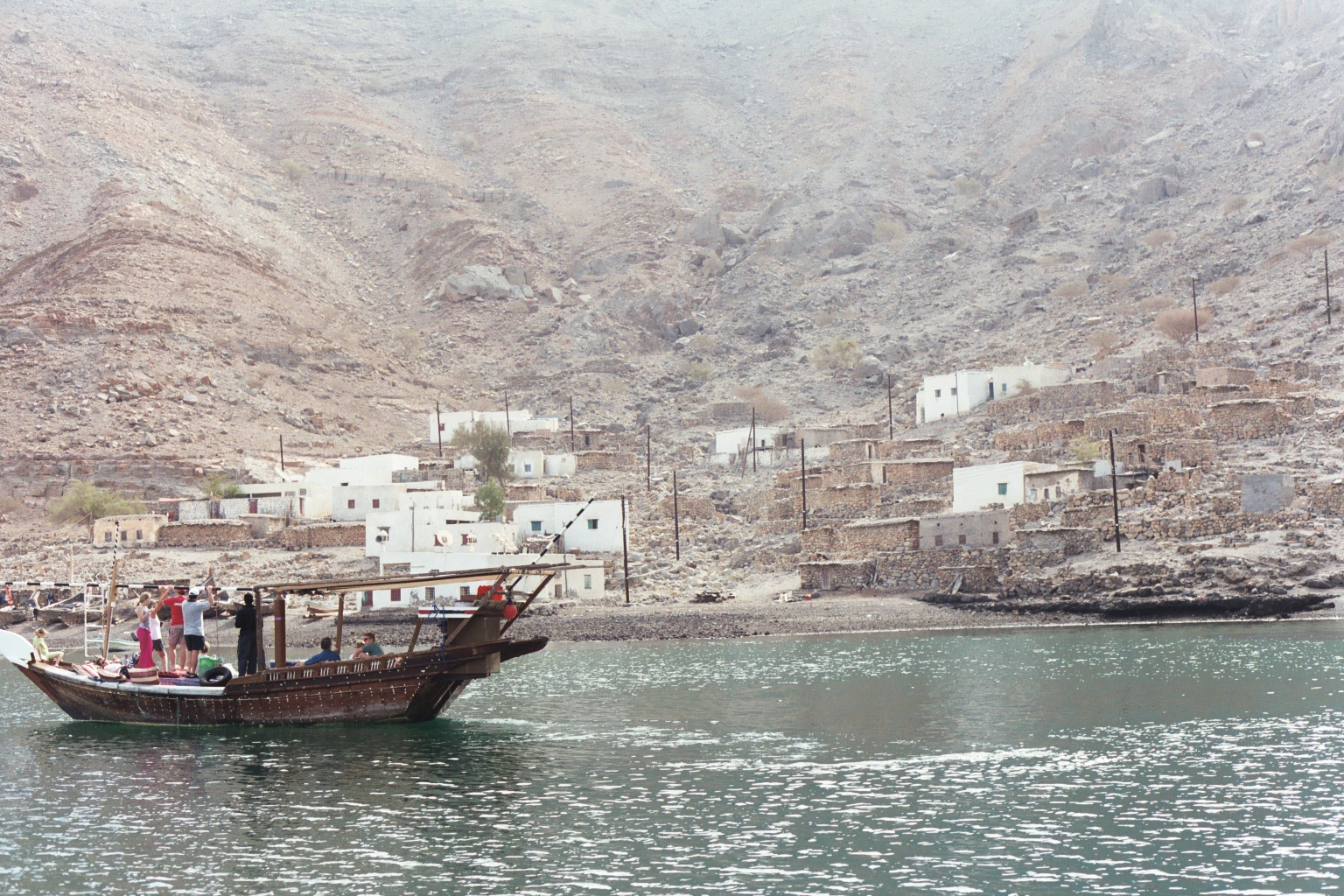
Offshore tugs operate differently from the crude tankers and LNG carriers that have been the primary targets of Hormuz attacks since July. They guide laden tankers into berths, position vessels at single-buoy moorings, assist with port approaches, and provide emergency towage if a ship loses power in the strait — the kind of work that keeps terminals functioning regardless of how many cargo vessels are available to load.
Is the Attack Profile Widening Beyond Oil Tankers?
The Selat Storm is the third tug struck near Hormuz in 2026. The UAE-registered Mussafah 2 sank on March 6 alongside the container ship Safeen Prestige, killing 4 crew members and injuring 3, according to Seatrade Maritime News; whether the tug was a deliberate target or was struck while manoeuvring near the larger vessel has not been established from available sourcing. The Dutch-flagged JIF Barracuda was struck by two projectiles on October 18 approximately 20 nautical miles northeast of Khor Fakkan — one crew member suffered minor injuries, and the vessel continued its voyage, per Maritime Executive.
| Date | Vessel | Flag | Location | Outcome |
|---|---|---|---|---|
| March 6 | Mussafah 2 | UAE | Strait of Hormuz | Sunk; 4 killed, 3 injured |
| October 18 | JIF Barracuda | Netherlands | 20nm NE of Khor Fakkan | 1 minor injury; continued voyage |
| November 1 | Selat Storm | Panama | NW of Musandam Peninsula | Partially sank; crew status unknown |
The distinction between hitting a laden tanker and hitting an offshore tug matters for how the Gulf’s maritime infrastructure holds up under sustained attack. When a tanker is struck, a single cargo is delayed or lost and the vessel’s insurer absorbs the claim. When a tug is destroyed or disabled, the capacity to manoeuvre tankers at terminals contracts — and the Gulf’s loading infrastructure, from Fujairah to Ras Tanura, depends on a finite pool of service vessels whose operators face significantly elevated war-risk insurance premiums.
No state or armed group has claimed responsibility for the Selat Storm or JIF Barracuda attacks. The IRGC’s public statements on November 1 addressed only the two mine-strike incidents it attributed to tankers on an unauthorized southern route, and Iran’s civilian maritime authority — which had cleared the Selat Storm for passage, according to Bloomberg’s sources — has not commented.
How Did Regional Governments Respond?
“Targeting energy tankers represents a dangerous escalation that undermines the security of the region.”
Jasem Mohamed Albudaiwi, GCC Secretary General, per Asharq Al-Awsat, November 2, 2026
Albudaiwi called for “holding the perpetrators of this heinous attack accountable,” in what amounted to the GCC’s strongest institutional language on the Hormuz shipping attacks, per Asharq Al-Awsat. The Arab League issued a separate statement through the Saudi Press Agency, saying that “targeting commercial vessels endangers maritime navigation and the safety of crews and violates international law.”
IMO Secretary General Arsenio Dominguez, who said after the JIF Barracuda attack on October 18 that seafarers “continue to perish” on the Hormuz route and called for transits to stop until safety could be assured, had not issued an updated statement on the November 1 wave as of Monday, per Maritime Executive. The IMO’s earlier call carried weight with European flag-state registries but did little to slow traffic through the strait, where Kpler estimated approximately 14 million barrels per day were still flowing as of the week ending October 18 — roughly 82 percent of pre-war levels.
Saudi Arabia’s military response on November 1 focused on the Houthi front, with the Saudi-led coalition striking Houthi missile and drone resources in Yemen on the same day the Gulf shipping attacks continued. No Iranian government statement addressed the Selat Storm or the UKMTO-confirmed tanker attack near Ras Al Khafji.
Hormuz Blockade and Oil Markets
Brent crude’s front-month January contract traded near $109.75 to $110 early on Monday, down approximately 3 percent from Friday’s settlement of $113.43, according to FinanceFeeds and FXStreet. The decline came despite the November 1 attacks, with traders citing Iran’s 2-day Hormuz reopening offer — reported late on Sunday — as a diplomatic counterweight that briefly tempered the risk premium on Gulf crude.
OPEC+ held December output at 31 million barrels per day, locking in current production levels through the end of the year, with the next scheduled review in early December. The decision means that any further disruption to Gulf shipping tightens an already constrained physical market.
The Hormuz blockade, which the IRGC resumed on July 14, has restricted but not halted traffic through the strait. CENTCOM said 144 vessels had been redirected since the blockade resumed, per CENTCOM statements as of October 31, against a pre-war baseline of approximately 138 transits per day, according to the US Navy’s Joint Maritime Information Center. Saudi Arabia has leaned on the East-West pipeline, which has a design capacity of approximately 7 million barrels per day and runs from the Eastern Province to the Red Sea port of Yanbu, to route western-bound crude around the strait.
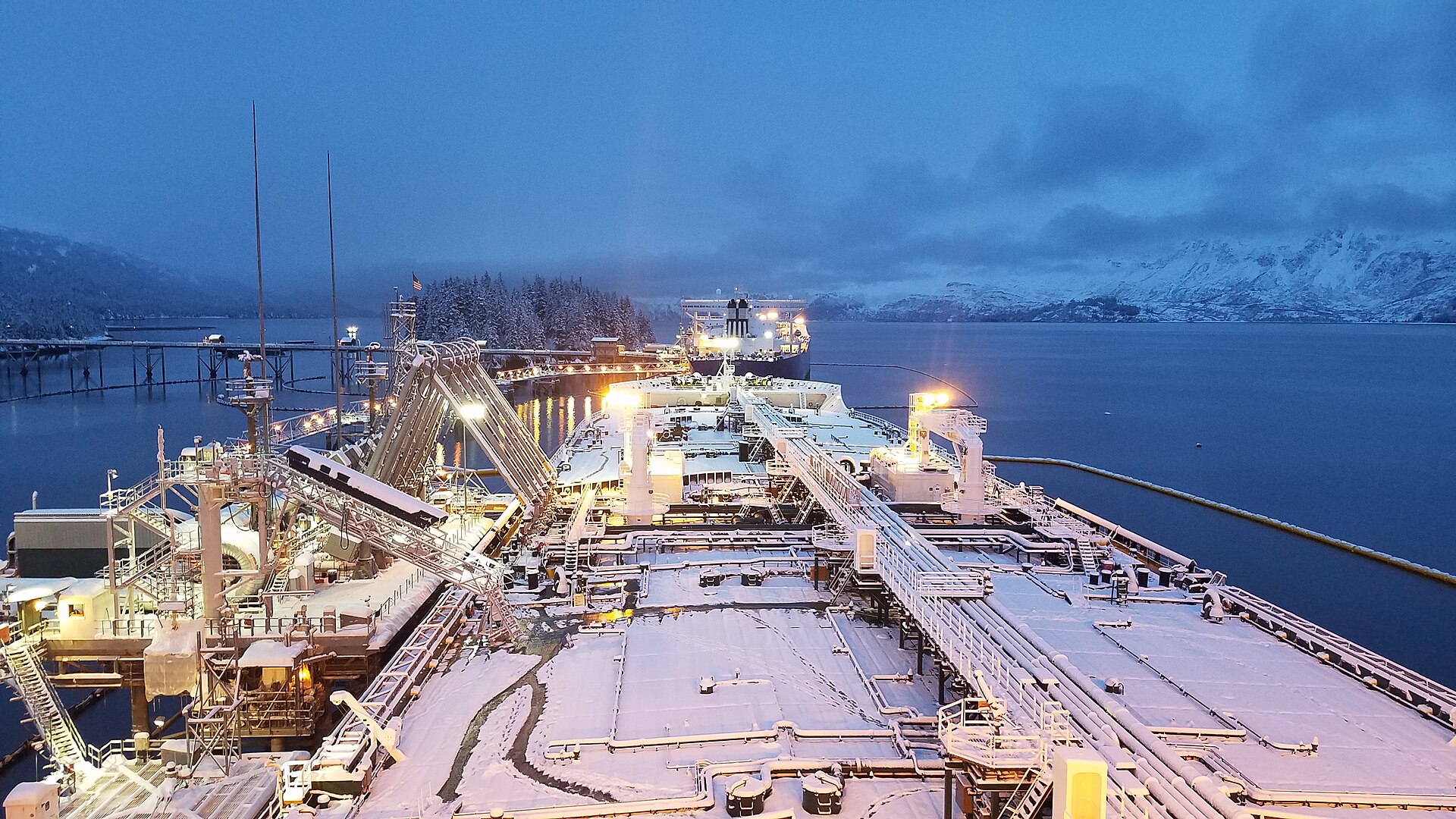
VLCC charter rates on the Gulf-to-China route have exceeded $1 million per day, according to Baltic Exchange assessments reported by Seatrade Maritime News — a level that reflects the compounding cost of war-risk insurance, blockade-related delays, and a shrinking pool of service vessels available to handle traffic at Gulf loading terminals after three tug attacks in eight months.
Frequently Asked Questions
Where is Ras Al Khafji?
Ras Al Khafji sits on Saudi Arabia’s northeastern coast near the Kuwaiti border, in the same stretch of Gulf coastline that hosts several of Aramco’s major export installations. The surrounding waters include the Khafji Joint Operations oil field, jointly operated by Saudi Arabia and Kuwait, making it one of the most infrastructure-dense stretches of the Persian Gulf. The town was the site of the 1991 Battle of Khafji during the Gulf War.
What is Selat Marine Services?
Selat Marine Services is a Singapore-headquartered offshore marine operator that provides tug, anchor-handling, and offshore support vessel services across Southeast Asia and the Middle East. Its beneficial owner, Seabulk International, is a US-based maritime transport company. The Selat Storm was Panama-flagged and had been deployed to the Gulf to support vessel handling operations in and around the Strait of Hormuz.
Has Iran’s safe-passage system failed before?
The Selat Storm incident is the most prominent reported case of a vessel being struck after receiving clearance from Iran’s Persian Gulf Strait Authority, though the claim rests on anonymous sources cited by Bloomberg and has not been confirmed by Iran. The clearance system has been in operation since the July 2026 blockade resumption, and shipping operators have questioned its reliability, but no prior confirmed case of a cleared vessel being attacked has been publicly documented.
What is UKMTO?
UK Maritime Trade Operations is a Royal Navy-run coordination centre based in Dubai that serves as the primary point of contact between merchant shipping and coalition naval forces in the Gulf, Arabian Sea, and Indian Ocean. Its incident reports — numbered sequentially each year, such as 192-26 for the November 1 tanker strike — are the industry standard reference for tracking maritime security events in the region.
How many tugs typically operate near Hormuz?
Industry estimates prior to the blockade placed the active tug and anchor-handling fleet in the wider Gulf — servicing Fujairah, Khor Fakkan, and Omani ports — at several dozen, though exact figures are not publicly reported. Significantly elevated war-risk insurance premiums have made it difficult for operators to deploy smaller service vessels, and the loss or damage of three tugs to attacks this year has further strained the available fleet.
The House of Saud Daily Briefing
Saudi Arabia's news in 3 minutes, every morning. Free. See today's issue