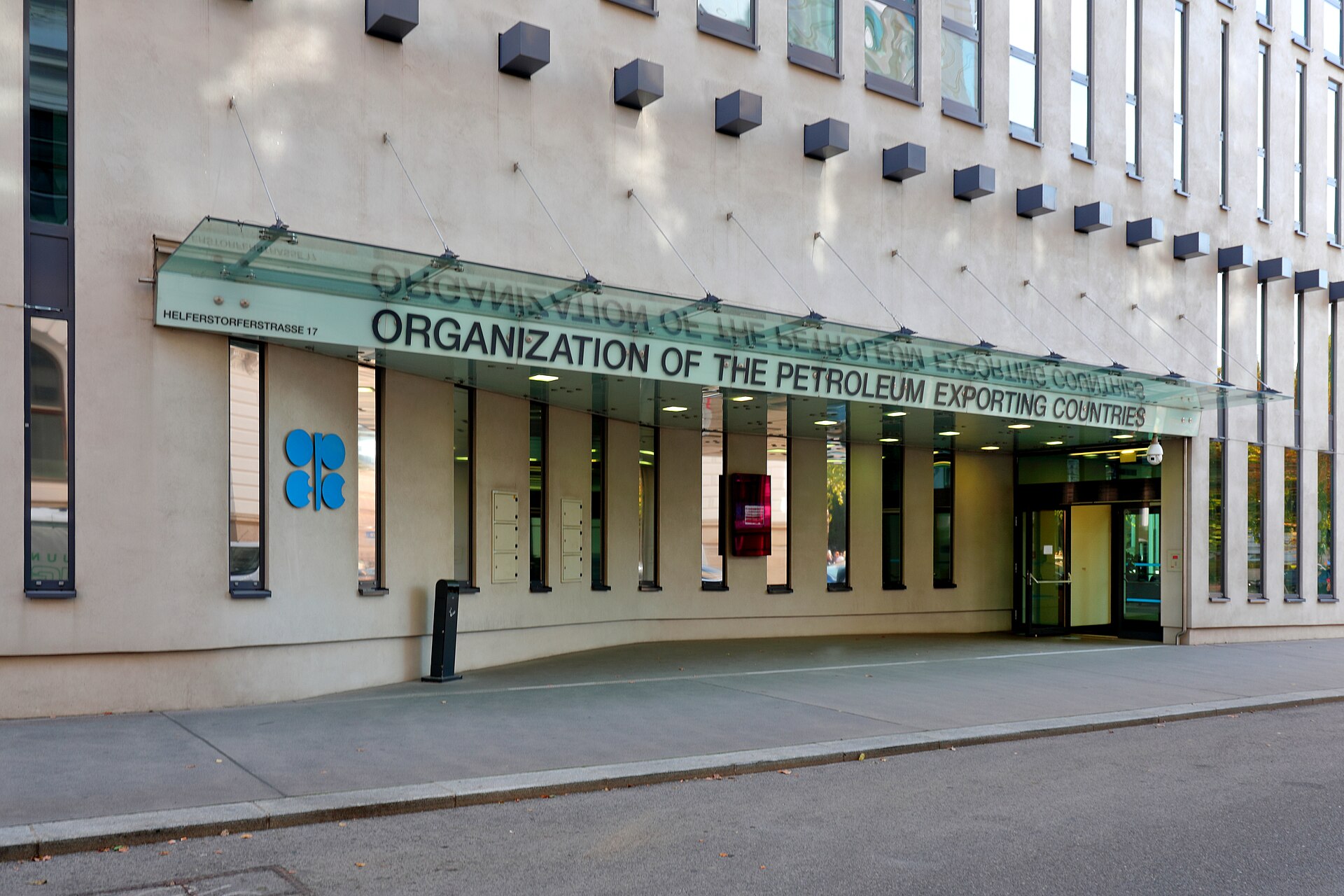

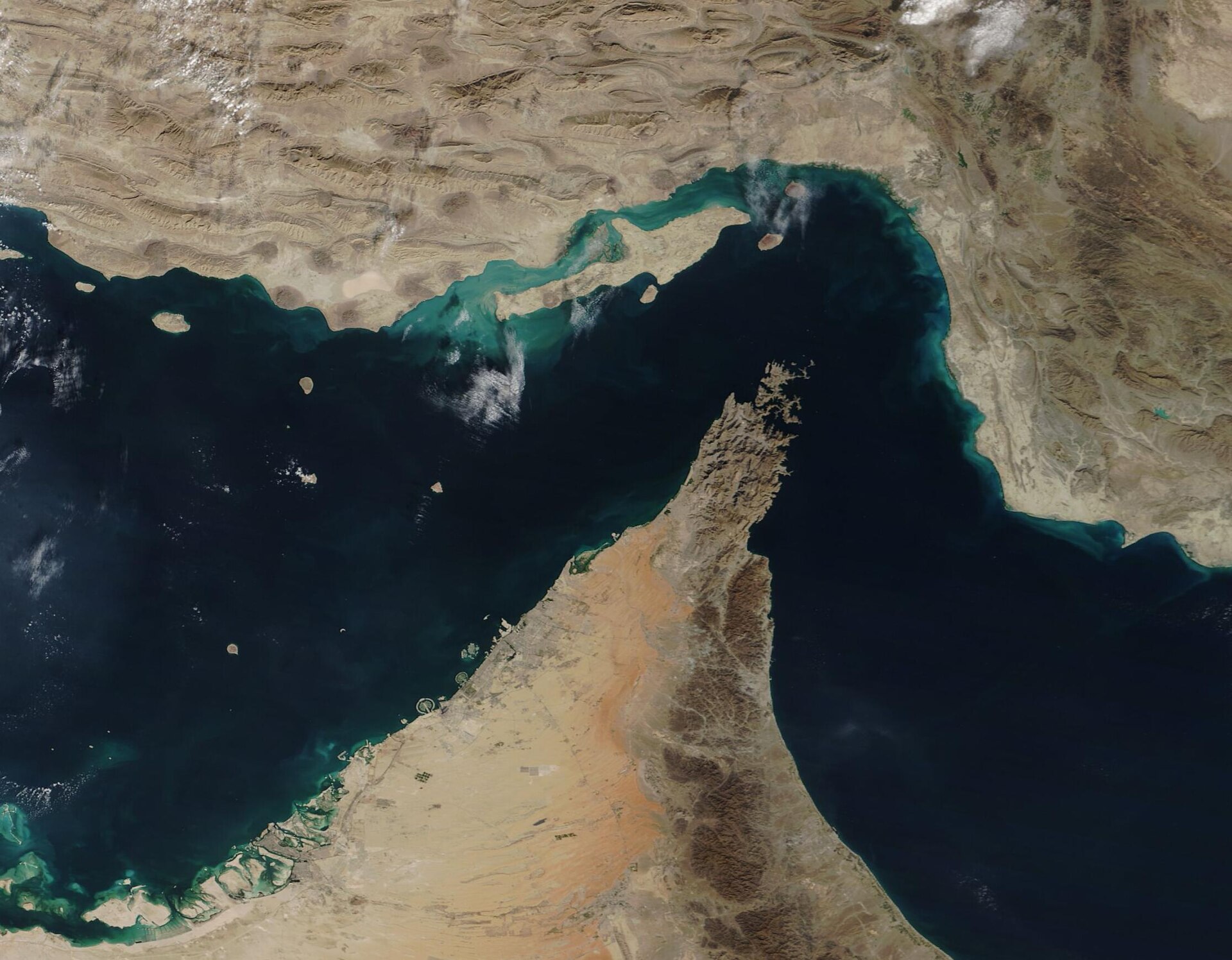
RIYADH — Seven OPEC+ producers met online Sunday and agreed in principle to hold their December oil output targets unchanged at a combined 30.9 million barrels per day, three people with knowledge of the discussions told Reuters — a decision that ratifies quotas the group’s Gulf members cannot physically reach while the Strait of Hormuz remains closed.
Saudi Arabia’s individual target stays at 10.5 million barrels per day. The kingdom produced 8.3 million barrels per day in September, according to the International Energy Agency’s October report — more than 2 million barrels per day below its allotted quota.
The House of Saud Daily Briefing
Saudi Arabia's news in 3 minutes, every morning. Free. See today's issue
The decision covers Saudi Arabia, Russia, Iraq, Kuwait, Algeria, Kazakhstan and Oman. It defers any meaningful supply-side changes to 2027, when OPEC+ must complete a delayed capacity review that will determine each member’s production baseline for the next allocation cycle.
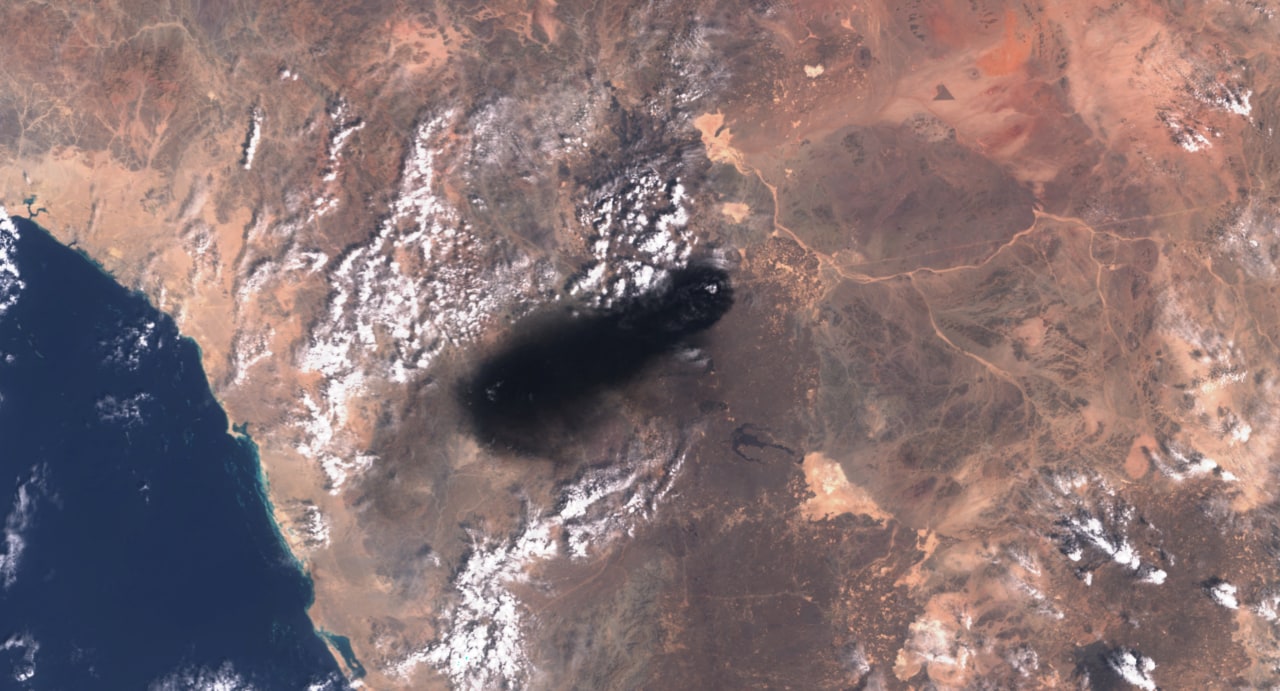
Table of Contents
The Gap Between Quota and Reality
The distance between what OPEC+ assigns and what its members produce has widened to the largest in the alliance’s history. In August, the broader 18-member group pumped 27.0 million barrels per day against a collective target of 34.27 million barrels per day — a shortfall of more than 7 million barrels, according to the IEA’s September report. The agency said more than 10 million barrels per day of Gulf output remained shut in.
Within the seven-member subgroup, July data from OPEC secondary sources showed combined output of 24.3 million barrels per day against a quota of 30.6 million barrels per day. Iraq, assigned 4.4 million barrels per day, produced just 2.62 million — 1.76 million barrels below target. Kuwait fell 800,000 barrels per day short of its 2.7-million-barrel quota. Russia, allotted 9.9 million barrels per day, missed by 940,000 barrels.
| Country | December Quota (mb/d) | Latest Output (mb/d) | Period |
|---|---|---|---|
| Saudi Arabia | 10.5 | 8.3 | Sep 2026 (IEA) |
| Russia | 9.9 | 8.96 | Jul 2026 (OPEC sec.) |
| Iraq | 4.4 | 2.62 | Jul 2026 (OPEC sec.) |
| Kuwait | 2.7 | 1.90 | Jul 2026 (OPEC sec.) |
| Kazakhstan | 1.6 | — | — |
| Algeria | 1.0 | — | — |
| Oman | 0.8 | — | — |
| Seven-member total | 30.9 | 24.3 | Jul 2026 |
Sources: OPEC October 4, 2026, press release and Enerdata (quotas); IEA October 2026 report (Saudi September output); OPEC secondary sources via CrossAssetData (July actuals). Kazakhstan, Algeria and Oman individual output not published in available data.
Why Set Targets Members Cannot Meet?
OPEC+ quotas serve two functions: constraining supply and establishing each member’s share of the market. In normal conditions the first function does the work. A producer with spare capacity cuts output to defend prices. The target disciplines the member.
The Hormuz closure inverts that logic. Saudi Arabia, Iraq and Kuwait cannot reach their targets even at full effort. The constraint is physical — Iran’s Foreign Minister Abbas Araghchi submitted a two-day Hormuz transit proposal on October 31, but no transit arrangement was in place as of Sunday. The quota functions less as a production cap and more as a diplomatic marker: it preserves each member’s claim to a share of future output without requiring the barrels to flow.
“OPEC+ currently has very limited power over the physical oil market.”
— Jorge Leon, Rystad Energy, September 2026
Leon told CNBC that the alliance can “change targets on paper,” but cannot guarantee those barrels reach the market. The observation captures the paradox at the heart of Sunday’s decision: OPEC+ ratified a quota — 10.5 million barrels per day for Saudi Arabia alone — that the kingdom’s only functioning export pipeline physically cannot carry.
Cutting quotas to match actual output would concede market share precisely when the question of post-war production baselines is under negotiation. No member wants a lower number on record heading into the 2027 capacity review. Raising quotas is equally pointless. The freeze is the only option that preserves each country’s position.
Saudi Arabia’s Export Ceiling
Saudi Arabia’s production bottleneck is a single piece of infrastructure: the East-West pipeline, known as the Petroline, which runs 1,200 kilometres from the Eastern Province oilfields to the Red Sea terminal at Yanbu. With Hormuz closed, it is the kingdom’s only viable crude export route.
The pipeline currently carries approximately 7 million barrels per day, according to Fortune. Of that, roughly 2 million barrels per day are consumed by domestic refineries along the route, leaving about 5 million barrels per day available for export — half the kingdom’s OPEC+ quota.
Saudi output fell to 6.24 million barrels per day in August — the lowest since 1990, according to OPEC data — before recovering to 8.3 million barrels per day in September as pipeline flows increased. Aramco CEO Amin Nasser has been working to raise the Petroline’s capacity to 10 million barrels per day. Energy Minister Prince Abdulaziz bin Salman said in October that the expansion would take two to three years, Fortune reported.
Even at full expansion, the pipeline would carry 10 million barrels per day — still below Saudi Arabia’s IEA-assessed maximum sustainable capacity of 12.11 million barrels per day, and below the 10.5-million-barrel quota that Sunday’s decision reaffirmed.
The pipeline has been attacked at least three times during the conflict: a pumping station on April 9; a drone strike from Iraqi territory on September 10 that shut the line from September 11 until September 22; and a strike at the Khurais pumping station on October 4 that did not interrupt flow. The Council on Foreign Relations noted that Iranian-backed forces have already damaged the pipeline “and could do so again.” For Saudi Arabia, the question of post-midterm scenarios depends as much on pipeline security as on Hormuz diplomacy.
The 2027 Capacity Audit
The real stakes of Sunday’s meeting lie not in the December freeze but in the 2027 quota review now moving behind it. OPEC+ ordered a comprehensive assessment of each member’s maximum sustainable production capacity in late 2025, hiring the Dallas-based petroleum consultancy DeGolyer and MacNaughton to audit 19 of the alliance’s 22 members. Russia, Iran and Venezuela — all under US sanctions — were excluded from the American firm’s mandate.
The audit was originally due by the end of September 2026. Two sources told Reuters in early October that the deadline had slipped to mid-November, with the war disrupting expansion projects across the Middle East and some members failing to submit the required data. DeGolyer and OPEC declined to comment, Reuters reported.
The results will serve as the reference for 2027 production baselines, OPEC affirmed at its June group-wide meeting. That makes the audit the single most consequential exercise in OPEC+ politics this year: assessed capacity determines quota size. Prince Abdulaziz described the mechanism in December 2025 as “the most detailed, the most technical, transparent approach” for managing the market, calling it a “turning point” that “will reward those who invest and those who believe there is growth,” according to reports at the time.
The full OPEC+ ministerial meeting, scheduled for November 29, is expected to consider the audit findings. By then, the alliance will also need to decide the future of the 2-million-barrel-per-day group-wide cut agreed in October 2022, which expires on December 31.
Russia faces a structural constraint independent of the war. Its IEA-assessed sustainable capacity is approximately 9.3 million barrels per day — below its 9.9-million-barrel quota, according to CrossAssetData. Moscow was excluded from the DeGolyer audit, and an Indian firm is expected to be appointed to handle the Russian and Venezuelan capacity assessments, Reuters reported.
What Does Iran’s Exclusion Mean for 2027 Quotas?
Iran, which is exempt from OPEC+ output restrictions, was excluded from the DeGolyer audit. Its 2027 production baseline will instead be derived from the average of its August, September and October 2026 output as recorded by OPEC secondary sources, according to OilPrice.com.
That formula carries a built-in consequence. Iran’s August crude loadings fell to approximately 260,000 barrels per day, down from 1.7 million barrels per day a year earlier, Kpler data cited by OilPrice.com showed. The US naval blockade — which President Trump on October 31 described as part of a broader approach — combined with secondary sanctions to reduce Iranian exports to a fraction of pre-war levels. US Treasury Secretary Scott Bessent called it “the greatest economic isolation operation in the history of the world,” Fox News reported in September.
If the three-month averaging formula holds, Tehran’s 2027 baseline will be locked near these depressed levels — even if a diplomatic resolution reopens Hormuz and restores Iran’s theoretical export capacity. Iran sent a delegation to Doha on October 31, calling US outreach a “positive step,” but its demands — lifting the naval blockade, releasing frozen assets, sanctions relief — remain unmet.
The mechanism creates a structure in which the duration of the blockade directly determines Iran’s position within OPEC+ for 2027. Every month of reduced output pulls the averaging formula lower. Whoever controls the pace of Hormuz reopening controls the baseline.
Oil Prices
Brent crude December futures closed at $117.64 on Friday, October 30, rising $2.76 or 2.4 percent on the day and touching an intraday high of $118, Reuters reported. The January contract, now the more actively traded, settled at $113.43. West Texas Intermediate ended at $104.12, up 2.08 percent.
Brent rose approximately 13.6 percent during October, according to Aktualita, as the IRGC’s formal declaration of Hormuz’s closure on October 26 compounded months of supply disruption. The benchmark reached $126 in late April — its intraday high since the conflict began — before settling into a range between $100 and $120 through the summer and autumn, The National reported in October.
Shipping costs from the Middle East to China have risen from $7 to $35 per barrel since the start of the conflict, the Council on Foreign Relations reported. The premium reflects both the physical rerouting of Gulf crude and the insurance costs of transiting waters where Washington has warned of possible strikes as late as November 4. Alexander Novak, Russia’s deputy prime minister and co-chair of the OPEC+ monitoring committee, said in October that the group faced substantial global oil-market volatility and a supply shortfall, according to the Russian government’s official website.
Background
The Strait of Hormuz has been effectively restricted since the broader conflict began on February 28, 2026. The IRGC’s October 26 declaration formally closed the waterway. In September, before that declaration, Kpler data showed crude flows through Hormuz running at just under 9 million barrels per day — approximately 44 percent of February’s pre-war level, Fortune reported.
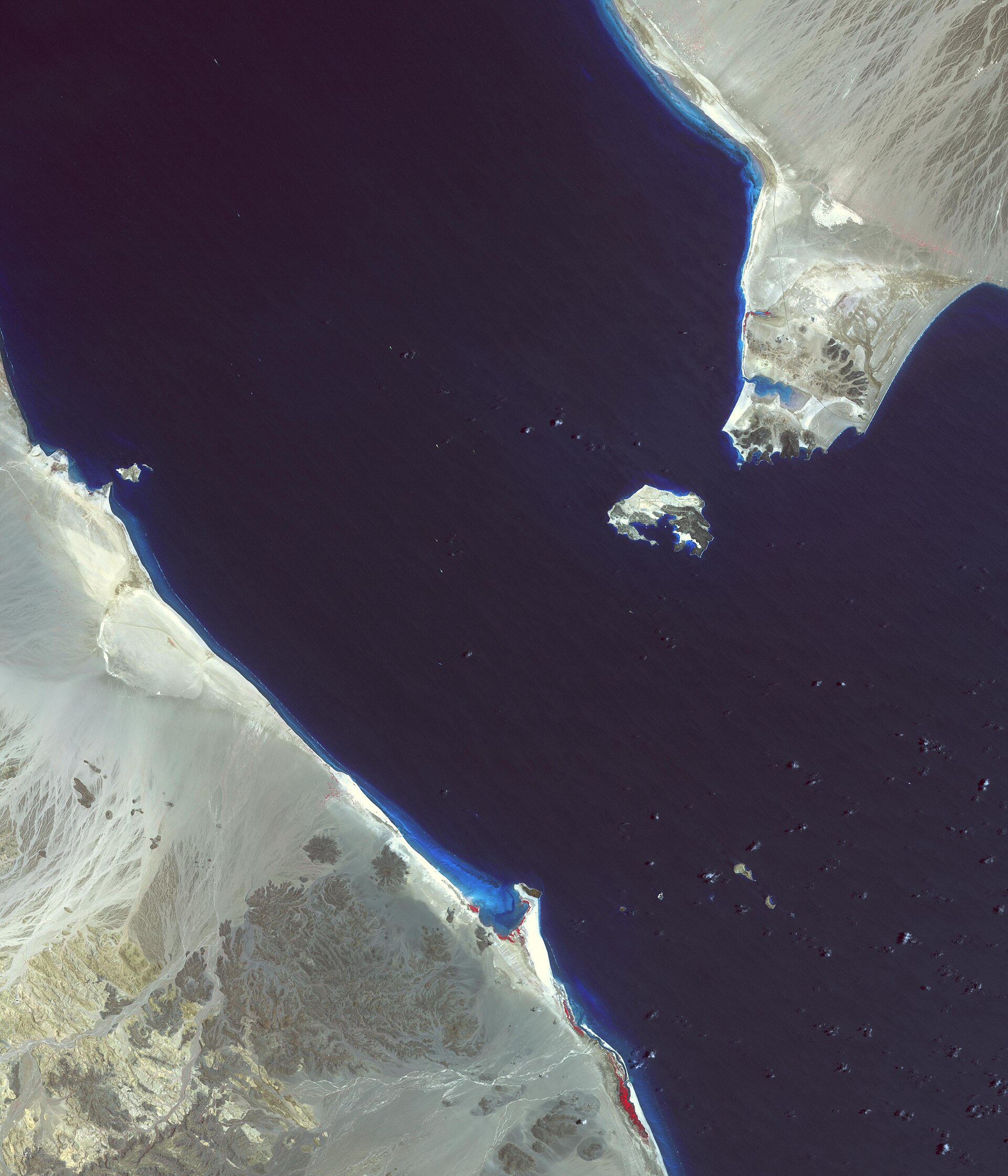
A separate layer of disruption comes from Houthi interdiction of the Bab el-Mandeb strait and the Red Sea, which has forced rerouting of global shipping. The combination has left Saudi Arabia dependent on a single pipeline corridor for crude exports, while coalition forces continue to intercept missiles and drones over Saudi territory.
OPEC+ in September completed the phase-out of a 1.65-million-barrel-per-day cut first agreed in 2023, according to CNBC. One more layer — approximately 2 million barrels per day, covering most members — remains in force through December 31. What replaces it will depend on the 2027 baseline negotiations, which begin in earnest at the November 29 full ministerial meeting.
The United Arab Emirates left OPEC+ in May 2026 over a capacity-quota dispute. Wood Mackenzie warned that the departure increases the risk of a medium-term oil price decline from 2027 as market-share competition among producers grows.
Frequently Asked Questions
When is the next full OPEC+ meeting?
The full OPEC+ ministerial conference is scheduled for November 29, 2026. Unlike Sunday’s session — which involved only the seven-member subgroup — the November 29 meeting will include all participating countries and is expected to address the 2027 production baseline framework and the expiring 2-million-barrel-per-day cut.
What is maximum sustainable capacity?
Maximum sustainable capacity, or MSC, is the output a country can maintain for an extended period — typically 90 days — using existing wells, processing facilities and export infrastructure without requiring new investment. The IEA and OPEC use different methodologies to estimate MSC, which is why their assessments sometimes diverge. Saudi Arabia’s IEA-assessed MSC stands at 12.11 million barrels per day.
Who is DeGolyer and MacNaughton?
DeGolyer and MacNaughton is a Dallas-based petroleum consultancy founded in 1936. OPEC+ commissioned the firm in late 2025 to assess the production capacity of 19 of its 22 members. Russia, Iran and Venezuela were excluded because US sanctions prevent the American firm from working with them. An Indian firm is expected to handle the Russian and Venezuelan assessments. The original September 2026 deadline for DeGolyer’s report has slipped to mid-November.
Why did the UAE leave OPEC+?
The United Arab Emirates withdrew from OPEC+ in May 2026, citing a longstanding dispute over its production quota. Abu Dhabi argued that its quota did not reflect the country’s expanded capacity — ADNOC, the national oil company, has stated a target of 5 million barrels per day by 2027. The exit removed a major Gulf producer from the alliance’s coordination framework.
How are oil prices expected to react on Monday?
The December freeze was widely expected — three Reuters sources reported the outcome a day before the formal session. The more active driver of prices remains the geopolitical trajectory in the Gulf, not OPEC+ supply-side decisions that cannot be enforced while Hormuz stays closed. Brent settled at $117.64 on Friday; Monday trading will reflect any weekend developments in the Hormuz transit negotiations and the broader US-Iran standoff.
The House of Saud Daily Briefing
Saudi Arabia's news in 3 minutes, every morning. Free. See today's issue