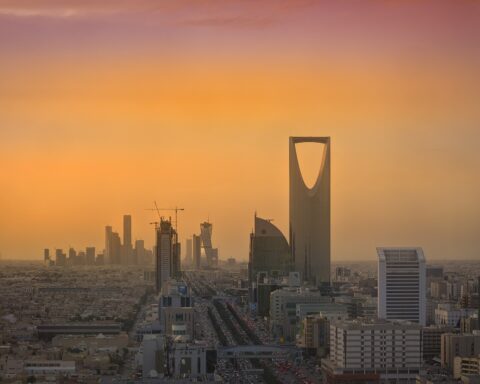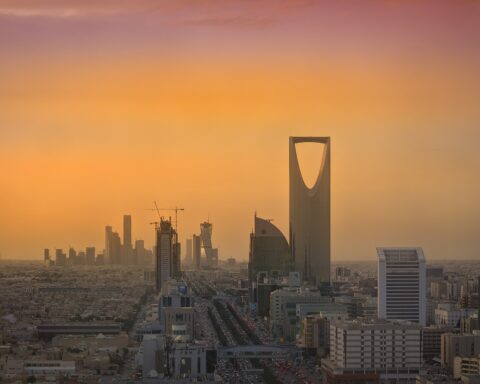

RIYADH — Eight days after saying the 2027 Asian Cup in Saudi Arabia would go ahead on schedule, the Asian Football Confederation reversed course on Tuesday and pushed the tournament back 11 months — from January 7–February 5, 2027 to December 23, 2027–January 21, 2028 — citing “exceptional circumstances arising from developments in the region” and “substantial logistical complexities and travel disruptions.” The decision, announced on November 3 following discussions with the Saudi Arabian Football Federation and the local organising committee, makes the Asian Cup the most prominent international sporting event to be formally rescheduled from Saudi soil since the regional conflict began disrupting the kingdom’s calendar.
The delay carries weight beyond football because the Asian Cup was explicitly framed as Saudi Arabia’s practice run for the 2034 FIFA World Cup, with four of its planned venues doubling as World Cup stadiums and Riyadh alone set to host 30 of 51 matches including the final. The AFC said the new dates “will be presented to FIFA for approval,” meaning the governing body behind the world’s most-watched sporting event must now formally reckon with the fact that a tournament designed to prove Saudi Arabia’s hosting readiness could not be held on time — at a moment when the Public Investment Fund has already signalled it plans to drop five of 15 proposed World Cup stadiums and FIFA itself is weighing whether to shift the 2034 tournament into early 2035.
The House of Saud Daily Briefing
Saudi Arabia's news in 3 minutes, every morning. Free. See today's issue
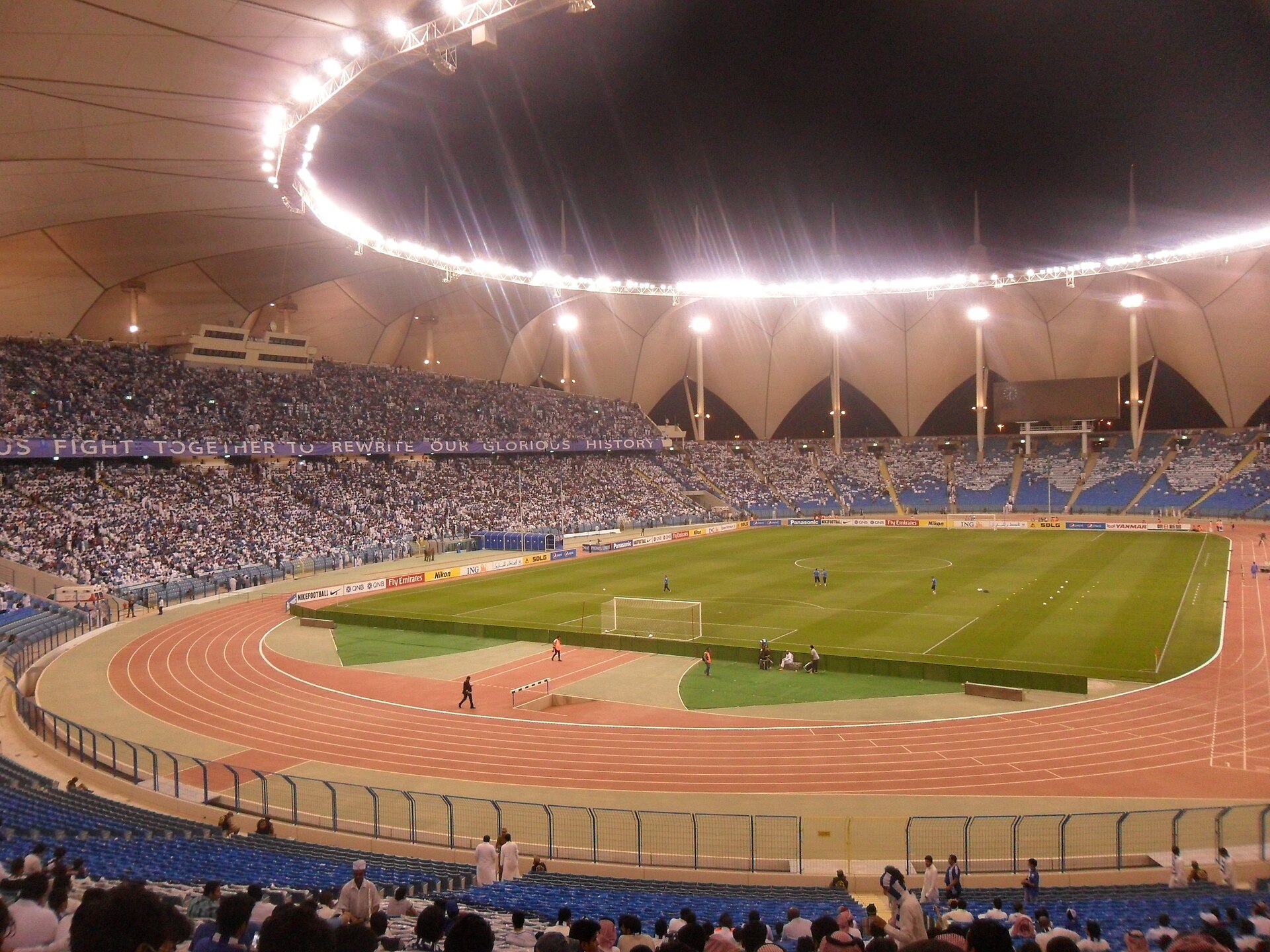
Table of Contents
What Did the AFC Announce?
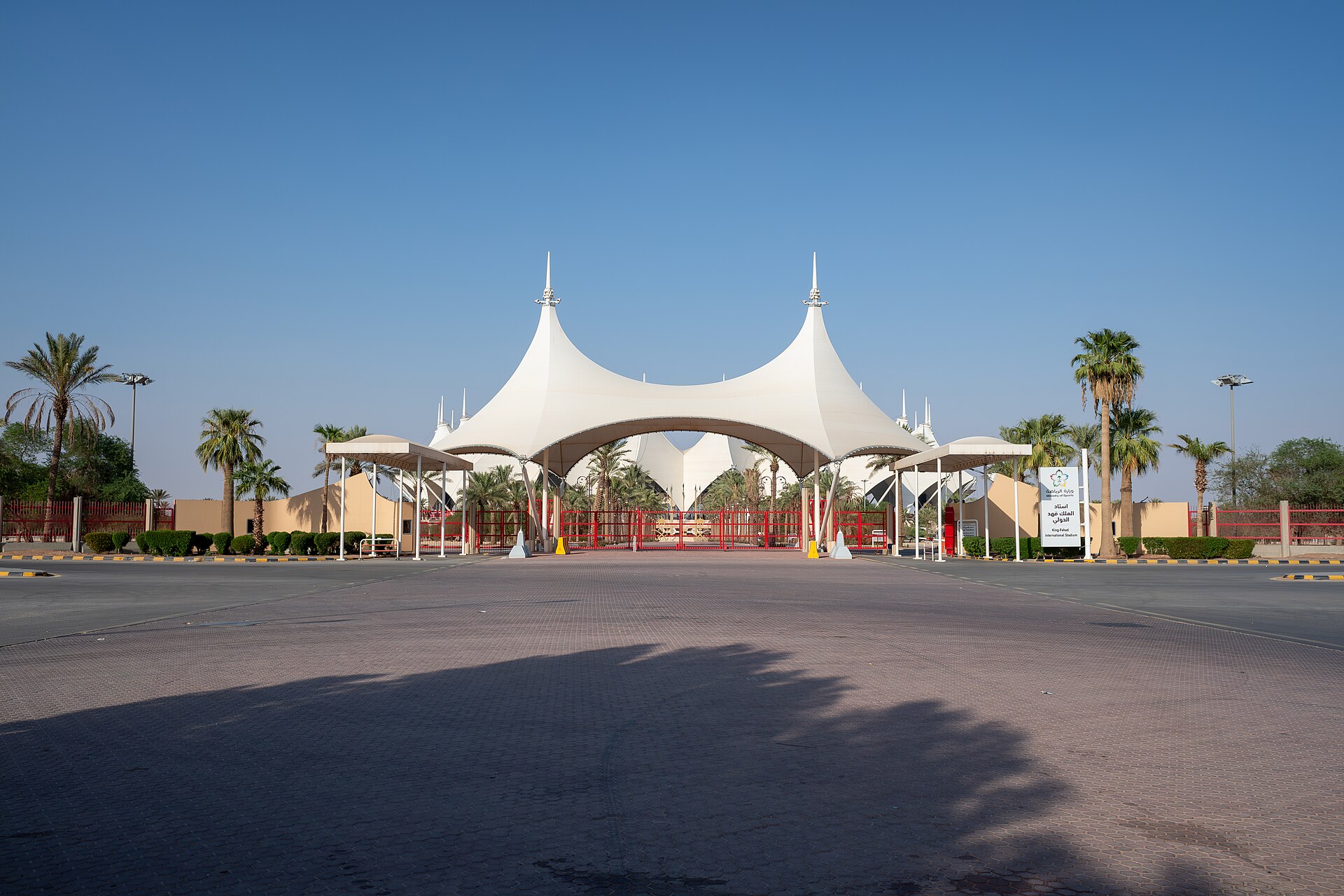
The AFC said in an official statement on November 3 that the Asian Cup had been rescheduled “following discussions with the Local Organising Committee and the Saudi Arabian Football Federation,” and that the new dates would be “presented to FIFA for approval.” Five of the tournament’s eight planned venues were located in the capital, according to The National, including King Fahd Sports City Stadium which was set to host the final. The concentration of fixtures in a single city amplified the logistical exposure — the same city whose main international airport recorded 94% flight cancellations at the peak of Houthi strikes in October.
The announcement reversed a position the AFC had held publicly for months, and as recently as October 26 the confederation had said the tournament would proceed on its original January dates, according to The National. AFC president Sheikh Salman bin Ebrahim Al Khalifa had signalled flexibility in mid-October, telling reporters in Zurich that “we can wait until the end of November” and that the confederation “could move back a year to 2028 if we need to” — but the formal decision came barely two weeks later, a timeline that suggests the security assessment deteriorated faster than the AFC’s own public reassurances had indicated.
Yasser al-Misehal, chairman of the Saudi local organising committee, framed the shift as a logistical adjustment rather than a setback, telling the Saudi Press Agency that “the tournament will move to the new dates, and our preparations will continue as planned.” The tournament draw had already been postponed from its original April 11 date and rescheduled to May 9, 2026, “amid the war in the Middle East,” making Tuesday’s announcement the second major scheduling disruption of 2026, and the one that finally moved the matches themselves.
Which Other Events Has Saudi Arabia Lost?
The Asian Cup postponement extends a catalogue that now includes at least 11 major international events cancelled, relocated, or delayed from Saudi Arabia since the conflict escalated. France24, citing AFP, described the rescheduling as “the latest event” in a growing list that includes the F1 Saudi Grand Prix, the WTA Finals, the Dakar Rally, and the FIFAe Finals, among others — a pattern in which external governing bodies and organisers, not the Saudi government, have made the call to pull or postpone events from the kingdom.
| Event | Original date | Status | Source |
|---|---|---|---|
| Asian Winter Games (NEOM Trojena) | 2029 | Postponed Jan 2026; contracts terminated Mar 2026 | MEED |
| F1 Saudi Grand Prix | 2026 season | Cancelled | France24/AFP |
| Future Investment Initiative | Oct 2026 | Postponed to 2027 | HOS |
| FIFAe Finals (Jeddah) | Oct 16–25, 2026 | Postponed, citing “regional developments” | ARY News |
| WTA Finals (Riyadh) | Oct–Nov 2026 | Relocated to Indian Wells | France24/AFP |
| Six Kings Slam | Oct 2026 | Moved to Dec 2026 | France24/AFP |
| 2027 Dakar Rally | Jan 2027 | Removed from Saudi Arabia; no replacement host named | France24/AFP |
| Asian Tour Saudi International | 2026 | Postponed indefinitely | France24/AFP |
| Urban World Cycling Championships | 2026 | Cancelled | France24/AFP |
| World Rally Championship final | 2026 | Moved to Italy | France24/AFP |
| 2027 Asian Cup | Jan 7–Feb 5, 2027 | Delayed 11 months to Dec 2027–Jan 2028 | AFC |
The cancellations span motor sport, tennis, football, esports, cycling, and the winter games — nearly every category of international competition Saudi Arabia had secured as part of Vision 2030’s hosting strategy. What connects them is not the discipline but the mechanism: in nearly every case, the decision was made by the international federation or event organiser rather than by Riyadh, which has consistently maintained that preparations remain on track even as its events calendar has emptied around it.
Can Saudi Arabia Still Host the 2034 World Cup?
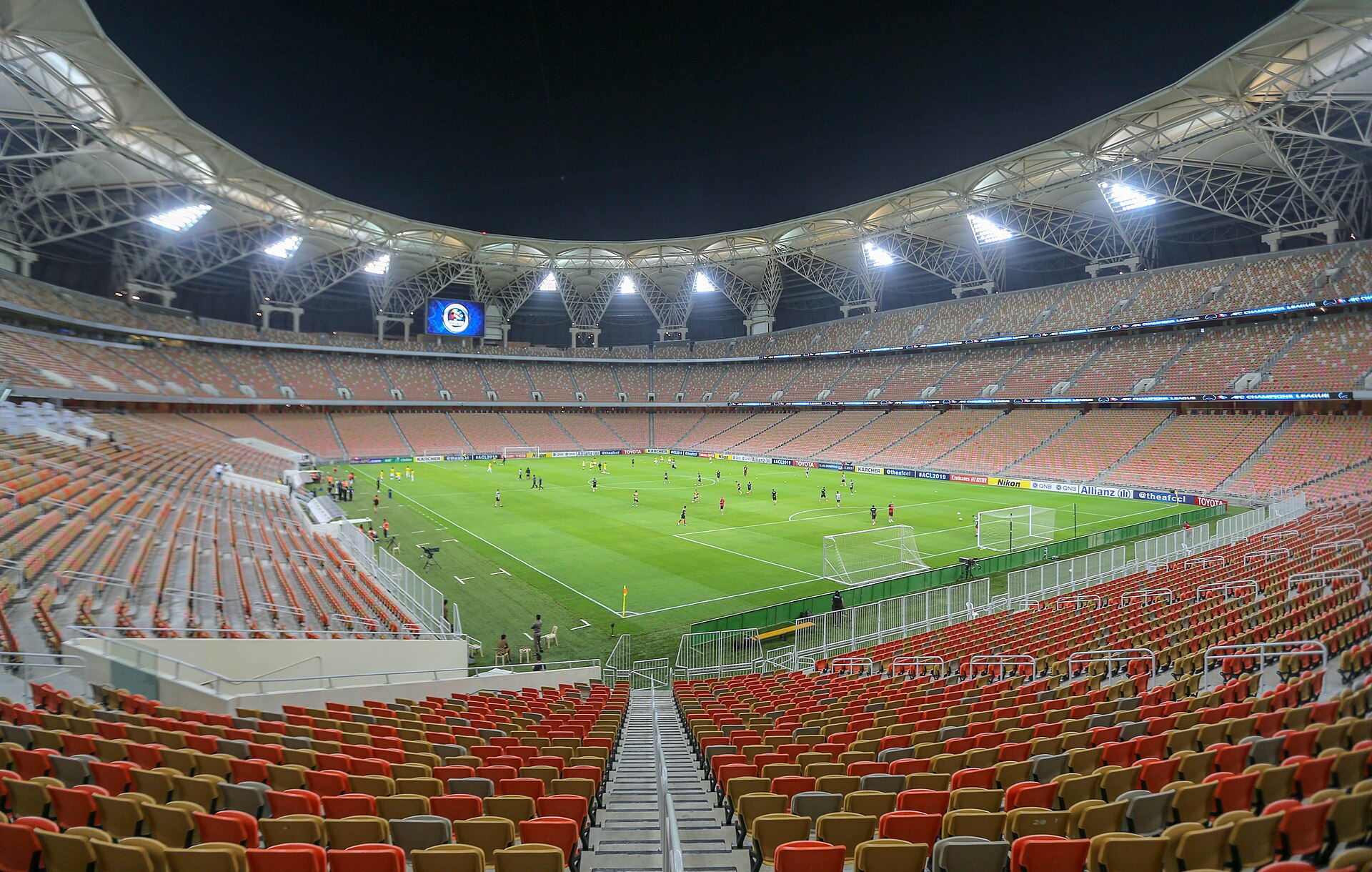
The practical question has shifted from whether Saudi Arabia can build the infrastructure to whether international sports bodies will trust the security environment long enough to commit athletes and spectators to it. FIFA has not publicly commented on the Asian Cup postponement, but the governing body has already quietly adjusted its own Saudi calendar — it postponed the FIFAe Finals in Jeddah on October 15, citing “regional developments,” using language nearly identical to the AFC’s. Four of the stadiums that were set to host Asian Cup matches are also planned World Cup venues, according to Semafor and Inside World Football, meaning the tournament Saudi Arabia just delayed was supposed to prove those facilities could handle a major international competition.
The venue pipeline is shrinking on a separate track. Semafor’s Matthew Martin reported on October 14, citing unnamed sources, that the Public Investment Fund plans to drop five of 15 proposed World Cup stadiums — in NEOM, King Abdullah Economic City, Qiddiya Coast, and two Riyadh mega-developments (Roshn and New Murabba) — driven by cost pressures and halted real estate projects rather than the conflict directly. Saudi real GDP is forecast to contract 3.6% in 2026, with oil-sector output down 21.8%, squeezing PIF’s capacity to fund simultaneous construction across the 2030 World Expo, the 2034 Asian Games, and the World Cup on a compressed timeline.
FIFA president Gianni Infantino has separately flagged a possible shift of the 2034 World Cup from late 2034 to January–February 2035, primarily because Ramadan is estimated to fall in November–December 2034 — the window a winter tournament would normally occupy. Infantino cited the need for an open approach to the football calendar, language vague enough to accommodate multiple rationales. The calendar overlap gives FIFA a non-security reason to adjust the timeline if it decides the political cost of citing conflict is too high.
How Did National Federations React?
The sharpest criticism came from Japan and South Korea, two of Asia’s strongest football nations, whose federations raised safety concerns weeks before the AFC acted. Tsuneyasu Miyamoto, president of the Japan Football Association, said on October 23 that “based on what I’ve learned from the news, the situation is still unsafe,” adding that he did not think “it would be easy to hold the Cup there” and that the JFA’s “top priority is the safety of the players, the fans, and everyone who would be attending the tournament.” Lee Keun-ho, president of the Korea Professional Footballers Association, said there was “serious concern regarding the safety of all players” and that “no tournament’s value can take precedence over the lives and safety of players and football fans.”
“No tournament’s value can take precedence over the lives and safety of players and football fans.”
Lee Keun-ho, president, Korea Professional Footballers Association
Football Australia’s chairman Anter Isaac struck a similar tone after Tuesday’s announcement, telling AFP that “the safety and wellbeing of players, staff and fans come first.” None of the three federations challenged Saudi Arabia’s right to host the tournament, and none called for relocation — they challenged the timing, which is precisely what the AFC delivered. Whether the same federations will accept the December 2027 window depends on whether the Houthi attacks on Saudi cities and infrastructure have stopped or substantially diminished by then, a condition no government in the region has been willing to guarantee.
Iran has not commented on the Asian Cup postponement, and no statement from Ansar Allah or the Sana’a-based government addressing the disruption to Saudi sports hosting was found in any source reviewed. Press TV, Iran’s state-aligned English-language broadcaster, framed Saudi Arabia’s event cancellations as the result of “retaliatory strikes by Yemen’s armed forces” targeting Saudi infrastructure, an adversarial characterisation that assigns strategic intent without independent verification.
Background
Saudi Arabia won the right to host the 2027 Asian Cup as the sole bidder after India withdrew its candidacy on December 5, 2022, and the hosting rights were formally awarded at the AFC Congress in early 2023. The kingdom followed that bid with a successful and similarly uncontested campaign for the 2034 FIFA World Cup, awarded at the FIFA Congress on December 11, 2024 after Australia withdrew — giving Saudi Arabia the two largest football events on the Asian and global calendars within the space of two years, both without facing a competing bid.
The security environment underpinning both commitments deteriorated sharply through 2026. Houthi attacks on Saudi Arabia have included at least 20 strikes on King Khalid International Airport over 11 days, killing at least 17 people and wounding more than 300, according to The National — attacks that drove KKIA’s flight cancellation rate to 94% before the airport partially reopened terminals on October 25. The Asian Winter Games, scheduled for NEOM’s Trojena resort in 2029, were postponed in January 2026 and their contracts terminated by March, making them the first major Saudi hosting commitment to collapse under combined conflict and fiscal pressure, according to MEED.
Al Jazeera described the Asian Cup as a “practice run” for hosting the 2034 World Cup, a framing Saudi officials did not publicly dispute. That framing now works against the kingdom: the first scheduled rehearsal for its marquee hosting commitment ended not with a failed event but with the event being pulled from the calendar before it could take place, and the next test on the pipeline is the World Cup itself — an event whose venue list is already contracting and whose dates have not been confirmed.
Frequently Asked Questions
Has the Asian Cup been moved to another country?
No. The AFC’s November 3 statement confirmed that the tournament remains in Saudi Arabia and will be held at the same venues, with new dates of December 23, 2027 to January 21, 2028. Yasser al-Misehal of the Saudi organising committee said preparations would “continue as planned,” and the delay is a rescheduling rather than a relocation.
How many World Cup stadiums has Saudi Arabia dropped?
Semafor reported on October 14, citing unnamed sources, that the Public Investment Fund plans to remove five of 15 proposed 2034 World Cup stadiums from the bid — in NEOM, King Abdullah Economic City, Qiddiya Coast, Roshn (Riyadh), and New Murabba (Riyadh). The cuts were attributed to cost and stalled real estate projects rather than the security situation, leaving 10 venues in the revised plan. No formal submission has been confirmed.
When was Saudi Arabia awarded the 2034 World Cup?
FIFA awarded the 2034 World Cup to Saudi Arabia on December 11, 2024 at its Congress, after Australia withdrew its candidacy. Saudi Arabia was the sole remaining bidder. FIFA’s own bid evaluation had rated the kingdom’s human rights record as “medium risk” requiring “significant effort and time” to address, according to reporting by Malay Mail on the FIFA assessment document.
What other Saudi mega-events are still on the calendar?
Saudi Arabia’s remaining confirmed hosting pipeline includes the 2030 World Expo, the 2034 Asian Games, and the 2034 FIFA World Cup. The Asian Winter Games planned for NEOM’s Trojena resort in 2029 had their contracts terminated in March 2026, and the Trojena project — along with NEOM’s The Line — has reportedly been halted until after 2030, according to MEED.
Has FIFA commented on the Asian Cup postponement?
No. FIFA had not issued any public statement on the rescheduling as of November 3, 2026. The AFC said the new tournament dates will be “presented to FIFA for approval,” but no timeline for that decision was given. FIFA did separately postpone its own FIFAe Finals event in Jeddah on October 15, citing “regional developments.”
The House of Saud Daily Briefing
Saudi Arabia's news in 3 minutes, every morning. Free. See today's issue