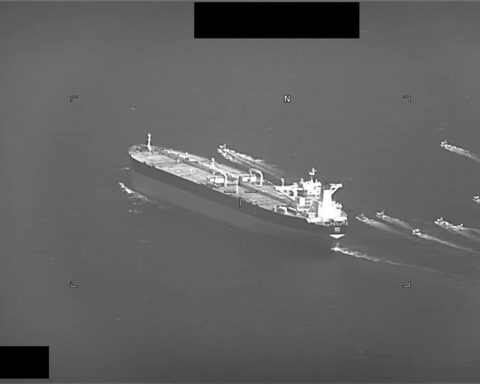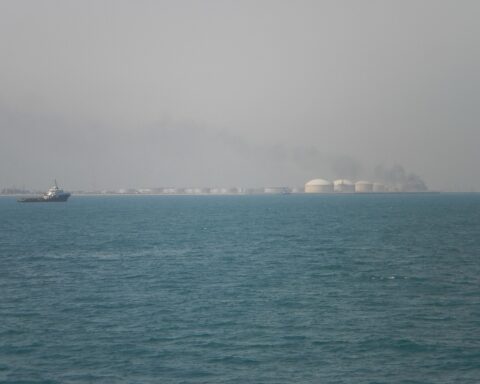

DUBAI — Iran’s Islamic Revolutionary Guard Corps said two oil tankers and a tugboat caught fire overnight in the Strait of Hormuz after passing through what it called an “unauthorized route,” the latest in a series of IRGC announcements over five days and a further sign that mine warfare in the waterway has intensified since President Trump’s pre-midterm moratorium on strikes against Iran expired on November 3.
The overnight incidents, reported by Tasnim News Agency and Mehr News Agency in the early hours of November 5, are distinct from the IRGC’s November 4 claim that four tankers were destroyed and two vessels detained. No vessel names, flag states, crew details or independent confirmation have been provided for any of the incidents claimed between November 1 and 5. UKMTO, the British maritime authority that tracks Hormuz incidents, has not issued an advisory addressing the November 5 fires.
The House of Saud Daily Briefing
Saudi Arabia's news in 3 minutes, every morning. Free. See today's issue
Table of Contents
- What Did the IRGC Claim About the Overnight Tanker Fires?
- Five Days of IRGC Claims, Zero Vessel Names
- How Does Cooper’s “IRGC Gone” Declaration Hold Up?
- Has Any Mine Strike Been Independently Confirmed?
- Why Did Brent Fall 20 Percent Even as Hormuz Attacks Accelerated?
- Background: The Blockade Since July
- FAQ
What Did the IRGC Claim About the Overnight Tanker Fires?
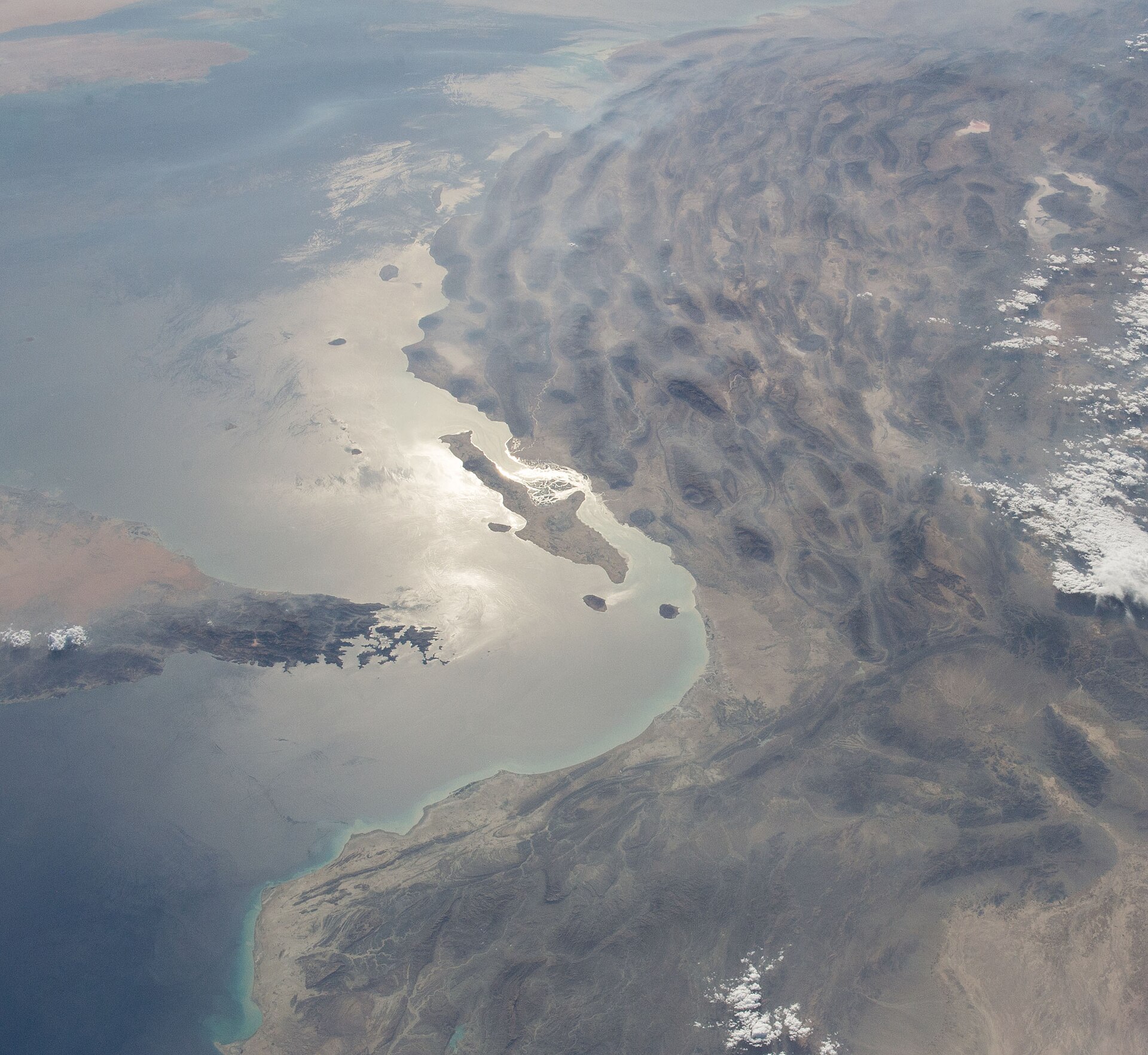
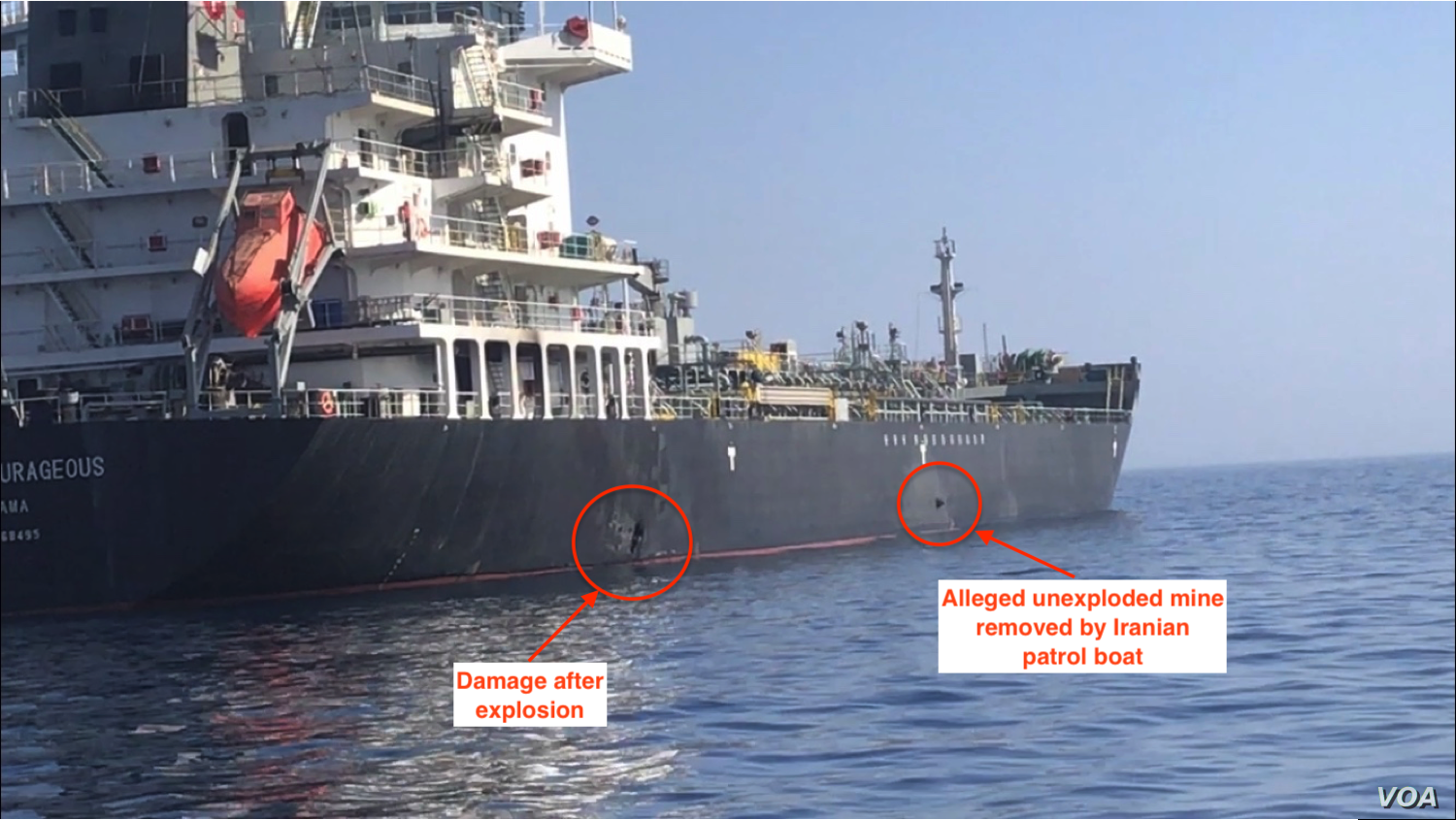
Tasnim News Agency, citing the IRGC Navy, reported at 08:29 Tehran time on November 5 that a large tanker crossing what Iran designates as an “illegal passage south of the Strait” struck a mine, caught fire and stopped. Separately, a supertanker exiting the route at the eastern end of the waterway was halted by a large fire, and a tugboat that approached to assist also caught fire, according to Tasnim and Mehr News Agency.
Reuters published the IRGC claim on November 5. Arab News carried it as a separate incident from the previous day’s four-tanker claim. None of the reports included vessel identities, IMO numbers, cargo types or crew nationalities. The IRGC did not disclose whether any crew members were injured or killed.
The IRGC also claimed its Navy Electronic Warfare Unit seized two “Lucas-type” drones overnight, according to Tasnim and Mehr. CENTCOM has not responded to that claim.
Five Days of IRGC Claims, Zero Vessel Names
The overnight claim is the latest in a series of escalating IRGC announcements over five days. On November 1, the IRGC Navy said two tankers “exploded” after hitting mines on an “unauthorized route,” according to US News & World Report. On November 3, PressTV reported that the IRGC said three tankers had erupted in “massive fires” after striking mines. On November 4, Iranwire, Al Arabiya and Middle East Eye reported the IRGC’s claim that four oil tankers had been destroyed by naval mines on a “prohibited lane south of the strait,” with two additional vessels detained. The IRGC said those tankers had turned off their AIS transponders and navigation equipment, ignored IRGC warnings, and were acting “with US military support.”
Across all four announcements — covering what the IRGC says are 11 tankers, a tugboat, and two detained vessels — Iran has not named a single ship, flag state, operator, or owner. gCaptain, the maritime trade publication that has tracked Hormuz incidents throughout the conflict, headlined its running analysis: “Iran Claims More Tankers Hit Mines in Hormuz, But Evidence Remains Elusive.”
The IRGC’s political framing has been consistent. Tasnim and Mehr reported on November 5 that the IRGC Navy accused the United States of “insisting on and inciting vessels to violate the rules and cross the mined route” and warned that further losses would follow if frozen Iranian funds were not released. The IRGC said it “continues to manage the Strait of Hormuz with authority.” Those characterisations are paraphrases of Farsi-language statements; the exact English wording has not been confirmed verbatim by any outlet.
| Date | IRGC Claim | Source | Independently Confirmed |
|---|---|---|---|
| Nov 1 | 2 tankers “exploded” after hitting mines | US News/World Report | No |
| Nov 3 | 3 tankers hit mines, “massive fires” | PressTV, Nukta | No |
| Nov 4 | 4 tankers destroyed, 2 vessels detained | Iranwire, Al Arabiya, Middle East Eye | No* |
| Nov 4–5 | 2 tankers + 1 tugboat caught fire | Tasnim, Mehr, Reuters | No |
*UKMTO separately reported on November 4 that two unidentified projectiles struck a tanker’s engine room about 14 nautical miles northeast of Oman’s Limah, but Al Jazeera reported it “could not be independently verified whether the incidents reported by UKMTO and the IRGC were linked.”
How Does Cooper’s “IRGC Gone” Declaration Hold Up?
On October 30, CENTCOM published a video of Admiral Brad Cooper flying over the Strait of Hormuz on October 25. Cooper told VOA he saw no IRGC presence anywhere on the flight. The declaration was widely interpreted as a signal that American mine-clearing operations had succeeded and the IRGC’s naval presence had been neutralised.
Ten days later, the IRGC is claiming operational control of mine warfare across five consecutive days. CENTCOM’s most recent on-the-record response to Iranian mine-strike claims came on October 28, when it told Middle East Eye that “all internationally recognized primary transit routes through the Strait of Hormuz have been cleared of sea mines by U.S. forces and remain so.” No CENTCOM statement addressing the November 4 or November 5 claims has been found.
The gap between Cooper’s assessment and the IRGC’s claims leaves several possibilities open. The IRGC may be fabricating or inflating strikes for domestic and diplomatic audiences — a pattern gCaptain has documented, noting that the Joint Maritime Information Center found “no substantiation” for earlier mine-strike claims, including the IRGC’s October 17 assertion that two supertankers hit mines. Alternatively, the IRGC may have laid new mines or reactivated dormant ones after Cooper’s October 25 observation flight. The data here is thin: without vessel names, AIS tracks, or third-party damage assessments, neither the IRGC’s claims nor CENTCOM’s denials can be independently evaluated.
“I didn’t see the IRGC out there, at all.”
Admiral Brad Cooper, CENTCOM, flying over the Strait of Hormuz on October 25 (video published October 30, via VOA)
Has Any Mine Strike Been Independently Confirmed?
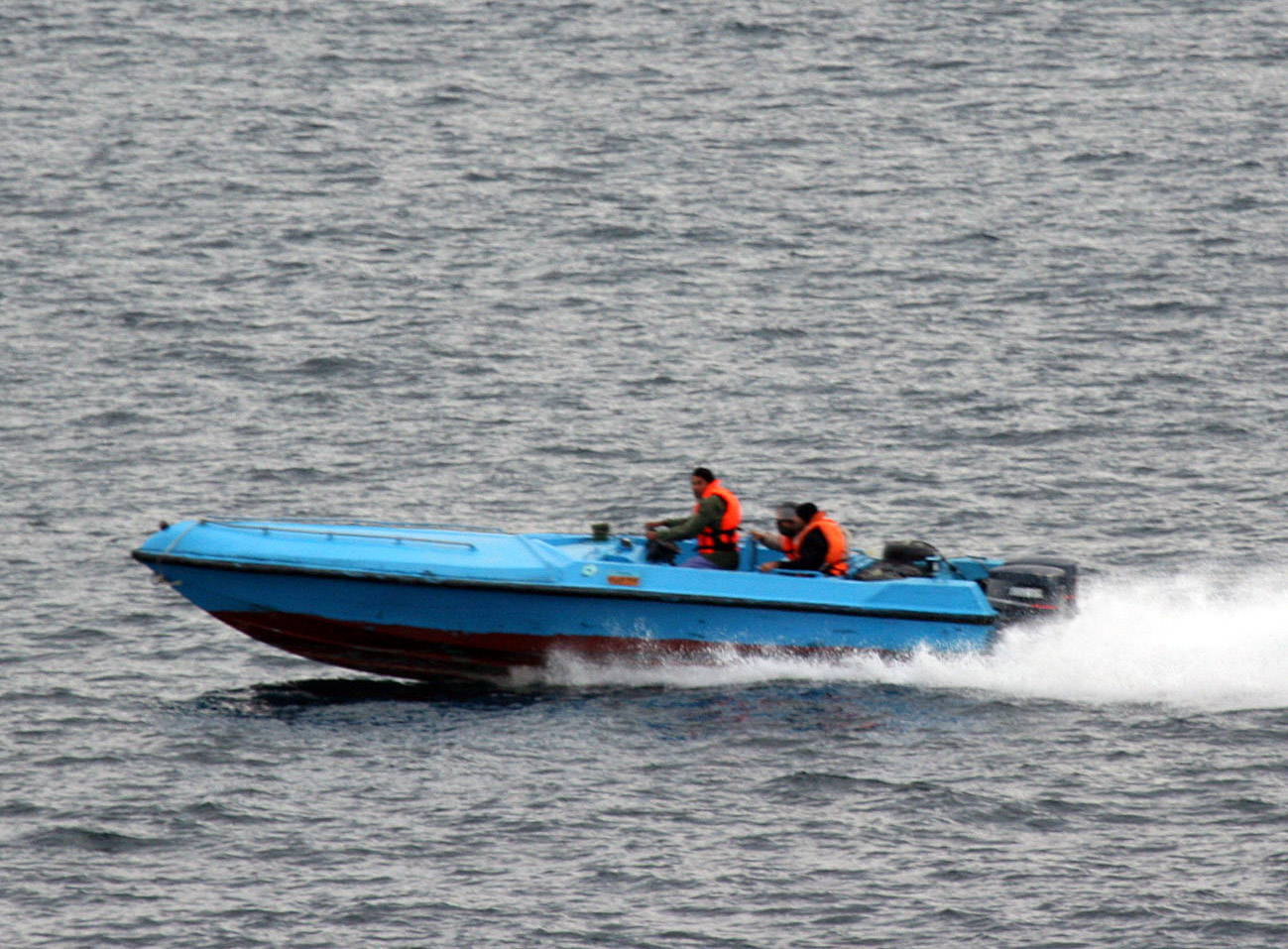
Of the dozens of mine-strike claims the IRGC has made since the Hormuz blockade resumed on July 14, one incident has been independently confirmed as mine-related by a Western maritime authority. On October 29, UKMTO issued Warning 187-26 confirming that a small boat attached two explosive devices above the port-side waterline of the tanker LOUISE 1, approximately 25 nautical miles northeast of Khasab, Oman. The engine room caught fire, but the crew was safe and the vessel resumed its voyage, according to gCaptain.
Martin Kelly, an analyst at EOS Risk Group, told gCaptain that the LOUISE 1 attack represented “another step in Iran’s evolving campaign against commercial shipping.” He noted that “a limpet mine below the waterline will cause significant damage and water ingress” — the LOUISE 1 devices were placed above the waterline, limiting the damage.
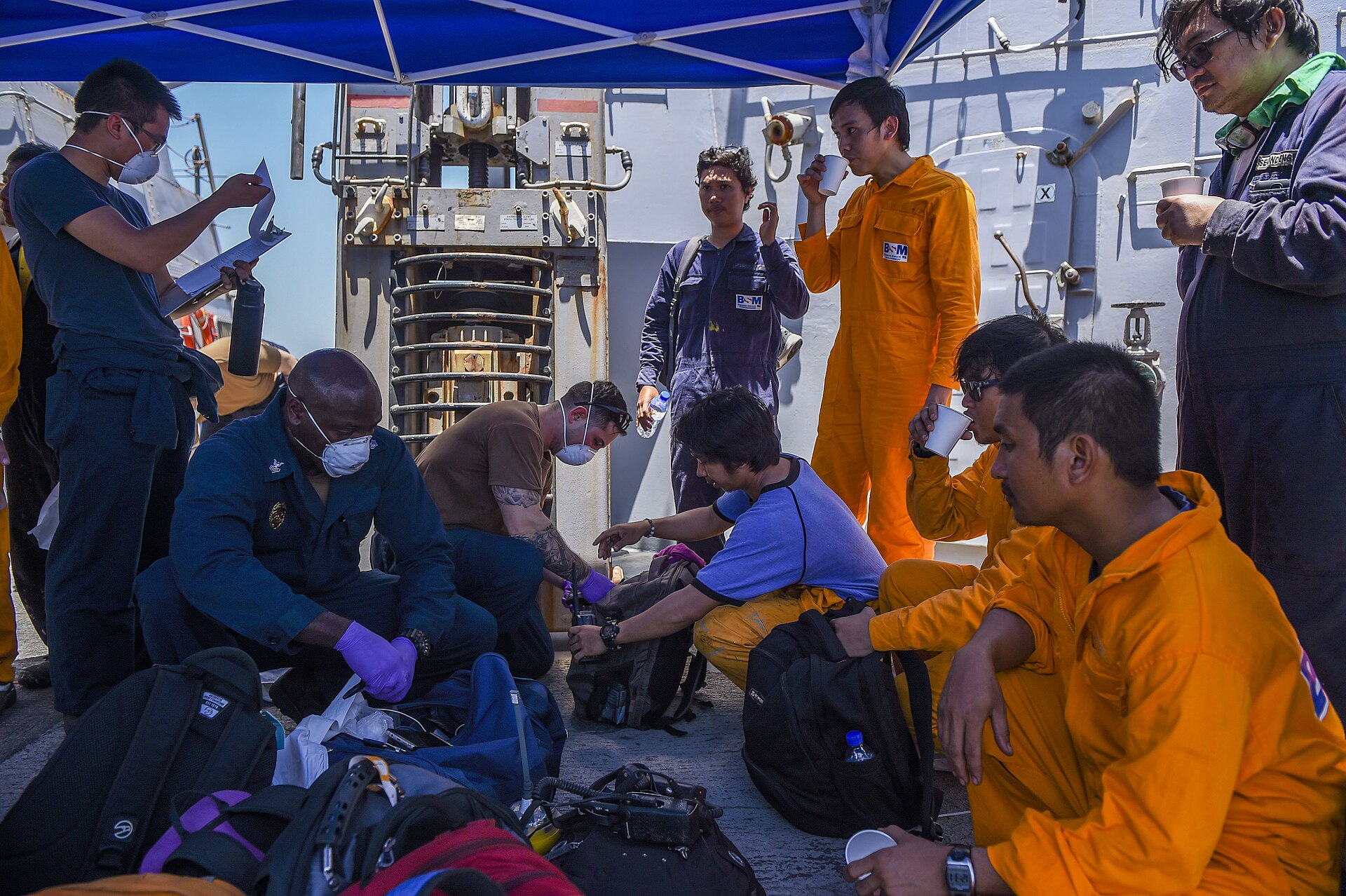
The day after the LOUISE 1 attack, Oman’s navy rescued 25 crew members from the burning Panama-flagged tanker RITI, approximately 1.6 nautical miles off Musandam, Al Jazeera reported on October 30. JMIC has recorded 153 confirmed maritime security incidents since March 1, with 59 of the 81 projectile strikes since July 6 occurring on the southern route that Iran designates as unauthorized, according to gCaptain.
Noam Raydan of the Washington Institute counted 30 Iranian attacks on shipping since October 1, which the Maritime Executive described as “the fastest pace of strikes since the start of the conflict in February.” At least 24 seafarers have been killed in and around the strait since the conflict began on February 28, the International Maritime Organization reported, according to gCaptain.
Why Did Brent Fall 20 Percent Even as Hormuz Attacks Accelerated?
Brent crude stood at approximately $94.45 per barrel at 05:46 UTC on November 5, according to Straits.live, down roughly 8.74 percent in 24 hours. Gulf News reported Brent below $93 on the morning of November 5. The sell-off followed Trump telling Fox News on November 4 that the US strike on Qeshm Island was “a minor attack” that “wasn’t war” and that the US had “no immediate plans” for further strikes — combined with Qatari mediation efforts.
The price drop is steep against recent peaks. Brent hit approximately $117.64 on October 30, according to JKN, and settled at $104.77 on November 2, a figure confirmed by CNBC. The roughly 20-percent decline from peak to current levels reflects the market pricing in the possibility of a negotiated de-escalation even as the IRGC’s mine-strike claims accelerate.
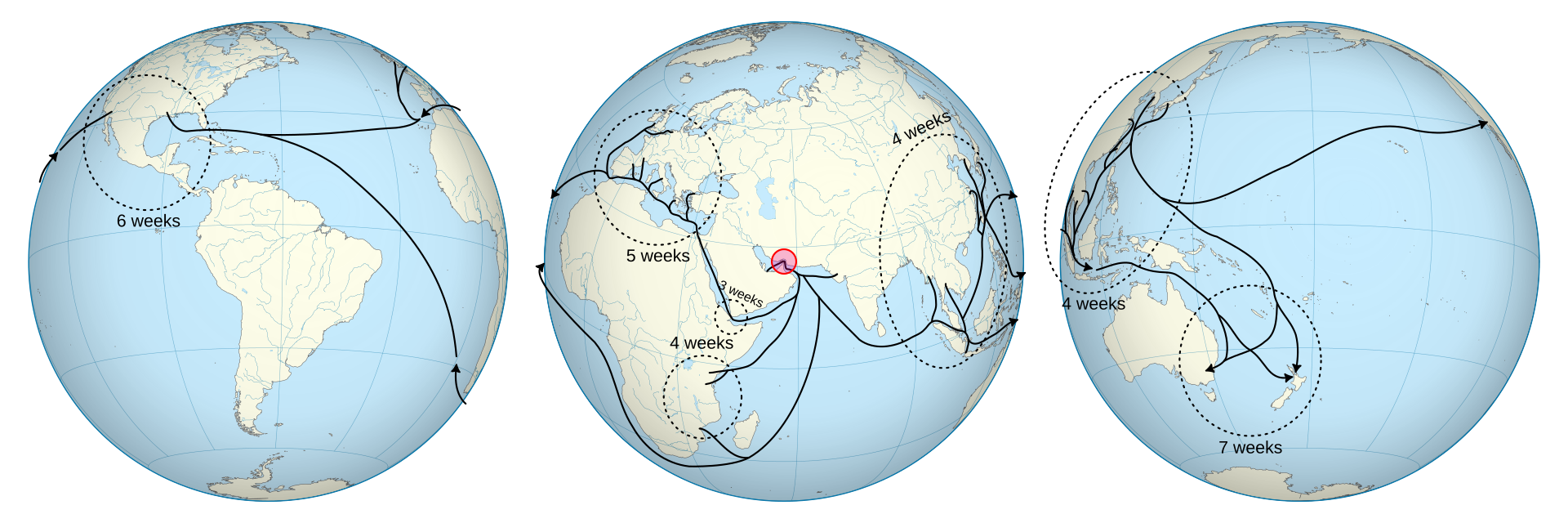
For Saudi Arabia, the physical constraints remain. Saudi oil exports fell to approximately 5.52 million barrels per day in October, with both the Hormuz corridor and the cross-country East-West pipeline facing disruptions, according to Kpler data reported by Gulf News. Hormuz traffic has collapsed: Straits.live reported only 2 vessel transits on October 25 against a pre-crisis baseline of 138 tankers per day, according to JMIC. As of 05:30 UTC on November 5, 63 AIS-visible vessels were holding position in the strait, unable or unwilling to transit.
War-risk insurance has made Hormuz transit prohibitively expensive for many operators. Single-trip war-risk premiums stood at roughly 6 to 10 percent of hull value in October, against approximately 0.25 percent before the conflict, according to The Boston Report.
Mohsen Rezaei, secretary of Iran’s Supreme National Security Council, wrote on X on November 3 that “America’s response to Iran’s rights and demands was not convincing,” according to Al Jazeera — a signal that Tehran is framing the escalation as a negotiating tool tied to sanctions relief and frozen funds.
Background: The Blockade Since July
The Hormuz blockade was originally declared on April 13, 2026, briefly suspended in June, and resumed on July 14. Admiral Brad Cooper announced on August 27 that CENTCOM had cleared the Traffic Separation Scheme of mines, according to gCaptain. Iran’s position has been that the southern corridor — the route the US Navy escorts commercial traffic through — is “unauthorized,” and that vessels using it do so at their own risk.
Trump imposed a moratorium on strikes against Iran before the November 3 midterm elections, as reported by The National on October 8. That moratorium expired on November 3. Hours before it lapsed, the US struck launcher positions on Qeshm Island, and Iran fired on US aircraft over Hormuz, events confirmed by WSJ sources and covered in this publication. Democrats won both chambers of Congress on November 5. On November 4, Supreme Leader Mojtaba Khamenei warned of wider war while Trump told Fox News he would be willing to strike Iran again.
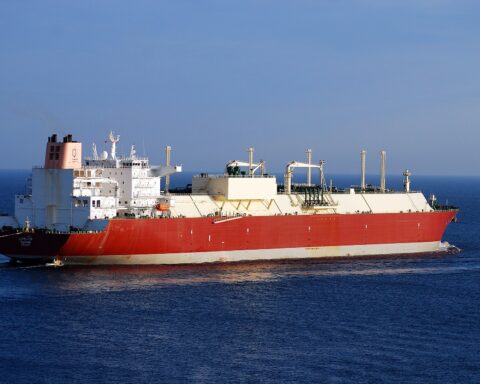
The mine warfare pattern since late October has included the LOUISE 1 limpet-mine attack on October 29, the Oman navy’s rescue of the RITI’s crew on October 30, a tanker struck 72 nautical miles off Saudi Arabia and a tug hit in Hormuz on November 2, the Qatar LNG carrier Al Mayeda struck near Hormuz on November 1, and now the accelerating sequence of IRGC claims. UKMTO has assessed the threat to Hormuz shipping as “severe,” with further attacks “highly likely,” according to Middle East Eye.
FAQ
What is the southern route dispute in the Strait of Hormuz?
Iran designates the southern passage near the Omani coast as “unauthorized” and claims legal authority over all Hormuz navigation. The US Navy escorts commercial traffic through this southern corridor, which CENTCOM says has been cleared of mines. JMIC advises ships to use it with AIS transponders active. Iran accuses vessels on this route of transiting “illegally” with American military support, and the IRGC has framed its mine-strike claims as consequences of ships following US routing instructions into mined waters.
Why has Brent crude fallen despite escalating Hormuz disruptions?
The roughly 20-percent drop from Brent’s October 30 peak near $117.64 to below $93–$95 on November 5 reflects two countervailing signals. Trump described the Qeshm Island strike as “a minor attack” and said the US had “no immediate plans” for further strikes, while Qatar has intensified mediation. Markets are pricing in a possible negotiated off-ramp even as the physical disruption to shipping continues. The divergence between falling prices and rising attack frequency is a measure of how heavily the market is weighting diplomatic signals over operational reality in the strait.
What is the difference between a UKMTO advisory and a JMIC incident count?
UKMTO (United Kingdom Maritime Trade Operations), based in Dubai, issues real-time operational advisories when incidents occur or threats are assessed — it is the authority mariners call in an emergency. JMIC (Joint Maritime Information Center) is a US-led data-collection body that tallies and analyzes incidents after the fact. Neither the 153 JMIC-confirmed incidents since March 1 nor UKMTO’s advisories include the many IRGC claims that neither authority could corroborate — the gap between claimed and confirmed is itself a measure of the information environment. CENTCOM reported 135 ships turned around since the blockade began, as of October 10, according to its own press release.
Has Iran offered to reopen the strait?
Iran’s Foreign Minister Abbas Araghchi submitted a two-day Hormuz reopening plan with multiple conditions, including reduction of US military presence, sanctions waivers, release of frozen Iranian assets, and demands related to Lebanon. The plan was relayed through Qatar. Rezaei, the SNSC secretary, said on November 3 that America’s response “was not convincing.” The IRGC’s continued mine-strike claims — issued hours after Rezaei’s statement — suggest Tehran is maintaining military pressure while keeping the diplomatic channel nominally open.
Why does the IRGC keep issuing mine-strike claims it cannot verify?
The claims serve two purposes simultaneously: they project capability to a domestic audience and reinforce Tehran’s demand that frozen assets be released before the strait reopens. Even unproven strikes impose real costs — higher premiums, re-routed voyages, insurance refusals — without requiring Iran to demonstrate physical damage. UKMTO and JMIC require vessel names, AIS records, or imagery to confirm an attack. The IRGC provides none, and controls access to the alleged strike zones, so the asymmetry is structural rather than incidental.
Iran’s broader diplomatic posture — and the full text of Rezaei’s November 3 “not convincing” statement alongside Qatar’s push for a narrower interim deal — are covered in a separate report on Iran’s rejection of the US Hormuz reply.
The House of Saud Daily Briefing
Saudi Arabia's news in 3 minutes, every morning. Free. See today's issue