
RIYADH — The Wall Street Journal reported on November 5 that Yemen’s Houthis demanded approximately $51 billion and formal recognition as Yemen’s rulers after Saudi Arabia approached the group to explore a negotiated settlement, according to people briefed on the discussions. Saudi Arabia’s deputy minister for public diplomacy, Rayed Krimly, called the report “pure fabrication by the writers or their alleged sources” in a post on X that same day.
The denial was specific: Krimly attacked the dollar figure and the recognition demand, and stressed that Yemen “already has an internationally recognized government.” He did not deny that Saudi Arabia had made outreach to the Houthis. That gap — between what was denied and what was left unaddressed — frames a broader Saudi effort to find an exit from a war that has escalated since September, including through Oman, Tehran and Qatar.
The House of Saud Daily Briefing
Saudi Arabia's news in 3 minutes, every morning. Free. See today's issue
Table of Contents
What the Wall Street Journal Reported
The Journal’s account, published November 5, relied entirely on anonymous sources described as “people briefed on the discussions.” Neither Saudi Arabia nor the Houthis responded to the Journal’s requests for comment before publication, according to secondary reporting by The New Arab and Gulf News. The paper said the Houthis issued their demand after Saudi Arabia initiated contact to discuss a possible settlement.
The $51 billion figure was framed as compensation for years of Saudi-led airstrikes and a prolonged blockade of Yemen, per Gulf News and Siasat Daily. No itemized breakdown — reparations versus reconstruction versus humanitarian aid — appeared in any secondary coverage. Officials on the Houthi side “floated other sums” after the initial report, but each figure “would run to tens of billions of dollars,” Minute Mirror reported on November 6, suggesting the $51 billion may have been an opening position.
A journalist described by The New Arab as aligned with the Houthis disputed the $51 billion figure, citing $1.13 trillion in total war losses as the Houthi-side framing of the conflict’s cost. The journalist was not named. No on-record Houthi statement accepting or formally issuing the $51 billion demand has surfaced.
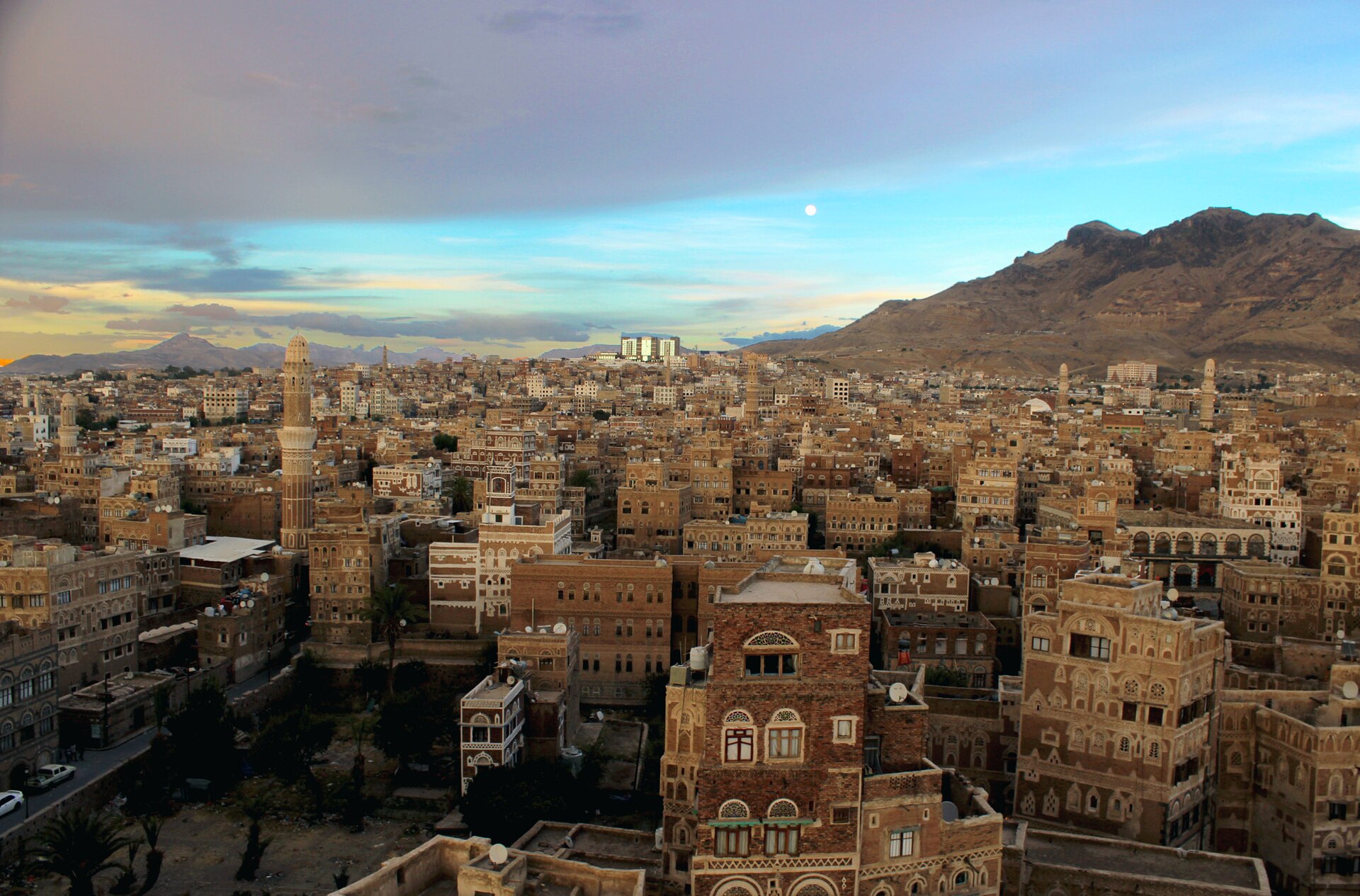
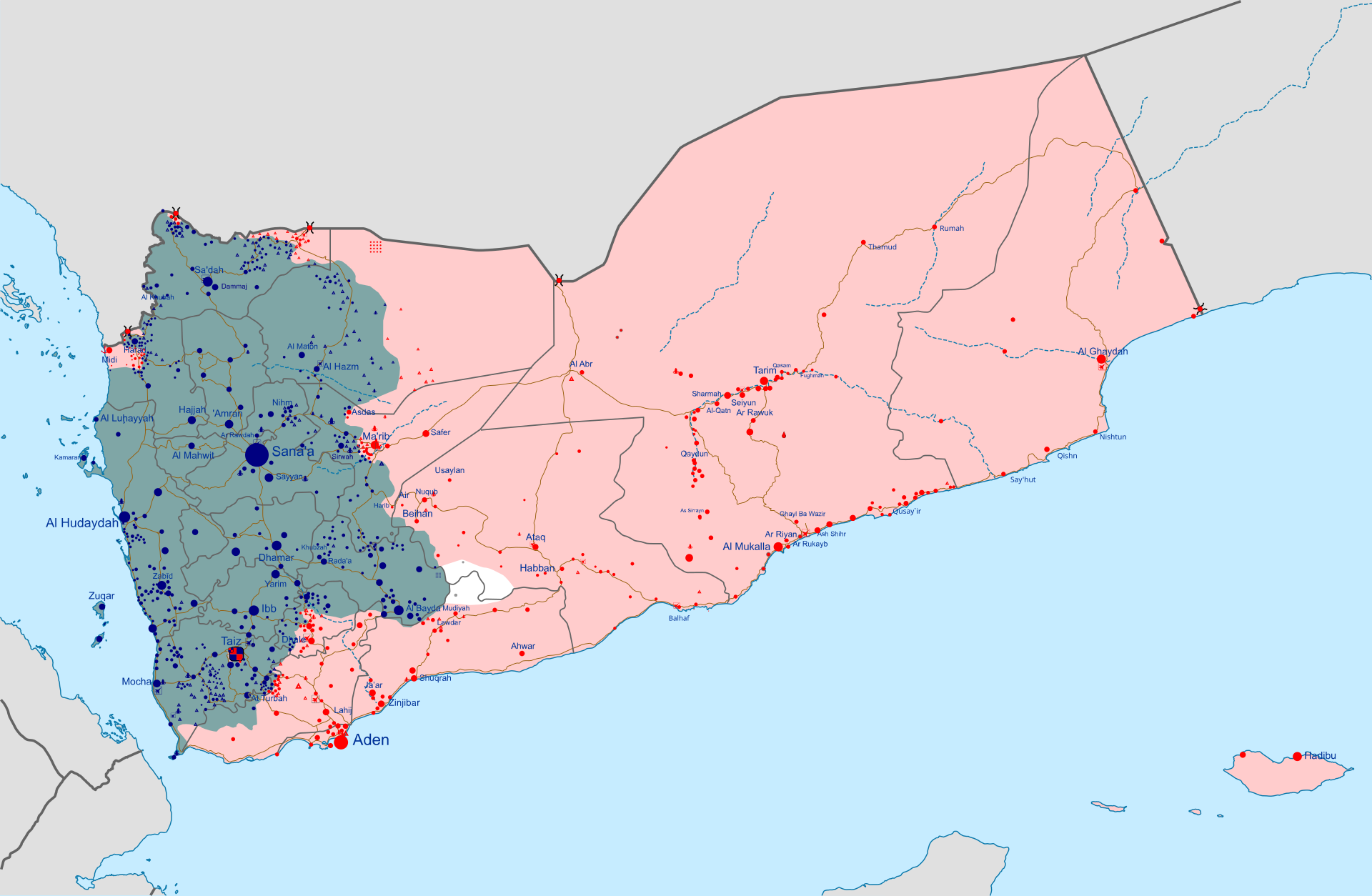
The demand for recognition as Yemen’s rulers is not new. During Muscat-mediated talks in 2022, the Houthis insisted that Saudi Arabia sign a declaration formally ending the war — a de facto recognition demand that collapsed those negotiations, according to Sheba Intelligence. The current demand, as reported by the Journal, extends beyond that: full recognition of Houthi rule over the territories they control, which include the capital Sanaa and much of northern Yemen.
The Saudi Denial and What It Did Not Say
Krimly’s response came on November 5 in a post on X. He described the Wall Street Journal’s claims as having “no basis in truth” and called them “pure fabrication by the writers or their alleged sources,” according to Arab News and Dawn. He accused the Houthis of attacking commercial shipping and civilian and economic facilities and “rejecting peace efforts.”
He stressed that Yemen “already has an internationally recognized government” — a reference to the Presidential Leadership Council based in Aden — making a formal recognition of Houthi authority politically unacceptable from Riyadh’s position.
What Krimly did not say is as informative as what he did. He did not deny that Saudi Arabia had approached the Houthis. He did not deny that discussions had taken place. He did not deny that the Houthis had made demands. The denial was aimed at the specific figures and terms reported by the Journal, not at the existence of a diplomatic channel. No Saudi official has separately confirmed or denied that outreach occurred.
Why Did Saudi Arabia Approach the Houthis?
Three developments between September and October pushed Riyadh toward direct engagement with a group it has spent years trying to destroy.
The first was American refusal. Crown Prince Mohammed bin Salman asked President Trump to strike Houthi targets in September, and Trump initially ordered the Pentagon to prepare before reversing on September 20, per the New York Times via the Philadelphia Inquirer. CNN later reported he had made two such appeals in September, both declined. With Washington unwilling to act, Saudi Arabia’s most powerful military partner was off the table for the specific problem of Houthi missile and drone attacks.
The second was the Houthis’ expanding reach. Between September and early November, Houthi strikes hit King Khalid International Airport in Riyadh, Aramco facilities in Dhahran, King Fahd Airport in Dammam, and military targets across the south. By October 10, a single strike on Riyadh’s airport killed 12 and wounded 309, per Al Jazeera. A second Indian national died on November 4 from injuries sustained in that attack, raising the toll to 14, per ANI. The Houthis demonstrated they could strike Saudi Arabia’s most populated cities and most valuable energy infrastructure with increasing frequency.
The third was a ground-force gap. The Wall Street Journal reported, via secondary accounts, that Saudi Arabia lacks the ground forces needed to exert independent military pressure on the Houthis. The UAE withdrew from the anti-Houthi campaign late last year, per CNN. Pakistan and Turkey have deployed forces under the Makkah Joint Defence Alliance, but those deployments are defensive — protecting Saudi territory, not conducting offensive operations inside Yemen.
Crown Prince Mohammed bin Salman reportedly does not want to negotiate without gains on the ground, but fears that committing more Saudi ground forces would be costly and domestically unpopular, per the Journal’s reporting cited in secondary accounts.
A Timeline of Saudi Outreach
The November 5 report was not the first indication that Saudi Arabia had been seeking a way to talk to the Houthis. A pattern of reported contacts stretches back to at least July 2026.
Bloomberg reported in early August that Mohammed Abdulsalam, the Houthis’ chief negotiator, met Saudi officials in Oman in late July or August 2026, according to Rigzone. Saudi Arabia subsequently denied talks in Muscat “or through any intermediary.”
Between September 17 and 18, the Jerusalem Post, citing the Lebanese newspaper Al-Akhbar, reported that Saudi Arabia had proposed a two-week ceasefire to the Houthis via Oman, to be followed by direct Saudi-Houthi talks. Saudi Arabia did not confirm this.
By September 22, Israel Hayom reported that Saudi Arabia had begun weighing Oman-mediated talks after Trump halted planned US strikes on Houthi targets in September.
On October 11, Iran’s foreign minister Abbas Araghchi spoke by phone with Saudi foreign minister Faisal bin Farhan and offered Tehran’s assistance “facilitating dialogue between Saudi Arabia and Yemen,” telling him “there is no military solution to the conflict,” per Al Jazeera.
On October 26, Israel Hayom reported that Saudi Arabia had offered the Houthis $1 billion through Iran, via a visit by Defence Minister Prince Khalid bin Salman to Tehran. That report cited unnamed Gulf sources and has not been independently confirmed by any second outlet. Saudi Arabia did not publicly comment on the specifics of the Israel Hayom report.
If both the $1 billion offer and the $51 billion counterdemand are accurate, the gap between the two figures illustrates the distance between the parties. Riyadh reportedly offered roughly one-fiftieth of what the Houthis demanded.
What Would Paying the Houthis Mean for Future Conflicts?
Maged Al-Madhaji, co-founder of the Sana’a Center for Strategic Studies, told the Wall Street Journal — as cited by Gulf News and Siasat — that the financial demand itself “might be less concerning to Riyadh than the precedent an agreement could establish.” The greater danger, he said, is “creating a precedent in which the group could use military escalation to extract additional concessions or payments.”
That concern applies beyond Yemen. Iran-backed groups in Iraq, Lebanon and Syria have watched the Houthi campaign demonstrate that sustained missile and drone attacks on Gulf infrastructure can bring a wealthy state to the negotiating table. A Saudi payment to the Houthis — at any amount — would validate the model: escalate, inflict economic damage, and negotiate from a position of force.
The recognition demand carries its own complications. Saudi Arabia has invested years of diplomatic capital in the internationally recognized government now based in Aden. Formally recognizing the Houthis as Yemen’s rulers would abandon that government and with it the legal framework under which the Saudi-led coalition intervened in 2015. It would also put Riyadh at odds with the United Nations, the United States and its own GCC partners, all of whom recognize the Aden-based authorities.
Yet the scale of the demand itself may serve a different purpose. Opening positions in Gulf negotiations are often designed to be rejected. The $51 billion establishes a ceiling; the Houthis’ subsequent floating of “other sums” running to “tens of billions,” per Minute Mirror, suggests the number is in motion. What the Houthis may actually want — recognition of their authority in northern Yemen, reconstruction funds channelled through institutions they control, and a Saudi commitment to stop bombing — is a package that costs less than $51 billion but more than $1 billion.
Background
Saudi Arabia’s search for a Houthi settlement is running in parallel with at least two other diplomatic tracks. Qatar submitted a two-stage plan to the United States and Iran on November 6, pressing a 48-hour framework for de-escalation of the broader US-Iran confrontation. Separately, the Trump administration launched new strikes on Iranian targets on November 7 while simultaneously claiming progress on talks.
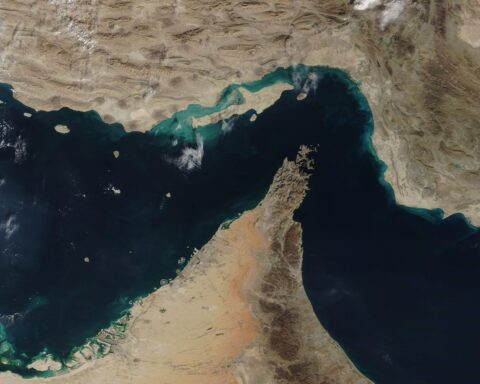
The Houthi front is only one dimension of a regional crisis that has spread since the US-Iran war began in early 2026. Iran’s closure of the Strait of Hormuz has disrupted Saudi oil exports and contributed to a projected budget deficit of 245 billion riyals for 2026, up from a budgeted 165 billion, per Reuters via Zawya. Saudi GDP is forecast to fall 3.6 percent this year, driven by a 21.8 percent drop in oil activities, the pre-budget statement projected.
In this environment, the reported Saudi outreach to the Houthis is less a surprise than an acknowledgment of constraints. Riyadh cannot persuade Washington to strike the Houthis, cannot mount a ground offensive alone, and cannot sustain indefinitely the economic costs of a multi-front conflict. Whether the Houthis — or their backers in Tehran — are prepared to offer terms that Saudi Arabia can accept without establishing a dangerous precedent is the question the Wall Street Journal report leaves unanswered.
The 2022 UN truce that lapsed in October of that year collapsed when the Houthis demanded Saudi Arabia sign a declaration ending the war, per Sheba Intelligence. In April 2023, Saudi Arabia’s ambassador to Yemen, Mohammed Al-Jaber, visited Sanaa for direct talks that both sides described as serious and constructive, per Al Jazeera. That channel also stalled. The current round of outreach, if confirmed, would represent another diplomatic attempt to negotiate an exit.
Frequently Asked Questions
Who are the Houthis and what territory do they control?
The Houthis, formally known as Ansar Allah, are a Zaydi Shia movement that seized Sanaa in September 2014 and drove out the internationally recognized government. They control most of northern Yemen, including the capital, the Red Sea port of Hodeidah, and the provinces of Saada, Hajjah, Amran, Dhamar and Ibb. Their total population under governance is estimated at roughly 21 million — a majority of Yemen’s population — though their political legitimacy is not recognized by the United Nations or most governments.
Has Saudi Arabia ever paid a non-state armed group to end a conflict?
Saudi Arabia has historically used financial instruments to manage tribal and factional conflicts in Yemen and elsewhere, including payments to tribal leaders during earlier phases of the Yemeni civil war. A direct payment to a designated armed group at the scale reported by the Wall Street Journal — $51 billion or any comparable figure — would be without precedent in Saudi foreign policy.
What is Yemen’s internationally recognized government?
Since April 2022, Yemen’s internationally recognized authority has been the Presidential Leadership Council, an eight-member body based in Aden and chaired by Rashad al-Alimi. It replaced President Abd Rabbu Mansour Hadi, who transferred power after negotiations brokered by Saudi Arabia and the GCC. The council is recognized by the United Nations, the Arab League and the vast majority of member states, though its effective control is limited to parts of southern and eastern Yemen.
What role does Iran play in the Houthi campaign against Saudi Arabia?
Iran provides the Houthis with missile and drone technology, training and strategic coordination, per US and Gulf intelligence assessments cited by multiple outlets. Tehran denies direct command-and-control but has publicly supported Houthi strikes as legitimate resistance. FM Araghchi’s October offer to “facilitate dialogue” between Riyadh and the Houthis positioned Iran as a mediator with influence over the group — a role Saudi Arabia has historically resisted acknowledging but may now need. Analysts cited by Al Jazeera said Iran’s offer is partly strategic, aimed at strengthening Tehran’s diplomatic position and securing a wider regional agreement extending beyond Yemen.
Could the Houthi demand delay the Qatar 48-hour plan?
The Qatar plan, submitted November 6, addresses the US-Iran confrontation and the Hormuz crisis — a separate track from Saudi-Houthi bilateral talks. However, the two tracks intersect. Iran has positioned itself as a facilitator of Houthi negotiations, and any broader US-Iran deal would likely include provisions on Houthi attacks against Saudi Arabia. A breakdown in the Saudi-Houthi channel could complicate Qatar’s efforts by removing one incentive for Iranian cooperation.
The House of Saud Daily Briefing
Saudi Arabia's news in 3 minutes, every morning. Free. See today's issue