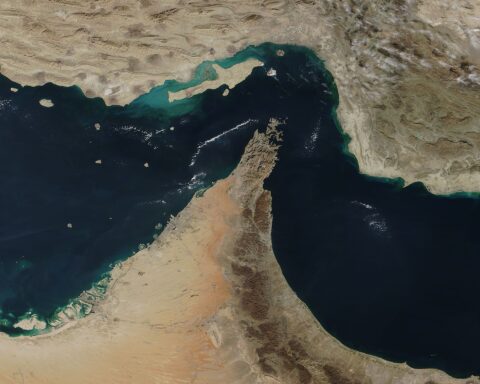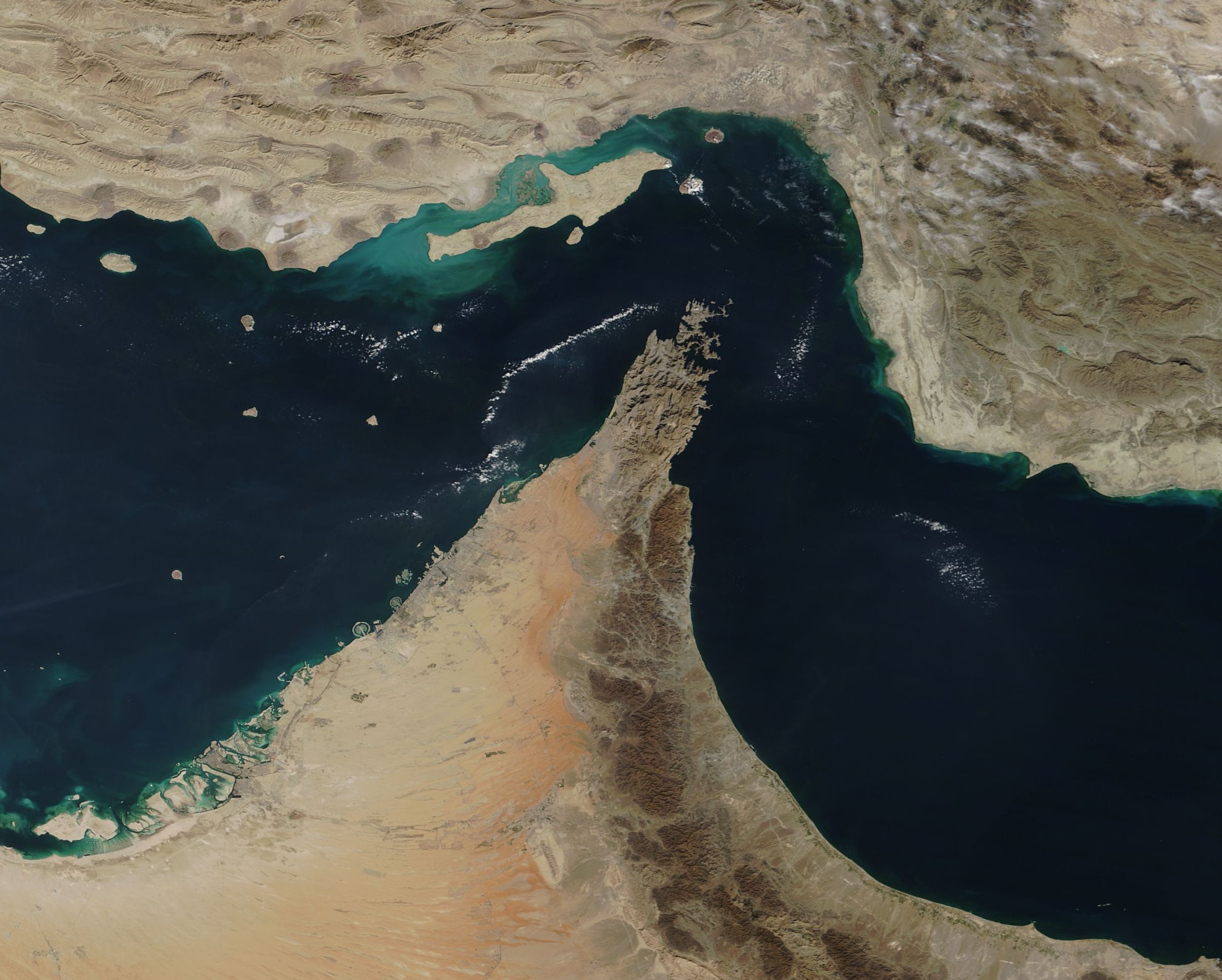

MUSCAT — Iran had for months described its deal with Oman to reopen the Strait of Hormuz as being “in its final stages.” On November 10, the Islamic Revolutionary Guard Corps claimed it had struck navigation infrastructure on Didamar Island — a rocky Omani outcrop roughly 10 nautical miles north of the Musandam Peninsula that hosts the radar tower, the radio relay and the lighthouse on which every tanker transiting the strait has depended since 1914.
The IRGC says the systems were destroyed and that no vessel crossed the southern route overnight. A senior Omani official told the Maritime Executive the aids had not been struck, and satellite imagery from the morning of November 10 shows no obvious damage — though burn marks were visible on the island as early as November 8, according to satellite analyst Arya Yadegaar. The damage is contested, but the trajectory is not: the IRGC targeted Omani radar systems in July, Iran’s foreign minister has described military strikes on Oman as “not our choice,” and the force that declared the strait closed has now claimed an attack on the sovereign infrastructure that any reopening agreement would need intact.
The House of Saud Daily Briefing
Saudi Arabia's news in 3 minutes, every morning. Free. See today's issue
Table of Contents
- What Is on Didamar Island?
- What Iran Claims and What Oman Denies
- How Long Has the IRGC Been Fighting Its Own Government?
- What Was the Oman Hormuz Deal?
- How Vulnerable Are Saudi Exports Without Hormuz?
- The Mediator Under Fire From Both Sides
- What Options Remain for Reopening the Strait?
- Frequently Asked Questions
What Is on Didamar Island?
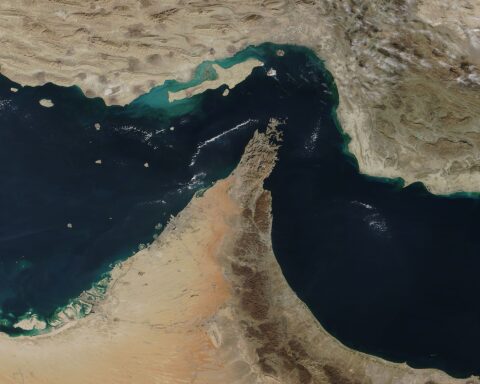
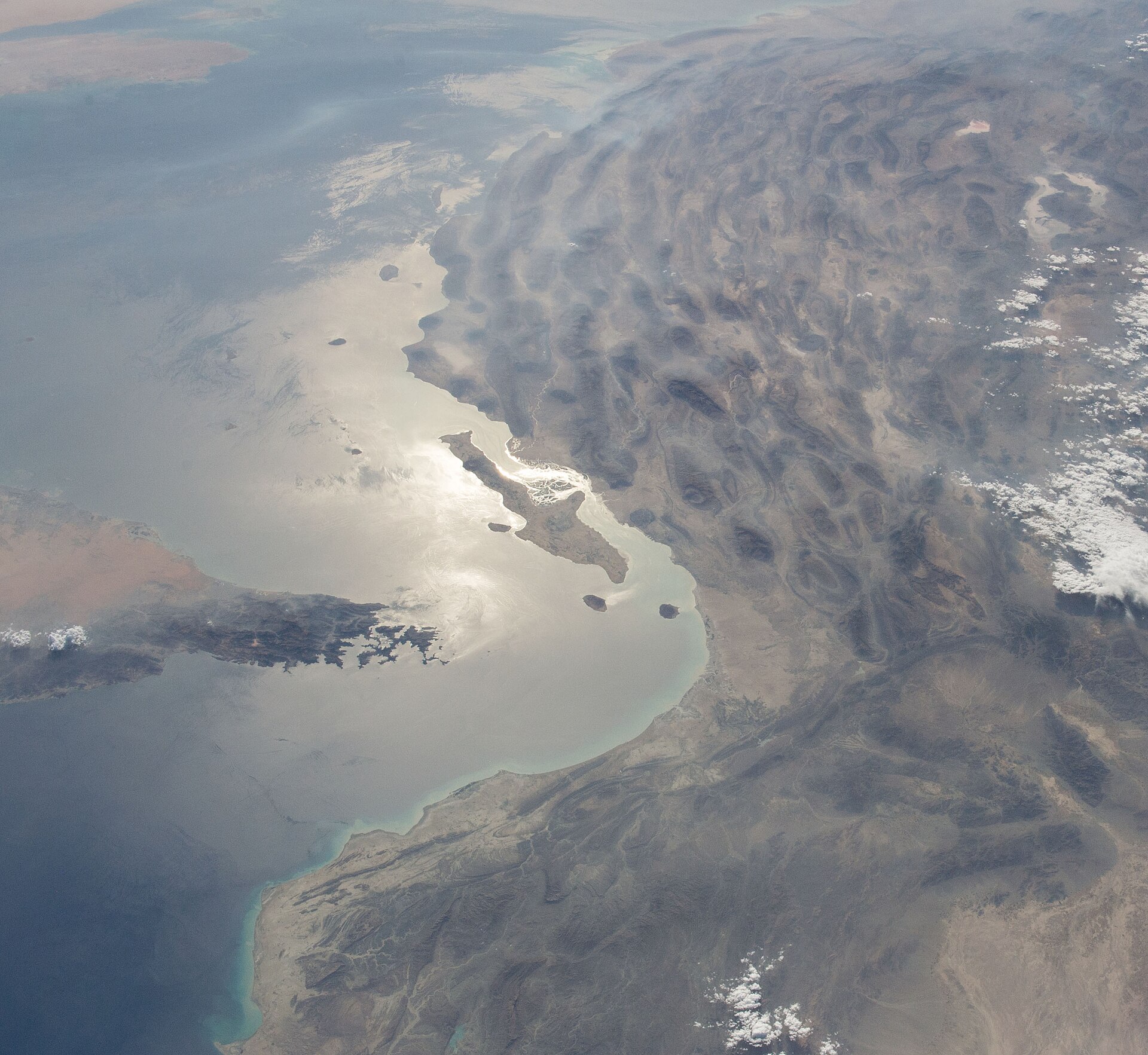
Didamar Island — known to mariners as Little Quoin Island — sits mid-channel between the Omani mainland and the median line with Iran, one of three small islands roughly 10 nautical miles north of the tip of Oman’s Musandam Peninsula. In peacetime, it hosts the Hormuz Control Centre, operated by the Royal Navy of Oman, which directs ship traffic through the Traffic Separation Scheme — the internationally mandated corridor of inbound and outbound lanes that has been Oman-administered since 1968 and lies almost entirely within Omani territorial waters.
The physical assets are a 25-metre marine radar tower, a radio relay tower carrying Channel 16 — the international maritime distress and calling frequency — and a lighthouse with a nominal range of 23 nautical miles, all maintained by the Arabian Maritime and Navigation Aids Services as part of a wider network of buoys and lights that keep the strait navigable. These are not military installations, and they are not American — they are Omani civilian infrastructure performing a function that benefits every country with cargo on the water.
Before the war, 130 to 140 ships a day used these lanes, according to Reuters. By August 3, Al Jazeera reported just eight vessels transiting in a single day — and every one of them was guided, at least in part, by the equipment the IRGC is now claiming to have destroyed.
What Iran Claims and What Oman Denies
Iran’s Fars News Agency, which operates as a mouthpiece for the IRGC, described the Didamar incident as a strike on navigational aids located on the “southern reefs” — systems it said were supporting “unauthorized” ship transits through the strait. An unnamed IRGC official told Business Upturn on November 10 that systems “used to facilitate the passage of ships” had been destroyed and that no vessel had crossed the southern route overnight, a claim the IRGC has made repeatedly in recent days about various Hormuz operations. Defence Security Asia reported separately that an Omani coast guard official acknowledged an explosion near the island.
Oman’s position, through a senior official speaking to the Maritime Executive, was blunt: the navigational aids on Didamar had not been struck. Sentinel-2 satellite imagery from the morning of November 10 appears to support that assessment — it shows no obvious damage to the lighthouse or the radar and radio masts, though the Maritime Executive cautioned that mast damage could fall below the available resolution threshold. An independent satellite analyst, Arya Yadegaar, added a complicating detail: scorch marks on the island were visible in imagery from November 8, before the claimed strike date, raising the possibility that whatever happened occurred earlier or that the marks have an entirely separate origin.
The physical damage remains unresolved, and the uncertainty may matter less than the intent. The IRGC either struck Omani sovereign infrastructure or fabricated a claim that it did — and both options carry the same diplomatic payload, a demonstration to Muscat that the military wing of the Iranian state does not consider the Oman-Iran negotiation to be binding, protective or relevant to its operational decisions in the strait.
How Long Has the IRGC Been Fighting Its Own Government?
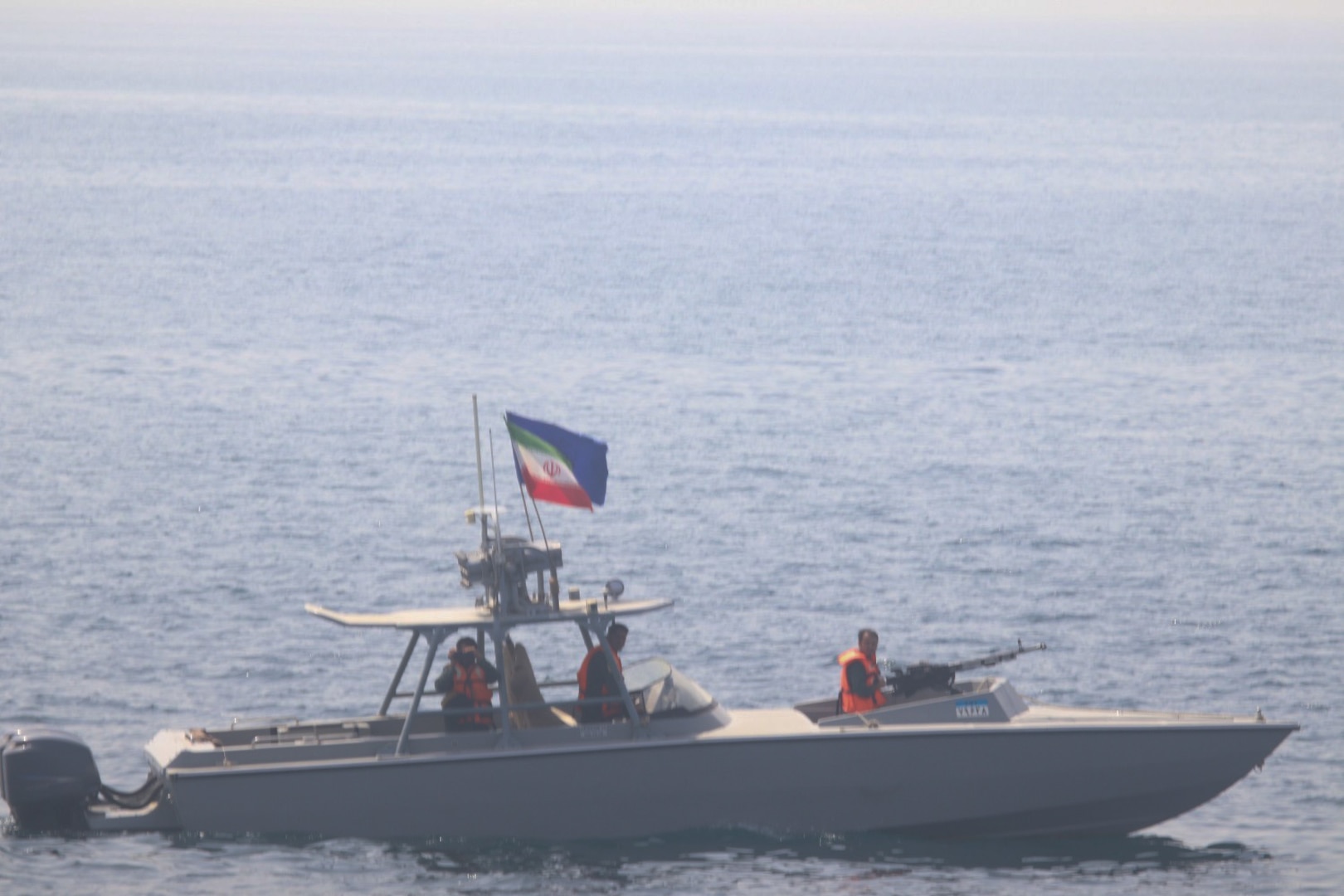
The Didamar incident fits a pattern visible since the war’s opening weeks. In early March, after IRGC drones struck targets in Oman, Foreign Minister Abbas Araghchi told reporters that the attacks were “not our choice” and had been carried out by military units acting on general instructions, operating independently of the civilian government. On March 20, Supreme Leader Mojtaba Khamenei — who took office twelve days earlier after his father Ali Khamenei was killed in the US-Israeli strikes of February 28 — called the Oman drone attacks “false flag” operations conducted by Israel, an apparent attempt by the new political leadership to disclaim what the Guards had done on Omani soil.
The rift went public in April. When Araghchi announced on social media that the Strait of Hormuz was open to ships using an Iranian-coordinated route, IRGC-linked Tasnim news agency published a rebuttal headlined “Bad and Incomplete Tweet by Araghchi and Incorrect Ambiguity-Creation Regarding the Reopening of the Strait of Hormuz,” as reported by Fortune. The Institute for the Study of War assessed that “the factional infighting in the regime has been exacerbated by the death of former Supreme Leader Ali Khamenei,” who had served as the final arbiter between the Guards and the civilian government for more than three decades.
“Because the main arbitrator is gone, the fight between different factions has started.”
Saeid Golkar, University of Tennessee at Chattanooga, quoted in Fortune, April 2026
Gregory Brew of the Eurasia Group offered a more cautious reading at the time, calling the friction evidence of miscommunication rather than serious divisions. The months since have made that interpretation harder to defend. On July 8, IRGC strikes on vessels in the strait prompted Trump to annul the June memorandum of understanding, destroying the most substantial diplomatic framework reached since the war began. On August 8, the IRGC declared that reopening Hormuz depended on the United States accepting Iran’s seven conditions and had nothing to do with the Oman negotiation track — a direct and public contradiction of the foreign ministry’s diplomatic line.
Later that month, the IRGC claimed separately that Iran and Oman had reached agreements on “Hormuz shares and revenues,” language that frames the waterway not as a diplomatic file the foreign ministry manages but as an economic asset the Guards control. The pattern across nine months is consistent: every time Iran’s civilian negotiators approach a workable deal, the IRGC either attacks the deal’s counterparty, violates the deal’s terms, or publicly redefines what a deal would need to include. Mojtaba Khamenei “reluctantly” accepted the June MoU, according to Al Jazeera, and the Guards have spent every month since ensuring that reluctance translates into nothing operational.
What Was the Oman Hormuz Deal?
Oman has been the Gulf’s quiet intermediary with Tehran for more than a decade, hosting the secret US-Iran talks in 2013 that produced the framework for the JCPOA nuclear agreement in 2015, according to NPR. That role extended naturally into the Hormuz crisis: when Iran declared the strait closed after the war began in February, Muscat was the only capital with open channels to both Tehran and Washington and the only regional government whose sovereignty over the strait’s shipping lanes gave it operational standing to propose a managed transit arrangement.
The deal took shape in stages. The June memorandum of understanding established toll-free passage. By August 5, Iran’s foreign ministry said it had agreed the coordinates of a temporary shipping corridor with Oman, and CNBC reported that a broader framework was awaiting Supreme Leader Mojtaba Khamenei’s formal sign-off. Iranian Deputy Foreign Minister Kazem Gharibabadi proposed that inbound traffic would use the northern lane through Iranian waters while part of the outbound lane would remain under Omani control, and Oman floated a funding model based on the Strait of Malacca, where ships voluntarily contribute to navigation and environmental protection, according to Al Jazeera.
On August 26, Al Jazeera reported that Iran and Oman had agreed on a temporary corridor roughly 7 miles wide — the most specific operational detail to emerge from the negotiations. But Iranian officials were careful to limit expectations: Gharibabadi said the understanding “does not, in itself, mean that the Strait of Hormuz will reopen,” and Oman had not publicly stated that it intended to join Iran in managing the waterway, per Al Jazeera. The arrangement required American buy-in to function, because vessel owners would not risk US sanctions by coordinating with Iranian authorities absent a formal waiver — and Washington had consistently demanded a system where “no party controls the lanes,” as a US official told the Associated Press.
The “in its final stages” formulation had been used as early as August 2026 — with EnergyNow, Reuters and Al Jazeera all reporting it then — and was repeated as late as early September, but in the months between, the substance moved no closer to implementation. No temporary route was submitted to the International Maritime Organisation. No mine clearance operation began. Esfandyar Batmanghelidj of the Bourse and Bazaar Foundation captured the core obstacle in August: “A large portion of vessel owners will not engage the channel unless expressly authorised by the Trump administration,” he told Al Jazeera — meaning the deal needed three parties to agree, and the IRGC ensured the first of those three never spoke with one voice.
David Des Roches, a former Pentagon director for Arabian Peninsula affairs, assessed in August that the Oman arrangement was “probably about the best that can be reached at this point in time,” per Al Jazeera. What “final stages” meant operationally was never clear: the mine fields the IRGC had laid across the strait’s central zone would need to be cleared before any laden tanker could transit safely, a process requiring specialised vessels, weeks of preparation and both sides agreeing the mines should be removed. Five days after Iran said the deal was nearly done, the IRGC claimed it had hit the island that houses the infrastructure any corridor would depend on.
How Vulnerable Are Saudi Exports Without Hormuz?
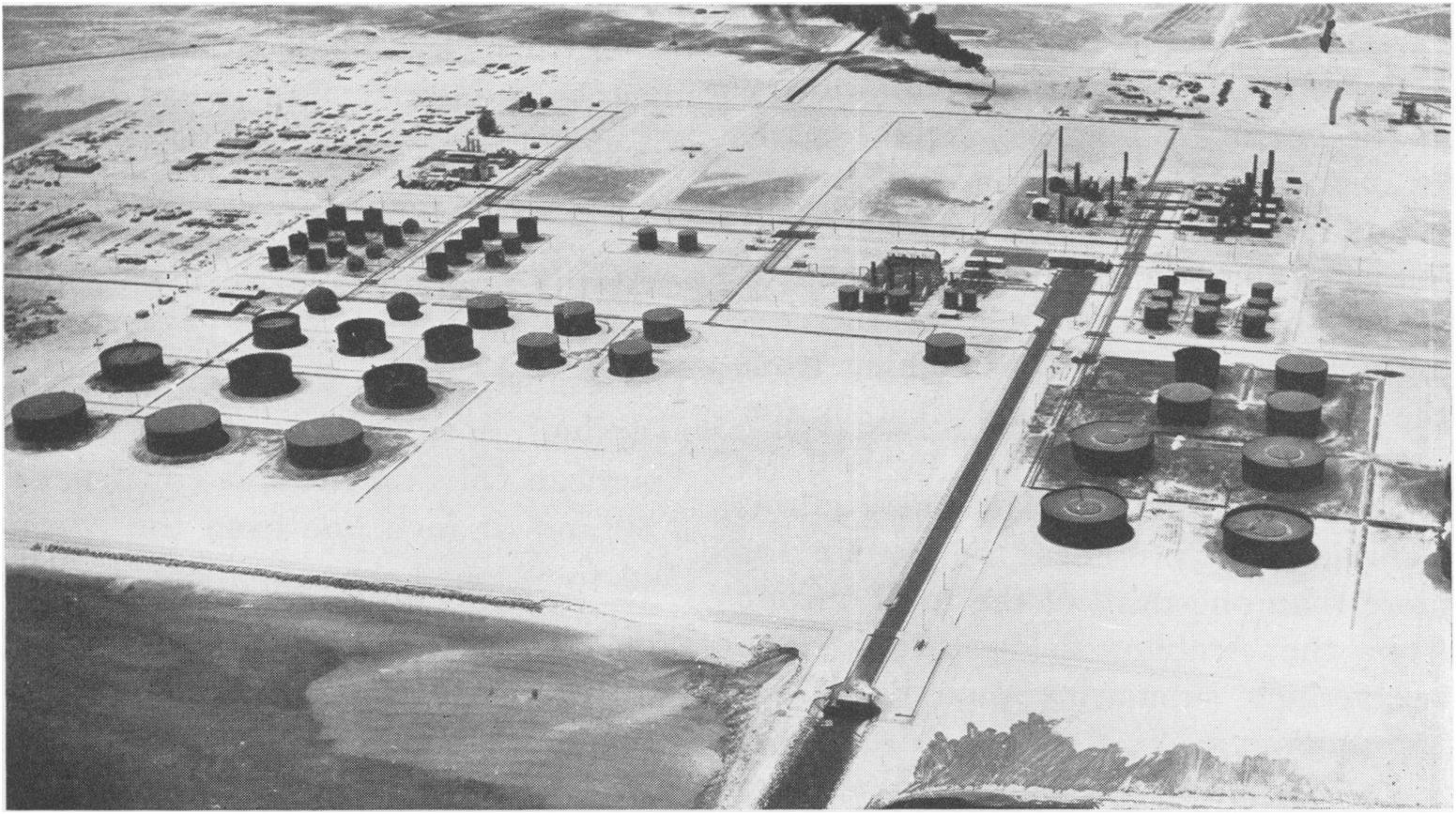
Before the war began on February 28, Saudi Arabia shipped roughly 7.5 million barrels per day of crude, with the bulk — about 5.4 million barrels per day averaged across 2025 — loaded at Ras Tanura and other Hormuz-facing terminals, according to Al Jazeera’s analysis of shipping data. When the strait effectively closed, those volumes had to find an alternative route, and the only one available was the East-West pipeline running from the Eastern Province to the Red Sea port of Yanbu.
The pipeline has a nameplate capacity of 7 million barrels per day, according to Aramco, and the Saudi energy minister said it was pumping 5.8 million barrels per day as of October 6 — a substantial recovery from the September suspension caused by Houthi attacks on pumping stations. But pipeline throughput is not the binding constraint; port capacity is. Gibson Shipbrokers estimated Yanbu’s loading ceiling at roughly 4 to 4.5 million barrels per day, according to an analysis cited by Al Jazeera in September, meaning a fully operational pipeline pushes more crude to the coast than the coast can put on ships. The August loading figure of 2.3 million barrels per day — roughly 70 per cent below the pre-war baseline — represents the trough, and the pipeline’s recovery to 5.8 million barrels per day by October should have pushed Yanbu loadings closer to the port’s physical ceiling, but no comprehensive figure for October total exports has been published.
| Route | Pre-War Throughput | Latest Reported Status | Key Constraint |
|---|---|---|---|
| Hormuz terminals (Ras Tanura) | ~5.4M bpd (2025 avg) | Effectively closed since Feb 28 | IRGC mines, blockade |
| East-West Pipeline | 7M bpd nameplate | 5.8M bpd (Oct 6) | Houthi attacks on stations |
| Yanbu Port loadings | ~4–4.5M bpd ceiling | Active export hub | Berth and tanker limits |
| Total Saudi crude loadings | ~7.5M bpd (Jan 2026) | ~2.3M bpd (Aug 2026) | Dual chokepoint exposure |
The loading collapse is visible across the economy. Saudi Arabia’s revised 2026 deficit reached 245 billion riyals — up from 165 billion budgeted — with real GDP now forecast to fall 3.6 per cent, according to Reuters via Zawya. Aramco cut its November Arab Light pricing to Asia by $3, pushing the official selling price to $5 below the Oman-Dubai benchmark — the widest discount since June 2020, a price signal from a producer with more crude at Yanbu than it can load on schedule. France deployed troops, radars and air defences to protect the Yanbu zone, Al Jazeera reported in September, and a Gibson Shipbrokers analyst described what remains of the strait’s traffic: “They will transit with transponders off.”
The Didamar claim lands against this backdrop. Any deal to reopen even a managed Hormuz corridor would have needed the navigation infrastructure on the island to function — ships require radar guidance, radio communication and visual reference to use the TSS safely, and the IRGC is either destroying or claiming to destroy exactly that. For Saudi Arabia, the gap between what the pipeline delivers to Yanbu and what Yanbu can load on tankers is measured in millions of barrels per day, and the Oman deal was the only realistic mechanism for restoring access to the terminals that used to handle the rest.
The Mediator Under Fire From Both Sides
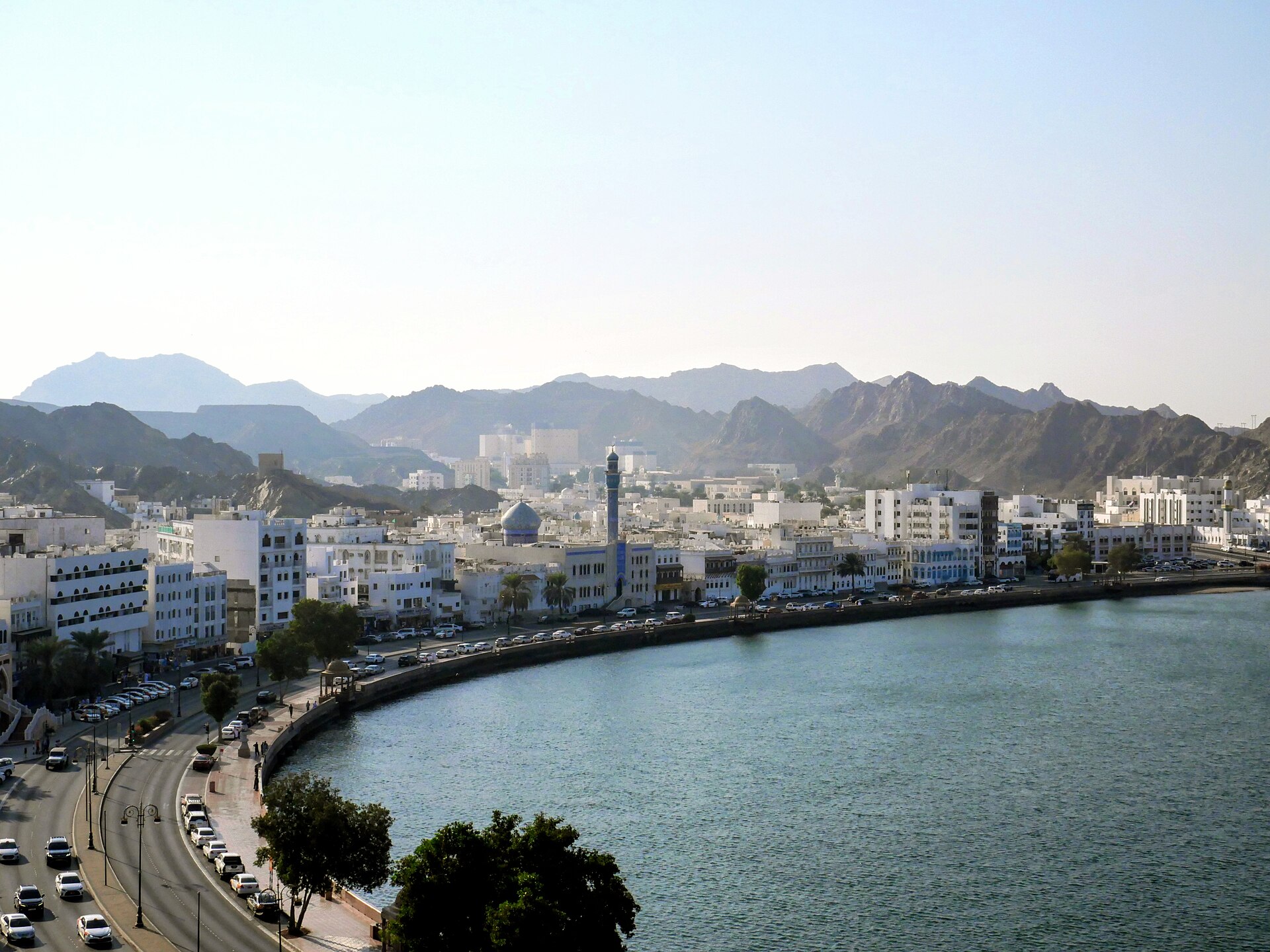
Oman has absorbed Iranian strikes continuously since the war began. Attacks on Duqm — a deep-water port south of Muscat that has hosted US aircraft carriers under a 2019 access agreement — Salalah, Sohar and Oman’s maritime approaches have killed at least 14 people and injured 35, according to compiled data on the 2026 Iranian strikes on Oman. The IRGC targeted Omani radar systems on July 13 and July 17, meaning the Didamar incident is an escalation within an established campaign against Oman’s surveillance and navigation infrastructure, not an isolated provocation.
Washington has not been gentler with the mediator it depends on. Trump threatened to “blow up” Oman on May 28, according to the Jerusalem Post, in the context of Muscat’s efforts to broker a Hormuz arrangement the White House saw as conceding too much control to Iran. Omani Foreign Minister Badr bin Hamad Al Busaidi had met Vice President JD Vance in Washington shortly before the February strikes that started the war, according to Outlook India — meaning the United States had full knowledge of the diplomatic track it then abruptly disrupted with the strikes that killed Ali Khamenei and collapsed the Geneva negotiations.
“Active and serious negotiations have yet again been undermined.”
Badr bin Hamad Al Busaidi, Omani Foreign Minister, February 28, 2026 (Outlook India / Middle East Eye)
Al Busaidi made that statement after the February strikes that ended the previous round of US-Iran talks, not after Didamar — but the pattern it describes has recurred with each diplomatic track Muscat has attempted to build since. In June, Oman declared the Traffic Separation Scheme it has administered since 1968 unsafe and established two temporary shipping corridors in coordination with the International Maritime Organisation, according to the National News, a step that required reconfiguring navigational protocols across the strait while Omani rescue teams continued pulling crews from vessels attacked in their waters, per the Maritime Executive.
Before the war, Al Busaidi said that a deal with Iran was “within our reach, if we just allow diplomacy the space it needs to get there.” Nine months later, Muscat is being attacked by the country it is negotiating with and threatened with bombing by the country it is negotiating for. Whether Oman has formally protested the Didamar incident to Tehran, or whether the Hormuz talks the strike appears designed to wreck are still active, remains unknown.
What Options Remain for Reopening the Strait?
The Oman track was the most concrete path to any form of Hormuz reopening, and it now sits between an IRGC that claims to have attacked its physical infrastructure and a supreme leader who has not demonstrated the ability to stop the Guards from doing so. The parallel Qatar diplomatic channel has produced meetings between the Qatari prime minister and Trump, but Secretary of State Rubio rejected Iran’s terms for reopening the strait in late October, and the IRGC’s conditions — ending the war, lifting the US counter-blockade, paying wartime compensation — remain maximalist by any diplomatic standard. Iran’s FM Araghchi said in October that the strait would “stay closed until the US agrees to Iran’s terms,” according to Al Jazeera, a position that leaves no room for the incremental corridor arrangements Oman has been trying to construct.
Trump told reporters at a White House press briefing on November 9 that the war was “effectively over,” even as Houthi missiles were fired at Riyadh hours later and the US naval blockade of Iranian ports remained in place. The disconnect between that framing and the operational reality extends to Hormuz: the IRGC-laid mines have not been cleared, no international mine-countermeasures operation has been announced, and even a political agreement would require weeks of physical preparation before the first laden VLCC could transit safely. The Navig8 Messi burning off Khasab in early November — within sight of the Musandam Peninsula and not far from Didamar — was a reminder that the strait’s dangers are not theoretical.
The data points to a chokepoint that is not reopening soon. Saudi industrial output grew 15.6 per cent in September on the strength of mining, but the kingdom’s ability to export the crude that funds its budget remains constrained by a port ceiling at Yanbu, a pipeline that Houthi drones periodically target, and a strait where the IRGC treats Omani sovereign territory as a legitimate operational environment. The lighthouse on Didamar was built by the British in 1914, and it has guided ships through the Strait of Hormuz through every crisis since — whether it is still doing so after November 10 depends on which official you believe, and that ambiguity, more than any satellite image, tells you where the Hormuz negotiation stands.
Frequently Asked Questions
What Is the Traffic Separation Scheme in the Strait of Hormuz?
The Traffic Separation Scheme is an International Maritime Organisation-recognised system of designated shipping lanes for inbound and outbound vessels, established under the Convention on the Safety of Life at Sea to prevent collisions in narrow waterways. In the Strait of Hormuz, the TSS separates traffic into two lanes with a defined buffer zone, with the bulk of the scheme lying within Omani territorial waters — which is why the Royal Navy of Oman has served as the controlling authority since 1968. After IRGC mine-laying made the original lanes unsafe in 2026, Oman worked with the IMO to designate alternative temporary corridors, according to the National News.
Was the Didamar Lighthouse Actually Damaged?
The lighthouse on Didamar Island is a 24-metre skeletal tower, solar-powered and fitted with an upgraded rotating beacon installed in 2006, according to the International Association of Marine Aids to Navigation and Lighthouse Authorities. Sentinel-2 satellite imagery from November 10 showed the structure apparently intact, and a senior Omani official told the Maritime Executive that navigational aids had not been struck. The resolution of publicly available imagery may not detect damage to electronic systems or masts, and scorch marks visible on the island as early as November 8 remain unexplained by either side.
How Much Oil Normally Flows Through the Strait of Hormuz?
Before the war began, the Strait of Hormuz carried roughly one-fifth of the world’s oil supply, according to Al Jazeera. Saudi Arabia alone loaded approximately 5.4 million barrels per day at Hormuz-facing terminals in 2025. The strait also handles liquefied natural gas from Qatar and crude exports from Iraq, Kuwait and the UAE, making it the most concentrated energy transit point on earth — and the reason any disruption to its navigation infrastructure has consequences far beyond the Gulf region.
Has Iran Attacked Omani Territory Before the Didamar Incident?
Iran has struck Omani territory repeatedly since March 2026, targeting the ports of Duqm, Salalah and Sohar as well as maritime approaches, killing and injuring scores of Omani civilians and workers. In July, Oman summoned Iran’s ambassador after drone attacks in two regions, according to Chronicle.lu. The IRGC struck Omani radar systems twice in July, establishing a documented pattern of targeting Oman’s surveillance and navigational infrastructure in and around the strait — a pattern the Didamar incident, if the IRGC’s claim is accurate, would extend to the island that hosts the Hormuz Control Centre itself.
The House of Saud Daily Briefing
Saudi Arabia's news in 3 minutes, every morning. Free. See today's issue