
RIYADH — Saudi Arabia’s industrial production index rose 15.6% month on month in September to 101.3, recovering from a sharp August decline to 87.7, according to preliminary data the General Authority for Statistics released on November 10. The year-on-year figure remained negative at 10.9%, with the September 2025 baseline at 116.1, Arab News and FX.co reported citing GASTAT.
Mining and quarrying — the GASTAT sub-category covering crude oil and natural gas extraction — drove virtually all of the monthly gain as Saudi crude exports climbed through ship-to-ship transfers in the Gulf of Oman and the late-September restart of the East-West pipeline to Yanbu. The September reading is near the approximately 101.5 recorded in July, before the August collapse, according to Arab News and CEIC data from August.
The House of Saud Daily Briefing
Saudi Arabia's news in 3 minutes, every morning. Free. See today's issue
Table of Contents
What Drove the 15.6% Monthly Rebound?
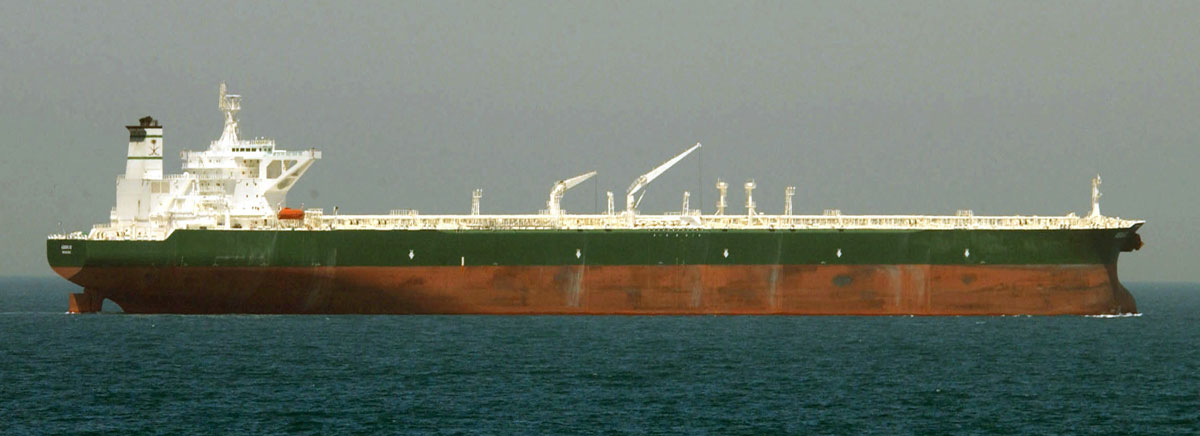
Two mechanisms pushed the mining and quarrying sub-index up 29.9% in a single month, according to Arab News citing GASTAT: ship-to-ship crude transfers off the coasts of Oman and the UAE, and the partial restart of the East-West pipeline in the month’s final week.
Saudi crude crossing the Strait of Hormuz rose from 700,000 barrels per day in August to 2.8 million bpd in September, according to Kpler data reported on September 29. Gulf of Oman ship-to-ship activity reached a record in September, with transfers split roughly between Fujairah and Sohar, Kpler reported. At least 63 very large crude carriers were active in the shuttle trade, the firm reported.
The pipeline contributed only in the final days of September. Saudi Arabia had suspended East-West pipeline flows as a precaution on September 11 after the line was targeted in the Riyadh and Madinah regions on September 10, according to the Saudi Gazette via Zawya. Three sources told Reuters the line restarted on September 22, though full capacity was expected to take six weeks or more, Baird Maritime reported on September 24. By September 27, all seven Yanbu loading berths were occupied again, and Kpler estimated throughput at approximately 2.65 million bpd.
The combined result: Saudi crude exports reached approximately 6 million bpd in September — roughly 80% above August’s 3.4 million bpd and the highest level since the war began, Kpler data cited by CNBC on September 25 showed. Non-Iranian crude crossing the Strait totalled 9.9 million bpd that month, still more than a quarter below pre-war levels, according to Kpler’s September 29 assessment. The pipeline itself was operating for fewer than ten days of the month and well below its design capacity, according to the Saudi Gazette via Zawya citing Aramco on September 25.
“The ramp-up from the Mideast Gulf is a consequence of the pipeline outage. [The Hormuz traffic increase] likely also signals a greater confidence in using the Strait of Hormuz given rising traffic.”
Matt Smith, director of commodity research at Kpler, to CNBC, September 25, 2026
How Does the Sub-Index Breakdown Read?
| Sub-Index | Month-on-Month | Year-on-Year |
|---|---|---|
| Overall IPI | +15.6% | -10.9% |
| Mining and Quarrying | +29.9% | — |
| Oil Activities | — | -15.5% |
| Crude Petroleum and Natural Gas | — | -16.0% |
| Manufacturing | +2.8% | -5.4% / -1.1%* |
| Electricity, Gas, Steam, A/C | -1.2% | +6.4% |
| Water, Sewerage, Waste | — | +7.3% |
| Non-Oil Activities | — | +0.1% |
* Manufacturing year-on-year: Arab News reports -5.4%; FX.co reports -1.1%. Both cite GASTAT preliminary data. The discrepancy has not been resolved. Sources: Arab News and FX.co, both citing GASTAT, November 10, 2026.
GASTAT’s sub-indices reveal a recovery concentrated in extraction rather than in manufacturing or utilities. Manufacturing rose 2.8% on the month, the only sub-index besides mining to post a monthly gain. Its year-on-year performance was contested: Arab News put the decline at 5.4%, while FX.co reported 1.1%, both citing GASTAT’s preliminary September release. Separately, Arab News reported that manufacturing registrations rose 18% year on year by end-September, though registrations measure business intent rather than factory output.
Electricity, gas, steam and air conditioning slipped 1.2% on the month but grew 6.4% year on year, decelerating from 10.2% in August, according to FX.co citing GASTAT. Water supply, sewerage and waste management posted 7.3% annual growth, FX.co reported.
Non-oil activities as a whole edged up just 0.1% year on year, down from 1.4% in August, according to FX.co citing GASTAT. The deceleration occurred even as the headline index climbed back to its July level — a pattern consistent with a crude-export recovery rather than a broad-based rebound in Saudi industrial capacity.
Why Does the Index Remain 10.9% Below Last Year?
The September 2026 reading of 101.3 is 14.8 index points below September 2025’s then-published reading of 116.1 (Argaam, November 2025). GASTAT’s official year-on-year comparison stands at -10.9%, a difference consistent with the routine revision of base-period data between successive releases. The gap reflects months of cumulative damage to Saudi oil infrastructure and export routes since the Iran war began. Oil activities fell 15.5% year on year in September, an improvement from August’s 33.6% decline but still deep in negative territory, according to FX.co citing GASTAT. Crude petroleum and natural gas extraction fell 16.0% on the year.
Saudi crude production reached approximately 8.37 million bpd in September, up from a multi-decade low, according to Trading Economics citing JODI and OPEC data. That figure fell well short of the kingdom’s OPEC+ November target of 10.5 million bpd, which Enerdata reported on October 4. By comparison, Saudi crude production in February 2026 — the last full month before Hormuz disruptions — was 10,882 thousand bpd, according to OPEC data cited by Hellenic Shipping News on April 15. Saudi output continued to recover through October, suggesting the next IPI release may narrow the annual gap, though October figures are not yet available from GASTAT.
The IMO reported that 25 seafarers had been killed in Hormuz since the war began, a toll that has driven up insurance premiums and complicated tanker scheduling across the Gulf. The Gulf-to-China VLCC rate stood at $1.2 million per day, against approximately $80,000 a year earlier, according to LSEG data cited by bdnews24 on October 5.
Saudi Oil Export Routes in September
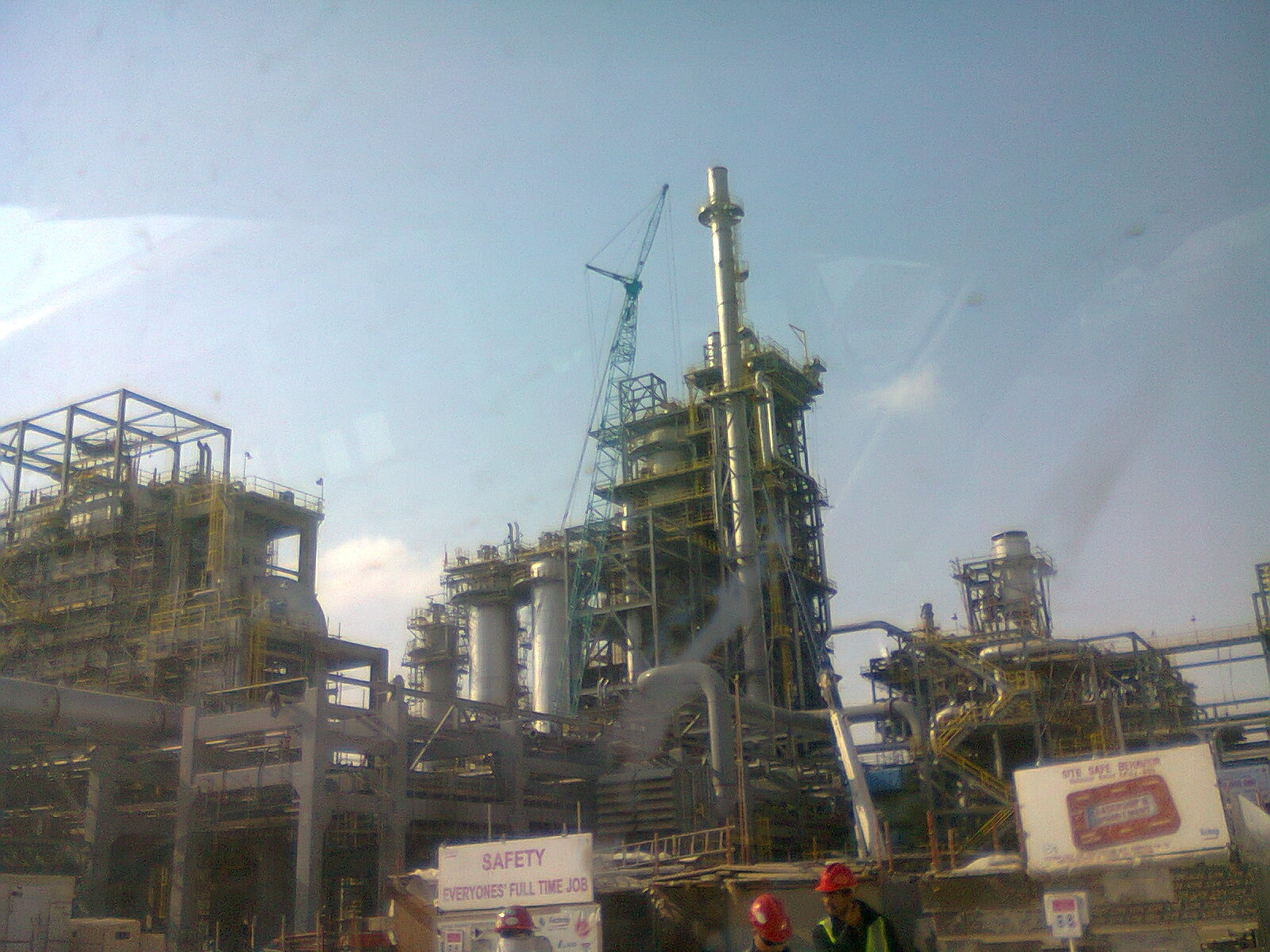
The East-West pipeline sits at the center of an improvised three-track export system that also includes Hormuz transit with ship-to-ship relay off Fujairah and Sohar, and remaining direct Gulf-origin cargoes. With a design capacity of approximately 7 million bpd and an export capacity of about 5 million bpd from Yanbu, according to the Saudi Gazette via Zawya citing Aramco, the pipeline had carried the bulk of Saudi crude before the September 11 suspension.
Pre-war, Yanbu loaded approximately 770,000 bpd in January and February; by March that figure had surged to nearly 4 million bpd as Hormuz traffic collapsed, Kpler data cited by Reuters showed (The News, March 25). At the June peak, Yanbu loadings reached 4.3 million bpd, according to Kpler. France confirmed in September that it was sending troops, radars and air defence systems to protect the terminal, Al Jazeera reported on September 25.
Prince Abdulaziz bin Salman, the Saudi energy minister, cited a cumulative total of 5.8 million barrels of crude moved through the pipeline following the late-September restart, according to Pipeline Journal citing Reuters — a running total, not a daily rate. Aramco CEO Amin Nasser characterized disruptions to oil infrastructure as typically lasting “days, not weeks or months,” the Saudi Gazette via Zawya reported in September.
The East-West pipeline was struck again on November 9 in the Madinah region, Arab News reported. The attack came less than two months after the September restart. A drone struck the Aramco-ExxonMobil SAMREF refinery at Yanbu on March 19, briefly pausing loadings, according to Marine Insight on March 20, and the pipeline corridor has been targeted repeatedly since.
The ship-to-ship relay has become the system’s default when the pipeline is down. The Navig8 Messi burned off Khasab after a Hormuz strike on November 8, in one of a series of incidents that have made the Gulf of Oman relay effective but dangerous. The arrangement adds cost — vessel-to-vessel transfer fees, elevated insurance premiums, and crew risk — but it kept barrels moving through the worst of the August-September disruption.
The Fiscal Backdrop
Saudi Arabia’s pre-budget statement, released September 30, raised the 2026 fiscal deficit estimate to 245 billion riyals from a budgeted 165 billion and projected real GDP declining 3.6% on a 21.8% drop in oil activities, according to Reuters via Zawya. The same statement forecast a rebound to 12.8% GDP growth in 2027, assuming oil activities recover, Reuters via Zawya reported. The IMF’s Article IV conclusion in July had been more cautious, forecasting Saudi GDP growth at 1.7% for 2026 and non-oil growth at 2.6%.
The fiscal strain accumulated through the first half of the year. The Ministry of Finance reported a second-quarter deficit of 34.3 billion riyals ($9.1 billion) and a first-half shortfall of 160 billion riyals, with public debt reaching approximately 1.685 trillion riyals, according to Asharq Al-Awsat on July 30. GASTAT’s flash estimate for the second quarter showed real GDP down 4.8% year on year, with oil activity declining 24.7% and non-oil activity growing just 0.6%, TradeArabia reported citing GASTAT in August. GASTAT reported inflation at 1.9% with wholesale prices rising 4.2% in its most recent reading, a gap reflecting supply-chain pressure from the war without a broader consumer-price spiral.
Tim Callen, a former IMF mission chief to Saudi Arabia, argued in a July analysis for the Arab Gulf States Institute that Saudi policymakers would likely prioritize resilience through new pipeline capacity and diversified transport infrastructure, characterizing the kingdom’s wartime adaptation as a demonstration of agility, according to Semafor on July 14. Finance Minister Mohammed Al-Jadaan offered a different assessment: anyone expecting a quick recovery from the Iran war “should reconsider,” Al-Jadaan said in April 2026 at an IMF seminar in Washington, as reported by the Saudi Gazette.
The US deployed an Iron Gate task force in the Gulf in early November, adding a military dimension to the shipping lanes that carry Saudi crude. Whether that deployment eases tanker scheduling or provokes Iranian countermeasures will shape the fourth-quarter production data that feeds GASTAT’s next readings.
FAQ
What was the August 2026 industrial production index?
GASTAT’s preliminary August IPI was 87.7, though CEIC’s revised figure was 87.1. The August year-on-year decline was 23.5%, with mining and quarrying down 35.8% and manufacturing down 8.8%, according to Asharq Al-Awsat English citing GASTAT on October 11. Electricity, gas and steam supply was the only major sub-category to grow in August; Asharq Al-Awsat English reported 9.4% year-on-year growth, while FX.co cited 10.2%, both citing GASTAT. The IEA attributed the broader output decline to a 2.6 million bpd fall in Saudi crude supply, according to Trend on September 14.
When did the East-West pipeline first reach full capacity during the war?
Aramco reported in its Q1 2026 earnings that the East-West pipeline reached its 7 million bpd capacity during the first quarter, according to Rigzone on May 11. Bloomberg reported on March 28 that the pipeline was running at full 7 million bpd, with Yanbu exports of about 5 million bpd, according to Pipeline Journal. The pipeline was hit on April 9 in an attack on a pumping station that cut flows by 700,000 bpd, according to The New Arab on April 10, and has since been struck repeatedly.
What was Saudi industrial production before the Iran war?
The September 2025 IPI stood at 116.1, according to Argaam citing GASTAT data published in November 2025. Aramco reported 2025 adjusted net income of $104.7 billion (Aramco, March 10, 2026), and Q1 2026 adjusted net income of $33.59 billion, up 26% year on year, according to Rigzone on May 11.
Has GASTAT released Q3 2026 GDP data?
No Q3 GDP figure has been published. The pre-budget statement issued September 30 projected full-year 2026 real GDP at -3.6%, according to Reuters via Zawya. That forecast implies some recovery in the second half relative to the first-half contraction, consistent with the September IPI rebound. The monthly IPI series provides the most current window into third-quarter industrial performance pending the official quarterly GDP release from GASTAT.
The House of Saud Daily Briefing
Saudi Arabia's news in 3 minutes, every morning. Free. See today's issue