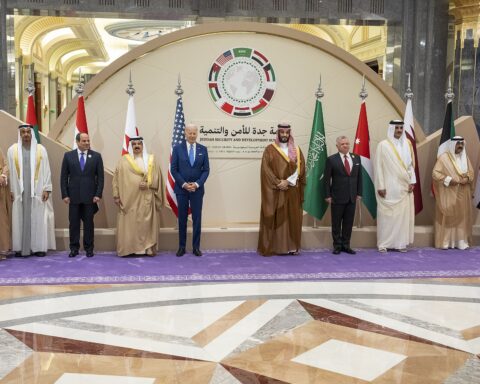
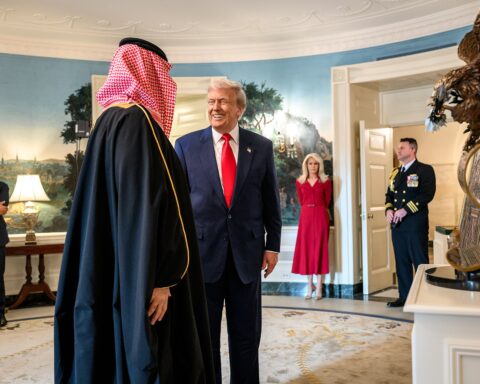
RIYADH — King Hamad bin Isa Al Khalifa of Bahrain arrived in Riyadh on Tuesday, November 10, and was received at King Khalid International Airport by Crown Prince Mohammed bin Salman, Asharq Al-Awsat reported. The airport had been the target of a Houthi ballistic missile attack in early October that killed 12 and injured more than 300, according to The National.
The visit coincided with the 23rd session of the GCC Joint Defence Council in Manama, Bahrain, where defence ministers approved an advanced command post for the GCC Unified Military Command in Kuwait, Euronews reported. GCC Secretary-General Jasem Mohamed Al Budaiwi cited “Iranian attacks on member states” as the context for the decision, Al Jazeera reported.
The House of Saud Daily Briefing
Saudi Arabia's news in 3 minutes, every morning. Free. See today's issue
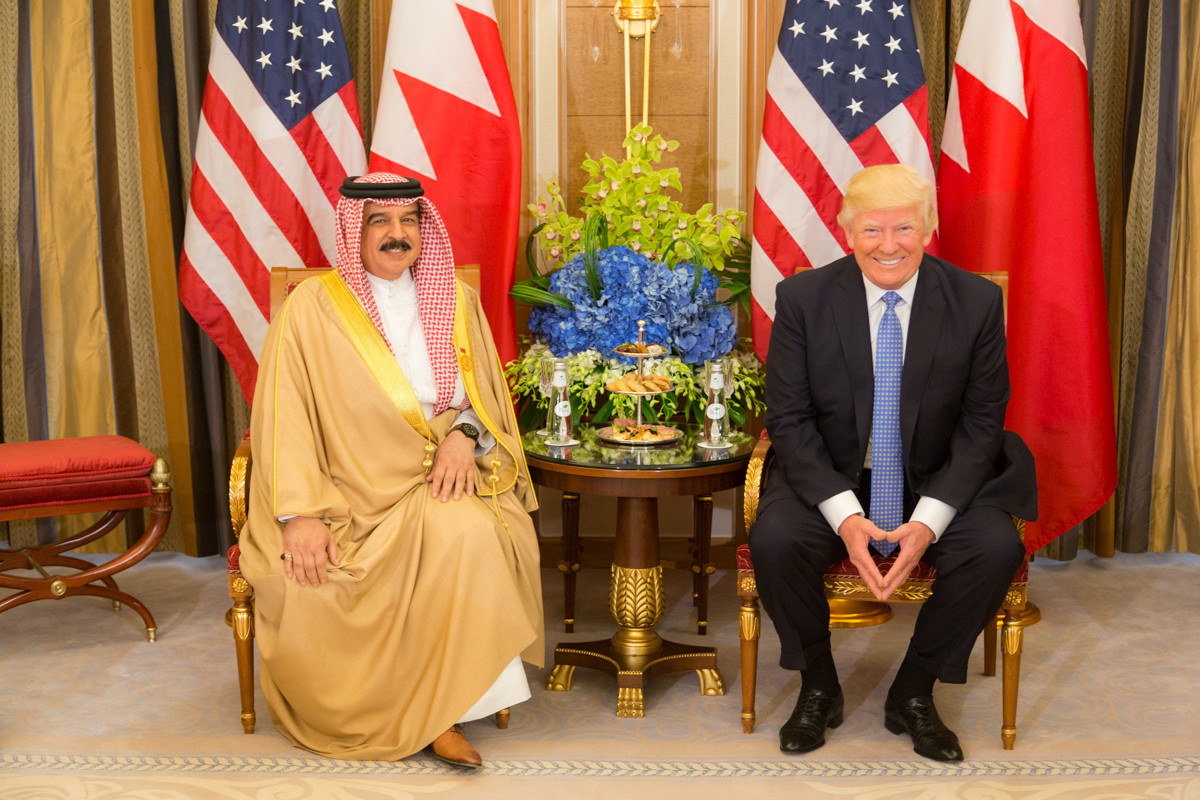
Table of Contents
The Delegation and the Readout
King Hamad brought four senior officials: Crown Prince Salman bin Hamad, Foreign Minister Abdullatif Al-Zayani, Finance Minister Sheikh Salman bin Khalifa Al-Khalifa, and diplomatic adviser Sheikh Khalid bin Ahmed bin Mohammed Al-Khalifa, Arab News and The National reported. The delegation spanned finance, diplomacy, and security.
The official readout, distributed by the Saudi Press Agency and Bahrain’s state news agency BNA, said the leaders discussed “historic ties between the two countries, ways to expand cooperation, and the latest regional developments and efforts exerted towards them to bolster stability and security,” Asharq Al-Awsat reported. No joint statement was issued. No new agreements, pledges, or coordination mechanisms were announced, according to Asharq Al-Awsat and The National.
The Saudi readout said MBS stressed the kingdom’s commitment to deepening fraternal relations with Bahrain in all fields, Asharq Al-Awsat reported. King Hamad praised Saudi Arabia’s “benevolent efforts” in developing a “joint action system” for the Gulf and described the crown prince’s “pivotal role” in regional security, The National reported. In a separate statement carried by News of Bahrain, King Hamad called for “stronger Arab and Gulf unity amid regional challenges” and urged consultation and coordination among GCC leaders.
The meeting had been prepared in advance. On November 4-5, MBS received Bahrain’s National Security Adviser Sheikh Nasser bin Hamad Al Khalifa, who conveyed King Hamad’s greetings, Asharq Al-Awsat reported. The visit followed wartime trips to Riyadh by Iraq’s prime minister, Syria’s president, and French President Macron earlier in November, according to The National.
What Did the GCC Defence Ministers Decide in Manama?
While King Hamad was in Riyadh, GCC defence ministers convened in Manama for the 23rd session of the Joint Defence Council, Euronews reported. They approved an advanced command post for the GCC Unified Military Command, to be established in Kuwait.
GCC Secretary-General Jasem Mohamed Al Budaiwi said the facility was a response to “Iranian attacks on member states,” Al Jazeera reported. An unnamed GCC analyst told Al Jazeera the Kuwait command post was “part of a longer-term GCC strategy to build deterrence against Iran, not a sign of an imminent strike.”
The two events ran in parallel on the same day — King Hamad in Riyadh for the bilateral, Bahrain hosting the GCC’s senior military body at home. Al Budaiwi named “Iranian attacks on member states” explicitly; the bilateral readout referred only to “the latest regional developments,” Asharq Al-Awsat and Al Jazeera reported.
“The security of the Kingdom of Saudi Arabia is an integral part of the security of the Kingdom of Bahrain and of the Gulf Cooperation Council system.”
— Bahrain cabinet statement, November 9, 2026 (Sabq)
The Saudi cabinet had called days earlier for an immediate end to threats in the Strait of Hormuz and Bab al-Mandeb. Bahrain’s own cabinet, meeting on November 9, condemned the Houthis’ “continued terrorist attacks” on Saudi Arabia and declared Saudi Arabia’s security “an integral part” of Bahrain’s own and the GCC system, Sabq reported.
NSA Bahrain and the Fifth Fleet
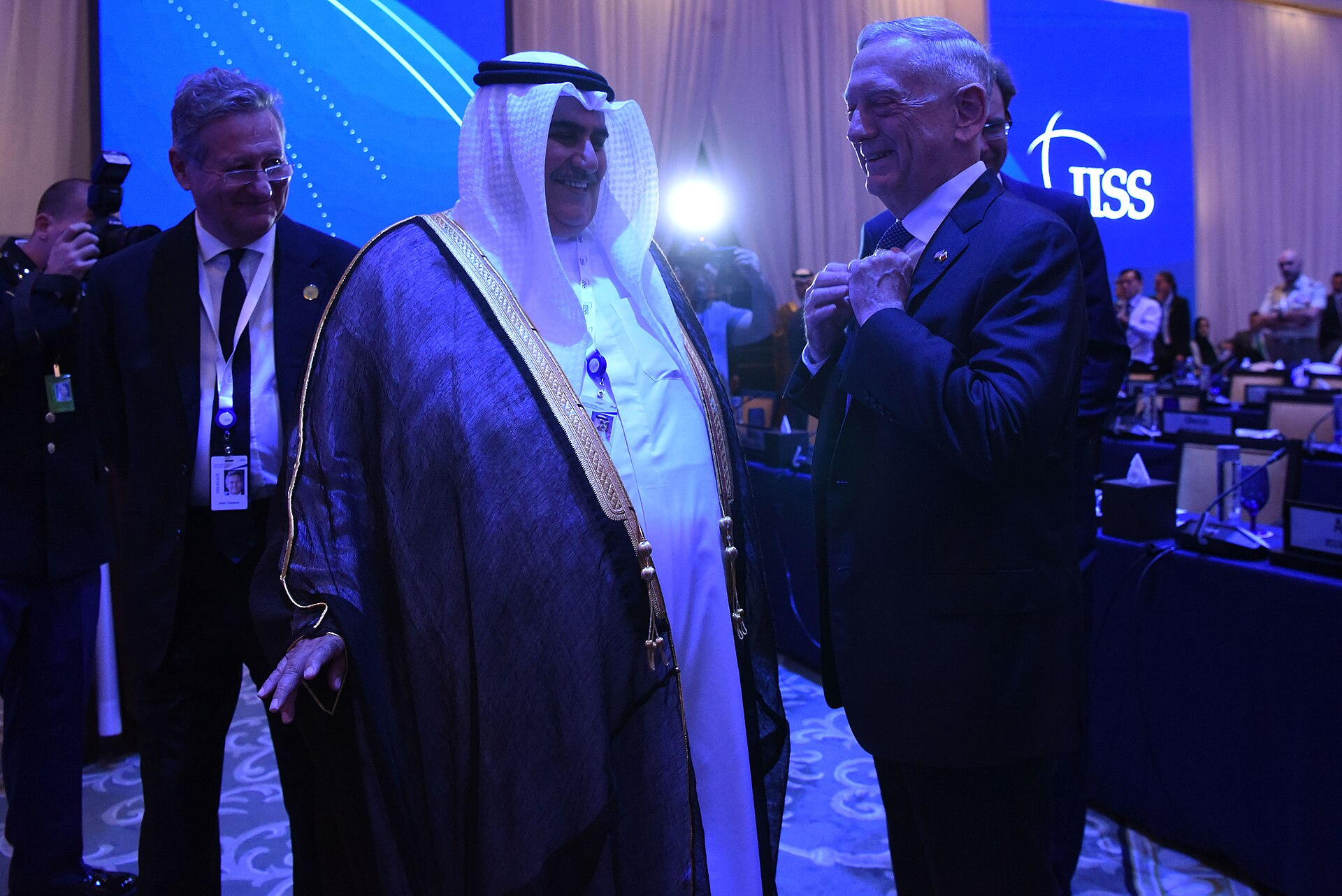
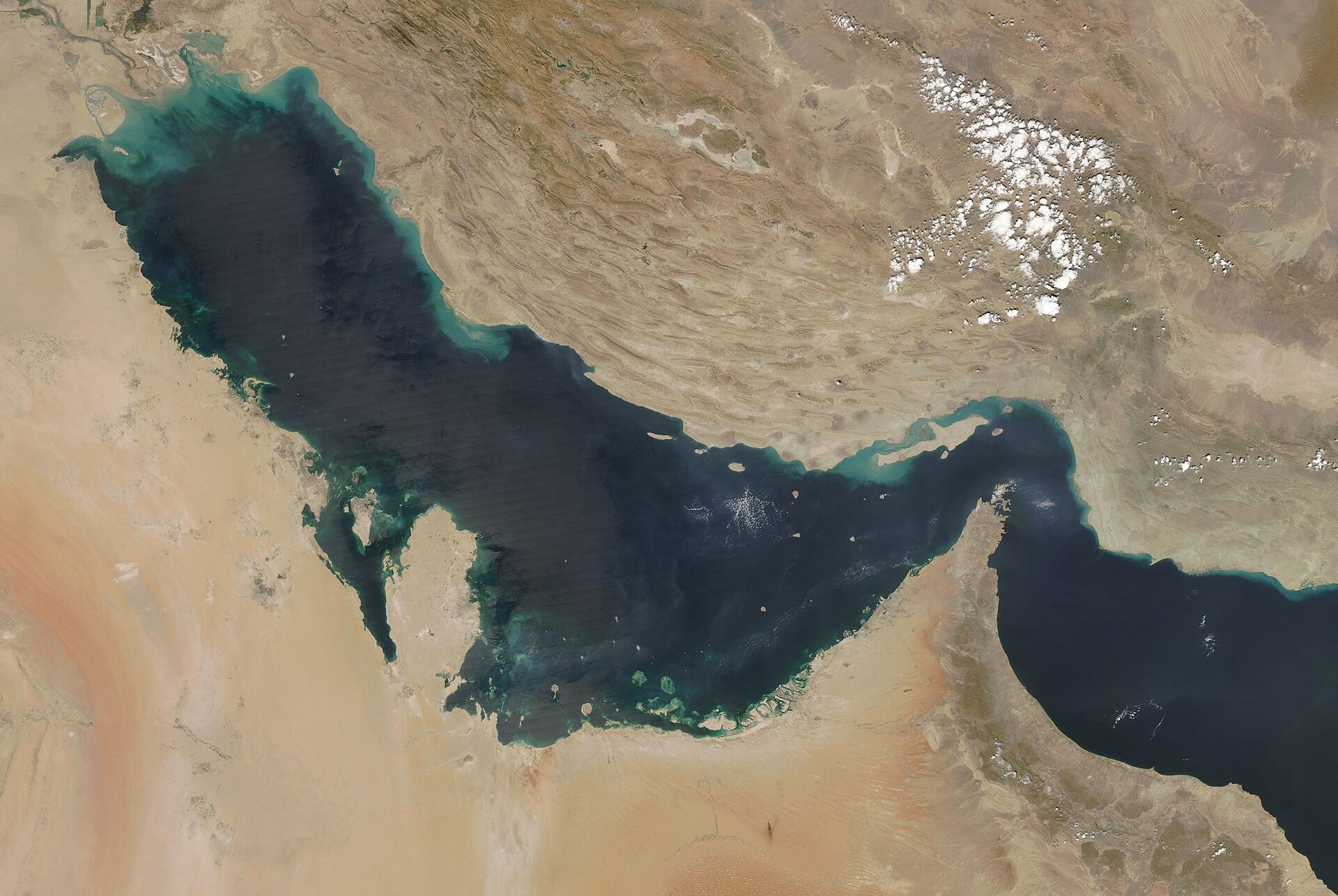
Bahrain’s position in the current conflict extends beyond its diplomatic relationship with Riyadh. The island kingdom hosts Naval Support Activity Bahrain at Juffair in Manama — the headquarters of US Naval Forces Central Command and the US Fifth Fleet since 1995. Before the war, the base housed approximately 8,300 military personnel, civilian contractors, and dependents, according to US Navy data. The United Kingdom also operates a naval support facility at Mina Salman port in Bahrain.
Iranian missiles and drones struck NSA Bahrain on February 28, 2026. Military Times, in an August 28 report, estimated the damage at nearly $400 million. Chief of Naval Operations Admiral Daryl Caudle said the base would not be back at full operating status “anytime soon,” a finding cited in the Congressional Research Service’s September 2026 assessment of Bahrain policy.
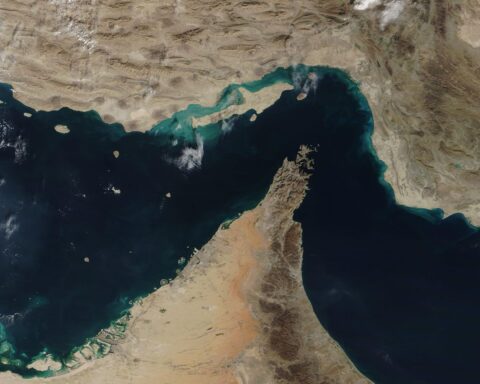
The base’s reduced capacity has not ended Fifth Fleet operations in the Strait of Hormuz. CENTCOM commander Admiral Brad Cooper announced in late August 2026 that Iranian mines had been cleared from the Strait’s main shipping channels. By late October, Cooper said he observed no IRGC presence in the waterway during an overflight on October 25. The Fifth Fleet continues to operate from Bahrain despite the damage — the very presence that Tehran has warned it will strike again.
Why Does Bahrain’s Stance on Iran Matter for the Hormuz Crisis?
Bahrain severed diplomatic relations with Iran in 2016 and has maintained that break through the current conflict. When Iran proposed an Oman-hosted collective meeting on the Hormuz crisis on September 12, 2026, Bahrain refused to attend, stating it “will not be a party to any collective meeting involving Iran prior to the restoration of diplomatic relations,” Al Jazeera reported.
Manama has pursued the crisis through multilateral channels instead. In late September 2026, Bahrain led a joint statement by 80 countries calling for full reopening of the Strait of Hormuz “without the imposition of tolls, conditions or illegal charges,” Tribune India and gCaptain reported. At the United Nations Security Council, Bahrain had proposed a Hormuz resolution earlier in the year. It was defeated 11-2 — vetoed by Russia and China — on April 7, 2026.
The kingdom’s military exposure has been direct. By April 6, 2026, Bahrain’s Defence Force reported cumulative interceptions of 188 ballistic missiles and 468 drones targeting its territory. Those numbers predate more than six months of further hostilities. Iran has said Hormuz will not reopen until seven conditions are met, one of which is the withdrawal of US forces from the Gulf — a demand that puts NSA Bahrain at the centre of the dispute.
Iran’s Framing of Bahrain
Iran has framed Bahrain’s hosting of the Fifth Fleet as grounds for direct military action. The IRGC said on July 15, 2026, via Tasnim News Agency, that its February 28 strike on the Fifth Fleet’s command-and-control centre was retaliation for the United States “claiming control of the Strait of Hormuz” and blocking oil and gas shipping. The claim was not independently verified.
The threat environment around Bahrain has been explicit and repeated. Khatam al-Anbia Air Defense Headquarters, Iran’s air defence command, warned on July 8, 2026, that “any base supporting US military operations against Iranian territory would be a legitimate target,” Intellinews reported. An Iranian adviser warned Bahrain on June 29, 2026, of a “devastating strike if provoked,” accusing it of providing Washington with military bases “to launch attacks on its territory,” News Arena India reported.
Iranian state media — IRNA, PressTV, Tasnim, and Fars News — produced no identifiable coverage of King Hamad’s Riyadh bilateral in the November 10-12 window.
Background
King Hamad’s trip was the latest in a pattern of wartime visits to Riyadh in November 2026. Iraq’s prime minister, Syria’s president, French President Macron, and Canada’s Prime Minister Carney all met or spoke with MBS in the same period, The National reported. Egypt confirmed that its troops had been in Saudi Arabia for months. Syria sent military advisers to fight the Houthis.
Bahrain is not a signatory to the Makkah Joint Defence Agreement, the trilateral pact between Saudi Arabia, Turkey, and Pakistan signed on August 7, 2026. Bahrain’s defence coordination with Saudi Arabia runs through the GCC Unified Military Command, which on November 10 gained a new forward command post in Kuwait.
The bilateral took place against a backdrop of continuous military activity in the Gulf and the Arabian Peninsula. Houthi attacks on Saudi oil infrastructure and coalition intercepts over Riyadh and Makkah have continued through November.
Frequently Asked Questions
How many commercial vessels has the US Navy escorted through the Strait of Hormuz?
As of late October 2026, more than 3,000 commercial vessels had transited the Strait of Hormuz with US naval support over a six-month period, CENTCOM reported, according to the Times of Israel. CENTCOM estimated a 97% success rate for escorted commercial transits, per a statement cited by RedState. On a single day — October 12, 2026 — the US Navy escorted 19 million barrels of crude oil through the strait, IranWire and CENTCOM reported.
Is Bahrain a signatory to the Makkah Joint Defence Agreement?
No. The Makkah Pact is a trilateral defence agreement between Saudi Arabia, Turkey, and Pakistan, signed on August 7, 2026. Bahrain’s defence alignment with Saudi Arabia runs through the GCC Unified Military Command and the GCC Joint Defence Council, which held its 23rd session in Manama on November 10 — the same day as King Hamad’s Riyadh visit — and approved an advanced command post in Kuwait at that session, Euronews reported.
How did the IRGC justify its strike on the Fifth Fleet headquarters in Bahrain?
The IRGC said on July 15, 2026, via Tasnim News Agency, that its February 28 attack on the Fifth Fleet’s command-and-control centre at NSA Bahrain was retaliation for the United States “claiming control of the Strait of Hormuz” and blocking oil and gas shipping. The IRGC described the strait as “either for everyone or for no one.” Military Times estimated the strike caused nearly $400 million in damage to the facility.
The House of Saud Daily Briefing
Saudi Arabia's news in 3 minutes, every morning. Free. See today's issue