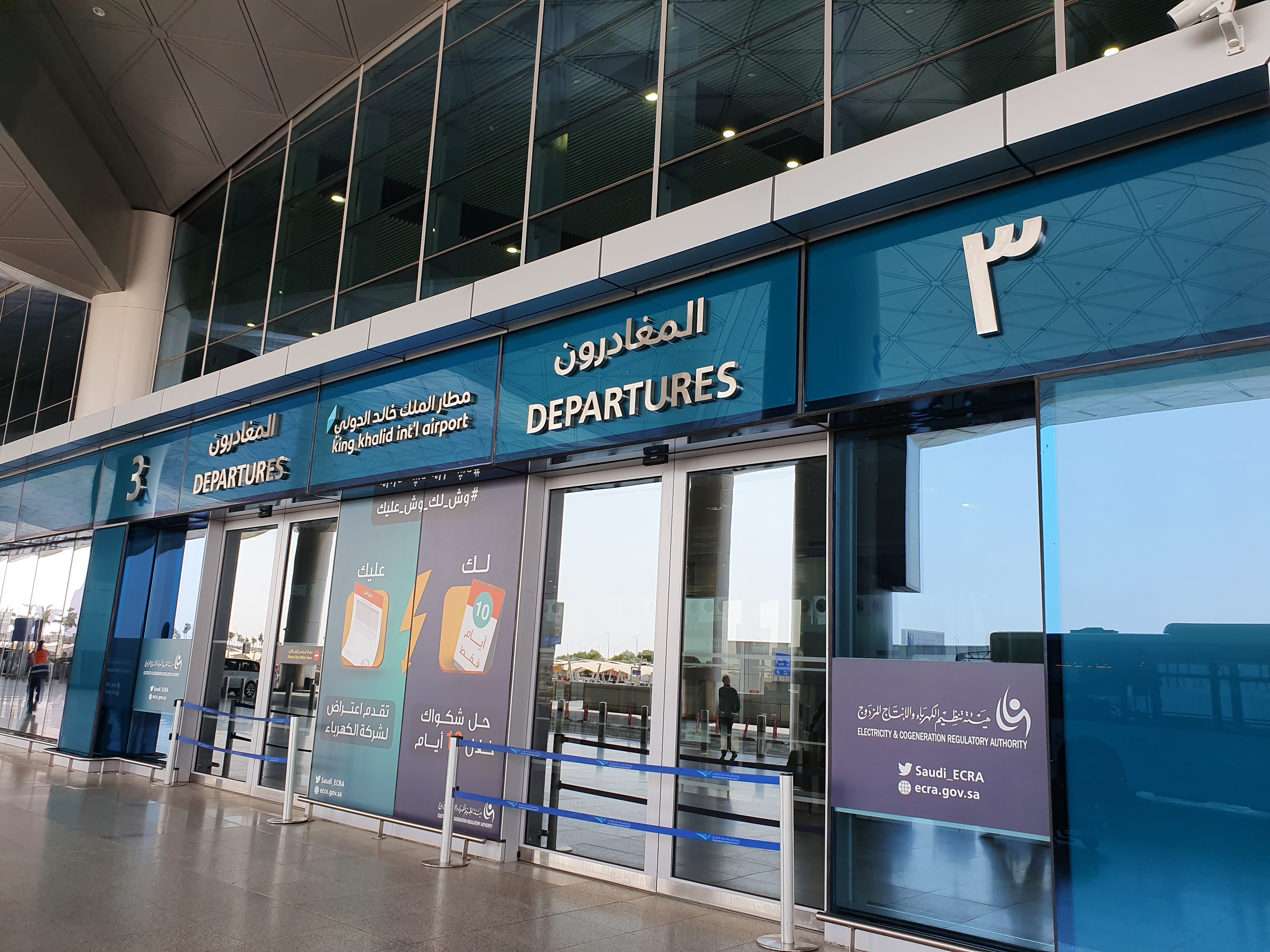
RIYADH — The US Embassy in Saudi Arabia issued a nationwide security alert on November 13 warning American citizens of an increased Houthi attack threat, advising “extreme caution” at the kingdom’s airports and telling Americans to stay away from sites linked to Western interests. The alert — reported as a fresh nationwide warning by Anadolu Agency on November 14 — arrived on the same day the Houthis claimed drone strikes on King Khalid International Airport in Riyadh, where a Houthi attack killed 12 on October 10 — a toll that rose to 14 as two injured victims died in subsequent weeks, according to The New Indian Express — according to Al Jazeera.
It landed amid the densest 48-hour stretch of Houthi and IRGC operational claims since the conflict escalated in September. Houthi military spokesman Yahya Saree claimed strikes on KKIA and the East-West oil pipeline on November 13, according to al-Masirah TV as reported by Siasat; the IRGC warned of “unlimited” retaliation over the Strait of Hormuz after a strike on Iran’s coast, according to Türkiye Today; and by November 14, the IRGC Navy claimed two more tankers had hit mines in the strait, per Xinhua, while the Houthi-run Health Ministry said 12 civilians were killed in a Saudi airstrike on a Taiz market, according to Tasnim News.
The House of Saud Daily Briefing
Saudi Arabia's news in 3 minutes, every morning. Free. See today's issue
Table of Contents
What Triggered the Warning
The November 13 alert followed a burst of operational claims across multiple fronts that compressed more escalatory activity into 48 hours than the embassy had addressed in any comparable window since September. The claims spanned Riyadh, the Saudi oil network, the Strait of Hormuz, and Yemen — and each carried distinct risks for the American citizens the embassy was addressing.
On November 13, Saree said one drone targeted KKIA and two more struck Pumping Station No. 3 on the East-West pipeline, claiming all three “achieved their objectives,” according to al-Masirah TV as reported by Siasat. Saudi authorities offered no immediate confirmation or denial, and the claims could not be independently verified. Separately, Saree claimed ballistic missile strikes on Saudi force gatherings in Al-Tuwal in the Jazan region and on a weapons depot at Ras Abas military base in Aden, with further missile and drone operations in Al-Jawf and Lahj provinces, per Siasat citing Xinhua.
The East-West pipeline carries about 4 million barrels of crude per day from the Eastern Province to the Yanbu export terminal on the Red Sea coast — roughly 4 percent of global supply, according to the New Arab — making it Saudi Arabia’s principal alternative export route while the Strait of Hormuz remains contested. Saudi authorities did not confirm whether the claimed strikes on Pumping Station No. 3 caused any damage or disruption to flows.
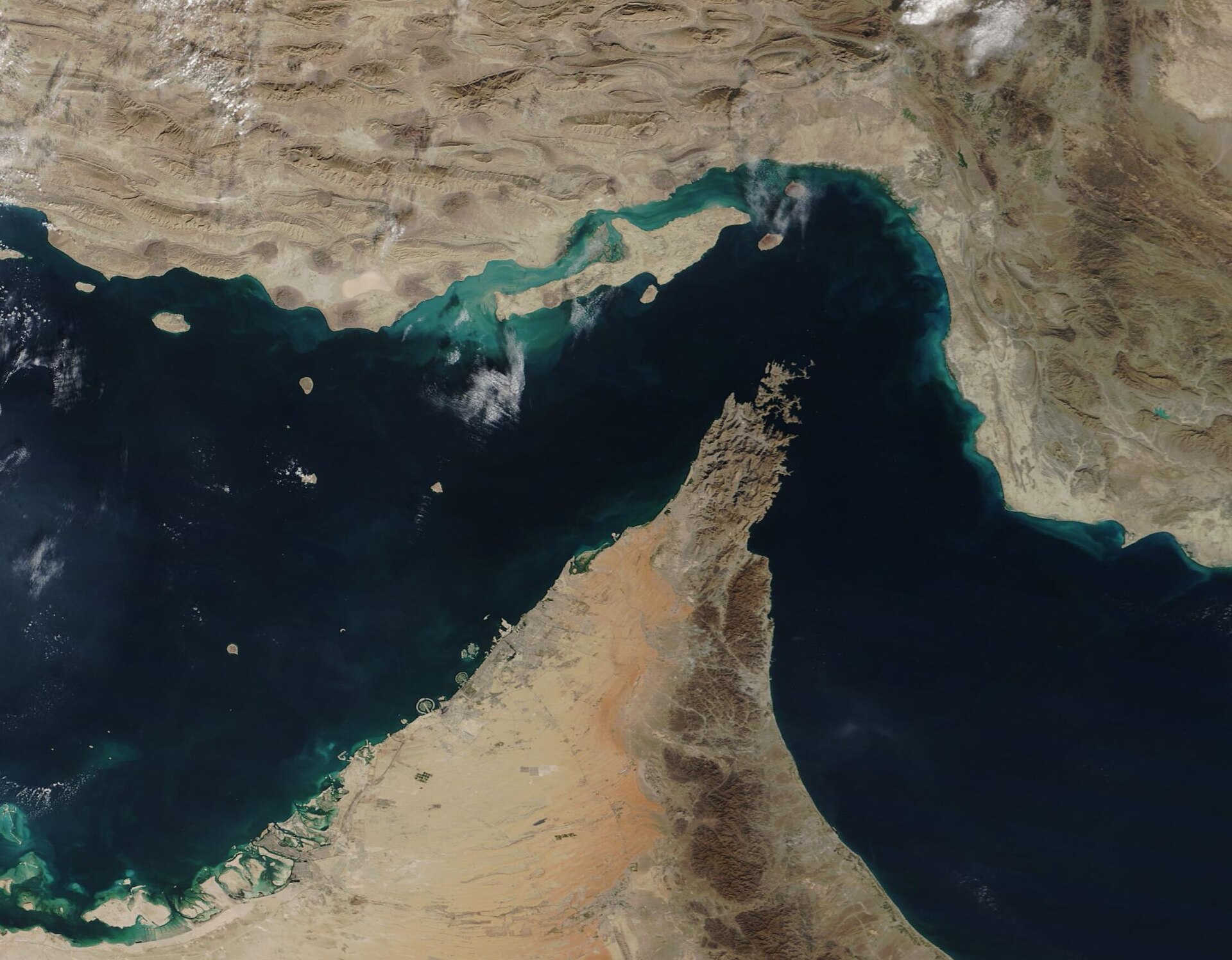
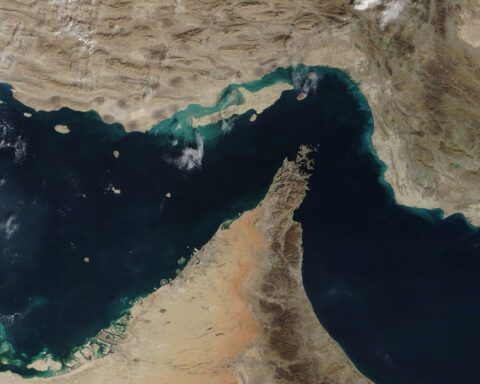
The same day, the IRGC Aerospace Force said it was prepared to act “without limits” after what it described as a strike on a telecommunications tower in Sirik, on Iran’s Hormuz coast, according to Türkiye Today. The Guards also claimed to have destroyed a US early-warning radar in Bahrain — a claim the US military denied, saying it had shot down two Iranian drones headed for the island, according to Al-Monitor. The IRGC extended its threat to commercial shipping, warning that companies “deceived by the enemy” would face “more serious punishments.”
By November 14, the IRGC Navy claimed two oil tankers exploded and caught fire after hitting naval mines while crossing the strait on what it called an “unauthorized route,” according to Xinhua, citing a statement on Sepah News, the Guards’ official outlet. The IRGC said one was a supertanker and both vessels had disabled their radar and navigation systems. In Yemen, the Houthi-run Health Ministry reported 12 civilians killed and 14 wounded in what it described as a Saudi airstrike on a market in Taiz province, according to Tasnim News — a claim the Saudi-backed government in Taiz denied, blaming Houthi fire, per the Times of Israel.
What Does the Alert Tell Americans to Do?
The November 13 notice is classified as a “Security Alert” — a tier below the emergency shelter-in-place order issued in March after drones struck the US Embassy compound in Riyadh, according to Fox News, and below a formal upgrade to the State Department’s travel advisory. Saudi Arabia remains at Level 3, “Reconsider Travel,” with the Yemen border region separately at Level 4, “Do Not Travel”, and neither designation changed with this alert, according to travel.state.gov.
The guidance, as described by the Daily Yemen and consistent with earlier alerts reported by Gulf News: Americans should remain vigilant because hostilities could spread rapidly; exercise extreme caution if using Saudi airports; check flight status directly with their airline; and monitor Saudi Civil Defense cellular alerts. The embassy also warned Americans to stay away from gatherings and sites linked to Western interests, according to the Daily Yemen.
US government employees face tighter constraints. They require Chief of Mission authorization to use any Saudi airport, may not travel within 20 miles of the Yemen border, and need special approval for Jizan, Asir, Najran, Qatif, Yanbu, and Taif — restrictions first established in the October 12 update, according to Gulf News. Non-emergency personnel and their families were ordered to depart the kingdom effective October 23, a measure that remains in force, according to Al Jazeera. “The safety and security of Department personnel and their families remain our highest priority,” State Department spokesperson Tommy Pigott said at the time, per Newsweek.
The alert also referenced a Saudi Ministry of Interior warning against photographing or sharing information about missile and drone interceptions and impact sites, and the embassy noted that American citizens have been detained for doing so, per Gulf News. In a war where the instinct of anyone who hears an interception overhead is to reach for a phone camera, that line may prove the most immediately practical guidance in the document for the ordinary expatriate.
How Has Washington’s Warning Posture Changed Since September?
The November 13 alert is the latest in a sequence that has tightened at nearly weekly intervals since the Houthis first struck Riyadh. Each step has responded to an operational escalation the previous warning had not anticipated, as the embassy’s own chronology of public alerts makes plain.
| Date | Action |
|---|---|
| Sept 20–21 | First broad security alerts on Houthi attacks on Saudi airports (EuroNews) |
| Oct 7 | 20-mile Yemen border ban for staff; Chief of Mission airport approval required (Gulf News) |
| Oct 10 | KKIA strike: 14 killed (12 at time of attack; toll updated per The New Indian Express), 309 wounded — deadliest single Houthi attack in Saudi Arabia since September (Al Jazeera; BBC: 308 injured) |
| Oct 12 | Restricted cities added: Jizan, Asir, Najran, Qatif, Yanbu, Taif (Gulf News) |
| Oct 23 | Non-emergency staff and families ordered to depart (Al Jazeera) |
| Nov 2–3 | Renewed warnings on attacks against airports and infrastructure (Middle East Eye) |
| Nov 7 | Warning added: Iran and aligned groups may target US businesses (sa.usembassy.gov) |
| Nov 13 | Nationwide alert citing increased Houthi threat (Anadolu Agency) |
The October border and airport restrictions followed the first Houthi strikes on Riyadh; the departure order followed the KKIA attack; the November 7 addition of Iran-linked warnings followed the IRGC’s escalating rhetoric over Hormuz; and the November 13 alert followed a day in which Saree claimed his forces had struck the same airport where the deadliest attack of the campaign had landed. The formal travel advisory level has not changed through any of these alerts, but the embassy’s weekly warnings have layered operational specificity — where not to go, which airports to treat with caution, what Iranian-aligned groups may target — on top of a Level 3 designation that was not designed for an active missile campaign.
Washington’s Intelligence Picture
The embassy does not publish the intelligence behind its alerts, but the widening scope of its warnings — from airports to oil infrastructure to Western-associated sites to Iranian targeting of American institutions — tracks an assessment that has darkened at every step. Pigott, announcing the October departure order, said “Iranian-supported Houthis have increasingly engaged in hostilities against Saudi Arabia,” per Newsweek, language that has only become more warranted in the weeks since he used it.
Neil Quilliam of Chatham House called the Houthi offensive “a glaring intelligence failure” for the Saudis — “They just weren’t picking up the signal. They just weren’t seeing the signs,” he told Reuters in September, as reported by GVWire. Farea Al-Muslimi, a Yemeni political analyst, described Washington’s refusal to defend Saudi territory directly as “the biggest dismissing of the Saudi-American arrangement” in decades, per Reuters. A mission that watched its host government miss the opening of a campaign has every institutional reason to err on the side of warning early and often, and the cadence of alerts since September looks very much like an embassy determined not to be the institution caught out next.
The November 7 alert’s addition of a warning about Iran and Iran-aligned groups targeting US businesses marked a shift from earlier advisories focused narrowly on Houthi attacks. The IRGC’s claimed drone operations against US forces in Bahrain on November 13 — denied by the US military but reported by Al-Monitor and other outlets — and the GCC’s recent submission to the UN Security Council detailing the scale of Iranian attacks on Gulf states both reflect a threat environment that has expanded well beyond what Houthi militants in northern Yemen can generate on their own.
The Arsenal Reaching Riyadh
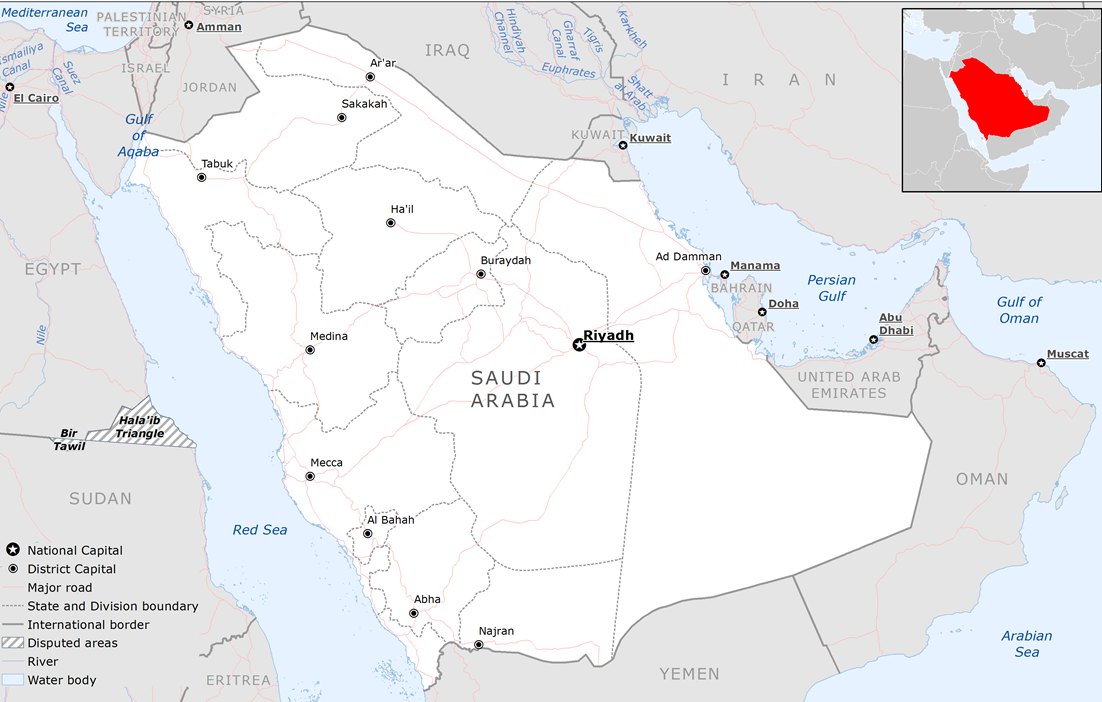
The Houthis’ ability to strike Riyadh repeatedly — more than 1,000 kilometres from the Yemen border — is the operational reality that makes every embassy alert more than bureaucratic caution. The group’s Toufan missile, derived from Iran’s Ghadr series, carries an estimated range of 1,350 to 1,950 kilometres, placing the Saudi capital, its airports, and the East-West pipeline well within reach from launch sites in northern Yemen, according to Al Jazeera. The arsenal also includes the Palestine-2 and shorter-range Burkan and Badr missiles, per the same outlet.
Nawaf Obaid, a senior fellow at King’s College London’s War Studies department, told Al Jazeera in October that Saudi air defences intercept the great majority of incoming Houthi projectiles, but that perfection is unachievable at the tempo the Houthis are sustaining. For an American family deciding whether to fly from Riyadh, the reassurance that most missiles are intercepted matters less than the admission that some get through.
“One will always come through.”
— Nawaf Obaid, King’s College London, to Al Jazeera
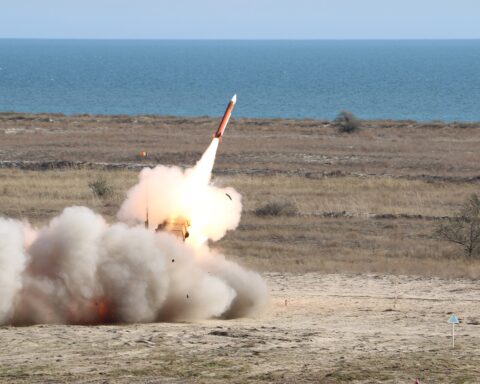
Obaid assessed that the Houthi arsenal shows “little evidence of significant indigenous technological innovation” and is mostly derived from Iranian weapons, with dozens of attempts thwarted per successful penetration. Wolfgang Pusztai, a security and defence analyst, told the same outlet that Saudi Arabia is likely redirecting Patriot and THAAD missile defence batteries toward Yemen as attacks intensify, though he assessed the Houthis likely retain only a limited stock of short-range ballistic missiles, making sustained saturation attacks less probable.
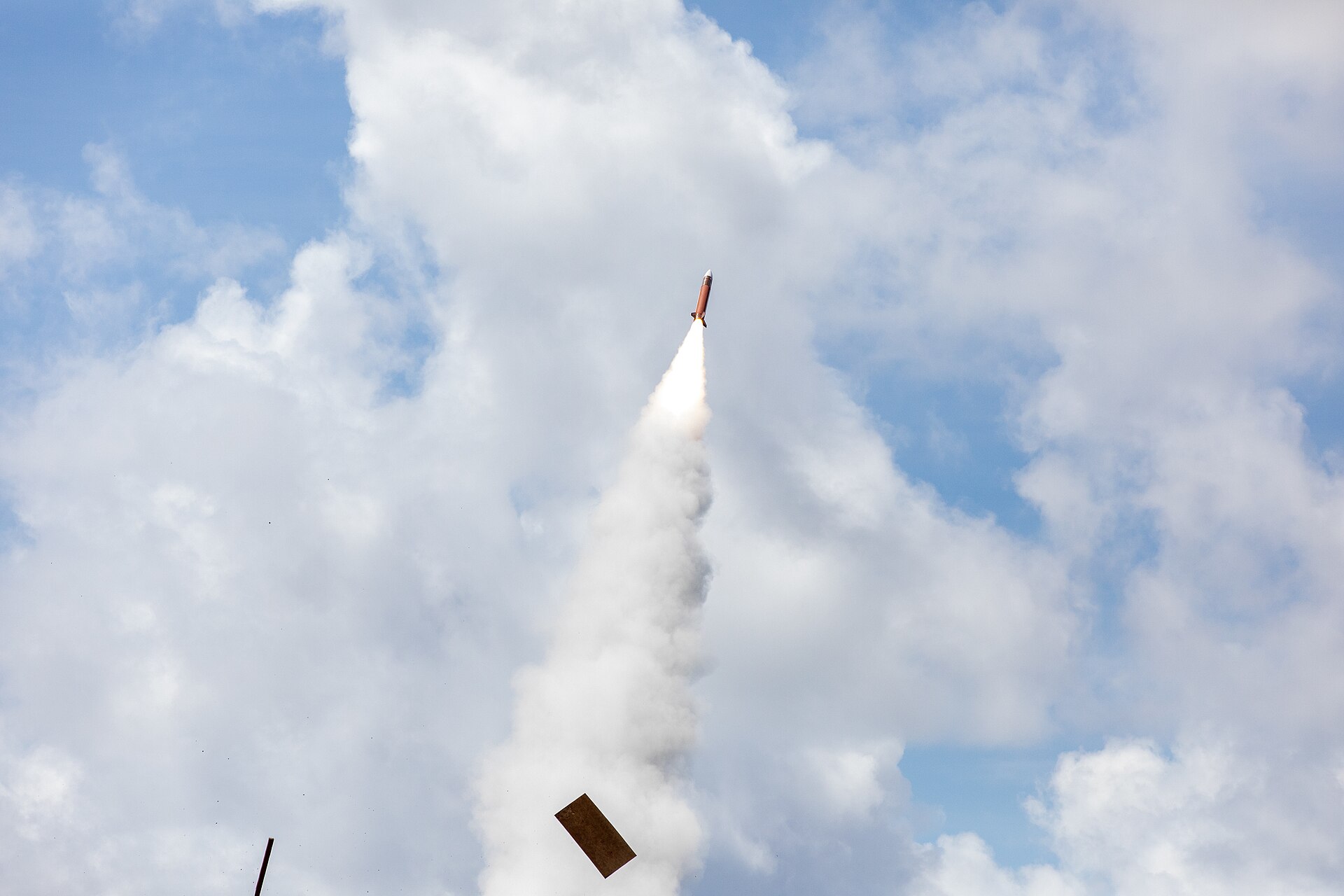
The group holds approximately 100,000 fighters, per a diplomatic estimate cited by Reuters in September, and has seized US- and Saudi-supplied weapons during Yemen government retreats in the current campaign. On November 8, Saree warned that operations would continue “until the alleged aggression stops and the blockade on Yemen is lifted,” according to Siasat, citing Devdiscourse — a posture the embassy’s weekly warnings, issued at roughly the same intervals since September, have done nothing to alter.
Background
The Houthi campaign against Saudi Arabia escalated sharply in September 2026 after the Saudi-led coalition intensified airstrikes on Houthi-held territory in Yemen. The conflict dates to September 2014, when the Houthis seized Sanaa and much of northern Yemen, prompting a Saudi-led military intervention in March 2015. Yemen’s government launched a ground offensive on October 4, with the coalition reporting 100 jets in “Operation Dawn of Yemen,” per the Oman Observer.
Since September, the Houthis have claimed missile and drone attacks on Saudi airports, oil infrastructure, and military installations across the kingdom, while the coalition has responded with strikes on Houthi positions in Sanaa, Taiz, and along the Bab al-Mandeb Strait. The airport the embassy is now warning Americans about is the same one where the deadliest Houthi strike of the campaign landed on October 10 — and the same one Saree claimed to have hit again on the day the alert was issued.
Frequently Asked Questions
How many Americans are in Saudi Arabia?
An estimated 70,000 to 80,000 American citizens live in Saudi Arabia, according to a 2025 BrightTax commercial estimate — not an official State Department figure. The US military presence is separately estimated at approximately 200 personnel, per an unnamed US official speaking to CNN, with Al-Monitor putting the figure at “at least 160.” Those military personnel provide intelligence support rather than direct air defence.
Is the King Fahd Causeway to Bahrain still open?
The November 13 alert focused on the threat to airports and attack areas; it did not restrict land border crossings. Americans should consult the US Embassy website (sa.usembassy.gov) for current operational guidance on specific routes.
How does this alert compare to the March shelter-in-place order?
The March 2026 order was categorically more severe: it instructed all Americans in Riyadh, Jeddah, and Dhahran to stay indoors and avoid the US Embassy grounds after drones struck the compound itself, according to Fox News. The November 13 alert is a lower-tier “Security Alert” that urges caution and vigilance but does not tell Americans to shelter in place or avoid the embassy.
Have the Houthis responded to the embassy warning?
No direct Houthi response to the November 13 alert was found in available reporting. On November 8, Saree warned that operations would continue “until the alleged aggression stops and the blockade on Yemen is lifted,” per Siasat, citing Devdiscourse. The Houthis have consistently framed their strikes as retaliation for the Saudi-led military campaign and what they describe as a blockade on Yemen.
The House of Saud Daily Briefing
Saudi Arabia's news in 3 minutes, every morning. Free. See today's issue