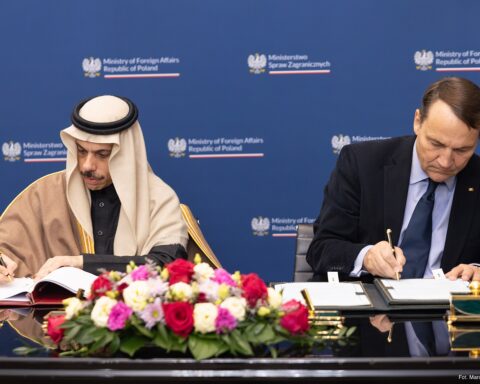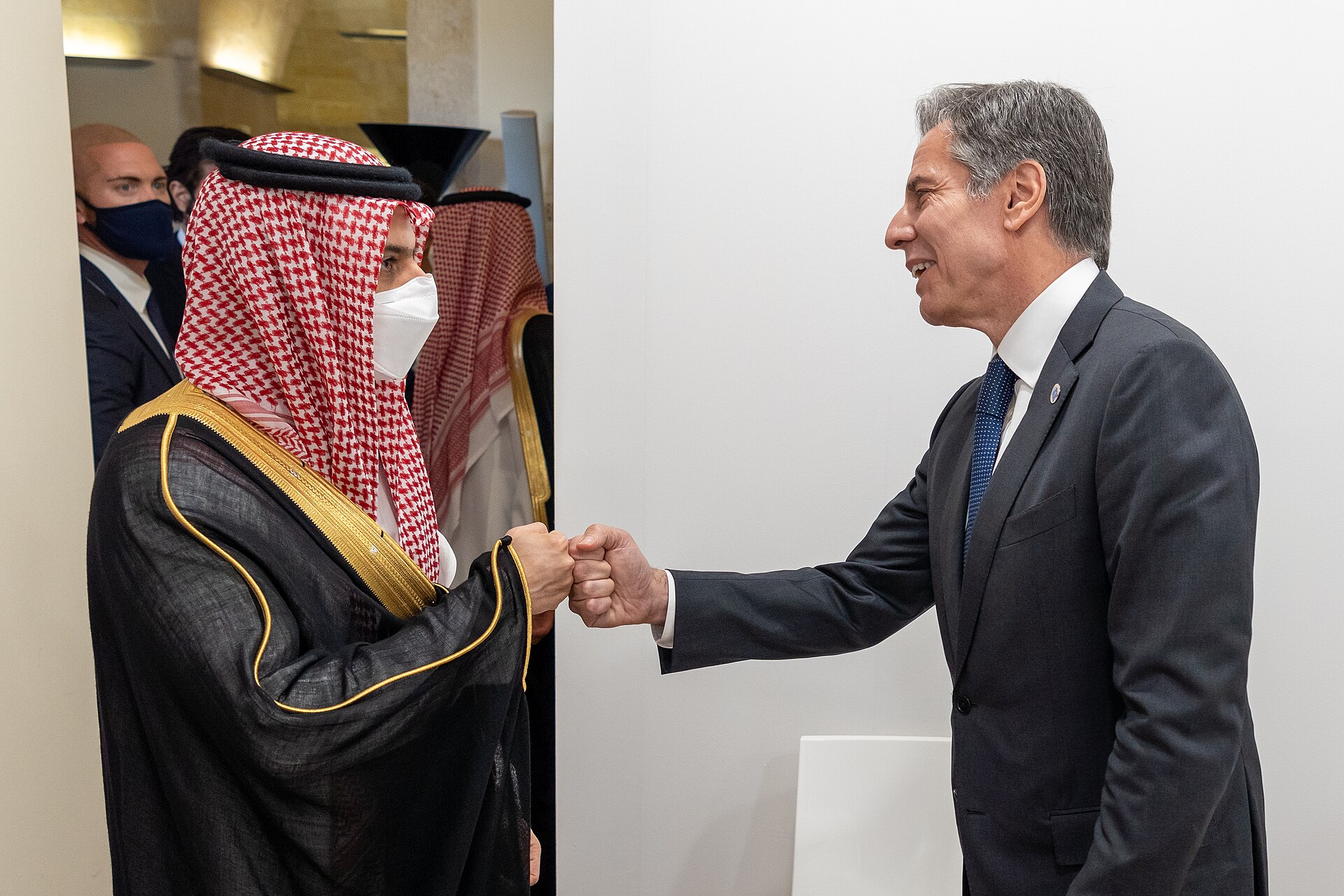

RIYADH — China’s special envoy on the Middle East, Zhai Jun, sat down with Saudi Foreign Minister Prince Faisal bin Farhan in Riyadh on Thursday, November 12, and the two governments came away describing what sounded like two different conversations. The Saudi account named “the terrorist Houthi militia” and its attacks on civilians inside the kingdom, while Beijing’s account, carried by CGTN, called for “dialogue and de-escalation” in Yemen and the Red Sea without mentioning the Houthis at all.
On the same day and in the same city, Yemen’s Presidential Leadership Council chairman, Rashad al-Alimi, asked Zhai for something China has never publicly offered, which was expanded support for Yemen’s state institutions, “the armed forces, and security agencies”, according to Yemen’s official Saba news agency as reported by Yemen Monitor. Zhai reached Riyadh after stops in Tehran and Muscat, ten days after Wang Yi received Saudi Arabia’s national security adviser and a senior Iranian security official in Beijing on the same day, which leaves China trying to be the friend of both sides in a war it would rather not name.
The House of Saud Daily Briefing
Saudi Arabia's news in 3 minutes, every morning. Free. See today's issue
Table of Contents
- What Did Saudi Arabia and China Each Say After the Riyadh Meeting?
- Yemen’s Leader Asks Beijing to Back His Armed Forces
- Why Is China Talking to Saudi Arabia and Iran at the Same Time?
- The Private Message to Tehran and the Oil Behind It
- Can China Restrain the Houthis?
- Background: Zhai Jun and China’s Gulf Record
- Frequently Asked Questions
What Did Saudi Arabia and China Each Say After the Riyadh Meeting?
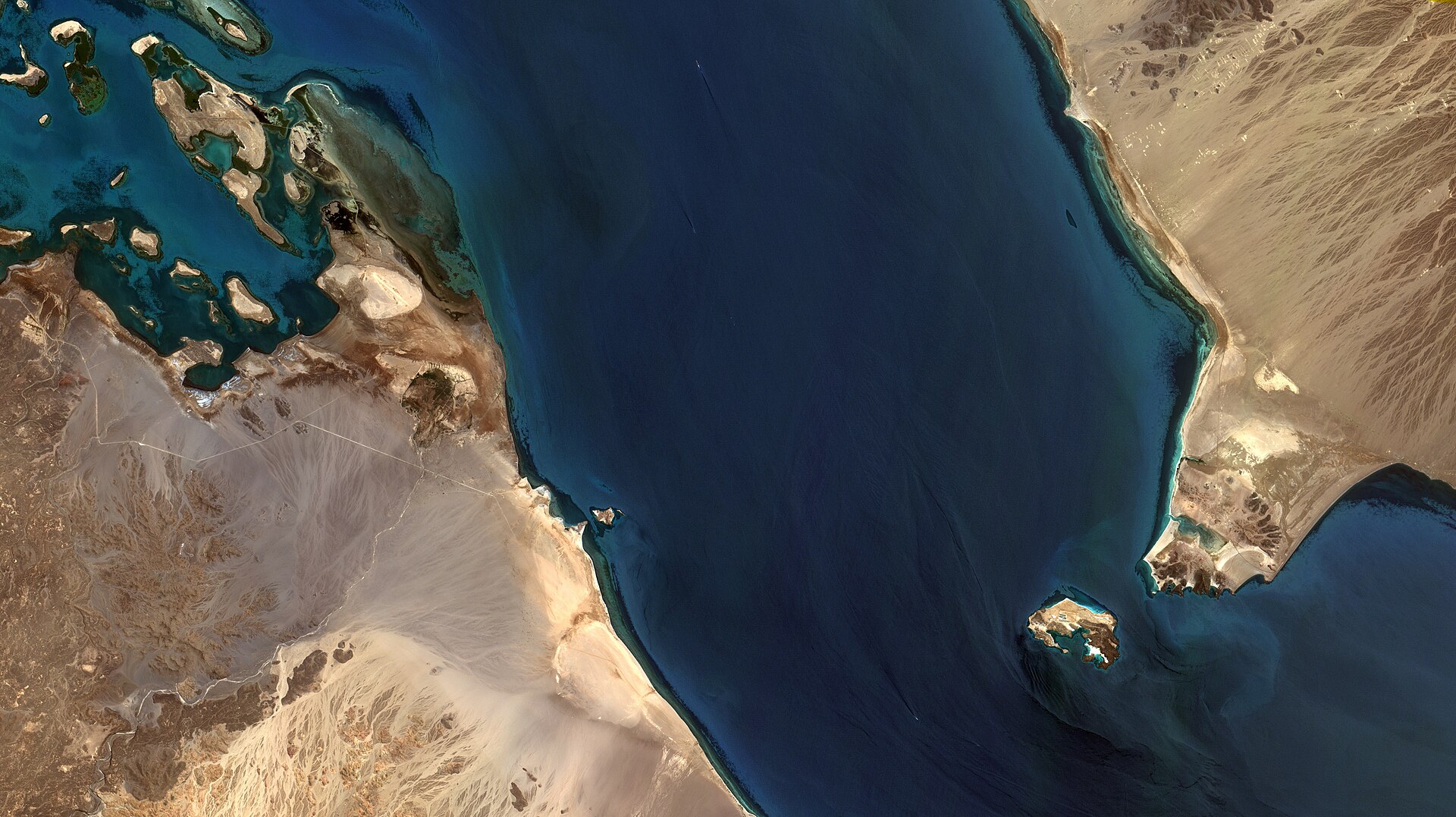
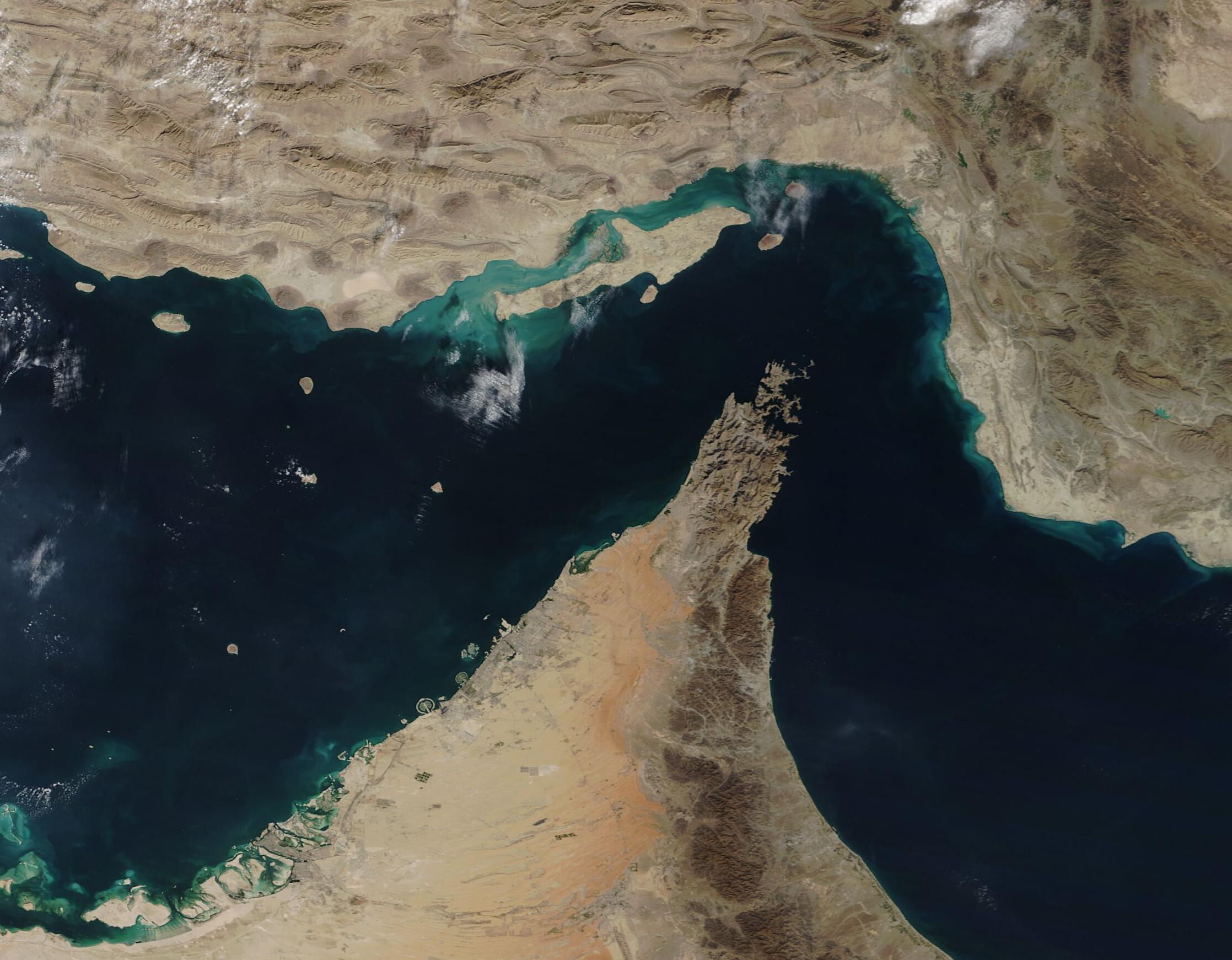
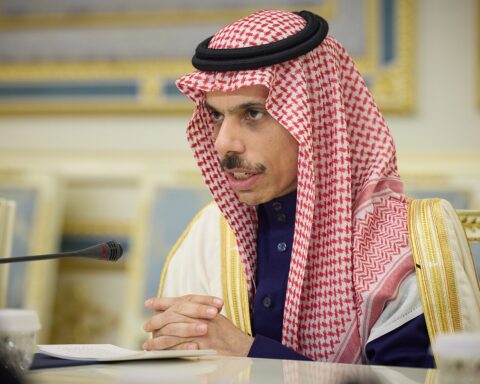
Saudi Arabia said the meeting covered “the ongoing attacks by the terrorist Houthi militia against civilian objects and civilians within the Kingdom”, freedom of navigation “particularly in the Straits of Hormuz and Bab al-Mandeb”, and “strengthening energy security and market stability”, according to the Saudi account as reported by Bangladesh Post on November 13. China’s version, published by CGTN the same day, said Zhai urged relevant parties to avoid escalation and settle disputes through negotiation, and it never used the word Houthi.
The gap is not an accident of drafting, because both foreign ministries write these readouts with care and both knew the other would publish. Riyadh wanted on the record that a permanent member of the UN Security Council had sat and listened to a list of Houthi attacks on Saudi civilians, and Beijing wanted on the record that it had taken no side. The Saudi Press Agency headlined its item “Foreign Minister Receives Chinese Special Envoy on Middle East Issue”, a formula that gives nothing away, and left the substance to the body text.
CGTN quoted Zhai directly, and his language was general enough to be read in Sanaa as easily as in Riyadh. He said “conflicts should not escalate and hostilities should not spread”, and that “confrontation only deepens divisions, while dialogue remains the right path forward.” He urged the parties “to avoid actions that could further escalate regional tensions” and to “resolve differences and disputes through dialogue and negotiations”, and said China would work to “promote the early restoration of peace and stability in the Gulf region.”
“Confrontation only deepens divisions, while dialogue remains the right path forward.” Zhai Jun, China’s special envoy on the Middle East, in Riyadh, via CGTN
Prince Faisal’s quoted line, in the Chinese account, was warmer than anything in the Saudi one. CGTN reported him saying Saudi Arabia attaches great importance to its friendly relations with China and that the kingdom was ready to use the 10th anniversary of the establishment of the Saudi-China comprehensive strategic partnership to push ties forward. The Saudi readout led with the Houthis, and the Chinese one led with the friendship, so each government chose the half of the conversation its own audience needed to hear.
Yemen’s Leader Asks Beijing to Back His Armed Forces
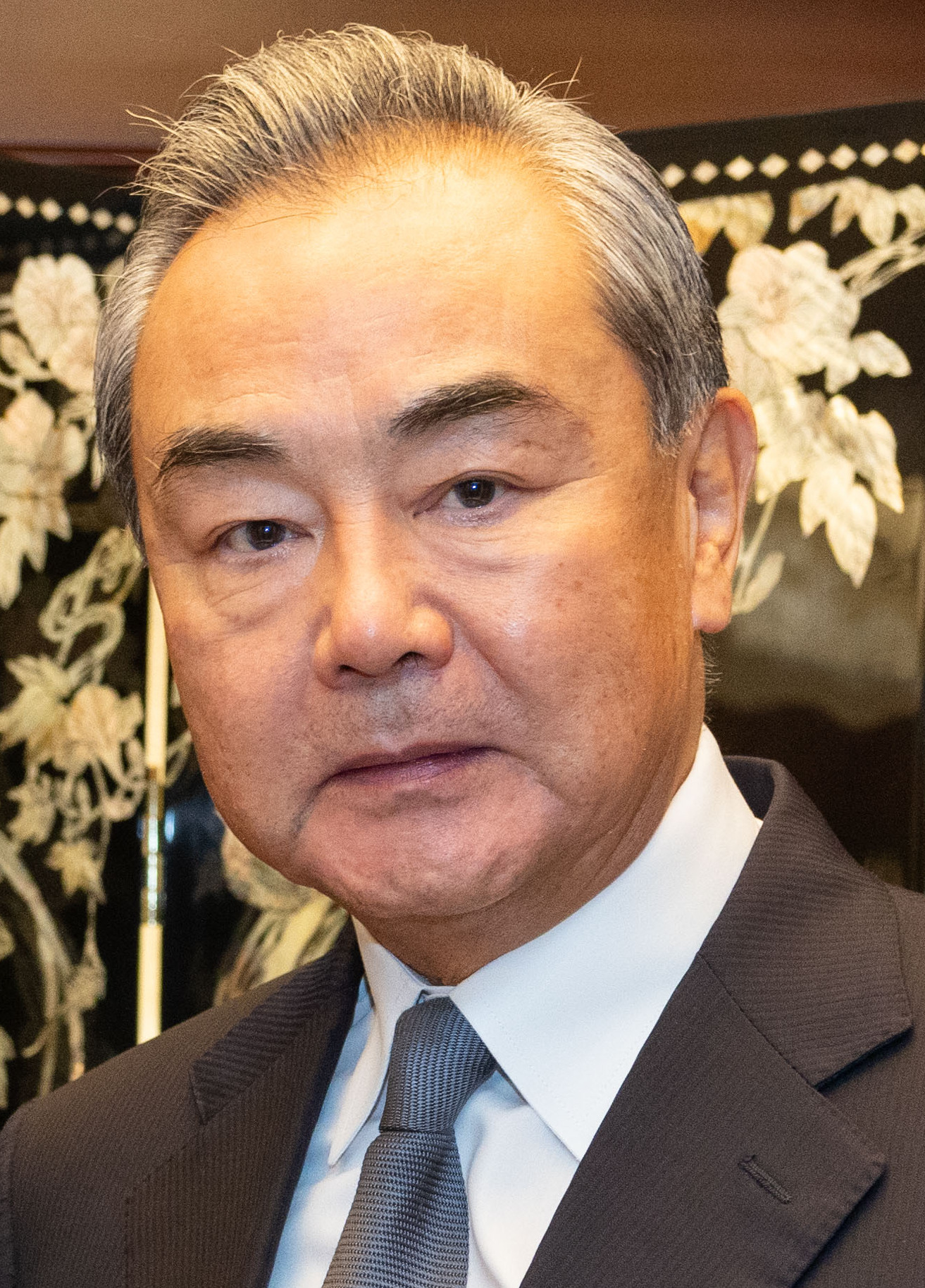
Rashad al-Alimi, chairman of Yemen’s Presidential Leadership Council, met Zhai in Riyadh on the same Thursday. According to Saba, as reported by Yemen Monitor, he called on China to “expand its role in supporting Yemeni state institutions”, including “the armed forces, and security agencies”, and to back efforts to protect civilians and secure maritime routes. He also said the Houthis, “with Iranian support, had exploited those efforts”, meaning earlier peace initiatives, “to strengthen its military capabilities.”
That is a direct request for security assistance put to a government whose whole public posture on Yemen rests on not taking sides between the parties. Al-Alimi was asking Beijing to help strengthen one side’s army in a civil war, and he was doing it in the Saudi capital. Analyst Jesse Marks, summarising the meeting on November 14, wrote that al-Alimi argued that leaving the Houthis with weapons outside state control would leave the core dispute unresolved.
Zhai’s reply, as Saba reported it, did not take up the request. He said China would continue to support the Presidential Leadership Council and the Yemeni government in restoring security and stability. He reiterated Beijing’s support for Yemen’s unity, sovereignty and territorial integrity, and pointed to “the continuation of Chinese humanitarian assistance” and development projects. Neither the Saba account nor CGTN’s report of the Riyadh visit mentioned any Chinese military or security assistance to Yemen’s government forces.
The distance between what al-Alimi asked for and what Zhai offered is the most useful measure of where China stands. Beijing will recognise the government in Aden, fund its clinics and roads and endorse its sovereignty, but supplying its army would make China a party to the war, and nothing in Zhai’s tour suggests Beijing wants that. The request went on the record anyway, and that is where the PLC wanted it, because it forces China either to answer or to be seen not answering.
The council has its own reasons for urgency, because the Red Sea coast is contested ground, as the latest moves around Dhubab near the Bab el-Mandeb show. The Houthis, meanwhile, have carried their war deep into Saudi territory, and the BBC reported on October 11 that Houthi strikes on Saudi airports had killed 20 people between October 6 and 11.
Why Is China Talking to Saudi Arabia and Iran at the Same Time?
China is talking to both because it buys oil from both, needs Gulf shipping lanes open, and has spent years presenting itself as the one great power that both Riyadh and Tehran will still receive. Zhai’s November tour, and the Beijing meetings that preceded it, put that claim to work with Saudi and Iranian officials kept in separate rooms.
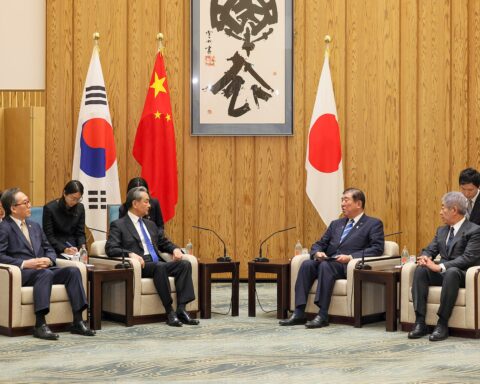
The sequence began in Beijing on November 2, when Wang Yi met separately with Ali Bagheri Kani, deputy secretary of Iran’s Supreme National Security Council, and Musaed bin Mohammed Al-Aiban, Saudi Arabia’s national security adviser, according to Al-Monitor. The outlet said it was “not immediately clear” whether the Iranian and Saudi officials had any contact with each other during their visits. On the same day, foreign ministry spokesperson Mao Ning announced that China’s Middle East envoy would visit Iran, Oman and Saudi Arabia “in early to mid-November” to “promote peace talks, ease tensions”, CGTN reported.
Zhai went to Tehran first, arriving on November 8, where he met Bagheri Kani, Deputy Foreign Minister for Political Affairs Majid Takht-Ravanchi and Mohammad Alibek, an aide to the foreign minister, according to Al-Monitor. Iran’s Tasnim news agency reported that Alibek, the Foreign Ministry’s director general for Persian Gulf affairs, discussed with Zhai “the Yemen crisis”, with an emphasis on “a political solution”, and exchanged views on “the future security architecture of the region.” In Oman he met Foreign Minister Sayyid Badr bin Hamad Al Busaidi and called for “joint efforts with Oman and other parties” to restore peace in the Gulf, CGTN reported via Al-Monitor.
The Tehran readout and the Riyadh readout make an awkward pair. In Tehran, Yemen was a “crisis” needing a “political solution”, the kind of phrasing Iran uses when it wants the Saudi air campaign to stop, and in Riyadh the Saudis described a “terrorist Houthi militia” attacking civilians. Zhai heard both and published a statement that would offend neither, which is the service Beijing is offering, though it is not the service either side asked for.
Iran’s own messaging about Beijing has been more ambitious. Parliament Speaker Mohammad Bagher Ghalibaf, who also serves as Iran’s special representative for China affairs, wrote that “China will play a role in ending the current ‘neither war nor peace’ status between Iran and the US”, according to Al-Monitor. Saudi Arabia, for its part, has been making its case in other capitals too, with Prince Faisal’s push in Brussels for European naval help following within days of the Zhai meeting.
The Private Message to Tehran and the Oil Behind It
China’s public neutrality has not always matched what it says in private, at least according to Reuters. In an exclusive on September 17, Reuters correspondent Parisa Hafezi reported, citing three Iranian sources, that China had privately pressed Iran to help rein in the Houthis. The approach followed a Saudi appeal to Beijing, which came after Houthi advances along the Red Sea coast and around the Bab el-Mandeb. The sources said the private message went further than Beijing’s public calls for restraint, and that Tehran’s reply was that regional peace depended on ending the US-Israeli war on Iran.
Beijing did not deny it outright. China’s foreign ministry told Reuters that “China does not wish to see regional tensions further spill over into Yemen and the Red Sea”, while Iran’s foreign ministry and the Saudi government media office did not immediately respond. An unnamed senior Western diplomat quoted in the same report said “Beijing is one of the few capitals that can still press Iran to rein in the Houthis.”
The commercial pressure behind that appeal is easy to read in the shipping and oil numbers. Freight for a supertanker on the Gulf-to-China route reached about $1.2 million a day in early October, against roughly $80,000 a year earlier, bdnews24 reported on October 5, citing LSEG data. China’s imports of Saudi crude fell to 3.2 million tons in August, about 740,000 barrels per day and 47 percent below a year earlier, according to a Reuters report carried by the New Straits Times on September 20.
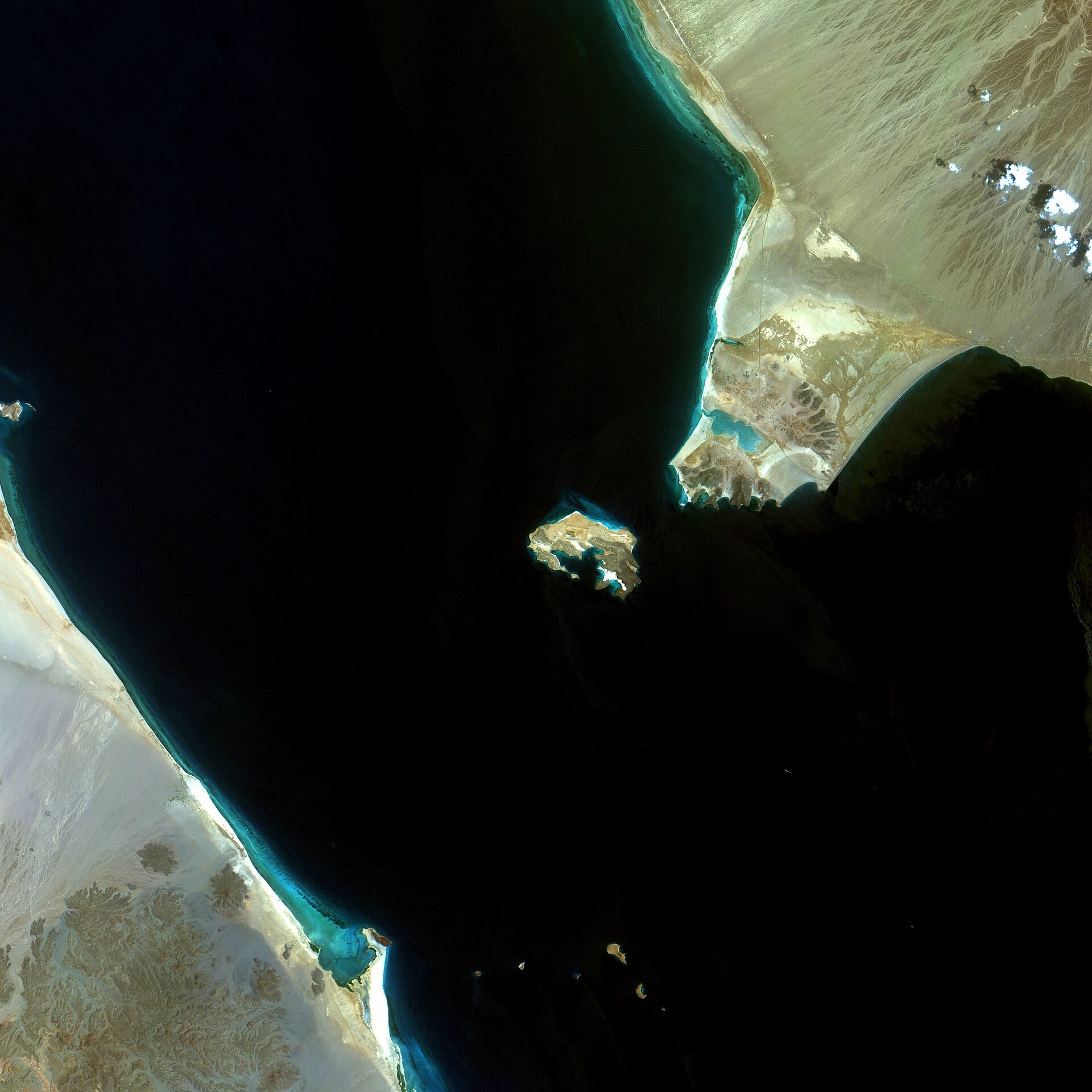
Both of the strait names in the Saudi readout matter to Chinese refiners, which is why Riyadh put them there. Before the war, 130 to 140 ships a day crossed the Strait of Hormuz, Reuters has reported, and with Hormuz contested, Saudi exports leaned on the Red Sea route that runs out through the Bab al-Mandab, the same water the Houthis threaten. Xi Jinping himself told Crown Prince Mohammed bin Salman by phone on April 20 that “the Strait of Hormuz should remain open to normal passage”, Al-Monitor reported, which is about as close as Beijing comes to taking a public position on Gulf shipping.
Saudi Arabia has kept courting Beijing through the war. Prince Faisal visited Beijing on June 30 and July 1 at Wang Yi’s invitation and met Vice President Han Zheng, The National reported, and the crown prince’s channel to Xi has stayed open as the envoy traffic has picked up. What that courtship has bought so far is a set of private assurances that no one will confirm on the record.
Can China Restrain the Houthis?
China has some ability to press Iran, which Saudi Arabia and Yemen’s government accuse of backing the Houthis, but little sign of wanting to use it at a cost to itself, according to the analysts and documents available so far. Its tools are oil purchases, diplomatic cover at the UN and the export controls it applies, or fails to apply, to its own companies.
Henry Tugendhat, a senior fellow at the Washington Institute for Near East Policy, told Al-Monitor that Beijing’s interests cut against the mediator role. “China is facilitating the Houthis because it wants carve-outs for its own shipping interests,” he said, adding that “it is backstopping the entire Iranian economy with its purchases of Iranian oil” and “of course, its exports of dual-use technologies.” On whether China would change course, his answer turned on a price Washington is unlikely to pay.
“Unless something really big was put on the table, say some major [US] concession on Taiwan, for example, I don’t think China has much incentive to change its approach towards Iran.” Henry Tugendhat, Washington Institute for Near East Policy, to Al-Monitor
Tugendhat did allow that “it is conceivable that China could play a role as something of a guarantor to any agreement” reached between Iran and Saudi Arabia or the Gulf states, Al-Monitor reported. A guarantor, in that sense, would vouch for a deal other people negotiate, which is a long way from the security role al-Alimi asked for.
The question of Chinese parts in Houthi weapons hangs over every one of these meetings. Shao Zheng, China’s chargé d’affaires for Yemen, condemned attacks on Saudi airports, rejected allegations that Chinese companies had supplied missile components and said Beijing would investigate any evidence Yemen’s government submitted, according to Marks. Marks also cited a UN Panel of Experts report that Djibouti inspectors in May 2025 found drones, drone kits, GPS modules and surveillance equipment in two China-origin containers bound for Houthi-held Hudaydah.
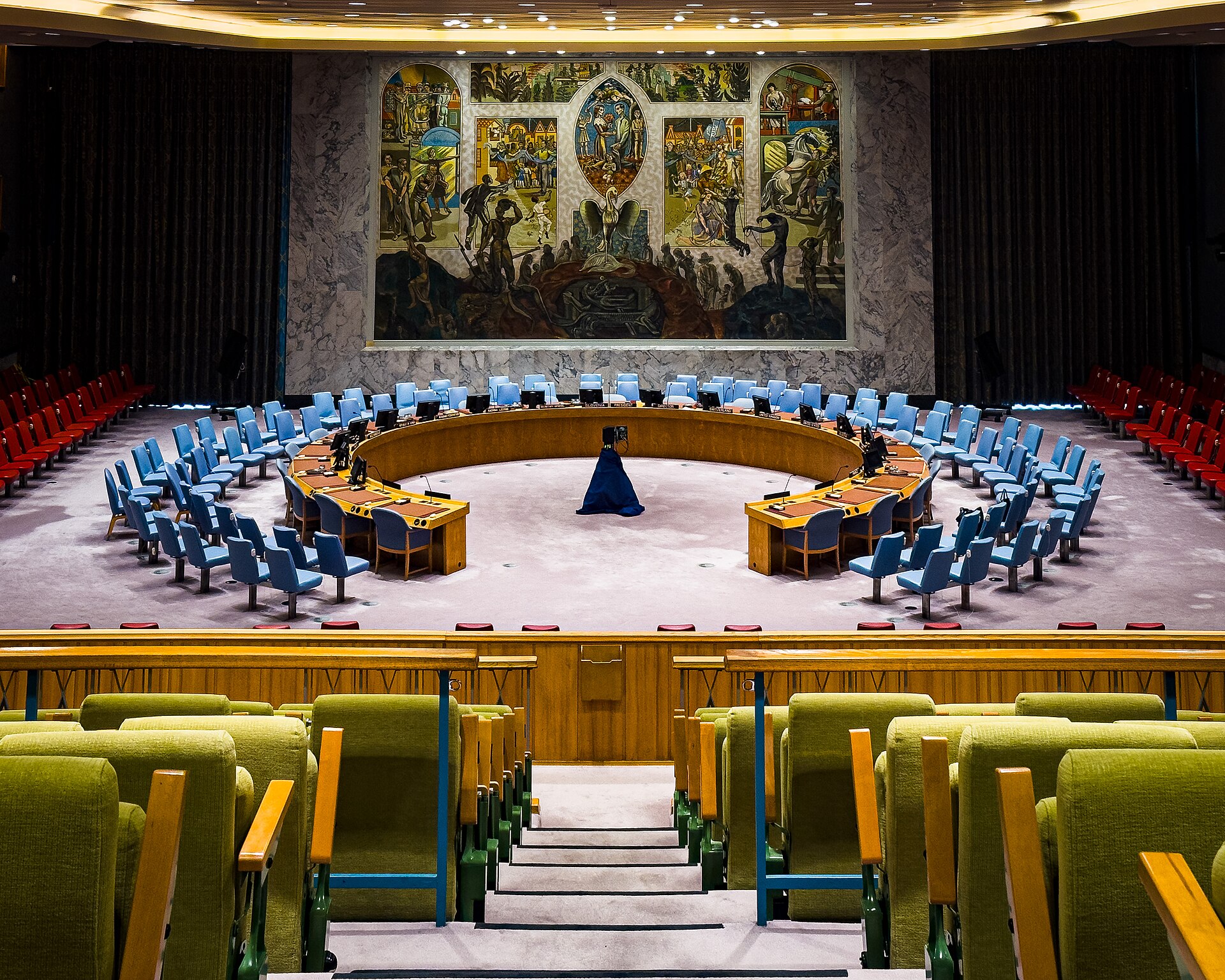
China’s record at the Security Council points both ways. On April 7, China and Russia vetoed a Bahrain-drafted resolution, prepared with GCC states and Jordan, on defending Hormuz shipping, which won 11 votes with 2 against, Dawn reported. Marks wrote that China joined an October 15 Security Council statement condemning Houthi attacks on Saudi Arabia and threats to commercial shipping, and that it voted on November 12 for a resolution renewing Yemen sanctions, reportedly numbered 2837, after challenging an earlier draft’s language on preventing the diversion of listed items; that account is single-sourced and had not been checked against UN records at publication.
None of this has paused the war while the diplomats talk. Within days of Zhai’s visit came the coalition’s latest statement on missiles aimed at Riyadh and the Revolutionary Guards’ claims of drone fire at a US base in Bahrain, the kind of escalation Zhai had just warned against.
Background: Zhai Jun and China’s Gulf Record
Zhai Jun has been China’s special envoy on the Middle East since September 2019, when the foreign ministry spokesperson announced his appointment, Pakistan’s APP news agency reported at the time, and the post has made him Beijing’s standing contact for Gulf capitals that want a Chinese ear without a ministerial visit.
Beijing’s standing as a broker between Riyadh and Tehran has been tested by the war. Saudi Arabia expelled Iran’s military attaché and embassy staff in March 2026, the Qatar Tribune reported, and the two countries’ security chiefs were received separately in Beijing this month rather than together.
Riyadh’s demands of China are now concrete: name the Houthis, help keep two straits open and lean on Tehran. Beijing’s answers, as published, are about dialogue, sovereignty and humanitarian aid, and the only account of Chinese pressure on Iran rests on three anonymous Iranian sources speaking to Reuters.

Frequently Asked Questions
Who is Zhai Jun?
Zhai Jun is the Chinese government’s special envoy on the Middle East issue, a post under the foreign ministry. He served as ambassador to France and Monaco from 2014 to 2019 and succeeded Gong Xiaosheng as envoy in September 2019.
Did China send other envoys in November?
Yes. When it announced Zhai’s tour, China’s foreign ministry said its special representative on African affairs would visit Ethiopia, Djibouti and Egypt, and its special envoy for Horn of Africa affairs would travel to Eritrea in early November, CGTN reported on November 2.
Has Oman’s sultan visited China recently?
Sultan Haitham bin Tariq made a state visit to China on November 1 and 2 and met Xi Jinping on November 2, Al-Monitor reported. The outlet said it was the first visit by an Omani sultan to China since the two countries established diplomatic relations in 1978, days before Zhai stopped in Muscat.
Will Trump and Xi discuss the Gulf?
Trump and Xi were scheduled to meet on the sidelines of the APEC summit in Shenzhen on November 18 and 19, Al-Monitor reported, and Wang Yi told Secretary of State Marco Rubio that Beijing was “willing to strengthen communication and cooperation” with Washington. Neither side had said whether Iran or Yemen would be on the agenda.
When Zhai left Riyadh, Saudi Arabia had a Chinese statement praising dialogue, Yemen’s government had a promise of continued humanitarian aid, and the request for help with Yemen’s armed forces was still unanswered. Tasnim’s report from Tehran, written days before Zhai arrived in the Saudi capital, had already described what Beijing and Iran were discussing as “the future security architecture of the region.”
The House of Saud Daily Briefing
Saudi Arabia's news in 3 minutes, every morning. Free. See today's issue