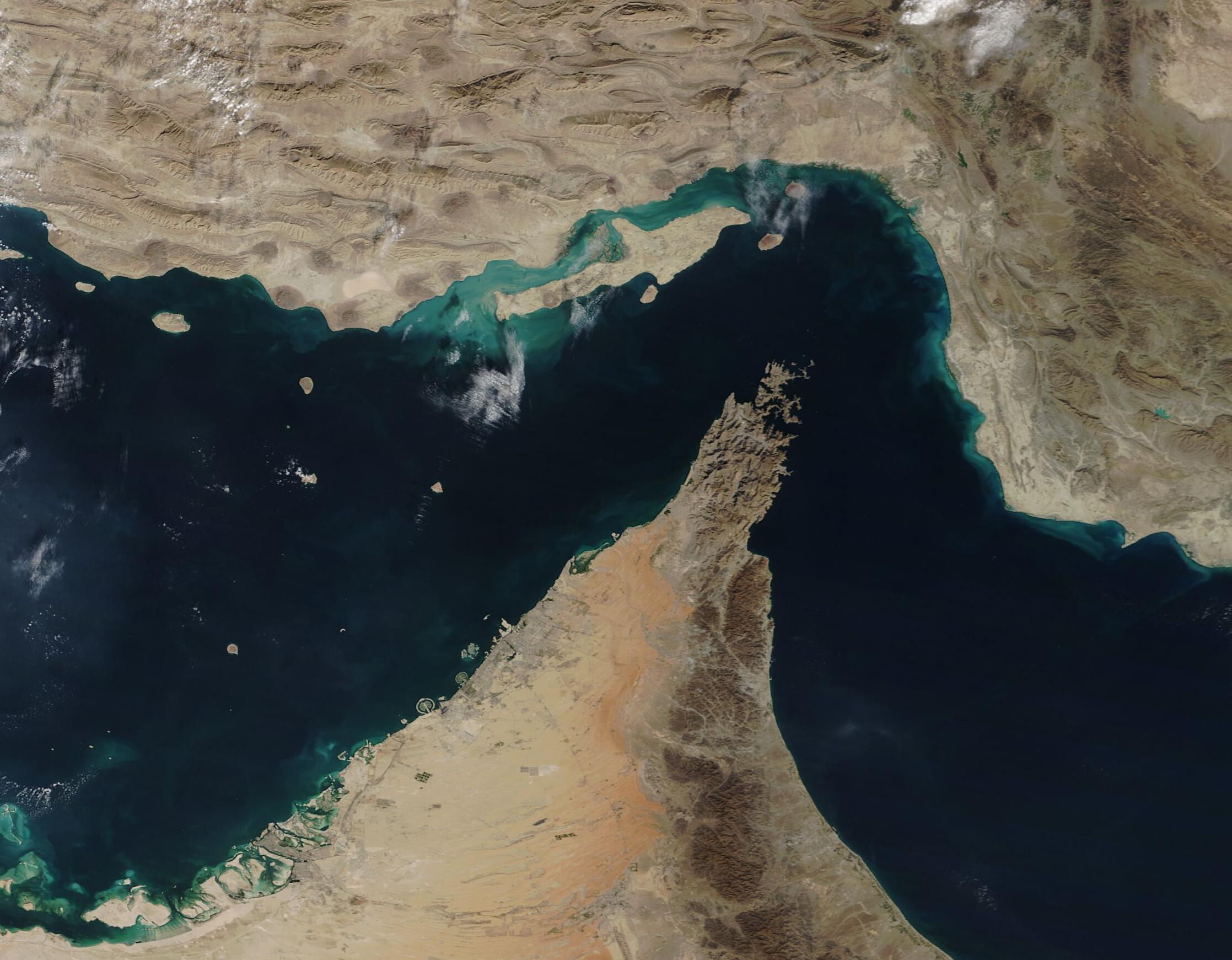

TEHRAN — Iran’s Islamic Revolutionary Guard Corps claimed on November 15, 2026, that an oil supertanker carrying over 2 million barrels of crude sank in the southern Persian Gulf after striking a naval mine on what the IRGC described as an “unauthorised route” through the Strait of Hormuz. A second tanker caught fire after hitting another mine in the same area, the IRGC said, though it did not report that vessel as sunk.
The Strait of Hormuz carries roughly one-fifth of global oil supply under normal conditions, according to Gulf News. The United Kingdom Maritime Trade Operations issued Warning 205-26, separately acknowledging a report from Indian shipping authorities about a tanker attack in the Arabian Gulf, but said it was “unclear” whether it described the same incident. No name, flag, or crew nationality has been published for either vessel, and no independent marine authority has confirmed a sinking.
The House of Saud Daily Briefing
Saudi Arabia's news in 3 minutes, every morning. Free. See today's issue
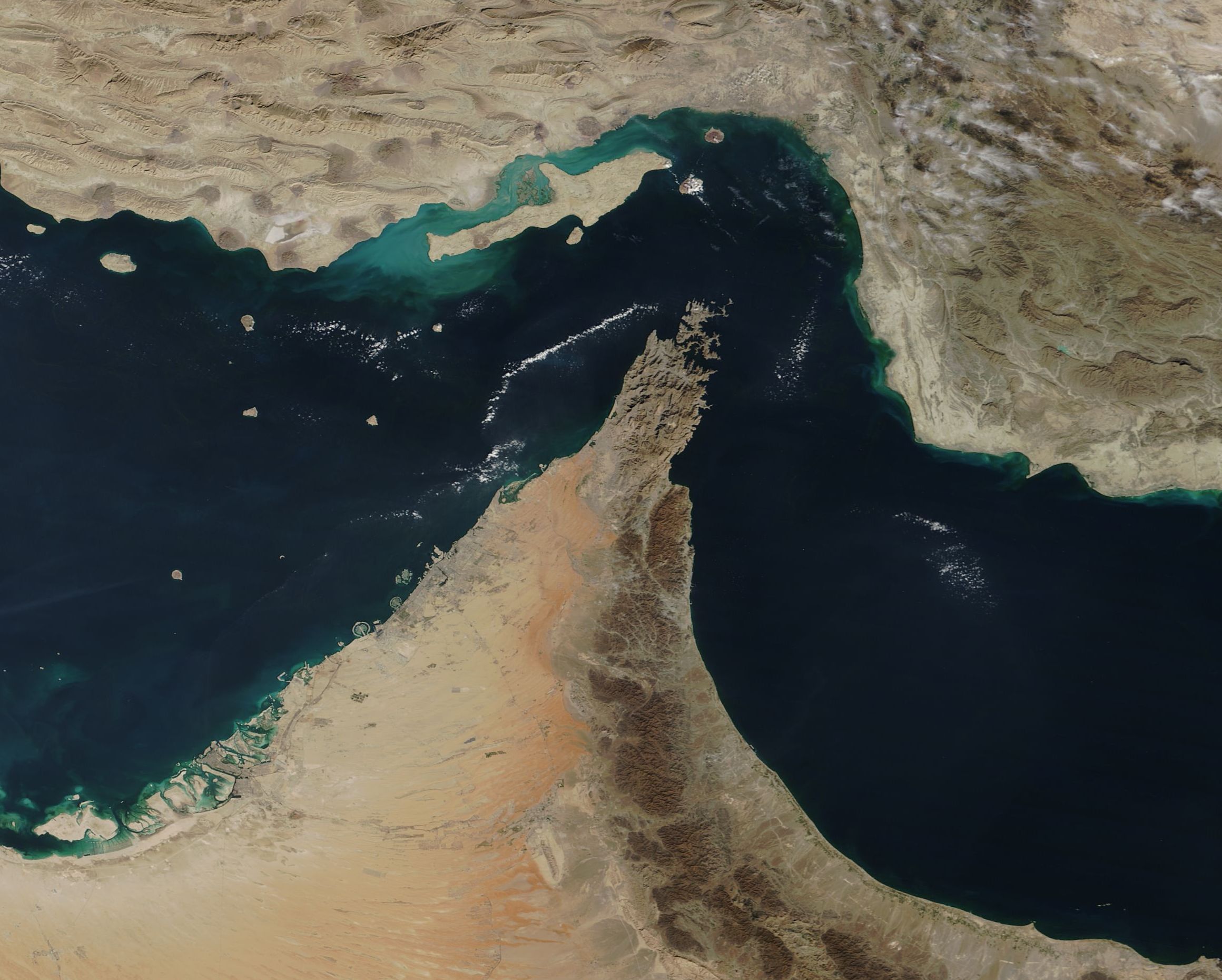
Table of Contents
What Did the IRGC Say About the Sinking?
The IRGC Naval Forces, speaking through Iranian state television and relayed by TASS and TRT World, said that “over the past few hours, two oil tankers travelling along an unauthorised route in the southern part of the Strait of Hormuz struck naval mines, resulting in massive explosions and fire.”
The IRGC added that “one of these vessels, a super tanker carrying over two million barrels of crude oil, sank in the southern waters of the Gulf.” Iran’s ISNA news agency separately reported the same barrel count, according to a Gulf News report citing AFP.
The second tanker was reported as on fire after striking a mine but was not reported as sunk, according to TASS. Neither vessel was named in any Iranian statement reviewed by TASS, TRT World, the New Arab, or Anadolu Agency.
The IRGC warned fishermen to “take safety measures to avoid the sunken vessel” and told “shipowners, companies, and crews not to approach the Strait of Hormuz restricted zone,” according to 1news.az. The language framed the entire waterway as an exclusion zone under IRGC control, consistent with Iran’s October 26 declaration that the strait was closed to unauthorised traffic.
Previous IRGC mine-strike announcements in the days before November 15 described tankers ablaze or damaged. The November 15 statement’s claim of a complete sinking — with a supertanker and its cargo reported on the seabed — represented a significant escalation in the severity of the outcomes Iran described, though no independent party had confirmed any of them.
UKMTO Warning 205-26 and Indian Shipping Report
UKMTO, the UK Royal Navy’s coordination centre for commercial shipping in the region, issued Warning 205-26 on November 15. The warning stated that “UKMTO is aware of a report by Indian Shipping Authorities of an attack on a Tanker while transiting through the Arabian Gulf eastbound prior to entering the Strait of Hormuz,” according to IANS.
The warning said the “crew are accounted for and safe” and that “the extent of damage to the vessel and any potential environmental impact remained unknown at the time of reporting.”
UKMTO added that “it was unclear if it was the same incident as the one announced by Iran.” The wording left open the possibility that the Indian shipping report described either the IRGC-announced event or a separate maritime incident in the same waterway, as reported by IANS and the Siasat Daily.
Separately, Iran’s semi-official Mehr News Agency relayed the UKMTO notice without endorsing the IRGC’s account of events, according to Middle East Eye. The divergence between the IRGC’s dramatic account of a supertanker sinking and UKMTO’s measured, inconclusive language captured the wider information gap that has defined Hormuz shipping incidents throughout the crisis.
Why Are the Vessels Unidentified?
As of publication, no name, flag state, IMO number, owner, or crew nationality has been disclosed for either vessel involved in the November 15 incident. The New Arab and Anadolu Agency both noted the absence of identifying details in their coverage of the IRGC statement.
The IRGC claimed that both tankers had their Automatic Identification System transponders switched off, according to TASS. AIS is a satellite and radio-based tracking system that international maritime law requires commercial vessels to operate. The IRGC cited the disabled transponders as evidence that the vessels were deliberately evading Iranian detection and were operating in defiance of the declared closure.
Three tankers were named in connection with separate mine incidents earlier in the week, according to Astig.ph, but none has been confirmed as the supertanker that the IRGC said sank on November 15. The Dominica Prosperity, a very large crude carrier from the Sinokor fleet with 22 crew members — 19 of them Indian nationals — was evacuated by the UAE coast guard near Ras al-Khaimah. The Fujairah Energy, a VLCC linked to Abu Dhabi’s Adnoc, had 4 crew members injured on Tuesday. The NCC Fajr, an Aframax tanker, was struck on Wednesday with crew reported safe.
The absence of identifying information for the November 15 vessels is consistent with the pattern across recent IRGC mine-strike announcements, in which Iran has disclosed cargo volumes and alleged violations but not vessel names or flag states.
IRGC Allegations Against the US Military
The IRGC alleged that both tankers were operating “with the support of the American military,” according to TASS and 1news.az. The allegation has not been verified by any independent source.
US Central Command had previously said it had “cleared all mines from the main routes” through the Strait of Hormuz, according to RTE News. CENTCOM also said it had helped Gulf states export 1.5 billion barrels of oil through Hormuz since the summer, according to Gulf News.
No CENTCOM statement specifically addressing the November 15 incident had been issued as of publication. The IRGC has claimed multiple mine strikes on routes that CENTCOM said it had cleared, leaving commercial ship operators to weigh competing assessments from the two militaries when deciding whether to transit.
The International Maritime Organization separately warned in late October that it could not confirm naval mines had been cleared from Hormuz traffic routes, establishing that mine risk in the strait was not solely an Iranian assertion. The IMO finding complicated CENTCOM’s assurance that main routes had been swept clean, though it did not specify which routes remained affected, the density of mines present, or the types of mines deployed.
What Could the Sinking Claim Mean for Oil Prices?
Brent crude settled at $95.84 on Friday, November 13, marking a second consecutive weekly loss and a decline of roughly 2.5 percent for the week, according to FinanceFeeds. That price was well below a late-October peak of approximately $118, as reported by Astig.ph.
FinanceFeeds outlined three price scenarios for the week ahead on November 15. In a bull case, with tanker damage confirmed by independent parties, Brent could rise to $98. A base case reflecting continued uncertainty placed Brent between $94 and $97. In a bear case, with claims going unverified, Brent could fall to $91.
ANZ analyst Daniel Hynes said in October that “producers appear to be willing to take the risk of their vessels being damaged” in the absence of an alternative route to international markets, as reported by OilPrice.com. The assessment described a pattern in which oil-exporting states continued shipping through Hormuz despite the mine threat, absorbing elevated insurance costs and physical danger to crew and cargo rather than forgoing revenue entirely.
Under normal conditions, approximately 138 vessels per day transit the Strait of Hormuz, according to the Joint Maritime Information Center. Current throughput has fallen to what JMIC describes as “single-digit to low-double-digit” daily transits — a fraction of the pre-crisis baseline that underscores the physical and commercial toll of Iran’s mine campaign on global oil supply chains.
Hormuz Mine Campaign Since October 2026
Iran originally declared the Strait of Hormuz closed on April 18, 2026. The United States imposed a naval blockade of Iranian ports on April 13. After a partial reopening in the summer, Iran re-closed the strait on July 12, and the US reinstated its blockade on July 14. The IRGC formally declared the strait closed to all unauthorised traffic on October 26.
The November 15 sinking claim was the latest in a series of tanker-mine incidents that Iran reported in rapid succession over four days. On November 12, the IRGC said 2 unnamed supertankers carrying a combined total of over 4 million barrels were ablaze in Hormuz after striking mines, according to Arab News and Astig.ph. On November 13, Iran reported 3 more tankers hit mines in the strait. On November 14, the IRGC claimed 2 additional tankers struck mines, with a combined cargo reported at 2 million barrels.
Sources did not directly link the November 15 sunken supertanker to the November 12 fires. TASS, TRT World, and Arab News all treated them as separate events.
All of these incidents are IRGC or Iranian state media claims. No independent marine authority has confirmed individual sinkings. UKMTO’s Warning 205-26 — acknowledging the Indian shipping report while expressing uncertainty about its connection to the IRGC announcement — represents the closest published indication from an external body that a maritime event took place on November 15.
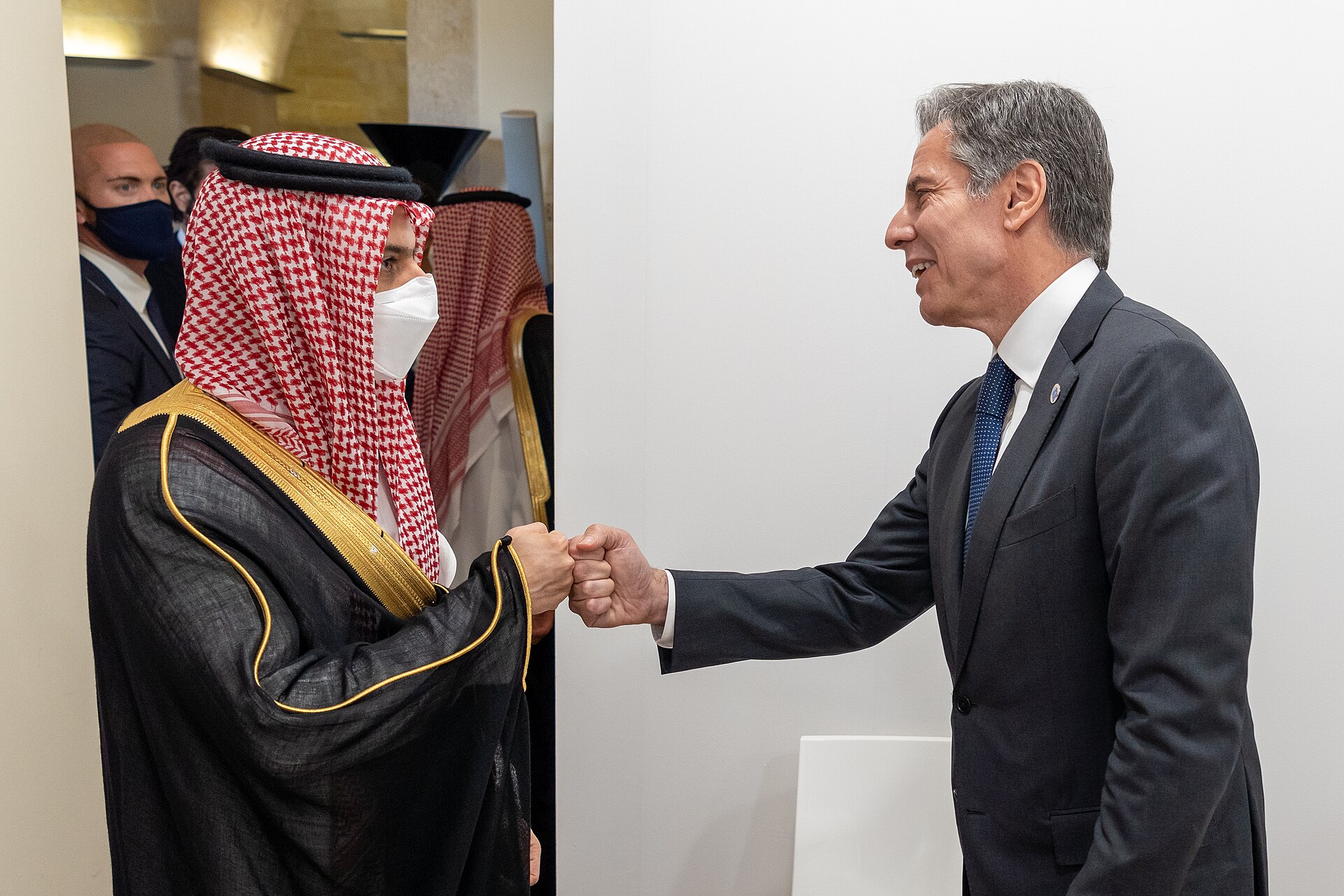
No Saudi or coalition response to the November 15 sinking claim was reported in any source reviewed. Saudi Foreign Minister Prince Faisal bin Farhan was in Brussels on November 15, where he sought European naval escorts and pressure on Iran at the EU Foreign Affairs Council. The diplomatic push for European involvement in Gulf maritime security unfolded against a backdrop of escalating Iranian mine claims and IRGC warnings that have complicated commercial transit through the world’s most important oil chokepoint.
Frequently Asked Questions
What is a supertanker and how much oil does it carry?
A supertanker, formally classified as a Very Large Crude Carrier, typically carries between 1.9 million and 2.2 million barrels of crude oil and has a deadweight tonnage of approximately 200,000 to 320,000 tonnes. The IRGC’s claim that the sunken vessel held “over two million barrels” is consistent with standard VLCC capacity.
Has any environmental organisation commented on a potential oil spill?
No. As of publication, no statement had been issued by the International Tanker Owners Pollution Federation, the International Maritime Organization, or the OSPAR Commission regarding environmental damage from the reported sinking. UKMTO described the “potential environmental impact” as “unknown” in Warning 205-26 — the only institutional characterisation published.
Did Iran’s civilian government or regular military comment separately?
No. The claim originated exclusively from the IRGC Naval Forces, relayed through Iranian state television. Iran’s regular armed forces, the Artesh, and the civilian government under Foreign Minister Abbas Araghchi had not issued separate statements on this incident as of publication, according to TASS, TRT World, and 1news.az.
How many tanker-mine incidents has the IRGC reported since November 12?
The IRGC alone has claimed at least 9 tanker-mine incidents across four days. On November 12, it reported 2 supertankers ablaze. On November 13, 3 tankers were reported struck. On November 14, 2 more were claimed. On November 15, 2 more were announced, with one sinking. None of these incidents has been independently confirmed.
Is there any alternative to Hormuz for Gulf oil exports?
Saudi Arabia operates the East-West pipeline from Abqaiq to the Red Sea port of Yanbu, with a design capacity of approximately 7 million barrels per day, according to Saudi Gazette. However, this route serves only Saudi output and does not help other Gulf producers — Kuwait, the UAE, Qatar, or Iraq — move their crude to market. The pipeline has itself been targeted by Houthi strikes during the current conflict.
The House of Saud Daily Briefing
Saudi Arabia's news in 3 minutes, every morning. Free. See today's issue