
MANAMA — Iran’s Islamic Revolutionary Guard Corps claimed on November 15 that it launched six drones at the Al-Rifaa helicopter base in Bahrain, targeting a US air-defence radar installation in what it called the “second phase of a decisive and crushing response” to American military actions. Stephanie Hallett, the US ambassador to Bahrain, said the claims were false and that all drones had been intercepted with no damage or injuries, according to News of Bahrain.
The attack was the second IRGC drone strike on Bahrain in less than 72 hours — on November 13, CENTCOM confirmed it shot down two Iranian drones aimed at the same base with no damage. Bahrain’s Defence Force said its defences had intercepted the November 15 attacks before they reached their targets, and the foreign ministry held Tehran fully responsible for the strikes, according to RFE/RL and The National. Saudi Arabia condemned the attacks and expressed solidarity with Bahrain, calling for an immediate halt to Iranian attacks, according to Arab News.
The House of Saud Daily Briefing
Saudi Arabia's news in 3 minutes, every morning. Free. See today's issue
Table of Contents
What the IRGC Claimed
The IRGC’s statement, published through its Sepah News outlet and relayed by Fars News Agency and PressTV, said six drones targeted the US air-defence radar station at Bahrain’s Al-Rifaa helicopter base. The IRGC described the operation as the “second phase of a decisive and crushing response” to hostile US actions, according to PressTV and Kurdistan24.
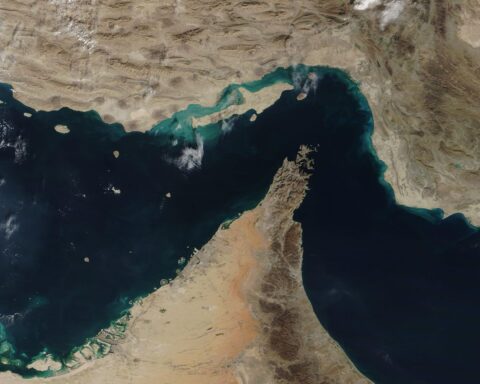
The statement also linked the attack to the Strait of Hormuz, accusing the United States of “complete failure in its plan to smuggle oil in the Strait of Hormuz under the guise of escorting ships,” according to PressTV. No video, satellite imagery or other physical evidence accompanied the claim of a successful hit. The IRGC has not publicly released verifiable evidence for its claimed strikes on Bahrain since the opening day of the conflict on February 28, when damage to NSA Bahrain was independently confirmed.
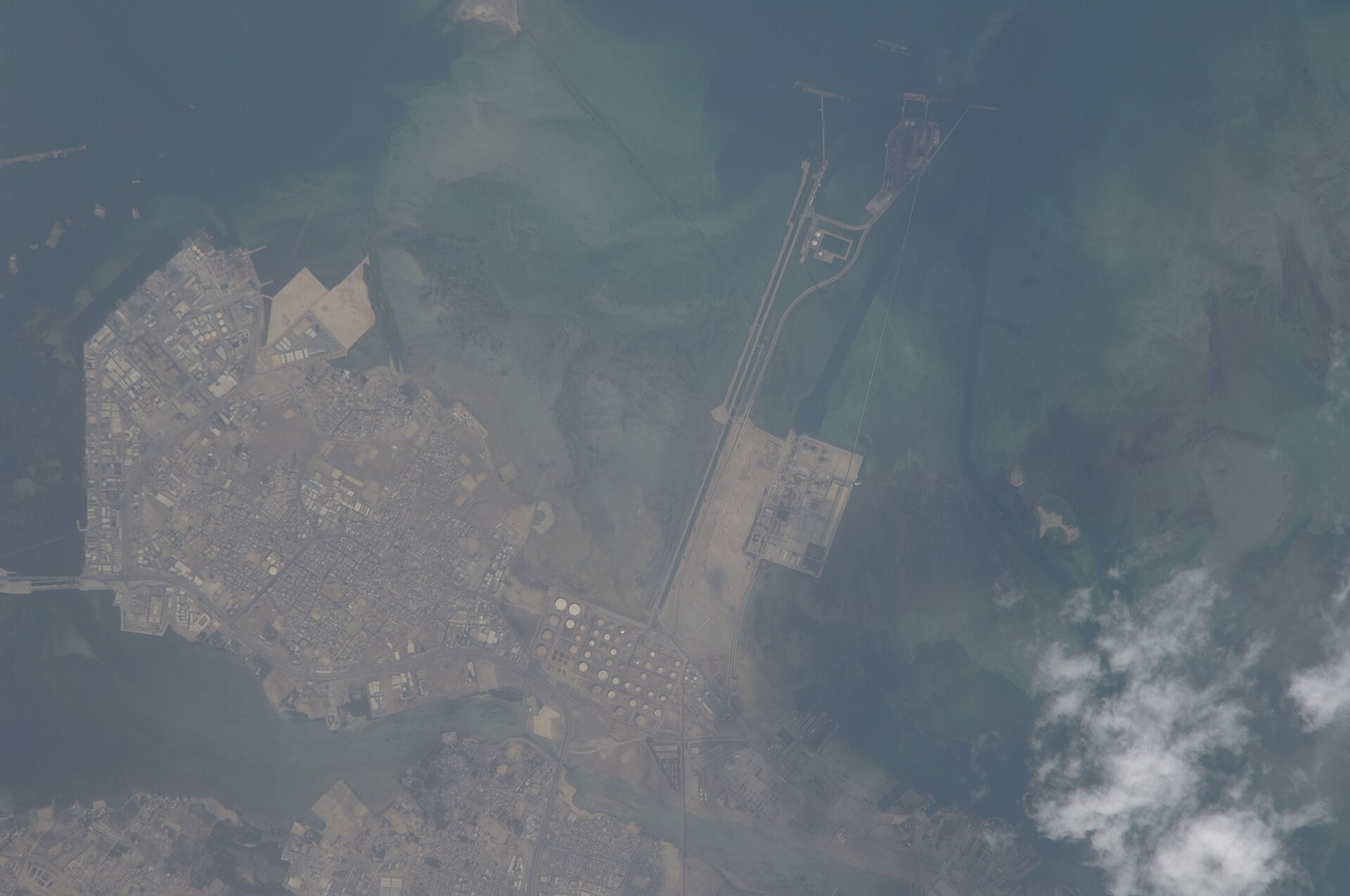
Al-Rifaa, in the Riffa area south of Manama, hosts US helicopters and an air-defence radar installation. It is a separate facility from Naval Support Activity Bahrain at Juffair, which serves as headquarters for the US Navy’s Fifth Fleet and was struck during the opening day of the conflict on February 28. Both the November 13 and November 15 IRGC claims targeted Al-Rifaa specifically, not the better-known Juffair naval base, suggesting a focus on the radar and helicopter assets that support the US air-defence posture in the western Persian Gulf.
How Did Bahrain and the US Respond?
Bahrain’s Defence Force said its air-defence systems “intercepted and destroyed a number of Iranian aerial attacks” before they reached their targets, and accused Tehran of continuing a “systematic hostile approach” toward the kingdom, according to RFE/RL and The National. The BDF did not confirm or deny the IRGC’s figure of six drones, using the formulation “a number.”
Bahrain rejected “turning its territory into an arena for settling scores” and held Iran “fully responsible” for the attacks and their consequences.
Bahrain Foreign Ministry, via RFE/RL, November 15, 2026
Iran’s foreign ministry spokesman Esmail Baghaei described Bahrain’s condemnation as “baseless” and said Iran would continue responding to attacks on its territory, according to Saudi Gazette.
Ambassador Hallett’s statement through News of Bahrain was direct: “Once again, IRGC claims are false.” She said all IRGC drones were intercepted and that there were no reported damage or injuries. No separate statement from CENTCOM about the November 15 attack had appeared at the time of writing. CENTCOM’s confirmed response covers only the November 13 attack, in which it said both drones were shot down with no injuries or damage.
Bahrain’s Interior Ministry issued two nationwide alerts within approximately three hours on November 15. The first came at about 4:30 a.m. local time, or 01:30 GMT, telling residents to “remain calm and proceed to the nearest safe location,” according to Al Jazeera and CNBC. A second alert followed before 8:00 a.m. local time, according to Middle East Eye. These were Bahrain’s first nationwide public safety warnings since September, according to The National and Gulf Business — a gap of more than ten weeks that coincided with a broader lull in direct Iranian strikes on Gulf host nations.
What Happened on November 13?
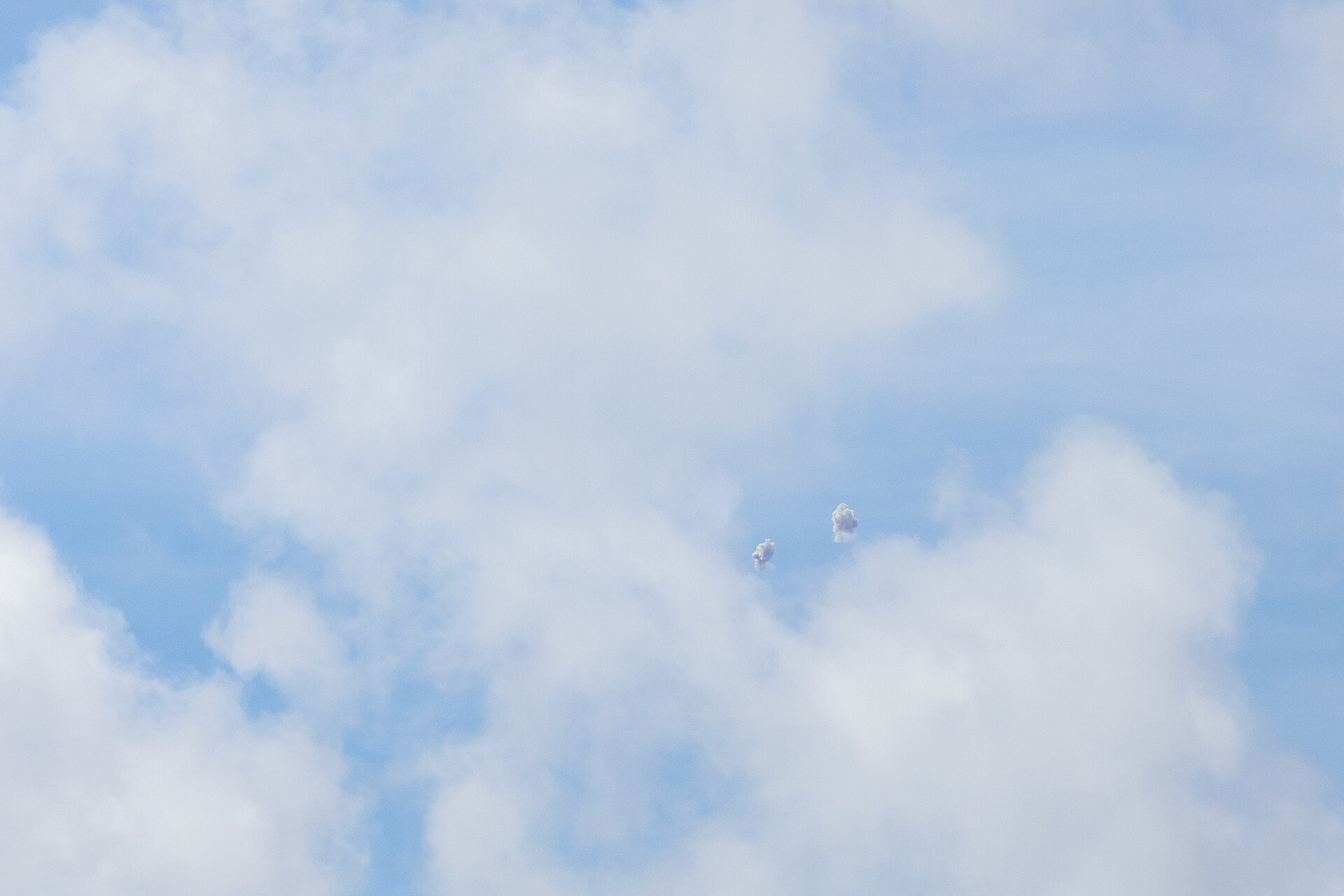
Two days before the November 15 strike, the IRGC said it had destroyed a US radar in Bahrain — the first claimed Iranian attack on a Gulf-state US facility since early September, Reuters reported. The IRGC framed the operation as retaliation for a US air strike on a telecommunications tower in Sirik, southern Iran, according to Al Jazeera and Tasnim News Agency.
CENTCOM directly contradicted the IRGC’s account: “The IRGC launched two one-way attack drones toward Bahrain and both were shot down by US forces. There were no injuries or damage.” The gap between the IRGC’s claim of radar destruction and CENTCOM’s confirmation of a clean intercept has repeated across the nine-month conflict — expansive IRGC damage claims followed by terse American and host-nation denials, with neither side releasing imagery that could settle the dispute.
The gap since early September — when US strikes on southern Iran killed at least 11 people and Iran fired at US positions in Jordan, Bahrain and Iraq, according to Sahara Reporters — amounted to more than two months without an IRGC claim of a direct attack on a US-hosting Gulf state. The November 13 and 15 strikes ended that lull.
The November 15 attack shifted the IRGC’s stated rationale. Where the November 13 strike was framed as retaliation for Sirik, the November 15 statement made no mention of the telecom tower and instead accused the US of failing to escort ships through the Strait of Hormuz. The IRGC called the November 15 operation the “second phase” of the same campaign, according to Sepah News.
Saudi Arabia Condemns the Attacks
Saudi Arabia’s foreign ministry condemned the Iranian attacks on Bahrain and expressed “full solidarity” with Manama, calling for an “immediate halt to blatant Iranian attacks,” according to Arab News and The National. The ministry described the strikes as a violation of international law and the principles of good neighbourliness. Riyadh has issued similar condemnations after previous Iranian strikes on Bahrain, including in February, June and September 2026.
The condemnation came on the same day Saudi Foreign Minister Prince Faisal bin Farhan was in Brussels for the EU Foreign Affairs Council, where he pressed for European naval escorts for Gulf shipping and for increased pressure on Tehran. It also followed a day in which the Saudi-led coalition intercepted two ballistic missiles aimed at Riyadh and shot down two drones over the Eastern Province on November 15 alone. The overlap of Iranian strikes on Bahrain and Houthi projectiles aimed at Saudi cities on the same day underscored the two-front threat that Gulf Arab states have been managing since the conflict’s early weeks.
Why Does Iran Keep Targeting Bahrain?
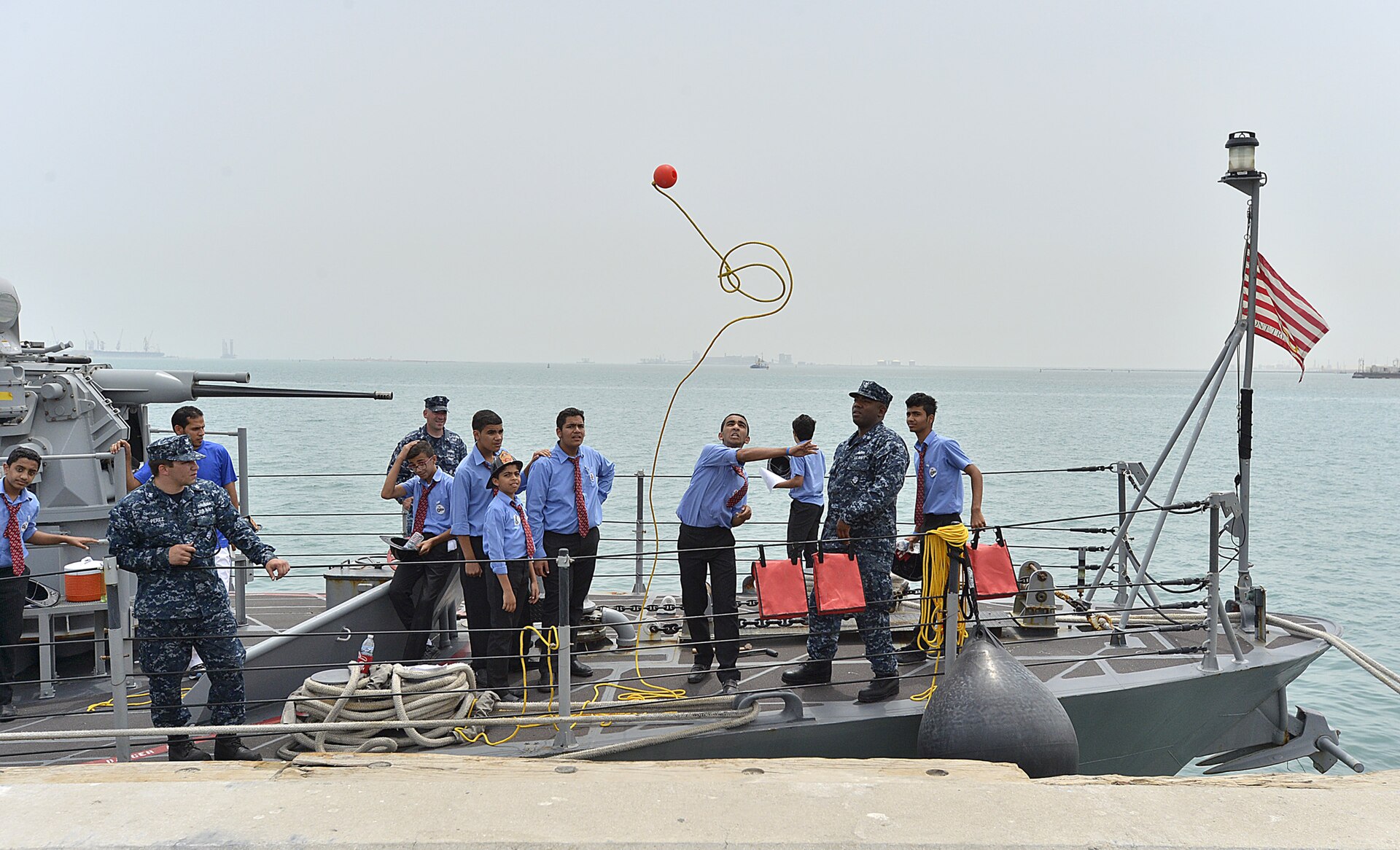
Bahrain hosts the US Navy’s Fifth Fleet headquarters at Naval Support Activity Bahrain in Juffair. The base was struck on February 28, the opening day of the conflict, and sustained damage estimated at approximately $400 million, according to a Wall Street Journal figure cited in a Military Times opinion piece by a retired Navy captain.
By March 5, the Bahrain Defence Force had intercepted 75 missiles and 123 drones since the start of the conflict, according to Gulf News. The totals have grown in the nine months since, though the BDF has not released updated interception figures.
The IRGC’s November attacks on Al-Rifaa — targeting its helicopter base and air-defence radar rather than the Juffair naval facility — appear aimed at the detection-and-intercept chain that protects US assets in Bahrain. The Al-Rifaa radar is part of the layered air-defence network that gives the Fifth Fleet early warning against incoming missiles and drones from Iran’s southern coast, roughly 200 kilometres across the Persian Gulf. Whether the IRGC has degraded that network remains contested: Bahrain and the US say they have not.
“Both sides may prefer to avoid a full-scale war, but the danger lies in miscalculation,” Saeid Golkar, an associate professor of political science at the University of Tennessee at Chattanooga, told Al Jazeera. The November 13 and 15 strikes — two drone operations in less than 72 hours, each met with interceptions and categorical denials from Bahrain and the United States — illustrate the rhythm of limited exchanges that analysts warn can escalate when either side misreads the other’s willingness to absorb an attack.
In a White House interview this week, Trump said that Gulf allies had urged him to hold off on large-scale strikes against Iran. “Saudi Arabia has asked me to please just let it be the way it is now for a while,” he said, according to Arabian Business citing Reuters. The GCC told the United Nations last month that Iran had fired more than 7,000 missiles and drones at Gulf states since the conflict began in February.
| Date | IRGC claim | Bahrain / US response | Source |
|---|---|---|---|
| Feb 28 | Missiles and drones at NSA Bahrain, Juffair | Confirmed damage; ~$400M estimate (WSJ via Military Times opinion) | Multiple outlets |
| Sep 2 | Missiles and drones at US positions | Last nationwide sirens before Nov 15 | Sahara Reporters; Times of Oman |
| Nov 13 | Claimed radar destroyed, Al-Rifaa | CENTCOM: 2 drones shot down, no damage | Al Jazeera; CENTCOM |
| Nov 15 | 6 drones at Al-Rifaa radar | BDF: “a number” intercepted; Hallett: all intercepted | Sepah News; News of Bahrain |
Frequently Asked Questions
Where is the Al-Rifaa helicopter base?
Al-Rifaa, also spelled Riffa, sits in the interior of Bahrain’s main island, south of the capital Manama. The base houses both Bahraini military facilities and a US helicopter contingent with an associated air-defence radar installation. It is distinct from Naval Support Activity Bahrain at Juffair, roughly 15 kilometres to the northeast, which serves as the US Navy’s Fifth Fleet headquarters. The IRGC’s November 13 and 15 attacks both named Al-Rifaa, not Juffair, as the target.
Has the US announced any retaliation for the Bahrain attacks?
No US retaliatory strikes for either the November 13 or November 15 attack had been announced at the time of writing. Earlier this week, Trump said in a White House interview that Gulf allies — including Saudi Arabia, the UAE, Qatar and Bahrain — had asked him to refrain from large-scale strikes on Iran, according to Arabian Business citing Reuters. Asked whether he would have ordered heavier strikes without those requests, Trump said “Yes, I would,” according to Arabian Business. Reuters and CNBC reported that Trump might hold off on fresh Iran strikes absent new provocations.
What was the Sirik incident that Iran says triggered the attacks?
Iran state media reported around November 10-11 that a US air strike damaged a telecommunications tower in Sirik, a town in Hormozgan province on Iran’s southern coast near the Strait of Hormuz. The IRGC framed the November 13 attack on Bahrain as direct retaliation for the Sirik strike, according to Al Jazeera and Tasnim News Agency. The US has not publicly confirmed or denied striking the telecom tower. The November 15 attack’s stated rationale shifted away from Sirik toward the Hormuz dispute, though the IRGC described both strikes as phases of the same retaliatory campaign.
Did any other Gulf states respond to the attacks?
Saudi Arabia issued the most prominent response, condemning the strikes and calling for an immediate halt to Iranian attacks, according to Arab News. The King of Bahrain visited Riyadh on November 10 and met Crown Prince Mohammed bin Salman just five days before the attacks, as the GCC approved a new Kuwait defence post — part of a broader pattern of Gulf monarchies coordinating their security responses. Separately, the US Embassy in Saudi Arabia issued a nationwide security alert on November 14 citing Houthi threats, adding to the overlapping warnings across the Gulf on the same weekend.
The House of Saud Daily Briefing
Saudi Arabia's news in 3 minutes, every morning. Free. See today's issue