RIYADH — Houthi forces have advanced to within 60 kilometres of Aden, the seat of Yemen’s internationally recognised government, after seizing districts in Lahij province and forcing government troops to abandon positions near the Bab el-Mandeb Strait. The advance has reversed the trajectory of a war Saudi Arabia launched to restore that government to power.
What makes this advance distinct from the front-line shifts that have defined nine months of renewed fighting is what it threatens to eliminate. Saudi Arabia’s military intervention since 2015 has been premised — legally, politically, at the United Nations — on restoring the internationally recognised government to authority. If that government loses its last territorial foothold, the premise evaporates — and Iran’s foreign minister, Abbas Araghchi, is heading to Muscat on 17 November to meet Oman’s foreign minister, with an offer of Iranian mediation already on the table.
The House of Saud Daily Briefing
Saudi Arabia's news in 3 minutes, every morning. Free. See today's issue
Table of Contents
The Aden–Lahij Road
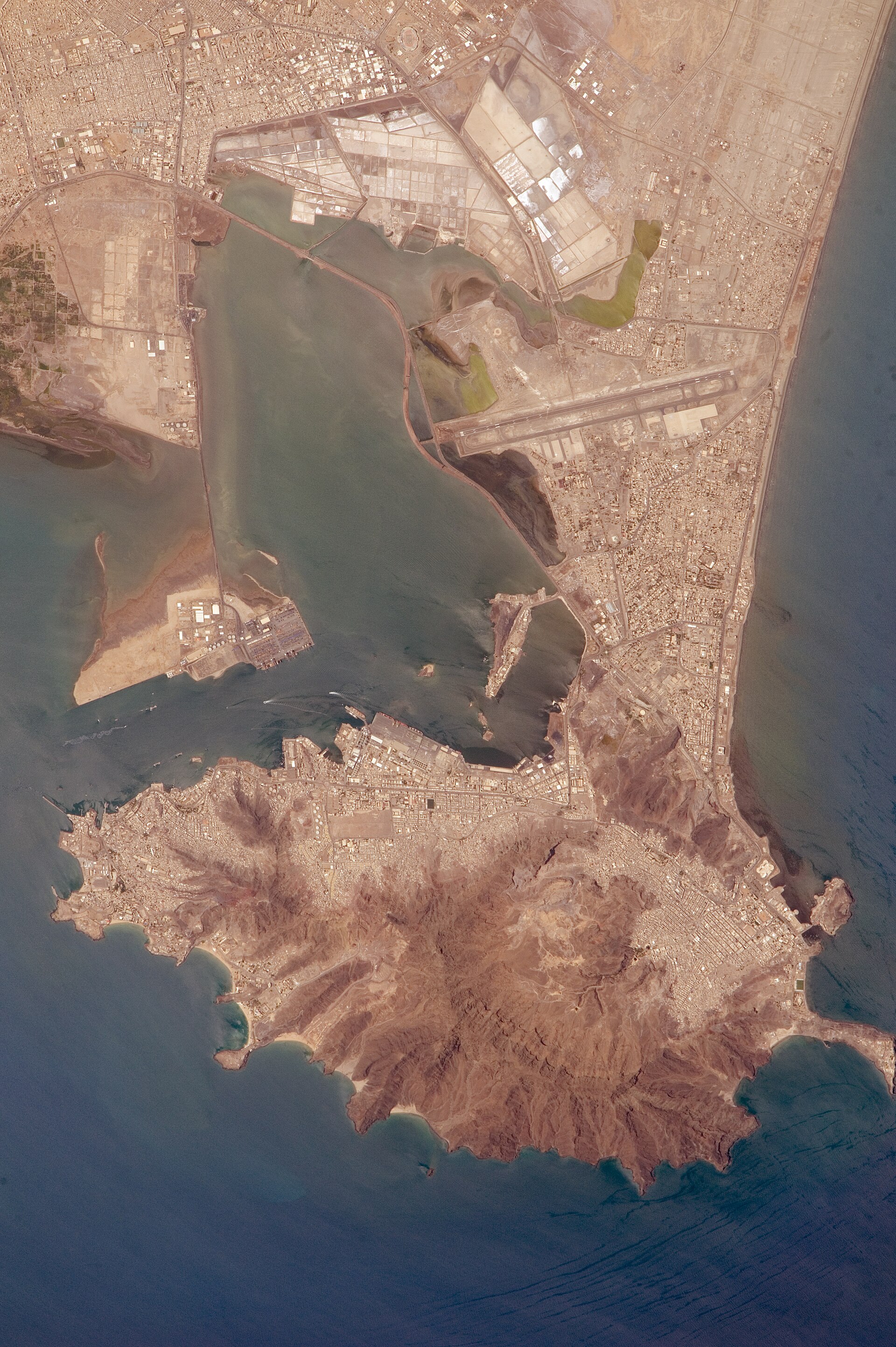
The Houthi advance on Aden follows the same axis as their 2015 push — northwest along the main road through Lahij province. Military and government sources cited by AFP said Houthi fighters had seized the districts of Al-Maqatirah and Al-Madaribah, with their forward positions at the Al-Kharaz camp in Al-Madaribah, roughly 60 km from Aden city. By 2 November, Reuters had reported them at the Tur al-Bahah camp entrance, then 80 km out.
The distances vary depending on what is being measured. A Reuters-sourced report on 16 November placed the most forward Houthi elements at Khor Omairh, approximately 100 km west of Aden, with 25 km separating them from government defensive lines at Qawah. The discrepancy reflects the difference between measuring to the city limits and measuring to the nearest defending positions. Neither number offers reassurance for the internationally recognised government, which has governed from Aden since the Houthis seized Sanaa in 2014.
“There is a serious threat to Aden because they are getting closer and closer,” Mohammed Al-Qadhi, a political and conflict analyst, told Reuters. He called the advance a major setback for the government, attributing the Houthi advantage to “an accumulation of years of disagreements and infighting” on the government side.
“The government was aiming to recapture Sanaa, but now they are defending Aden.”Mohammed Al-Qadhi, political and conflict analyst, Reuters, 16 November 2026
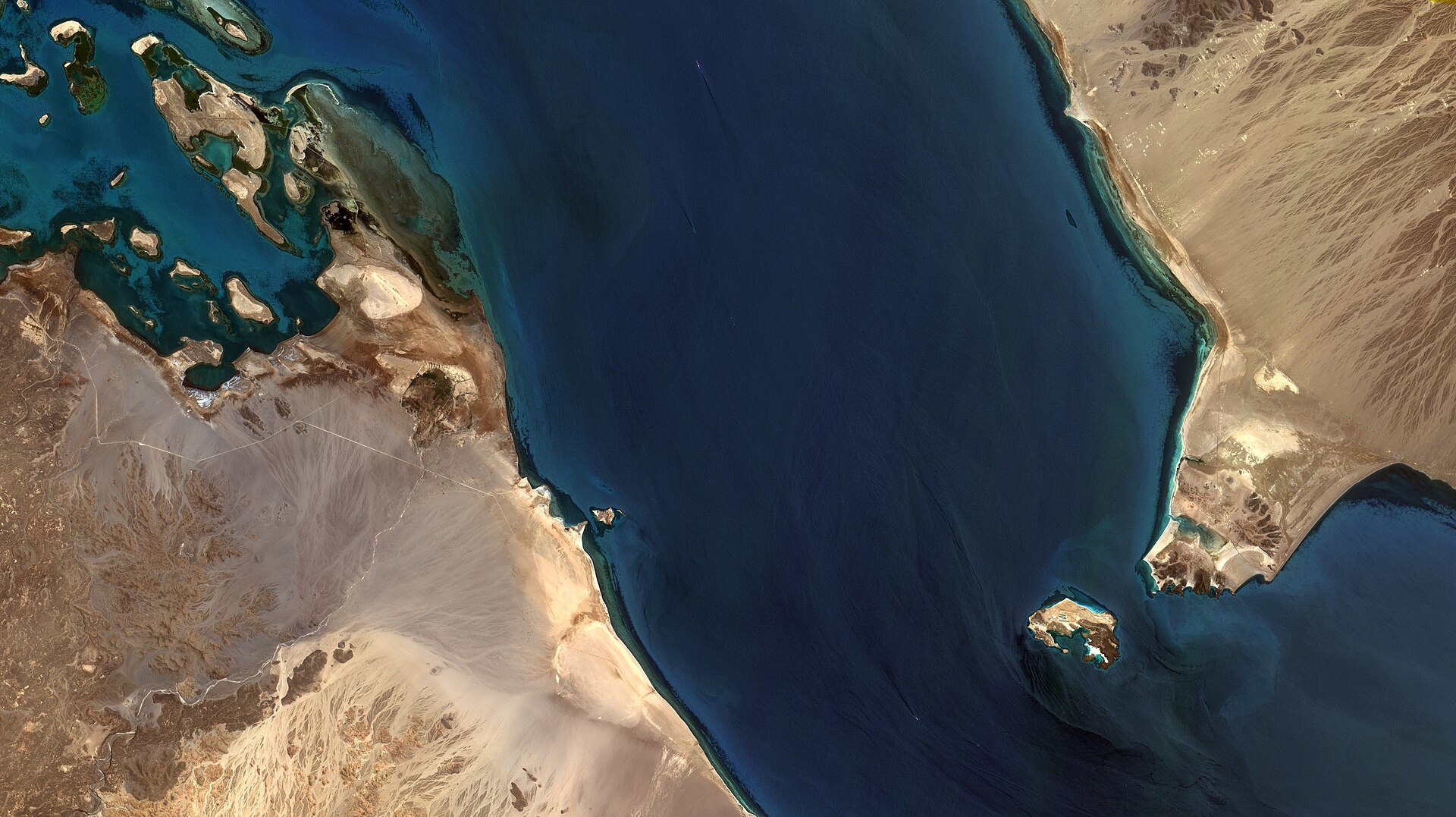
The speed of the collapse matters. In September, Houthi forces captured al-Mocha and Perim Island, taking control of the western coast below Hodeidah. By early October, they held Dhubab and positions overlooking the Bab el-Mandeb Strait. The government’s Operation Dawn of Yemen — launched on 4 October with coalition air support — retook Dhubab briefly but failed to hold it or recapture al-Mocha, according to Reuters. France24, citing military sources, reported that government forces in Lahij were digging tunnels and erecting sandbag defences — the preparations of an army expecting to be hit, not one expecting to advance.
North of the advance, the Houthis had already encircled Taiz, Yemen’s third-largest city, cutting its main road south to Aden in October. More than 100,000 people were displaced, with shortages of food, fuel and medicine, according to Reuters. If Taiz remains cut off and Aden comes under siege, the recognised government loses its two largest cities outside Houthi-held Sanaa. Amin Mahmoud, a government employee in Aden, told Reuters that “people are worried about the retreat of government forces and the possibility of fighting drawing closer to Aden.”
| Date | Event | Source |
|---|---|---|
| Sep 2026 | Houthis capture al-Mocha, Dhubab, Bab el-Mandeb, Perim Island | Reuters/NBC News |
| 4 Oct | Operation Dawn of Yemen launched; Dhubab briefly retaken | CNN; Reuters/NBC News |
| 15 Oct | Houthis strike presidential palace and airport in Aden | Al Jazeera |
| 2 Nov | Houthis at 80 km from Aden (Tur al-Bahah camp) | Reuters/Al-Monitor |
| 15 Nov | Houthis at 60 km (Al-Kharaz, Lahij); government withdraws from Bab el-Mandeb | France24/AFP; ABC Australia/AFP |
| 16 Nov | King Salman replaces coalition commander | SPA via Dawn/Reuters |
What Does Losing Aden Mean for Saudi Arabia?
It would eliminate the stated war objective. Saudi Arabia’s intervention since 2015 has been premised — legally, politically, at the United Nations — on restoring the internationally recognised government based in Aden. If that government loses its last territorial foothold, Riyadh is left conducting a war whose stated purpose no longer exists.
The Houthis may not need to take the city to achieve this. Abdul-Ghani Al-Iryani, of the Sanaa Center for Strategic Studies, told Xinhua that Houthi fighters are already “in the defensive line area of the city of Aden” but that “the cost of capturing Aden would be extremely high.” He sees encirclement as the more likely strategy — cutting supply lines, forcing the government into a shrinking perimeter — designed to extract concessions from Saudi Arabia rather than to trigger urban combat that would consume Houthi resources for months.
But encirclement, in political terms, is itself decisive. A government that cannot control its own capital perimeter, that cannot receive supplies without Houthi permission, that cannot operate its airport — that is a government in name. Saudi Arabia’s international case — to the United States, to the United Kingdom, to France — has rested on protecting a functioning authority, not a besieged compound.
The Houthis appear to understand this dynamic. Their military spokesman, Yahya Saree, has described strikes on Aden not as assaults on Yemen’s capital but as targeting “the Saudi military operations headquarters” and “Saudi reinforcements wherever they were located,” according to Al Jazeera and PressTV. The framing serves two purposes: it avoids triggering pan-Arab solidarity for the recognised government, and it depicts Aden as a foreign military installation rather than a Yemeni city.
On 15 October, Houthi missiles struck the Al-Ma’ashiq Presidential Palace in Aden — the PLC’s seat — killing 5 and wounding 16, according to Al Jazeera. The prime minister was reported safe. Aden International Airport was struck twice in under a week in mid-October, with the government accusing the Houthis of directly targeting civilian aviation and the Houthis claiming they hit a military camp and weapons depot. The strikes demonstrated reach that the government could not counter, hitting the two most symbolic installations in its capital within days of each other.
Hans Grundberg, the UN special envoy for Yemen, said in October that Yemen had slid back into “full-scale war.” The phrase captured what the advance on Aden makes concrete: a conflict that had been frozen by the 2022 ceasefire is now moving faster than diplomacy can track. Saudi Arabia is simultaneously fighting on the ground through its Yemeni partners, defending its own airspace and cities from Houthi missiles and drones, and trying to manage the Strait of Hormuz crisis with Iran. The Aden front is not a sideshow in that picture — it is the front where the war’s political meaning is at stake.
The Bab el-Mandeb Withdrawal
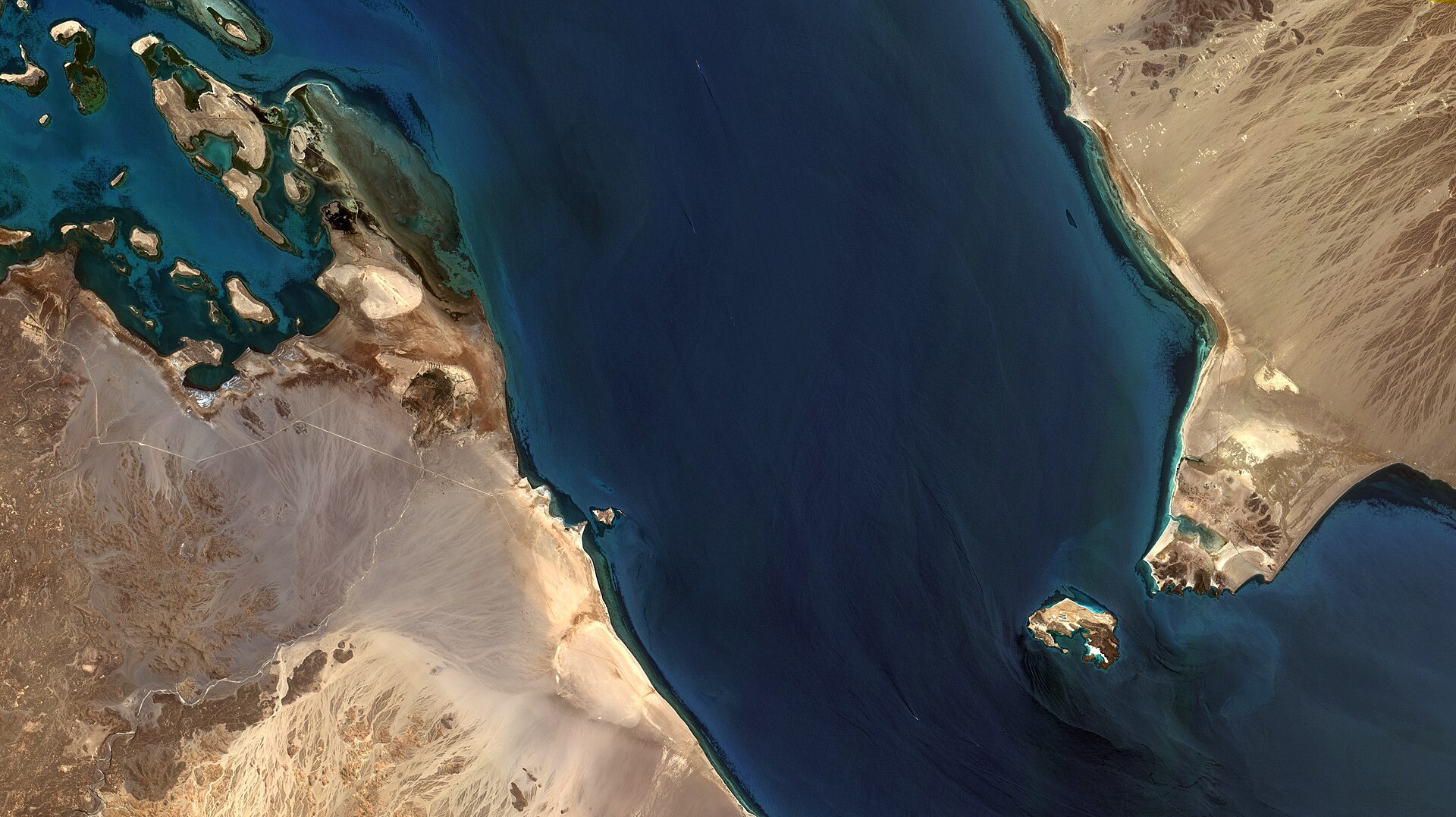
On 15 November, government forces pulled out of Dhubab airport and positions near the Bab el-Mandeb Strait. The Southern Armed Forces said in a statement that “this step is taken based on the priority of securing the capital, Aden,” according to AFP, as reported by ABC Australia. The government described the move as a “redeployment” to reinforce forces “where current circumstances require,” according to France24.
Ali al-Dahab, a strategic affairs expert, was blunt. It was “a retreat or a withdrawal with the same meaning, and not a redeployment,” he told Al Jazeera. The Houthis, he said, “directly and completely control the western Yemeni coastal sector.” The Yemeni Armed Forces spokesman, Majed al-Nuzaili, described it differently — as “an extension of the heroic positions of the popular resistance and the southern forces,” according to AFP.
The retreat reversed what little Operation Dawn of Yemen had accomplished. That offensive had briefly retaken Dhubab but could not hold it or recapture al-Mocha. The Houthis claimed 72 Saudi-led air strikes hit positions across Yemen in a single 24-hour period in mid-November, suggesting the coalition was escalating from the air even as it lost ground. By 15 November, the positions retaken in October were once again under Houthi control.
“This triangle is the strategic centre of gravity for the war in Yemen as a whole.”Hassan Jouni, retired Lebanese brigadier-general, Al Jazeera, 16 November 2026
Jouni was referring to the Aden-Bab el-Mandeb-Lahij triangle, now largely under Houthi control or contestation. The Houthis retook the Bab el-Mandeb coast in a matter of days, consolidating hold over a maritime chokepoint through which a substantial share of global shipping passes. The withdrawal from Dhubab meant that the Houthis controlled both sides of the strait’s approach from the Yemeni shore — a position from which they can threaten commercial traffic with missiles, drones, or simply the perception of instability that raises insurance premiums and reroutes tankers.
Ali al-Dahab told Al Jazeera that the Houthi strategy “is directed at Saudi Arabia, the Yemeni government’s key international ally, and not at authorities in Aden.” The target, in his reading, is not the PLC — it is the political will of the coalition behind it.
Can Aden Be Defended Without the UAE?
The historical precedent suggests it cannot — at least, not with the forces currently available. When Houthi fighters entered Aden in 2015, their expulsion required UAE ground forces alongside Saudi airstrikes over roughly four months. The UAE withdrew from the coalition entirely, and no equivalent ground capability has replaced it.
Saudi Arabia ended its partnership with the UAE “late last year” over Abu Dhabi’s backing of a rival Yemeni force, according to CNN. The Southern Transitional Council, which the UAE had supported and which had controlled much of Aden since 2018, was effectively dissolved in January 2026 after Saudi airstrikes hit STC positions and PLC forces retook the city’s airport and presidential palace, per AP. On the current front, the STC has “largely avoided the offensive amid ongoing tensions with Saudi Arabia,” Dawn reported, citing Reuters.
Al-Iryani told Xinhua that the Houthi advance was fuelled by “the absence of unified command” among government-aligned forces. The trust between Riyadh and Abu Dhabi, he said, had broken down — not over ideology or strategy, but over patronage of competing Yemeni factions. What remains to defend Aden is the PLC-aligned Southern Armed Forces — without the Emirati-backed STC element that helped turn the tide in 2015, and without the UAE ground forces that did the heaviest fighting then. The city’s defenders in November 2026 are, in structural terms, a lesser force than those who lost it in March 2015.
The coalition partners Saudi Arabia assembled under the Makkah Pact are positioned inside the kingdom, not inside Yemen. Pakistan has approximately 8,000 troops in Saudi Arabia, according to Reuters — deployed to defend Saudi territory, not to fight in Yemen’s southern provinces. Up to 200 American advisers provide targeting data from Saudi territory, officials told CNN. Neither contingent is deployed in the Yemeni theatre. The gap between coalition rhetoric and deployed capability has been a feature of the Saudi-led campaign since 2015, but it becomes acute when the city being defended is the one the entire intervention was launched to protect.
Saudi Arabia launched a multinational maritime defence coalition for the Red Sea, Bab al-Mandab and Gulf of Aden on 30 July, according to Al Jazeera. The UAE and Oman did not join. Pakistan’s defence minister said in October that combat inside Yemen “is practically being conducted by Saudi Arabia’s own forces,” according to Al Jazeera — a statement that overstates Riyadh’s direct troop presence but captures the reality that no partner has committed ground forces to the Yemeni front.
The Command Change
King Salman replaced the coalition commander, Lieutenant General Fahd bin Hamad Al-Salman, on 16 November, appointing Chief of Staff General Fayyad bin Hamed al-Ruwaili. A royal decree named Al-Salman “adviser for military affairs” to the defence minister, according to SPA, as reported by Dawn and Reuters. The timing — one day after the Bab el-Mandeb withdrawal — framed it as a response to failure on the ground.
Umar Karim, of the University of Birmingham, told Reuters that command failures had likely prompted a strategy review but doubted a leadership change alone would fix the structural problems. Only an “exceptionally competent and experienced person” would be likely to alter conditions on the ground, he said. Directing allied forces in a theatre that is not one’s own, Karim added, is “exceptionally difficult.”
The structural problem Karim pointed to is not who gives the orders but who carries them out. The government forces fighting near Aden are a patchwork: former national army units, local tribal militias, and what remains of the Southern Armed Forces after the STC’s dissolution. Al-Iryani’s characterisation of “the absence of unified command” describes an architecture, not a personality. These forces answer to different patrons, different histories, and different visions of what a post-Houthi Yemen might look like.
Al-Ruwaili takes command at a moment when the coalition’s air advantage — the one military dimension Saudi Arabia controls directly — has not translated into territorial control. The coalition’s jets can hit Houthi positions, as the sustained bombing campaign demonstrates, but air power alone has not stopped the advance through Lahij or prevented the Bab el-Mandeb withdrawal. What the front needs is a unified ground force capable of holding defensive lines south of Aden, and no command change in Riyadh can produce one from the fragments available.
What Does Iran Gain From the Aden Crisis?
Iran gains diplomatic advantage without committing troops. The weaker the recognised government in Aden becomes, the stronger Iran’s claim to speak for “Yemen” in negotiations — and the harder it becomes for Saudi Arabia to reject Iranian mediation without appearing to reject diplomacy itself.
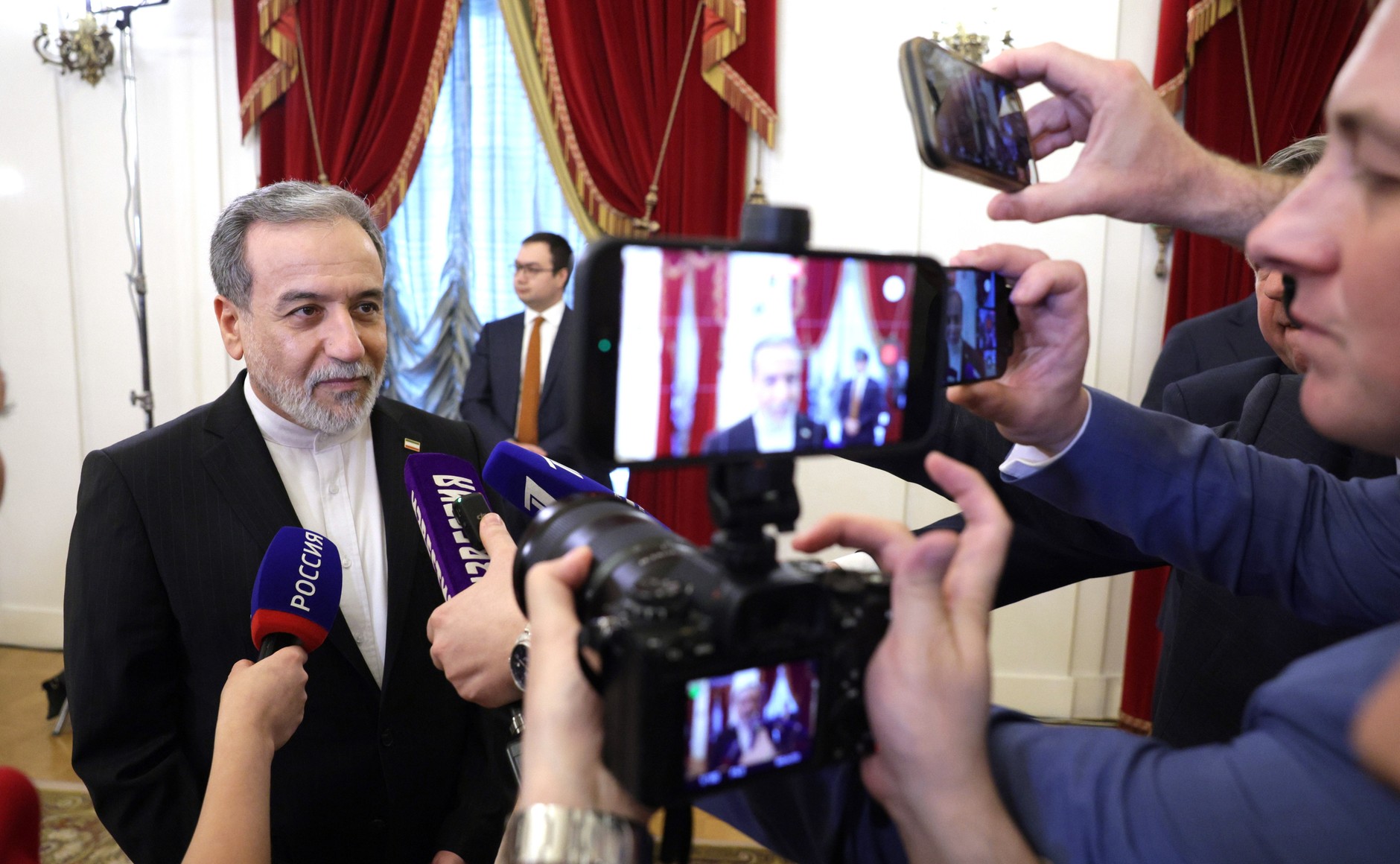
Araghchi’s offer in October to facilitate dialogue between Saudi Arabia and Yemen, as reported by Al Jazeera, is itself a diplomatic act. “Saudi Arabia and Yemen” treats the Houthi administration as Yemen’s government and the recognised government in Aden as a Saudi project. If the PLC’s hold on Aden weakens further, Araghchi’s formulation becomes harder to contest internationally. Araghchi is meeting Oman’s foreign minister in Muscat on 17 November, with Yemen and the broader conflict on the agenda.
Iran’s official position, through Foreign Ministry spokesman Esmaeil Baghaei, is denial of operational involvement. “The Islamic Republic of Iran rejects any claim regarding its role in Yemeni operations,” Baghaei said in October, according to PressTV. Tehran frames itself as a potential mediator, not a party to the conflict. The Islamic Revolutionary Guard Corps described the September Houthi advances as “divine triumph,” per Al Jazeera, though no IRGC triumphalism about the November advance appeared in Iranian state media during this period — a silence that may serve Iran’s diplomatic positioning better than celebration would.
The relationship between Tehran and the Houthis is not one of remote control. Nicholas Brumfield, a Yemen analyst, told Al Jazeera that the Houthis are “a very close ally of Iran” with largely aligned strategic interests but cautioned that Iran’s role “should not be overstated” as the driver of Houthi decisions. Reuters and Al Jazeera reported in September that IRGC advisers had assisted Houthi front-line commanders with communications and satellite-intelligence analysis. Rayed Krimly, Saudi Arabia’s deputy minister for public diplomacy, told Al Jazeera that Iran had “encouraged” Houthi escalation and that the Houthis had “rejected a meeting offer in Oman.”
China’s envoy, Zhai Jun, met Saudi Arabia’s foreign minister in Riyadh on 13 November with Yemen on the agenda, adding another external voice to a conversation Riyadh would prefer to control. Beijing’s interest in Bab el-Mandeb and the Red Sea shipping routes gives it a stake in the conflict’s outcome that goes beyond its relationship with Tehran. For Saudi Arabia, the proliferation of diplomatic channels — Iran as mediator, China as interlocutor, Oman as host — erodes the bilateral framing Riyadh has tried to maintain, in which the Yemen war is a Saudi-led response to an Iranian-backed insurgency.
If Aden falls or comes under effective siege, the question of who represents “Yemen” at any negotiating table becomes the central diplomatic prize. The PLC’s claim rests on international recognition and territorial authority; the Houthis’ rests on military control and administrative function. The balance between those two claims shifts every time the Houthis take a district or the government withdraws from a position. Araghchi’s offer to mediate is a wager that the balance has already tipped far enough for Iran to present itself as a broker rather than a belligerent.
What Options Does Riyadh Have?
Saudi Arabia’s options are narrowing. Its diplomatic approaches — two requests for US strikes on the Houthis, a ceasefire offer via Oman — have been declined or rejected. Its military options depend on forces it does not fully control. Analysts see encirclement, not assault, as the more likely near-term Houthi strategy.
Abdullah Dubalah, a political observer, told Xinhua that the Houthis “currently lack the manpower to storm Aden” and may consolidate their gains around Bab el-Mandeb and seek another truce. Salah Ali Salah, also of the Sanaa Center for Strategic Studies, laid out what he saw as three Houthi options: consolidate the coastal gains already in hand, push east toward al-Jawf and oil-rich Marib, or launch cross-border operations against Saudi Arabia. He doubted that regional powers would fight a prolonged war solely for Aden, and said direct US intervention was unlikely unless the Bab el-Mandeb and Red Sea shipping lanes were threatened for all powers.
Axios reported, citing US officials, that Saudi Arabia asked Trump for US strikes on the Houthis twice in September; both requests were declined, a finding CBS News also confirmed. The Jerusalem Post, citing Lebanon’s Al Akhbar, reported a Saudi two-week ceasefire offer via Oman in September, which Riyadh did not confirm. The Houthis, as Krimly noted, rejected a meeting offer in Oman. The UN-brokered ceasefire that had held since 2022 collapsed in July 2026, and no replacement track appears to exist.
Yaseen Al-Tamimi, a political writer, told Xinhua that Bab el-Mandeb “draws outside powers more strongly than Aden itself because it is a maritime chokepoint vital to Asia-Europe trade.” If that assessment holds, Aden’s fate may be determined less by its own defence than by whether the Houthi advance threatens the shipping lanes that compel external powers to act. The city is the war’s political centre of gravity; the strait is its strategic one. Saudi Arabia needs both held to maintain its position.
The humanitarian dimension reinforces the political pressure. WFP data cited by ABC Australia puts the number of Yemenis facing acute food insecurity at 18 million, with 2.2 million children acutely malnourished. Each escalation narrows the window for a negotiated outcome and widens the gap between what Saudi Arabia says its intervention is for — protecting the Yemeni people from Houthi rule — and what the Yemeni people are experiencing under its watch.
The question Saudi Arabia faces is not whether Aden falls today. The analysts — Al-Iryani, Dubalah, Salah — largely agree the Houthis are more likely to encircle than to storm. The question is what Saudi Arabia does with a war rationale that is visibly collapsing, a coalition that has no ground forces in the theatre that matters, and an adversary that is gaining territory and diplomatic ground simultaneously. No command change, however well-chosen the commander, answers that.
Frequently Asked Questions
What triggered the current round of fighting in Yemen?
A UN-brokered ceasefire had held since April 2022. It collapsed in July 2026, with ABC Australia reporting the trigger as an Iranian plane attempting to land at Sanaa airport. Fighting escalated through the summer and autumn, with Houthi forces pushing south through al-Mocha, Dhubab and the Bab el-Mandeb coast before turning toward Aden through Lahij province.
Did the Houthis release prisoners during the advance?
The ICRC confirmed that Houthis released 600 prisoners in Sanaa while the government withdrawal from Bab el-Mandeb was underway, according to ABC Australia. The timing — a demonstration of administrative normalcy during an offensive — reinforced the Houthi claim to function as a governing authority rather than merely an armed group.
What are the Houthis’ stated objectives beyond Aden?
Yaseen Al-Tamimi, a political writer, told Xinhua the Houthis aim for “complete control over Yemen and beyond its borders.” In earlier phases of the conflict, Houthi messaging pledged “siege for siege, airport for airport, and escalation for escalation,” according to Al Jazeera. Hamid Rizq posted a video in early November claiming to show Houthi fighters entering Souq al-Rabouh in Maqatirah district, though Reuters could not verify it.
The House of Saud Daily Briefing
Saudi Arabia's news in 3 minutes, every morning. Free. See today's issue