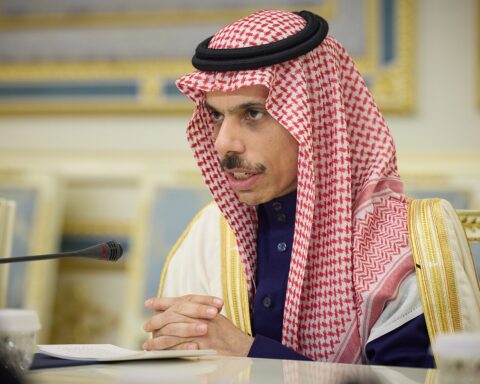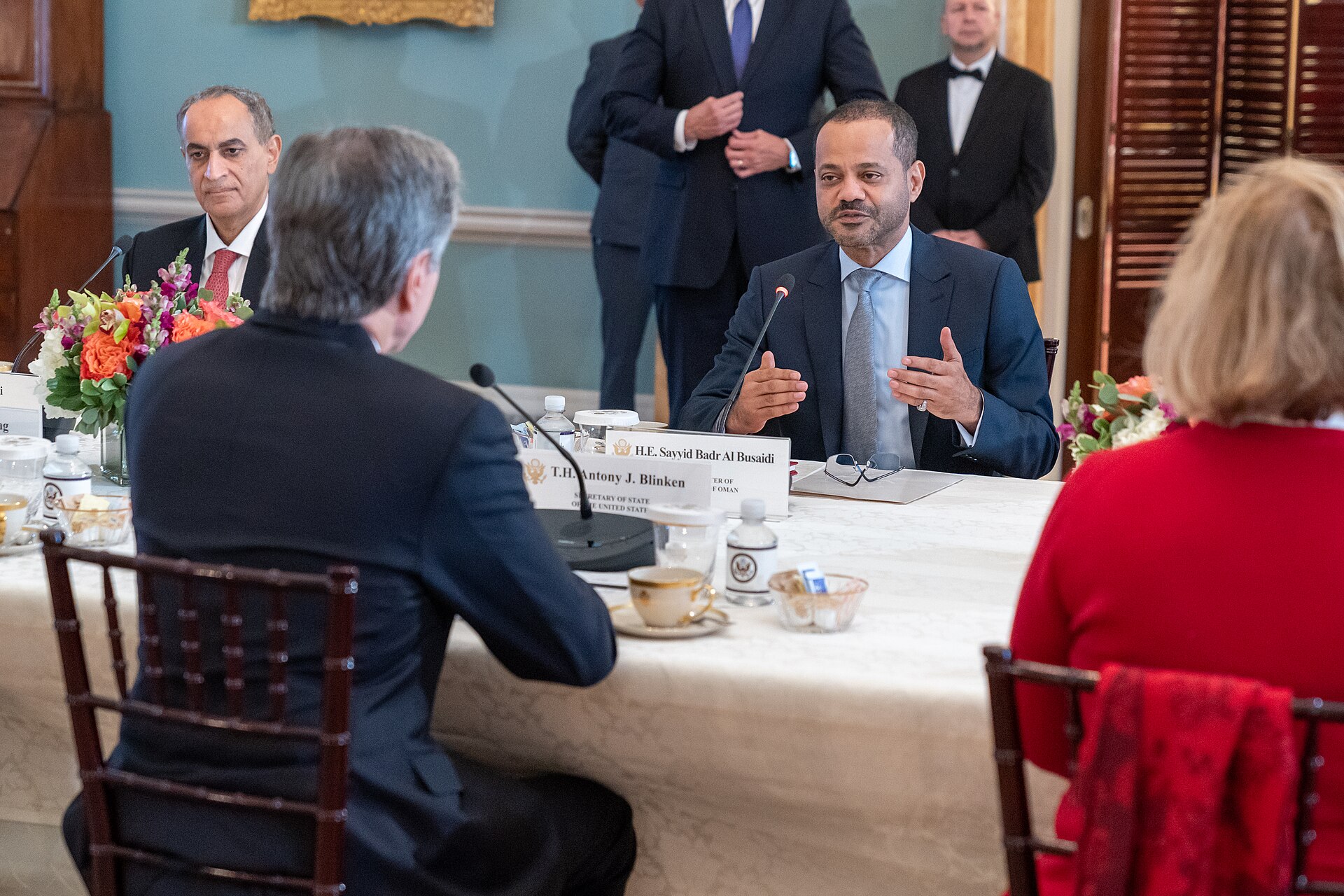

MUSCAT — Iran’s Foreign Minister Abbas Araghchi will travel to Muscat on November 17 for talks with Omani counterpart Badr al-Busaidi, Iran’s Foreign Ministry spokesman Esmaeil Baghaei announced on November 15. The confirmation came hours after the Islamic Revolutionary Guard Corps claimed to have launched six drones at the US helicopter base at al-Rifaa in Bahrain, the second Iranian attack on the base in two days.
The meeting places Oman back at the centre of Gulf war diplomacy at a moment when every other channel appears frozen. Qatar’s separate mediation of US-Iran indirect talks has stalled without producing tangible progress toward an agreement, according to the Daily Beirut, and Iran’s conditions for reopening the Strait of Hormuz have not changed publicly since Washington rejected Araghchi’s seven-day roadmap in late September. Tehran has not disclosed the Muscat agenda, but Araghchi is not arriving with clean hands — the IRGC’s concurrent strikes on Bahrain drew immediate condemnation from across the Gulf, and they make clear that Iran is scheduling diplomacy without pausing the military campaign that gives it leverage.
The House of Saud Daily Briefing
Saudi Arabia's news in 3 minutes, every morning. Free. See today's issue
Table of Contents
What Did Iran Say About the November 17 Visit?
Iran disclosed very little about what Araghchi intends to discuss in Muscat. Baghaei confirmed on November 15 that the foreign minister would fly from Islamabad — where he was attending the 30th ECO Council of Ministers — to the Omani capital for “bilateral talks,” but offered no specific agenda items for the Oman leg, according to IRNA as reported by Al Arabiya.
What Baghaei did say was more revealing for what it excluded than what it contained. “During this period we have not had any discussions on the details related to the nuclear issue,” he told reporters in Islamabad, according to PhotoNews Pakistan citing IRNA — a statement that narrows the field considerably, given that nuclear diplomacy had been a central component of every previous US-Iran negotiating framework since the war began. The Strait of Hormuz and the stalled indirect negotiations are widely reported as the likely topics.
Araghchi set the broader diplomatic tone from Islamabad on November 15. “The future of diplomacy depends on the US showing ‘political rationality,'” he said, according to Reuters as reported by the Jerusalem Post. The framing is familiar: Tehran positions itself as the party willing to talk, conditional on Washington’s behaviour, while maintaining that the absence of a deal is America’s fault rather than Iran’s.
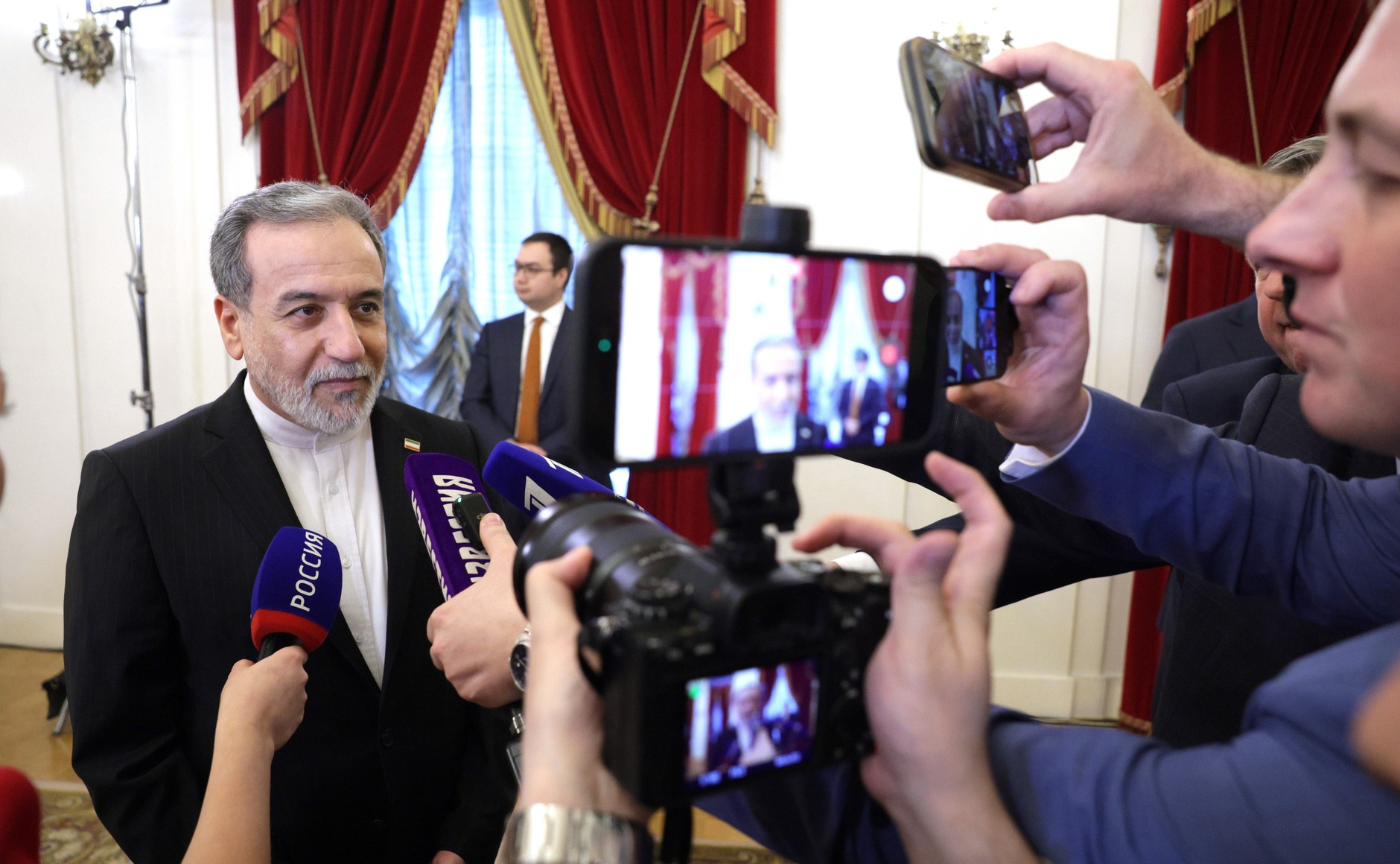
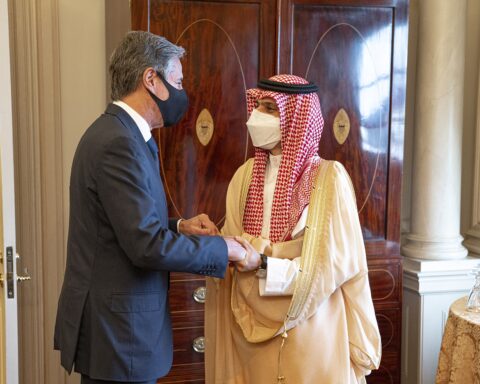
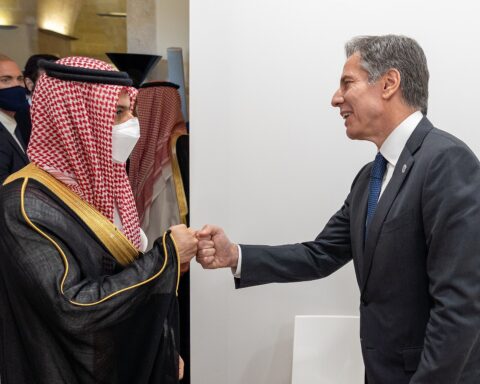
The flurry of phone calls Araghchi conducted on November 5 provides additional context for the Muscat meeting. On that day he spoke separately with Saudi Foreign Minister Prince Faisal bin Farhan, the Qatari FM, the UAE FM, and Pakistan’s foreign minister, according to Iran International — a round of calls that coincided with his conversation with Busaidi. On November 3, he said Iran had “no hostility” toward GCC states and was engaged in talks with Saudi Arabia, Turkey, and Pakistan on “new regional security structures” that would exclude foreign military presence, as reported by Anadolu Agency’s English service.
Drones and Diplomacy in the Same Week
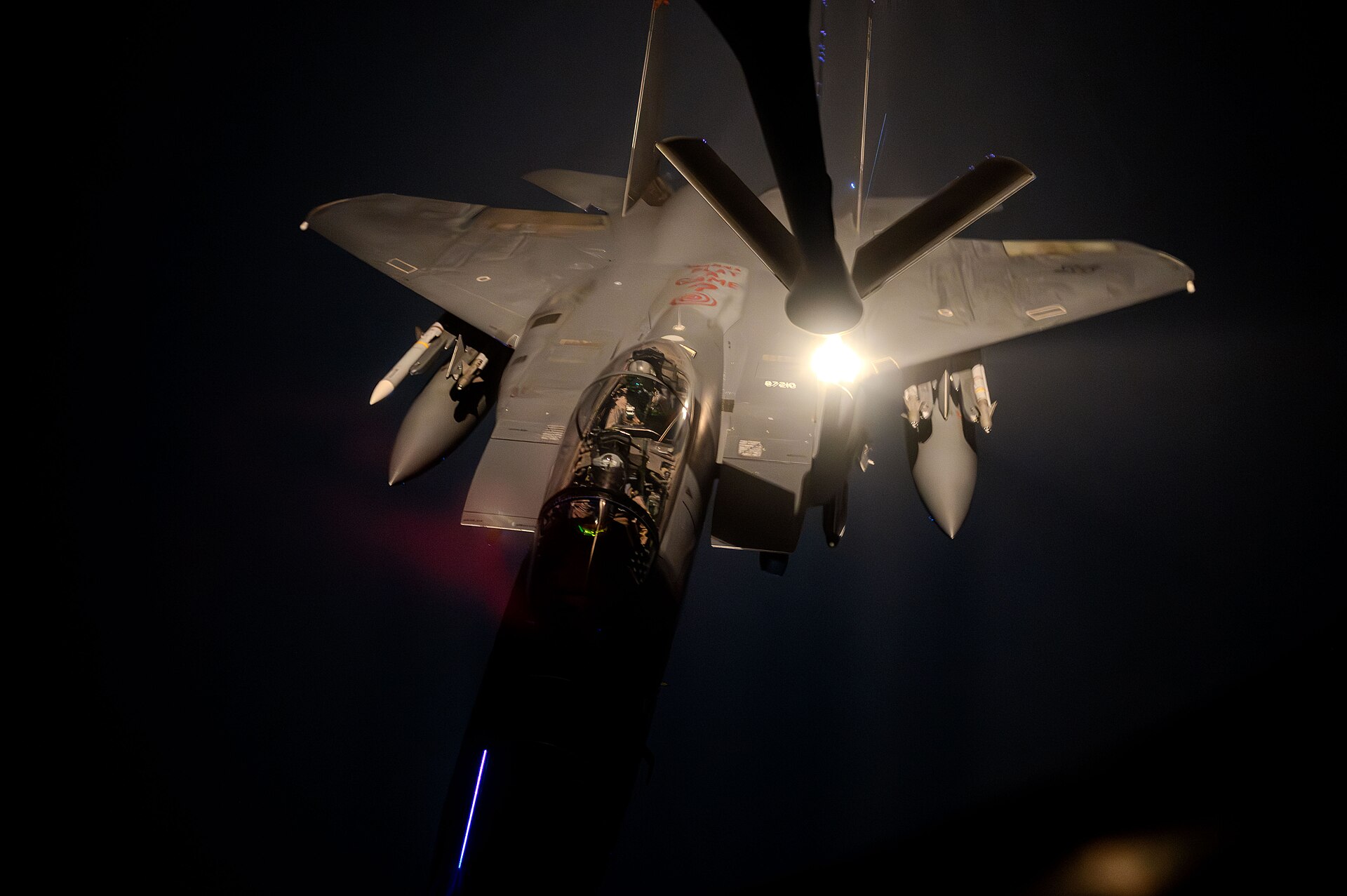
The IRGC’s attack on al-Rifaa on November 15 — six drones aimed at a US helicopter base and air-defence radar installation in Bahrain’s Riffa area, a facility separate from NSA Bahrain at Juffair, which serves as the US Fifth Fleet headquarters — came two days after the IRGC fired two drones at the same base on November 13, also intercepted, according to The National. Bahrain’s military said all six November 15 drones were shot down before reaching their targets, and nationwide emergency sirens sounded before 5 a.m., the first such alert in months, The National reported.
Iran’s Majlis Speaker Mohammad Bagher Ghalibaf, speaking on November 15 as reported by The National, made the connection between escalation and outreach explicit rather than leaving it to interpretation. His framing treated military action and diplomatic engagement as components of a single strategy, not competing impulses.
“The path to ending the conflict is open if the US accepts Iran’s logical conditions.”
Mohammad Bagher Ghalibaf, Iran Majlis Speaker, November 15, 2026 (The National)
Ghalibaf warned that Iran would not remain in a “neither war nor peace” state and that its forces would “determine the geography of battle” if Washington resumed strikes. Trump, for his part, said last week that no deal with Iran was needed, according to The National.
Gulf financial markets reacted to the November 15 attacks immediately, with Saudi Arabia’s Tadawul index dropping 0.7 percent and Qatar’s exchange falling 1.8 percent, The National reported. The numbers are modest in isolation, but they register in a region whose stock exchanges have been absorbing war-related volatility for nine months, and they arrived on a day when Iran’s foreign minister was simultaneously confirming a diplomatic visit to the country next door.
What Has Oman Carried Between Tehran and Washington Before?
Muscat has served as a go-between for US-Iran negotiations since well before the current war, but the channel intensified after fighting began in February 2026. Oman mediated indirect US-Iran nuclear talks in Geneva in February 2026, according to Gulf News, and after the conflict escalated through the spring, mediators from Qatar, Pakistan, and Oman reported what the Associated Press described as “significant” progress on July 27.
The 14-point memorandum of understanding signed on June 17 — providing for 60 days of toll-free Hormuz passage, the lifting of the US blockade within 30 days, and a reconstruction plan of at least $300 billion, according to Iran International — gave Oman a formal implementation role. Article 5 made Iran responsible for coordinating with Muscat on restoring shipping through the strait, the Tehran Times reported on July 11.
Araghchi was physically in Muscat on July 11 to meet Busaidi on that implementation. During the visit he posted on X: “Iran has so far kept its word, unlike the so-called US Treasury Secretary, who is violating Page 9 of the MoU,” according to the Tehran Times. Iran re-closed Hormuz the following day, on July 12, and the memorandum expired formally on August 17 without a successor deal, with each side blaming the other for violations, according to Al Jazeera and CBS News. Trump, as the deadline passed, threatened to bomb Oman for hosting the talks, The Star reported citing the South China Morning Post.
The November 5 phone call between Busaidi and Araghchi offers the clearest signal of what the November 17 meeting is likely to address. Oman’s Foreign Ministry readout said both sides stressed moving from “de-escalating tensions to establishing sustainable agreements” based on “practical, political, and technical agreements” for the unhindered resumption of navigation through the Strait of Hormuz, according to the Times of Oman. The language — “sustainable agreements” rather than “ceasefire” — mirrors Araghchi’s own framing of the June memorandum, which he described as “the end of the war, not a ceasefire,” according to Al Jazeera.
What Iran is specifically asking Oman to carry back to Riyadh or Washington remains undisclosed. Araghchi’s last formal proposal — the September 25 seven-day roadmap, submitted via Qatar — offered Hormuz reopening in exchange for the US lifting its blockade, sanctions waivers, and the release of approximately $12 billion in frozen assets, according to Al Jazeera. The Wall Street Journal reported that Trump rejected it, with aides saying he expected renewed bombing after the November 3 midterms, Hurriyet reported citing the WSJ. Mohsen Rezaei, Secretary of Iran’s Supreme National Security Council, called the latest American response “insufficient” on October 11, according to IRNA as reported by CBS News.
How Did Gulf States React to Iran’s Bahrain Attacks?
The GCC closed ranks verbally after the November 15 al-Rifaa strike. GCC Secretary-General Jasem Al-Budaiwi called it a “blatant challenge” to regional peace efforts and said Iran’s “persistence in repeating its assaults” constituted a “direct threat” to stability, according to The National. The UAE’s Ministry of Foreign Affairs called the attack a “flagrant violation” of Bahrain’s sovereignty, while Qatar described it as a “dangerous escalation” that could “undermine political and diplomatic efforts,” The National reported.
Qatar’s condemnation carried a particular tension, given that Doha had been mediating the US-Iran indirect talks that have produced no tangible progress toward an agreement, according to the Daily Beirut — leaving Qatar in the position of publicly condemning the military actions of one party to negotiations it was supposed to be facilitating. Oman, by contrast, has historically maintained its intermediary status without breaking publicly with Tehran, even after Iranian drones struck Omani territory in July 2026 and Oman summoned Iran’s ambassador, according to Chronicle.lu citing Reuters.
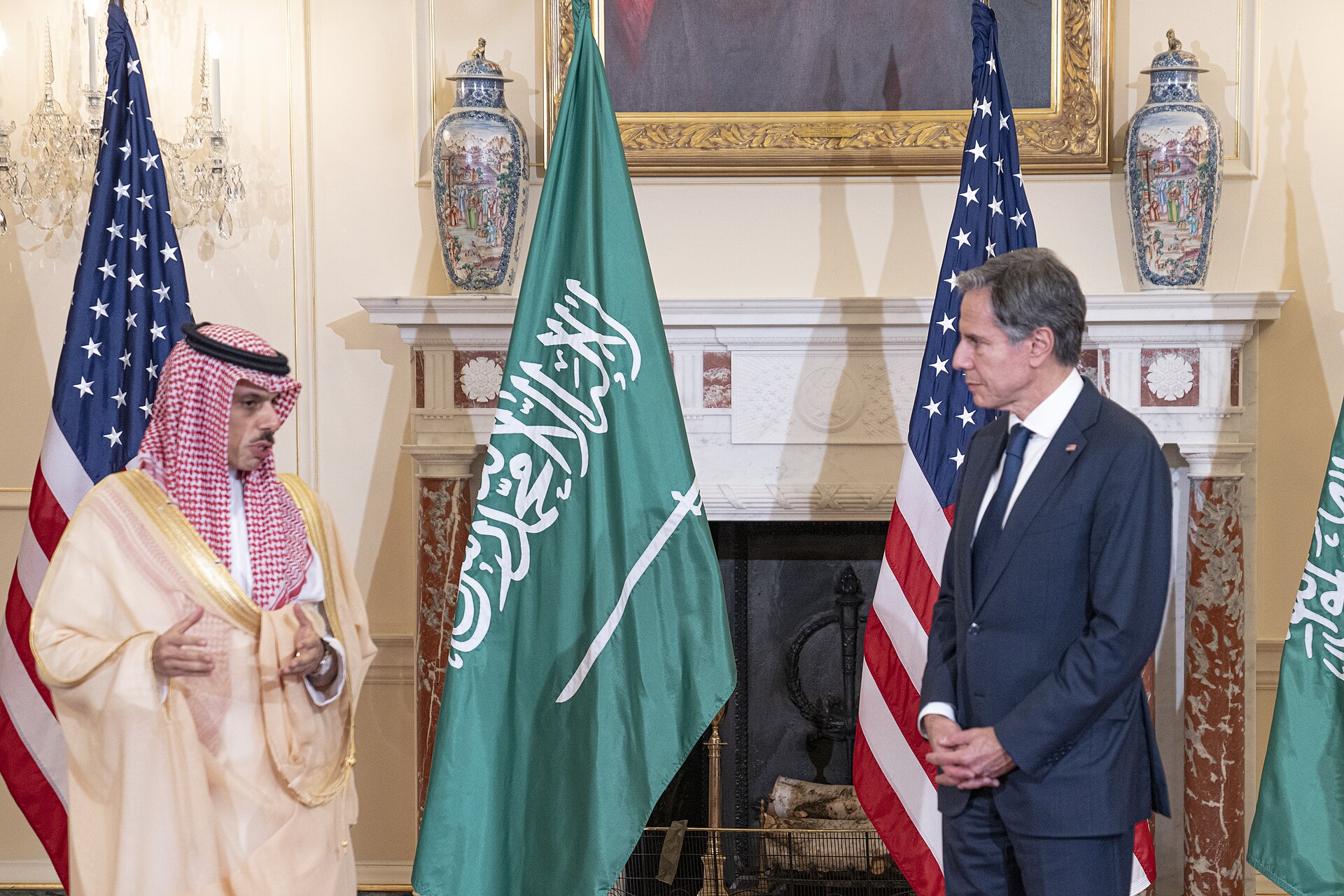
Saudi Arabia’s diplomatic week unfolded on a parallel track. Prince Faisal bin Farhan was in Brussels on November 15 meeting EU foreign ministers at the Foreign Affairs Council, where he sought European naval escorts for Saudi-bound shipping and urged pressure on Iran over Hormuz. Two days earlier, China’s Middle East envoy Zhai Jun met Prince Faisal in Riyadh to discuss Yemen and Houthi security, adding another diplomatic vector to a week already crowded with channels — none of which, as of November 16, appear to have produced a coordinated framework for ending the war.
Background and Context
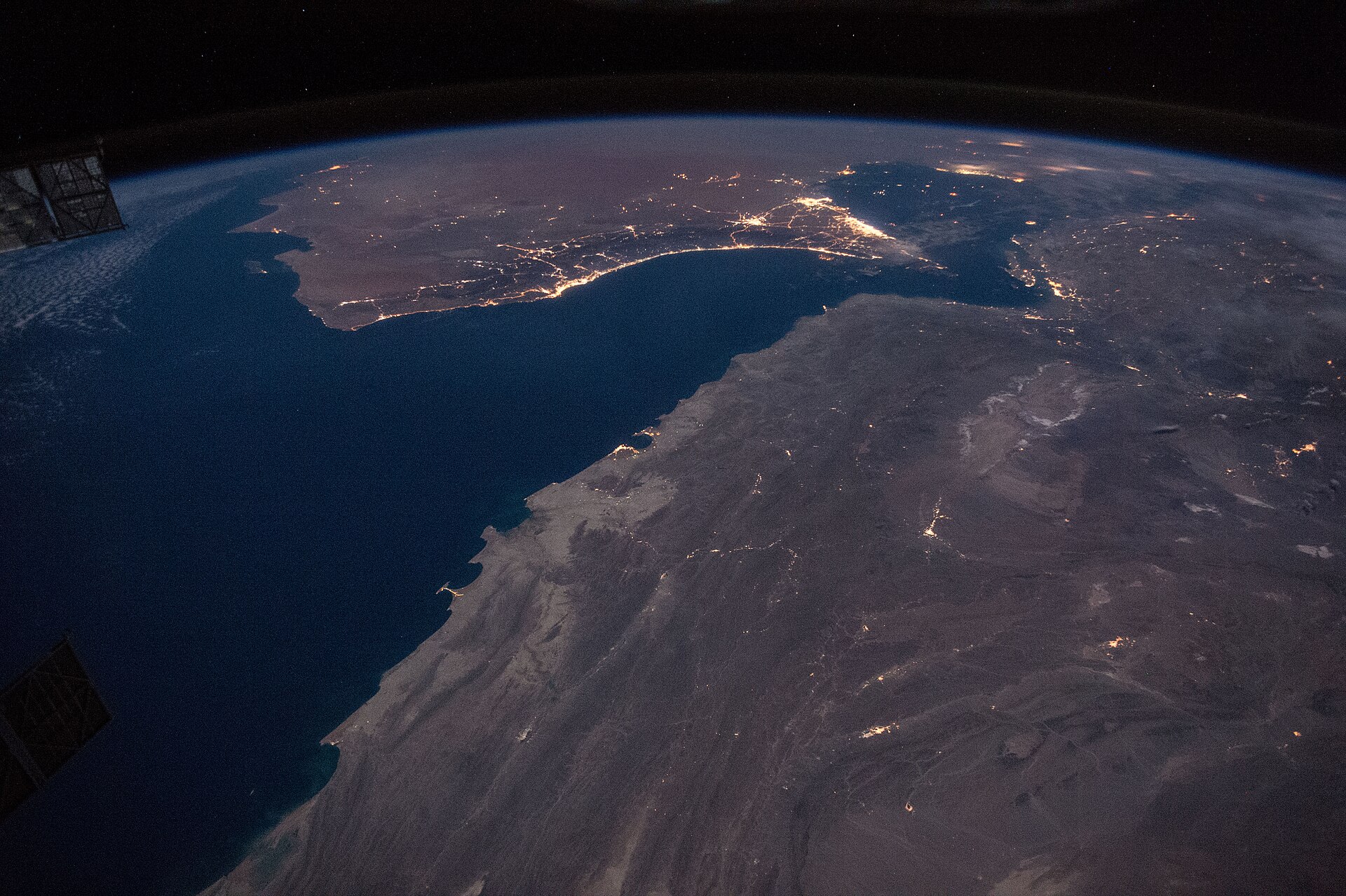
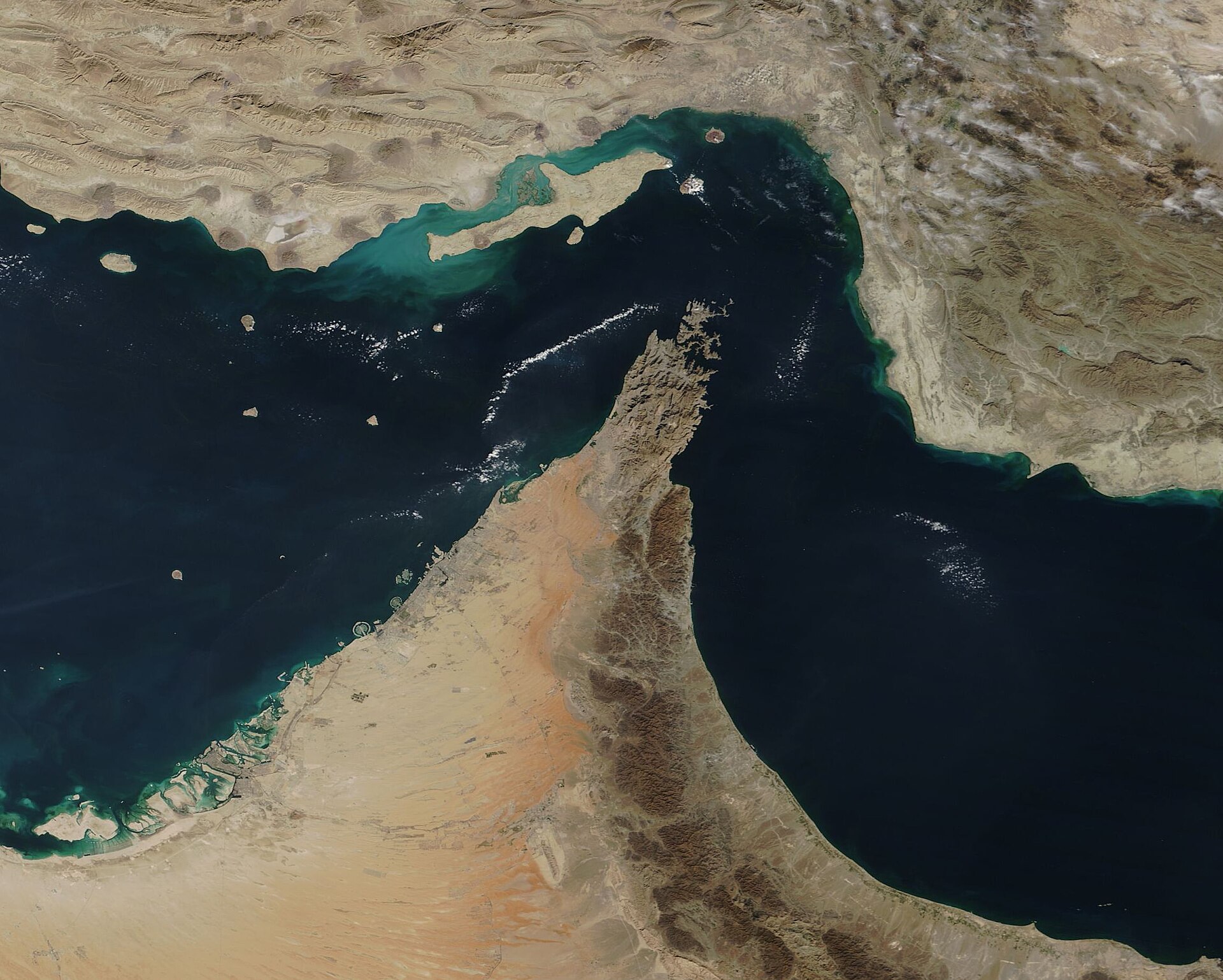
The Strait of Hormuz has been closed or contested for most of the war. Iran first shut the waterway on April 18, following the US imposition of a naval blockade on Iranian ports that began on April 13, according to Container News. After the June memorandum collapsed, the US reinstated its own naval blockade on July 14; Hormuz traffic, which had averaged 130 to 140 vessels a day before the war according to Reuters, fell to as few as 33 ships over a four-day stretch in early August, Kpler data showed as reported by Chronicle.lu.
The military dimension has only escalated since the memorandum collapsed. Turkey’s parliament ratified the Makkah Joint Defence Agreement on November 5 by a vote of 279 to 119, according to Anadolu Agency, formalising a pact that has already brought Pakistani fighter jets to Saudi bases and aims to establish a multilateral defence framework for the kingdom. A third US carrier strike group reached the Middle East in mid-November alongside up to 200 US military advisers providing targeting data to Saudi forces, and Houthi missile and drone attacks on Saudi airports and infrastructure have continued through the week, with the coalition reporting multiple intercepts over Riyadh, Makkah, and the Eastern Province.
Araghchi on October 11 offered to “facilitate dialogue between Saudi Arabia and Yemen” — meaning the Houthi administration — according to the BBC, an offer that went publicly unanswered. On November 3 he told Anadolu Agency’s English service that Iran’s talks with Saudi Arabia on regional security were “ongoing,” aimed at arrangements without foreign military presence. Whether the November 17 Muscat meeting advances those parallel tracks, or simply adds another entry to a lengthening list of conversations that have not yet produced a deal, depends on whether Busaidi carries anything back to Riyadh or Washington that wasn’t already on the table when the last agreement fell apart.
The last time Araghchi left Muscat after meeting Busaidi on Hormuz implementation, in July, Iran re-closed the strait the following day. When the memorandum the visit was supposed to implement expired the following month, Trump threatened to bomb Oman for hosting the talks. Araghchi is heading back to Muscat on Tuesday.
Frequently Asked Questions
Has Oman faced military consequences for mediating between Iran and the West?
Oman has not been spared the war despite its mediating role. In July 2026, Iranian drones struck Omani territory, prompting Muscat to summon Iran’s ambassador, according to Chronicle.lu citing Reuters. In November 2026, IranWire reported that Iran targeted maritime navigation systems on an Omani island in the Strait of Hormuz, an act that complicated Oman’s role as a neutral intermediary while underlining the risks Muscat accepts by keeping the channel open. Sultan Haitham’s government has nonetheless continued to host talks, maintaining a posture that prioritises mediation over public confrontation with Tehran.
When did Iran and the US last meet face to face?
Araghchi met US envoy Steve Witkoff on the sidelines of the UN General Assembly on September 22, 2026, according to Al Jazeera. That encounter preceded Araghchi’s submission of the seven-day roadmap three days later, which was subsequently rejected by Washington. No face-to-face US-Iran contact has been publicly confirmed since, with Qatar’s indirect mediation serving as the primary communication channel until it stalled in the weeks before the November midterm elections.
What role did Pakistan play in Araghchi’s diplomatic week?
Araghchi’s stop in Islamabad for the ECO summit on November 15-16 is not incidental to the broader diplomatic picture. Pakistan mediated the original US-Iran ceasefire talks in April 2026, hosting vice-presidential-level negotiations between JD Vance and Majlis Speaker Mohammad Bagher Ghalibaf, and helped broker the June 17 memorandum of understanding, according to Anadolu Agency. Pakistani fighter jets deployed to Saudi bases under the September 2025 mutual defence pact, and Turkey’s Makkah Pact ratification has formalised a framework that places Pakistani and Turkish forces as part of the kingdom’s defence architecture.
What is Iran’s current position on nuclear negotiations?
Baghaei’s statement in Islamabad that there have been no nuclear discussions “in this period” suggests Iran has decoupled the nuclear track from the war-related diplomacy, at least for the moment. Separately, Rezaei — Secretary of the Supreme National Security Council — said in October that Iran would not surrender its enriched uranium, according to Gulf News. Iran’s enrichment programme, which predates the current conflict, has not been part of the Oman-mediated track, which has focused on Hormuz navigation and military de-escalation rather than the broader nuclear file that defined pre-war diplomacy.
What happened to Iran’s seven-day roadmap from September?
Araghchi submitted the seven-day roadmap via Qatar on September 25; the Wall Street Journal reported Trump rejected it and told aides he expected to resume bombing after the November 3 midterms. With those midterms now over and Democrats in control of both chambers — having voted at least ten times on war powers resolutions aimed at limiting Trump’s authority to strike Iran, per NPR — the political calculus around military escalation has shifted, though Iran’s public conditions remain unchanged and no updated proposal has been disclosed ahead of the November 17 Muscat visit.
The House of Saud Daily Briefing
Saudi Arabia's news in 3 minutes, every morning. Free. See today's issue